Do you use any of these?

Do you know what “a baker’s dozen” is? Common sayings with dark origins


Published on July 20, 2025
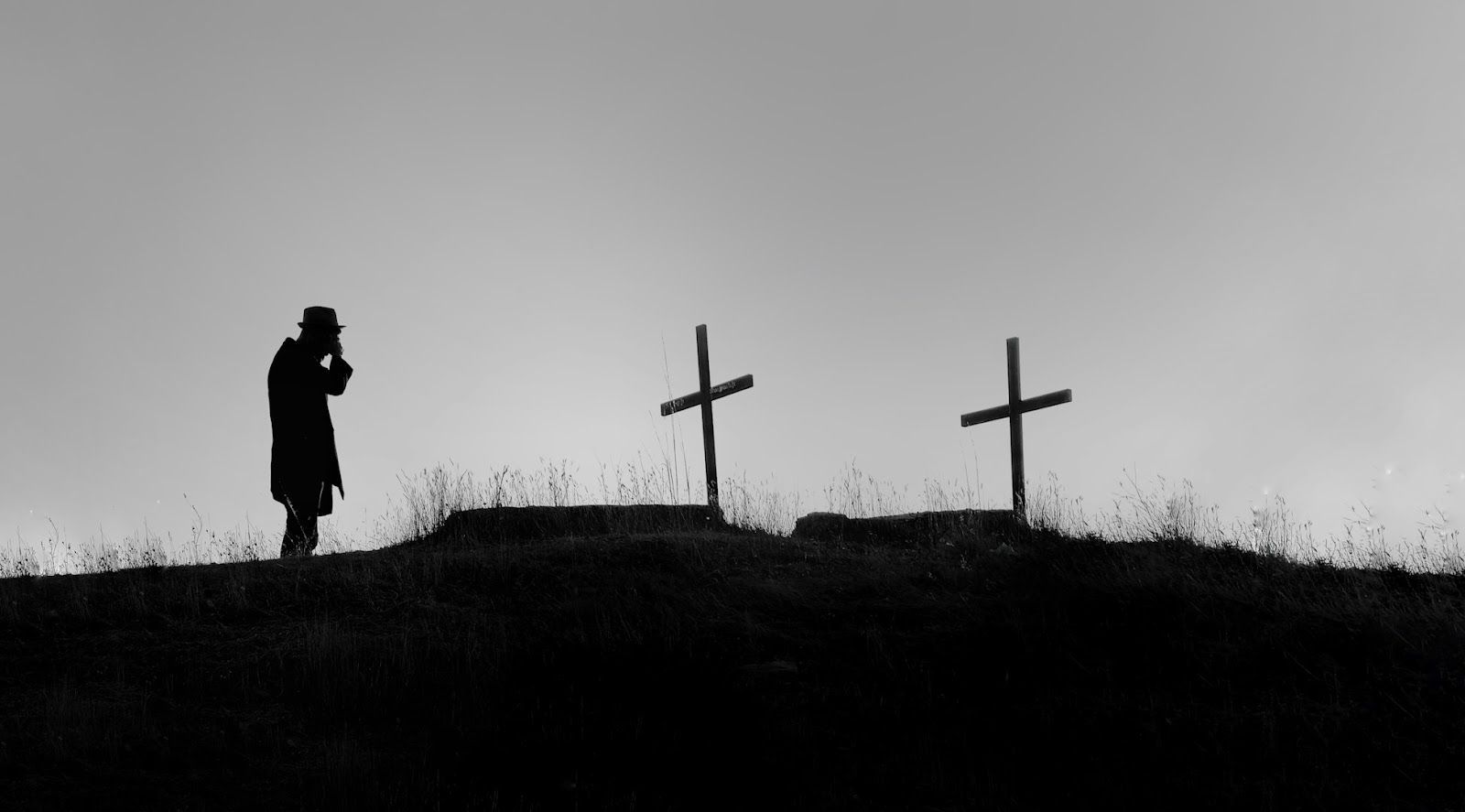

Image: Soroush Alavi

We use a lot of strange phrases without thinking twice, but some have surprisingly grim origins. Ever say someone "kicked the bucket" or "bit the dust"? These everyday expressions sound harmless, but have more somber roots. Take a look at 12 of these idioms. Do you use any of these?

1

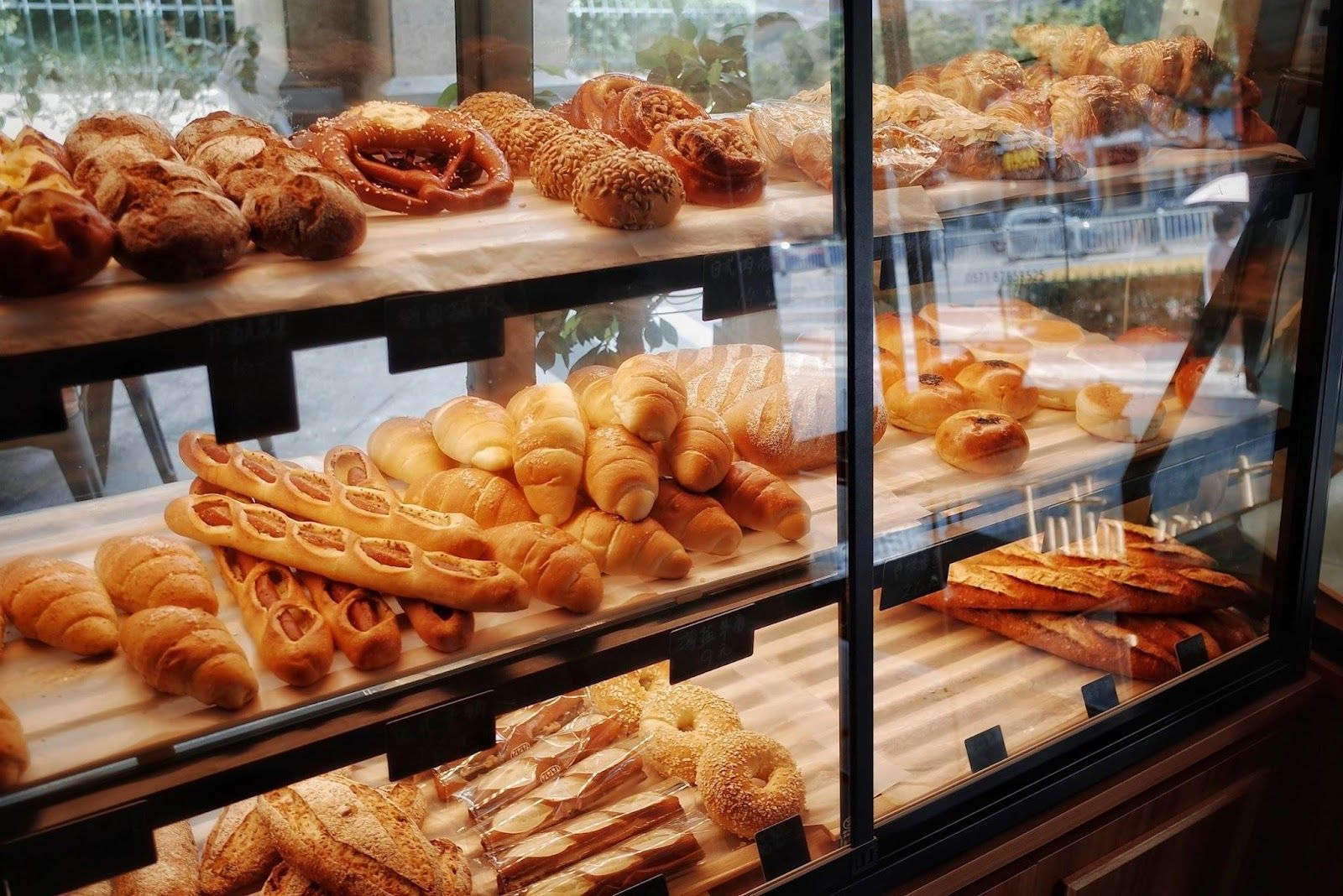
Baker's Dozen

Image: Yeh Xintong

In 13th-century Britain, bakers risked losing a hand if they sold underweight bread, according to the Assize of Bread and Ale under Henry III. To avoid punishment, they often added a little extra to each order.

When selling 12 loaves, bakers would include a 13th—called a "vantage" loaf. This became what is now known as "a baker’s dozen."

2

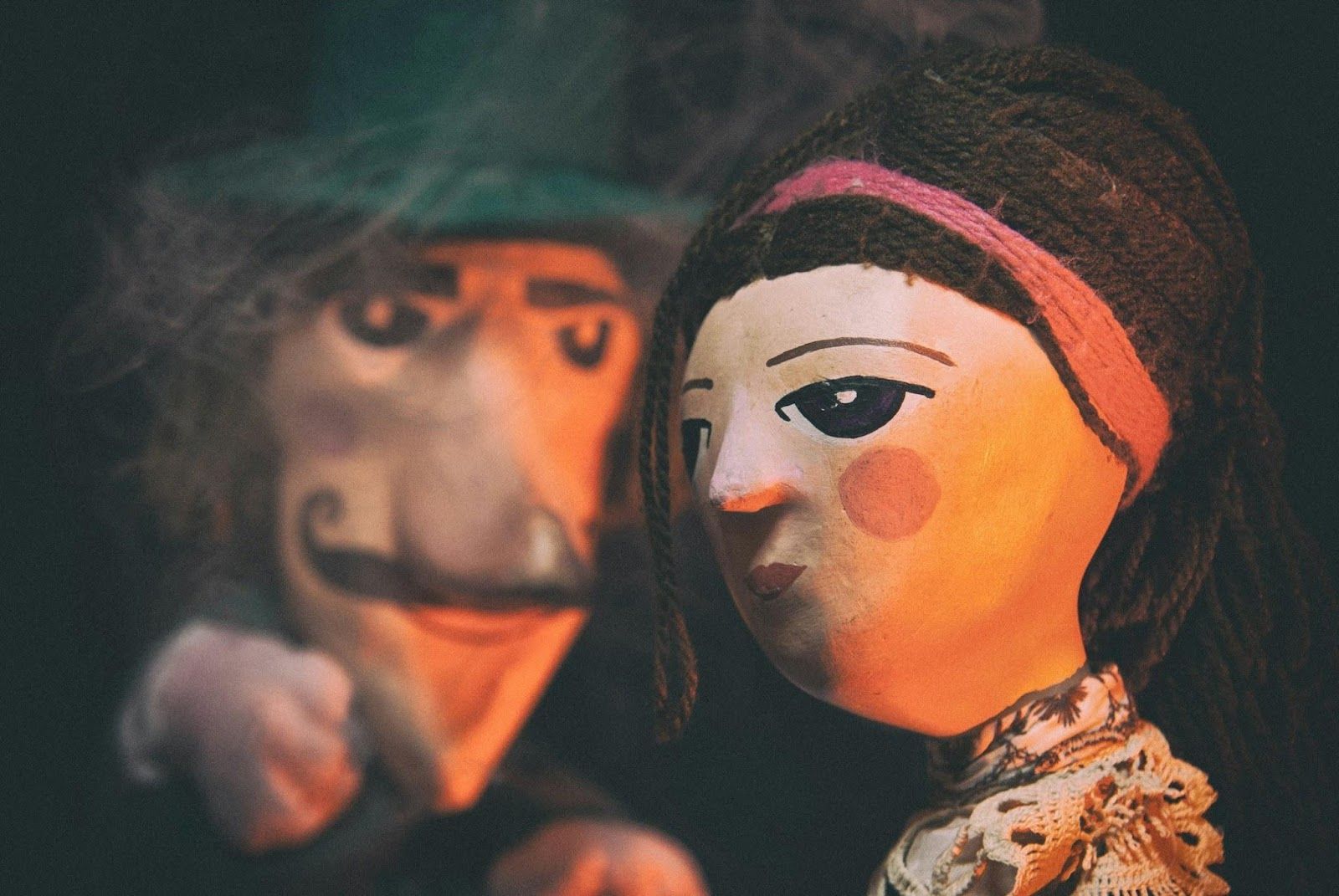
As Pleased As Punch

Image: Carlos Martinez

Saying you're "as pleased as punch" sounds cheerful, but it has dark roots. The phrase comes from Punch from the Punch and Judy puppet shows, who gleefully committed violent acts.

Popular in 17th-century England, these shows featured Punch killing his family and others with a slapstick, laughing after each act.

3

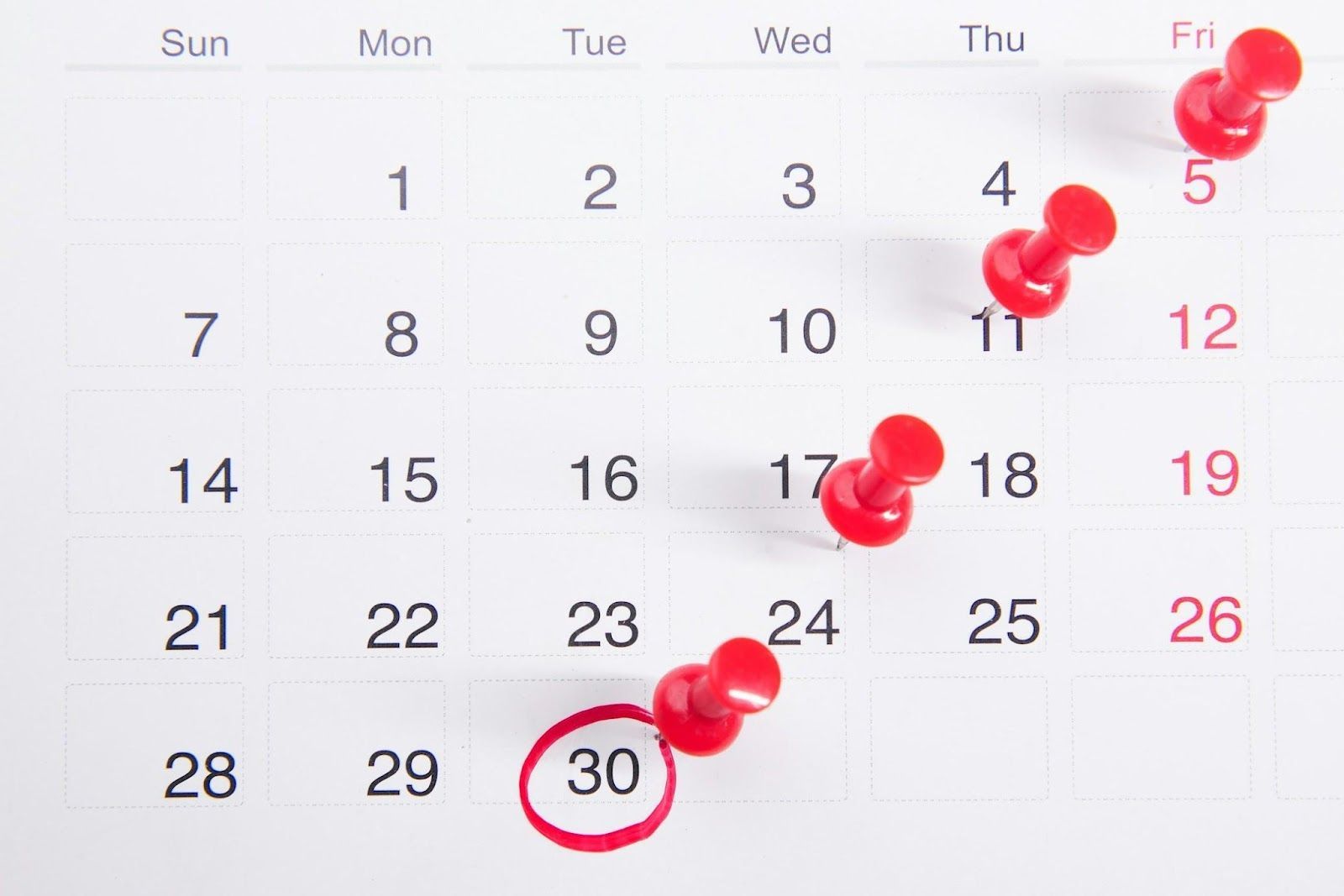
Meeting A Deadline

Image: Towfiqu barbhuiya

The phrase "meet a deadline" might sound stressful today, but its origins are far darker. During the Civil War, the "deadline" referred to a boundary at Andersonville Prison, where Union soldiers were held.

This line, 20 feet inside the outer wall, was meant to prevent escapes. Any prisoner who crossed it was shot by guards in pigeon roosts. The term came from this deadly boundary, where crossing meant certain death.

4

A Blockbuster

Image: Krists Luhaers

Today, a "blockbuster" refers to a huge commercial hit, but the term originally described powerful bombs from World War II.

The British Royal Air Force used blockbusters, massive cylinders filled with explosives, capable of destroying entire streets. It wasn’t until 1957, nearly a decade after the war, that the term shifted to describe big entertainment successes.

5

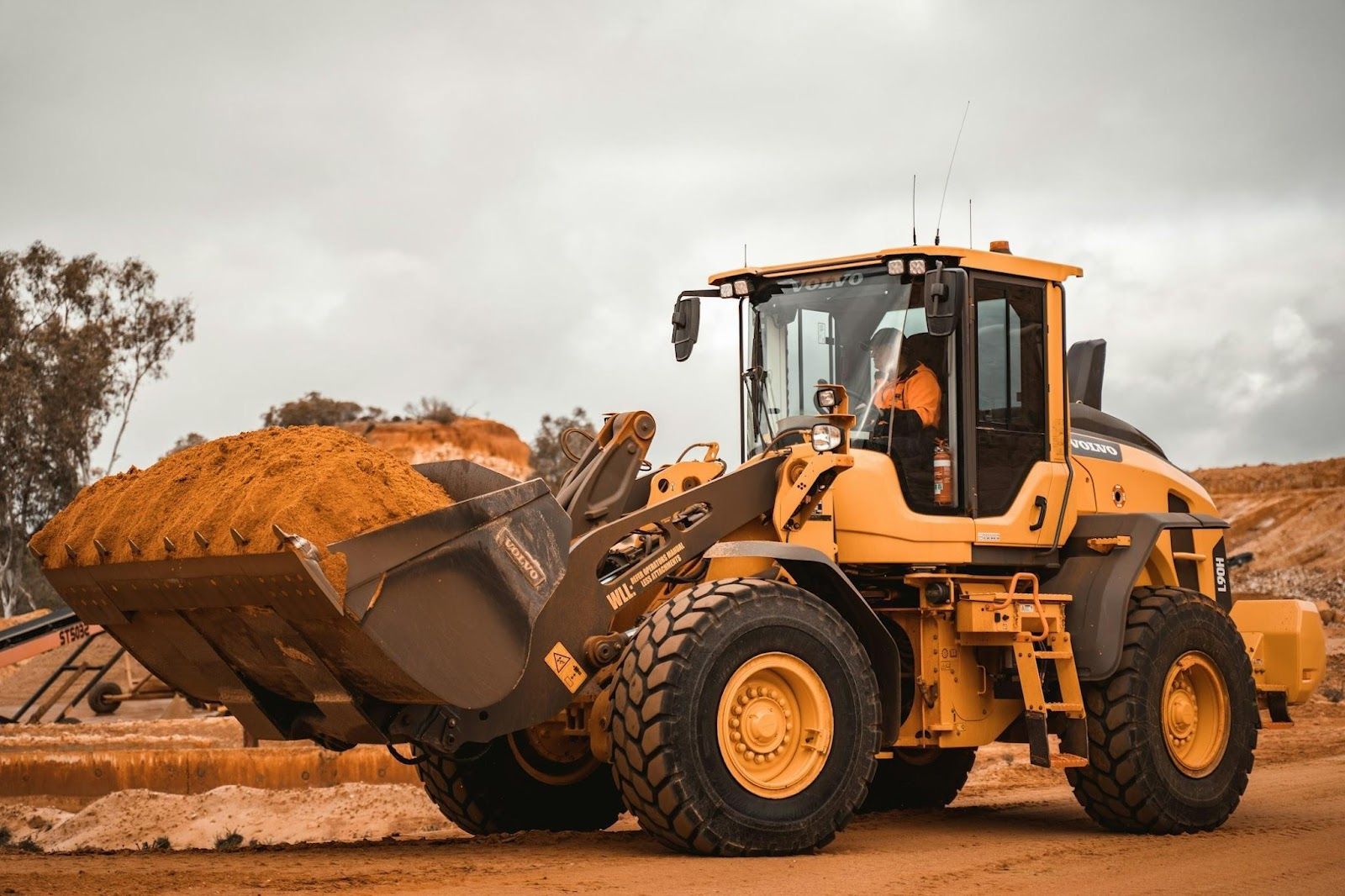
Bulldozer

Image: Zac Edmonds

The phrase "to bulldoze" someone means to force or bully them, but its origins are much harsher. First used in 1876, "bull dose" referred to brutally whipping or beating someone, similar to how a bull might be punished.

By 1880, "bulldoze" became a verb, and eventually, the heavy machinery designed to push through obstacles was named a bulldozer.

6

Sinister

Image: Kelly Sikkema

The word "sinister" comes from the Latin sinister, meaning "left" or "on the left side." By the 15th century, left-handedness was associated with evil, often linked to witches and the devil.

Because of this stigma, left-handed people were forced to use their right hands. Today, however, we know that being left-handed doesn’t make anyone sinister, and many renowned thinkers, like Leonardo da Vinci and Benjamin Franklin, were left-handed.

7

Mad as a hatter

Image: Héctor J. Rivas

The Mad Hatter from Alice’s Adventures in Wonderland is famous for his colorful personality, but his madness has historical roots. In the 18th and 19th centuries, hat-makers, known as "hatters," often suffered from mercury poisoning due to their work with the chemical.

This poisoning led to mental deterioration, giving rise to the idea of the "mad" hatter, a term that Carroll cleverly incorporated into his character.

8

Pulling my leg

Image: Jamie Waynick

Today, "pulling your leg" means joking or fooling around, but it once had a much darker meaning: in 19th-century London, thieves would pull people’s legs to drag them down before stealing their belongings.

This tactic was commonly used by robbers, turning what is now a lighthearted phrase into a serious crime.

9

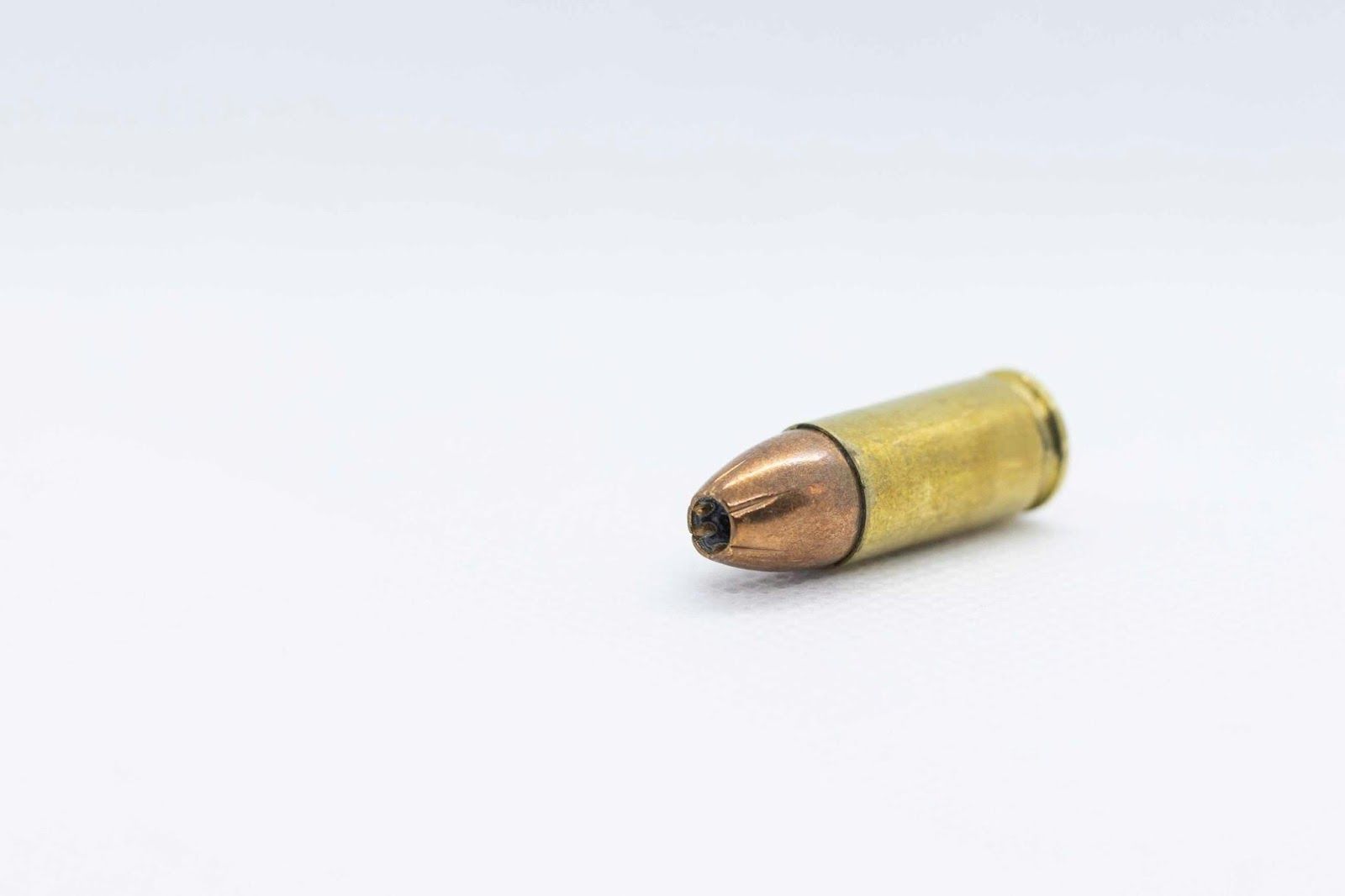
Bite the bullet

Image: danilo.alvesd

In the world of films, we often see characters drinking whiskey before a quick surgery or amputation. But in real battlefields, soldiers didn’t have that option.

One theory about the origin of the expression "to bite the bullet" suggests that, during painful medical procedures, wounded soldiers would literally bite down on a bullet—taken from the ground or from their own weapon—to help endure the agony without crying out.

10

God bless you

Image: Towfiqu barbhuiya

The phrase "God bless you" after a sneeze has several theories behind it. One theory links it to preventing the plague, while another suggests it’s a way of ensuring the soul stays in the body during a sneeze.

11

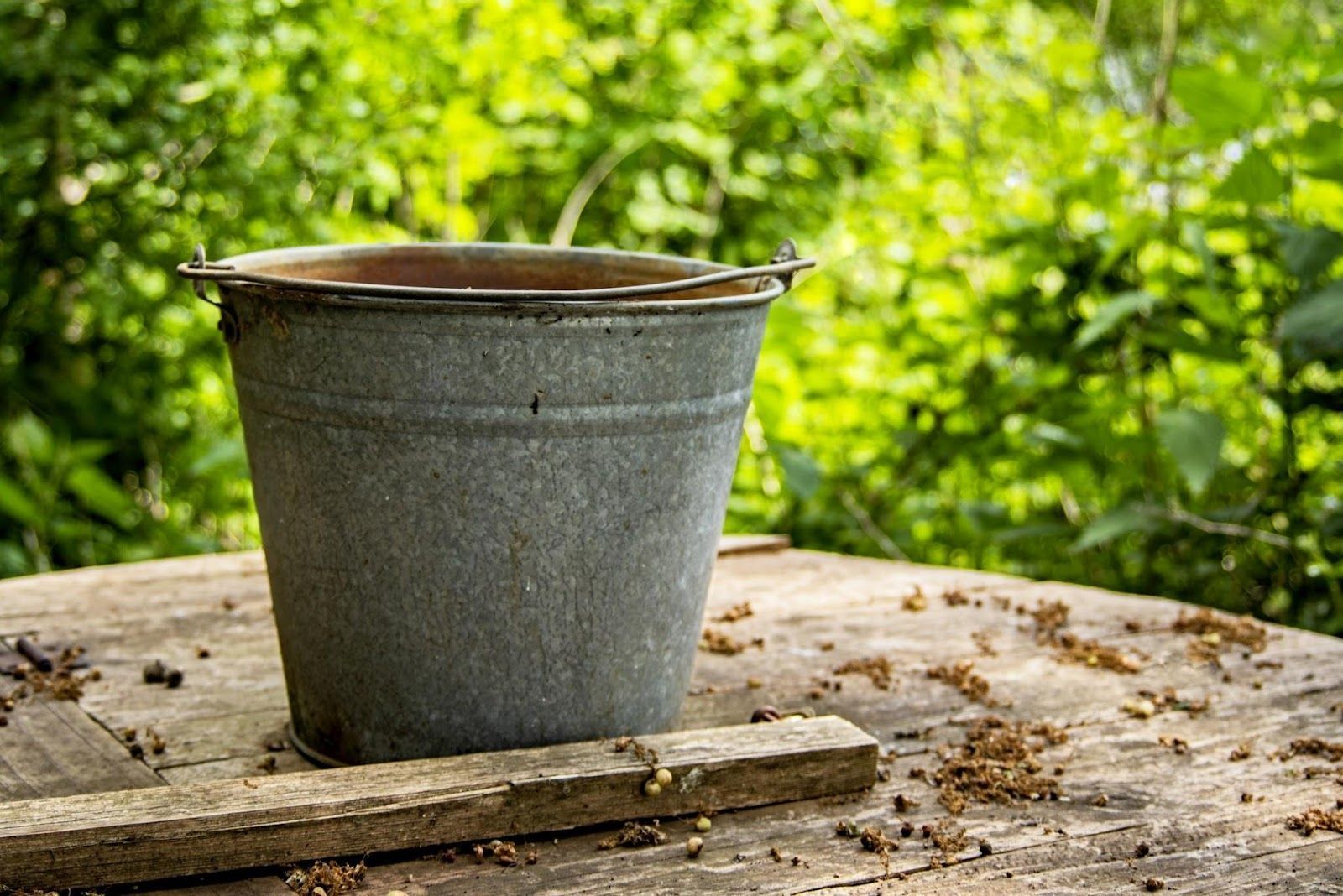
Kick the bucket

Image: Lucas van Oort

The phrase "kick the bucket" means to die and has been used since the 18th century. One theory connects it to the Catholic tradition of placing a bucket of holy water by the feet of the deceased for mourners to sprinkle.

Another theory suggests the term comes from 16th-century England, where "bucket" referred to a beam. When animals were hanged for slaughter, they would kick the beam as they died, giving rise to the idiom.

12

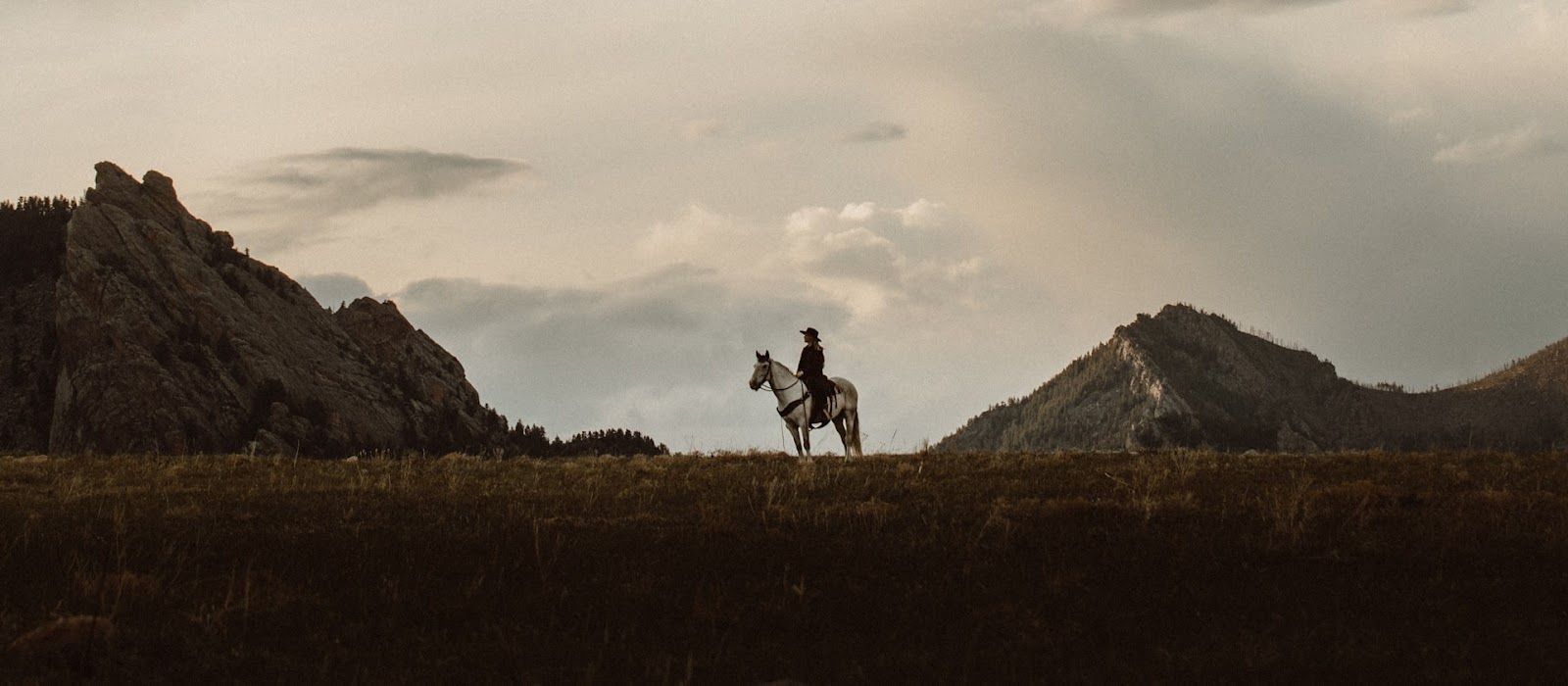
Bite the dust

Image: Taylor Brandon

The phrase "bite the dust" likely originated in the 19th-century Old West, referring to gunfights and battles. It paints a vivid picture of someone falling to the ground and biting the dust after being struck by a fatal wound.

Over time, the expression broadened, and now it simply signifies someone’s death or defeat, no longer tied specifically to gunfights.


Deep roots

11 everyday words with indigenous roots


Published on July 20, 2025


Image: Zoshua Colah

English is a very welcoming language in the sense that it incorporates terms from many other languages from all over the world. And, as it couldn’t be otherwise, Native American languages have lent many of their words and terms to English speakers. Some traveled through Spanish or French before settling into English, and others arrived directly through early contact and trade, helping shape the way we speak today. Did you know about these 11 terms?

1

Canoe

Image: Michael Niessl

The word "canoe" comes from the Taino term canoa, which was first used by Caribbean islanders long before Europeans arrived. Early explorers adopted it to describe the slim, sturdy boats they saw.

Over time, "canoe" became the standard English word for a small paddled craft. Today it still carries that sense of simplicity and closeness to nature.

2

Barbecue

Image: Philipp Kämmerer

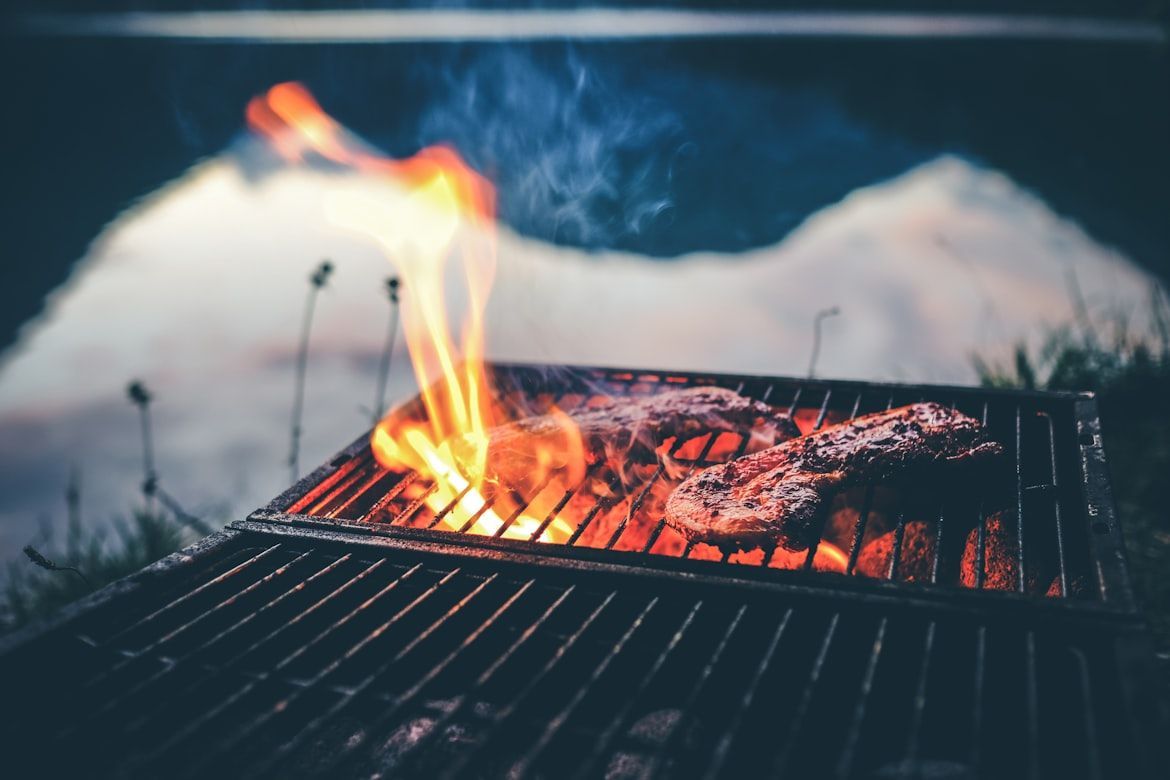
The word "barbecue" comes from barbacoa, another Taino term for a wooden frame used for cooking meat over fire. Europeans adopted it and applied it to both the method and the gathering itself.

Today, "barbecue" means everything from a backyard cookout to a regional cooking style. Its origins highlight the deep culinary influence of Native Americans in the nation's current culture.

3

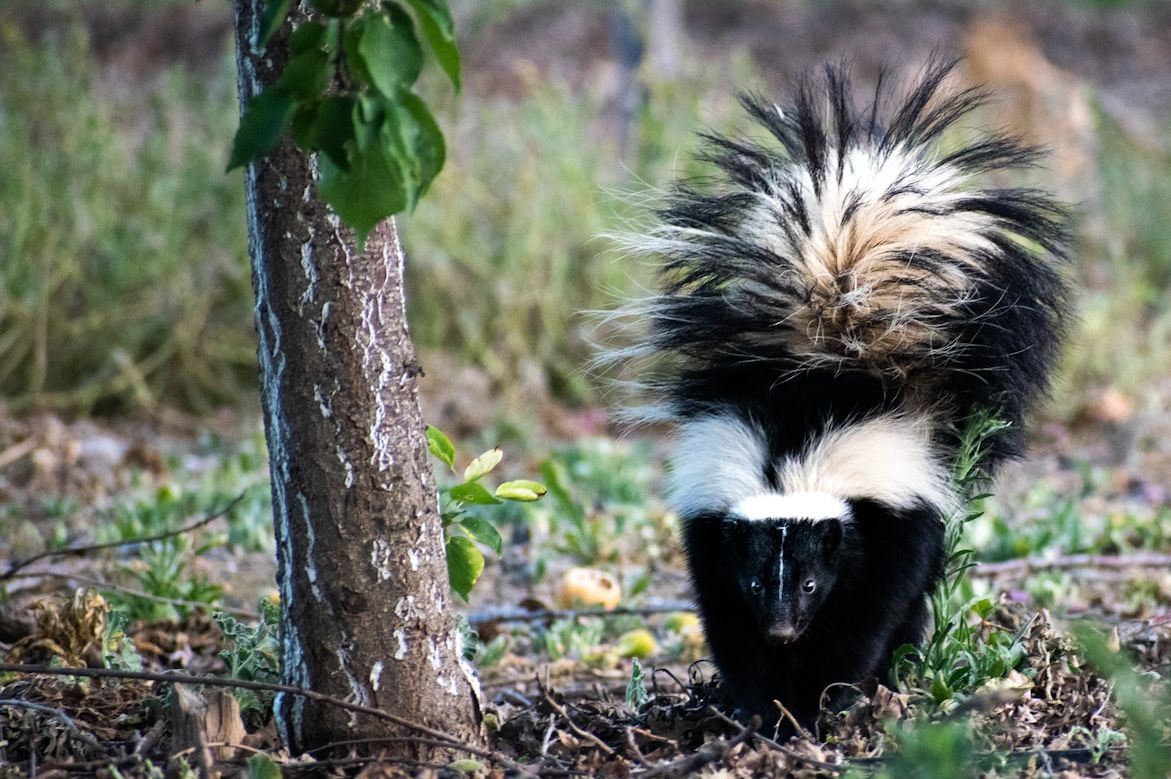
Skunk

Image: Elisa Stone

"Skunk" comes from the Algonquian word squnk, which means "urinating fox" (quite a fitting term, indeed). This was an obvious reference to the animal’s strong defensive spray. Early settlers adopted the term directly.

Since English had no better name for the creature, the Native word stuck. Today, the word skunks is also used as playful slang.

4

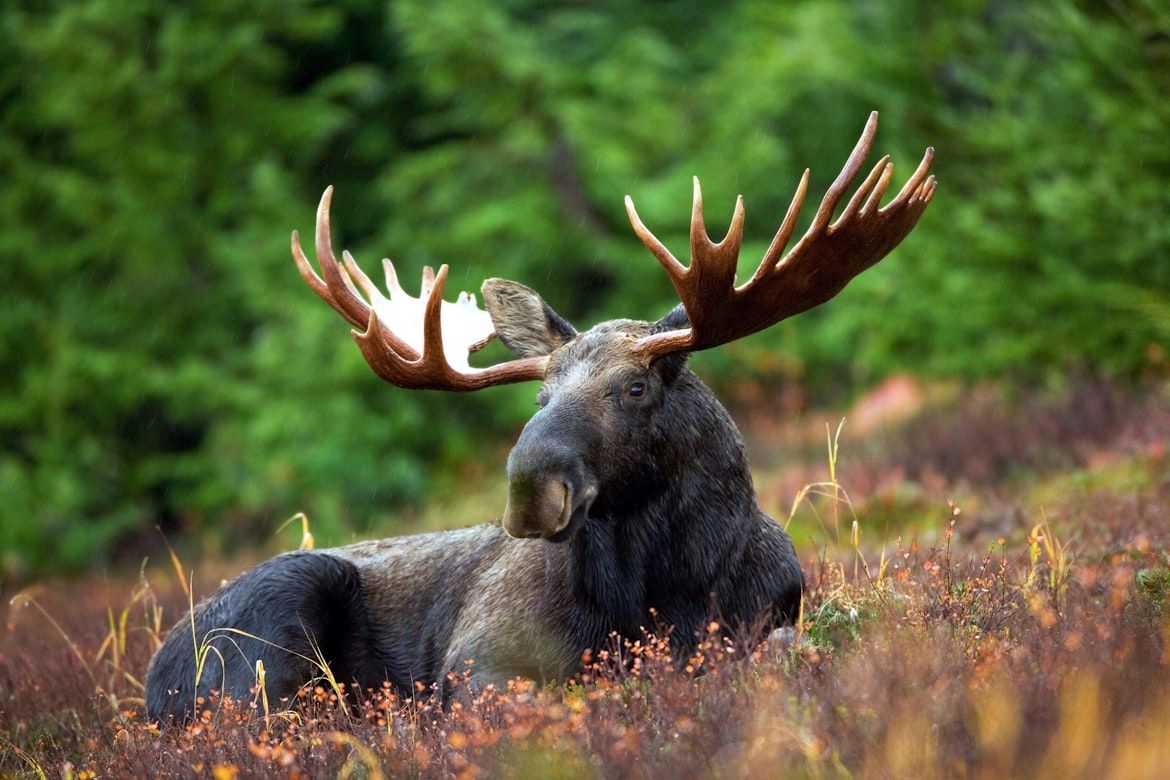
Moose

Image: Shivam Kumar

The word "moose" originates from Eastern Abenaki, a part of the Algonquian family, where it meant "he strips off bark." Yes, it described the animal’s habit of tearing bark from trees.

The name entered English quickly because settlers relied on Native knowledge of local fauna. The word remains unchanged because of its accuracy and usefulness.

5

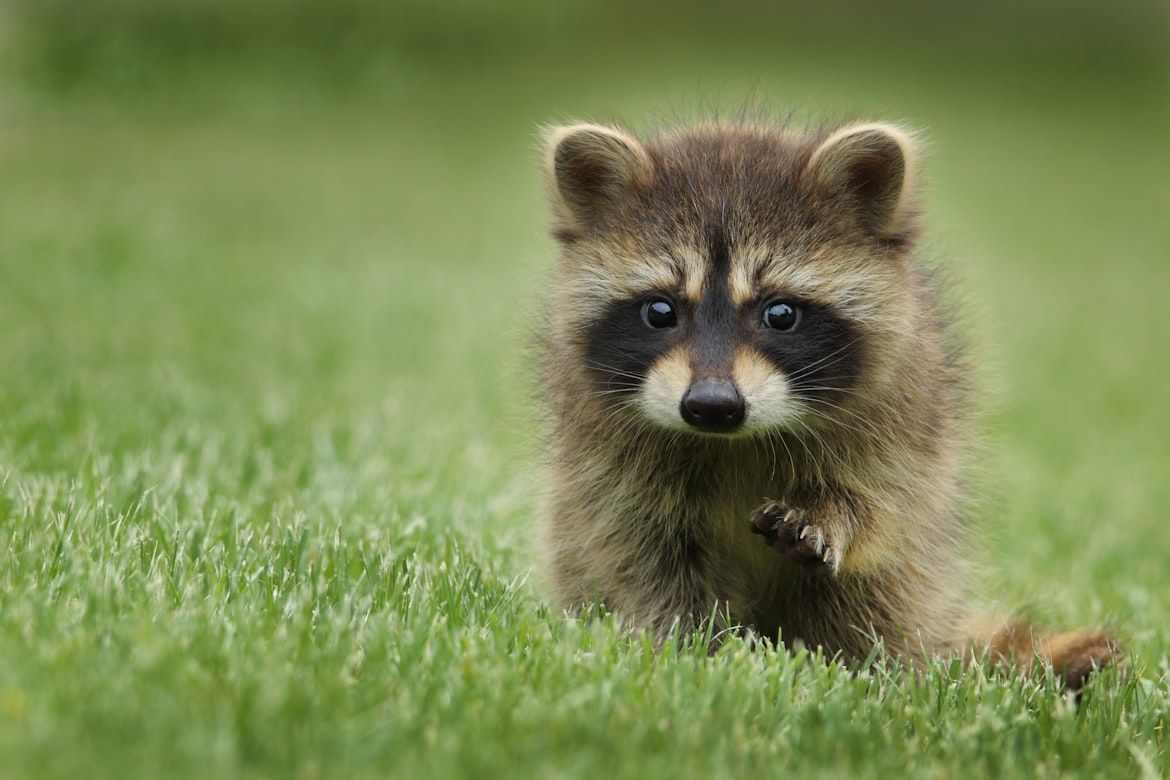
Raccoon

Image: Gary Bendig

"Raccoon" comes from the Powhatan word arakun, meaning "he scratches with his hands." It described the animal’s clever, humanlike front paws.

Settlers adopted the term because it captured the creature’s behavior beautifully. Today, the raccoon is used as a household symbol of curiosity, not unlike the animal itself.

6

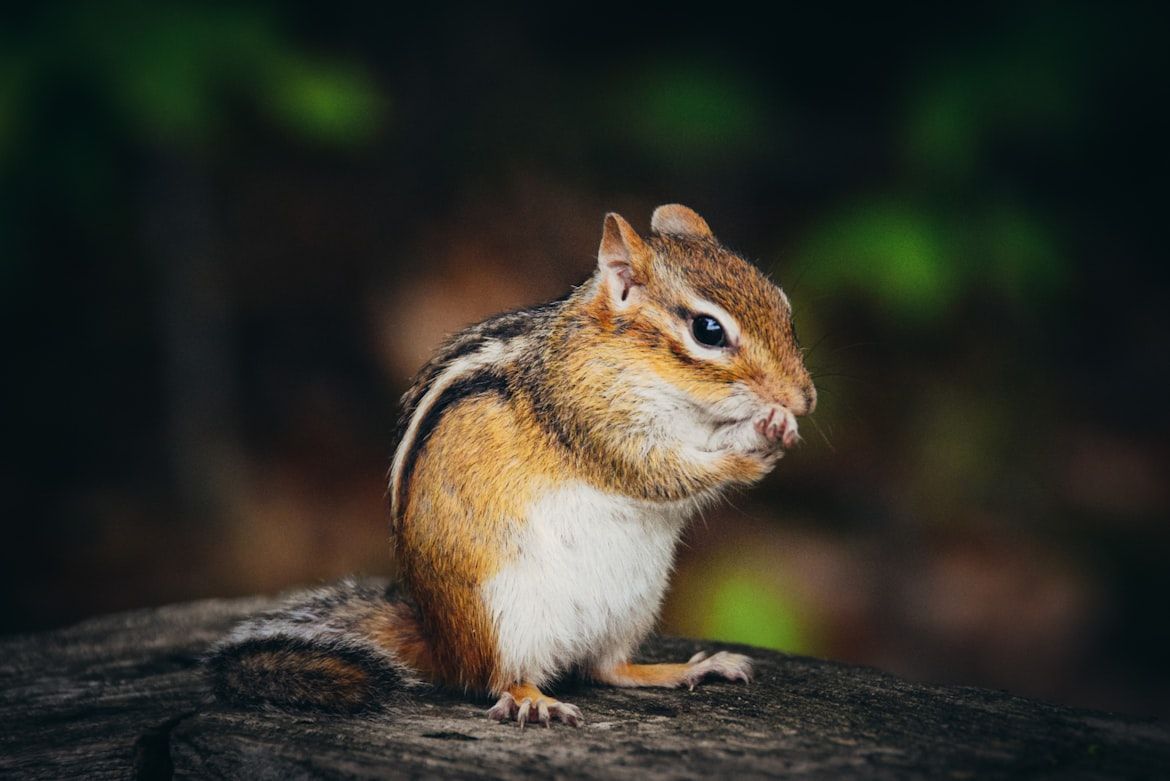
Chipmunk

Image: Annegret Kammer

The term "chipmunk" most probably comes from the Ojibwe word ajidamoo, which means "one who descends trees headfirst." Early English settlers adapted the sound into today’s form.

Though the spelling changed over time, the lively image of a chipmunk racing down a tree face-first stayed.

7

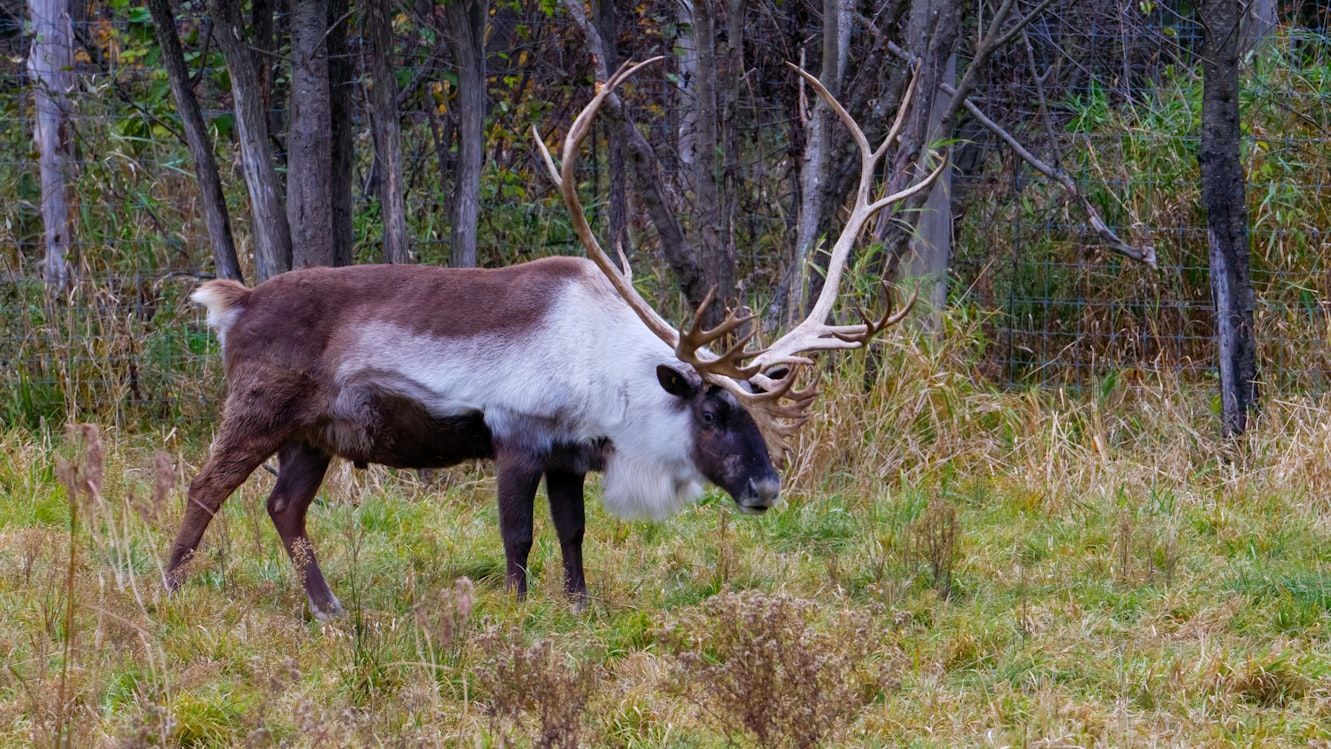
Caribou

Image: JD-Photos

The word "caribou" comes from the Mi’kmaq term qalipu, which means "snow shoveler," referring to the animal’s habit of digging through snow for food.

French settlers brought the word into English, keeping its descriptive nature. The name still connects the modern animal to the winter landscapes it belongs to.

8

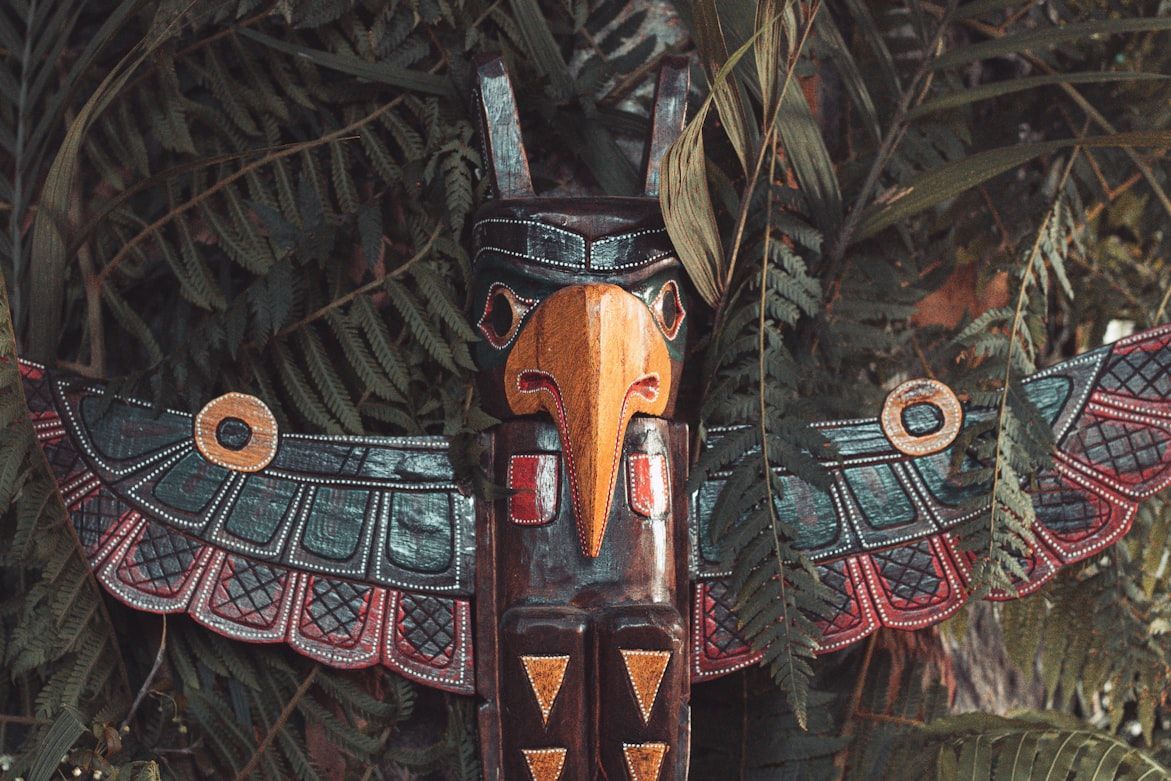
Totem

Image: Stéfano Girardelli

"Totem" comes from the Ojibwe word ototeman, which means "kinship group." It described symbols representing clans and shared roots.

English adopted it to describe carved poles and symbolic elements. Though broader in modern usage, it still hints at the original sense of community, identity, and heritage.

9

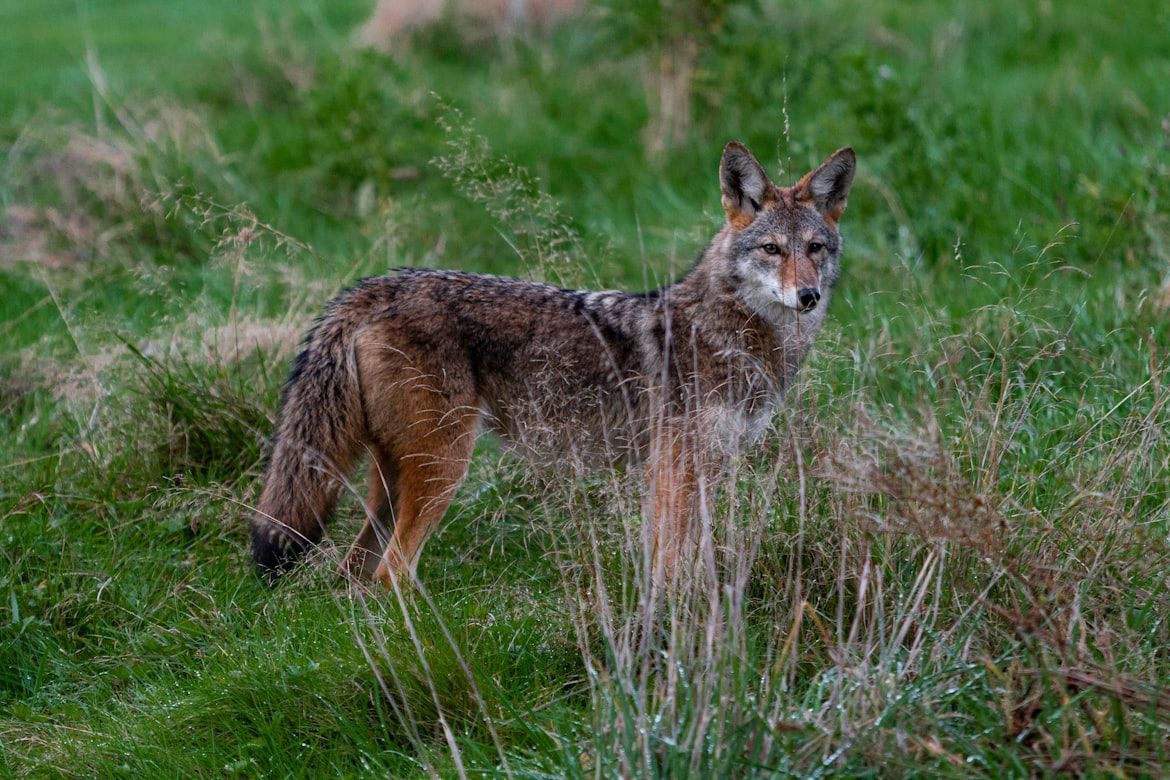
Coyote

Image: Dylan Ferreira

"Coyote" comes from the Nahuatl word coyōtl, which was used by Indigenous tribes of central Mexico. Spanish speakers adopted it, and English borrowed later.

The word kept its meaning, and it remains one of the most direct links between the English language and Nahuatl.

10

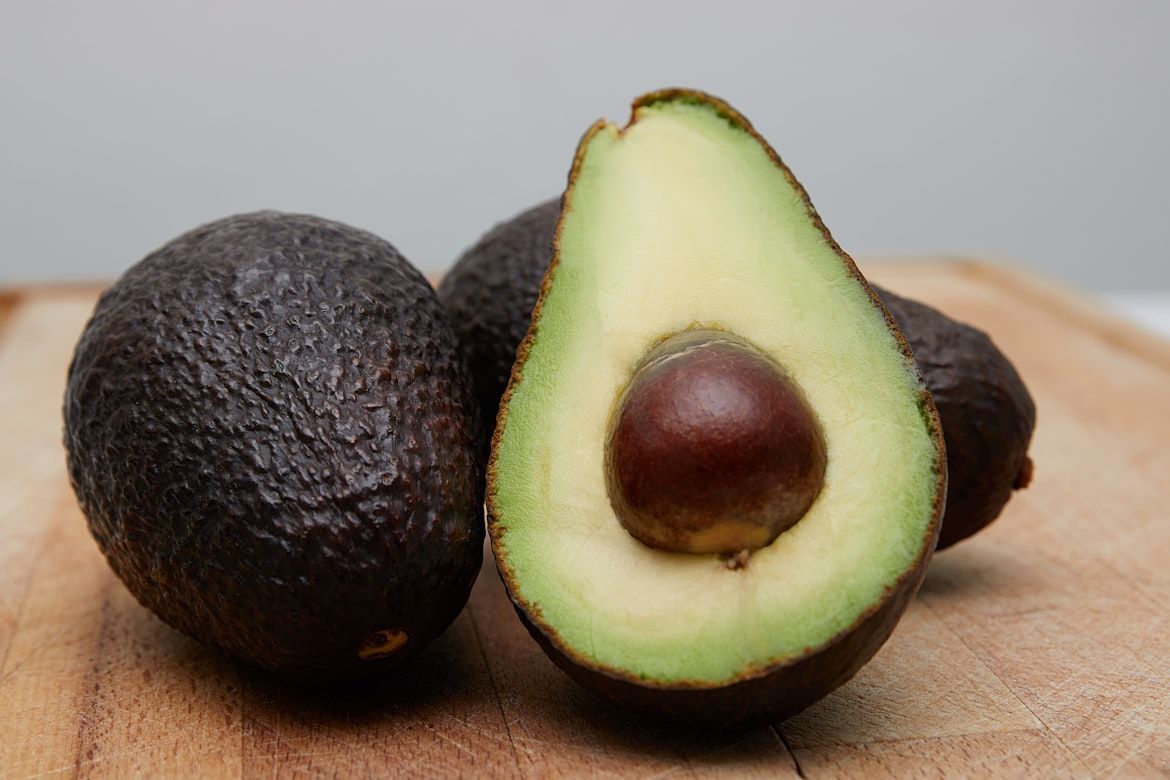
Avocado

Image: Gil Ndjouwou

The tasty avocado’s name traces to the Nahuatl word ahacatl, which refers to the fruit and to a body part as well. Spanish speakers transformed it into aguacate.

Later on, English speakers adapted it to avocado. While the name sounds contemporary and culinary, it has ancient Native roots.

11

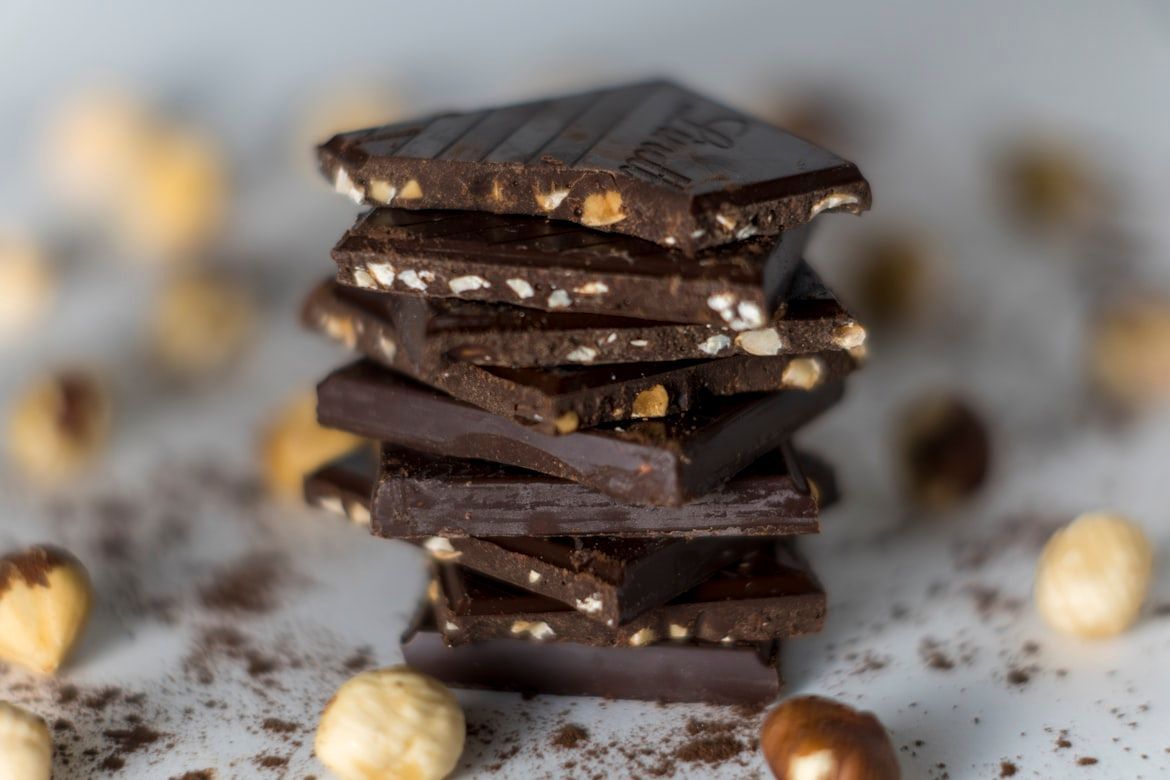
Chocolate

Image: amirali mirhashemian

The last Nahuatl word and also the last word on the list comes from the term xocolātl, which describes a bitter cacao drink that was consumed long before Europeans arrived in America. The name traveled from Spanish to English.

Though the product changed dramatically, the word survived. Today, chocolate is a universal symbol of sweetness, with rich and deeply indigenous roots.

Looking for an extra scoop of literary fun?

Learn more with our Word of the day

temerity

/təˈmɛrədi/