Nothing is set in stone

The Oxford comma is a choice, not a rule (and it is not about grammar)


Published on June 16, 2026


Image: Markus Winkler

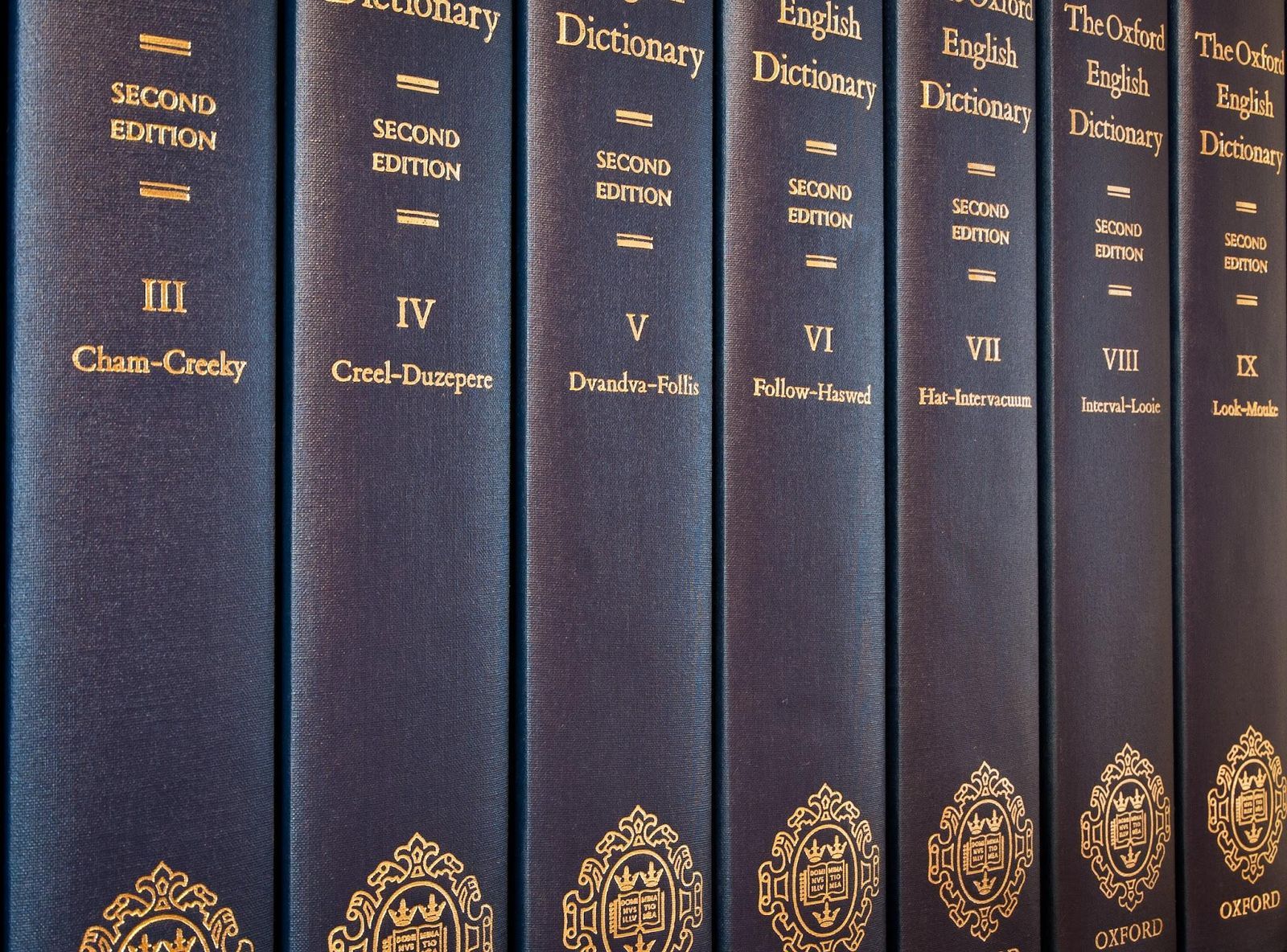
Unlike languages like French or Spanish, the English language does not have an official academy that registers the use of the language and determines which rules still apply and which are obsolete. While institutions such as the Oxford Dictionary help with standardizing and registering the language, English evolves through the daily use of its speakers, and its rules evolve with it.

As a consequence, some rules are more fixed than others, and many of them are not so much rules as they are stylistic choices. Does this mean we can write however we please? Not exactly, but it means that many "rules" are not set in stone. Let’s see some language mandates that are more of a guideline.

1

Sentences should never end in a preposition

Image: Austin Chan

As evidenced by daily language, it is perfectly acceptable to end a sentence with a preposition, no matter the context or the formality. In fact, it’s something that speakers tend to do naturally. The idea that ending sentences with a preposition is incorrect is a myth left over by 17th-century grammarians trying to impose Latin grammar on the English language.

2

You should never split an infinitive

Image: Megan Watson

‘To run quietly’ or ‘To quietly run’, which one is correct? The answer is both. The choice to place an adverb after the infinitive or in the middle of it has nothing to do with proper grammar, but with emphasis and sounding more natural. Again, this "rule" is a leftover from Latin grammar.

3

You should always use ‘whom’ when referring to the object

Image: Artem Beliaikin

Not so long ago, this rule was set in stone, and saying "to who?" instead of "to whom" would get you a few stares. However, rules change as people change, and the use of ‘who’ to refer to the object has become increasingly more common. However, this only applies to informal contexts. In a more formal setting, it is recommended to still use ‘whom’.

4

Sentences should never start with conjunctions

Image: Tim Mossholder

Much like prepositions at the end of sentences, conjunctions —such as and, but, so, or, nor, for, and yet— can go at the beginning of a sentence. This helps with emphasis, breaks up long sentences, and provides flexibility, although it is recommended to use them sparingly in this way.

5

The Oxford comma is mandatory

Image: Dan (mrpolyonymous on Flickr), CC BY 2.0, via Wikimedia Commons

The first issue here is that the serial comma, better known as the Oxford comma, is a punctuation issue, not a grammar rule. That aside, although it is recommended to avoid confusion caused by lengthy enumerations, in the end, it is a stylistic choice, and it is only considered mandatory in contexts that follow a certain style guide.

6

Adjectives should always precede the noun they modify

Image: Markus Spiske

Just because in most cases the adjective goes before the noun, it does not mean it should always do so. English speakers tend to naturally put the adjective first when talking about qualities and characteristics, but in many cases, putting the noun first will sound better. Again, it depends on your preferences and the flow of the sentence.

7

The subjunctive is mandatory for conditions uncertain or contrary to fact

Image: Christina @ wocintechchat.com M

While this is technically correct and subjunctive has been used this way for centuries, this rule mainly applies to written language and formal contexts. In colloquial English, speakers tend to use both the indicative and the subjunctive for uncertain or contrary-to-fact scenarios, such as saying "If I was you" and "If I were you". The choice almost always boils down to what sounds more natural.

8

‘They’, ‘their’, and ‘them’ should only be used for plural antecedents

Image: Towfiqu barbhuiya

Once an unbreakable rule, the use of ‘they’, ‘their’, and ‘them’ for a singular antecedent is widely accepted nowadays, even in the most formal contexts, to fill the gap left by the lack of gender neutral pronouns. In fact, many style guides recommend using these words as singular to avoid awkwardness and assuming someone’s gender.

9

A double negative will always be understood as positive

Image: Nick Fewings

"Two negatives make a positive", a rule you must have heard about in school. While this is a fact in math, it is not always true in grammar. In more standard English variants, the rule applies, especially in academic writing and formal contexts. However, informal dialects and vernaculars follow the ‘negative concord’: here, the second negative intensifies the first one instead of cancelling it.

10

‘None’ should always be followed by a singular verb

Image: Marcel Eberle

This is a myth made popular by old grammar books. ‘None’ can be used with both singular and plural verbs, depending on the meaning. When ‘none’ is used to mean ‘not any’, it is more natural to use a plural verb. When it means ‘not one’ or ‘not any of it’, the verb should be in the singular form. If you are unsure, pick the choice that sounds clearer and more natural.


Deep roots

11 everyday words with indigenous roots


Published on June 16, 2026


Image: Zoshua Colah

English is a very welcoming language in the sense that it incorporates terms from many other languages from all over the world. And, as it couldn’t be otherwise, Native American languages have lent many of their words and terms to English speakers. Some traveled through Spanish or French before settling into English, and others arrived directly through early contact and trade, helping shape the way we speak today. Did you know about these 11 terms?

1

Canoe

Image: Michael Niessl

The word "canoe" comes from the Taino term canoa, which was first used by Caribbean islanders long before Europeans arrived. Early explorers adopted it to describe the slim, sturdy boats they saw.

Over time, "canoe" became the standard English word for a small paddled craft. Today it still carries that sense of simplicity and closeness to nature.

2

Barbecue

Image: Philipp Kämmerer

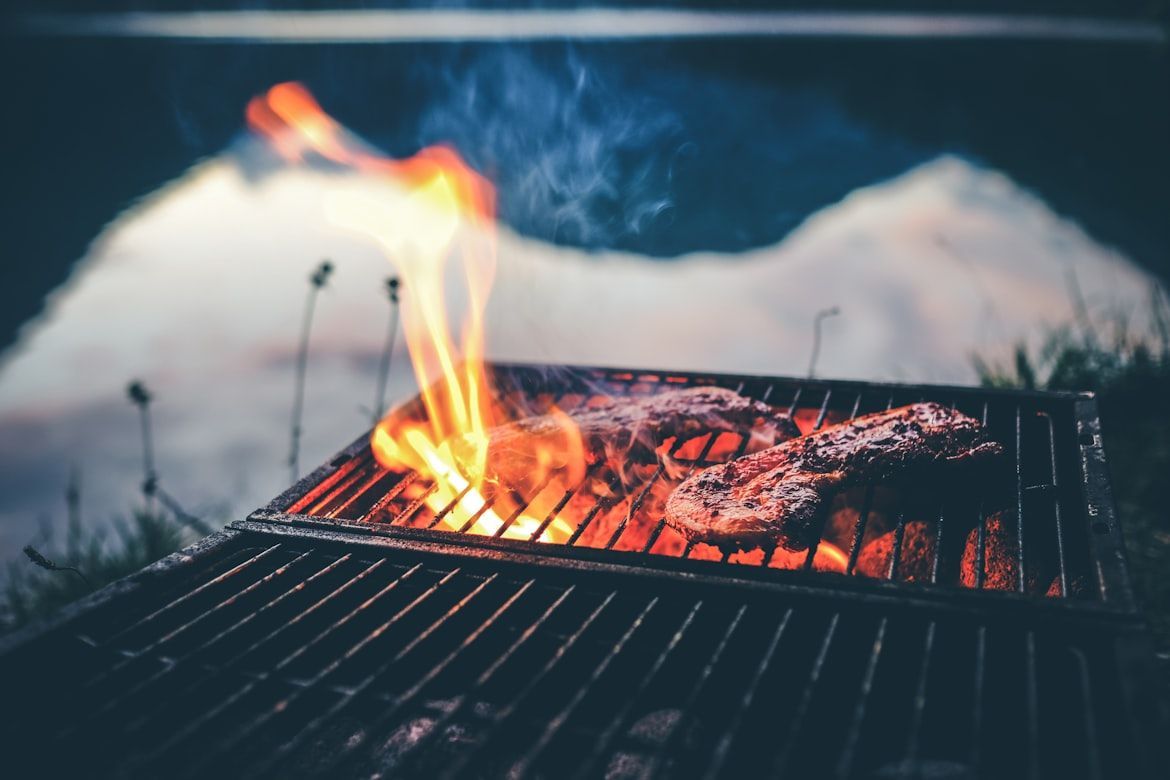
The word "barbecue" comes from barbacoa, another Taino term for a wooden frame used for cooking meat over fire. Europeans adopted it and applied it to both the method and the gathering itself.

Today, "barbecue" means everything from a backyard cookout to a regional cooking style. Its origins highlight the deep culinary influence of Native Americans in the nation's current culture.

3

Skunk

Image: Elisa Stone

"Skunk" comes from the Algonquian word squnk, which means "urinating fox" (quite a fitting term, indeed). This was an obvious reference to the animal’s strong defensive spray. Early settlers adopted the term directly.

Since English had no better name for the creature, the Native word stuck. Today, the word skunks is also used as playful slang.

4

Moose

Image: Shivam Kumar

The word "moose" originates from Eastern Abenaki, a part of the Algonquian family, where it meant "he strips off bark." Yes, it described the animal’s habit of tearing bark from trees.

The name entered English quickly because settlers relied on Native knowledge of local fauna. The word remains unchanged because of its accuracy and usefulness.

5

Raccoon

Image: Gary Bendig

"Raccoon" comes from the Powhatan word arakun, meaning "he scratches with his hands." It described the animal’s clever, humanlike front paws.

Settlers adopted the term because it captured the creature’s behavior beautifully. Today, the raccoon is used as a household symbol of curiosity, not unlike the animal itself.

6

Chipmunk

Image: Annegret Kammer

The term "chipmunk" most probably comes from the Ojibwe word ajidamoo, which means "one who descends trees headfirst." Early English settlers adapted the sound into today’s form.

Though the spelling changed over time, the lively image of a chipmunk racing down a tree face-first stayed.

7

Caribou

Image: JD-Photos

The word "caribou" comes from the Mi’kmaq term qalipu, which means "snow shoveler," referring to the animal’s habit of digging through snow for food.

French settlers brought the word into English, keeping its descriptive nature. The name still connects the modern animal to the winter landscapes it belongs to.

8

Totem

Image: Stéfano Girardelli

"Totem" comes from the Ojibwe word ototeman, which means "kinship group." It described symbols representing clans and shared roots.

English adopted it to describe carved poles and symbolic elements. Though broader in modern usage, it still hints at the original sense of community, identity, and heritage.

9

Coyote

Image: Dylan Ferreira

"Coyote" comes from the Nahuatl word coyōtl, which was used by Indigenous tribes of central Mexico. Spanish speakers adopted it, and English borrowed later.

The word kept its meaning, and it remains one of the most direct links between the English language and Nahuatl.

10

Avocado

Image: Gil Ndjouwou

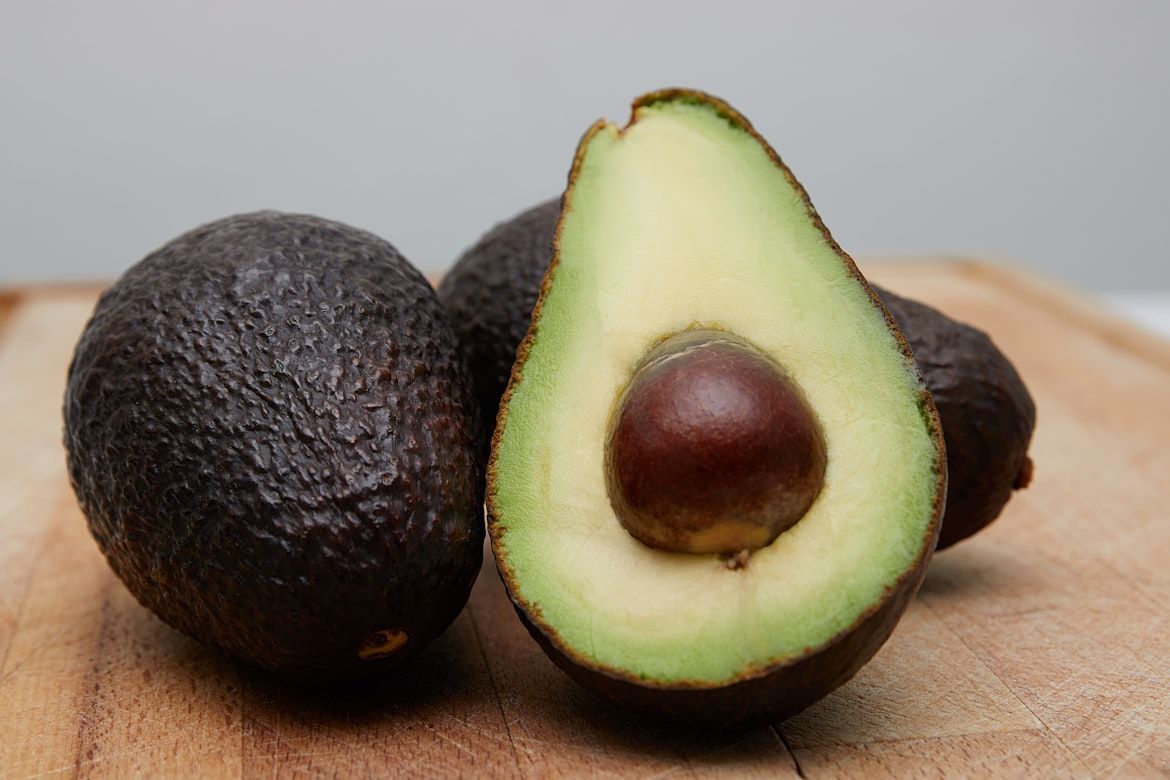
The tasty avocado’s name traces to the Nahuatl word ahacatl, which refers to the fruit and to a body part as well. Spanish speakers transformed it into aguacate.

Later on, English speakers adapted it to avocado. While the name sounds contemporary and culinary, it has ancient Native roots.

11

Chocolate

Image: amirali mirhashemian

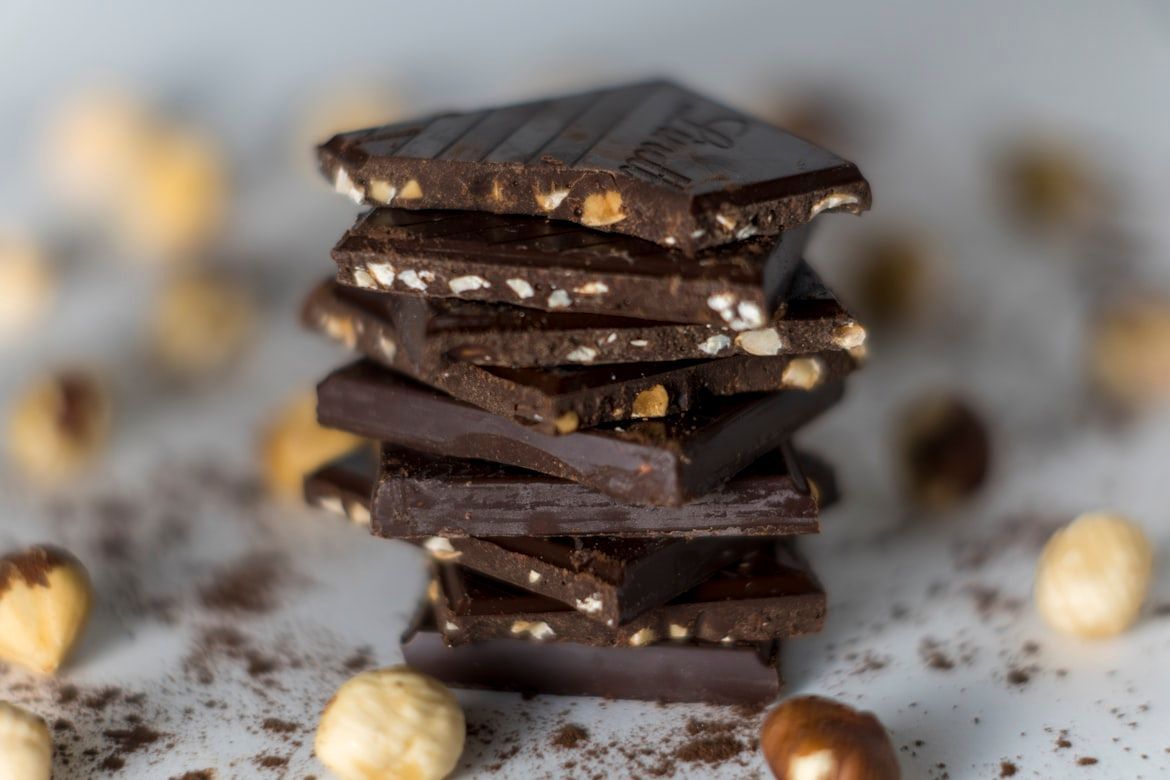
The last Nahuatl word and also the last word on the list comes from the term xocolātl, which describes a bitter cacao drink that was consumed long before Europeans arrived in America. The name traveled from Spanish to English.

Though the product changed dramatically, the word survived. Today, chocolate is a universal symbol of sweetness, with rich and deeply indigenous roots.

Looking for an extra scoop of literary fun?

Learn more with our Word of the day

heyday

/ˈheɪˌdeɪ/