Watch your words!
Don't call it a milkshake! 12 regional words worth knowing
Published on November 26, 2026
Americans may speak the same language, sure, but crossing a state line can sometimes feel like entering a different linguistic universe. Order a milkshake in one state, and you'll get exactly what you expect. Drive a few miles farther, and suddenly you're supposed to ask for a cabinet. Check out these 12 everyday words and phrases that might leave visitors scratching their heads.
Michigan's "pop" vs. New York's "soda"
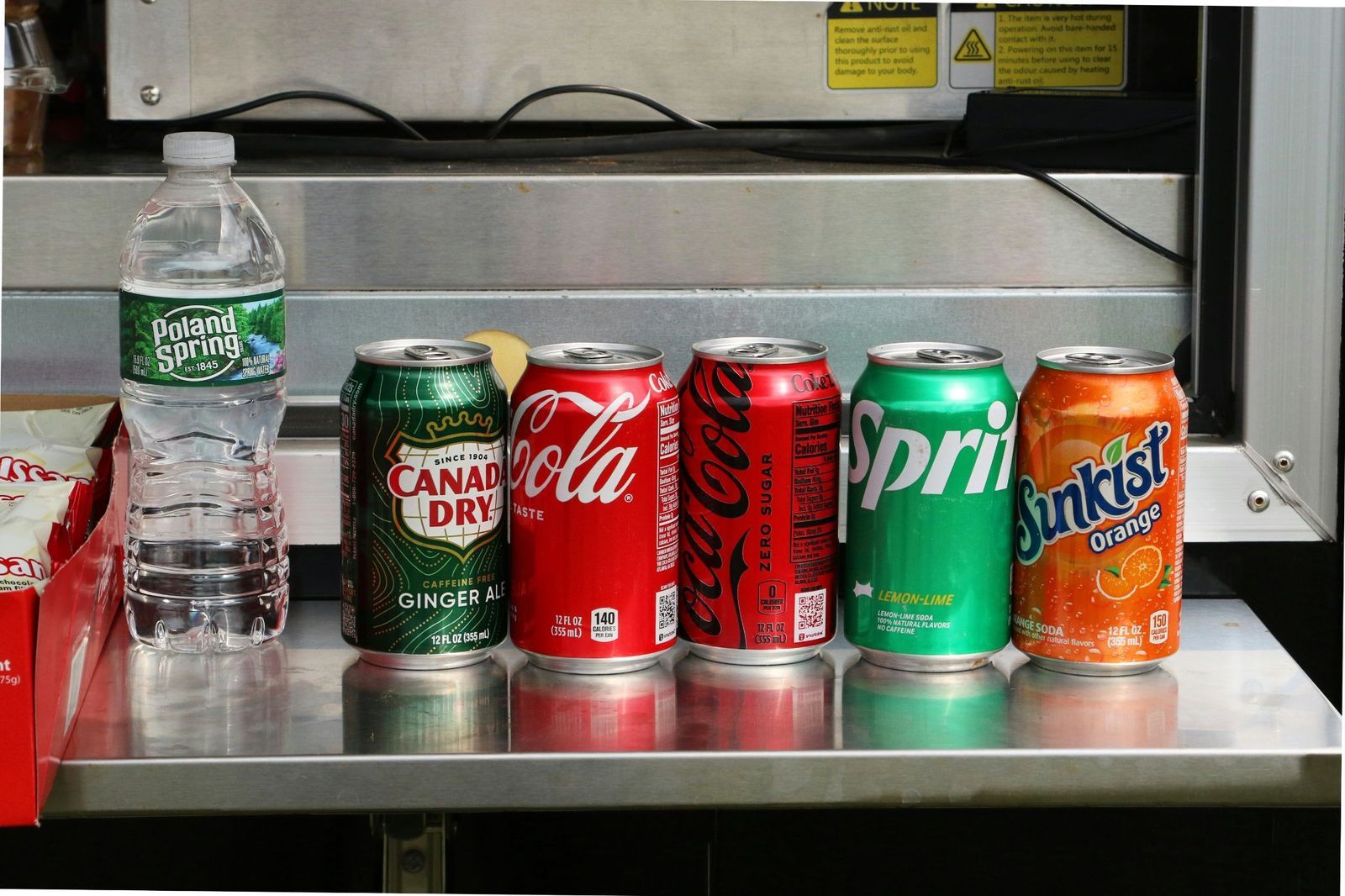
Walk into a Michigan diner and ask for a pop, and nobody will blink. That's what many Midwesterners call a carbonated soft drink. Travel to New York, however, and you're more likely to hear soda. Both words describe the same fizzy refreshment.
Head farther south, particularly into parts of Georgia, and things get even stranger. Some Southerners traditionally use Coke as a general term for soft drinks, regardless of brand. You might hear someone ask what kind of Coke you want, with Sprite or Dr Pepper among the possible answers.
Philadelphia's "hoagie" vs. New York's "hero"
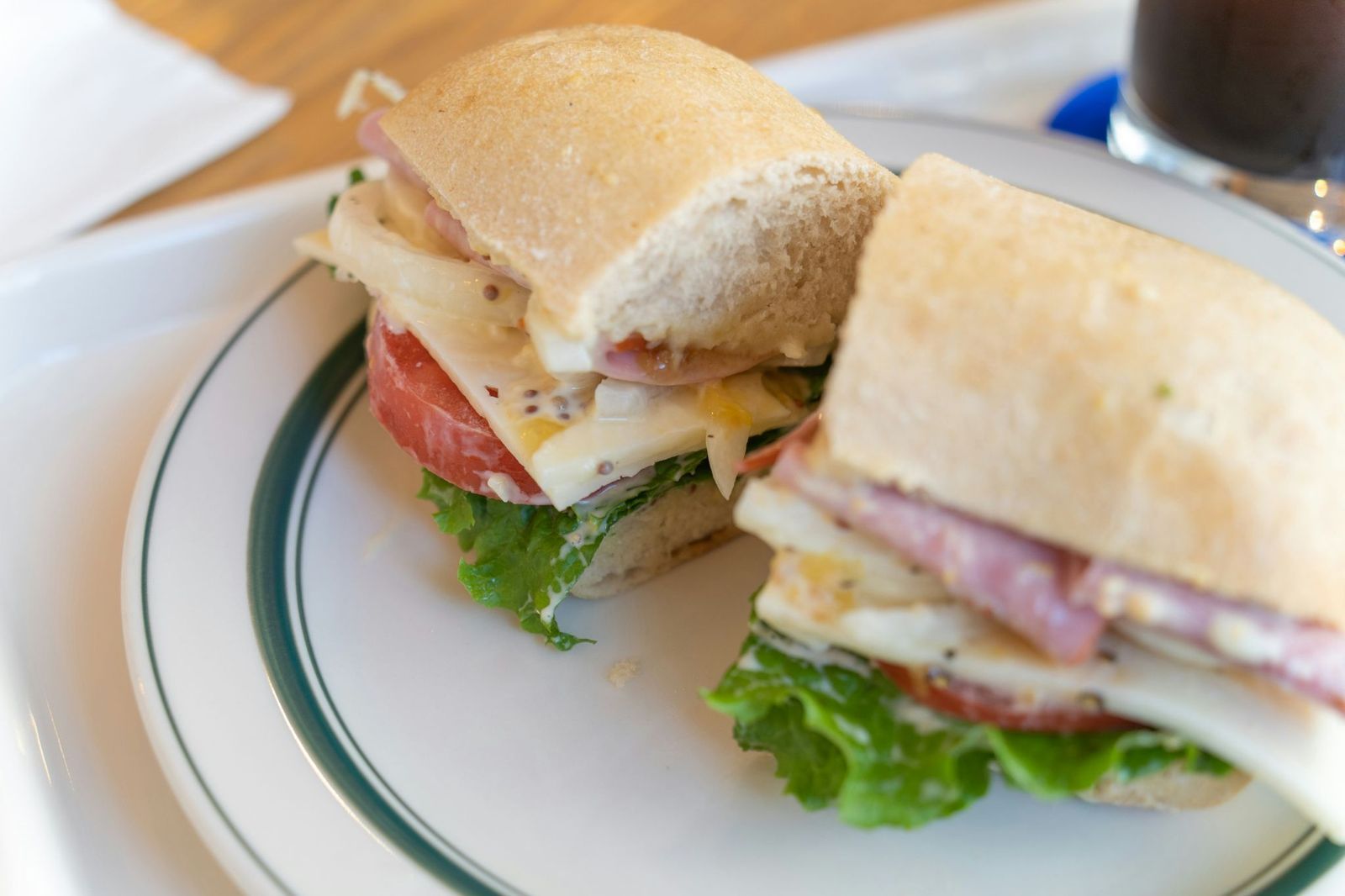
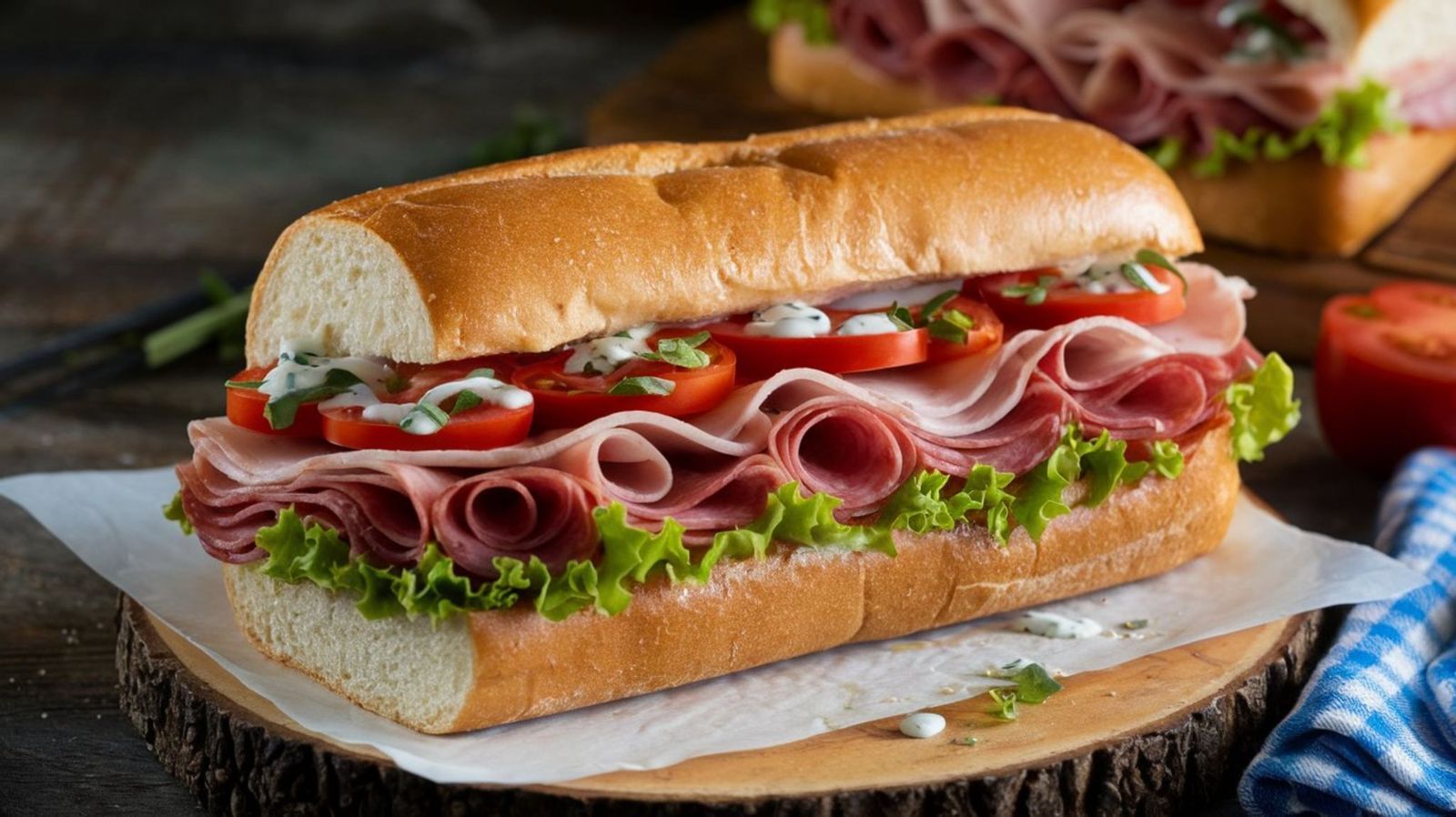
In Philadelphia, a long roll stuffed with cold cuts, cheese, lettuce, and other toppings is famously called a hoagie. Order one at a neighborhood sandwich shop, and you'll be speaking the local language. But that name changes as you travel.
In New York City, a similar sandwich is commonly called a hero, while Rhode Islanders may call it a grinder. The fillings and preparation can differ, especially when hot sandwiches enter the picture, but the basic idea remains familiar.
Vermont's "creemee" vs. New York's "soft serve"
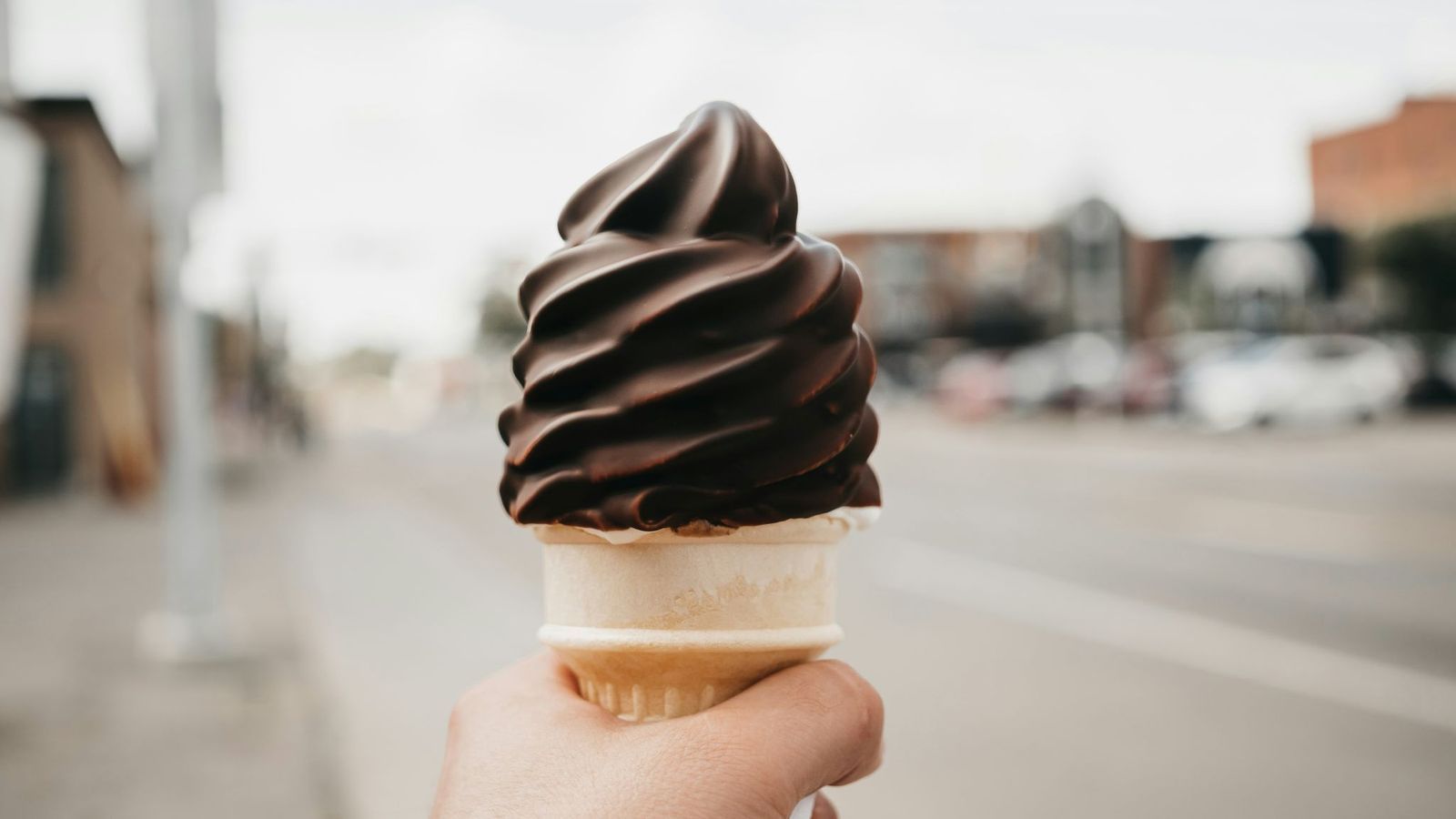
Visit Vermont during summer, and you'll probably encounter signs advertising creemees. Despite the unusual spelling, these are essentially soft-serve frozen treats, often sold in cones at roadside stands and dairy shops. Maple creemees are especially beloved.
Across the border in New York, customers generally ask for soft serve instead. Vermont's distinctive term has become part of the state's food identity, particularly during warm-weather outings.
Rhode Island's "cabinet" vs. Massachusetts' "frappe"
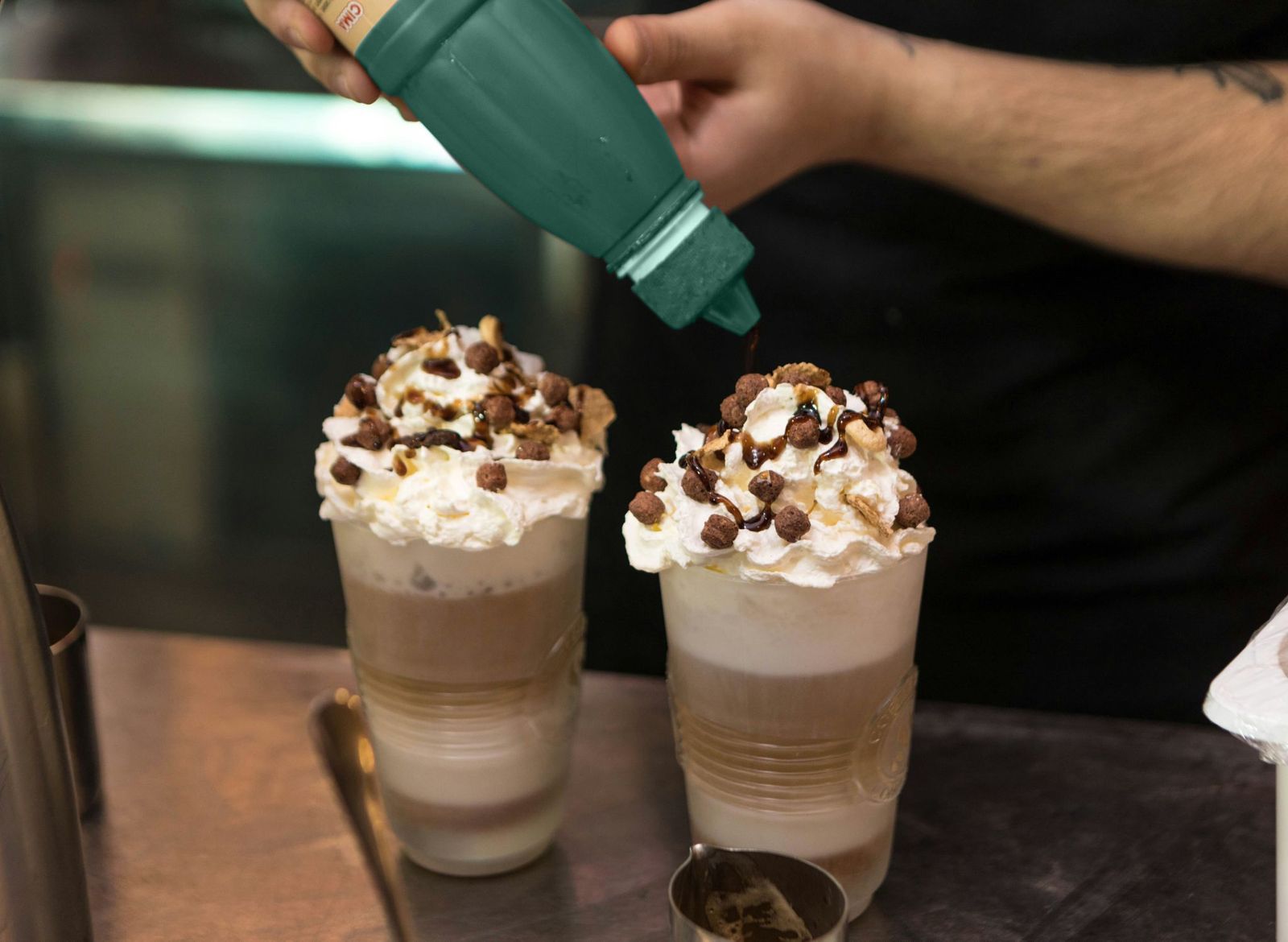
Ask for a cabinet in Rhode Island, and nobody will direct you toward the kitchen furniture. In parts of the state, a cabinet is a thick drink blended with ice cream and milk, often flavored with coffee syrup. It's a cherished local specialty.
Cross into Massachusetts, and that same kind of treat is commonly called a frappe. Elsewhere, including California, most customers would simply order a milkshake. Historically, some New England shops distinguished milkshakes from frappes because the former contained no ice cream. That distinction still survives in certain establishments.
Wisconsin's "bubbler" vs. New York's "water fountain"
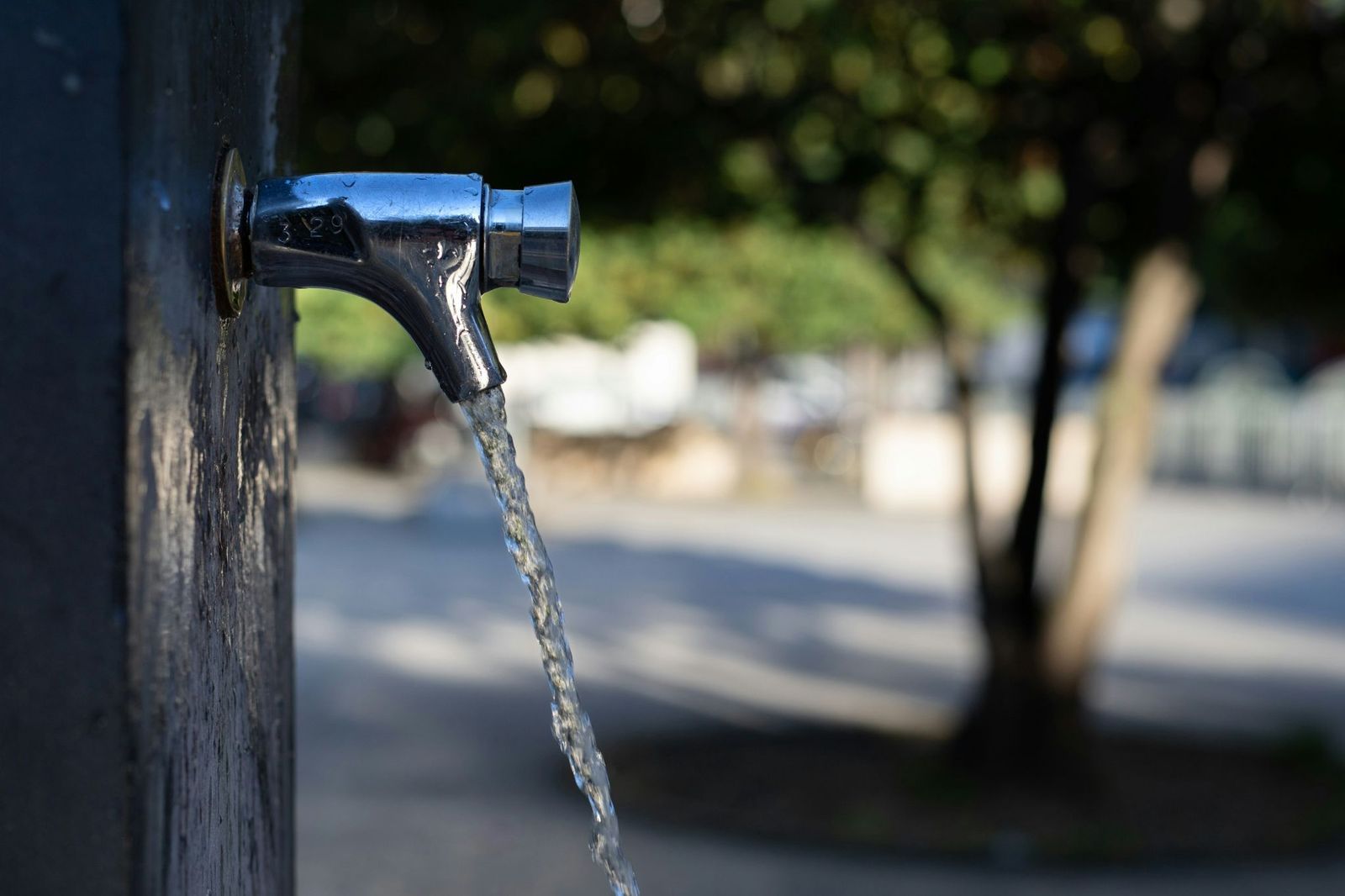
If someone in Wisconsin tells you there's a bubbler down the hallway, they're probably directing you toward drinking water. The term is especially associated with Wisconsin, where it has long been used for a public drinking fountain.
In New York, you're more likely to hear water fountain or drinking fountain. The word bubbler also appears in parts of New England, so it isn't exclusively Wisconsin's invention.
Connecticut's "tag sale" vs. California's "garage sale"
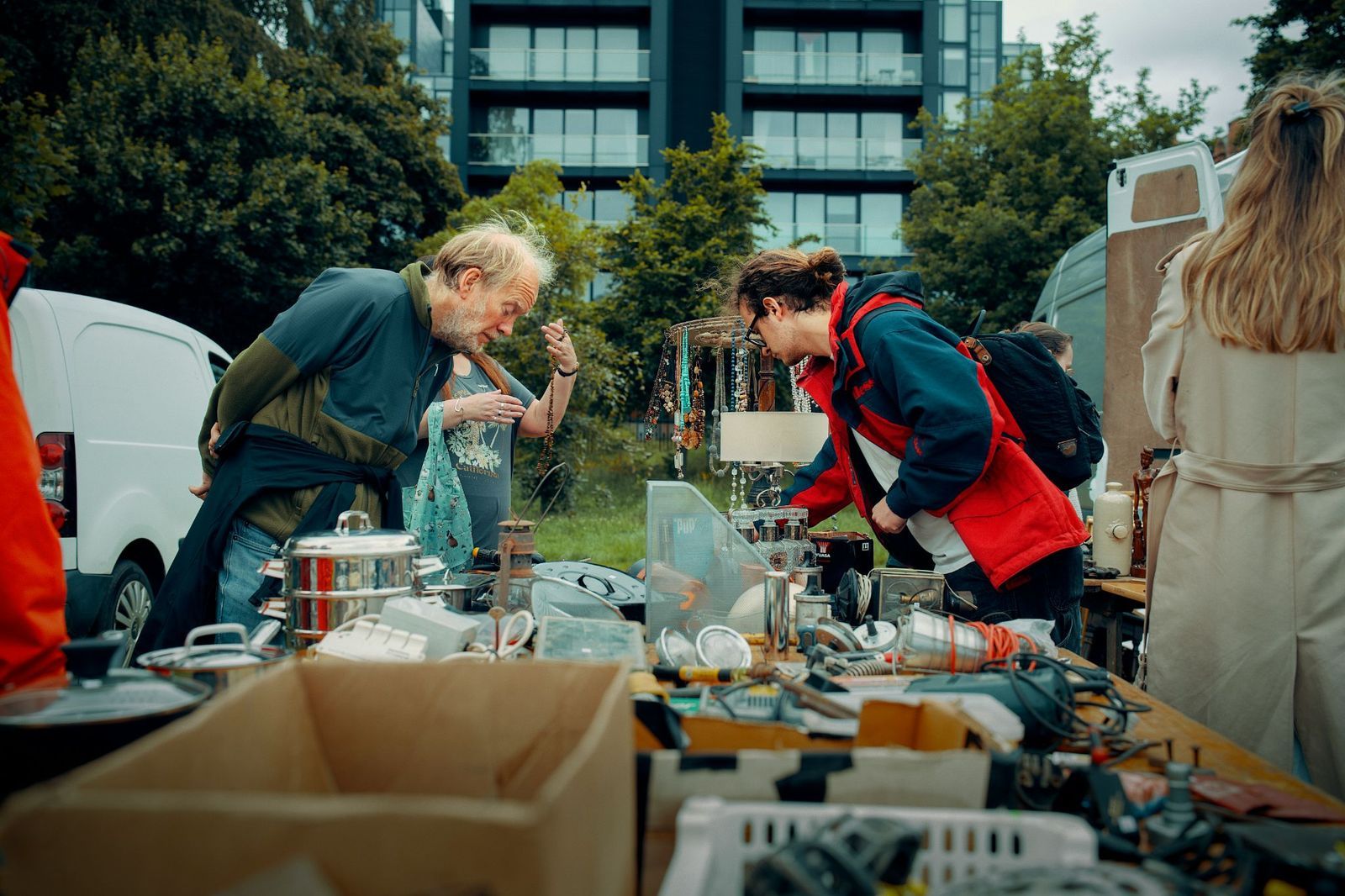
In Connecticut, signs advertising tag sales are a familiar sight, particularly when residents clear out their attics, closets, and basements. The name reflects the price tags attached to secondhand items waiting for new owners.
Travel to California, and you're more likely to see signs for garage sales. Elsewhere, including parts of Texas, yard sale is another common choice. All three generally describe the same neighborhood treasure hunt.
Pittsburgh's "nebby" vs. New York's "nosy"

In Pittsburgh, someone who asks too many personal questions might be called nebby. The word describes a nosy or meddlesome person, especially someone who seems excessively interested in the neighbors' business.
In New York and much of the country, nosy would be the more familiar expression. Nebby belongs to the distinctive vocabulary often called Pittsburghese, which preserves influences from early Scots-Irish settlers. Other local expressions include slippy for slippery and redd up for tidying a room. It's a fascinating reminder that American dialects preserve centuries of history.
New York City's "on line" vs. Illinois' "in line"
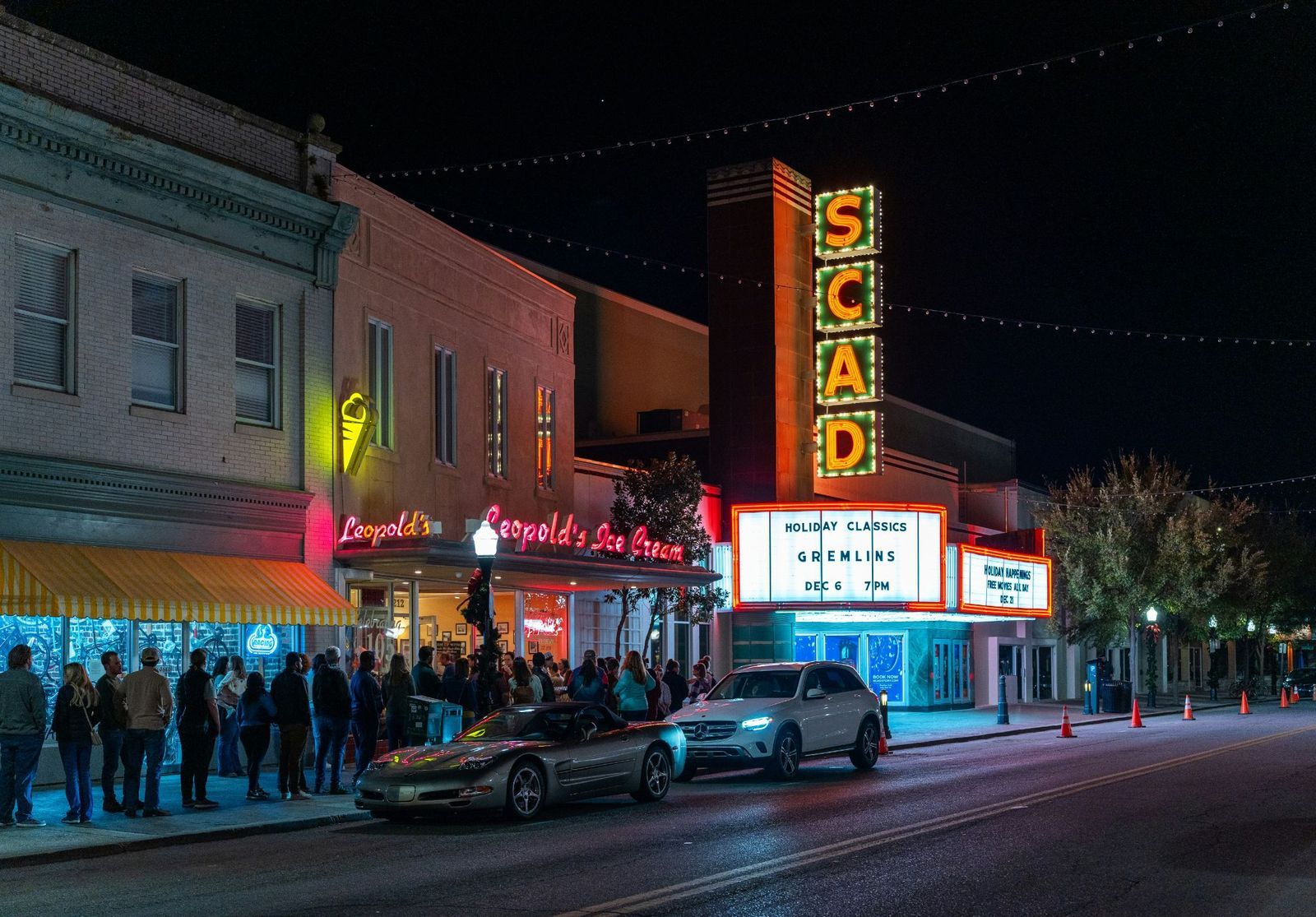
Imagine visiting New York City and hearing someone say they're standing on line for theater tickets. Don't look for an internet connection! In local speech, on line often means waiting in a queue of people.
In Illinois and most other states, people generally say they're standing in line. The difference is just one little preposition, but it can immediately reveal someone's linguistic background.
Wisconsin's "brat" vs. California's "bratwurst"
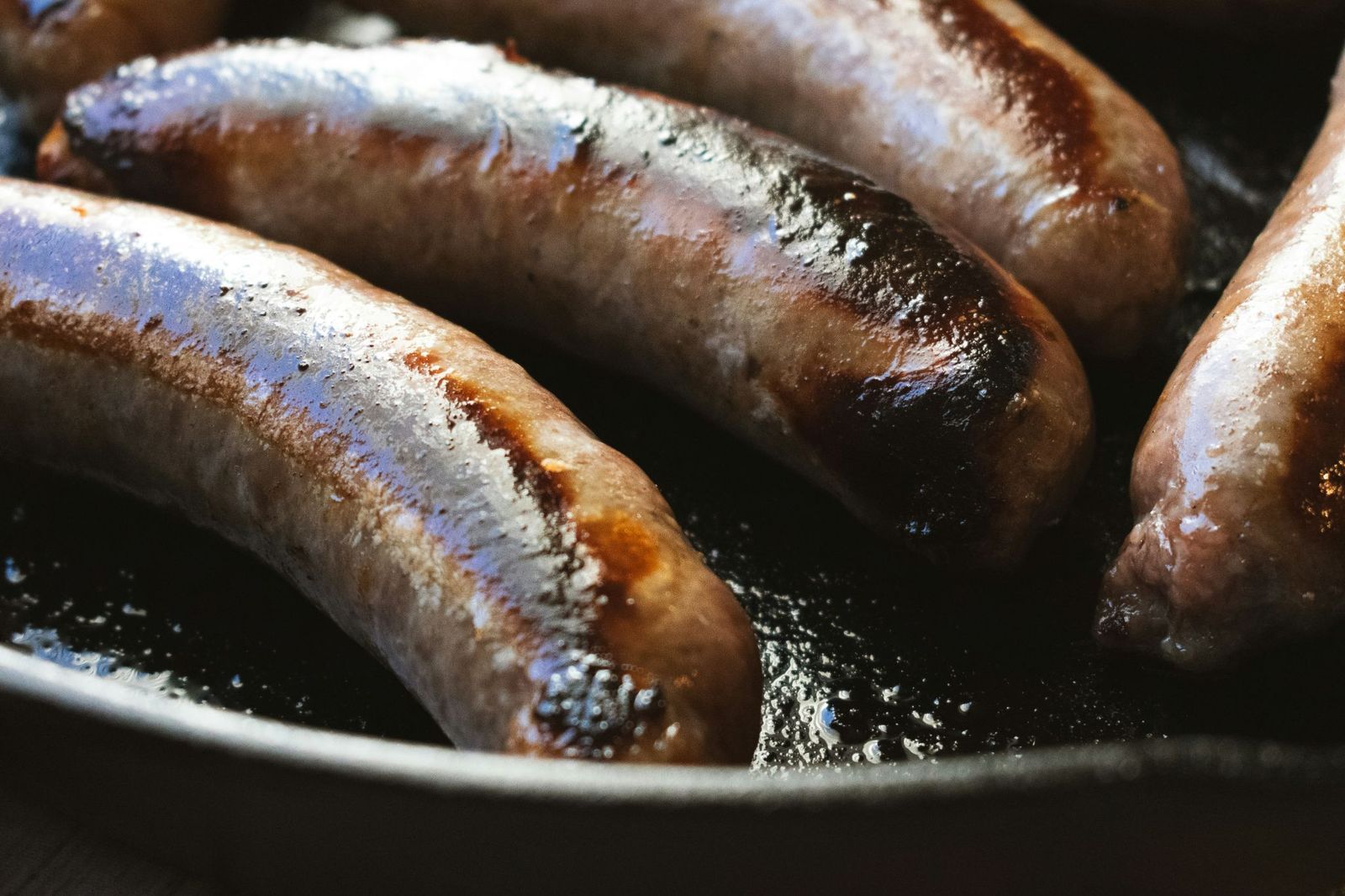
In Wisconsin, ordering a brat at a cookout is completely normal. Locals will understand that you're asking for a bratwurst, the German-style sausage that has become a beloved part of the state's food culture.
In California and elsewhere, bratwurst is a more explicit way to request the same sausage, although brat is widely understood beyond Wisconsin. The shortened name feels especially at home at Wisconsin tailgates, festivals, and backyard grills.
Madison's "terrace" vs. Ohio's "tree lawn"

In Madison, Wisconsin, the word terrace can refer to the narrow strip of land between the sidewalk and the street. The city even uses this terminology in official descriptions of public spaces and maintenance responsibilities.
In parts of Ohio, particularly around Cleveland, that same strip is called a tree lawn. Elsewhere, residents might say parkway or simply describe it as the grassy strip by the curb. These names can confuse visitors because terrace and parkway have entirely different meanings in other contexts.
Massachusetts' "elastic" vs. California's "rubber band"
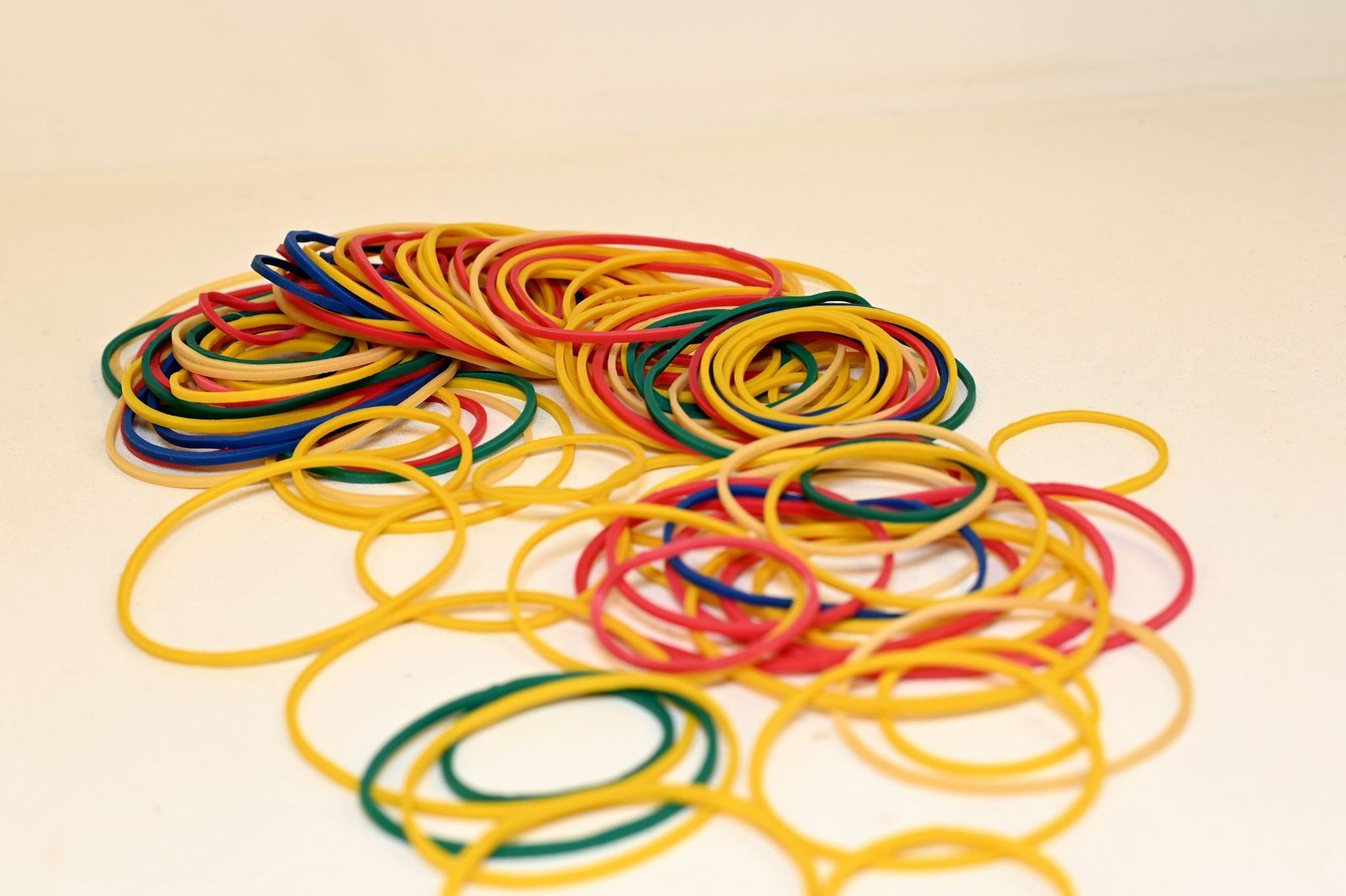
Ask someone in Massachusetts for an elastic, and they may hand you the stretchy loop used to hold papers, cards, or other small objects together. The expression reflects a regional preference that can sound unusual to visitors.
In California and much of the country, rubber band is the more familiar name. Pittsburgh adds another twist with gumband, a well-documented local expression.
Massachusetts' "jimmies" vs. California's "sprinkles"
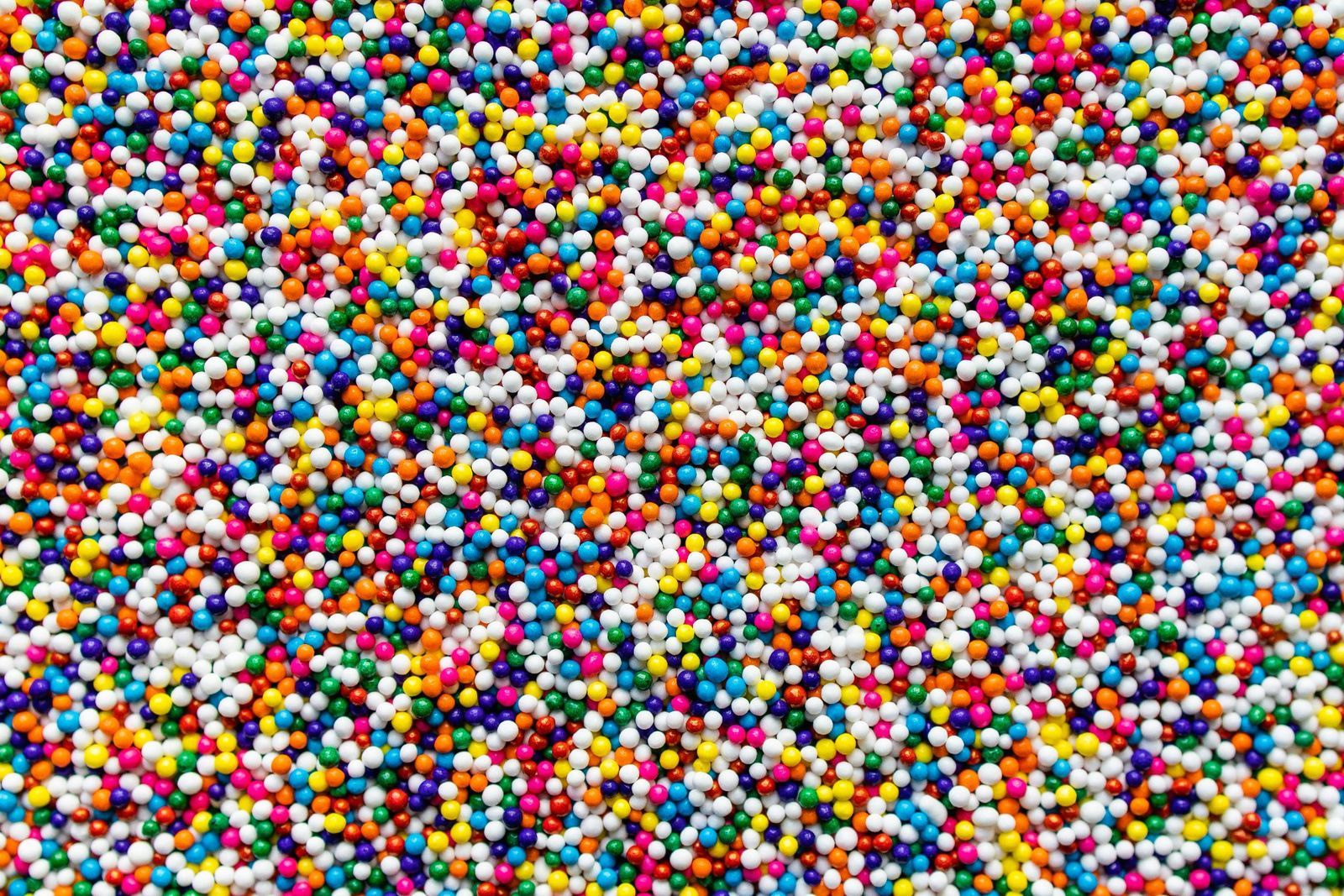
At an ice cream stand in Massachusetts, ordering chocolate jimmies will usually get you the tiny chocolate-flavored decorations scattered over a sundae or cone. The expression has deep roots in New England's ice cream culture.
In California, customers are more likely to ask for chocolate sprinkles. Even within New England, usage varies: some people reserve jimmies for chocolate varieties and call the colorful ones sprinkles, while others use the words more freely.


