Furry secrets revealed

Why does your dog wag its tail? Discover what your pet is telling you


Published on January 8, 2026


Image: Victor G

How well do you know your pet? Cats and dogs are undoubtedly the most popular furry companions, and while we might think we know everything about them, there are some secrets that we miss. Do you know what their tail movements actually mean? Are you aware of cats' incredible ability in the dark? If you want to discover this and more, keep reading: Today, we’re revealing 10 surprising facts about your pet’s secret life.

1

A dominant paw

Image: Humberto Arellano

Just as humans write, eat, kick, and do most tasks with either their right or left hand, cats also have a dominant paw. Surprising, right? But it’s true: Cats often prefer one paw over the other when playing, going down stairs, or reaching for objects and food. Studies even show that male cats tend to favor their left paw, while female cats are more likely to use their right.

2

Doctor smell

Image: Oria Helion

It’s no secret that dogs have an incredible sense of smell. In fact, it’s their strongest sense, estimated to be 10,000 times more powerful than ours. But here’s the surprise: their smell is so sharp that they can even detect diseases. Trained dogs can identify subtle changes in a person’s body odor, which allows them to detect conditions like skin, breast, bladder, and lung cancer. They’ve also been reported to sense malaria, diabetes, epilepsy, and even some viral infections.

3

Recognizing their names

Image: Kristina Yadykina

Dogs almost always come when we call them, but cats are different. If you think your cat doesn’t respond because it can’t, we have to say that’s not the case. Cats can clearly recognize their own names, and studies show they react with subtle signals like moving their ears or flicking their tails. They know when you’re calling them; they just choose not to come, which only increases their reputation as highly independent creatures.

4

Body language

Image: Alvan Nee

Your dog communicates with you through its body. For example, if it rolls over easily, it means it completely trusts you, since it’s exposing its most vulnerable areas (yes, that adorable belly). On the contrary, when a dog feels threatened, it may stand tall, perk up its ears, and fix its eyes on the person or object it sees as a threat. If a dog avoids eye contact, it isn’t always a bad thing; it can actually be a sign of respect! As for the tail, a dog uses it to communicate emotions and arousal, not just happiness; the speed, height, and direction reveal meaning, from excitement (fast, high) to fear (low, tucked) or caution (slow).

5

Unique nose

Image: Jack1007

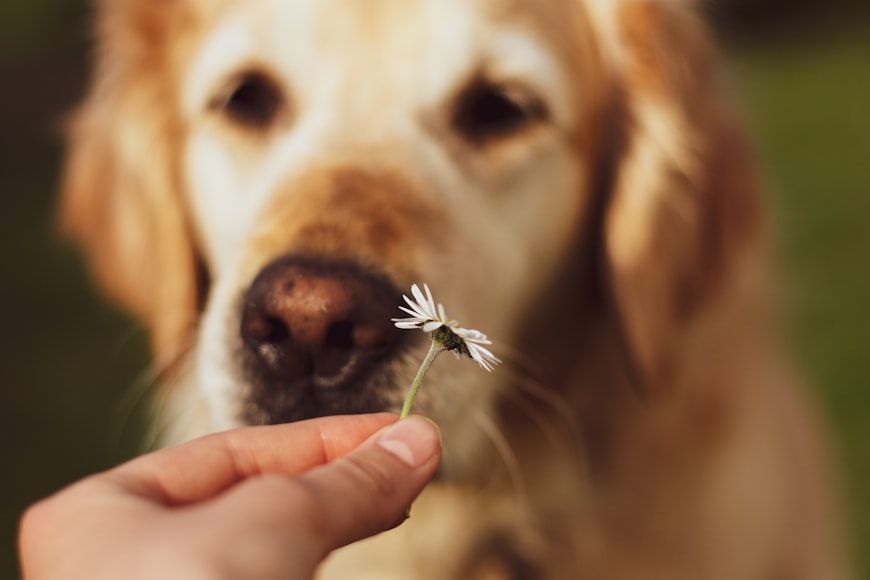
If cats and dogs had IDs, they could sign them with their little noses. Why? Well, just as each of us has a unique set of fingerprints, every dog and cat has a one-of-a-kind nose. The patterns of wrinkles and lines on your pet’s nose pad are unlike any other in the world, making it a perfect natural identifier.

6

Exclusive communication

Image: Silvana Carlos

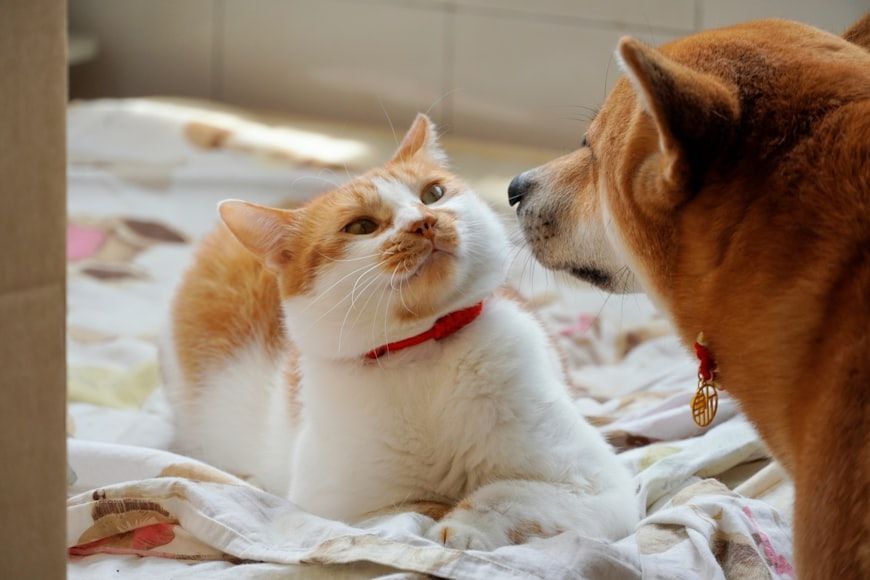
Did you know your cat only meows at you? That’s right! Cats don’t use meowing to communicate with each other, only with humans. While kittens do meow at their moms, once they grow up, they rely on body language, scents, and other sounds like hisses and chirps.

7

Barking with an accent

Image: Akshat Jhingran

What accent does your dog have? It may sound like a silly question, but it’s actually quite relevant. Studies show that dogs, even those of the same breed, bark differently depending on where they were raised. In other words, there are regional variations in their vocalizations. Some dogs copy their mother’s "accent," and it’s also been shown that some change the way they bark after moving to a new area.

8

Kings of the dark

Image: Akin Cakiner

Cats aren’t afraid of the dark, and not just because they’re intrepid, but because their bodies are built to navigate the darkest spaces. First of all: their eyes. Cats’ vision is designed for low-light hunting, and they can see clearly at light levels six times lower than what we humans need. In addition, their whiskers play a crucial role. They aren’t just cute; they act as guides, detecting changes in air currents and sensing nearby objects.

9

Dogs vision

Image: Leo_Visions

Would you like to know how your dog sees the world? The old myth that dogs see only in black and white has been debunked. But they don’t see the way we do. Dogs have what’s called dichromatic vision, which means they can see color, but within a limited range. They mainly see shades of blue and yellow, and –similar to color-blind humans– they have trouble distinguishing between reds and greens.

10

Cats can’t taste sweetness

Image: Piotr Musioł

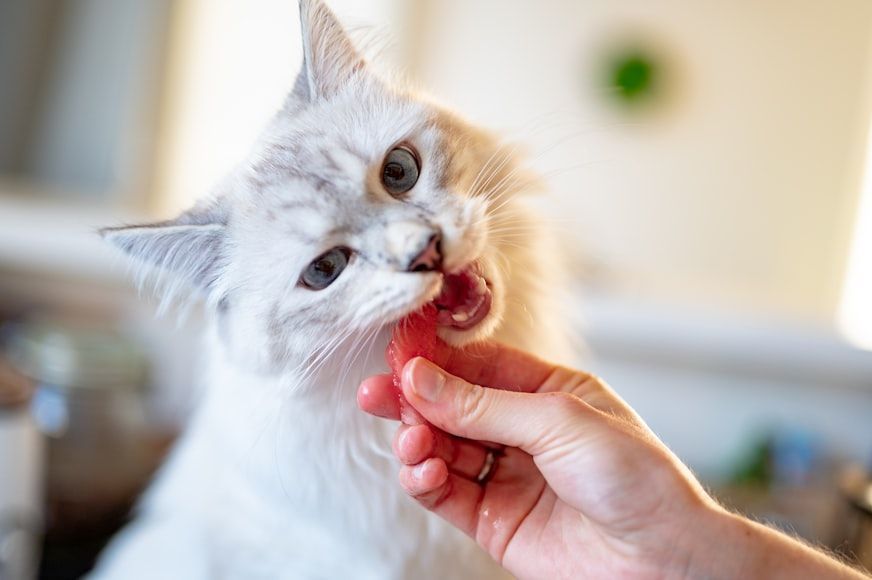
While they may be very sweet animals, cats can’t taste sweet treats as we do. They simply don’t have the receptors needed to sense sweetness, and as carnivores, they didn’t need them in their evolution. So while we enjoy a movie with candy or popcorn, they prefer the savory flavor of meat.


Hospital secrets

What is a "Code Gray" and what you should know if you hear it at the E.R.


Published on January 8, 2026


Image: voronaman

A trip to the emergency room can be stressful enough without hearing doctors and nurses speak a language that sounds like a secret code. One minute, someone is asking for medication "STAT," the next there’s a "Code Gray," and another patient is suddenly "NPO." What do those words really mean? Some are official medical terms, others are insider slang, but they all help hospital staff communicate quickly when every second counts. Here are 10 of those codes explained.

1

Code Gray

Image: PeopleImages

The E.R. can be hectic and unpredictable. Most patients are frightened or uncomfortable, but now and then someone becomes aggressive because of pain, confusion, mental illness, or the effects of alcohol or other substances. That’s when you can hear "Code Gray" announced over the speakers.

The code is used to summon security officers to help manage a violent or combative situation. While color codes vary from one hospital to another, Code Gray commonly signals that staff needs extra assistance to protect patients, visitors, and healthcare workers. Even if you know it now, most people in the waiting room never know what happened, and that’s exactly the point.

2

NPO

Image: PeopleImages

You have a scheduled surgery, you’re in your bed waiting to be taken to the surgery room, and you ask for a cup of coffee to make the wait lighter. The nurse will probably tell you you’re an NPO. You may think it’s serious, but it’s simply a procedure.

"NPO" is an abbreviation that comes from the Latin phrase Nil Per Os, which means "nothing by mouth." It tells patients they cannot eat, drink, or sometimes even take medication until doctors say it’s safe. The rule is most common before surgery or certain medical tests, when food or liquids could increase the risk of complications or alter the results. It may be frustrating, but it’s an important part of keeping patients safe.

3

STAT!

Image: PeopleImages

You’ve probably been through the experience of visiting an emergency room, either to get checked or to visit a loved one. In that part of the hospital where everyone is rushing to save lives, you’ve probably heard a doctor asking for the R.C.P. cart or medication "STAT!" It sounds urgent, and that's because it is.

The expression comes from the Latin statim, which means "immediately" or "without delay." Hospitals have used Latin medical terms for centuries, but STAT is one of the few that remains part of everyday conversation. When a doctor says it, the request jumps to the top of the priority list. It doesn’t always refer to a life-or-death situation, but it does mean the medical team needs something done as quickly as possible.

4

Code Pink

Image: Vladimir Tretyakov

Newborns are always a reason to celebrate at the hospital. Parents usually rest happily next to their child as they receive congratulations from close relatives. However, the hospital is always prepared to handle extremely rare emergencies under "code pink."

If you hear a "Code Pink," it usually means a baby or young child is suspected of being abducted from the hospital. Within seconds, security officers respond, exits may be monitored or blocked, and staff begins following carefully rehearsed procedures. Although different hospitals sometimes use different color codes, Code Pink has become widely recognized across North America as one of the most serious alerts a hospital can issue.

5

Walkie-talkie

Image: Arunporn Thanapotivirat

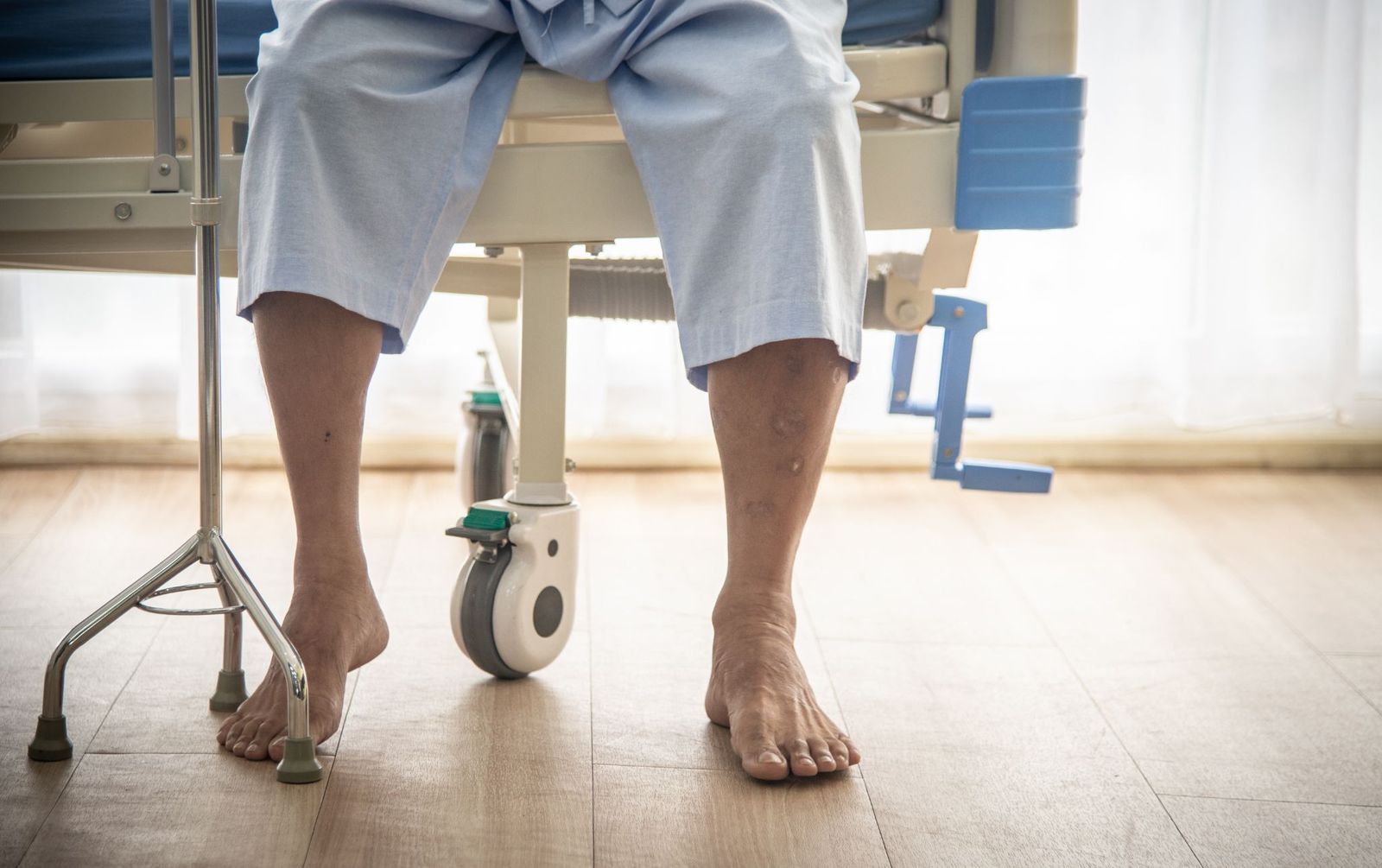
If you’ve ever spent a few days in the hospital, you’ve probably noticed that some patients are walking up and down the halls, while others need help just getting out of bed. When a nurse refers to someone as a "walkie-talkie," it’s actually good news.

This informal expression refers to patients who can walk on their own, use the bathroom without assistance, and handle most basic tasks independently. It’s not an official medical term, of course, but it’s commonly used among healthcare workers because it quickly tells the next shift that the patient requires less hands-on care than many others.

6

Total

Image: sebra

As nurses change shifts, you’ll often hear them give a quick report about each patient. One person may only need medication, while another is described as a "total."

The term is short for a patient who requires total care. They may need help eating, bathing, getting dressed, turning in bed, or moving from one place to another. Although the expression sounds impersonal, it’s simply a practical way for caregivers to communicate how much assistance someone needs.

7

Frequent flyer

Image: Studio Romantic

Most people hear "frequent flyer" and think of an airline reward program. And that’s correct, but in an emergency room, the phrase has a very different meaning.

A frequent flyer is an informal nickname for patients who repeatedly return to the hospital, often due to chronic illness, recurring medical conditions, or other ongoing health issues. Behind the light-hearted nickname is often a difficult reality. Many of these patients are simply dealing with medical problems that require regular emergency care, and the expression is just a way to make the experience a bit lighter among the familiar faces of doctors and nurses.

8

WOW

Image: Studio Romantic

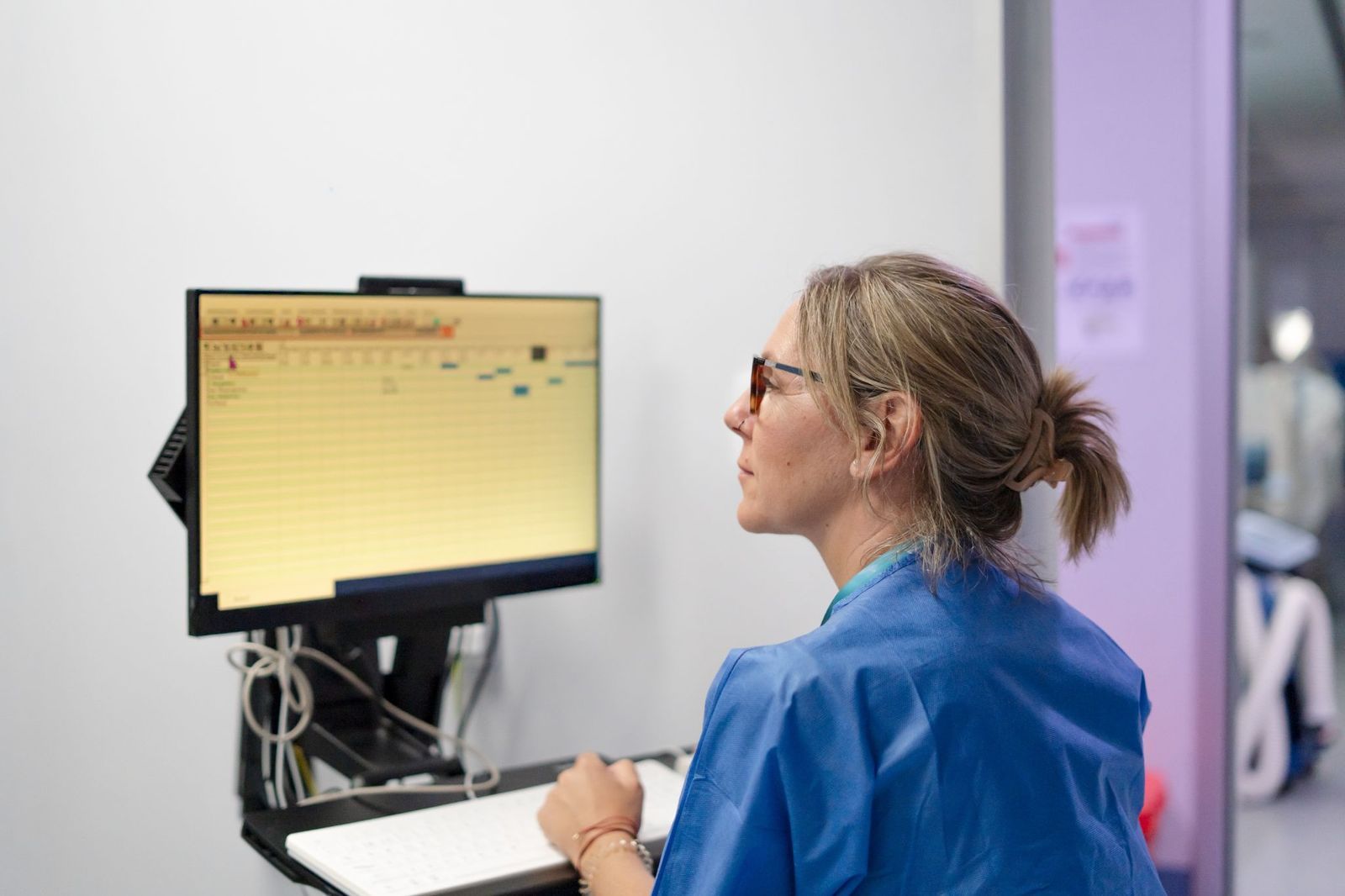
Not all codes are for patients. The next time you’re in a hospital, look closely at what the nurse is pushing from room to room. It may look like a small rolling desk with a computer on top. Staff often call it a "WOW," short for "workstation on wheels."

As hospitals switched from paper charts to electronic medical records, these mobile computers became essential. Nurses use them to review test results, scan medications, update patient charts, and check doctors’ orders without leaving the bedside. The name sounds funny, but the technology helps caregivers spend more time with patients instead of walking back and forth to a nursing station.

9

Sharp container

Image: NMK-Studio

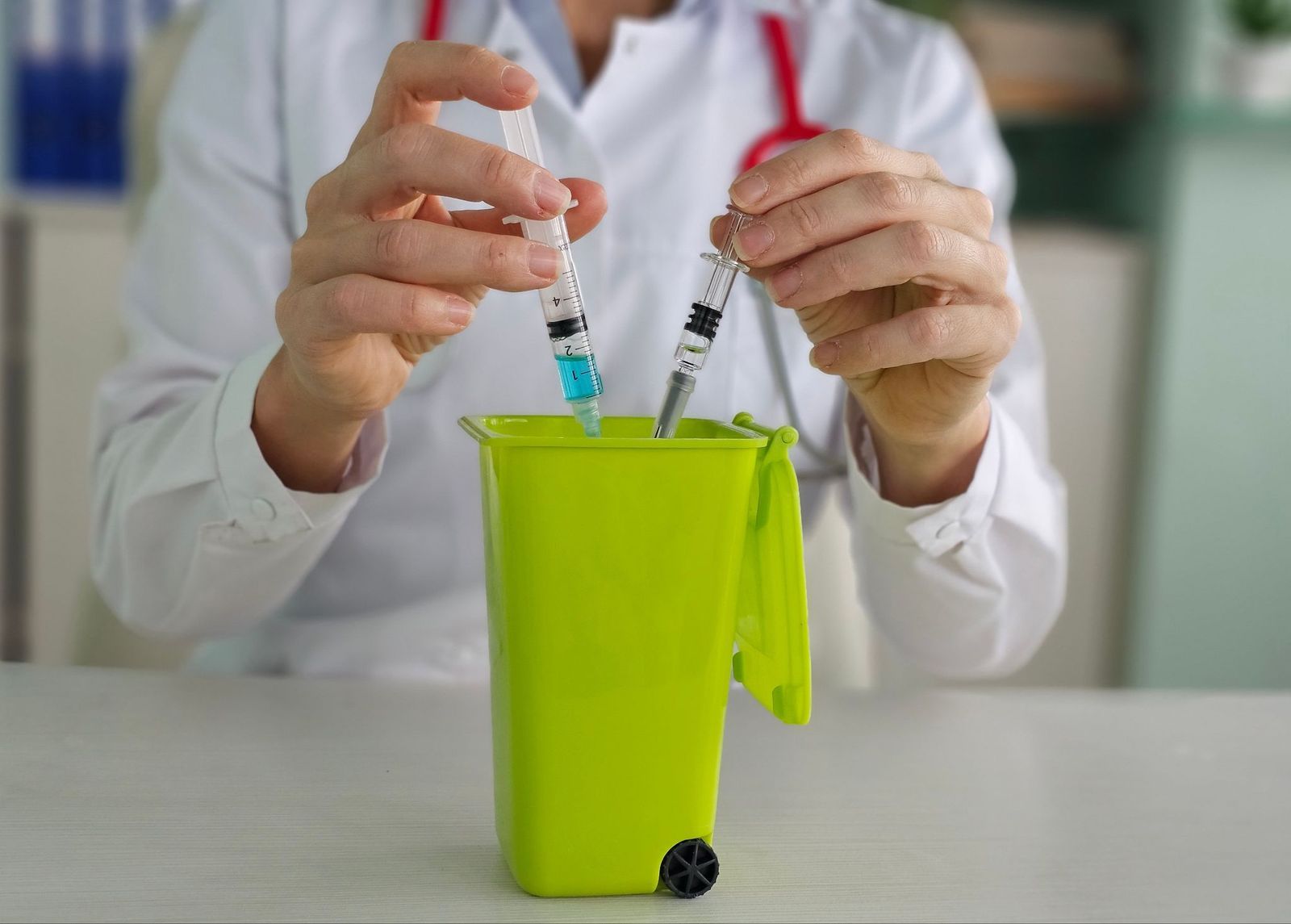
After getting a shot or having blood drawn, most patients never think about where the used needle ends up. It certainly doesn't go into an ordinary trash can.

Hospitals place needles, scalpels, and other sharp medical instruments into special containers designed to prevent accidental injuries. These sturdy, puncture-resistant boxes are sealed when full and safely disposed of in accordance with strict health regulations. This not only protects nurses, but it also protects cleaning crews, waste handlers, and even the public from dangerous needle sticks. It’s one of the most important safety measures in every hospital, even though most patients never notice it.

10

B-52

Image: Photoroyalty

If you’ve ever watched a medical drama, you've probably seen a patient become so agitated that several staff members rush into the room. In situations like that, a doctor or nurse may ask for a "B-52." But the name has nothing to do with numbers themselves; it actually comes from a medicine.

B-52 is hospital slang for a fast-acting injection used to calm down patients who are severely combative or at risk of harming themselves or others. The nickname comes from a commonly used combination of medications that usually include diphenhydramine, haloperidol, and lorazepam. It’s strictly reserved for when other methods of calming the patient haven’t worked.

Looking for an extra scoop of literary fun?

Learn more with our Word of the day

prudence

/ˈprudn(t)s/