Watch what you order
Don't feed your dog puppy chows! Misleading food names
Published on October 13, 2025
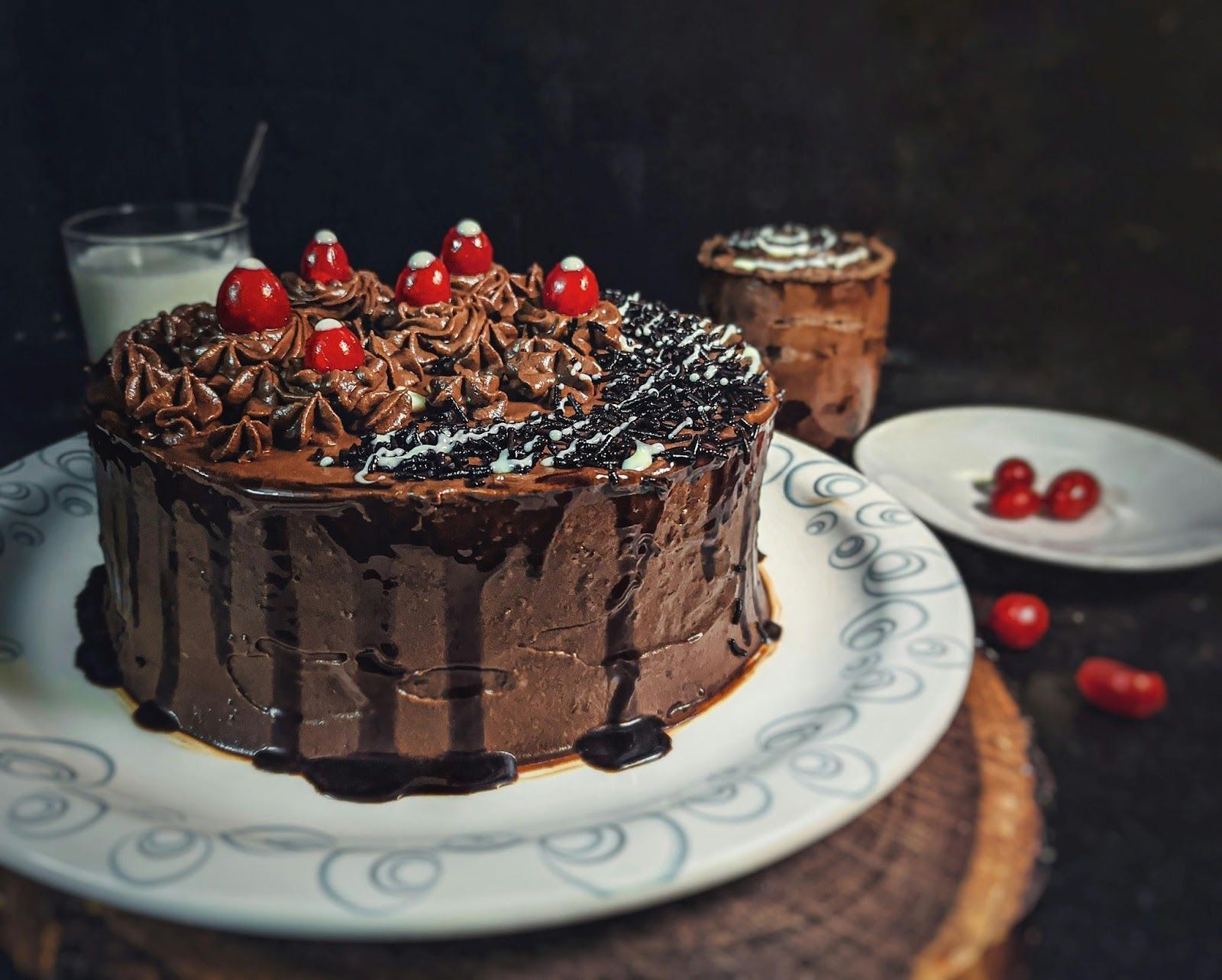 Image: Umesh Soni
If "puppy chows" are not dog snacks, "duck sauce" contains no duck whatsoever, and "German Chocolate Cake" is reportedly Texan… who is handing out these misleading dish names? Decidedly, some of the terms on this list might make you check with the waiter before you place your order. Let’s explore the stories behind unexpected food labels!
Duck sauce
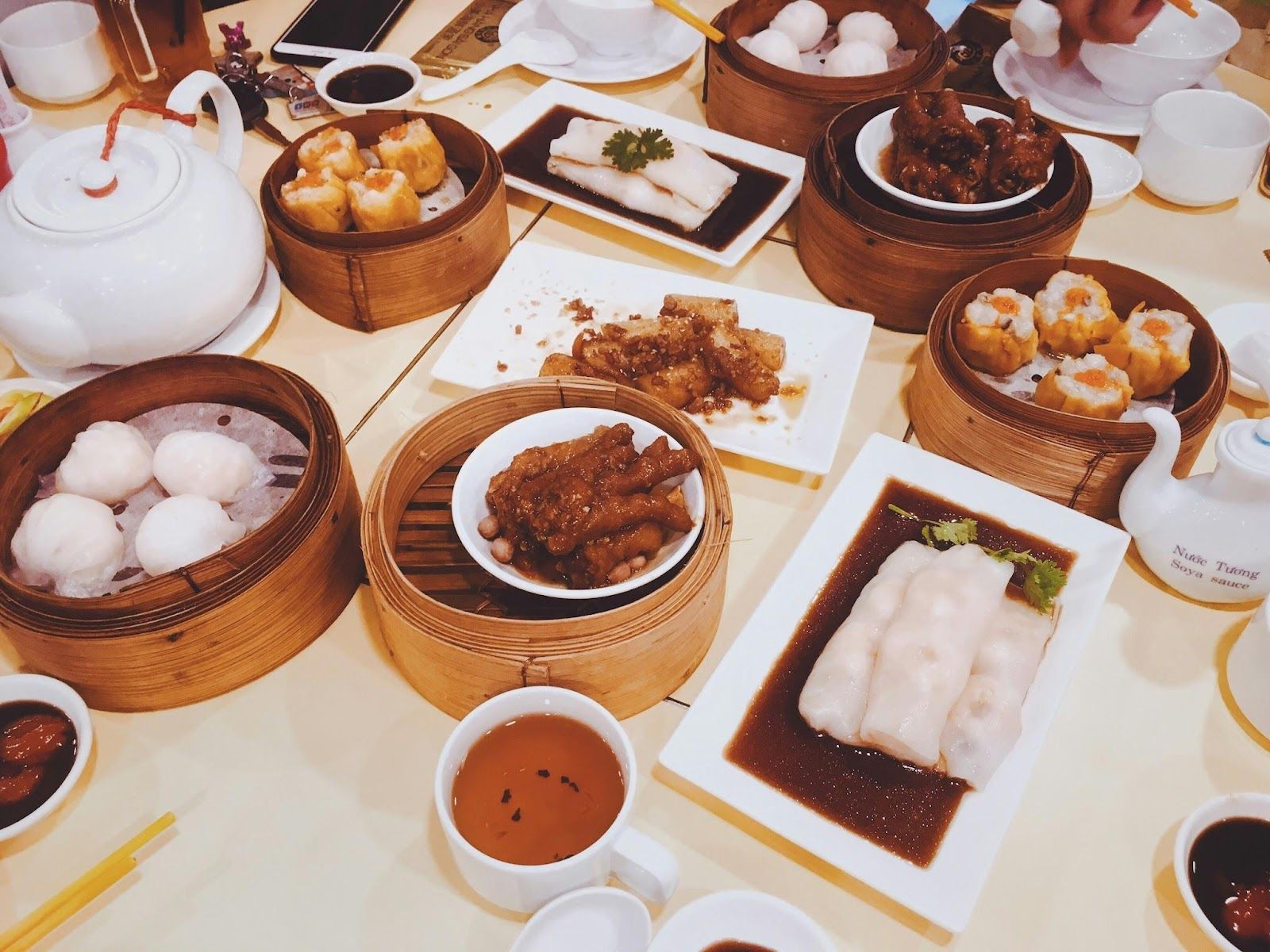 Image: Van Thanh
This might be good news: No ducks are harmed in the making of this popular takeout condiment! Duck sauce is a sweet-and-sour orange jelly often served with Chinese-American dishes.
It’s made from apricots, plums, or peaches, combined with sugar and vinegar. The name likely came about because it was invented as a match for crispy duck dishes in Chinese restaurants.
English muffin
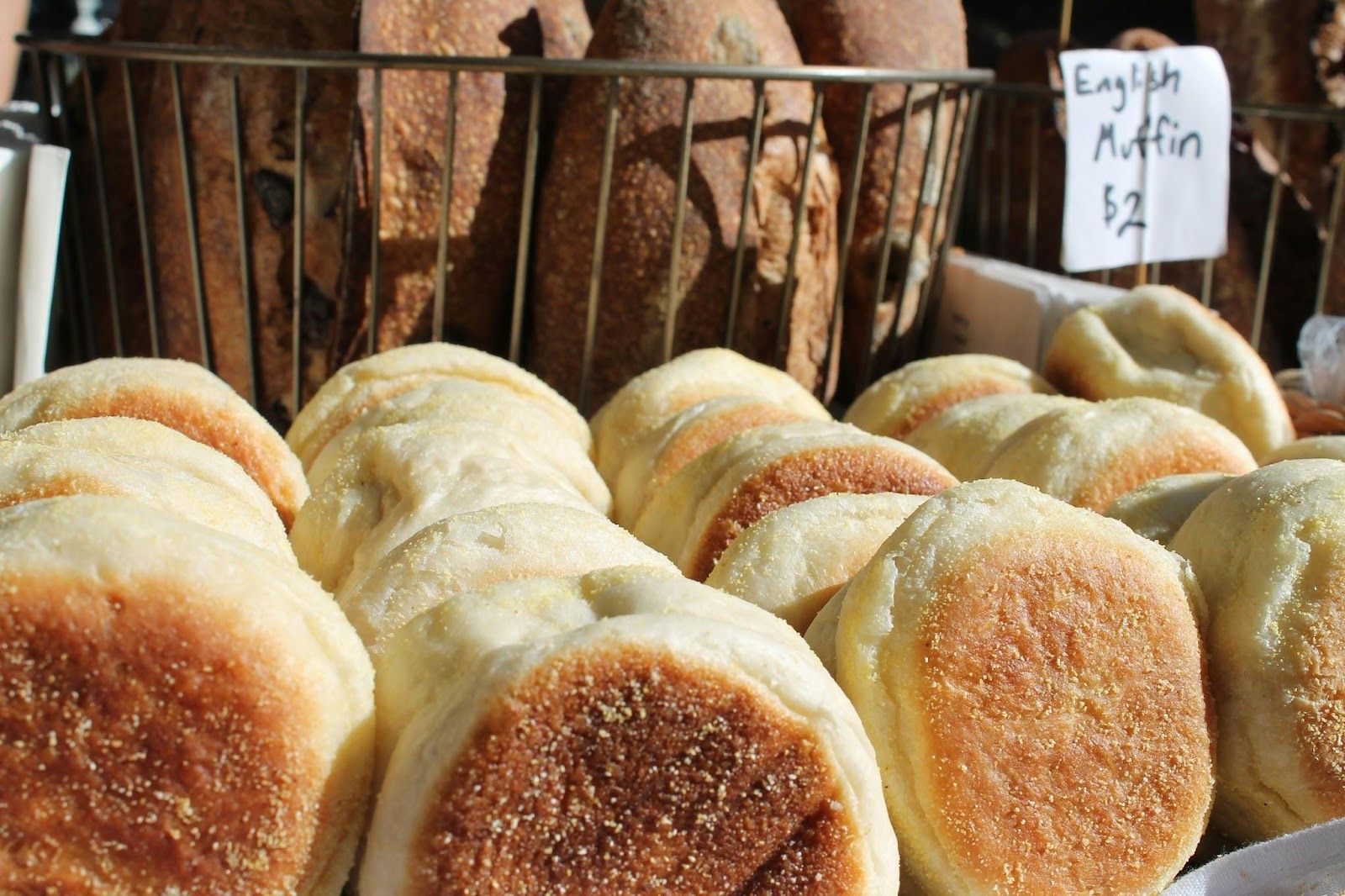 Image: Taria Camerino
English muffins look nothing like American muffins, do they? And, technically, they do not come from England either.
These breads were popularized in the US by Samuel Bath Thomas, a British immigrant who began selling his "toaster crumpets" in New York in the late 1800s. It was the American consumers who branded them as "English muffins."
German Chocolate Cake
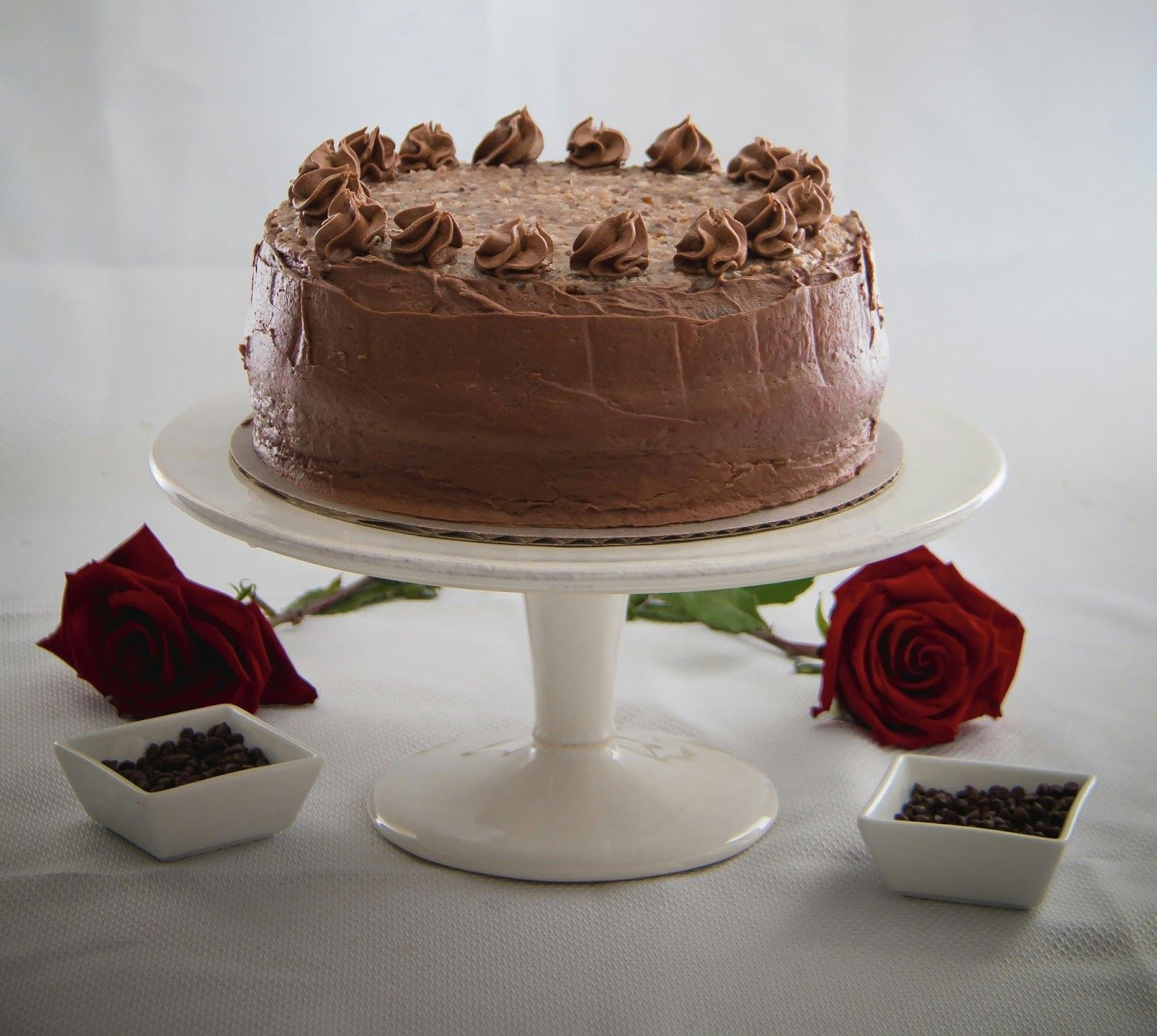 Image: Logan Clark
Did you know that German Chocolate Cake was actually popularized in… Texas? It did not come from Germany. The name refers to Samuel German, an American baker who created the delicious dark baking chocolate for Baker’s Chocolate Company.
In the 50s, a Texas homemaker later used his chocolate in a layered coconut-pecan cake recipe, and newspapers spread it with that name.
Welsh rabbit
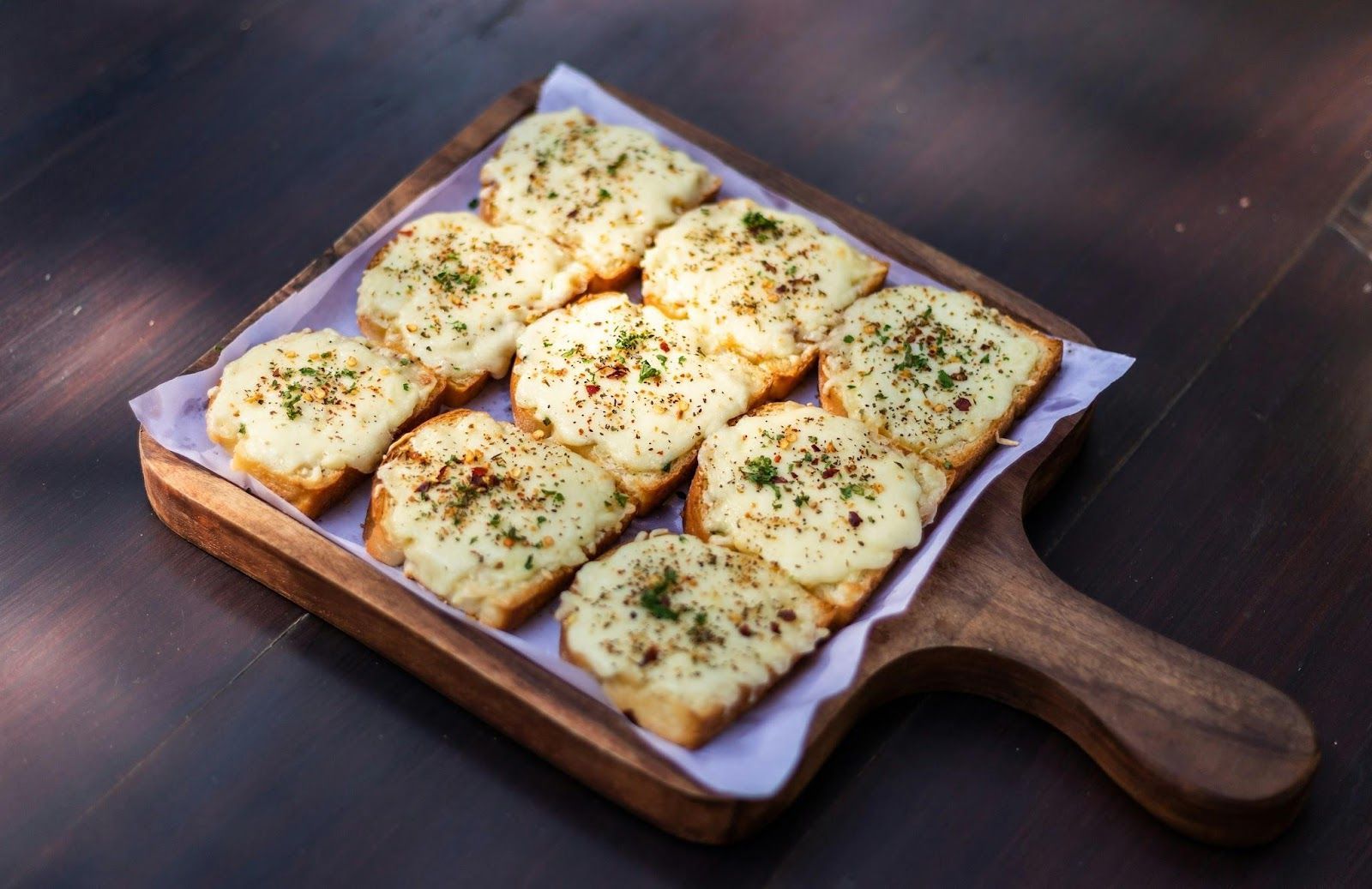 Image: Jay Gajjar
There’s no duck in duck sauce, and there’s no rabbit in Welsh rabbits, or Welsh rarebit! It’s actually melted cheese sauce served on toasted bread. Sometimes it comes flavored with ale, mustard, or spices.
The term "Welsh rabbit" was a tongue-in-cheek jab, likely implying that cheese was the "poor man’s meat" in Wales.
Rocky Mountain oysters
 Image: Alex Gorey
Definitely not oysters! There’s nothing oceanic about this dish. Rocky Mountain oysters are actually bull or sheep testicles, usually battered, deep-fried, and served as bar fare or at ranch festivals in the American West.
Bombay duck
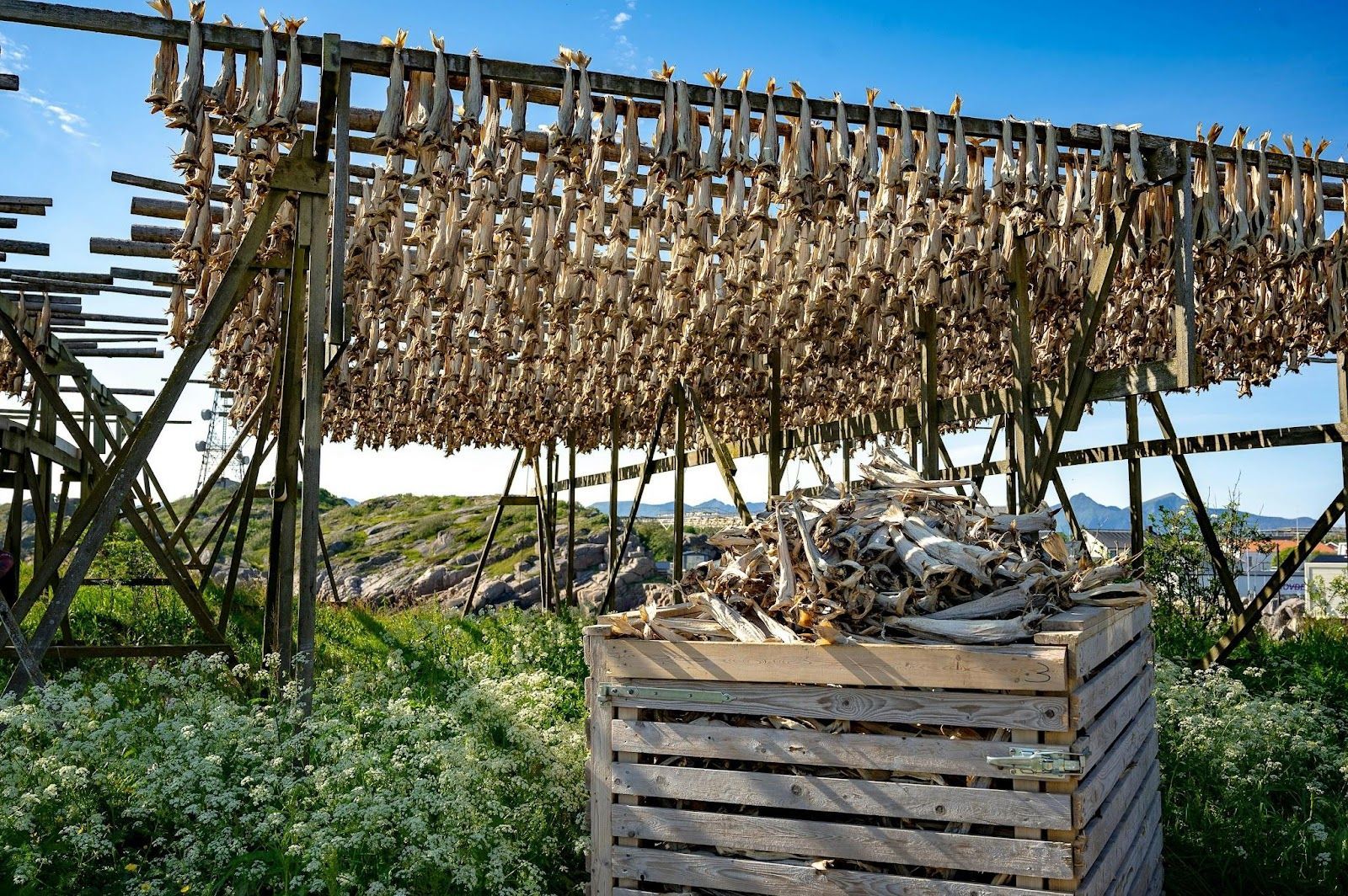 Image: Piotr Musioł
Don’t expect poultry when you order this South Asian specialty! Bombay duck is actually a type of dried fish, locally known as "bombil," long eaten along India’s western coast.
Why the name, then? Some theorize that it derived from the mail system that transported this food, the ‘Bombay Dak’ (which translates to Bombay Mail).
Puppy chow
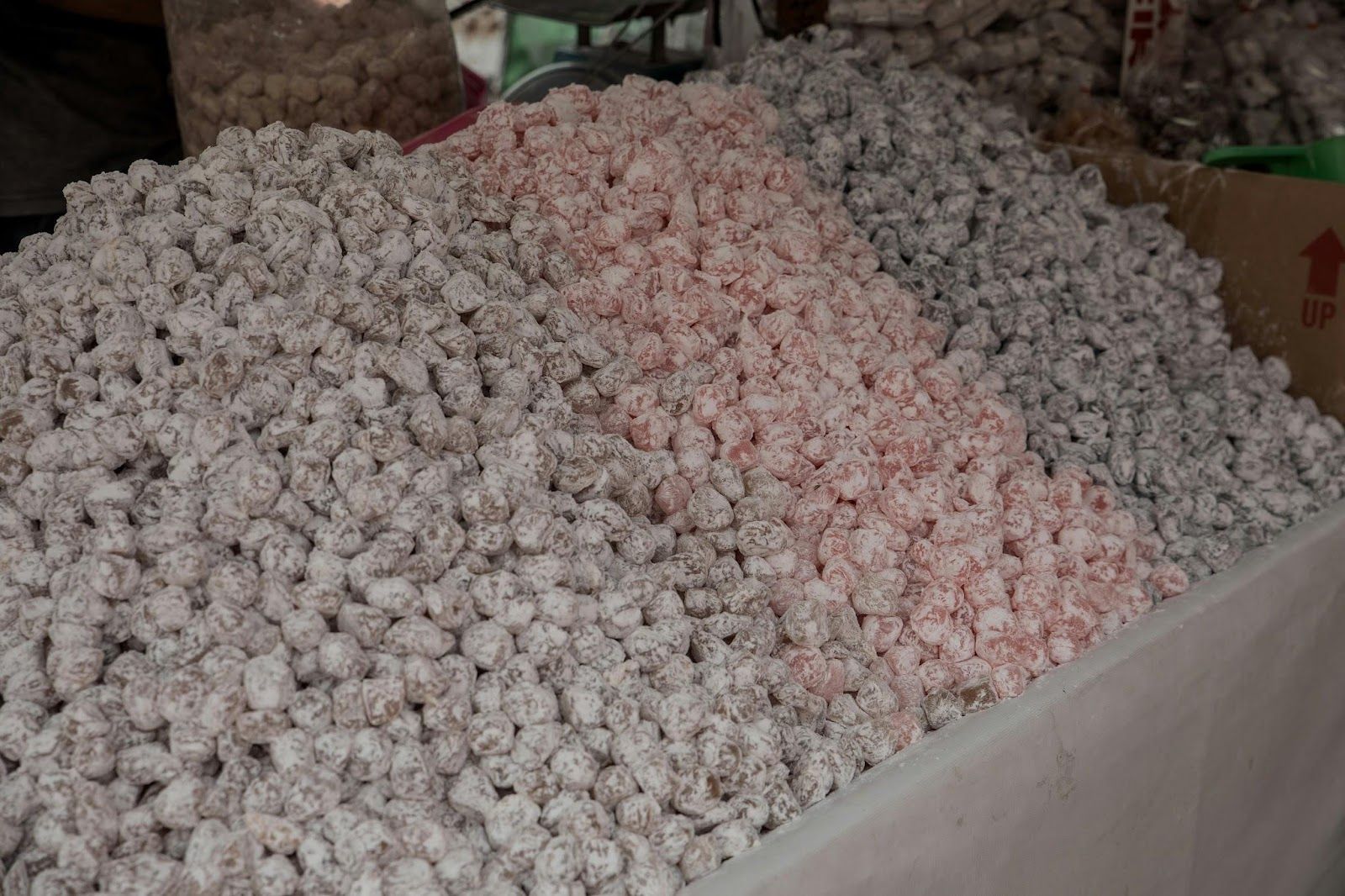 Image: Charles Chen
You may or may not know this, but some Midwestern states enjoy a homemade candy called "puppy chow." Contrary to what the name might imply, it is not meant for dogs!
They are usually made of cereal, chocolate, peanut butter, and powdered sugar. The same snack goes by other cute names, like "monkey munch" or "muddy buddies."
Sweetbreads
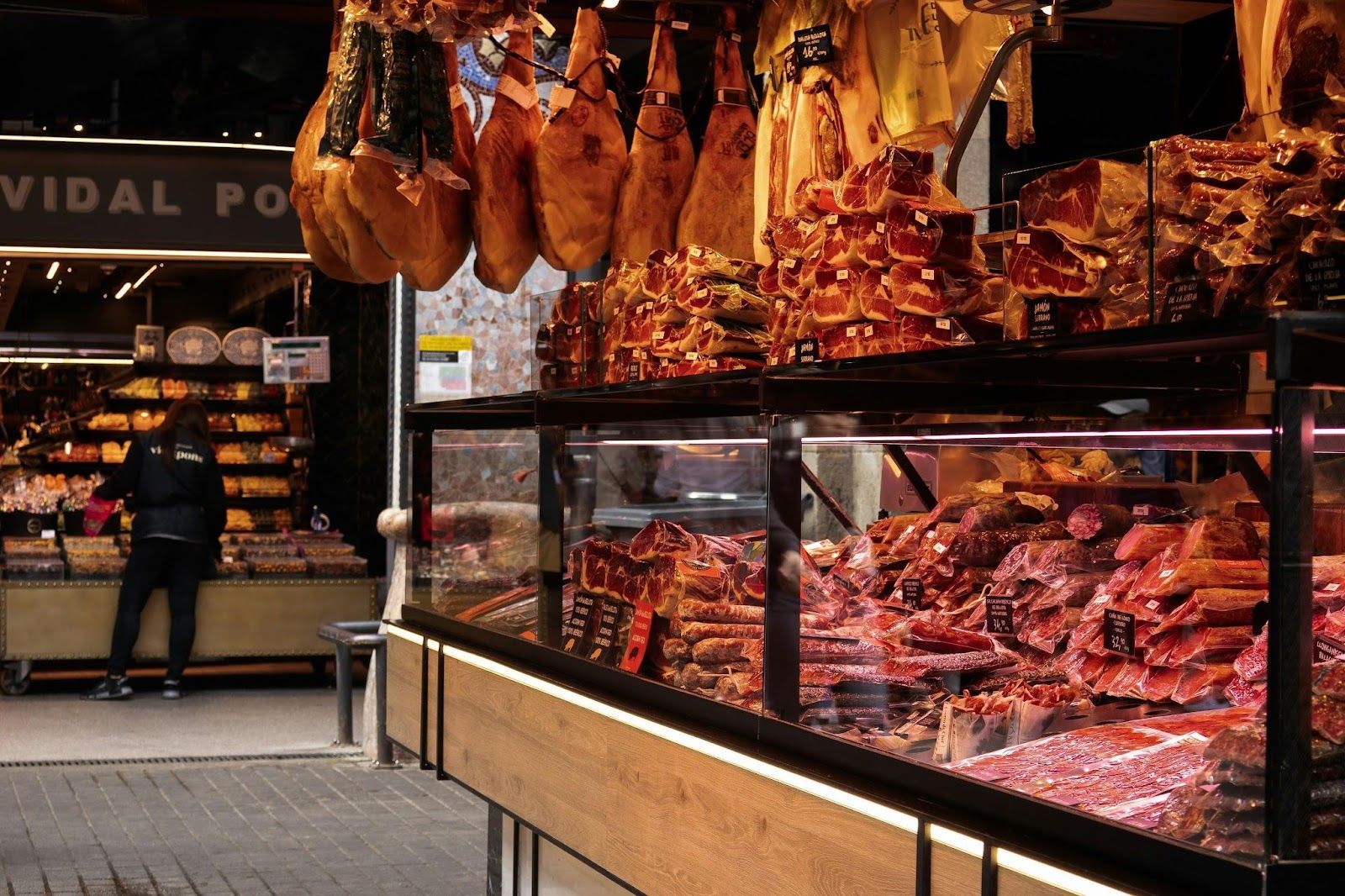 Image: Jolien Coryn
No bread and not "sweet." This dish has a grossly misleading name. Sweetbreads are the thymus or pancreas glands of young animals, prized in French cuisine for their delicate, tender texture.
The "sweet" refers to their mild flavor compared to other organ meats, while "bread" may stem from an old English word for "flesh."
Scotch egg
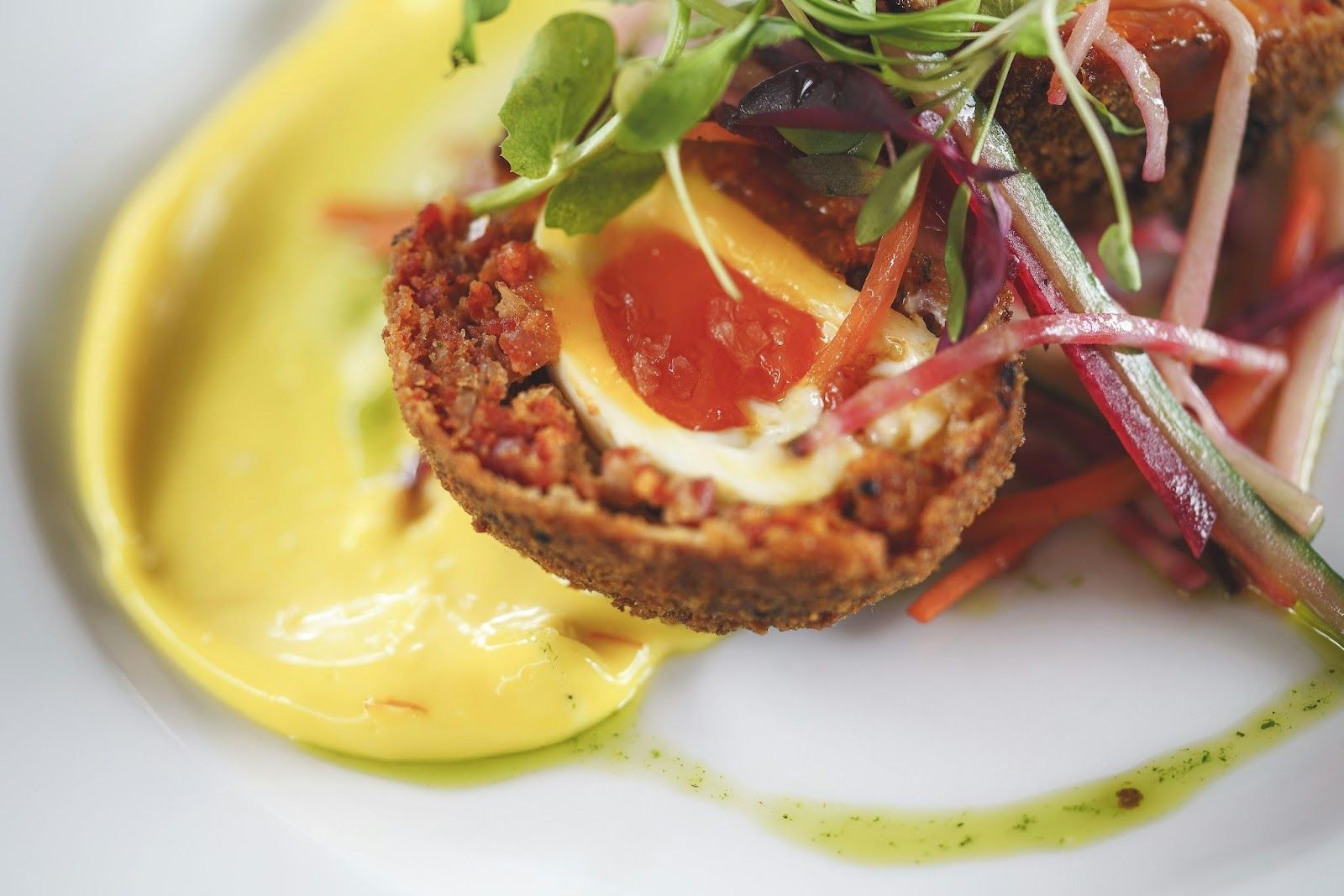 Image: Sebastian Coman Photography
It turns out, "Scotch egg" is not Scottish at all. Some place the origins in London, while others point to Indian dishes like kofta as possible inspirations.
The dish is a hard or soft-boiled egg wrapped in sausage meat, breaded, and fried.
French toast
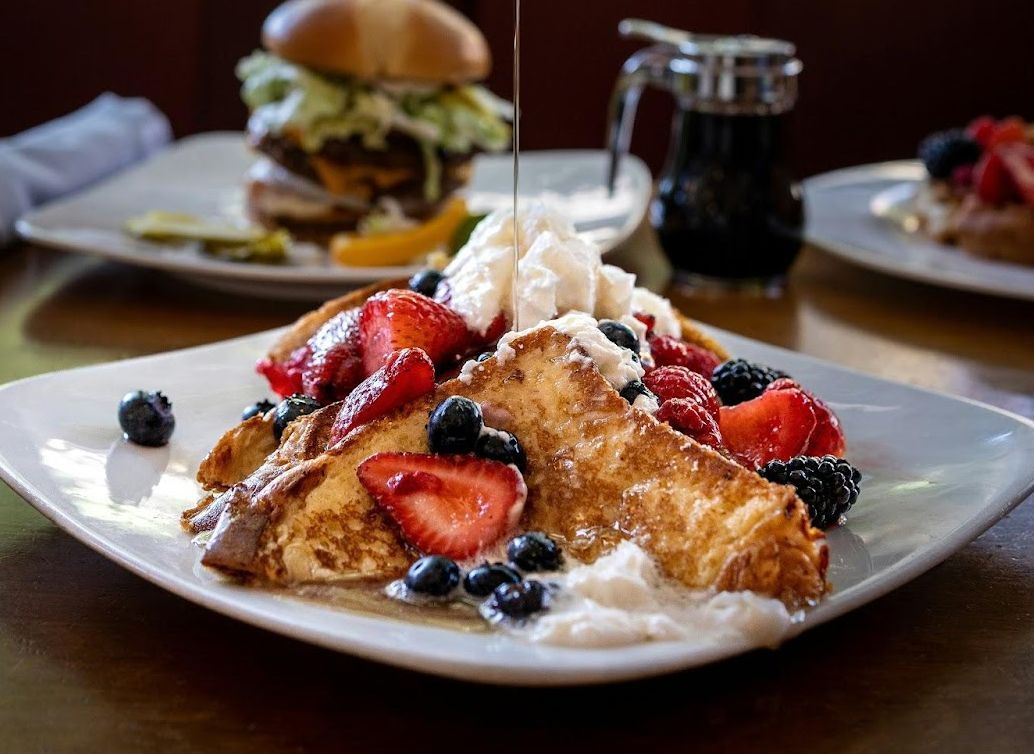 Image: Alexandra Tran
We all know what French toast means, but, just like French fries, the origins are disputed! This classic breakfast recipe is far more ancient and pan-European than the name implies.
Versions of egg-soaked bread fried in fat go back to ancient Rome, and have popped up across Europe for centuries under names like pain perdu in France or arme ritter in Germany.
Mincemeat
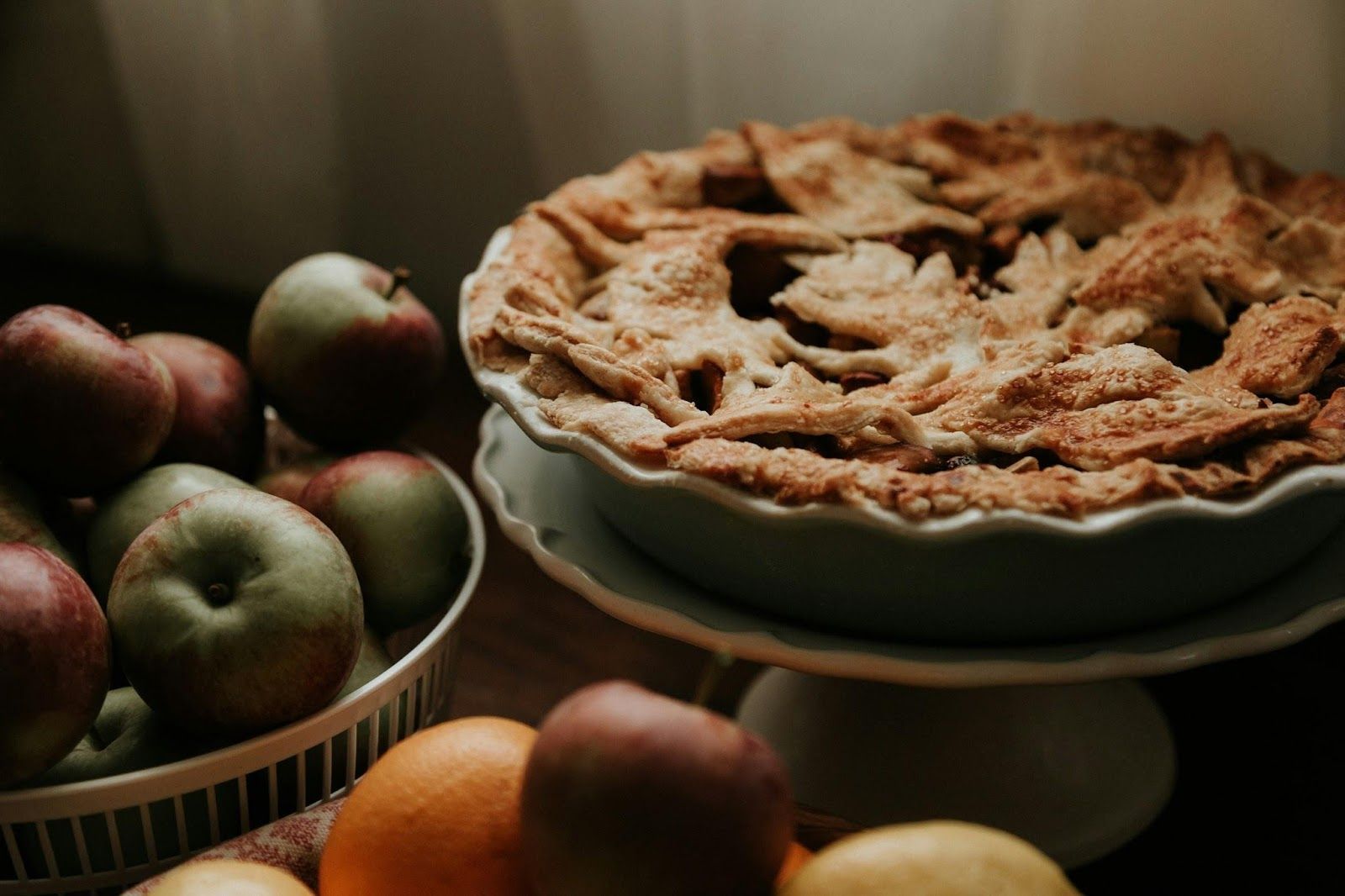 Image: Priscilla Du Preez 🇨🇦
Hearing "mincemeat," most people imagine ground beef. But this pie filling doesn’t always involve minced beef, as it once did.
Traditional mincemeat once did contain actual minced beef or mutton mixed with dried fruits, spices, and suet. Over time, many chose to drop the meat content, but the name stayed.