It’s game time!
Guess the movie: can you name these classics from just one line?
Published on January 26, 2026
 Image: Shubham Sharan
Think you know your movies? Let’s put that memory to the test! Below, you’ll find a few of the most famous lines in film history. We’ll start by giving you the quote and a bit of the scene’s background, but not the title just yet. See how many you can guess before scrolling down to the answers. Ready? Grab your popcorn, and let’s play!
"I’m the king of the world!"
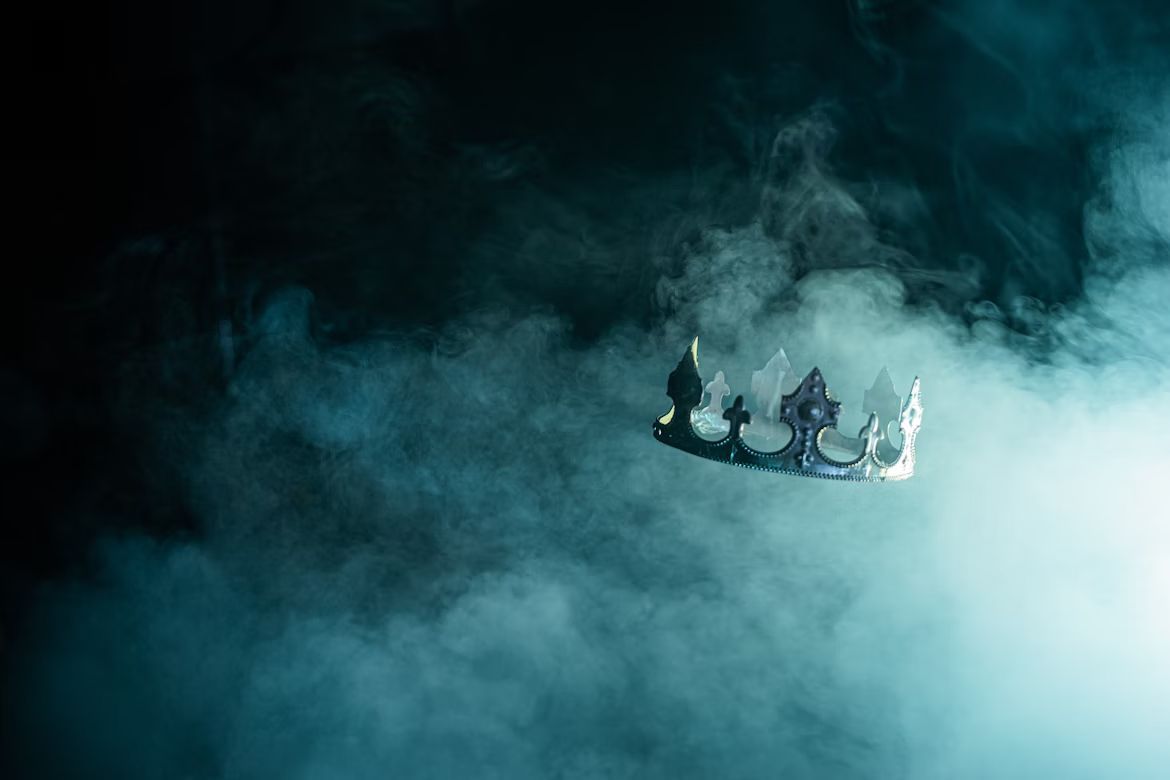 Image: Carlos N. Cuatzo Meza
A young dreamer shouts this at the top of his lungs while standing at the front of a massive ship, arms spread wide to the wind. In that moment, he feels untouchable, unaware of the tragedy that lies ahead. The scene became one of cinema’s most unforgettable moments of pure freedom and joy.
"You can’t handle the truth!"
 Image: Markus Winkler
This line erupts in a tense courtroom scene between two powerful figures. One demands honesty; the other snaps back with this furious shout that exposes pride, pressure, and the weight of authority. It’s one of those moments where every viewer holds their breath.
"There’s no place like home."
 Image: Roberto Nickson
A tired young girl says this line with longing after a wild and colorful adventure far from her simple life. Clicking her heels together, she wishes for peace, comfort, and the people she loves most. The quote has since come to symbolize safety and nostalgia for generations.
"Here’s looking at you, kid."
 Image: Roman Kraft
Delivered in a smoky café between two people whose love story couldn’t quite work out, this line drips with charm and heartbreak. It’s a farewell that says more than a dozen love letters ever could. You can almost hear the piano playing in the background.
"Life is like a box of chocolates."
 Image: Egor Lyfar
Spoken by a kind, simple man sitting on a bench with a box of sweets, this line sums up the unpredictability of life in the sweetest way possible. It’s folksy wisdom wrapped in innocence, and it has been quoted everywhere from classrooms to weddings.
"May the Force be with you."
 Image: Teresa Collins
Spoken by a wise and calm mentor, this line has echoed through generations of moviegoers. It’s said before a daring mission to inspire hope and courage in the face of impossible odds. The quote has since become a worldwide catchphrase for fans of sci-fi and adventure alike.
Now for the answers! Did you guess them all right?
Titanic (1997)
 Image: K. Mitch Hodge
Leonardo DiCaprio’s character, Jack Dawson, yells this line in joy as the Titanic sails toward its fate. The film swept audiences off their feet with its mix of romance and tragedy, becoming one of the highest-grossing movies of all time.
A Few Good Men (1992)
 Image: Sasun Bughdaryan
Jack Nicholson’s Colonel Jessup shouts this line during a heated courtroom exchange with Tom Cruise’s character, Lieutenant Kaffee. It’s a fierce outburst that reveals the dark side of military power and loyalty. The scene is movie history at its finest.
The Wizard of Oz (1939)
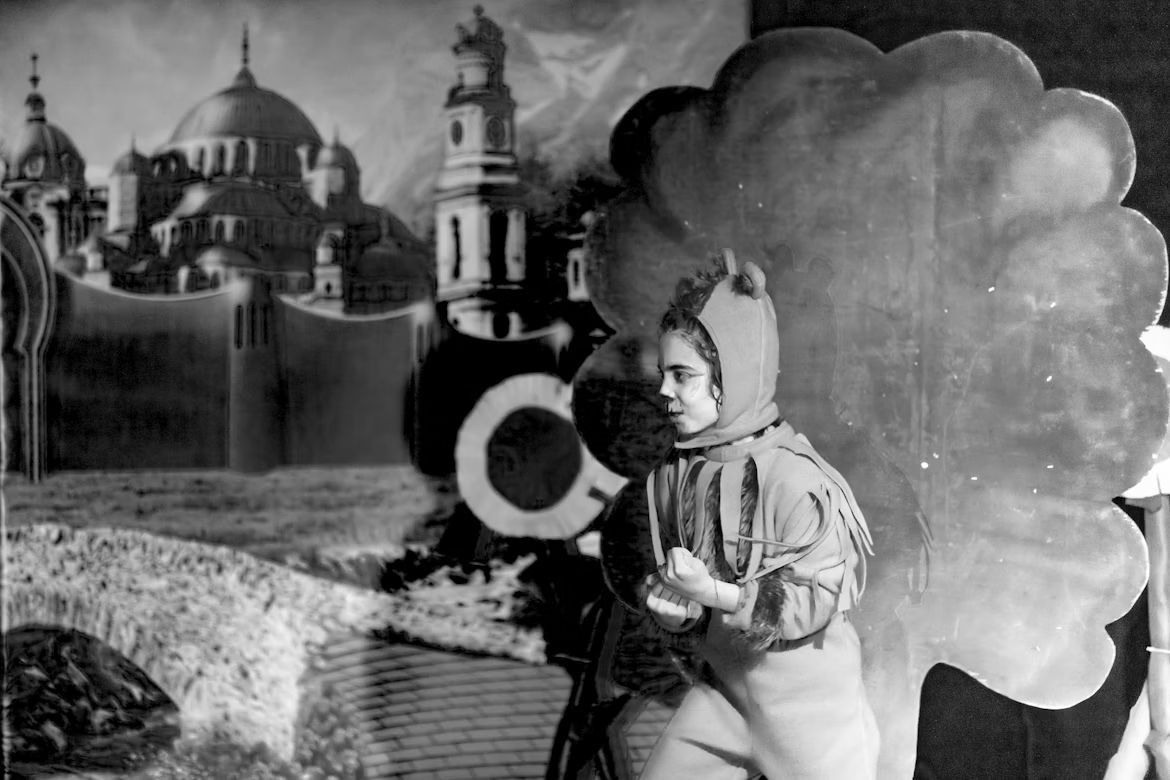 Image: Hulki Okan Tabak
Judy Garland’s Dorothy delivers this line as she returns from her whirlwind trip through Oz. After all her adventures, she realizes that nothing compares to the comfort of family and home. It’s one of Hollywood’s most enduring lessons.
Casablanca (1942)
 Image: VENUS MAJOR
Humphrey Bogart’s Rick says this bittersweet line to Ingrid Bergman’s Ilsa in one of cinema’s most iconic farewells. The film’s mix of romance, sacrifice, and wartime intrigue still resonates more than eight decades later.
Forrest Gump (1994)
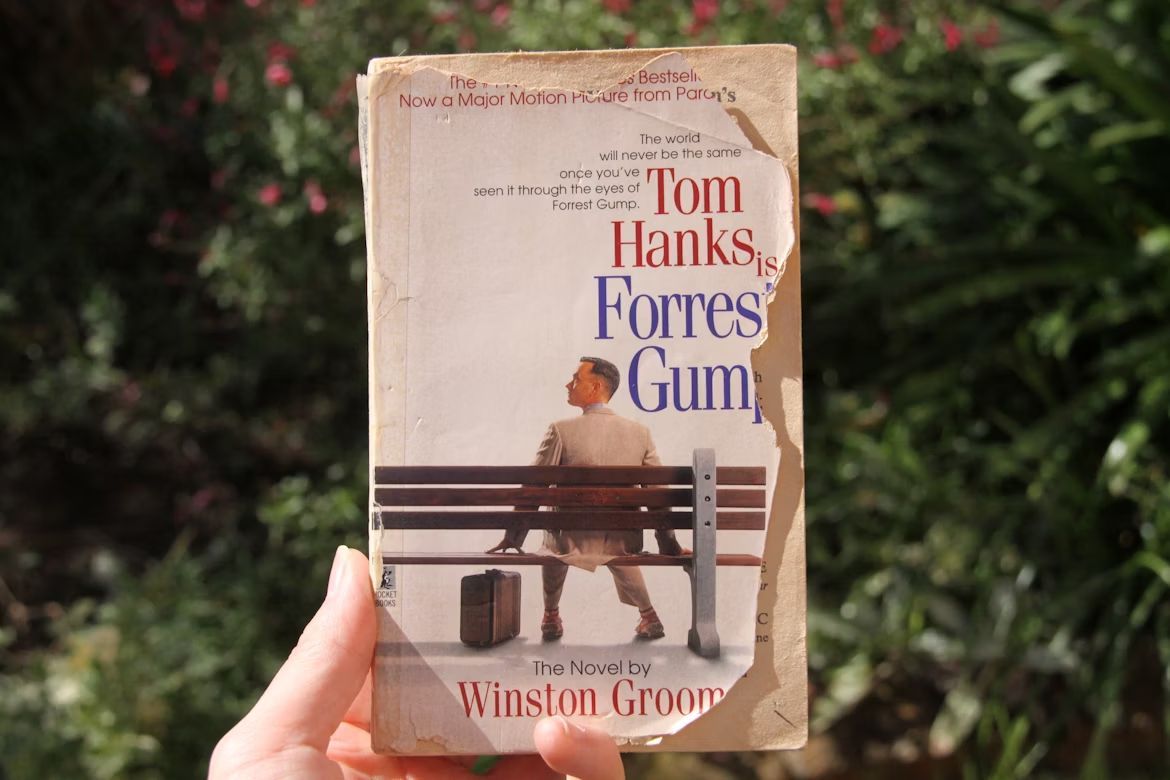 Image: Yosuke Ota
Tom Hanks’s gentle drawl turned this line into history. Sitting at a bus stop, Forrest reflects on the ups and downs of life and shows that even a simple soul can carry great wisdom (and a little bit of a sweet tooth, why not?). The film won six Oscars and countless hearts.
Star Wars (1977)
 Image: Artur Tumasjan
Said by several characters throughout the saga, this phrase became the heart of the Star Wars universe. It’s a blessing for courage and hope, first uttered by Rebel leaders as they faced the Empire. George Lucas’s space epic redefined science fiction forever.