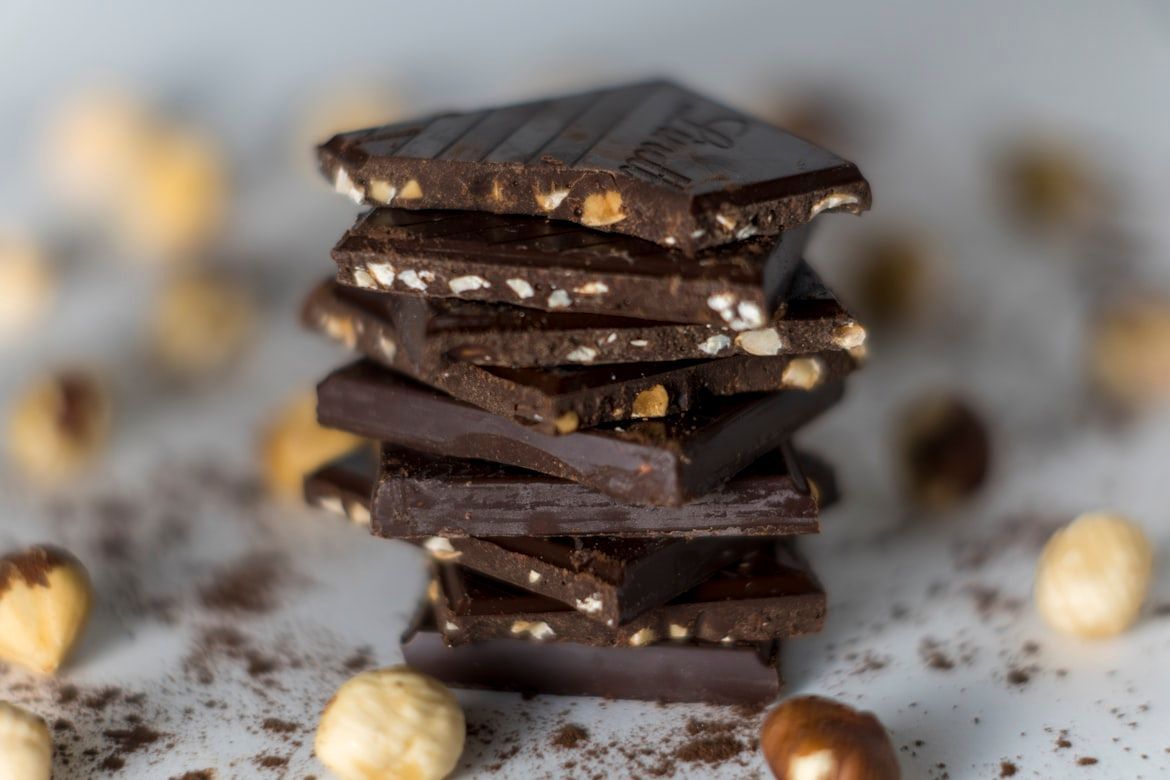
Wild idioms

Mustard after lunch? 10 foreign sayings that make zero sense


Published on March 23, 2026


Idioms make any language way more colorful, but when you translate them literally, things can get quite goofy. You can’t translate a whole culture, so we’ve gathered some foreign idioms and their literal translation into English. Have some fun reading about it and trying to guess what they actually mean. Are you up for the challenge?

1

Tie a bear to someone (German)

Image: Mark Basarab

In Germany, if you’ve "tied a bear to someone," you’ve pulled a fast one, like fooled them good. No bears, ropes, or zoos involved. It’s their way of saying you tricked somebody, kind of like slipping a whoopee cushion under their chair, but in a more metaphorical way. It’s unclear how the bear got involved, but you’ve got to admire the imagery.

2

Swallow some camels (Norwegian)

Image: Wolfgang Hasselmann

This one paints quite the picture, right? No way you’ll guess what it means, so here it is: In Norway, if you "swallow some camels," it means you’ve had to compromise on something you’d rather not. We might say "grin and bear it" or "bite the bullet"—they say gulp down a few large desert animals. Frankly, the mental image is enough to make anyone appreciate our American metaphors. Talk about a tough pill to swallow.

3

When chickens have teeth (French)

Image: Ben Moreland

The French equivalent of "when pigs fly" is "when chickens have teeth." It’s a way of saying something will never happen. Can’t you just imagine a chicken grinning with a mouthful of molars? Terrifying. But effective anyway!

4

My cheeks are falling off (Japanese)

Image: Tengis Galamez

When a Japanese person says their cheeks are falling off, don’t call the doctor, they’re just loving their meal. Connection not found, but who are we to judge? It’s their way of saying something is so delicious, your face can’t even handle it.

5

The raisin at the end of the hot dog (Icelandic)
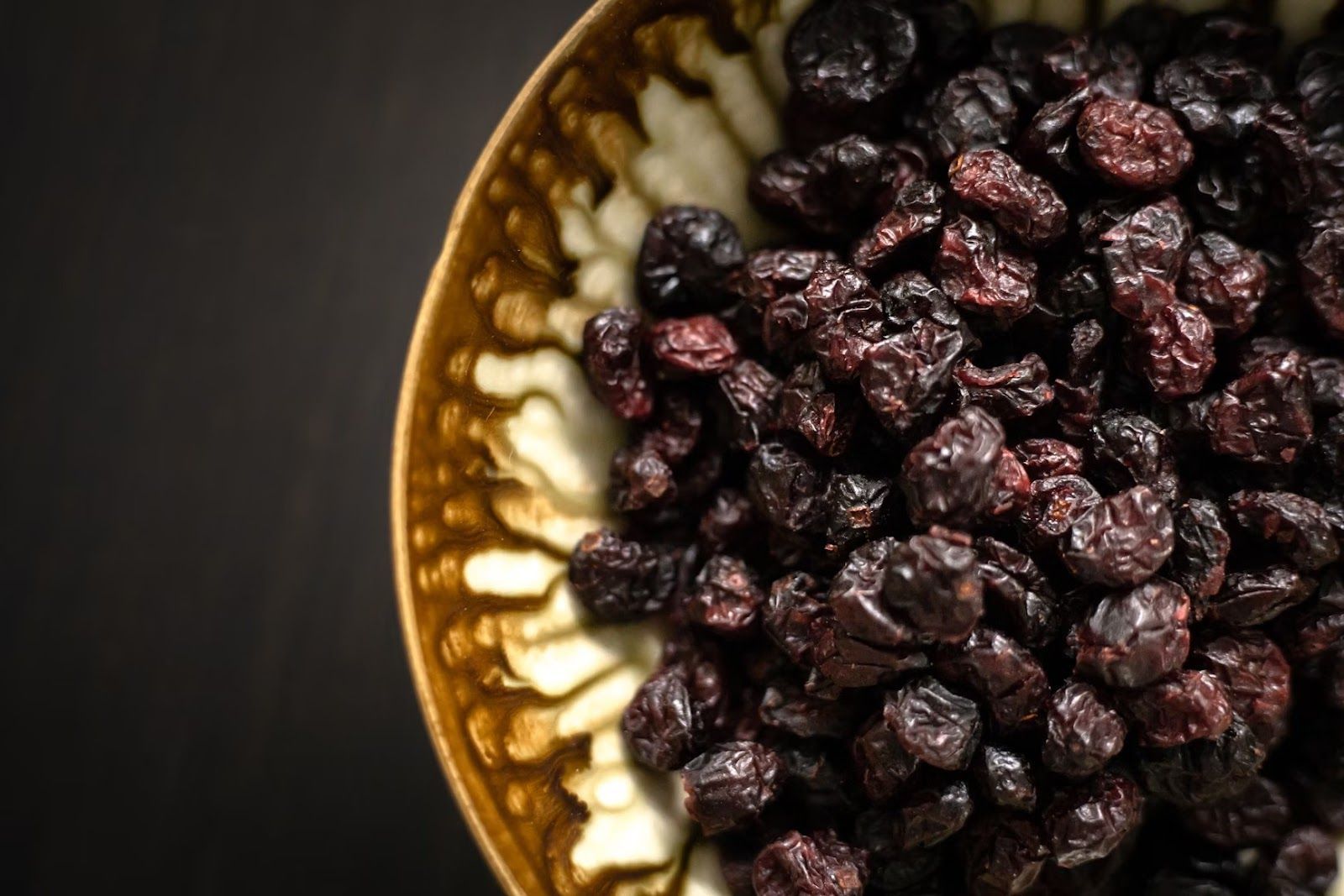
Image: Andreas Haslinger

This Icelandic gem describes an unexpected surprise, like a little bonus at the end of something. A pot of gold at the end of the rainbow? Nope. They’ve got raisins. In a hot dog. It may sound more like a cooking disaster than a feel-good moment, but hey, they mean well.

6

Slide in on a prawn sandwich (Swedish)
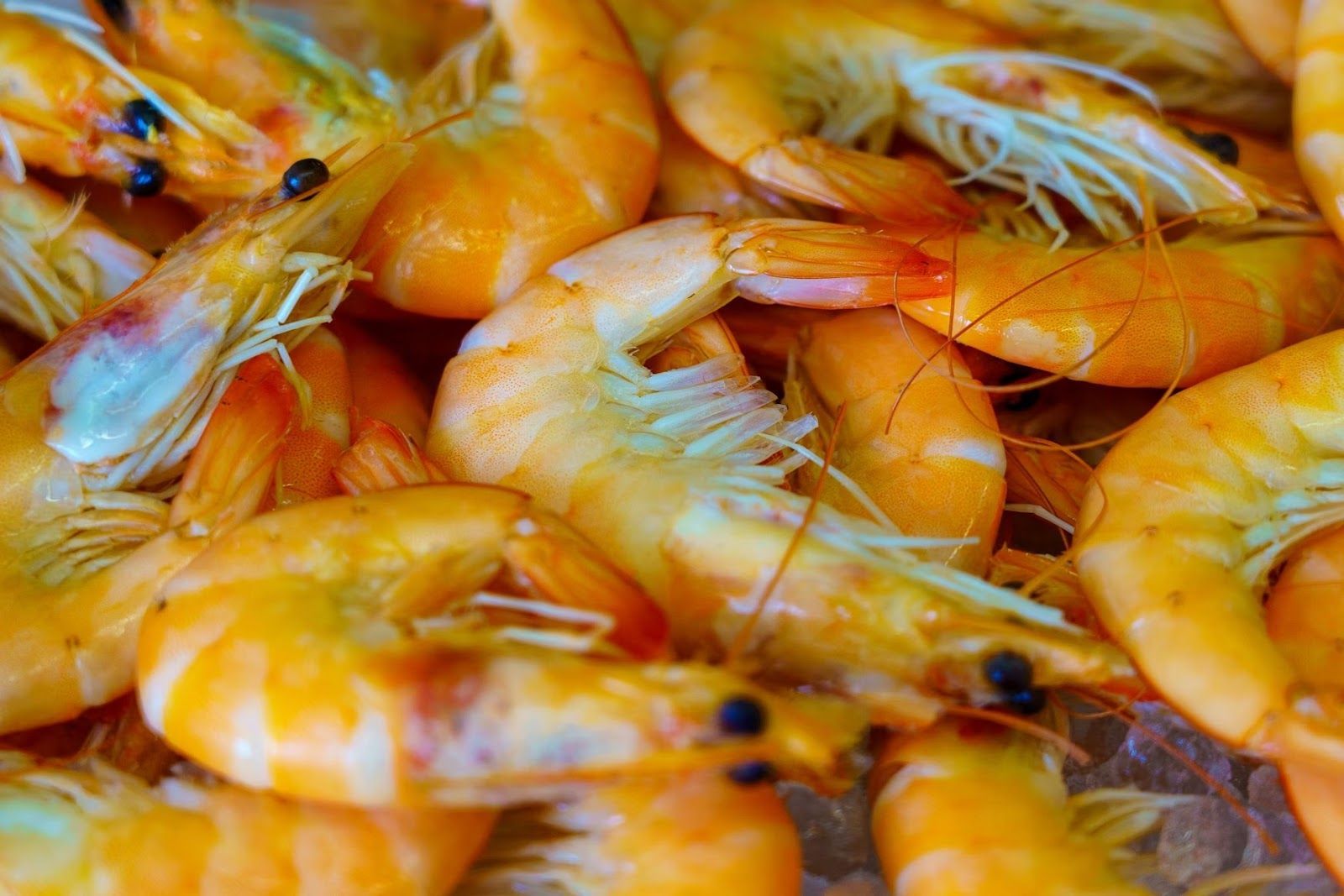
Image: Nick Fewings

In Sweden, if someone "slides in on a prawn sandwich," it means they’ve had it easy—no struggle, no stress, just cruising through life on shrimp and bread. It’s a cousin to being "born with a silver spoon." Either way, the person didn’t have to hustle too hard.

7

Not all doughnuts come with a hole (Italian)
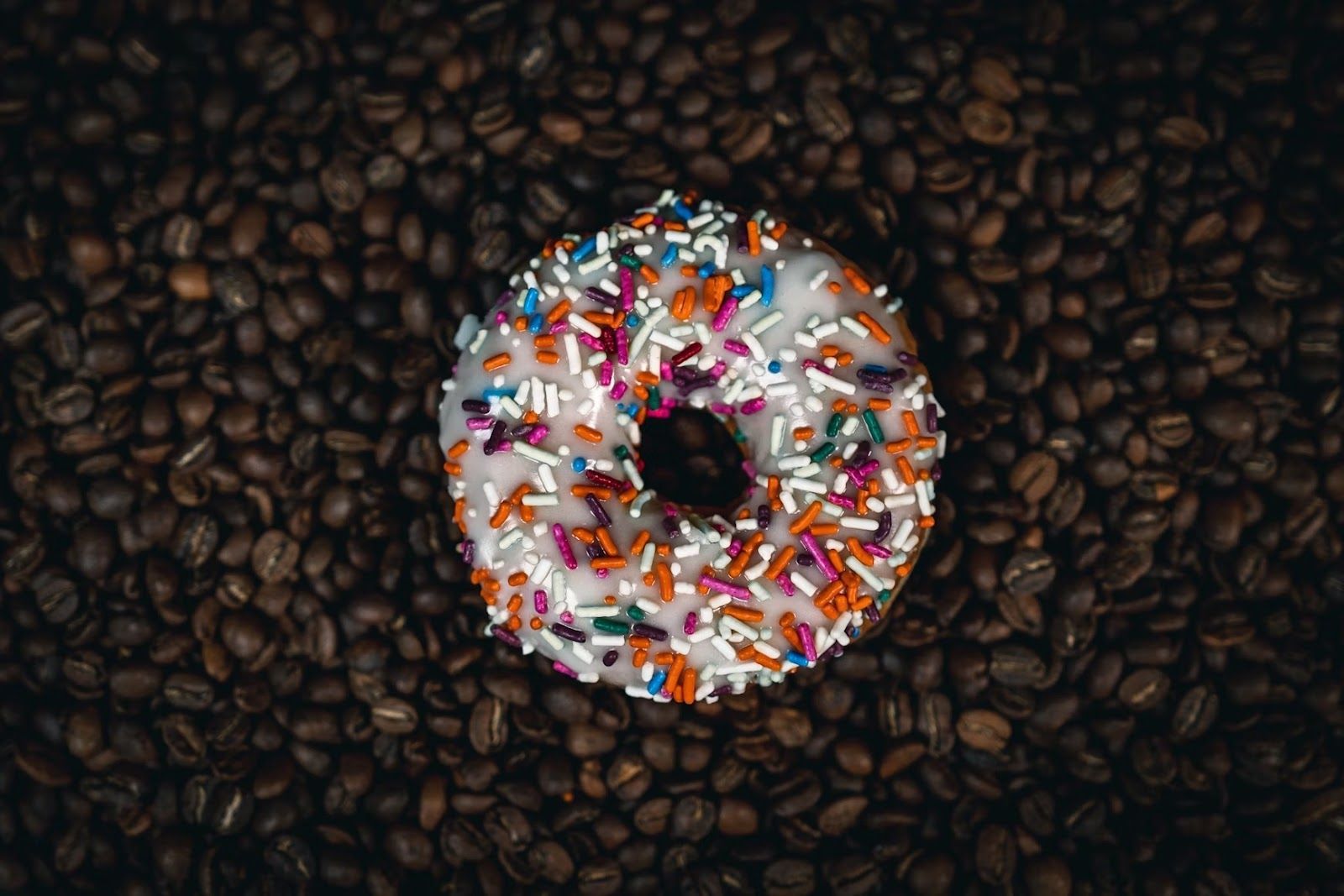
Image: Daniel Lincoln

In Italy, they say "not all doughnuts come with a hole," when life throws a curveball. It’s a gentle reminder that not everything turns out the way you expect. And hey, a doughnut without a hole is technically more donut. Maybe things aren’t so bad after all!

8

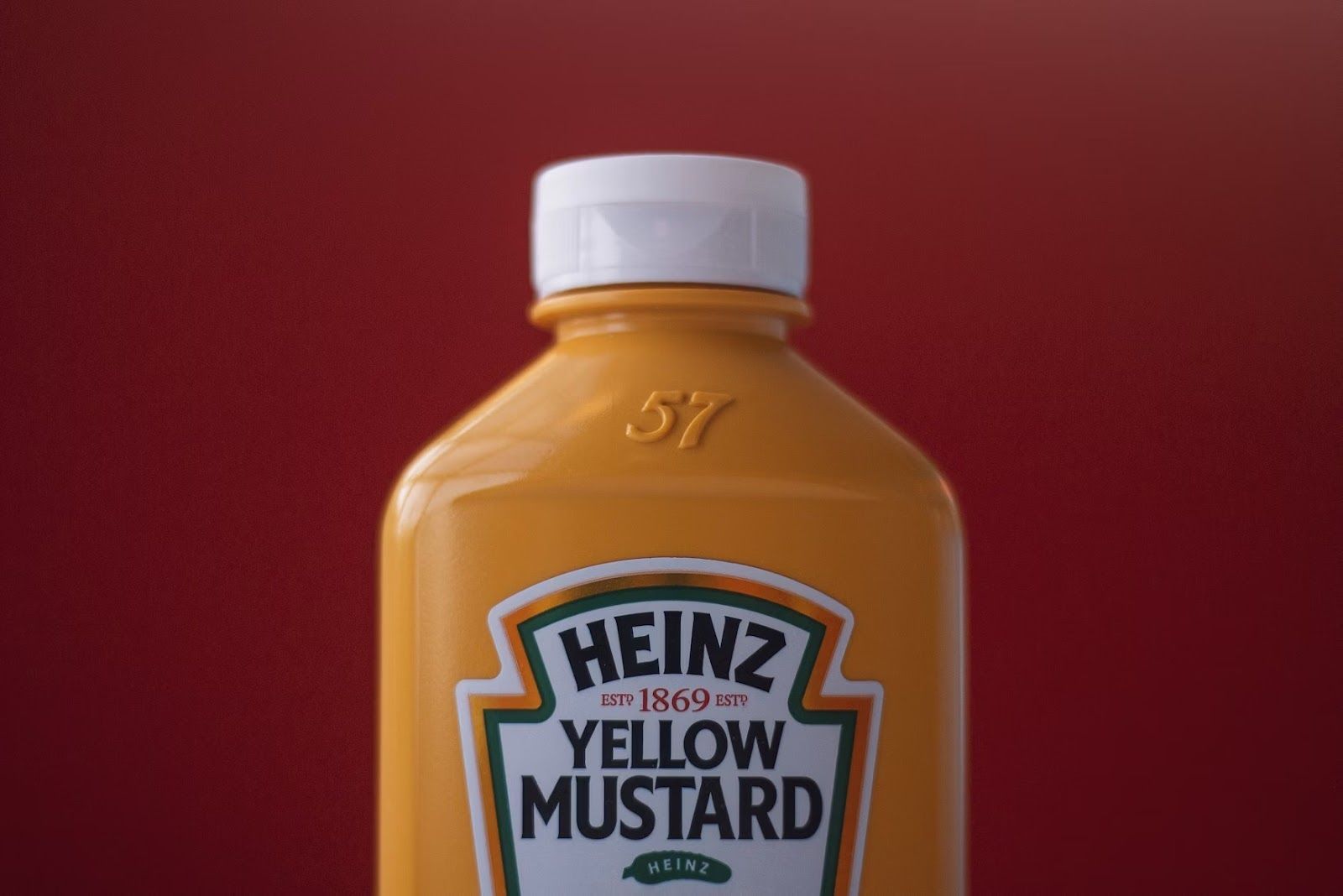
Mustard after lunch (Polish)

Image: Pedro Durigan

Poles say "mustard after lunch" when it’s too late to do something, like when the moment has passed. You can think of it like "closing the barn door after the horse is gone." Except in this case, you’re stuck with a hot dog… and no mustard. Tragic, don’t you think?

9

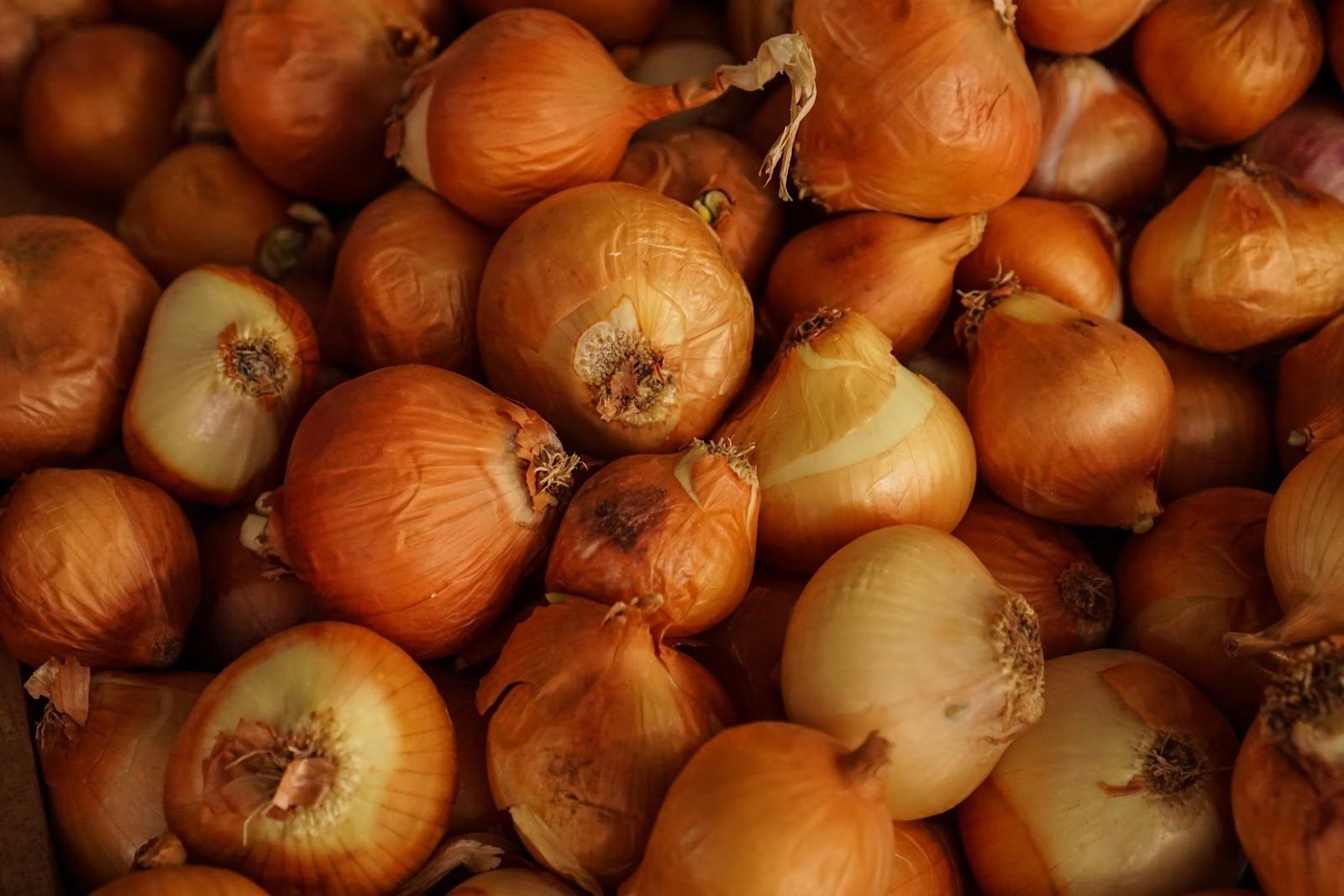
Break a fast with an onion (Arabic)

Image: Tom Hermans

This Arabic idiom describes a letdown. You’ve waited all day to eat, only to be handed… an onion. A raw deal, literally. It’s like expecting prime rib and getting a saltine. The literal translation is hilarious, but you can’t deny it’s effective, pointed, and a little stinky.

10

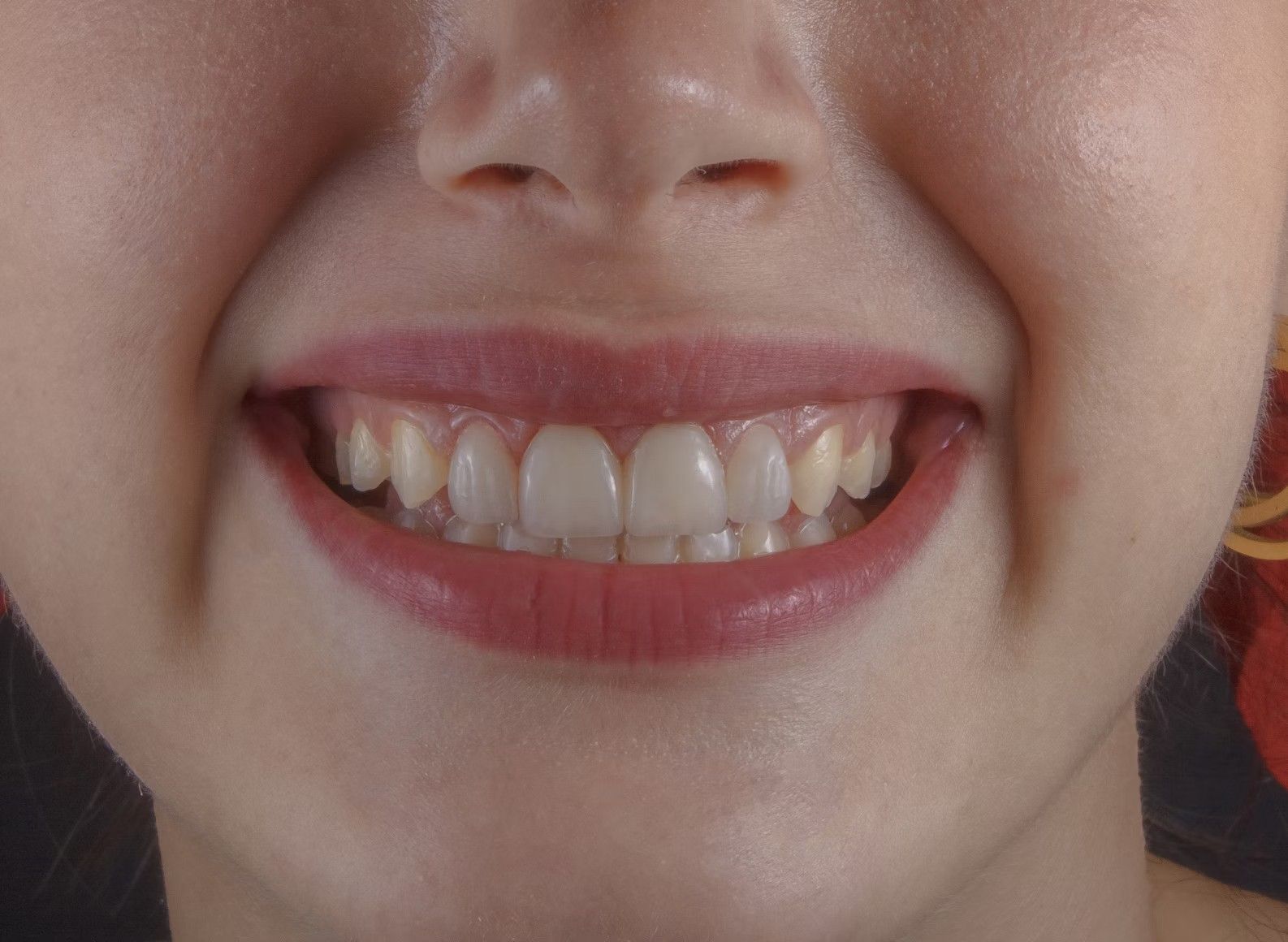
Have hair on your teeth (Dutch)

Image: Ozkan Guner

This Dutch idiom doesn’t sound pleasant, but it’s actually a compliment. To "have hair on your teeth" means you’re assertive, bold, and maybe even a little fierce. In other words, not someone to mess with. Dental floss is not included, though.


What science says

It was false after all: 10 health myths that sound true—but aren't


Published on March 23, 2026


Image: Alicja Gancarz

Health myths are everywhere! These ideas were simply passed down for so long that they became part of what we believed. But now science has stepped in to clear things up. Does cold weather make you sick? Can lemon detox your body? Is reading in low light really harmful? Let's uncover the truth behind 10 common health myths!

1

Cutting your hair makes it grow faster

Image: Element5 Digital

Have you ever been told that cutting your hair will make it grow faster? We're sorry to say that's just a myth. Hair grows from the root, not the ends. So, trimming it won't boost growth, though it does help remove split ends that can make your hair look dry or unhealthy.

2

Cold weather causes colds

Image: Thom Holmes

This is one of the most common health myths. Cold weather often gets blamed, but it's not the temperature that makes you catch a cold. During winter, we tend to stay indoors with others and keep the windows closed, an environment that makes it easier for viruses to spread. That's why colds tend to be more common in winter!

3

Eating before bed makes you gain weight

Image: Michelen Studios

The idea that eating before bed automatically leads to weight gain is a myth. In reality, it has more to do with what you eat and how much, rather than the time of day. Often, when we eat very late at night, we're tired and more likely to reach for quick, high-calorie, heavy foods. This can disrupt sleep and lead to consuming more calories than we burn, both of which may affect weight. If it's close to bedtime, it's better to have something light and healthy in a moderate portion than to skip a meal altogether.

4

Wearing glasses weakens your vision

Image: Bud Helisson

Does wearing glasses weaken your vision? Myth! If an eye doctor prescribes glasses, wearing them as directed helps correct your vision; it won't make it worse. Additionally, the right glasses can help prevent or reduce headaches caused by reading or spending long hours in front of a screen.

5

Reading in low light causes permanent eye damage

Image: Amir Balam

This myth is closely related to the previous one. If you love reading and sometimes have to do it in low light because of the situation, don't worry. According to experts, reading in low light doesn't cause permanent or irreversible eye damage. However, it's not recommended because it can make your eyes feel tired or strained, leading to discomfort or headaches.

6

You need to drink 8 glasses of water a day

Image: engin akyurt

We're all different, and so are our bodies. The idea that everyone should drink exactly eight glasses of water a day is more of a general guideline than a rule. Staying well hydrated throughout the day is extremely important, but how much water you need depends on factors like your weight, age, climate, and overall health. We should prioritize staying consistently hydrated instead of obsessing over the number of glasses we drink.

7

Lemon water detox and cleanse your body

Image: Tirza van Dijk

Some people say drinking lemon water helps eliminate toxins and cleanse the body. While adding a slice of lemon to your water is a refreshing way to stay hydrated, it doesn't have any special "detoxifying" powers. The vitamin C in citrus fruits is beneficial, but the body has its own natural detox system. The liver and kidneys are the main organs that filter waste and eliminate toxins.

8

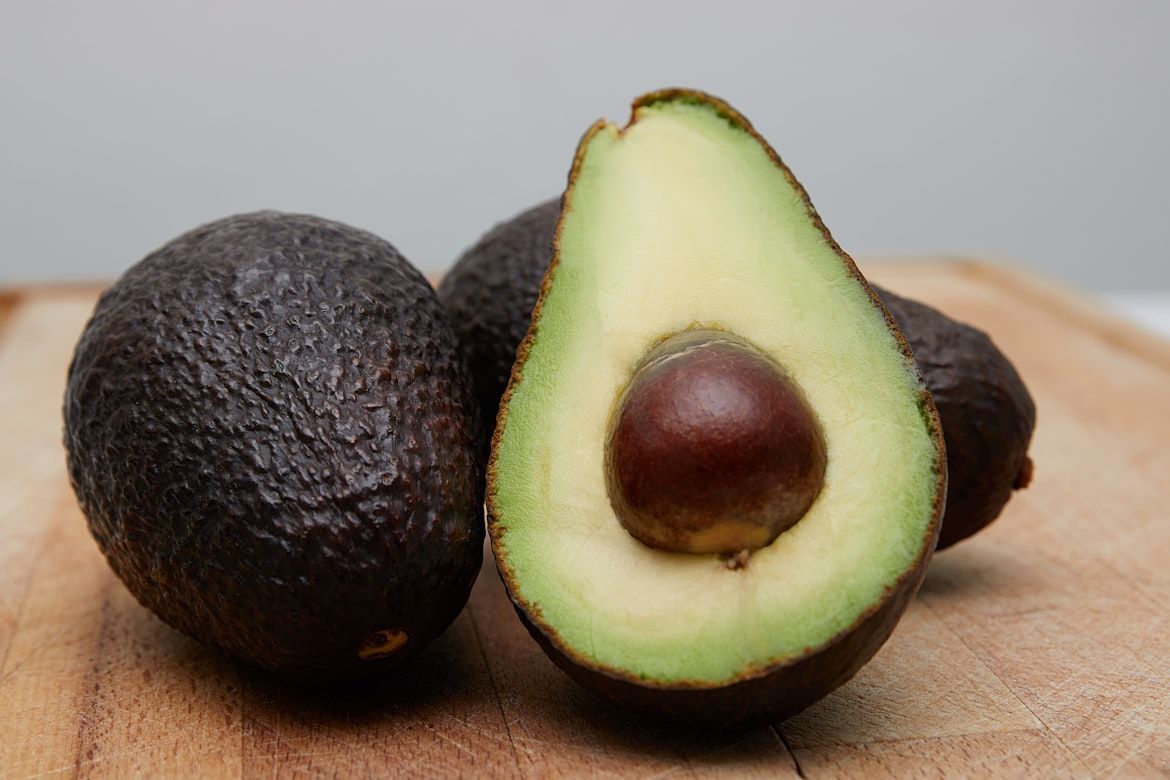
All fat is bad

Image: Aneta Voborilova

Not all fats are bad! Just like other food groups, your body needs fats to function properly. The important thing is knowing the difference between healthy fats and those that can be harmful. Foods like avocados, seeds, olive oil, fish, and nuts are rich in healthy fats. On the other hand, the fats found in processed or fried foods are the ones that can have a negative impact on your body.

9

Liver disease is always caused by alcohol or fats

Image: Elevate

Liver diseases can be serious. While heavy and frequent consumption of alcohol and fats is a major contributor, it's not the only cause. Liver problems can also result from many other factors. These include viral infections, autoimmune diseases, genetic disorders, high blood pressure, and exposure to certain chemicals.

10

Breakfast is the most important meal

Image: Brooke Lark

There's some truth to it: breakfast is important because it replenishes our glucose and energy levels and supports proper metabolism. However, the idea that it's the most important meal of the day might be an exaggeration. Everyone's body has different needs, and all meals are important, so we shouldn't skip any of them!

Looking for an extra scoop of literary fun?

Learn more with our Word of the day

antiquated

/ˈæn(t)əˌkweɪdəd/