Words of the trade

Craftsman’s slang: 12 everyday expressions with curious origins


Published on April 15, 2026


Image: Clark Young

The repetitive actions of each craft have spawned terms, idioms, and phrases that make up their particular tech lingo. Many of these expressions have transcended their natural realm to become a part of the universal language. These once-practical expressions now live on as reminders of how deeply language is tied to human work, skill, and invention. Take a look at these 12 everyday expressions and wonder at their unassuming origins.

1

Cut to the chase

Image: Jon Tyson
2

In early silent films, long, dull scenes often tested audiences’ patience. Editors and directors learned to "cut to the chase," meaning skip the filler and jump straight to the excitement, often a chase scene.

Over time, the phrase escaped the editing room. Today, when someone uses it in conversation, they’re simply asking you to get to the point and drop the buildup.

3

Rule of thumb

Image: Dominik Scythe

Before precise measuring tools were widespread, carpenters, brewers, and other craftspeople were often said to have used their thumbs for rough estimates. The width or length of a thumb served as an informal "rule."

Although modern workers rely on rulers and scales, the old phrase remains alive, meaning a general principle or handy guideline rather than a strict rule.

4

By the book

Image: Walls.io


Guild members and early tradespeople often followed written manuals that dictated how to perform their craft. Working "by the book" meant adhering to these official rules exactly.

Today, the phrase describes anyone who sticks strictly to regulations, whether it’s a police officer enforcing the law or a student obeying classroom rules.

5

Loose cannon

Image: Berry Hafkin


On old warships, heavy cannons were secured with chains. If a storm or battle broke those chains, a "loose cannon" could roll violently across the deck, crushing sailors and damaging the ship.

In modern speech, it labels an unpredictable person: someone whose uncontrolled actions can endanger a team, project, or reputation.

6

Cut from the same cloth

Image: SIL Group
7

Tailors once worked from large pieces of fabric, cutting pieces for multiple garments. If two suits were cut from the same cloth, they shared identical material and quality.

Today, we use the expression to describe people with similar traits or values, like friends, relatives, or colleagues who clearly come from the same "fabric."

8

Spin a yarn

Image: Matt Benson


Sailors and rope-makers often spent long hours twisting fibers into rope, a process known as spinning yarn. To keep themselves entertained, they told tall stories while working.

Thus, to "spin a yarn" came to mean weaving an elaborate tale. It’s still used for anyone who tells a long, colorful story, whether it’s true or not.

9

Strike while the iron is hot

Image: Jonathan Bean


A blacksmith must hammer metal quickly once it’s heated to the right glow; wait too long, and it hardens. The saying advised workers to act fast for the best results.

It evolved into a general reminder to seize opportunities as quickly as they arise, while conditions are favorable and momentum is on your side.

10

Show your true colors

Image: David Dibert
11

Naval ships sometimes flew false flags to mislead enemies, then hoisted their actual national colors before engaging in battle. Revealing one’s "true colors" meant honesty after disguise.

Now the phrase praises sincerity or exposes deceit, depending on context. It still evokes that dramatic moment when masks fall away.

12

In the limelight

Image: Megs Harrison
13

Before electric bulbs, theaters used lime burned with gas to produce a brilliant white light that spotlighted leading actors on stage.

Those performers quite literally stood "in the limelight." Today, the phrase simply means being the center of attention, whether on stage or in everyday life.

14

Bite the bullet

Image: National Library of Medicine

Before modern anesthesia, wartime surgeons had soldiers bite a bullet to cope with agony during operations. The metal gave them something firm to clamp down on.

Today, "bite the bullet" means facing a tough task bravely, accepting pain or difficulty with stoic resolve rather than avoiding it.

15

Toeing the line

Image: The Deseronto Archives
16

Sailors and soldiers in drills stood with their toes exactly on a marked line to show discipline and precision.

The phrase came to represent strict obedience to orders or standards. When someone "toes the line," they conform carefully to expected behavior.

17

Upper hand

Image: Chris de Lima

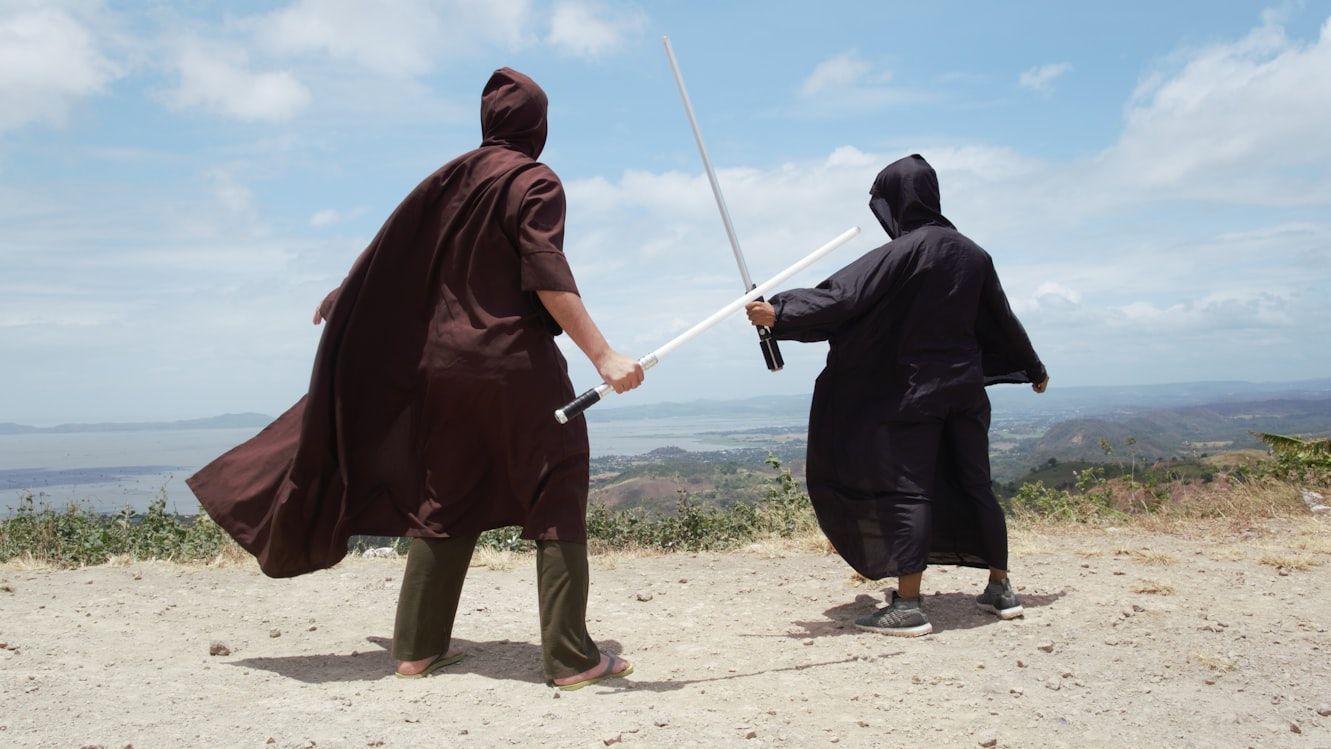
In sword fighting, the combatant whose hand was positioned higher typically had greater reach and control. Gaining "the upper hand" meant securing an advantage over an opponent.

Today, the duel may be metaphorical: winning an argument, negotiation, or competition, but the sense of dominance remains the same.
The 12 longest-living animals on Earth (and how they cheat time)


Published on April 15, 2026


Image: David Clode

Nature doesn’t just create beauty, it crafts survival miracles. While most animals have short lives, a rare few have mastered the art of staying alive for centuries, even millennia. These aren’t just long-lived creatures; they’re nature’s ultimate time travelers. From the frozen depths of the oceans to the darkest corners underground, they’ve developed bizarre, brilliant strategies to cheat death. Get ready to meet 12 animals whose lifespans will absolutely blow your mind.

1

Antarctic Sponge (Anoxycalyx joubini)

Image: NOAA

Record age: up to 15,000 years

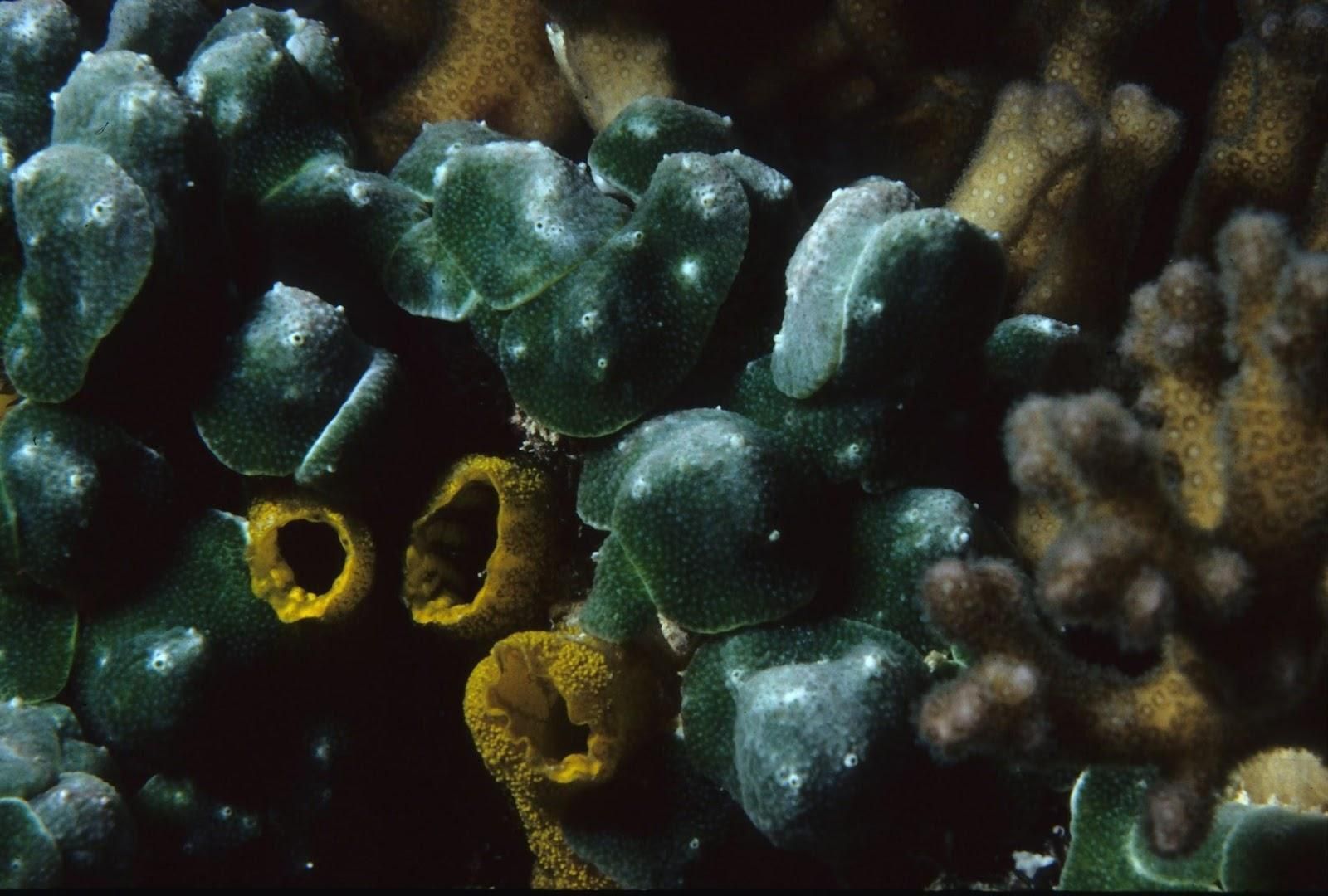
This unassuming sea sponge thrives in the freezing waters of Antarctica, where temperatures hover around 28.6 °F—so cold that biological processes hit the brakes. In such icy conditions, metabolism slows to a crawl, allowing these sponges to live for thousands of years.

Some have reached impressive sizes of over 3 feet tall and have been around since mammoths were still thundering across the tundra. They don’t move, they don’t stress, and they barely change, just quietly existing while centuries pass them by. Their secret to extreme longevity? Glacial patience, deep-sea stillness, and a lifestyle that redefines "low-maintenance".

2

Immortal Jellyfish (Turritopsis dohrnii)

Image: Dr. Karen J. Osborn, CC0, via Wikimedia Commons

Age: technically… infinite

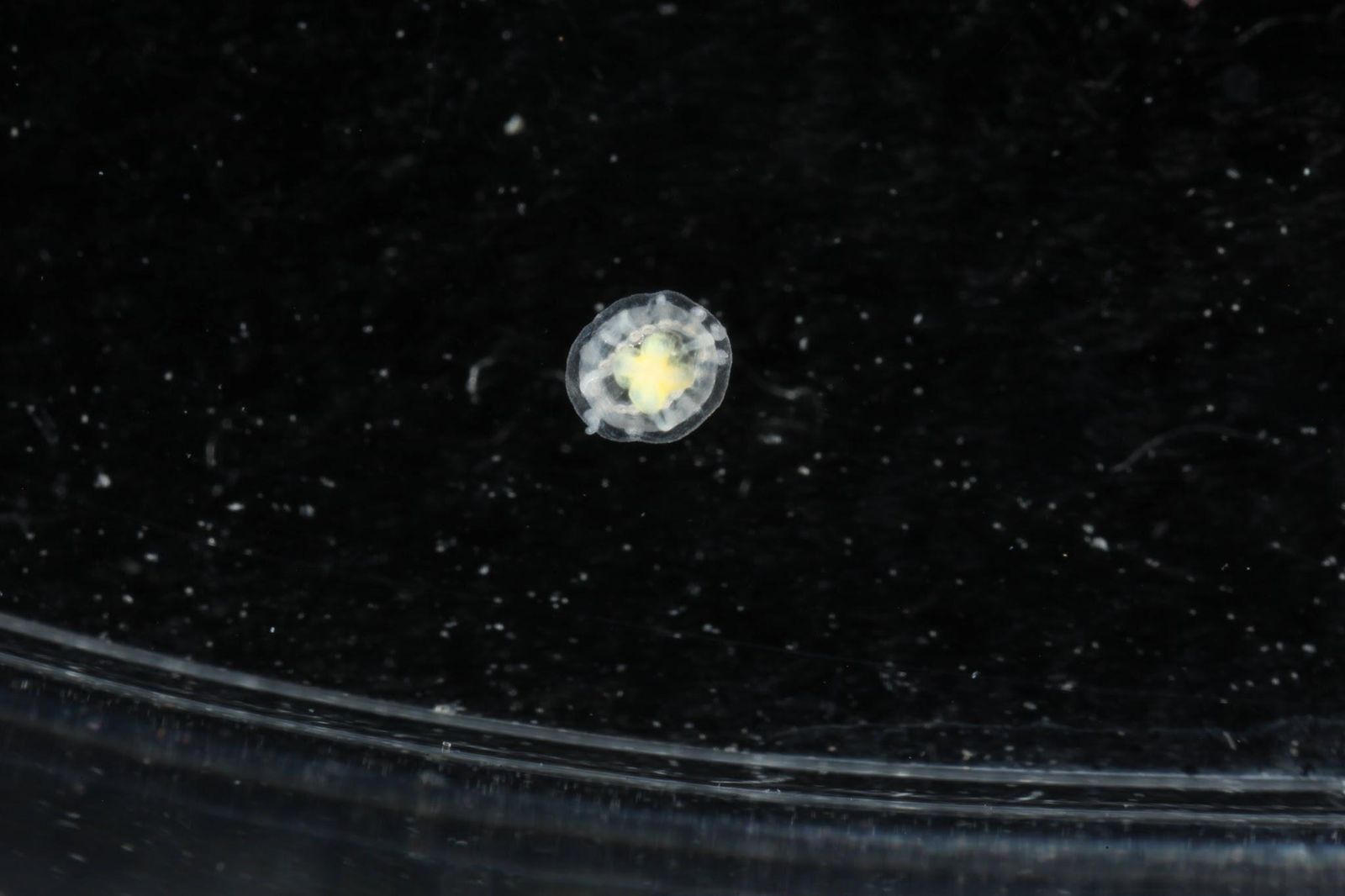
This tiny jellyfish, no bigger than a fingernail—less than 0.2 inches—is like the ocean’s very own Benjamin Button. What makes it truly extraordinary is its ability to rewind its life story, flipping back to a youthful, juvenile stage whenever it wants. While it’s not completely invincible (predators and other threats are still very real), if left undisturbed, it can keep hitting the reset button on aging indefinitely, making it one of the most fascinating "time-benders" in nature.

3

Ocean Quahog Clam (Arctica islandica)

Image: Norbert Braun

Record age: 507 years

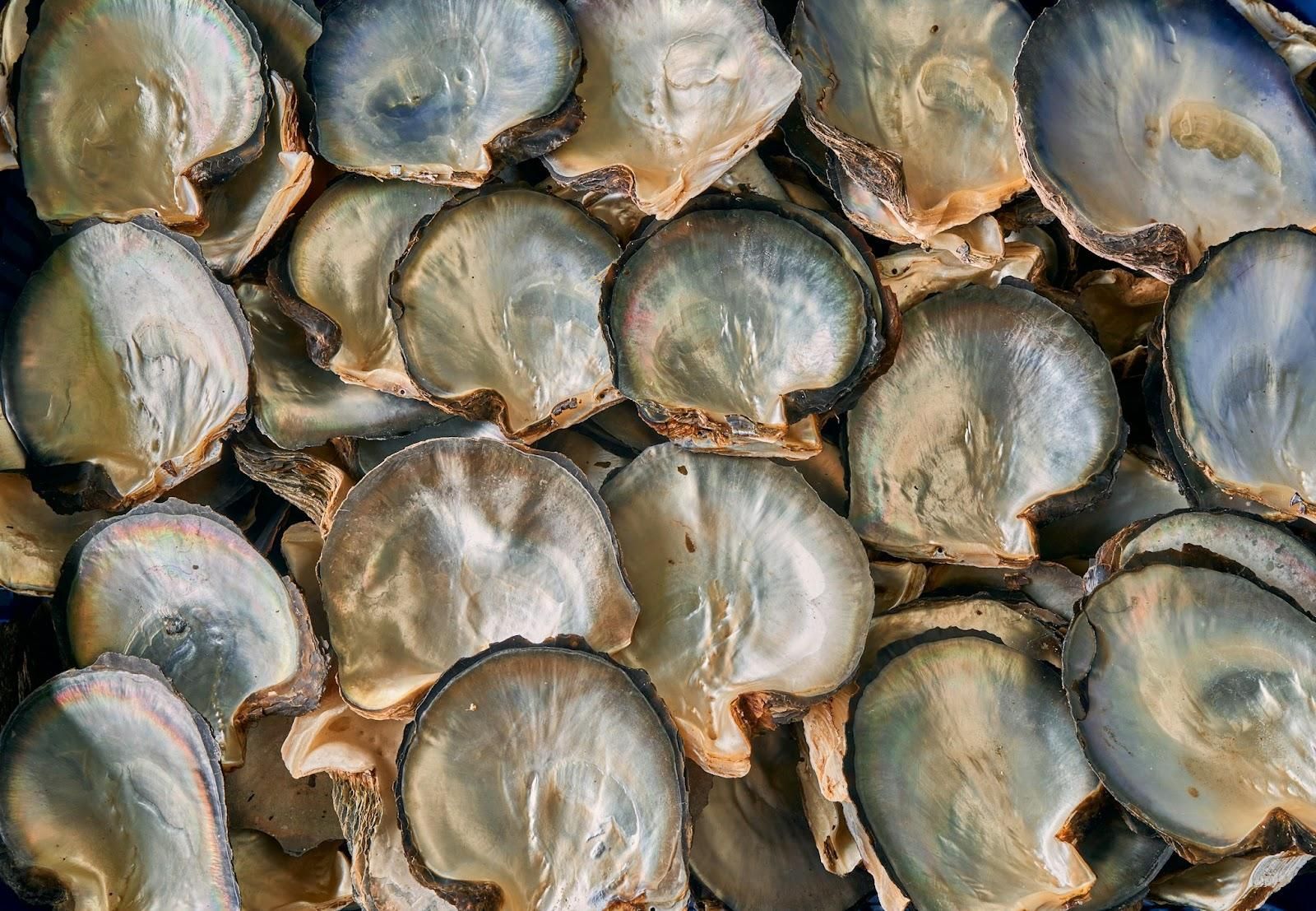
In 2006, a special clam was discovered buried deep in the seabeds of the North Atlantic. Scientists were able to determine that it had been there since at least 1499—that’s centuries before the United States was even a thought! This ancient marvel, nicknamed "Ming", was able to perfect a slow-and-steady approach to life. Growing at a snail’s pace and barely budging, Ming’s sedentary lifestyle turned out to be a brilliant strategy for beating the clock. Who knew doing almost nothing could be the ultimate secret to longevity?

4

Greenland Shark (Somniosus microcephalus)

Image: https://upload.wikimedia.org/wikipedia/commons/3/39/Greenland_shark_profile.jpg

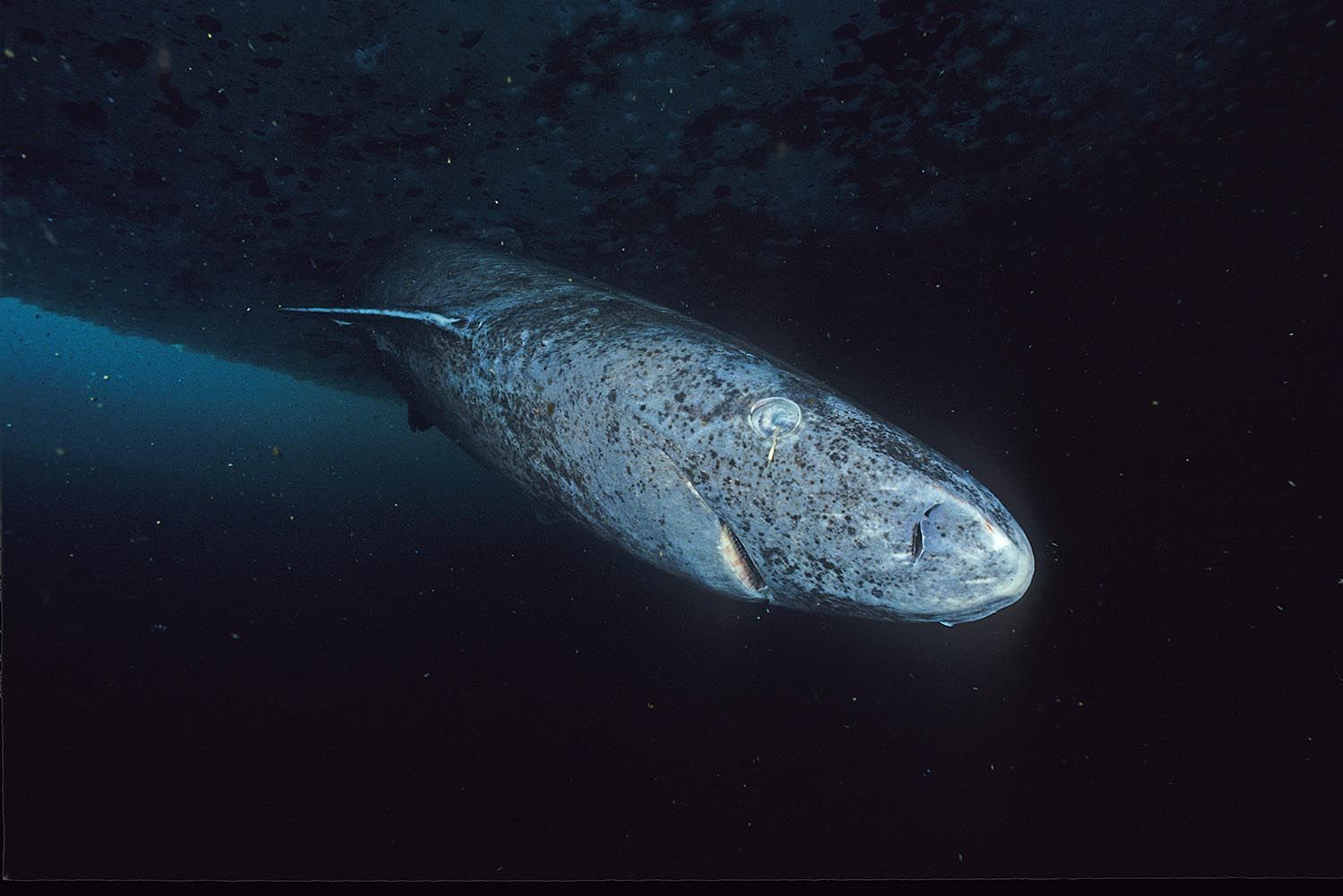
Record age: estimated 392 years

These sharks aren’t your average ocean cruisers—they can stretch over 20 feet long and weigh up to 2,200 pounds. But what’s really mindblowing is how slowly they move, like they’re in a permanent state of deep relaxation. Living in the icy Arctic waters, these giants don’t hit adulthood until they’re about 150 years old, and some can glide through the depths for nearly 400 years. Imagine that! These ancient swimmers were already around before America declared independence... and they are still out there, silently roaming the seas!

5

Bowhead Whale (Balaena mysticetus)

Image: Vicki Beaver, Alaska Fisheries Science Center, NOAA FIsheries, Marine Mammal Permit#14245, Public domain, via Wikimedia Commons

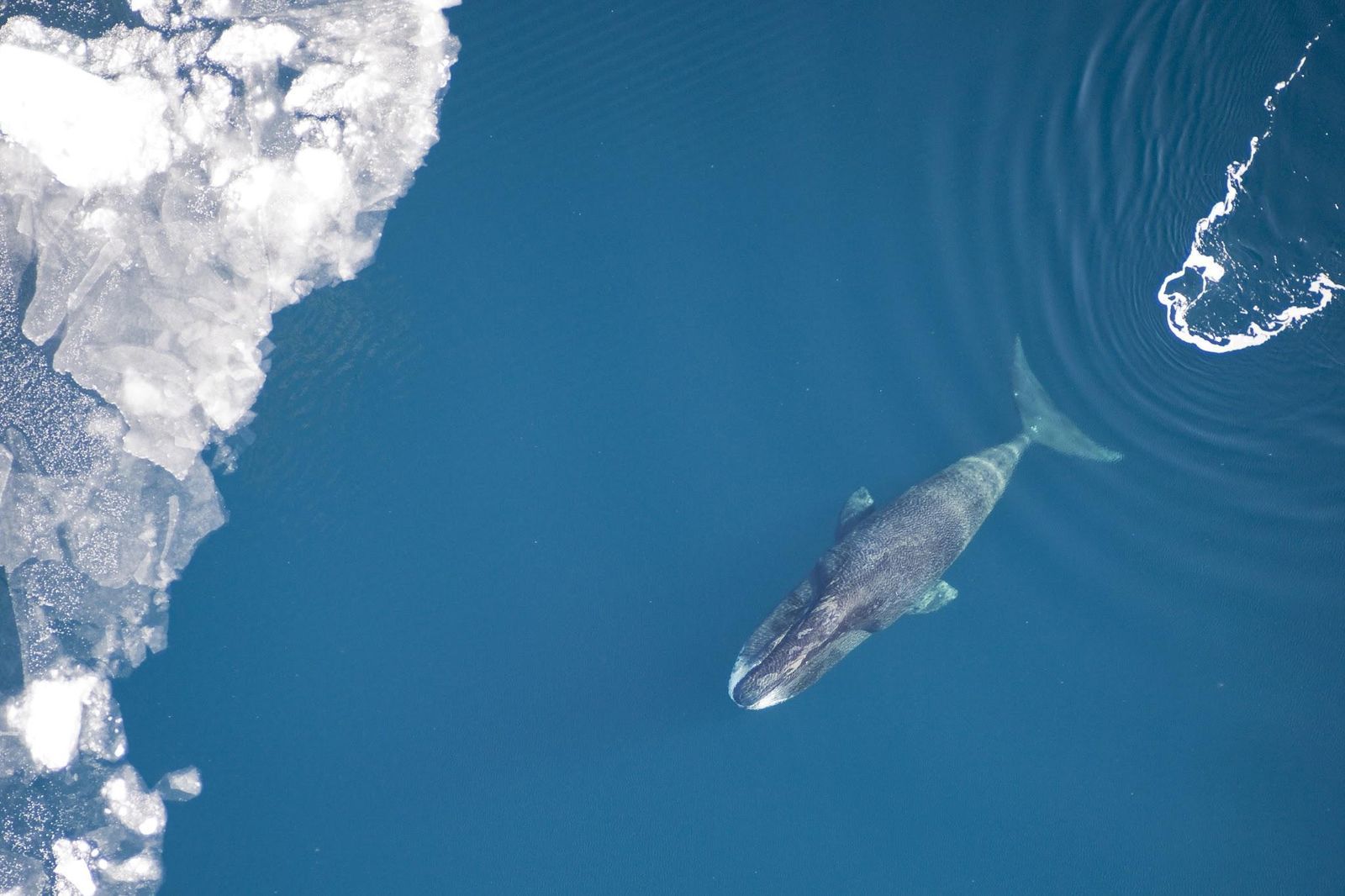
Record age: over 211 years

This whale is a true ocean giant, stretching up to 60 feet long and weighing a staggering 200,000 pounds. But what makes it stand out isn’t just its size but its age. Some of these majestic creatures carry harpoons from the 1800s still lodged in their skin, like walking history books. Just picture living so long that you’re literally carrying outdated technology embedded in your body—talk about being a time traveler of the seas!

6

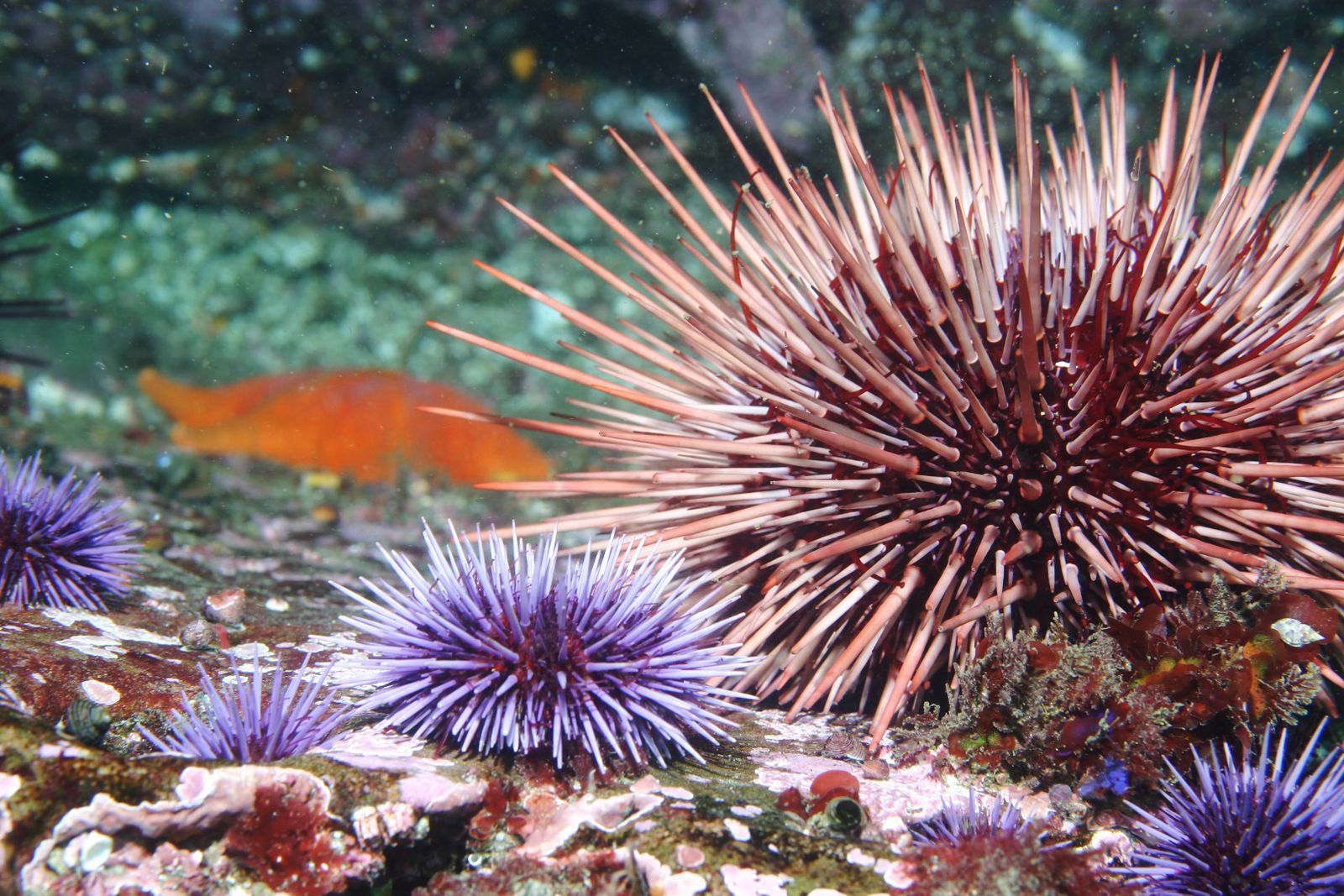
Red Sea Urchin (Mesocentrotus franciscanus)

Image: National Marine Sanctuaries, Public domain, via Wikimedia Commons

Record age: 200 years

Spanning the chilly Pacific coastline from California all the way up to Alaska, this spiky little ball—about 7 inches across—is full of surprises. It munches on algae and calls the deep, dark ocean its home, thriving at depths of up to 300 feet. Don’t let its size fool you: this prickly creature is a true elder of the cold seas, quietly outliving many ocean neighbors while keeping a low profile. A tough, slow-living veteran wrapped in spikes!

7

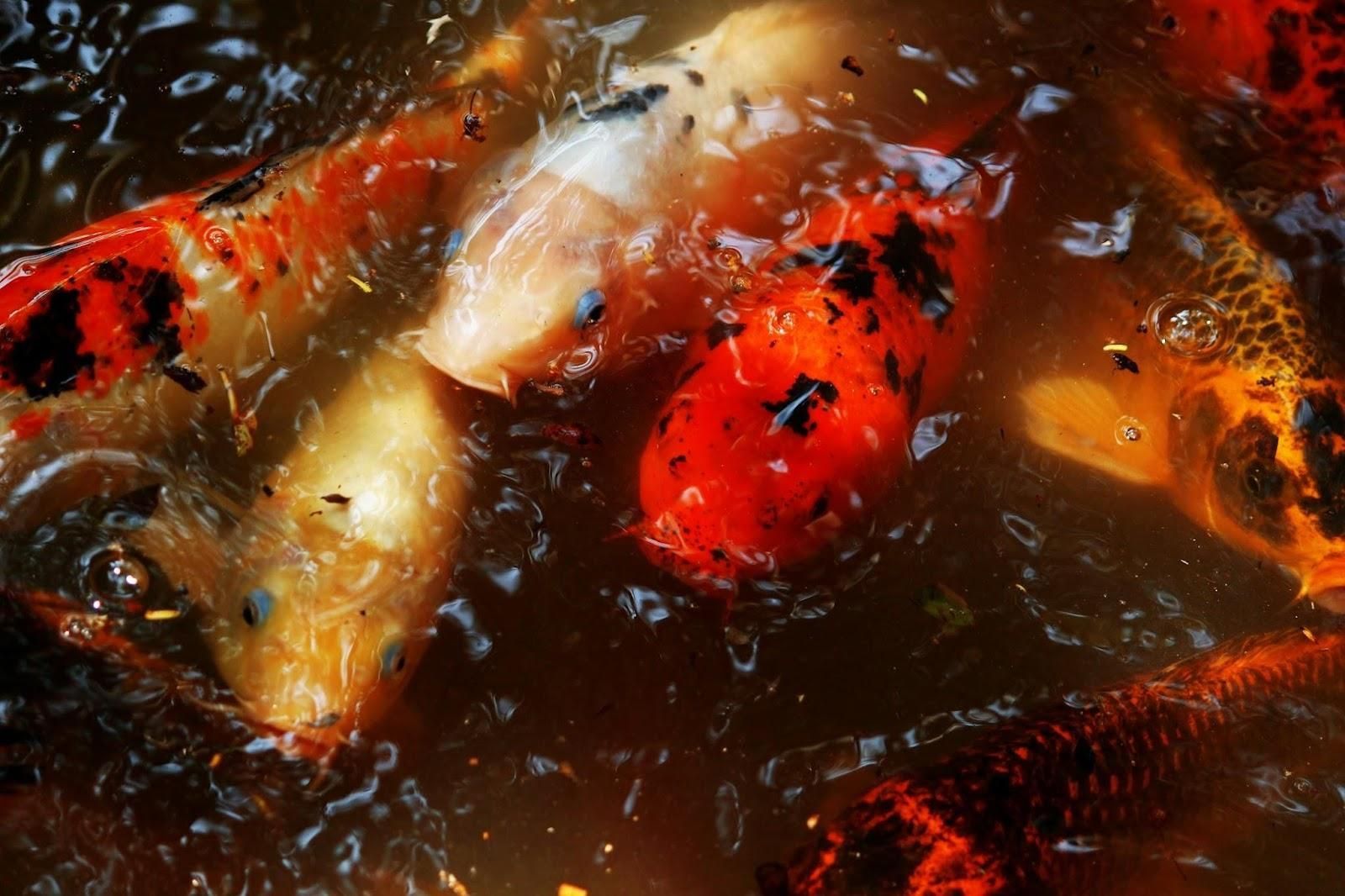
Koi Carp (Cyprinus rubrofuscus)

Image: Daniel Dan

Record age: 226 years

Meet Hanako, a legendary Japanese koi who swam through life for an astonishing 226 years. Scientists discovered how old she was by studying the rings on her scales, much like counting the growth rings of a tree. These colorful, ornamental fish aren’t just symbols of good fortune; they’re also secret long-lifers with the potential to celebrate over two centuries of birthdays, as long as they get the right care and a peaceful pond to call home.

8

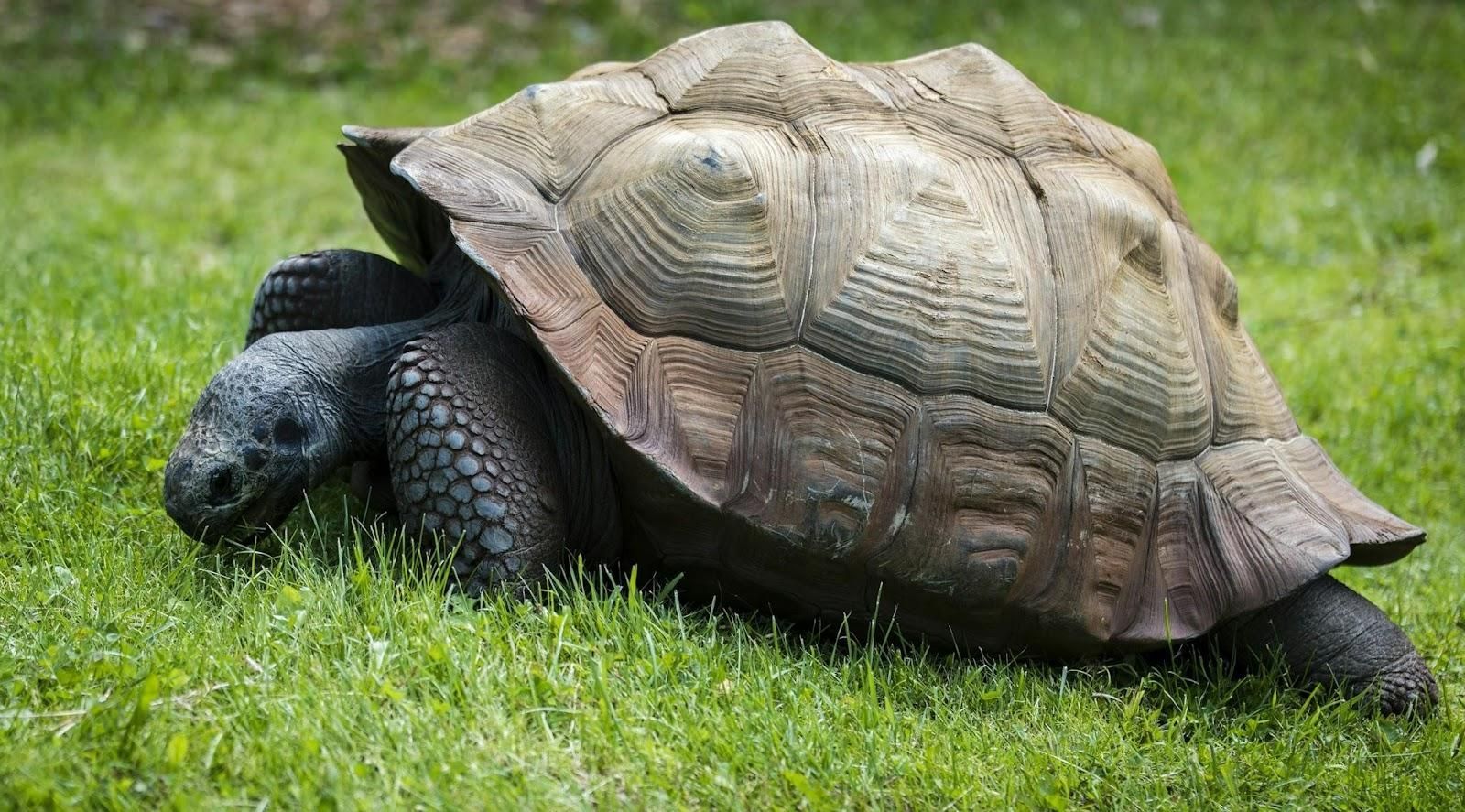
Seychelles Giant Tortoise (Aldabrachelys gigantea)

Image: Ryan Grewell

Record age: 190 years

Jonathan is a male tortoise living on the remote island of Saint Helena in the South Atlantic Ocean. He was born back in 1832, and he’s still happily chomping lettuce and soaking up the sun today. Weighing in at more than 400 pounds and measuring around 3 feet long, Jonathan holds the title of the oldest known living land animal on the planet. If he could share tales, they’d span nearly two centuries of history. Imagine that!

9

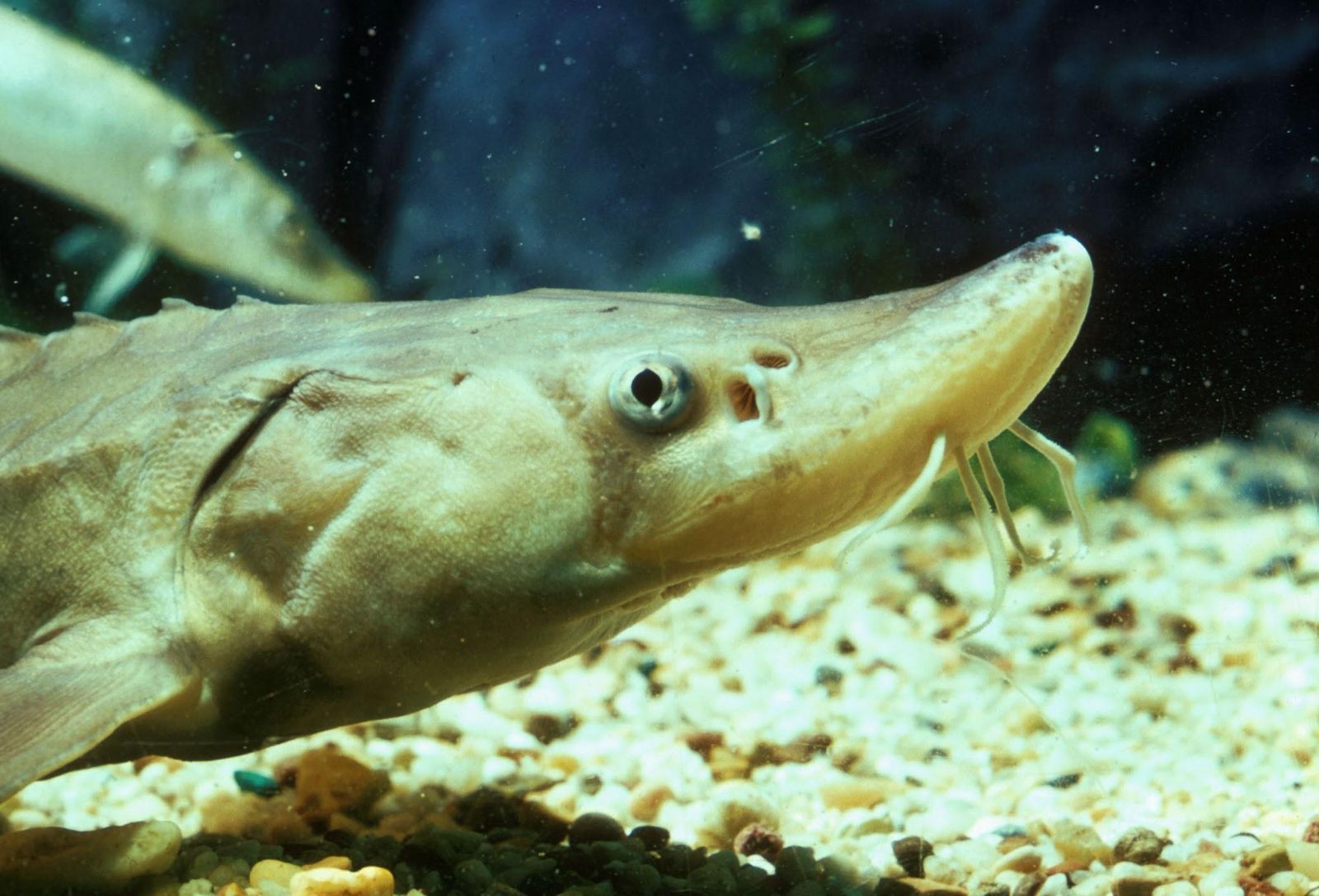
Lake Sturgeon (Acipenser fulvescens)

Image: See page for author, Public domain, via Wikimedia Commons

Record age: 152 years

This ancient-looking fish, with its whisker-like barbels, looking like a tiny underwater submarine, prowls the lakes of North America. It can reach an impressive length of up to 7 feet and weigh around 200 pounds. These slow-living creatures don’t rush into adulthood—they start breeding only around age 20—and then take their time cruising through life at a leisurely pace. Believe it or not, one legendary catch in Wisconsin was estimated to be over 150 years old!

10

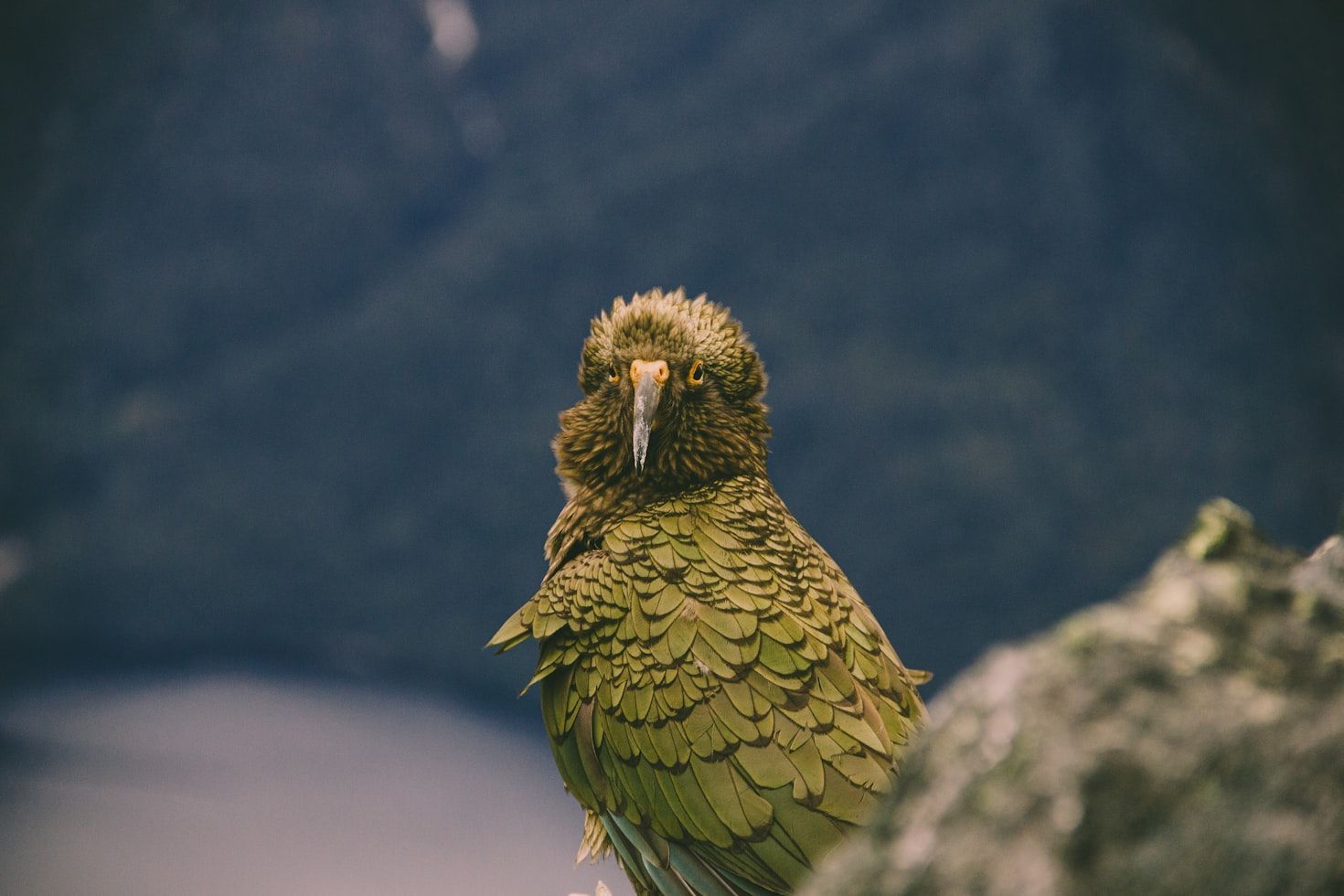
Kakapo Parrot (Strigops habroptilus)

Image: Andreas Sjövall

Record age: over 90 years

This chunky, night-loving parrot from New Zealand is a true oddball—it can’t fly, snores like a grumpy grandpa, and smells like fresh flowers. Despite its quirks, this bird boasts an impressively long lifespan. Sadly, it teeters on the edge of extinction. The oldest known kakapo, affectionately named Richard Henry, lived 90 years, earning him the title of the charmingly eccentric elder statesman of the avian world.

11

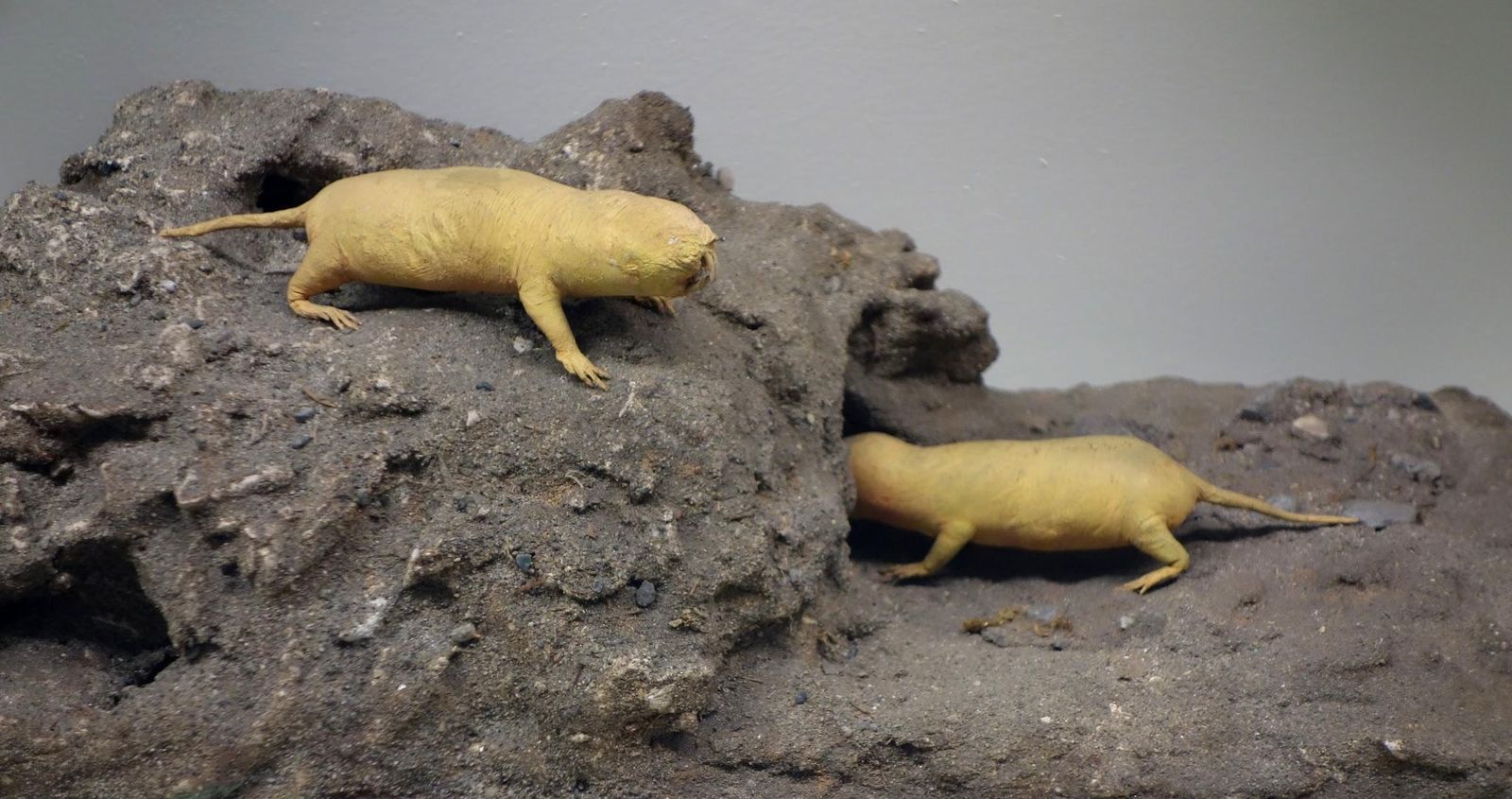
Naked Mole Rat (Heterocephalus glaber)

Image: Daderot, CC0, via Wikimedia Commons

Record age: 37 years

This tiny, kooky rodent—barely 3 inches long and just over an ounce in weight—could’ve been cast straight from a sci-fi apocalypse flick. Dwelling in vast underground colonies across Africa, it’s practically invincible to cancer, pain, and the usual effects of aging. Scientists are fascinated by this little marvel, even if it’s not winning beauty contests anytime soon. Its superpowers make it a star in longevity research!

12

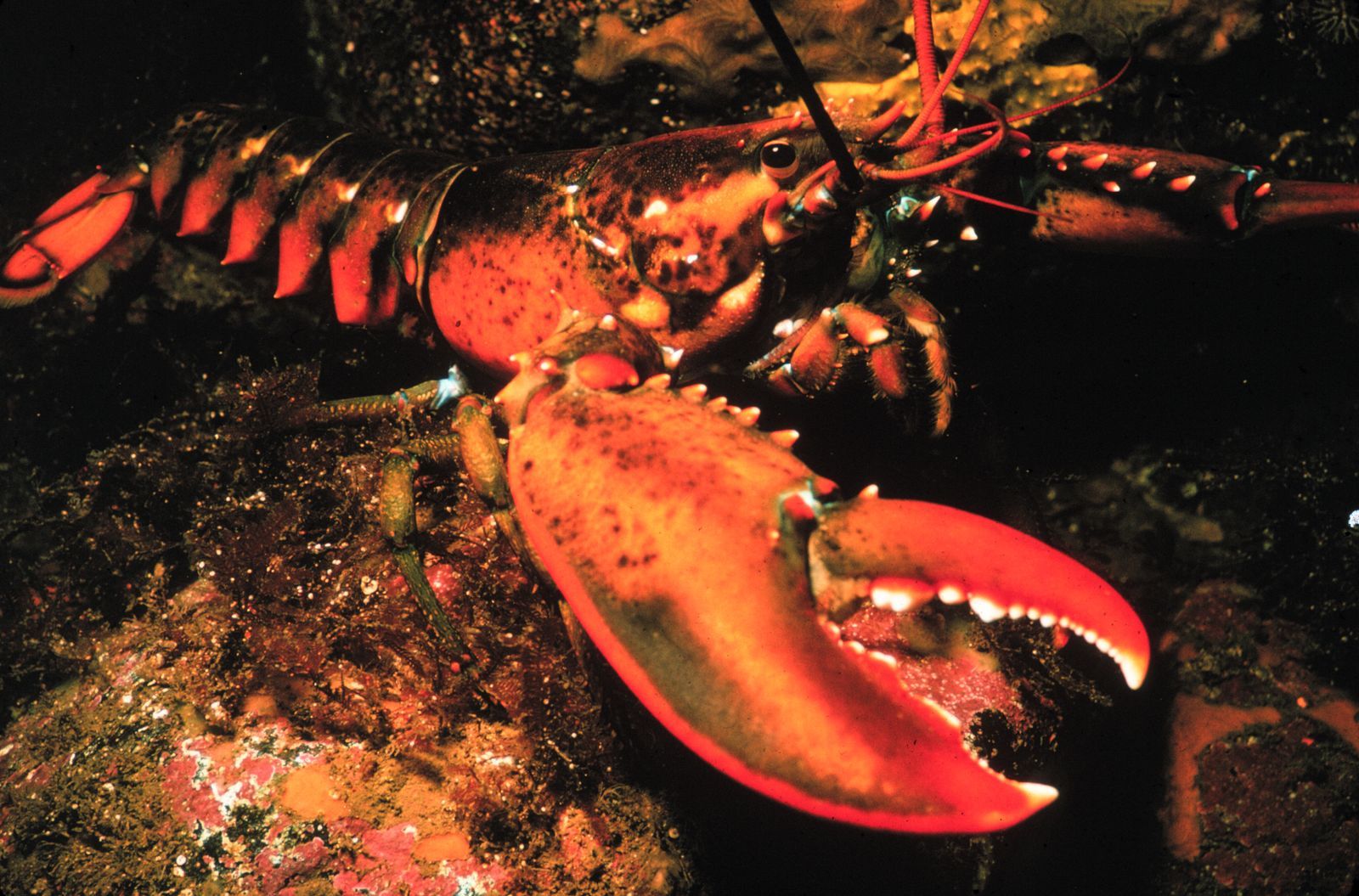
American Lobster (Homarus americanus)

Image: OAR/National Undersea Research Program (NURP)., Public domain, via Wikimedia Commons

Record age: estimated 100+ years

Lobsters have a totally different rulebook than us when it comes to aging. They don’t really grow old; they just keep getting bigger and bigger. Some giant lobsters weigh over 40 pounds and stretch beyond 3 feet long. Their biggest threats? Not old age, but predators or the risky process of shedding their shells. In theory, they could live forever if left alone—but let’s be honest, not many get to enjoy a peaceful, lobster-sized retirement!

Looking for an extra scoop of literary fun?

Learn more with our Word of the day

bother

/ˈbɑðər/