Stick to the beat

"Every breath you take" and 10 other songs that can save lives


Published on May 25, 2026


Image: NEOSiAM 2024+

When someone needs CPR, rhythm matters. A steady beat between 100 and 120 BPM (beats per minute) helps keep compressions at the right pace. Many people remember that the Bee Gees’ hit "Stayin’ Alive" is one of those anthems that lives in that sweet BPM spot. But here is a list of 11 songs that are iconic, catchy, and, yes, can help save a life.

1

"Stayin’ Alive" – Bee Gees (103 BPM)

Image: KoolShooters

This is the CPR anthem for a reason. Not only does the beat sit perfectly in the recommended range per the American Heart Association (100-120 bpm), but the song actually became part of CPR training after doctors realized its tempo matched ideal compressions per minute.

Barry, Robin, and Maurice Gibb wrote "Stayin' Alive" in a matter of days. The song was written in 1977 specifically for the Saturday Night Fever soundtrack, and the Bee Gees wrote a total of four tracks for the film. It hit number one around the world and has never really left. But its second life as a CPR tool may be its greatest legacy.

2

"Every Breath You Take" – The Police (110 BPM)

Image: Rene Terp

This 80s anthem became one of the most played songs in radio history. Its minimalist guitar pattern and calm, deliberate tempo make it especially easy to follow during CPR; steady, predictable, unhurried.

Author Sting, who composed it while on holiday in Jamaica in 1982, says that he woke up one night with the first three lines in his mind and sat down at the piano to write it; half an hour later, the best-selling single of 1983 was finished. It has been called "the most played song in radio history."

3

"Respect" – Aretha Franklin (115 BPM)

Image: Elviss Railijs Bitāns

"Respect" was written and originally recorded by Otis Redding, released in 1965 as a single.

When Aretha Franklin reimagined it, she showed up at the New York studio with the arrangement worked out in her head, including the iconic spelling of R-E-S-P-E-C-T, which she developed with her sisters Carolyn and Erma.

When her version was released in 1967, it was a statement of independence. It topped the Billboard charts and won Franklin two Grammy Awards. But perhaps its biggest pride was being ranked number one in the 2021 Rolling Stone list of "Greatest Songs of All Time."

4

"Another One Bites the Dust" – Queen (110 BPM)
Image: RDNE Stock project

A beat that can save lives, or at the very least have everyone nodding along. Bassist John Deacon came up with that iconic bass line after getting inspired by funk and disco, especially the band Chic’s "Good Times." The groove was so good that Michael Jackson approached Queen and said to them, "You guys are mad if you don't release it as a single." The band wasn’t convinced, but followed the advice.

Michael Jackson was right. The song became Queen's best-selling single, with sales of over 7 million copies, and stayed on the Billboard Hot 100 for almost a year. Silvester Stallone, creator and star of Rocky, wanted to use the song in the first installment of the boxer’s movie. The band declined, and he turned to Survivor, who created "Eye of the Tiger."

5

"I Will Survive" – Gloria Gaynor (117 BPM)

Image: Damian Scarlassa

When Gloria Gaynor recorded this anthem, she was wearing a back brace from her hips to her underarms. She had suffered a serious fall on stage in New York, had undergone spinal surgery, and was recovering.

But producers Freddie Perren and Dino Fekaris insisted that this new song be recorded. It was released in 1978 and quickly became people’s favorite. Gaynor later said that when she sang "I will survive," she was thinking about surviving her surgery. This song is a universal anthem of resilience and empowerment; It’s only proper that we should remember that it can help others survive, too!

6

"Eye of the Tiger" – Survivor (109 BPM)
Image: Méline Waxx

In 1982, Queen rejected Sylvester Stallone’s request to use "Another One Bites the Dust" for Rocky III. So the star called Survivor’s songwriters Jim Peterik and Frankie Sullivan, who sat down to record a demo for him.

Stallone liked the demo very much that he used that very version in the film, without waiting for the studio re-recording. This song is now synonymous with motivation and dedication. That punchy opening guitar riff is one of the most famous intros in rock.

7

"Man in the Mirror" – Michael Jackson (100 BPM)

Image: Pixabay

Michael Jackson didn't write this one. It was written by singer Siedah Garrett and composer Glen Ballard, after Quincy Jones invited a group of songwriters to his home and told them simply: "I just want hits."

It peaked at No. 1 in 1988 and remains one of Jackson’s most socially conscious recordings. The slow and steady tempo is right at the bottom of CPR’s rhythm sweet spot.

8

"Dancing Queen" – ABBA (101 BPM)

Image: Karley Kosmos

You can dance, you can jive… And, yes, you can use it to keep your tempo. ABBA’s only No. 1 hit in the United States, and arguably the happiest three minutes in ’70s pop. The group reportedly knew it was special the moment they recorded it.

"Dancing Queen" was written by Benny Andersson and Björn Ulvaeus, who originally titled it "Boogaloo." ABBA performed the song in 1976 in a televised gala celebrating the wedding of the Swedish King and Queen, the night before their actual wedding. It very quickly became the group’s biggest international hit.

9

"Girls Just Want to Have Fun" – Cyndi Lauper (120 BPM)

Image: cottonbro studio

Fun fact: this was originally written by a Philadelphia musician named Robert Hazard in 1979. So, it was sung from a male perspective, explaining to his parents why girls just wanted to have fun.

When producers brought the song to Cindy Lauper, however, she found the original lyrics unacceptable: she agreed to rewrite it into a feminist party anthem. The result became one of the defining songs of the 1980s. Today, Cindy Lauper’s classic is high-energy, bright, and reliable, another well-known song to give CPR to, right at the top of the ideal range at 120 BPM.

10

"Sweet Home Alabama" – Lynyrd Skynyrd (104 BPM)

Image: freestocks.org

This song was born as a direct response to Neil Young's songs "Southern Man" and "Alabama," which Ronnie Van Zant felt unfairly painted the entire South as racist. It was published in 1974 and became the band’s highest-charting single. Young later said that he respected the shot the band had thrown at him, because he later found his own song "Alabama" condescending and accusatory.

Through the years, "Sweet Home Alabama" became a stadium staple, a movie soundtrack regular, and a symbol of classic Southern rock. Plus, now you know that that strong mid-tempo groove is a CPR metronome in disguise.

11

"I’m Gonna Be (500 Miles)" – The Proclaimers (116 BPM)
Image: Stas Knop

Craig Reid, who wrote the song in the 80s, said about it, "I knew it was a good song, maybe even a single, but I had no idea how popular it would become." For some years, it had modest success in the UK. Then, it appeared on the soundtrack of the 1993 Johnny Depp film Benny & Joon, which skyrocketed its fame.

The march-like beat at 116 BPM is practically designed to keep you on pace, which, when you're performing CPR, is exactly what you need.
The 12 longest-living animals on Earth (and how they cheat time)


Published on May 25, 2026


Image: David Clode

Nature doesn’t just create beauty, it crafts survival miracles. While most animals have short lives, a rare few have mastered the art of staying alive for centuries, even millennia. These aren’t just long-lived creatures; they’re nature’s ultimate time travelers. From the frozen depths of the oceans to the darkest corners underground, they’ve developed bizarre, brilliant strategies to cheat death. Get ready to meet 12 animals whose lifespans will absolutely blow your mind.

1

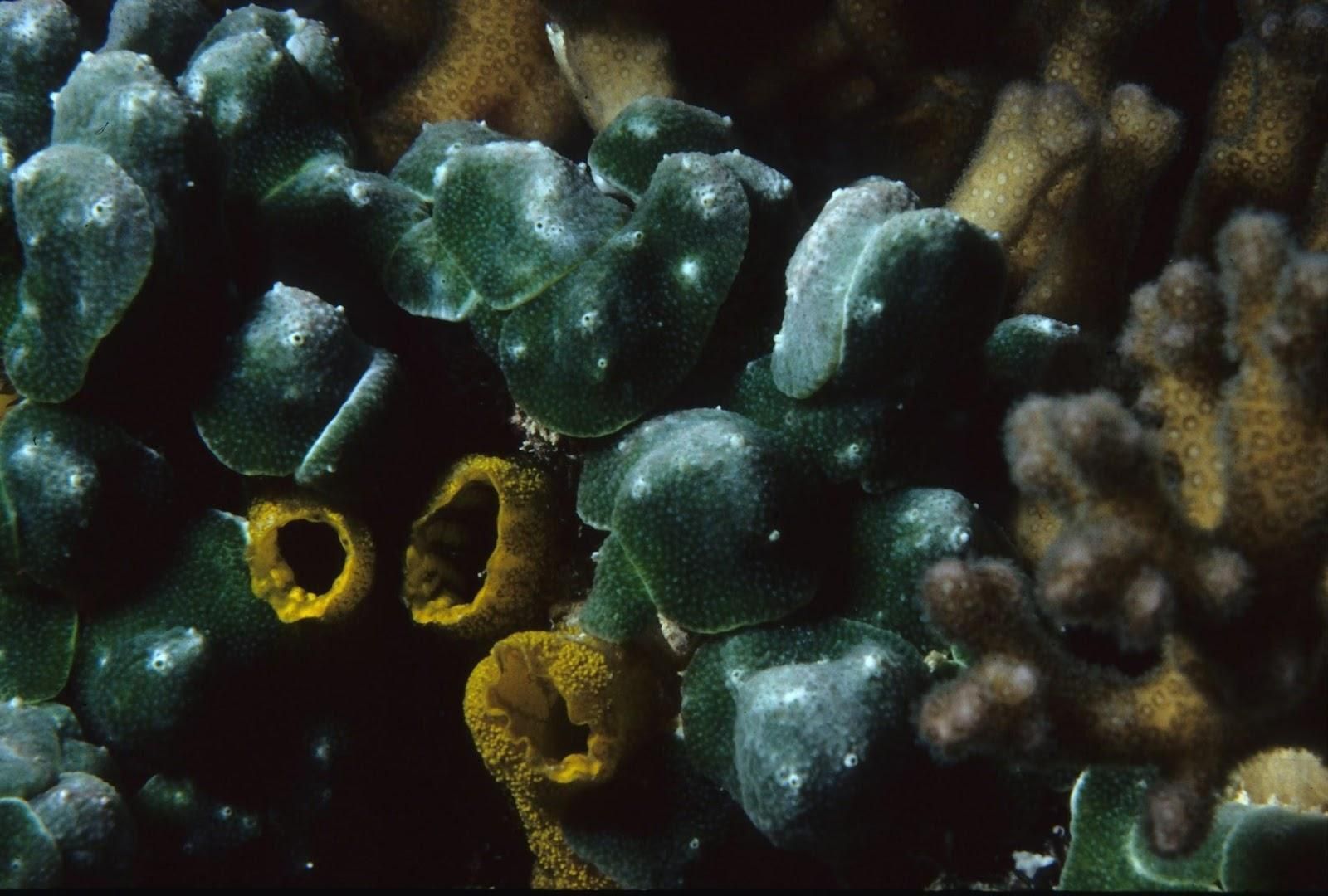
Antarctic Sponge (Anoxycalyx joubini)

Image: NOAA

Record age: up to 15,000 years

This unassuming sea sponge thrives in the freezing waters of Antarctica, where temperatures hover around 28.6 °F—so cold that biological processes hit the brakes. In such icy conditions, metabolism slows to a crawl, allowing these sponges to live for thousands of years.

Some have reached impressive sizes of over 3 feet tall and have been around since mammoths were still thundering across the tundra. They don’t move, they don’t stress, and they barely change, just quietly existing while centuries pass them by. Their secret to extreme longevity? Glacial patience, deep-sea stillness, and a lifestyle that redefines "low-maintenance".

2

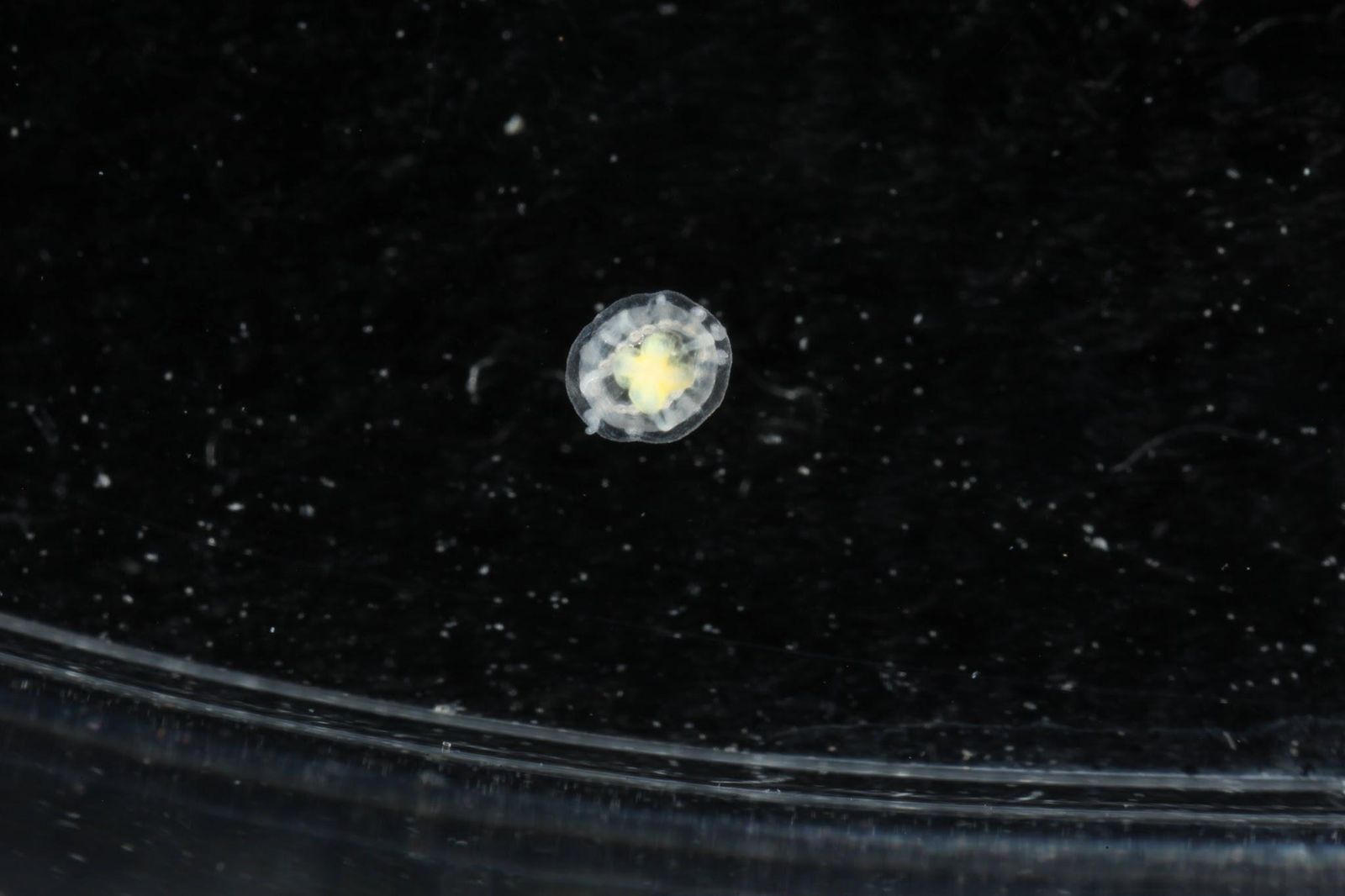
Immortal Jellyfish (Turritopsis dohrnii)

Image: Dr. Karen J. Osborn, CC0, via Wikimedia Commons

Age: technically… infinite

This tiny jellyfish, no bigger than a fingernail—less than 0.2 inches—is like the ocean’s very own Benjamin Button. What makes it truly extraordinary is its ability to rewind its life story, flipping back to a youthful, juvenile stage whenever it wants. While it’s not completely invincible (predators and other threats are still very real), if left undisturbed, it can keep hitting the reset button on aging indefinitely, making it one of the most fascinating "time-benders" in nature.

3

Ocean Quahog Clam (Arctica islandica)

Image: Norbert Braun

Record age: 507 years

In 2006, a special clam was discovered buried deep in the seabeds of the North Atlantic. Scientists were able to determine that it had been there since at least 1499—that’s centuries before the United States was even a thought! This ancient marvel, nicknamed "Ming", was able to perfect a slow-and-steady approach to life. Growing at a snail’s pace and barely budging, Ming’s sedentary lifestyle turned out to be a brilliant strategy for beating the clock. Who knew doing almost nothing could be the ultimate secret to longevity?

4

Greenland Shark (Somniosus microcephalus)

Image: https://upload.wikimedia.org/wikipedia/commons/3/39/Greenland_shark_profile.jpg

Record age: estimated 392 years

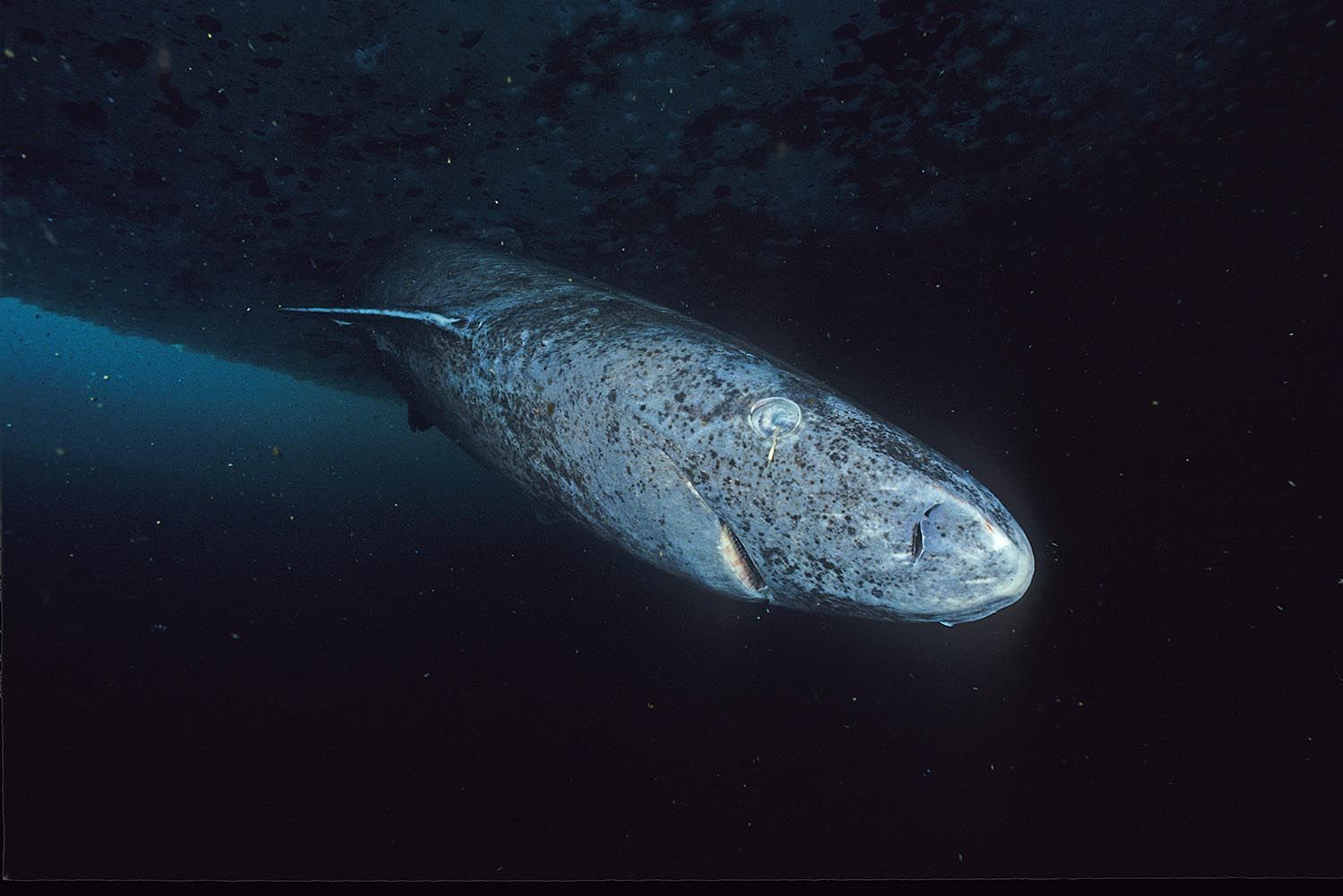
These sharks aren’t your average ocean cruisers—they can stretch over 20 feet long and weigh up to 2,200 pounds. But what’s really mindblowing is how slowly they move, like they’re in a permanent state of deep relaxation. Living in the icy Arctic waters, these giants don’t hit adulthood until they’re about 150 years old, and some can glide through the depths for nearly 400 years. Imagine that! These ancient swimmers were already around before America declared independence... and they are still out there, silently roaming the seas!

5

Bowhead Whale (Balaena mysticetus)

Image: Vicki Beaver, Alaska Fisheries Science Center, NOAA FIsheries, Marine Mammal Permit#14245, Public domain, via Wikimedia Commons

Record age: over 211 years

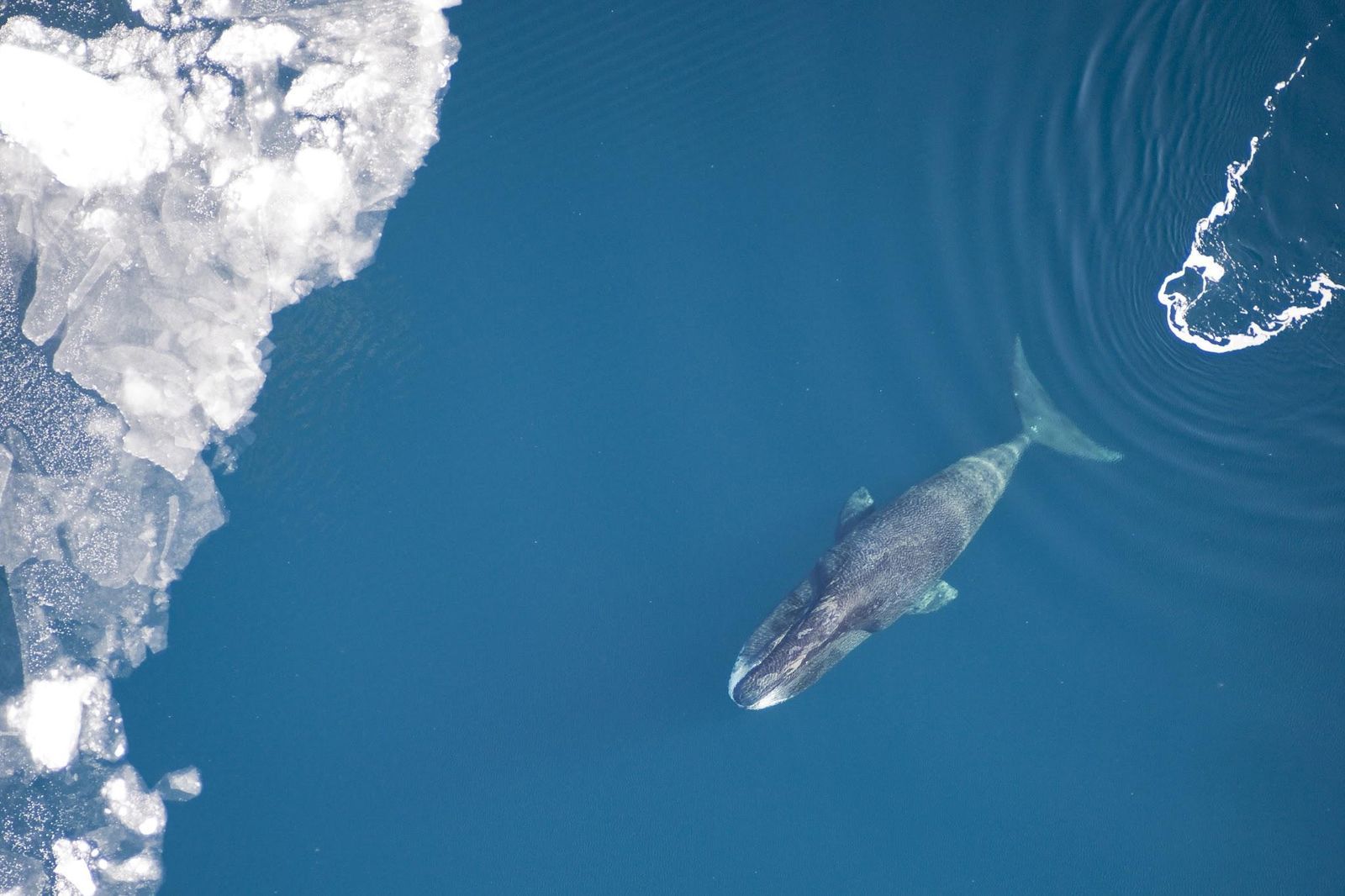
This whale is a true ocean giant, stretching up to 60 feet long and weighing a staggering 200,000 pounds. But what makes it stand out isn’t just its size but its age. Some of these majestic creatures carry harpoons from the 1800s still lodged in their skin, like walking history books. Just picture living so long that you’re literally carrying outdated technology embedded in your body—talk about being a time traveler of the seas!

6

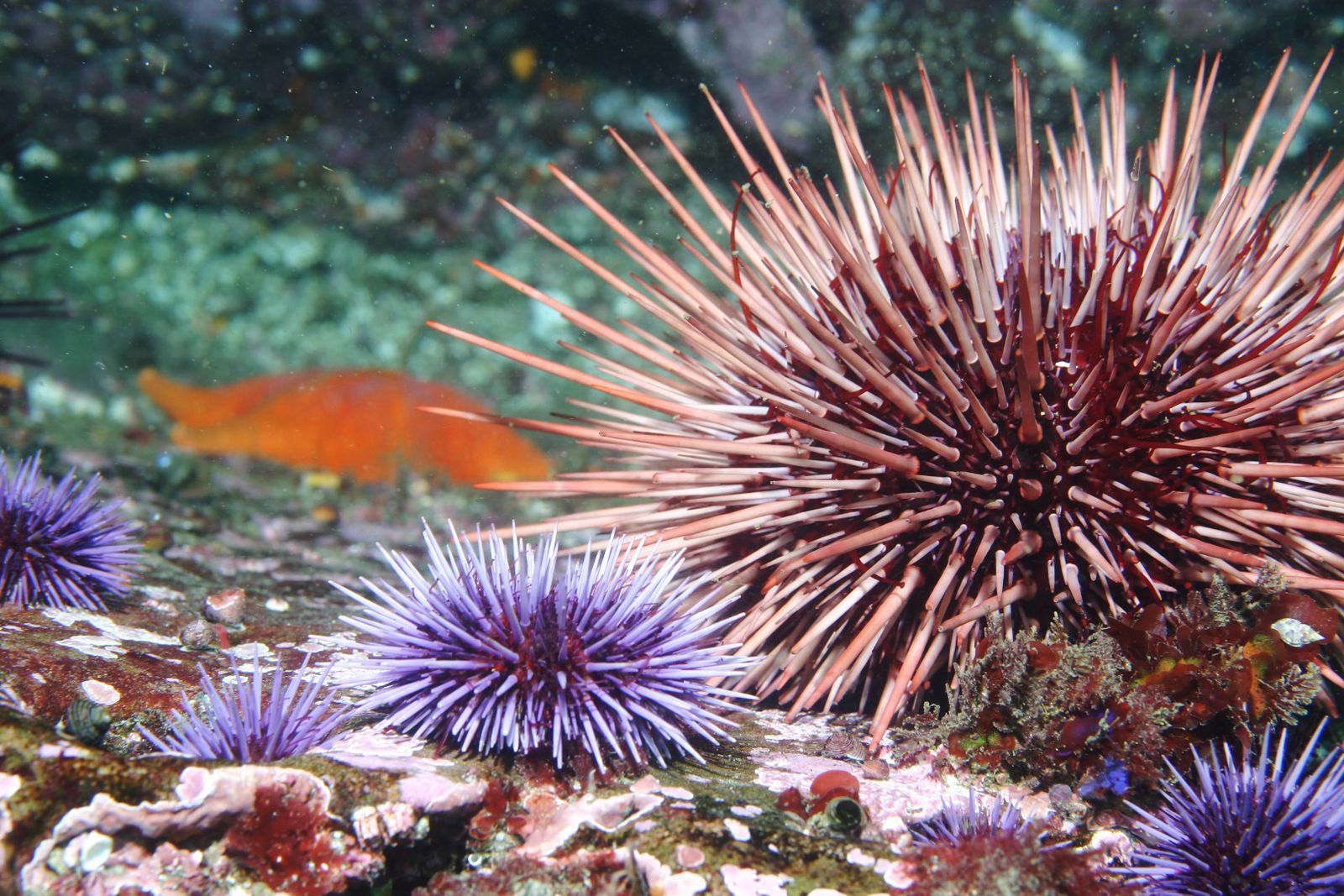
Red Sea Urchin (Mesocentrotus franciscanus)

Image: National Marine Sanctuaries, Public domain, via Wikimedia Commons

Record age: 200 years

Spanning the chilly Pacific coastline from California all the way up to Alaska, this spiky little ball—about 7 inches across—is full of surprises. It munches on algae and calls the deep, dark ocean its home, thriving at depths of up to 300 feet. Don’t let its size fool you: this prickly creature is a true elder of the cold seas, quietly outliving many ocean neighbors while keeping a low profile. A tough, slow-living veteran wrapped in spikes!

7

Koi Carp (Cyprinus rubrofuscus)

Image: Daniel Dan

Record age: 226 years

Meet Hanako, a legendary Japanese koi who swam through life for an astonishing 226 years. Scientists discovered how old she was by studying the rings on her scales, much like counting the growth rings of a tree. These colorful, ornamental fish aren’t just symbols of good fortune; they’re also secret long-lifers with the potential to celebrate over two centuries of birthdays, as long as they get the right care and a peaceful pond to call home.

8

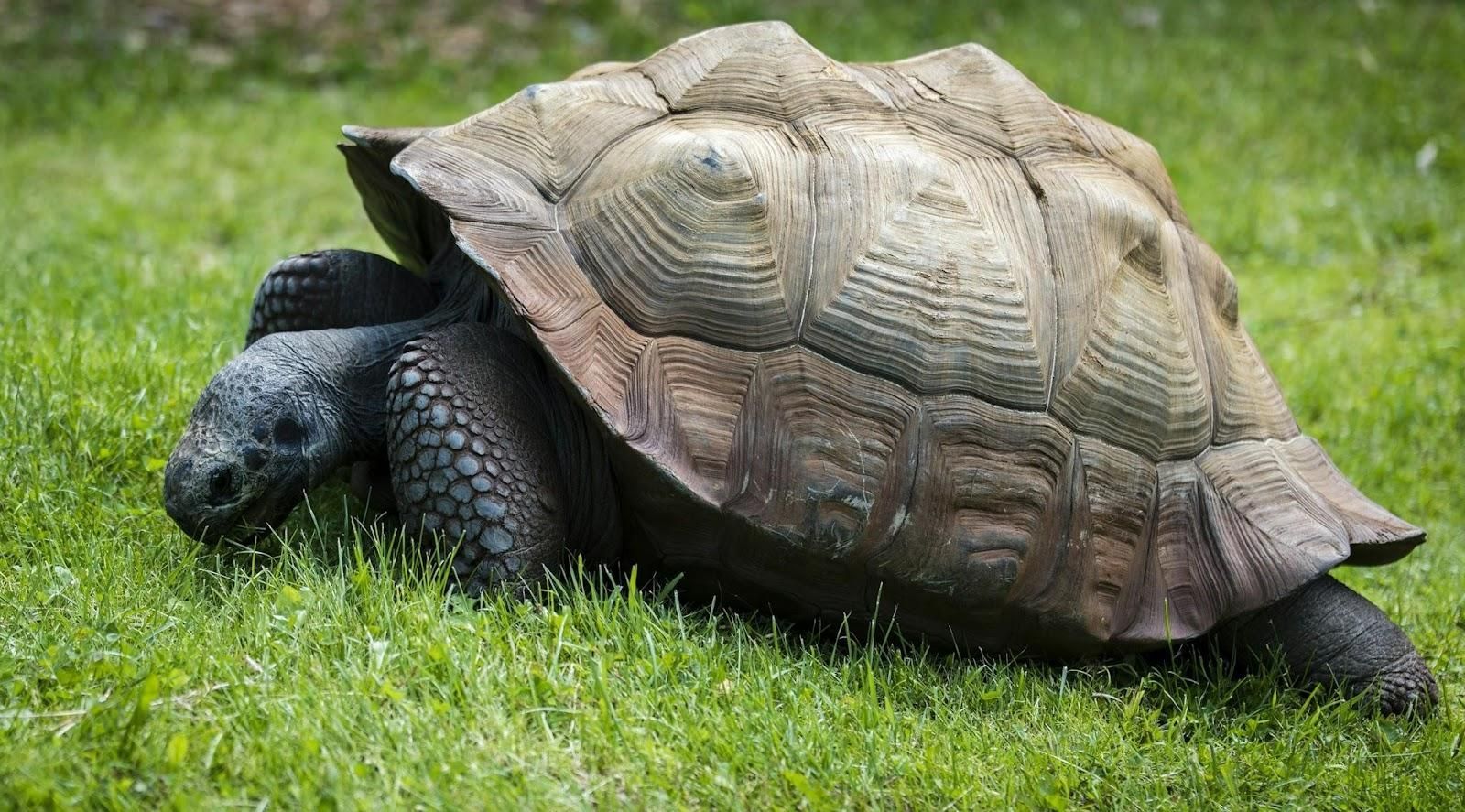
Seychelles Giant Tortoise (Aldabrachelys gigantea)

Image: Ryan Grewell

Record age: 190 years

Jonathan is a male tortoise living on the remote island of Saint Helena in the South Atlantic Ocean. He was born back in 1832, and he’s still happily chomping lettuce and soaking up the sun today. Weighing in at more than 400 pounds and measuring around 3 feet long, Jonathan holds the title of the oldest known living land animal on the planet. If he could share tales, they’d span nearly two centuries of history. Imagine that!

9

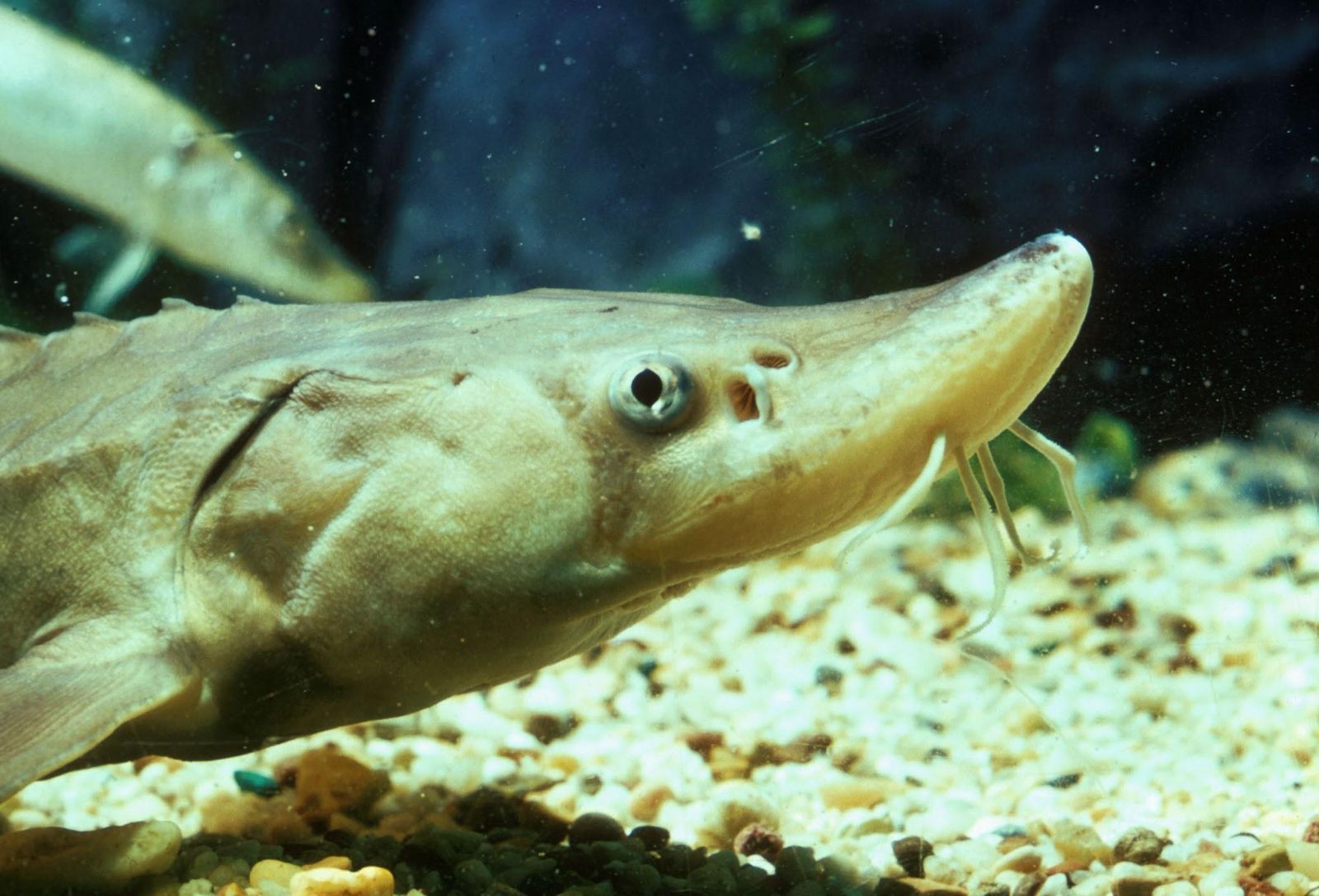
Lake Sturgeon (Acipenser fulvescens)

Image: See page for author, Public domain, via Wikimedia Commons

Record age: 152 years

This ancient-looking fish, with its whisker-like barbels, looking like a tiny underwater submarine, prowls the lakes of North America. It can reach an impressive length of up to 7 feet and weigh around 200 pounds. These slow-living creatures don’t rush into adulthood—they start breeding only around age 20—and then take their time cruising through life at a leisurely pace. Believe it or not, one legendary catch in Wisconsin was estimated to be over 150 years old!

10

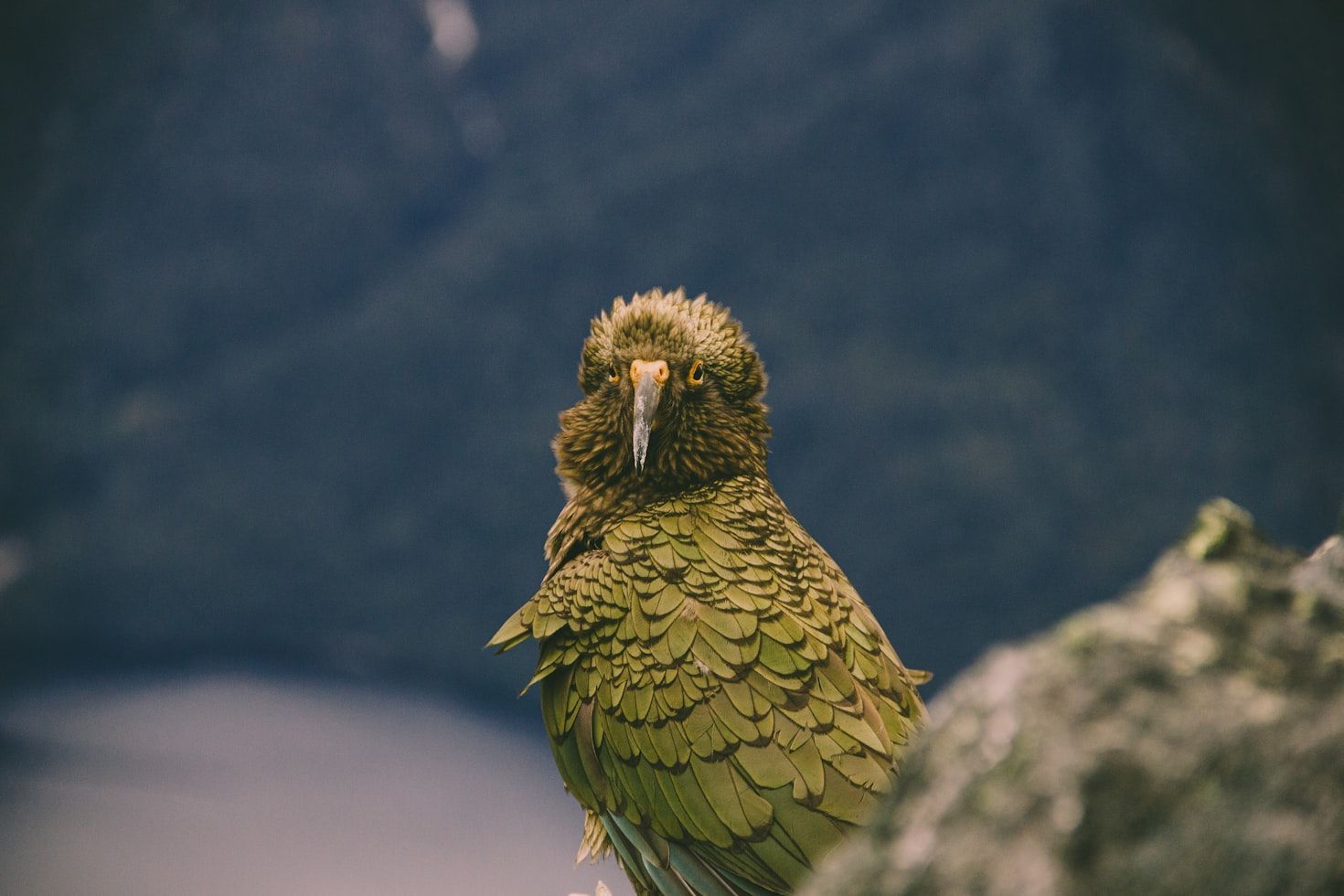
Kakapo Parrot (Strigops habroptilus)

Image: Andreas Sjövall

Record age: over 90 years

This chunky, night-loving parrot from New Zealand is a true oddball—it can’t fly, snores like a grumpy grandpa, and smells like fresh flowers. Despite its quirks, this bird boasts an impressively long lifespan. Sadly, it teeters on the edge of extinction. The oldest known kakapo, affectionately named Richard Henry, lived 90 years, earning him the title of the charmingly eccentric elder statesman of the avian world.

11

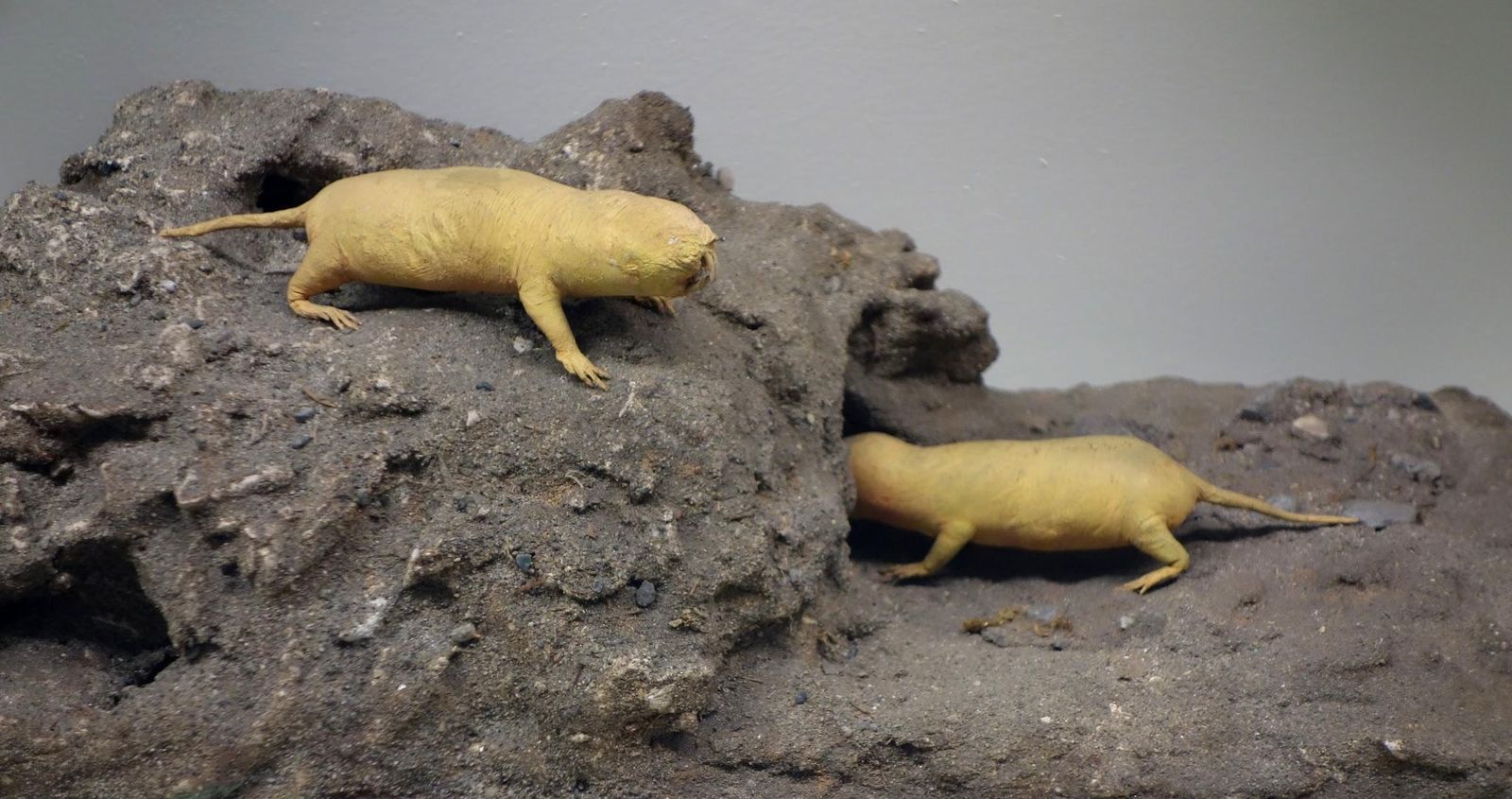
Naked Mole Rat (Heterocephalus glaber)

Image: Daderot, CC0, via Wikimedia Commons

Record age: 37 years

This tiny, kooky rodent—barely 3 inches long and just over an ounce in weight—could’ve been cast straight from a sci-fi apocalypse flick. Dwelling in vast underground colonies across Africa, it’s practically invincible to cancer, pain, and the usual effects of aging. Scientists are fascinated by this little marvel, even if it’s not winning beauty contests anytime soon. Its superpowers make it a star in longevity research!

12

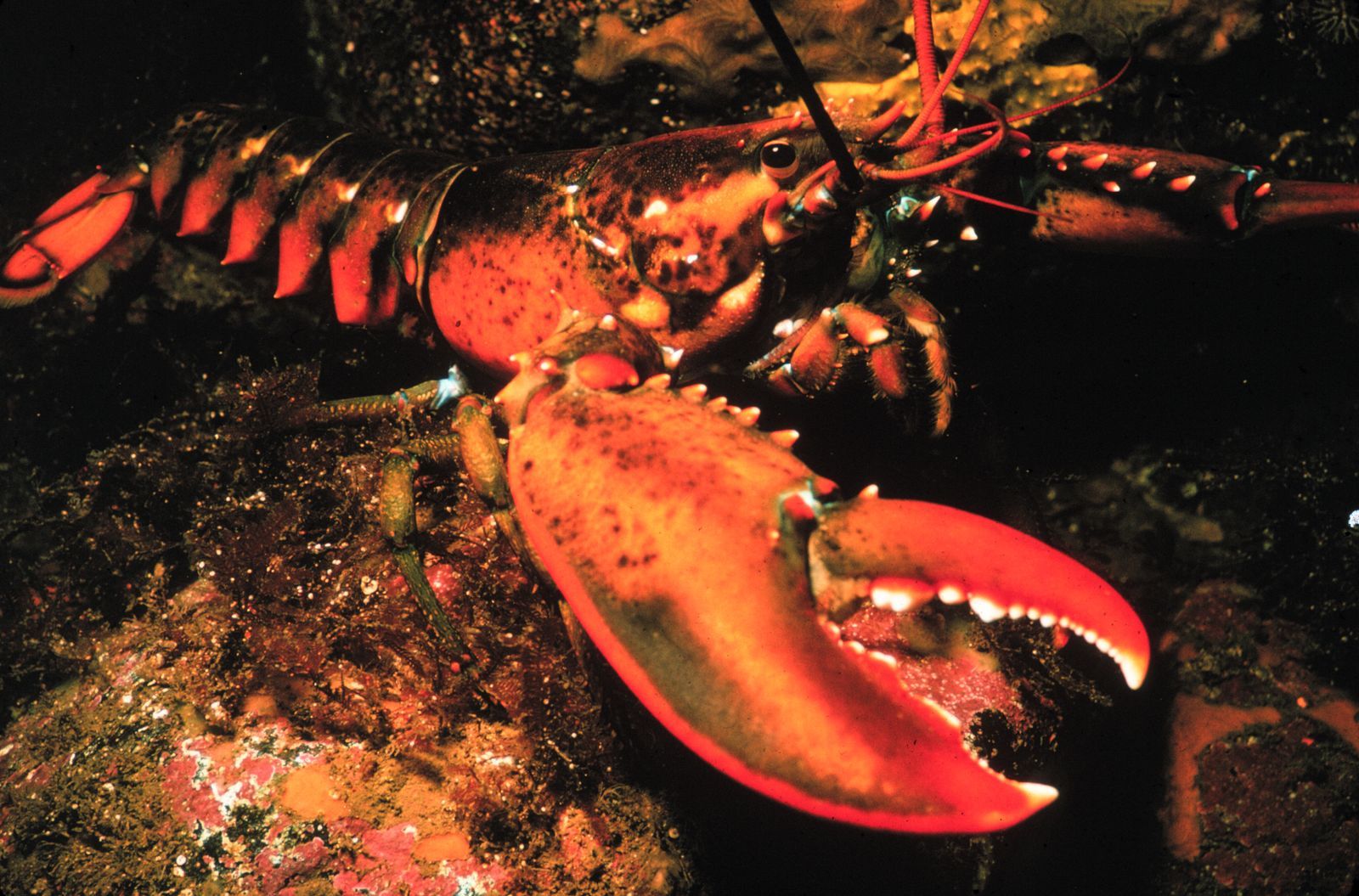
American Lobster (Homarus americanus)

Image: OAR/National Undersea Research Program (NURP)., Public domain, via Wikimedia Commons

Record age: estimated 100+ years

Lobsters have a totally different rulebook than us when it comes to aging. They don’t really grow old; they just keep getting bigger and bigger. Some giant lobsters weigh over 40 pounds and stretch beyond 3 feet long. Their biggest threats? Not old age, but predators or the risky process of shedding their shells. In theory, they could live forever if left alone—but let’s be honest, not many get to enjoy a peaceful, lobster-sized retirement!

Looking for an extra scoop of literary fun?

Learn more with our Word of the day

ominous

/ˈɑmənəs/