Missed chronicles

Was the Kraken real? Scientists prove it was!


Published on July 10, 2026


Image: Pixel-Shot

Between political updates, economic shifts, and the relentless speed of the modern news cycle, it’s incredibly easy for fascinating breakthroughs and heartwarming stories to slip through the cracks. While the world was looking elsewhere, scientists were rewriting history, and everyday heroes were quietly accomplishing the extraordinary. If you need a break from the usual headlines, here are 10 amazing, recent news stories that you probably missed.

1

The Kraken was real: A 62-foot giant octopus discovered
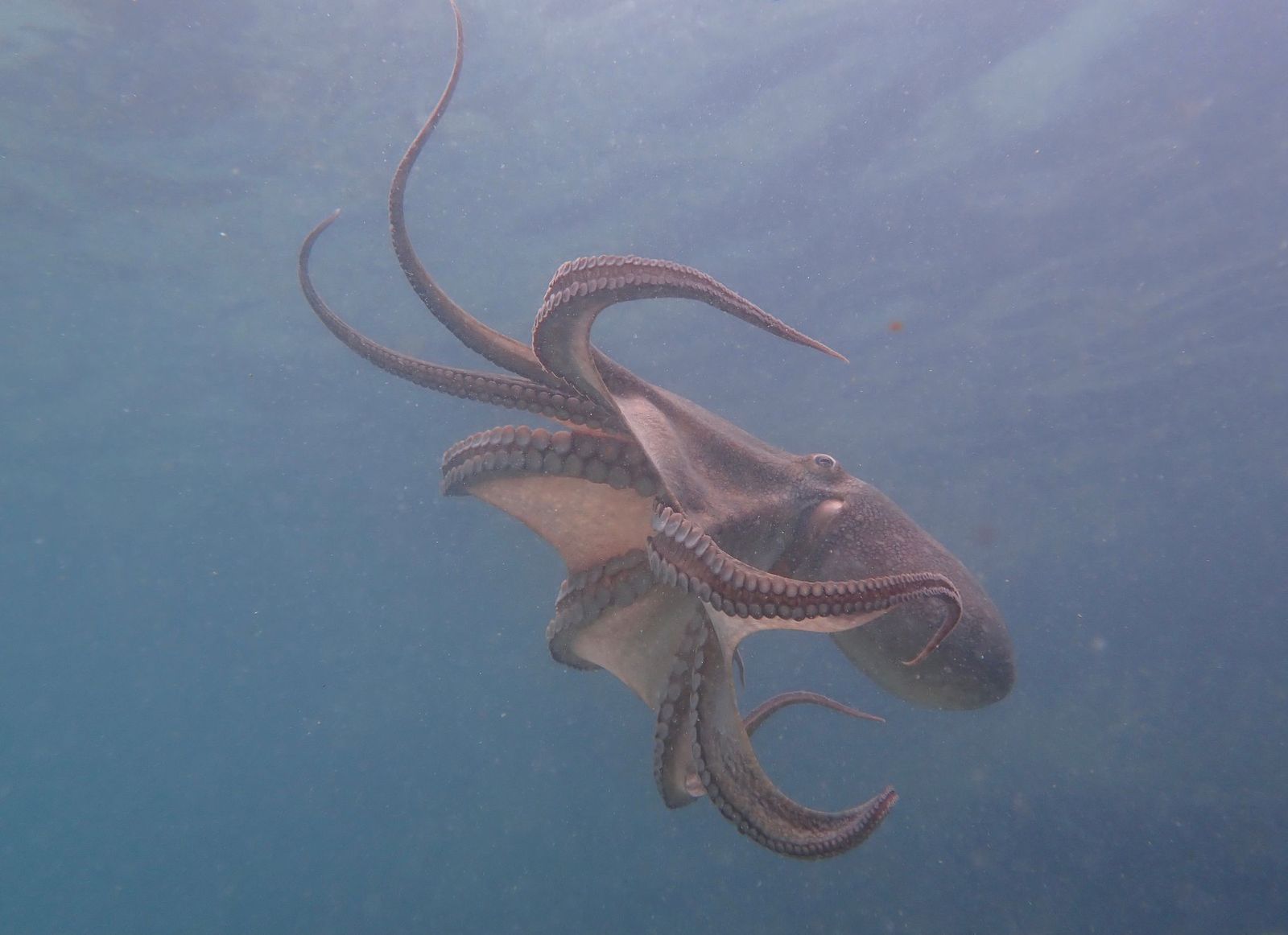
Image: Katherine Wallis

For centuries, the Kraken was a terrifying myth spread by sailors. However, a groundbreaking paleontological study published by scientists at Hokkaido University in Japan changed everything. By analyzing well-preserved fossilized jaws from Late Cretaceous sediments, researchers identified a colossal, prehistoric finned octopus species named Nanaimoteuthis haggarti. Scientists estimate this ancient cephalopod reached a staggering length of up to 62 feet, making it the largest invertebrate ever discovered.

2

A humanoid robot broke a half-marathon record

Image: Marko Aliaksandr

Robots are no longer those chunky machines we used to watch in films and TV shows. At the Beijing E-Town Half Marathon, a humanoid robot named "Lightning" shocked sports and tech enthusiasts alike. Competing autonomously alongside 12,000 human runners, Lightning completed the 13.1-mile race in 50 minutes and 26 seconds. Not only did it win its category, but it also ran faster than the official human men's half-marathon world record of 57:31. The event was designed to test advanced robotic cooling systems and structural endurance under real-world conditions.

3

Scientists uploaded a fly’s brain into a virtual body
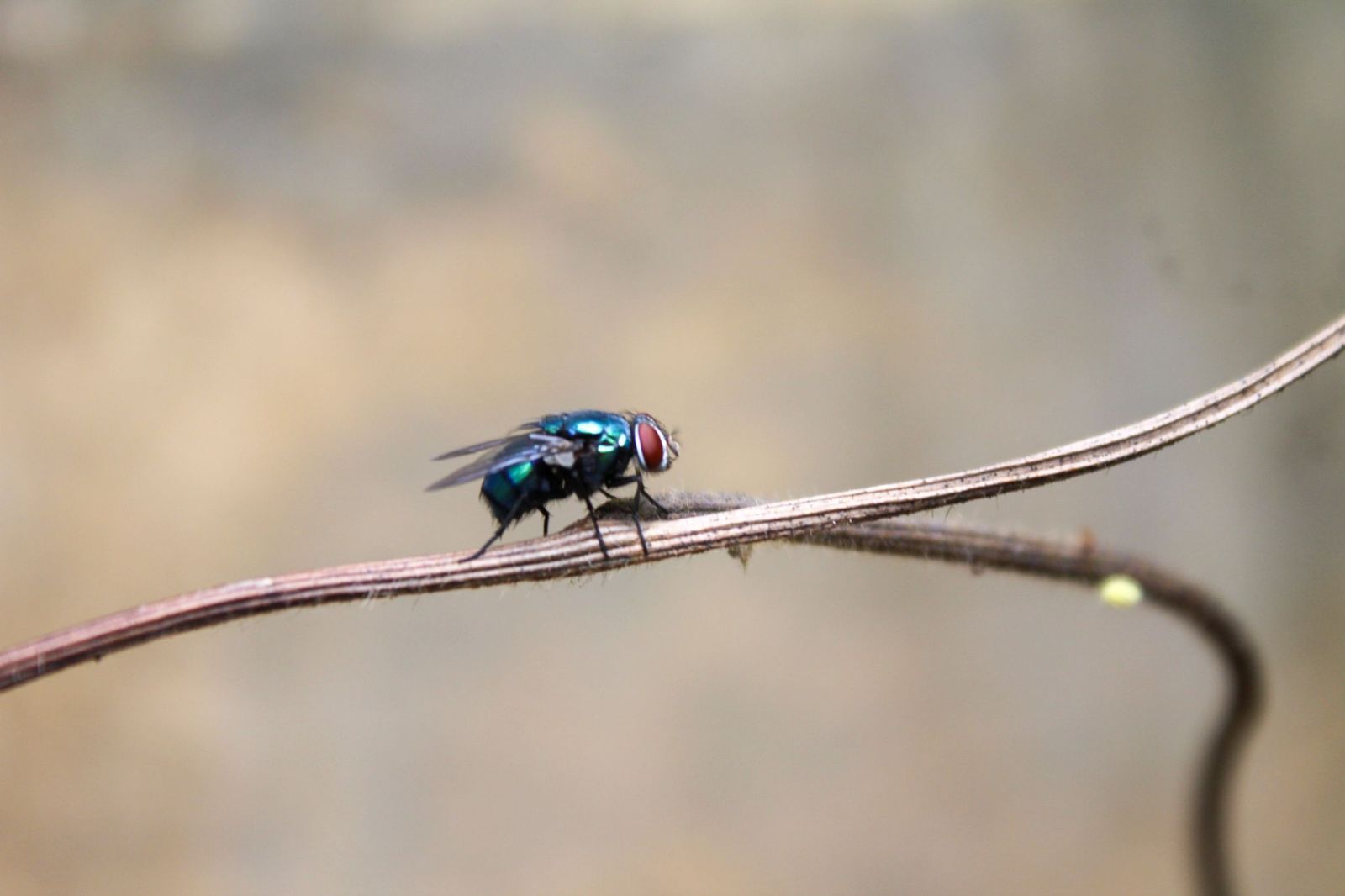
Image: Ivtilahani27

In a huge leap for neuroscience, researchers at Eon Systems—a San Francisco-based neurotechnology startup—successfully built a digital brain emulation of an adult fruit fly. Scientists uploaded this computational brain into a simulated environment called NeuroMechFly v2, thanks to the "FlyWire" project, a Princeton-led connectome that mapped all 140,000 neurons and 50 million synaptic connections of the insect.

The result? The digital fly began moving its virtual body, grooming itself, and seeking out food. This marks the world's first embodiment of a brain emulation producing multi-behavioral actions without direct programming.

4

Curiosity discovered DNA precursors on Mars
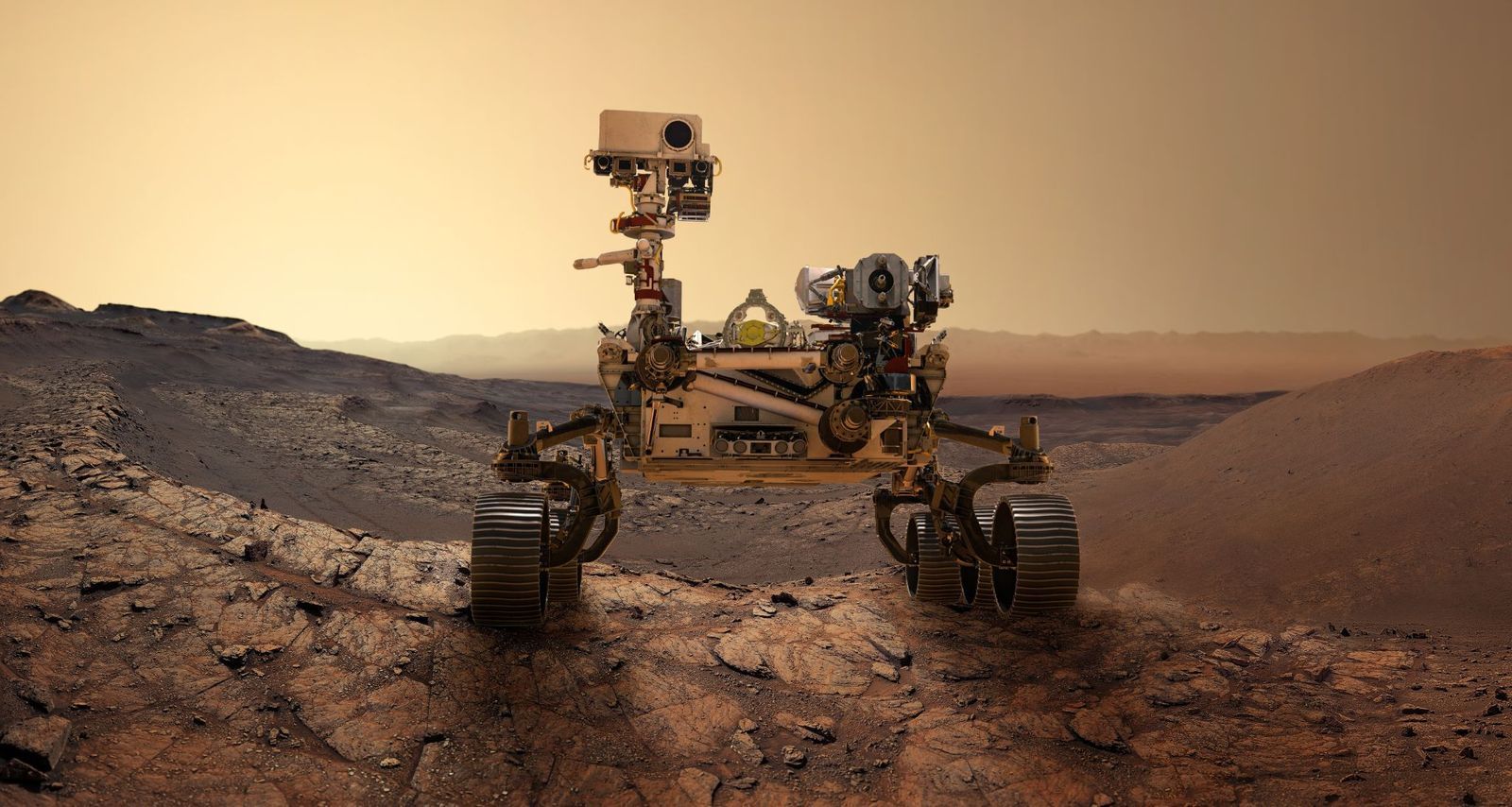
Image: Triff

NASA’s Curiosity rover has been roaming Gale Crater since 2012, but it just pulled off one of its most historic achievements. Using an onboard chemical asset known as TMAH, the rover conducted an unprecedented experiment on Martian clay.

The analysis uncovered more than 20 organic compounds. Most notably, Curiosity detected a nitrogen-bearing molecule with a chemical architecture similar to the precursors of Earthly DNA. While scientists cannot yet confirm if these molecules stem from ancient alien life or unique geological processes, it proves Mars has the fundamental building blocks of life.

5

How you age depends on your partner

Image: PeopleImages

If you are looking for the fountain of youth, you might want to look across the dinner table. A study using data from the National Health and Nutrition Examination Survey (NHANES) analyzed biological age acceleration using "epigenetic clocks".

The study revealed a fascinating link between marital status and aging. It found that never-married males exhibited significantly accelerated biological aging compared to their married peers. The data for females showed that experiencing a stressor, like widowhood, drastically accelerated biological age markers due to chronic inflammation and oxidative stress.

6

A Mexican student built an AI to find missing persons

Image: StockMediaSeller

Frustrated by bureaucratic delays after a close friend went missing, an 18-year-old high school student from Oaxaca, Mexico, took matters into his own hands. Jesús Alejandro Jiménez López developed a facial recognition prototype called Encuéntrame 72 (Find Me 72).

The AI maps unique facial markers and scans real-time security feeds and databases to generate instant alerts. The technology is optimized to exploit the critical first 72 hours of a disappearance. The project recently won first place in a prestigious international engineering competition in Peru.

7

A Polish man passed his driving test on the 139th attempt

Image: Pixel-Shot

In the southern city of Tarnów, Poland, a 50-year-old resident finally passed the written theory portion of his driver's license exam on his 139th attempt. The man had been stubbornly taking the test since 2017, spending roughly €1,800 in exam fees over nine years.

Testing center officials eventually discovered the reason behind his historic losing streak: the man had been studying using a limited demo version of the practice software. Once he finally switched to the full version covering all the questions, his scores skyrocketed.

8

Dogs were domesticated earlier than you thought

Image: hemro

We have always known that dogs are man’s best friend, but an international genetic investigation led by the Universities of Oxford and Liverpool proved the bond goes back much further than we believed.

By analyzing ancient DNA and 3D scans of over 600 canid skulls spanning 50,000 years, scientists established clear genetic and structural evidence of domestication dating back 14,000 to 16,000 years ago. This places the origin of domestic dogs in the last Ice Age, thousands of years before human societies transitioned into agriculture.

9

Tokyo has a Lost and Found police department

Image: KenSoftTH

In most major cities, losing your wallet or smartphone on a subway means it’s gone forever. Not in Tokyo. The Tokyo Metropolitan Police Department operates a specialized Lost and Found Center in Bunkyo City to manage the millions of items turned in by honest citizens every year.

Driven by deeply ingrained cultural values of civic duty and integrity, the center processes everything from umbrellas to wallets full of cash. Thanks to an incredibly organized database, the return rate for high-value items like electronics and official documents is around 80% to 90%.

10

A farmer planted a guitar-shaped forest to honor his late wife

Image: reddish

In the vast agricultural plains of the Argentine Pampas, a spectacular aerial image can be seen from space: a perfectly manicured, third-of-a-mile-long forest in the precise shape of an acoustic guitar.

The living masterpiece was created by a local farmer named Pedro Martin Ureta. In 1977, his 25-year-old wife, Graciela, tragically passed away from a sudden brain aneurysm. Years before, she had mentioned wanting to design their ranch into her favorite musical instrument. To fulfill her wish, Pedro and his four children spent years planting over 7,000 trees: dark cypresses to outline the body and soundhole, and vibrant eucalyptus trees to represent the strings.


Names that lie

Mountain chickens are frogs? 10 animals with misleading names


Published on July 10, 2026


Image: Jo Taylor

Some animals have commonly been given names that might lead you to believe false things about them. For example, as we all know, guinea pigs are not pigs, sea horses are not horses, and starfish are neither stars nor fish. So, how did these names come to be? While lookalike allegations may justify some, others are simply far-fetched. Is there any truth or reason behind these inaccurate nicknames—like "firefly"? Let’s explore 10 animal names that are, arguably, misnomers.

1

Mountain Chicken

Image: Yaroslav Savateikin

Let’s start with one of the most far-fetched names on this list. Mountain chickens aren’t birds at all—they’re large frogs. And they don’t live in mountains, either. These frogs are found mostly in the Caribbean, inhabiting lowland rainforests and swamps. A more accurate and realistic name for them is "giant ditch frogs," which refers to their large size and their tendency to dwell near water bodies.

So, how did they get this name? The story goes that locals found the frog’s meat similar in taste and texture to chicken. Yes, this now critically endangered species was once considered a delicacy in local cuisines.

2

Red panda

Image: Flickr

You would think that the red panda is just a smaller, red version of the giant panda. After all, they share cute faces, patches around their eyes, and similar snouts and ears. But you’d be wrong—red pandas are not bears.

Here’s the explanation: The word "panda" is believed to derive from the Nepali word ponya, which refers to animals with claws adapted for eating bamboo. This is the biggest trait red and giant pandas have in common: their heavily bamboo-based diets. Red pandas, sometimes nicknamed "firefoxes," belong to a mammal family of their own and are more closely related to skunks than to giant pandas.

3

Titmouse

Image: Matthew Goeckner

Titmouses aren’t rodents—did you know? Instead, they are songbirds known for their gray or bluish-gray feathers. One of the most common species is the tufted titmouse, and you’ll be pleased to know that the plural form is, indeed, "titmice."

The name "titmouse" comes from Old English, where tit referred to a small creature, and mase was a general term for a bird. Over time, mase became obsolete, and "titmase" was transformed into "titmouse" due to the similarity between the words. Arguably, there’s also some physical resemblance between the gray color and beady, round eyes of both titmice and mice.

4

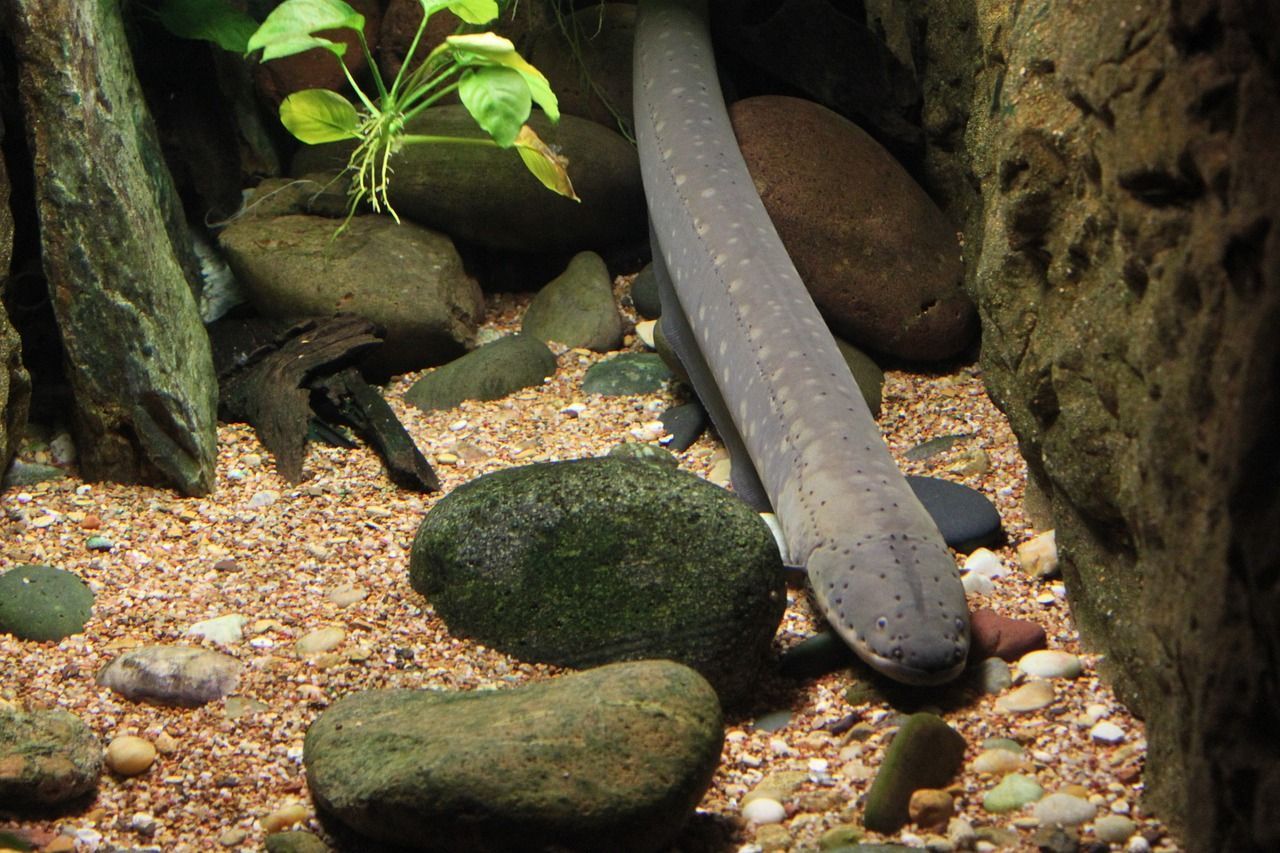
Electric eel

Image: k10legs

Yes, the name "electric eel" is misleading—but not for the reasons you might think. These aquatic animals are indeed capable of generating shocks of electricity, up to ​​860 volts, which they use to stun their prey or defend themselves. However, strictly speaking, they are not eels.

Unlike true eels, which belong to the family Anguillidae, electric eels are part of the knifefish family and are more closely related to catfish. Early European explorers misnamed them based on their elongated, eel-like bodies.

5

Seahorse

Image: Sergiu Iacob

Seahorses are fish, just like salmon or clownfish. Arguably, they look nothing like those species. Instead, for centuries, humans have noticed their resemblance to horses. Seahorses have a distinctive upright swimming posture, elongated heads and necks, and a caudal fin that even resembles a horse’s mane.

Their scientific name, Hippocampus, is borrowed from the Ancient Greek word hippókampos. Interestingly, the term didn’t originally refer to this animal but to a mythological marine creature. In Greek, hippos means "horse," and kampos means "sea monster."

6

Guinea pig

Image: Jack Catalano

Guinea pigs aren’t pigs—nor are they from Guinea, the West African country. Instead, they are rodents native to South America. By now their name has become synonymous with "experiment subject" because of how frequently they were used in scientific research.

There are a couple of theories behind their misleading name. The "pig" part likely comes from the squealing noises they make, which resemble those of piglets. As for "guinea," it might derive from the British coin of the same name, implying they were sold for its equivalent value. Another theory is that European sailors, associating distant Guinea with anything exotic, mistakenly applied the name to these South American rodents.

7

Koala bear

Image: Valeriia Miller

The koala is often called a "koala bear," but it’s not a bear at all. European settlers in Australia gave it this name because its round face and fluffy ears reminded them of bear cubs.

Koalas are, in fact, marsupials. Like kangaroos, they carry their young in pouches. The word koala comes from the Dharug language (an Aboriginal language of Australia) and is believed to mean "no water," referring to the koala's ability to survive on eucalyptus leaves with minimal water intake. Did you know? Eucalyptus leaves are low in nutrients and mildly toxic. As a result, koalas have a slow metabolism and sleep up to 20 hours a day.

8

Firefly

Image: Tony Phan

Fireflies don’t handle fire. They do, however, possess the ability to produce light, a phenomenon called bioluminescence. This light creates the illusion of tiny flames flying through the night. No wonder they have been associated with magic and fascination for centuries.

Despite their name, fireflies aren’t flies—they’re beetles. They produce light through a chemical reaction in their abdomens, which they use to attract mates or communicate. In fact, ​​different firefly species flash in distinct rhythms to help them identify each other.

9

Prairie Dogs

Image: Werner Hilversum

The first time you hear the term "prairie dogs," you might picture packs of dogs roaming freely across the prairies. In reality, these animals are rodents and belong to the ground squirrel family.

The name is believed to have been given by early European settlers due to their high-pitched sounds. Prairie dogs are capable of producing sophisticated and varied calls to communicate with one another, sometimes sounding like man’s best friend. The "prairie" part of their name comes from their habitat—vast grasslands and prairies across North America. These rodents are expert burrowers and typically live in small family groups called "coteries," where members groom and protect each other.

10

Ladybug

Image: Pixabay

It’s not only that ladybugs aren’t all female—they aren’t truly bugs, either. Instead, they are a type of beetle. These round and colorful insects have been widely associated with good luck and fortune for centuries. The reason for this has to do with the story behind their nickname.

The name "ladybug" originated in the Middle Ages, when farmers prayed to the Virgin Mary for help with pests in their crops. The beetles, which helped control aphid populations, were called "Our Lady's birds" or "Our Lady's beetles," later shortened to "ladybirds" or "ladybeetles." Over time, much to the frustration of entomologists, this evolved into the popular term "ladybugs."

Looking for an extra scoop of literary fun?

Learn more with our Word of the day

dud

/dəd/