What is a Twix, anyway?
Is the Snickers bar named after an animal? 12 candy names explained
Published on January 12, 2026
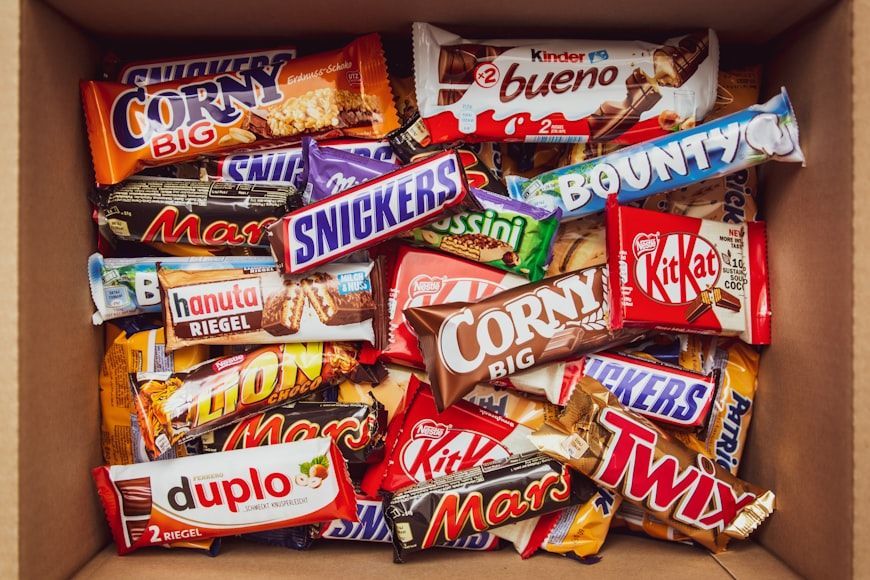 Image: Denny Müller
If you have never seen a Reese’s Peanut Butter Cup or an Almond Joy but only read the name, chances are that you would be able to form an idea of the product. But this is not always the case with candies and candy bars. Many of these delicious treats have names that do not seem to have any logical connection with their contents. But they do have it. Take a look at the following 12 famous examples. Did you know about any of these?
Snickers
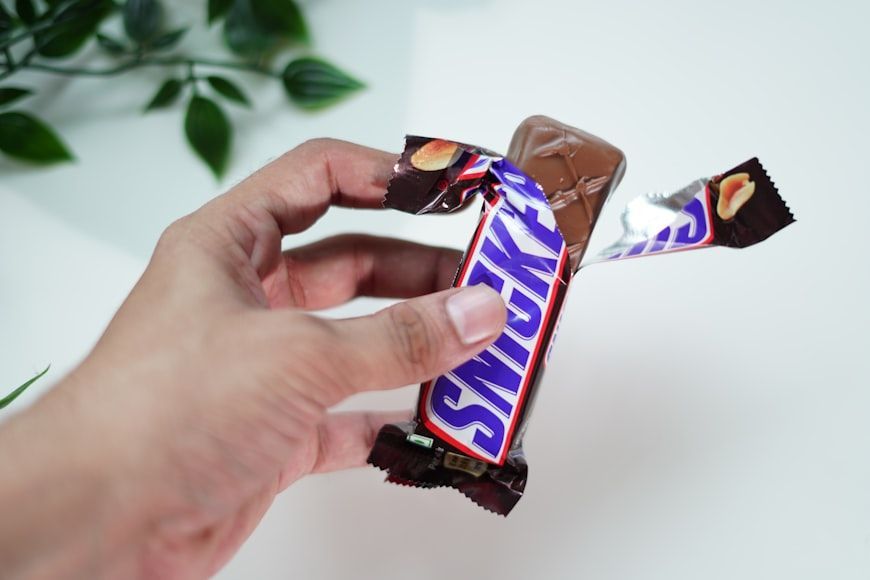 Image: Shyam Mishra
The Snickers bar, introduced by the Mars, Inc. company in 1930, was named after the Mars family's favorite horse. Snickers lived on their farm and was dearly loved.
Sadly, the horse passed away shortly before the candy bar's release, so naming the bar after him served as a tribute to their cherished companion.
Kit Kat
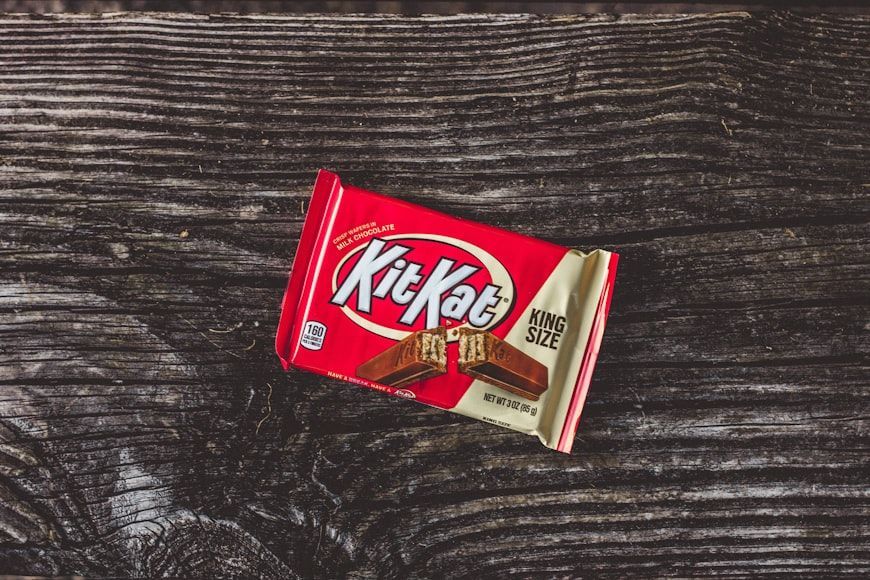 Image: Justin
The name Kit Kat traces back to the 18th-century Kit-Cat Club in London, which itself was named after Christopher Catling, a pastry chef nicknamed "Kit Cat."
Rowntree's, the company that launched the bar in the 1930s, chose the name to give it a touch of history and sophistication.
M&M’s
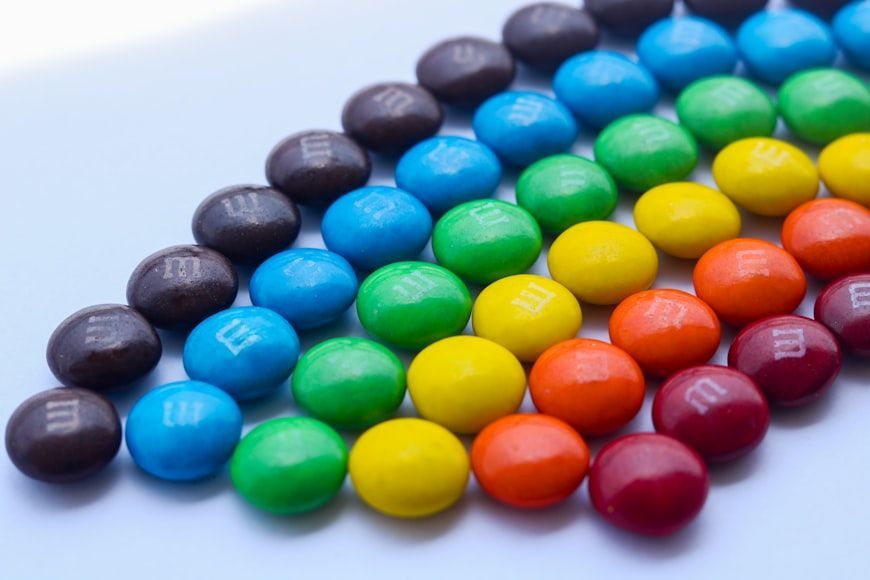 Image: Irfan Zaini
M&M’s stands for Mars and Murrie, the last names of the candy’s creators. Forrest Mars of the Mars Company teamed up with Bruce Murrie, son of Hershey’s president, and the delicious, colorful candies were born.
Starburst
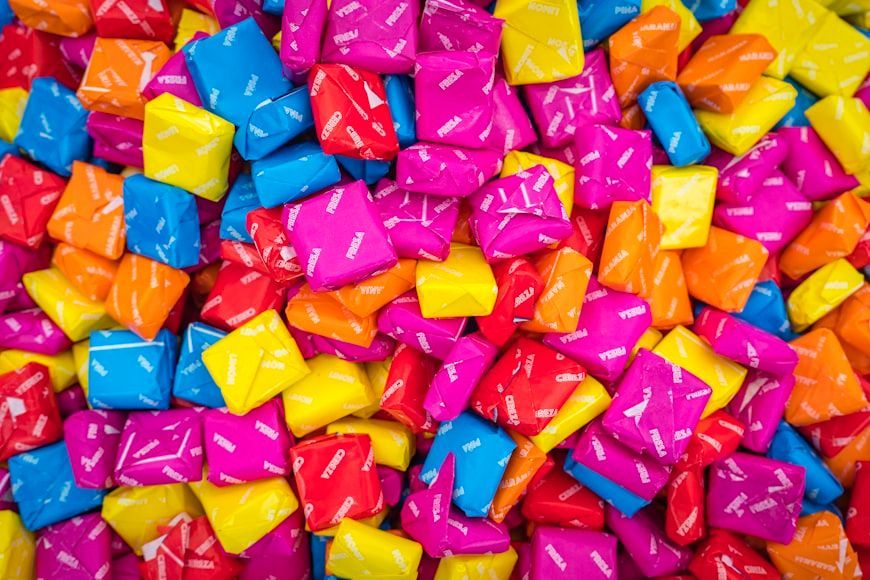 Image: Alexander Schimmeck
Starburst got its name to reflect the candy’s bold, fruity flavors, like a burst of flavor in every bite.
Originally launched in the UK in 1960 as Opal Fruits, it was renamed Starburst for the U.S. release in 1967, likely to create a more dynamic, space-age image during the height of the space race.
Sour Patch Kids
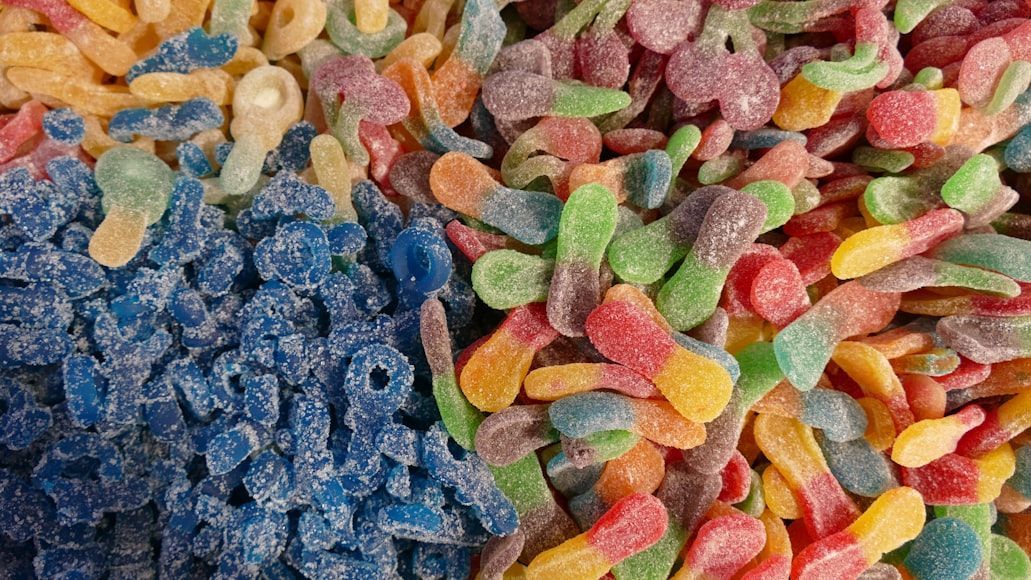 Image: Steffen Rehfuß
Sour Patch Kids were originally called Mars Men when they debuted in the 1970s, playing off the era’s fascination with space.
When introduced in the U.S. in 1985, the name changed to Sour Patch Kids to tap into the Cabbage Patch Kids craze. The new name also highlights the candy’s signature sour-then-sweet taste.
3 Musketeers
 Image: Cemrecan Yurtman
The 3 Musketeers bar got its name in 1932 from its original trio of flavors: chocolate, strawberry, and vanilla. Each bar came in three separate pieces, echoing the "three" theme.
The name also nodded to the popular novel The Three Musketeers. During World War II, rising costs of sugar and fruit led to the discontinuation of strawberry and vanilla, leaving only chocolate—the version we still enjoy today.
Milky Way
 Image: Alan Pope
The Milky Way bar was named after a popular malted milk drink from the 1920s, not the galaxy.
The name was meant to suggest a creamy, rich flavor, echoing the appeal of the drink that inspired it.
Skittles
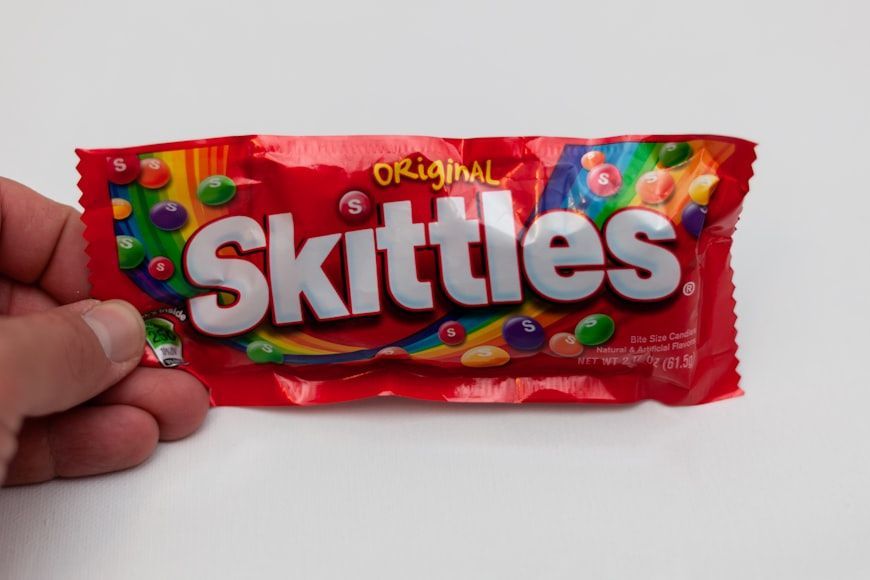 Image: Jonathan J. Castellon
Skittles were named after the old European game of skittles, similar to bowling. The candy's round shape was the connection with the original game.
First produced in the UK in 1974 by a British distributor for Mars, Inc., the name was likely chosen to convey fun and flavor variety.
PayDay
 Image: Erik Mclean
The PayDay bar got its name because it was first made on—yes, you guessed it—a payday at the Hollywood Candy Company. The timing inspired the name, which stuck.
Introduced in 1932 during the Great Depression, it was marketed as an affordable, energy-packed snack. With its combination of peanuts and caramel, it offered real substance, which can be a metaphor for a little "payday" in candy form.
Baby Ruth
 Image: Louis Hansel
Anyone would be forgiven for thinking that the Baby Ruth bar was named after baseball legend Babe Ruth—but that’s not the case. The candy does indeed sound like it could honor the sports icon, but the Curtiss Candy Company claimed otherwise.
They stated that it was named after Ruth Cleveland, the daughter of President Grover Cleveland.
100 Grand Bar
 Image: NATasha Nguyen
The 100 Grand bar was originally called the $100,000 Bar, inspired by quiz shows with big prizes, such as The $64,000 Question.
In the mid-1980s, Nestlé renamed it 100 Grand, likely to ease trademark issues and generate a greater appeal by simplifying the name.
Twix
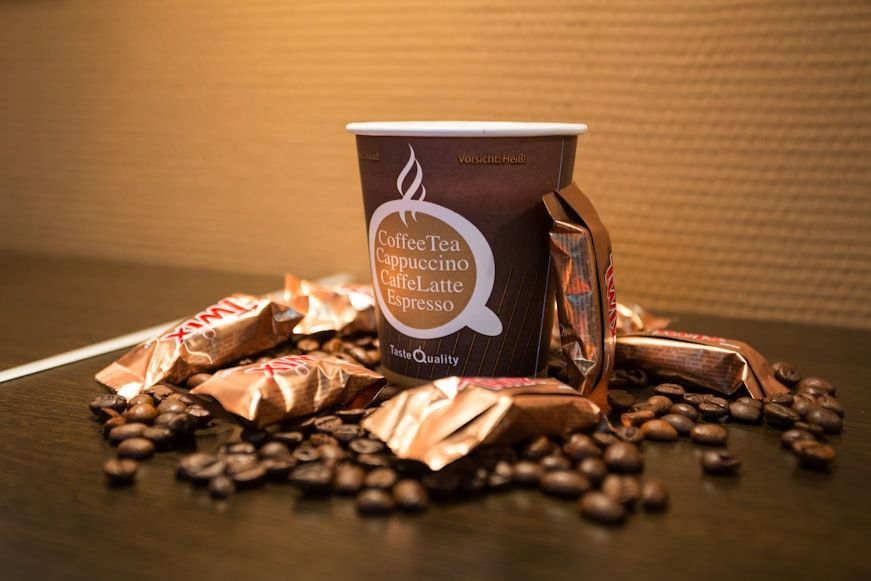 Image: Petr Magera
The name Twix is a blend of the words "twin" and "sticks," referring to its two chocolate-covered biscuit bars. It was first released in the UK in 1967 under the name Raider.
When introduced in the U.S. in 1979, the bar was renamed Twix. The twin-bar design later inspired the playful "Left vs. Right Twix" advertising campaign.


