Did you know daisies mean "day's eye"? The stories behind 10 flower names


Published on August 31, 2026

Image: M.Ibnu C Nugraha

The names of the flowers blooming in gardens, parks, and shops carry centuries of linguistic history. Modern botanical taxonomies standardized plant classification, but everyday names were forged through visual observation, ancient mythology, and cultural trade. Exploring flower etymologies reveals how past generations perceived the natural world. Keep reading to discover the origin of the names of 10 common flowers.

1

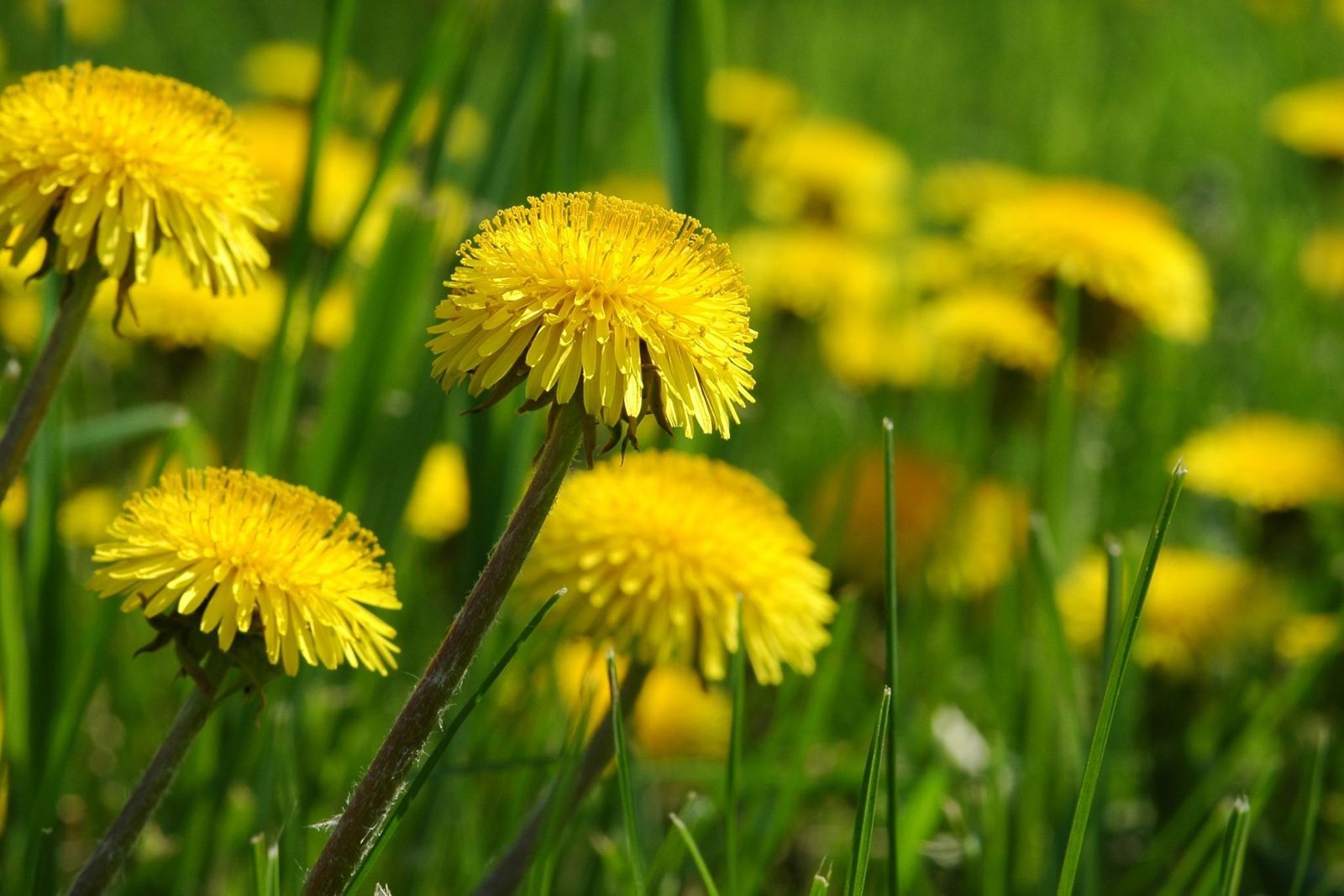
Dandelion

Image: AustralianCamera

The common bright yellow flower often dismissed as a lawn weed derives its name from an anatomical comparison. "Dandelion" enters English from the Anglo-French phrase dent-de-lion, which translates literally to "lion’s tooth".

Rather than referring to the yellow blossom, the name describes the plant’s sharp green leaves. Medieval botanists noted that these jagged edges of foliage closely resembled the sharp incisors of a lion. Similar literal translations exist in other languages, including the German Löwenzahn and the Spanish diente de león.

2

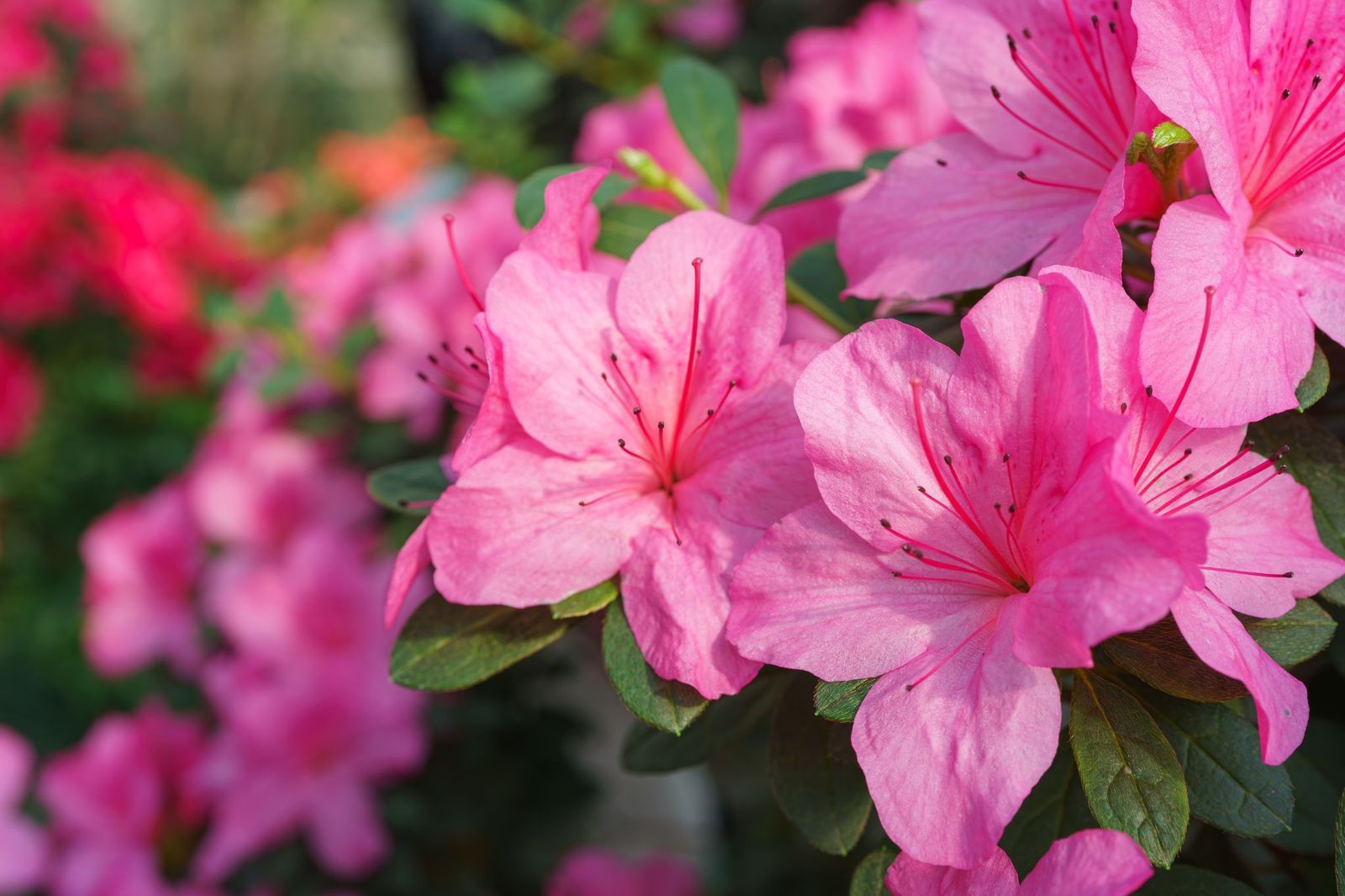
Azalea

Image: Katerina Maksymenko

Derived from the Ancient Greek adjective azaleos, meaning "dry" or "parched", the azalea received its name from the pioneering Swedish botanist Carl Linnaeus in the 18th century.

Linnaeus picked the name because this flower typically thrives in dry sandy soils and suffers when rooted in waterlogged ground. Though modern gardeners associate azaleas with damp spring rains and temperate woodlands, the name is a tribute to the plant’s preference for dry soil conditions.

3

Pansy

Image: Elena Krivorotova

The name of the garden pansy originates from the Middle French word pensée, meaning "thought" or "remembrance" (derived from the Latin verb pensare, meaning "to consider" or "to ponder").

During the Renaissance, herbalists felt the flower’s dark center and forward-facing petals resembled a human face bowed slightly forward in deep contemplation. Because of this association, pansies became traditional gifts to signal that the giver was thinking of the recipient, a symbolism later immortalized in Shakespeare’s Hamlet when Ophelia remarks, "there is pansies, that’s for thoughts".

4

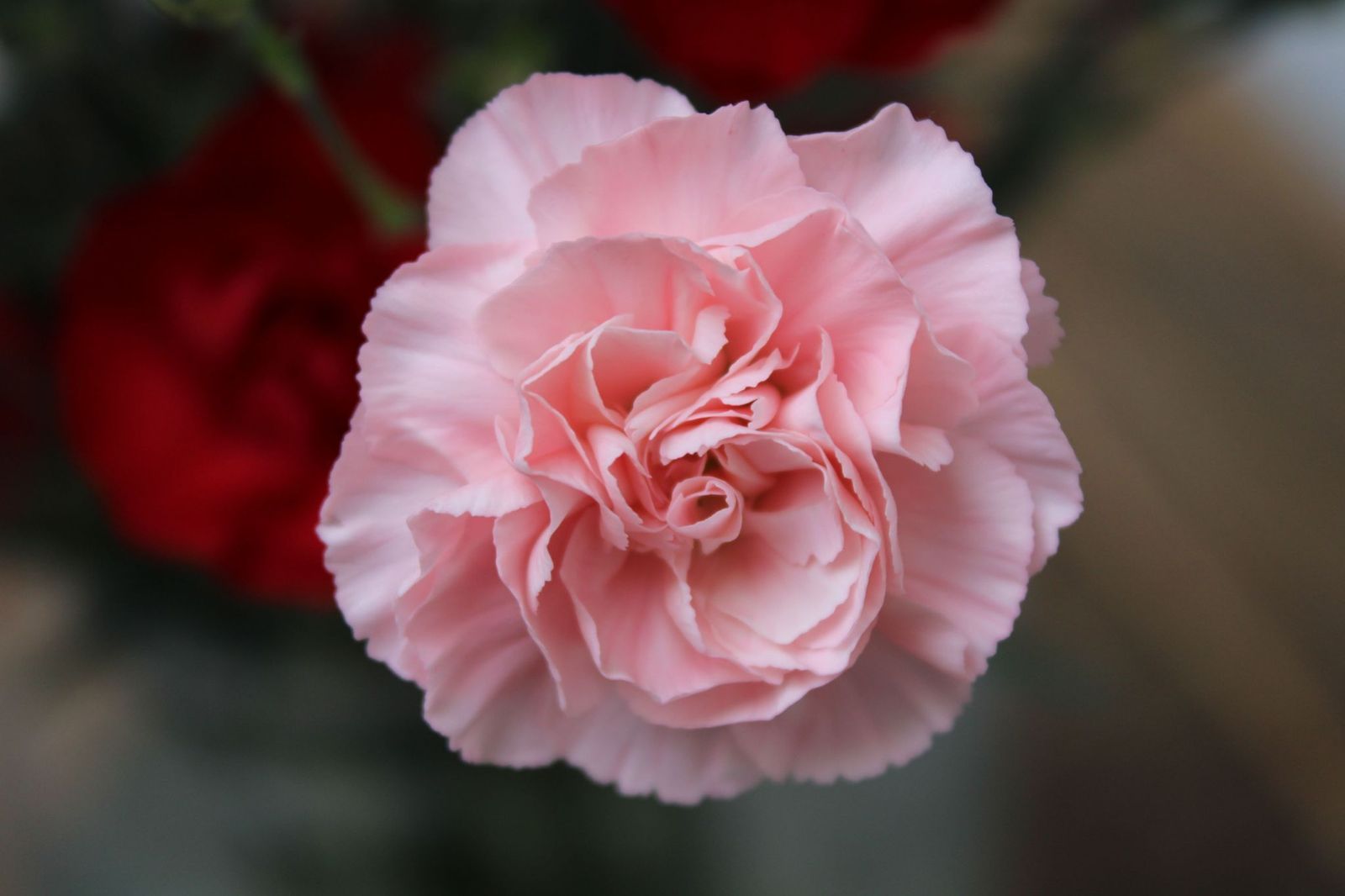
Carnation

Image: Wirestock Creators

The etymology of "carnation" follows two intertwined historical paths. The most widely accepted origin traces back to the Middle French carnation and the Latin carnatio (derived from caro, meaning "flesh"), referencing the soft pinkish flesh tone characteristic of the original wild blooms.

Another linguistic influence stems from "coronation". In ancient Greece and Rome, carnation blooms were woven into floral crowns (coronae) worn during ceremonial festivities and royal coronation rites. Over centuries of English usage, the terms for flesh color and ceremonial crowns merged into the modern word.

5

Tulip

Image: ShuttrDrift

The story of the tulip’s name reflects the historical trade routes between Western Europe and the Ottoman Empire during the 16th century. The word comes into English via Middle French (tulipe) and Italian (tulipano), which adapted the Ottoman Turkish word tülbend (derived from the Persian dulband), meaning "turban".

European travelers visiting Constantinople were impressed by the resemblance between the folded layers of fabric in a traditional Ottoman turban and the cup-shaped, overlapping petals of the flower.

6

Daisy

Image: Smile Donor

"Daisy" stands as an example of Old English botanical descriptive naming. Originating from the compound word dægesēage (literally translating to "day’s eye"), the name describes the flower’s natural sleep movement.

At nightfall, a daisy’s white outer petals fold inward over its central yellow disk. As dawn arrives, the petals unfold, exposing the golden center to the morning sun, mimicking an eye opening at the break of day.

7

Hydrangea

Image: Aliaksandra M

Coined by French botanist Philibert Commerson in the 18th century, "hydrangea" combines two ancient Greek roots: hydr- (meaning "water") and angeion (meaning "vessel", "picher", or "capsule").

Many gardeners assume the name refers to the plant’s high water requirements; however, it actually describes the distinct shape of the plant’s mature seed pods. Once the colorful petals drop, the small seed capsules resemble traditional Greek water jars or pitchers.

8

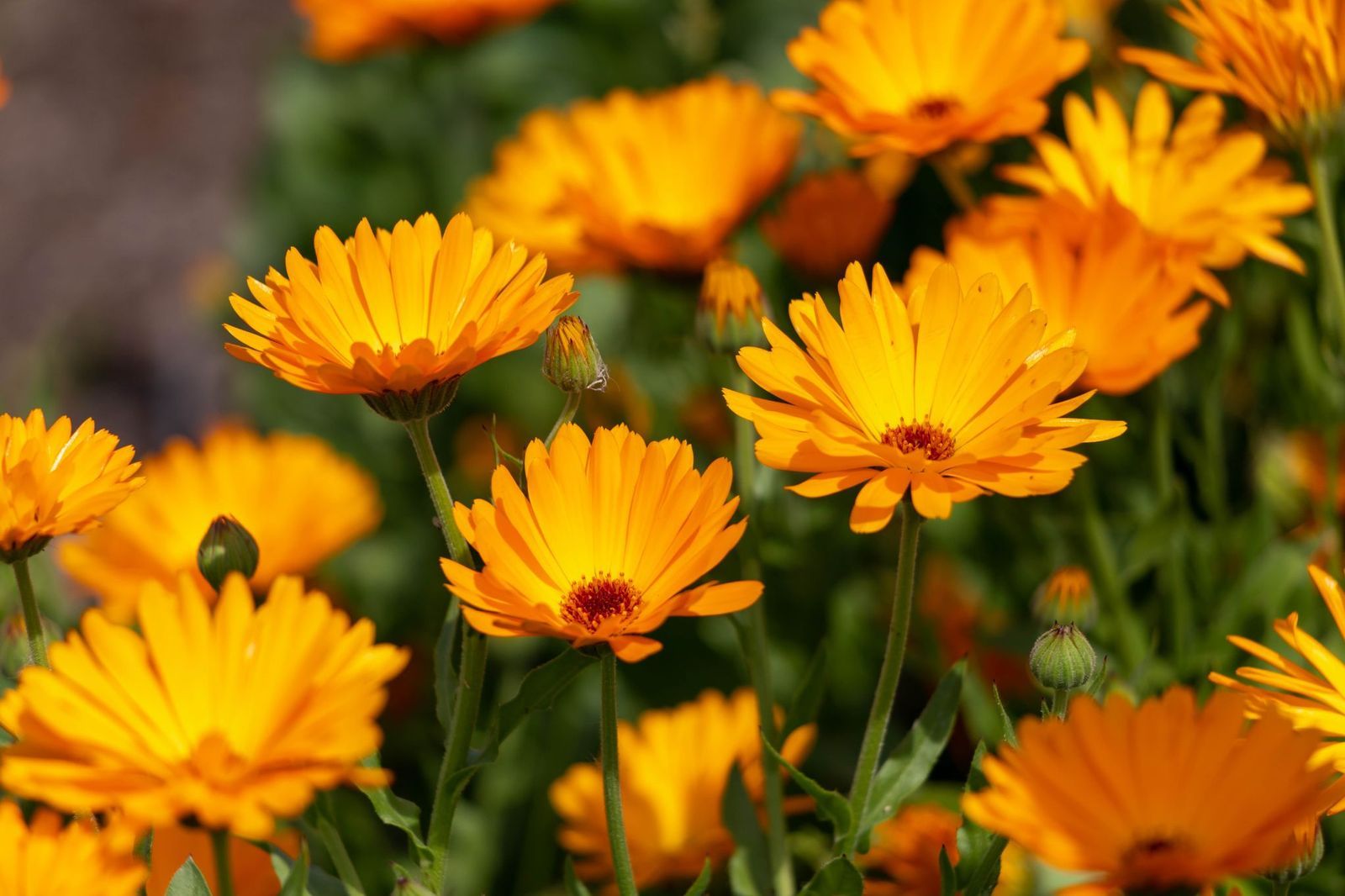
Calendula

Image: Wut_Moppie

Popularly known as pot marigold, "calendula" derives its name from the Medieval Latin calendula, a diminutive form of calendar (the "calends", or the first day of each month in the Roman calendar).

The Romans observed that in mild Mediterranean climates, calendula plants bloomed on or near the first day of almost every month of the year. This way, the name acts as a botanical calendar.

9

Petunia

Image: AW777_Photo

The word "petunia" arrived in European languages during the 18th century through French botanical reports from South America. French herbalists adapted the word pétun, an early French term for tobacco borrowed from petyn, a word used by the indigenous Tupi-Guarani peoples of Brazil.

When early European explorers encountered petunias growing wild in South America, they recognized their close physical resemblance to tobacco plants. Modern taxonomy confirmed this intuition: both petunias and tobacco belong to the nightshade family (Solanaceae).

10

Iris

Image: Lipatova Maryna

Named after Iris, the Greek goddess of the rainbow and divine messenger between heaven and earth, this classic garden perennial boasts an ancient name.

In Greek mythology, the goddess Iris traveled along rainbows, connecting the realms of gods and mortals. Ancient botanists bestowed her name upon the flower because of its remarkable spectrum of natural colors, ranging from deep purple and cobalt blue to yellow, pink, and white.



Do you use any of these?

Why do we say ‘kick the bucket’? Discover 12 idioms with morbid origins


Published on August 31, 2026


Image: Soroush Alavi

We use a lot of strange phrases without thinking twice, but some have surprisingly grim origins. Ever say someone "kicked the bucket" or "bit the dust"? These everyday expressions sound harmless, but have more somber roots. Take a look at 12 of these idioms. Do you use any of these?

1

Baker's Dozen

Image: Yeh Xintong

In 13th-century Britain, bakers risked losing a hand if they sold underweight bread, according to the Assize of Bread and Ale under Henry III. To avoid punishment, they often added a little extra to each order.

When selling 12 loaves, bakers would include a 13th—called a "vantage" loaf. This became what is now known as "a baker’s dozen."

2

As Pleased As Punch

Image: Carlos Martinez

Saying you're "as pleased as punch" sounds cheerful, but it has dark roots. The phrase comes from Punch from the Punch and Judy puppet shows, who gleefully committed violent acts.

Popular in 17th-century England, these shows featured Punch killing his family and others with a slapstick, laughing after each act.

3

Meeting A Deadline

Image: Towfiqu barbhuiya

The phrase "meet a deadline" might sound stressful today, but its origins are far darker. During the Civil War, the "deadline" referred to a boundary at Andersonville Prison, where Union soldiers were held.

This line, 20 feet inside the outer wall, was meant to prevent escapes. Any prisoner who crossed it was shot by guards in pigeon roosts. The term came from this deadly boundary, where crossing meant certain death.

4

A Blockbuster

Image: Krists Luhaers

Today, a "blockbuster" refers to a huge commercial hit, but the term originally described powerful bombs from World War II.

The British Royal Air Force used blockbusters, massive cylinders filled with explosives, capable of destroying entire streets. It wasn’t until 1957, nearly a decade after the war, that the term shifted to describe big entertainment successes.

5

Bulldozer

Image: Zac Edmonds

The phrase "to bulldoze" someone means to force or bully them, but its origins are much harsher. First used in 1876, "bull dose" referred to brutally whipping or beating someone, similar to how a bull might be punished.

By 1880, "bulldoze" became a verb, and eventually, the heavy machinery designed to push through obstacles was named a bulldozer.

6

Sinister

Image: Kelly Sikkema

The word "sinister" comes from the Latin sinister, meaning "left" or "on the left side." By the 15th century, left-handedness was associated with evil, often linked to witches and the devil.

Because of this stigma, left-handed people were forced to use their right hands. Today, however, we know that being left-handed doesn’t make anyone sinister, and many renowned thinkers, like Leonardo da Vinci and Benjamin Franklin, were left-handed.

7

Mad as a hatter

Image: Héctor J. Rivas

The Mad Hatter from Alice’s Adventures in Wonderland is famous for his colorful personality, but his madness has historical roots. In the 18th and 19th centuries, hat-makers, known as "hatters," often suffered from mercury poisoning due to their work with the chemical.

This poisoning led to mental deterioration, giving rise to the idea of the "mad" hatter, a term that Carroll cleverly incorporated into his character.

8

Pulling my leg

Image: Jamie Waynick

Today, "pulling your leg" means joking or fooling around, but it once had a much darker meaning: in 19th-century London, thieves would pull people’s legs to drag them down before stealing their belongings.

This tactic was commonly used by robbers, turning what is now a lighthearted phrase into a serious crime.

9

Bite the bullet

Image: danilo.alvesd

In the world of films, we often see characters drinking whiskey before a quick surgery or amputation. But in real battlefields, soldiers didn’t have that option.

One theory about the origin of the expression "to bite the bullet" suggests that, during painful medical procedures, wounded soldiers would literally bite down on a bullet—taken from the ground or from their own weapon—to help endure the agony without crying out.

10

God bless you

Image: Towfiqu barbhuiya

The phrase "God bless you" after a sneeze has several theories behind it. One theory links it to preventing the plague, while another suggests it’s a way of ensuring the soul stays in the body during a sneeze.

11

Kick the bucket

Image: Lucas van Oort

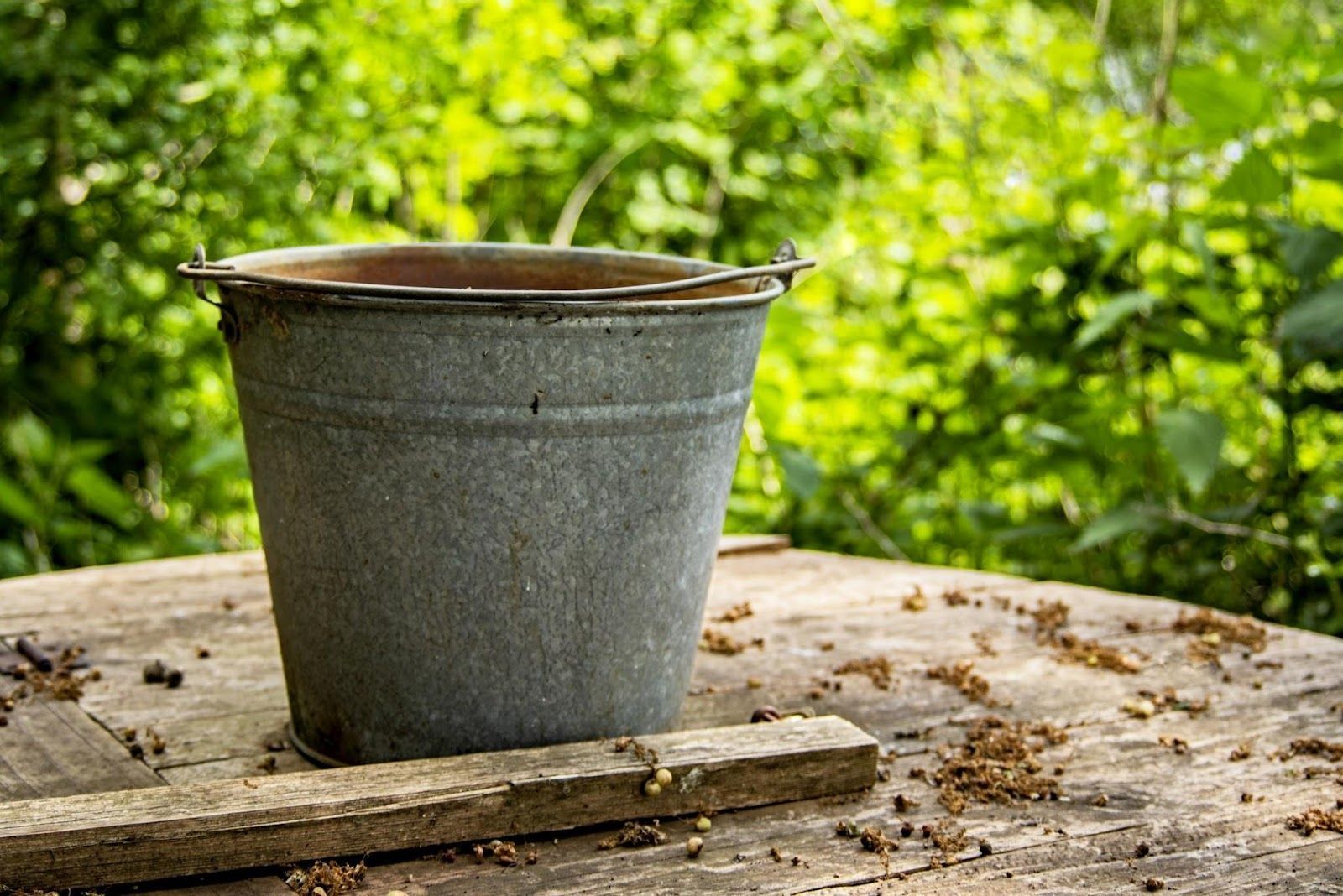
The phrase "kick the bucket" means to die and has been used since the 18th century. One theory connects it to the Catholic tradition of placing a bucket of holy water by the feet of the deceased for mourners to sprinkle.

Another theory suggests the term comes from 16th-century England, where "bucket" referred to a beam. When animals were hanged for slaughter, they would kick the beam as they died, giving rise to the idiom.

12

Bite the dust

Image: Taylor Brandon

The phrase "bite the dust" likely originated in the 19th-century Old West, referring to gunfights and battles. It paints a vivid picture of someone falling to the ground and biting the dust after being struck by a fatal wound.

Over time, the expression broadened, and now it simply signifies someone’s death or defeat, no longer tied specifically to gunfights.

Looking for an extra scoop of literary fun?

Learn more with our Word of the day

bastion

/ˈbæstʃən/