Memories vs facts
Stop getting it wrong: Darth Vader never said, "Luke, I am your father"
Published on July 22, 2026
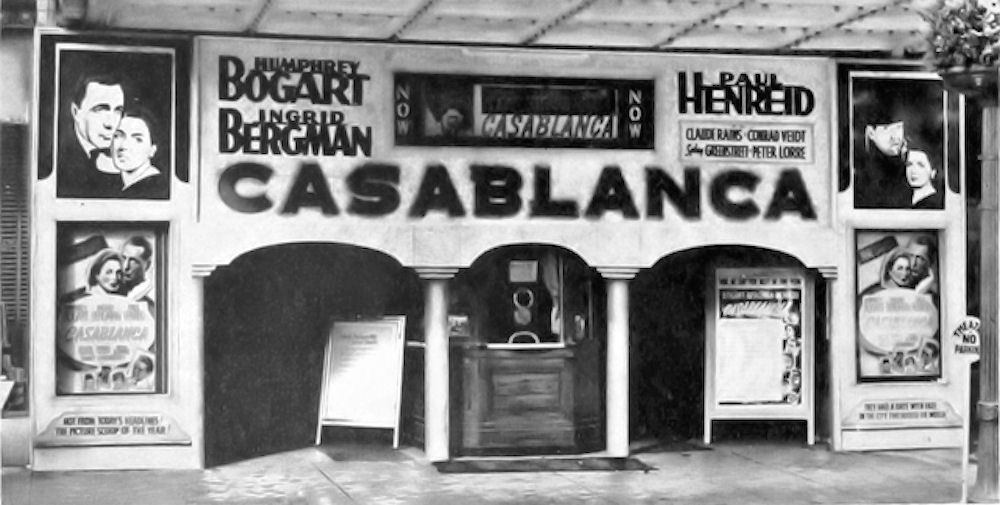
Was "Play It Again, Sam" a real quote from Casablanca? You may feel certain that you already know the answer. That confidence is what makes the Mandela Effect so interesting: it occurs when many people share the same false memory and are convinced it’s correct. The effect is named after Nelson Mandela, who many believed had died in prison during the 1980s. In truth, he was alive, and after his release in 1990, he became president of South Africa in 1994. What can make a false memory feel so real? Here are 10 Mandela Effect examples that you might be misremembering.
Did Humphrey Bogart Ever Say, "Play It Again, Sam"?
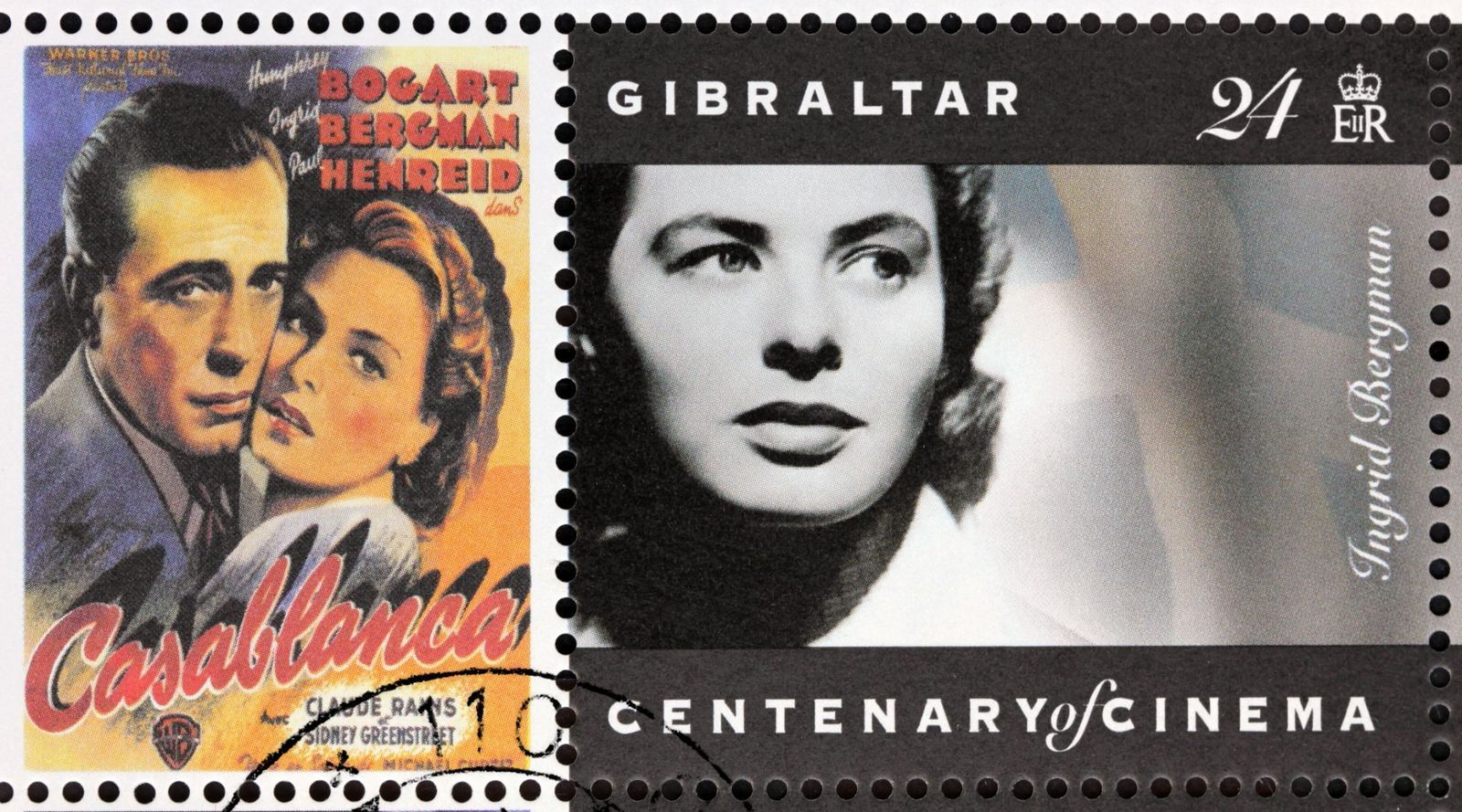
Bogart is often credited with one of Hollywood’s most famous lines, but he never actually says "Play it again, Sam" in Casablanca. Ingrid Bergman’s character, Ilsa, says, "Play it, Sam. Play As Time Goes By." Later, Bogart’s character, Rick, also asks Sam to play the song, but he never uses the famous phrase.
Woody Allen’s play and 1972 film "Play It Again, Sam" also played a huge part in ingraining this famous misquotation in the general public. Either way, the phrase still creates an instant nostalgic connection to the classic, beloved film.
Did the Monopoly Man Ever Wear a Monocle?
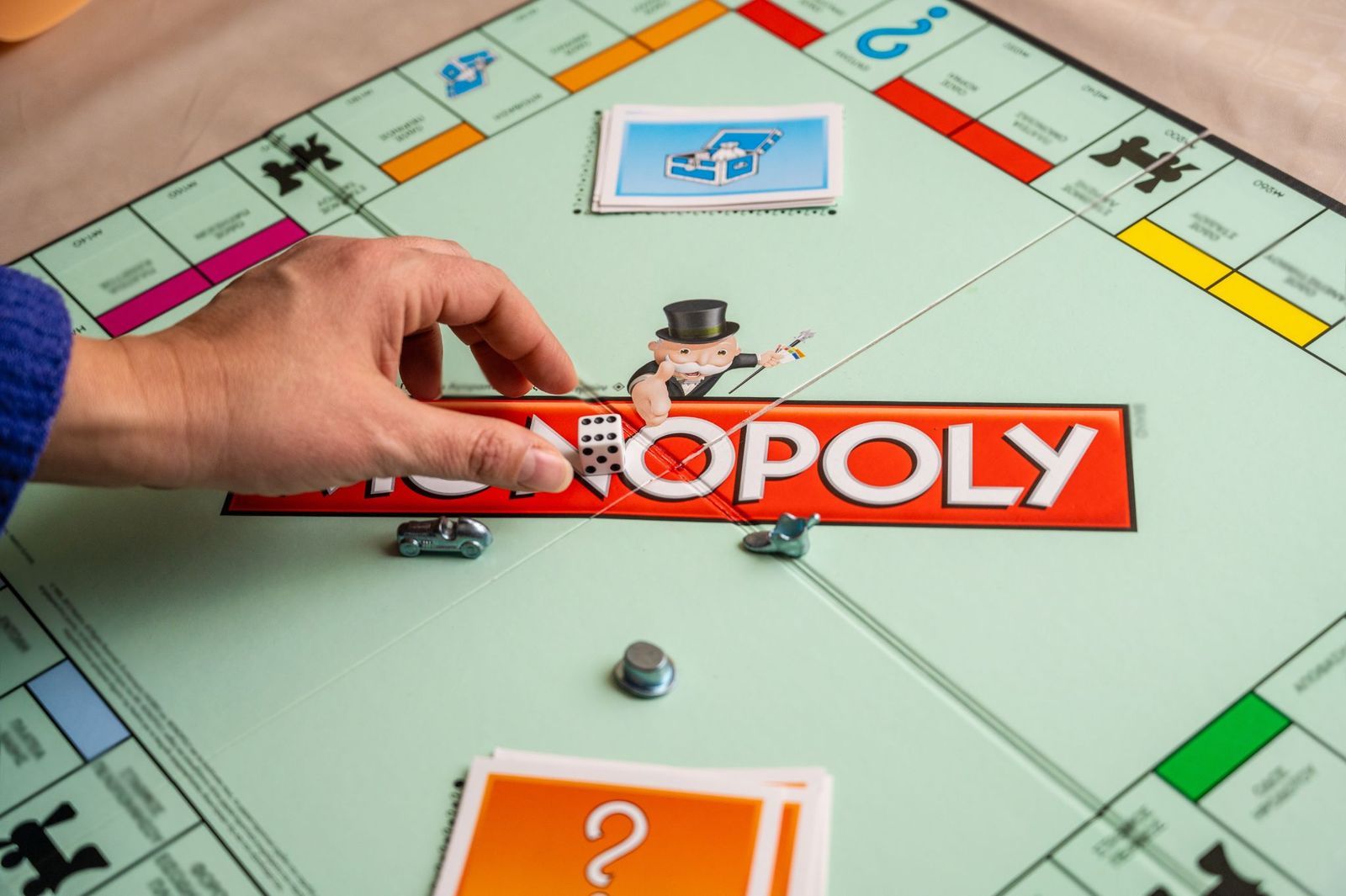
Something doesn’t feel right when looking at Mr. Monopoly and realizing that he doesn’t actually wear a monocle. It’s somehow disappointing, and it can feel as though the board game itself is mistaken, rather than the common memory of a wealthy man with a white mustache, a black top hat, an old-fashioned suit, and a monocle.
This confusion may stem from Mr. Peanut, the Planters mascot, who wears a monocle, a black top hat, and carries a walking stick. Still, the imaginary monocle fits Mr. Monopoly almost too well. It matches the familiar image of a wealthy gentleman from a bygone age.
Did Darth Vader Really Say, "Luke, I Am Your Father"?
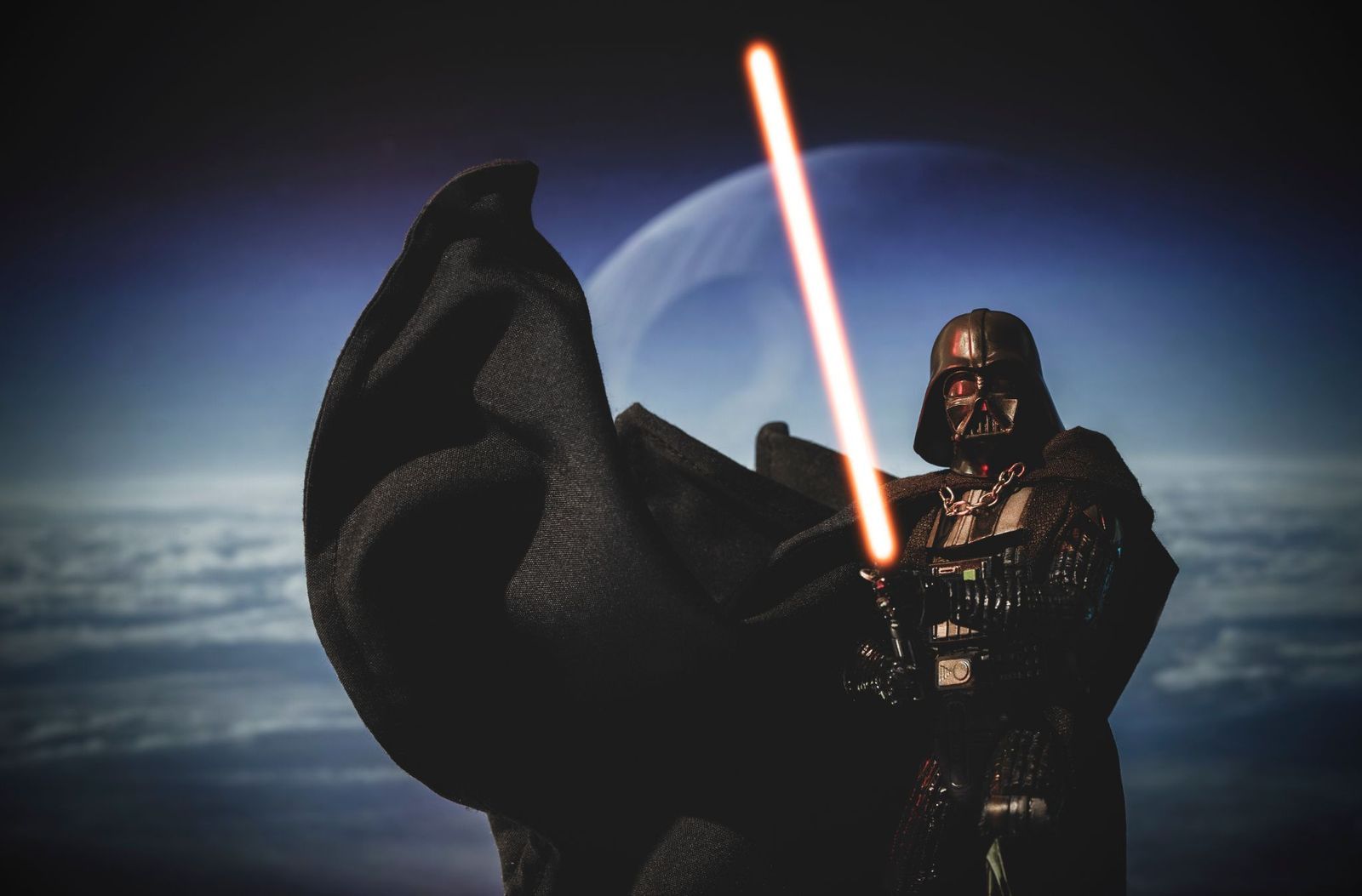
This may be one of the most famous misquotes in movie history. During the famous scene in The Empire Strikes Back, Darth Vader doesn't begin his revelation with Luke's name. After Luke accuses him of killing his father, Vader replies, "No, I am your father."
However, outside the movie, "No, I am your father" can sound unclear because the listener may not know who is speaking or being addressed. Adding "Luke" makes the reference instantly recognizable. Parodies, impressions, and everyday jokes favored the clearer version until it became more familiar than the original dialogue.
Did "We Are the Champions" End With "Of the World"?
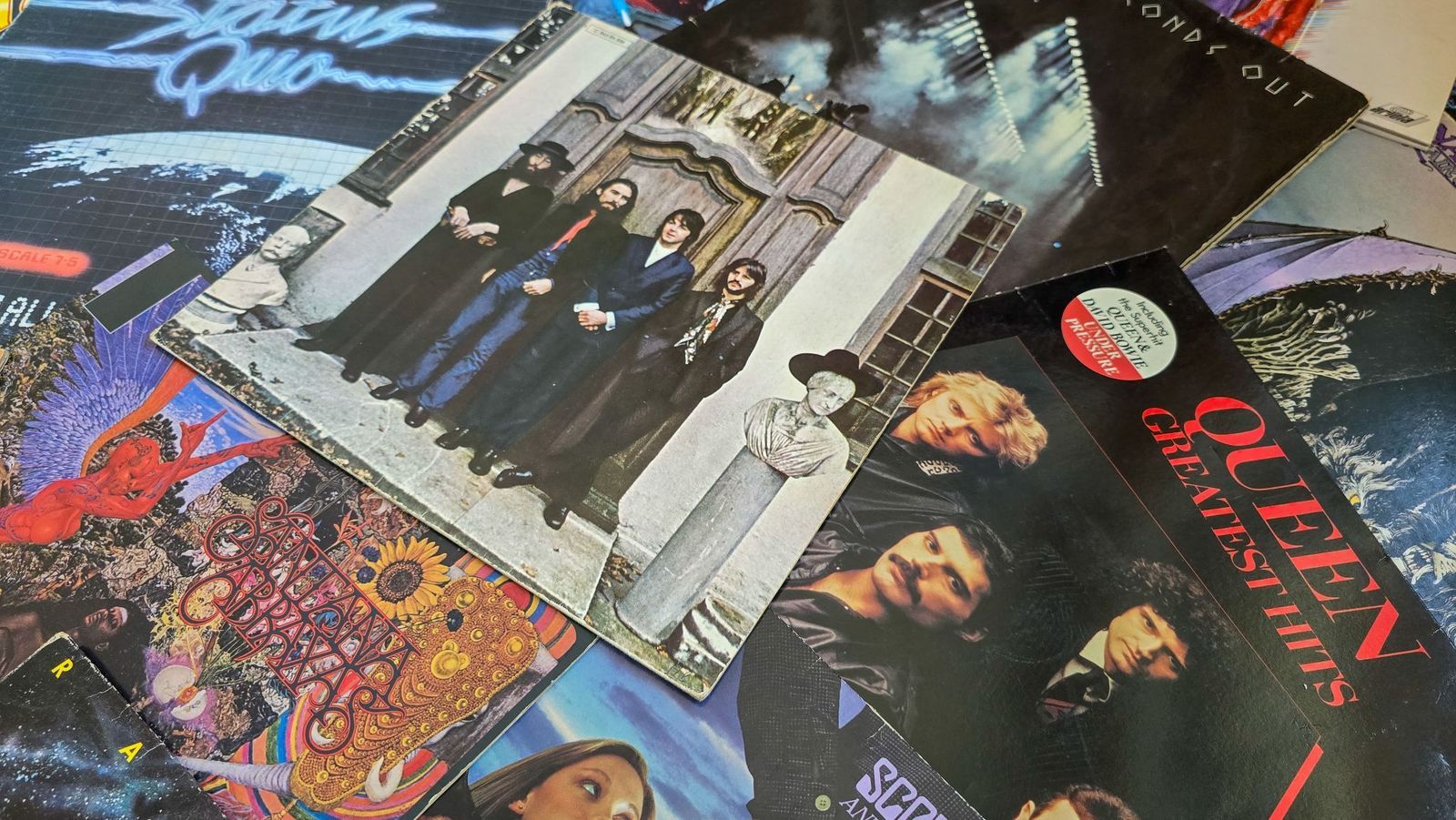
Queen recorded "We Are the Champions" in 1977 at Wessex Studios and Sarm East Studios in London. With its release, a new anthem for sporting events was born. Whenever listeners reach the final part of the song, instinct takes over, and everyone sings, "We are the champions… of the world". But the final line doesn’t include "of the world," and it never did, unlike the chorus, which includes "of the world" earlier in the song. Still, listeners have made it their own, and adding "of the world" at the end of the song has become a classic in its own right.
Was There Ever a Peanut Butter Called Jiffy?
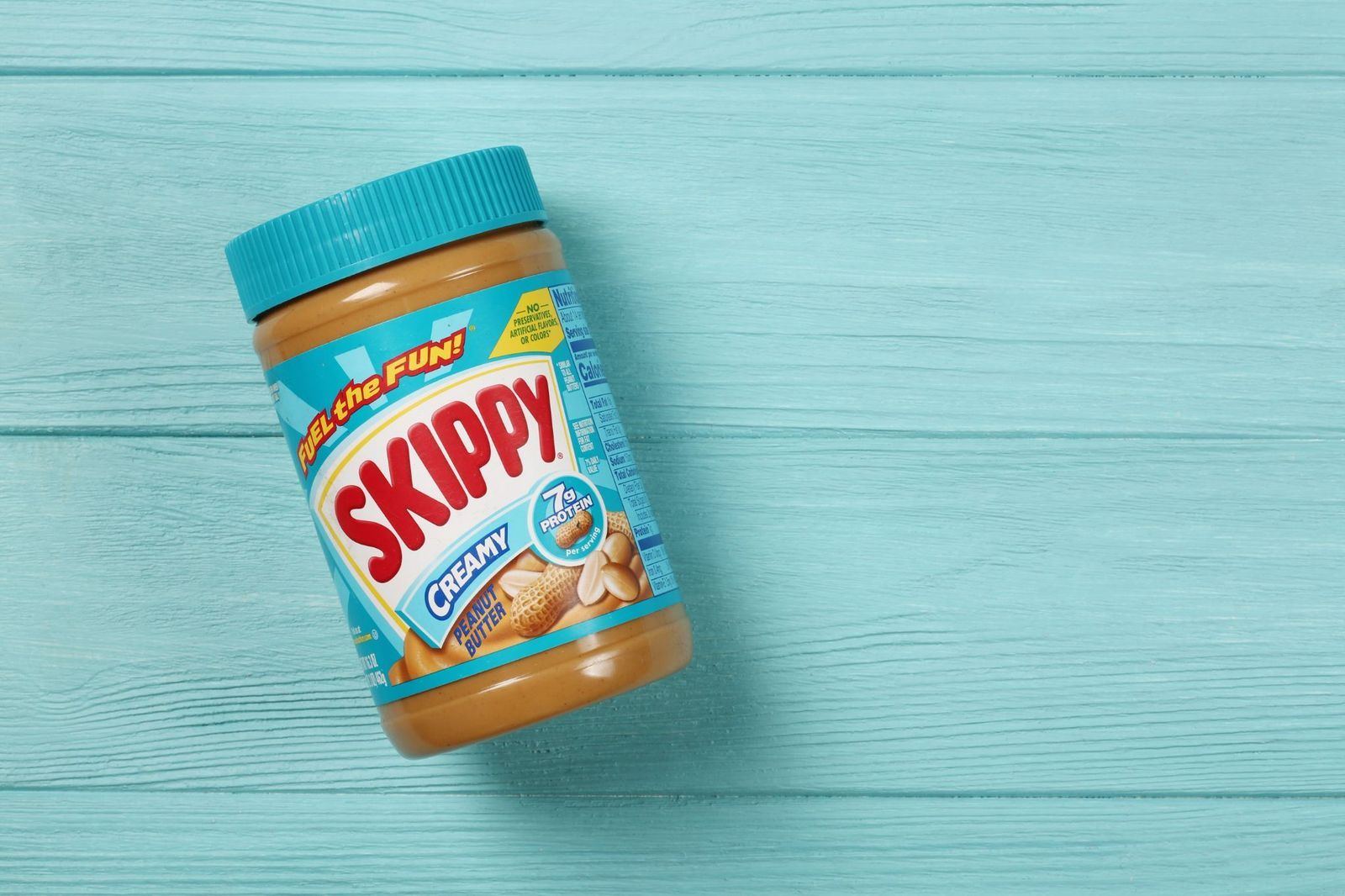
"Jiffy" sounds like a peanut butter brand that exists. Many shoppers remember seeing it beside Skippy on supermarket shelves. But the major brand was actually called Jif, launched nationally in 1958, and later became known for the slogan "Choosy Mothers Choose Jif," and its official history doesn't include a period when the product was named Jiffy. The false name could actually be the mental mixture of Jif, Skippy, and the common word "jiffy."
Did Disney's Evil Queen Really Say, "Mirror, Mirror on the Wall"?
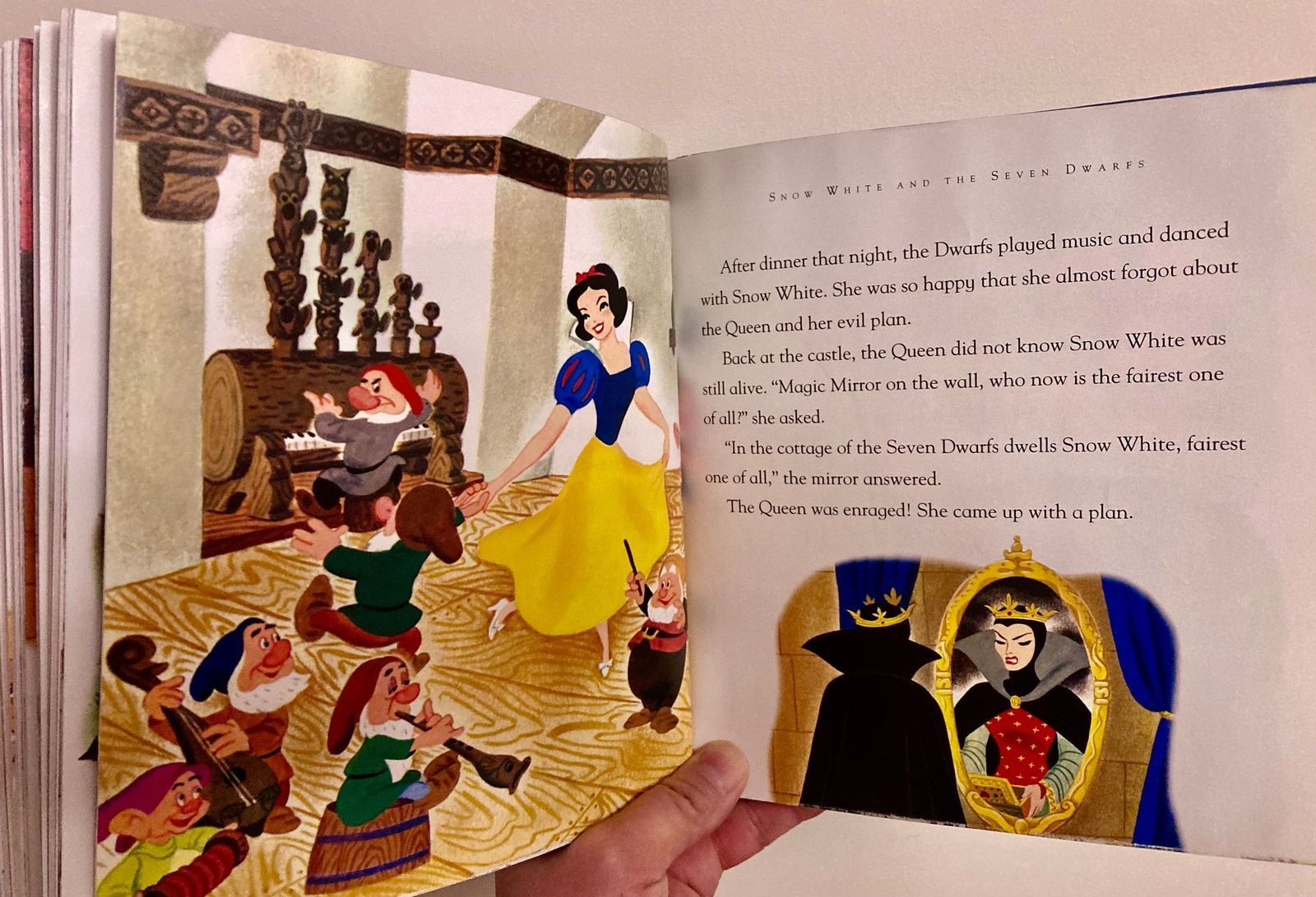
In Disney's 1937 animated film Snow White and the Seven Dwarfs, the Evil Queen asks, "Magic Mirror on the wall, who is the fairest one of all?" But, in this case, "Mirror, mirror" wasn't invented by viewers. English versions of the Grimm’s story of Snow White commonly used that wording long before the Disney movie. What really happened is that the older fairy-tale line and the Disney scene blended into one familiar and iconic quotation. The remembered version is wrong for the film, but it belongs to the wider history of the story.
Did Ed McMahon Deliver Publishers Clearing House Checks?
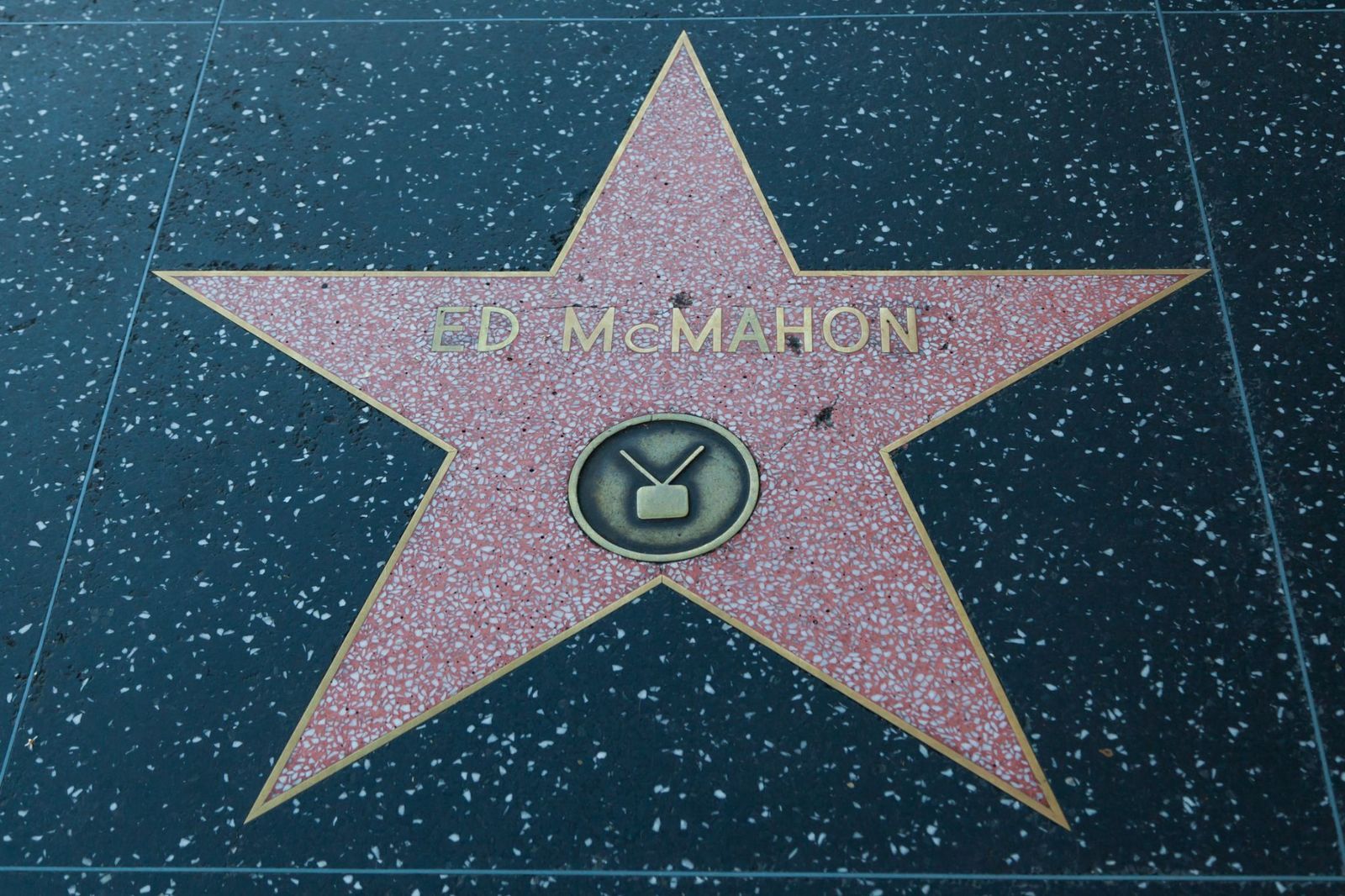
Two rival companies helped create one of America’s most persistent false memories. During the 1980s and 1990s, television personality Ed McMahon promoted sweepstakes for American Family Publishers, a company that sold magazine subscriptions. Today, many people remember him working for its better-known competitor, Publishers Clearing House. But he never did.
It’s easy to see how the mix-up happened. Both companies sold magazine subscriptions, offered large cash prizes, and appeared constantly on television and in the mail. Publishers Clearing House also became famous for its Prize Patrol, which surprised winners at home with oversized checks. With similar names and years of pop culture references, McMahon eventually became linked to PCH in the public memory, even though he was never part of its team.
Was It "Sex and the City" or "Sex in the City"?
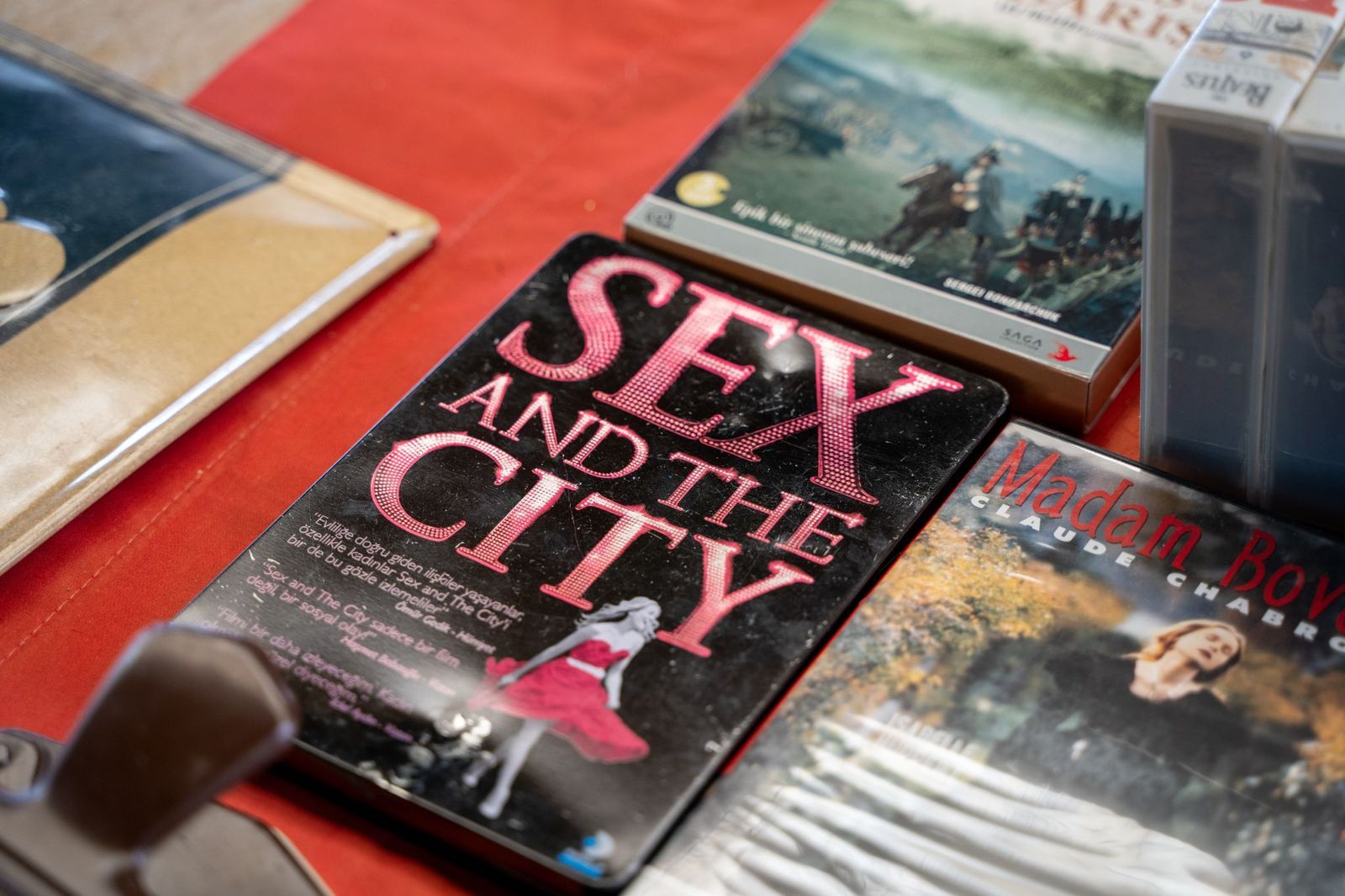
The HBO series was always called Sex and the City, not Sex in the City. The title came from Candace Bushnell’s New York Observer column, which began in 1994, and her 1996 book with the same name.
However, the mix-up makes a lot of sense. The show is about dating and relationships in New York, so "Sex in the City" sounds like a logical title. The words "and" and "in" can also sound similar when people say the title quickly. But the real title puts sex and the city side by side as two major parts of the characters’ lives.
Did Curious George Have a Tail?
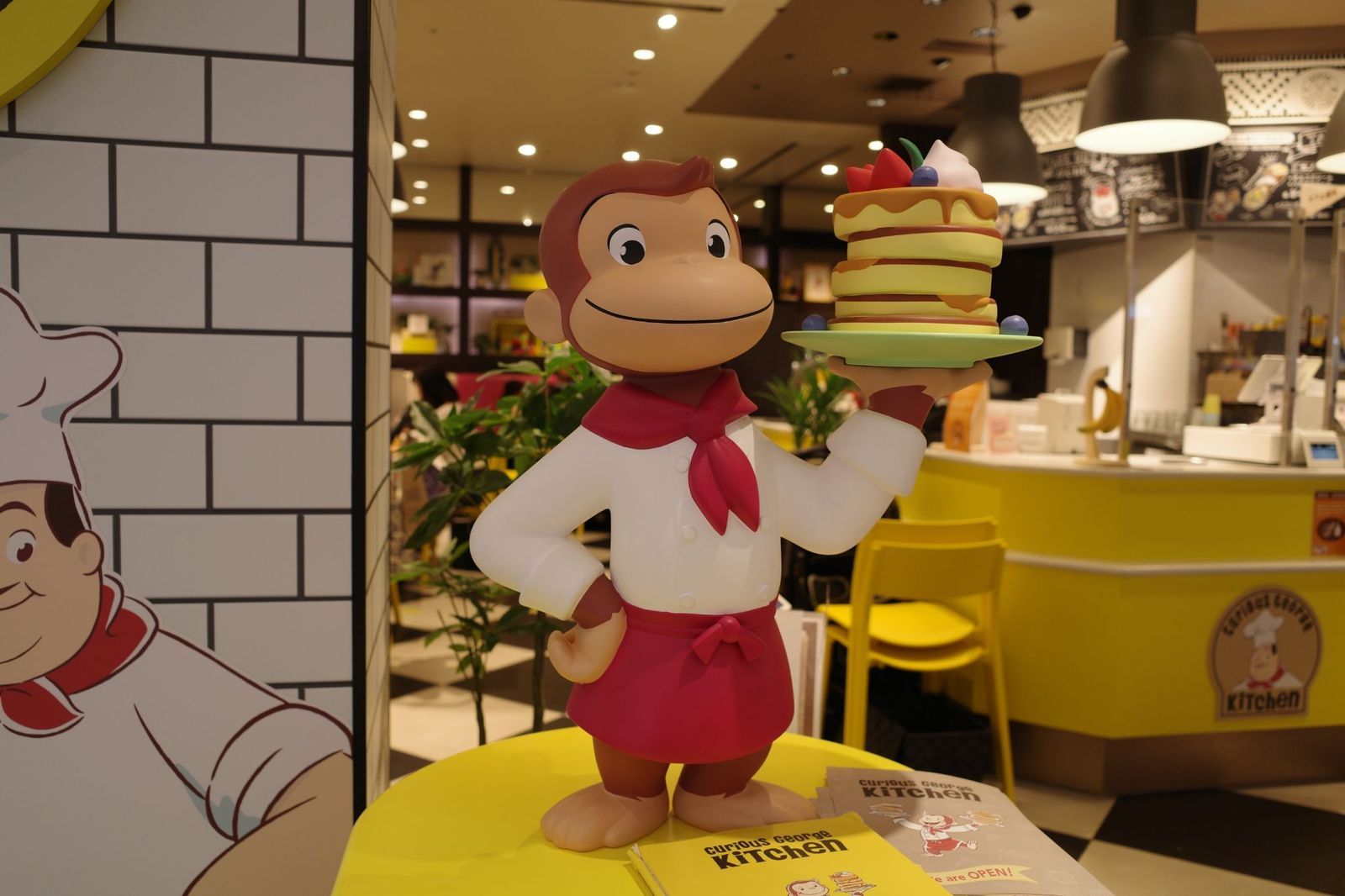
Something appears to be missing from Curious George, but it has actually always been missing. The little monkey was drawn without a tail in the original books, and official modern versions continue to show him without it. Many familiar cartoon monkeys have long, curling tails, so the brain may quietly add one when remembering George. His active poses also make it easy to imagine a tail swinging behind him.
Were They the Berenstein Bears or the Berenstain Bears?
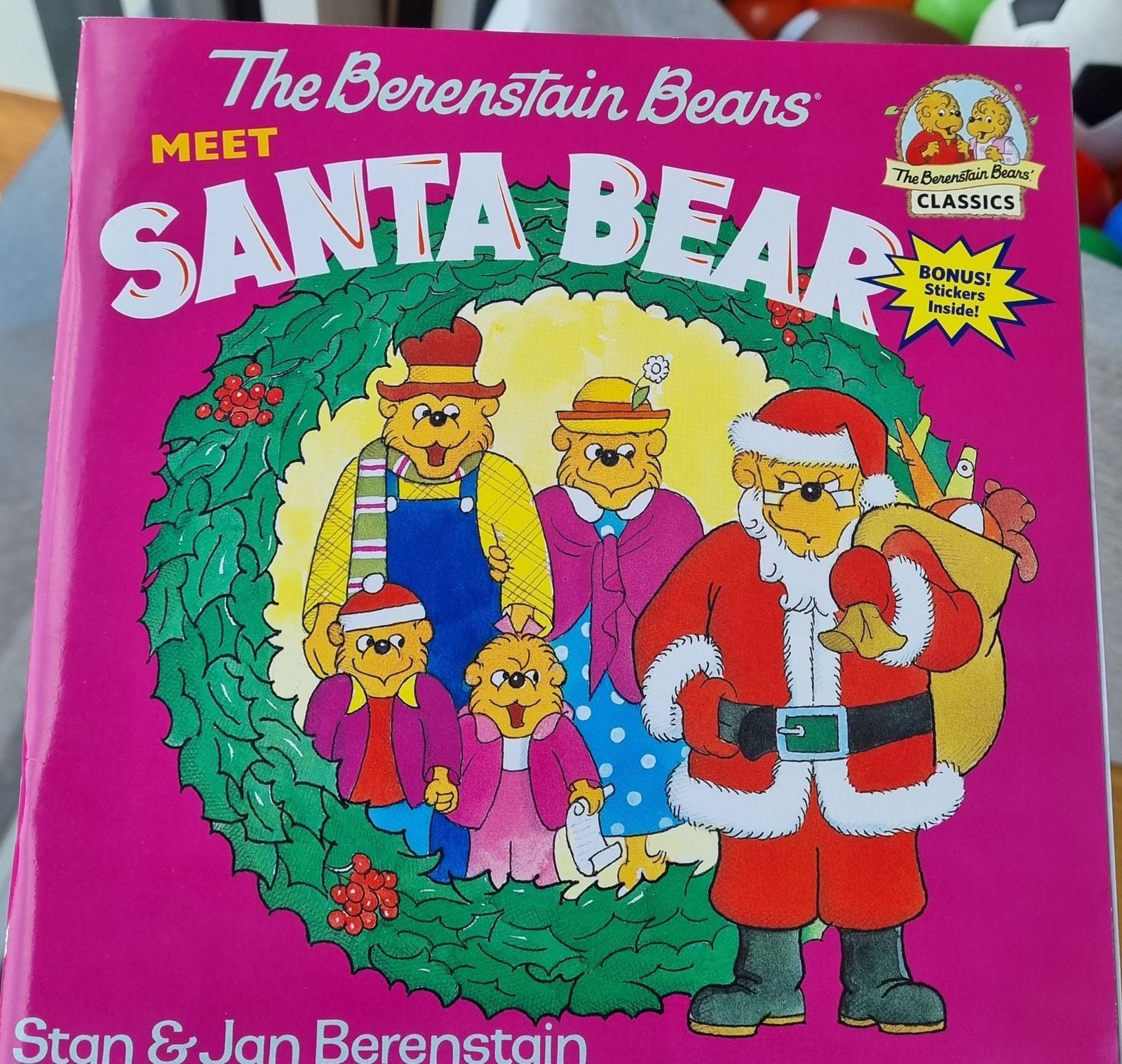
One letter has caused decades of arguments. Many readers are certain that the American children’s book series, which began in the 1960s, was called The Berenstein Bears, with an "e" near the end. The covers, however, have always used Berenstain, with an "a."
The spelling came from the creators Stan and Jan Berenstain’s family name. Their first Bear book, The Big Honey Hunt, appeared in 1962 under that spelling. However, it makes sense that "Berenstein" feels more natural because it resembles familiar names such as Einstein, Frankenstein, and Bernstein.