SIPPING THROUGH HISTORY

Which was JFK’s drink of choice? White House favorite beverages revealed


Published on October 22, 2024


Image: Paolo Bendandi

From the Oval Office to the local tavern, every president has had their own preferred libation. Some of these beverages even offer a glimpse into the personal tastes and cultural influences of America's leaders.

Let's raise a glass and explore the favorite drinks of these ten U.S. presidents. Cheers!

1

George Washington – Dark Porter

Image: Stefan Grage

Despite the fact that he was the proud owner of his own distillery - located in Mount Vernon -, Washington rarely drank whiskey. Instead, he loved to unwind after a long day with a dark porter beer sweetened with molasses that he brought from Philadelphia.

2

Thomas Jefferson – French Wine

Image: Terry Vlisidis

As a Francophile and expert wine connoisseur, Jefferson had an affinity for French wines, particularly Bordeaux and Champagne. His extensive wine collection at Monticello was often praised by guests and friends, and keeping it full and replenished almost brought him to financial ruin. His fanaticism for the beverage went as far as to consider wine a healthy alternative for whiskey - which, in turn, he saw as "poisonous" and detrimental to American society.

3

Abraham Lincoln – Water

Image: engin akyurt

Unsurprisingly, Honest Abe's drink of choice was plain water. Lincoln was known for his temperance and moderation, abstaining from alcohol for most of his life. His simple tastes reflected his humble origins and dedication to self-discipline. However, despite his personal preferences, he saw no issue in owning a bar with an old militia friend in New Salem, Illinois.

4

Theodore Roosevelt – Mint Julep

Image: Bon Vivant

Teddy Roosevelt, a man of robust tastes, favored the classic Southern cocktail, the mint julep. This refreshing blend of bourbon, mint, sugar, and ice was a favorite at the White House during his term. Despite claiming to "never have been drunk" in his life, he often used the drink to entice his cabinet to play tennis with him.

5

Franklin D. Roosevelt – Martini

Image: Thomas Hetzler

As one would expect for the President who put an end to the Prohibition era, FDR was an experienced drinker who enjoyed many classic cocktails. However, among these, a well-made Martini - served extra dry with a twist of lemon - was perhaps his favorite beverage. Martini hour became a regular occurrence during Roosevelt's presidency, a tradition that endures to this day in American politics.

6

John F. Kennedy – Bloody Mary and Daiquiri

Image: Johann Trasch

Kennedy didn’t have just one favorite drink, but he was certainly partial both to bloody marys and daiquiris. With his youthful charm and glamorous lifestyle, these fancy mixed drinks suited him well, and he would often share them with guests and friends during his time in the White House.

7

Ronald Reagan – California Wine

Image: Kym Ellis

As a former Hollywood actor and California governor, Reagan proudly promoted wines from his home state. He played a significant role in elevating California wines to international acclaim, often serving them at official functions and state dinners.

8

Bill Clinton – Snakebite

Image: BENCE BOROS

Clinton's beverage of choice was the Snakebite, a cocktail popular in the UK that consists of equal parts hard cider and lager beer. Funnily enough, he once tried to order one in Harrogate, England, only to find out that some UK establishments refuse to serve it, under the false impression that it is somehow a dangerous mixture.

9

Gerald Ford – Martini

Image: Daniel Lloyd Blunk-Fernández

During his term in the White House, Ford was often seen enjoying a Martini, a classic cocktail with a touch of sophistication. He appreciated the refreshing taste of the gin and vermouth blend and used to have two or more at lunch. In fact, he drank them so often that his staff asked him to cut it back a little, out of fear that the media would start targeting his habit.

10

Dwight D. Eisenhower – Scotch Whisky

Image: YesMore Content

Though his doctor reportedly didn’t allow him to drink to excess, Eisenhower had a fondness for Scotch whisky, particularly enjoying it on the rocks. He had become a lover of the strong drink while serving in Europe, during World War II. His taste for the robust spirit mirrored his no-nonsense personality and leadership style, and - as many did at the time - he often diluted the drink with a dash of sparkling water.
Do you use any of these?

Why do we say ‘kick the bucket’? Discover 12 idioms with morbid origins


Published on October 22, 2024


Image: Soroush Alavi

We use a lot of strange phrases without thinking twice, but some have surprisingly grim origins. Ever say someone "kicked the bucket" or "bit the dust"? These everyday expressions sound harmless, but have more somber roots. Take a look at 12 of these idioms. Do you use any of these?

1

Baker's Dozen

Image: Yeh Xintong

In 13th-century Britain, bakers risked losing a hand if they sold underweight bread, according to the Assize of Bread and Ale under Henry III. To avoid punishment, they often added a little extra to each order.

When selling 12 loaves, bakers would include a 13th—called a "vantage" loaf. This became what is now known as "a baker’s dozen."

2

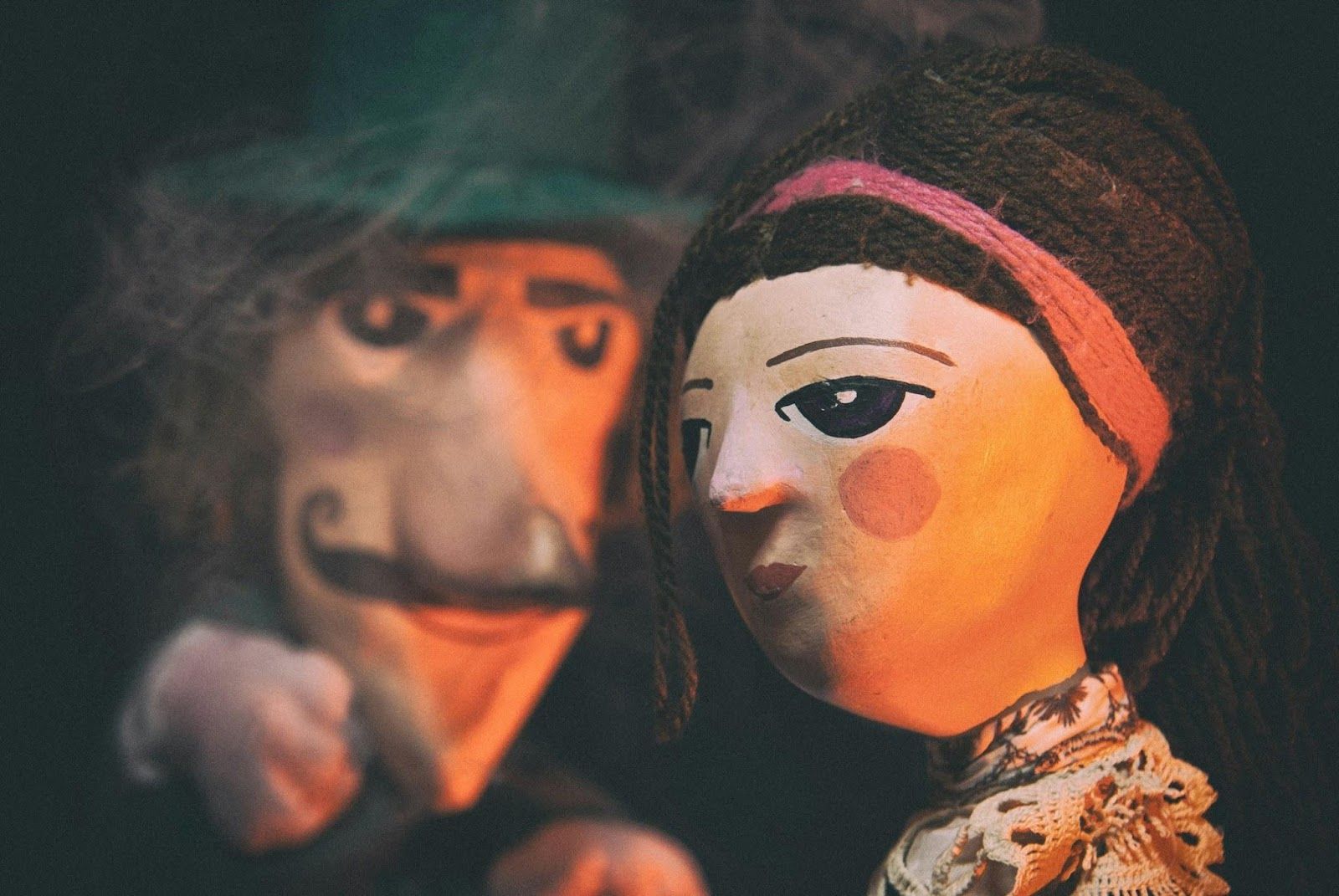
As Pleased As Punch

Image: Carlos Martinez

Saying you're "as pleased as punch" sounds cheerful, but it has dark roots. The phrase comes from Punch from the Punch and Judy puppet shows, who gleefully committed violent acts.

Popular in 17th-century England, these shows featured Punch killing his family and others with a slapstick, laughing after each act.

3

Meeting A Deadline

Image: Towfiqu barbhuiya

The phrase "meet a deadline" might sound stressful today, but its origins are far darker. During the Civil War, the "deadline" referred to a boundary at Andersonville Prison, where Union soldiers were held.

This line, 20 feet inside the outer wall, was meant to prevent escapes. Any prisoner who crossed it was shot by guards in pigeon roosts. The term came from this deadly boundary, where crossing meant certain death.

4

A Blockbuster

Image: Krists Luhaers

Today, a "blockbuster" refers to a huge commercial hit, but the term originally described powerful bombs from World War II.

The British Royal Air Force used blockbusters, massive cylinders filled with explosives, capable of destroying entire streets. It wasn’t until 1957, nearly a decade after the war, that the term shifted to describe big entertainment successes.

5

Bulldozer

Image: Zac Edmonds

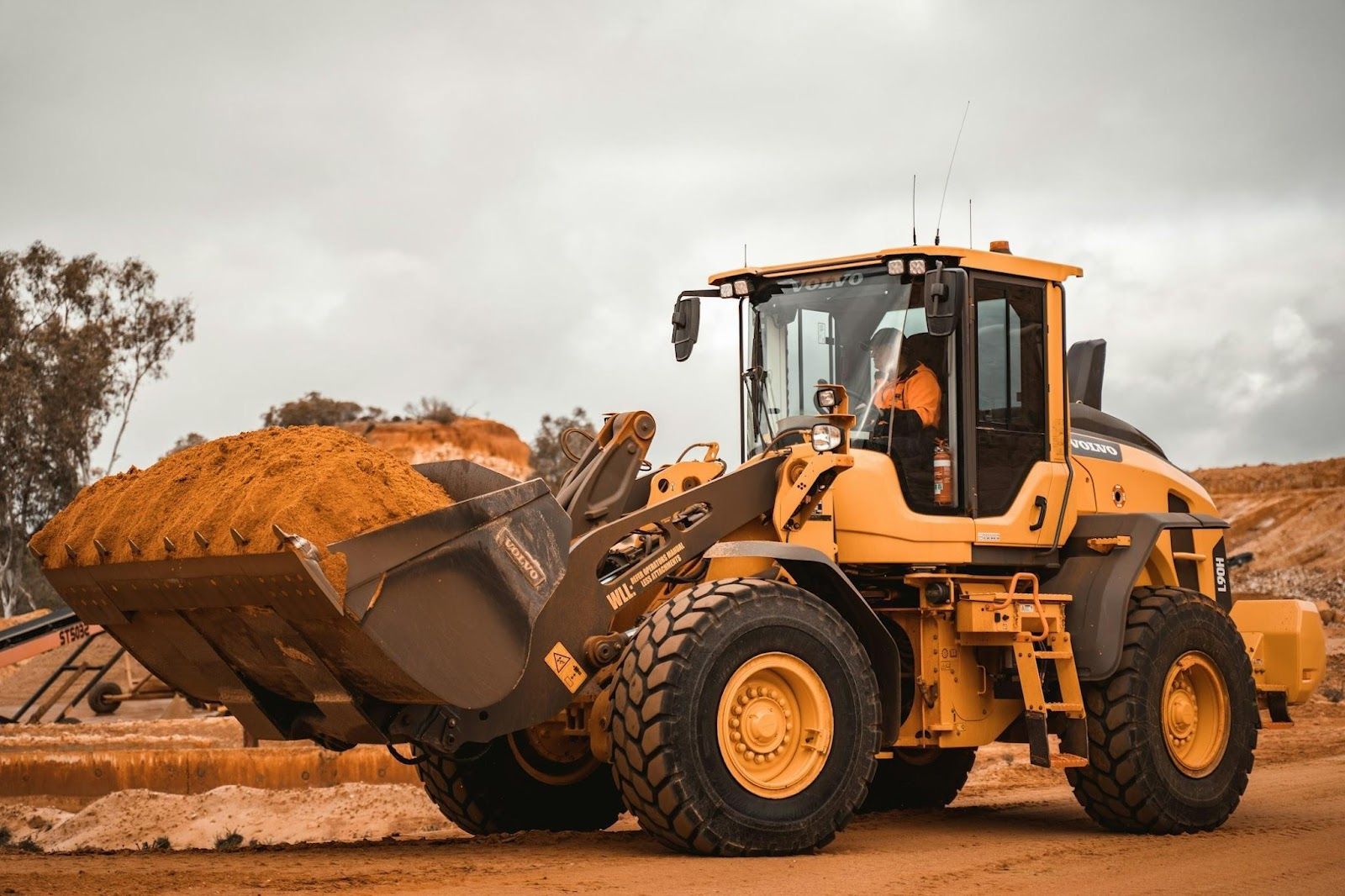
The phrase "to bulldoze" someone means to force or bully them, but its origins are much harsher. First used in 1876, "bull dose" referred to brutally whipping or beating someone, similar to how a bull might be punished.

By 1880, "bulldoze" became a verb, and eventually, the heavy machinery designed to push through obstacles was named a bulldozer.

6

Sinister

Image: Kelly Sikkema

The word "sinister" comes from the Latin sinister, meaning "left" or "on the left side." By the 15th century, left-handedness was associated with evil, often linked to witches and the devil.

Because of this stigma, left-handed people were forced to use their right hands. Today, however, we know that being left-handed doesn’t make anyone sinister, and many renowned thinkers, like Leonardo da Vinci and Benjamin Franklin, were left-handed.

7

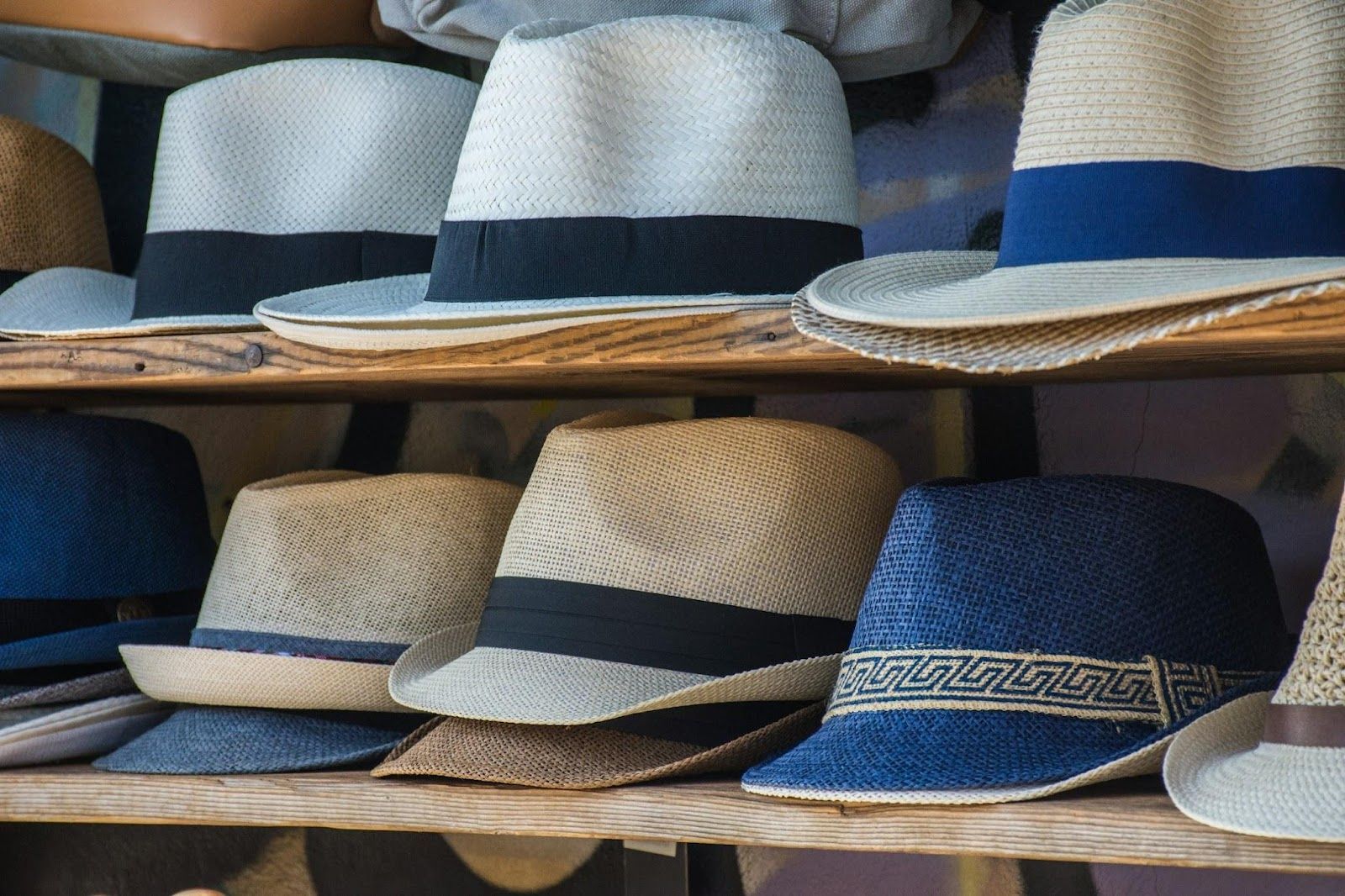
Mad as a hatter

Image: Héctor J. Rivas

The Mad Hatter from Alice’s Adventures in Wonderland is famous for his colorful personality, but his madness has historical roots. In the 18th and 19th centuries, hat-makers, known as "hatters," often suffered from mercury poisoning due to their work with the chemical.

This poisoning led to mental deterioration, giving rise to the idea of the "mad" hatter, a term that Carroll cleverly incorporated into his character.

8

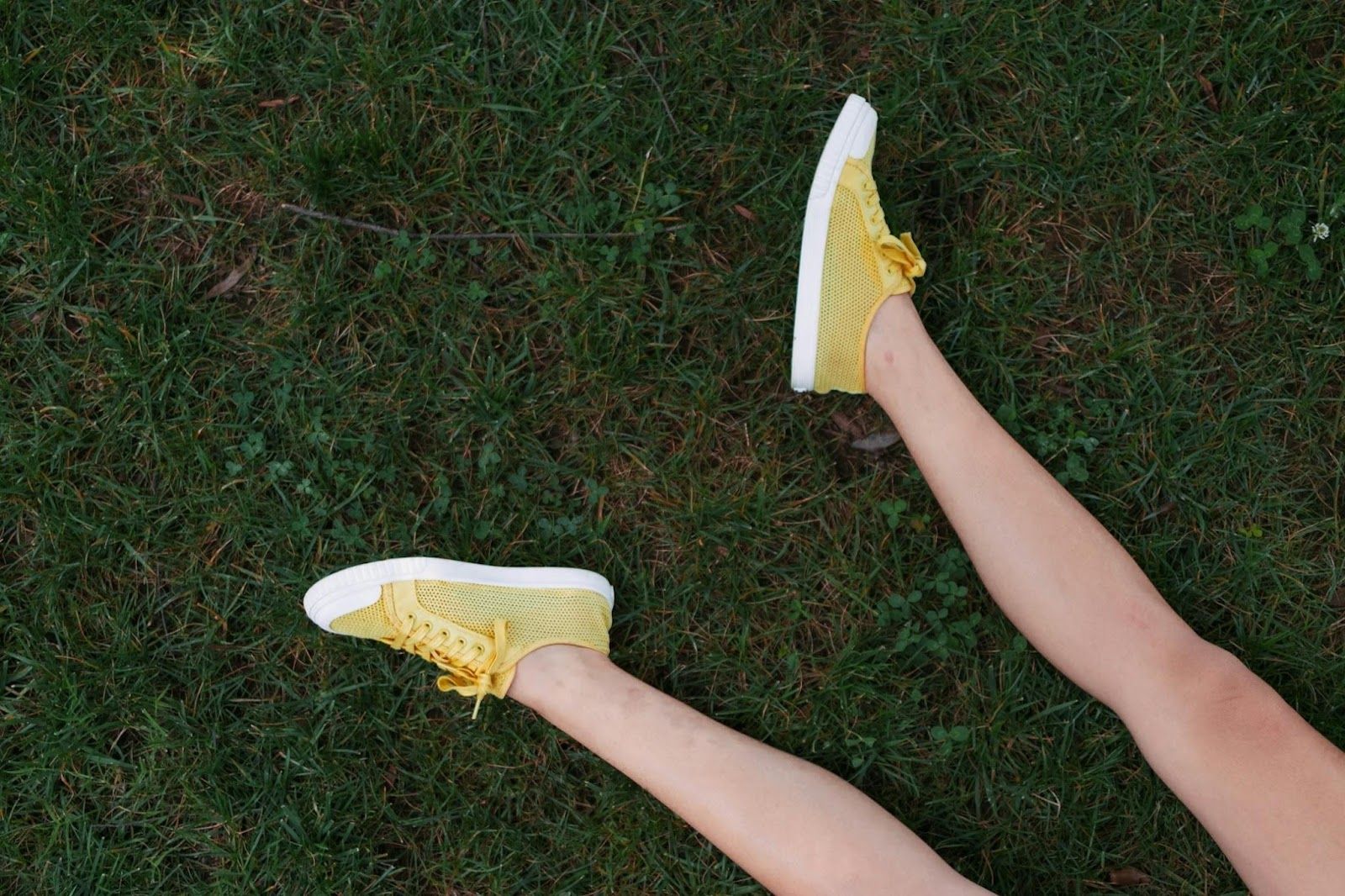
Pulling my leg

Image: Jamie Waynick

Today, "pulling your leg" means joking or fooling around, but it once had a much darker meaning: in 19th-century London, thieves would pull people’s legs to drag them down before stealing their belongings.

This tactic was commonly used by robbers, turning what is now a lighthearted phrase into a serious crime.

9

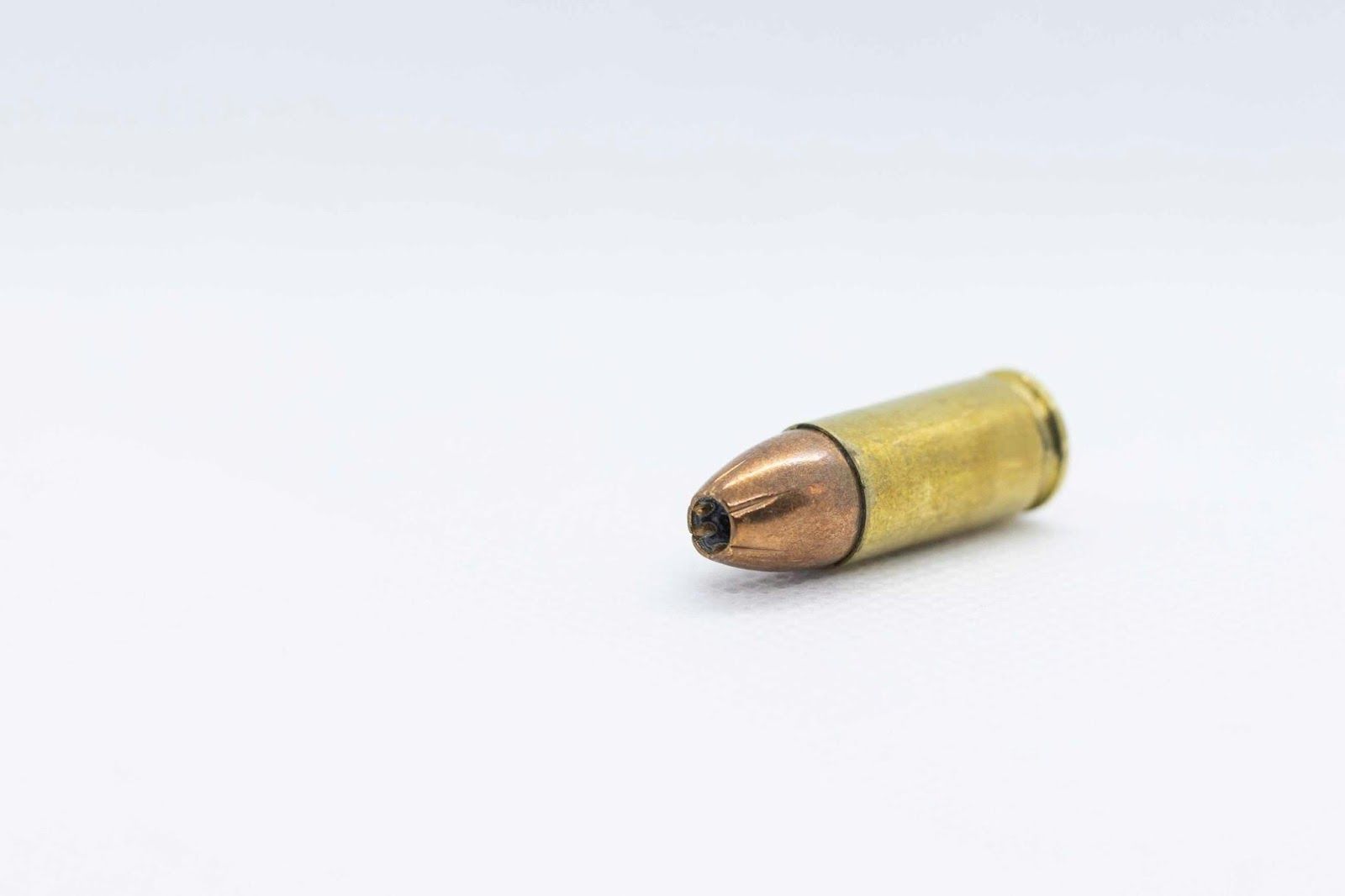
Bite the bullet

Image: danilo.alvesd

In the world of films, we often see characters drinking whiskey before a quick surgery or amputation. But in real battlefields, soldiers didn’t have that option.

One theory about the origin of the expression "to bite the bullet" suggests that, during painful medical procedures, wounded soldiers would literally bite down on a bullet—taken from the ground or from their own weapon—to help endure the agony without crying out.

10

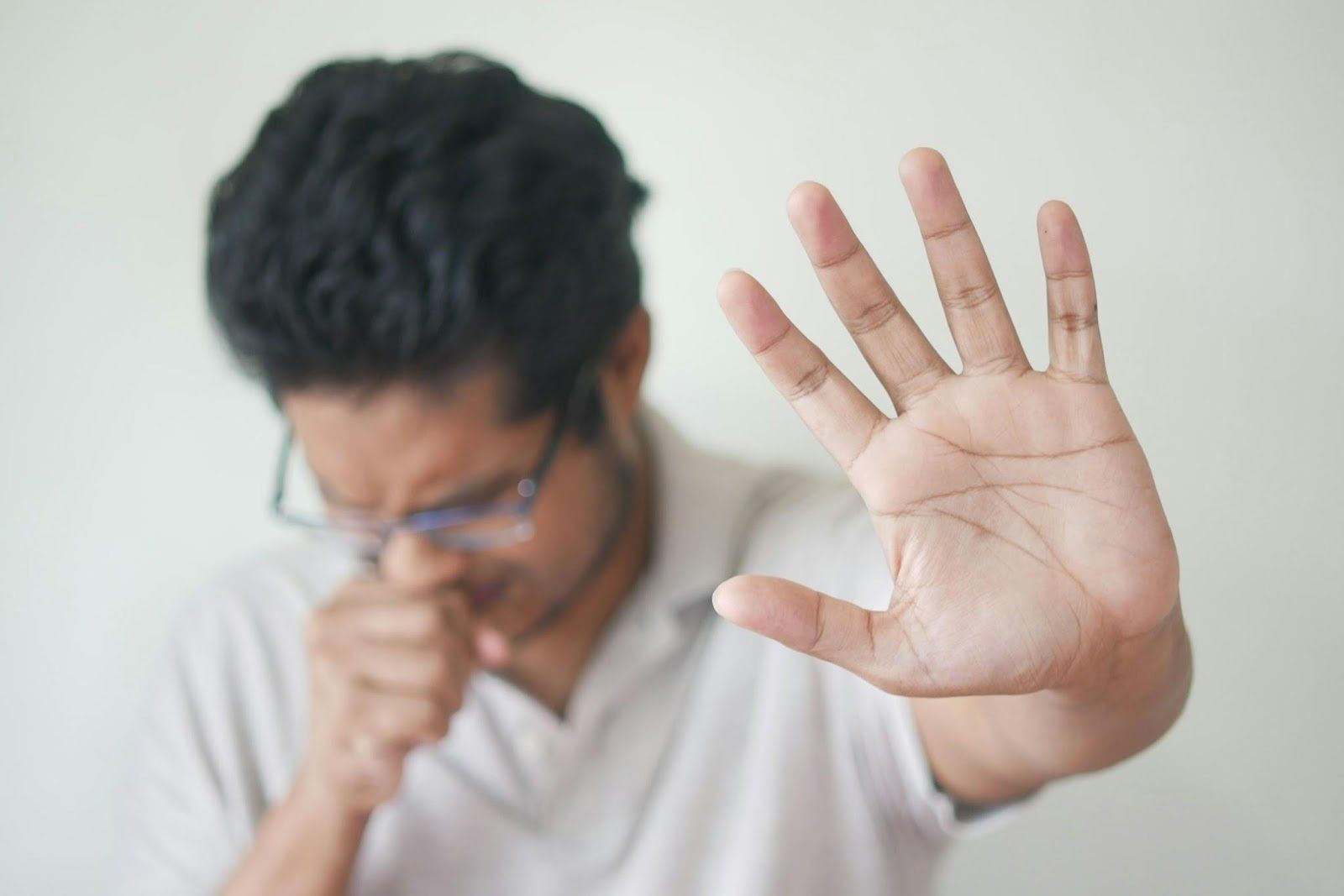
God bless you

Image: Towfiqu barbhuiya

The phrase "God bless you" after a sneeze has several theories behind it. One theory links it to preventing the plague, while another suggests it’s a way of ensuring the soul stays in the body during a sneeze.

11

Kick the bucket

Image: Lucas van Oort

The phrase "kick the bucket" means to die and has been used since the 18th century. One theory connects it to the Catholic tradition of placing a bucket of holy water by the feet of the deceased for mourners to sprinkle.

Another theory suggests the term comes from 16th-century England, where "bucket" referred to a beam. When animals were hanged for slaughter, they would kick the beam as they died, giving rise to the idiom.

12

Bite the dust

Image: Taylor Brandon

The phrase "bite the dust" likely originated in the 19th-century Old West, referring to gunfights and battles. It paints a vivid picture of someone falling to the ground and biting the dust after being struck by a fatal wound.

Over time, the expression broadened, and now it simply signifies someone’s death or defeat, no longer tied specifically to gunfights.

Looking for an extra scoop of literary fun?

Learn more with our Word of the day

irrupt

/ɪˈrəpt/