Cop slang

What is a “10-50”? Learn to identify the most common police codes


Published on February 9, 2026
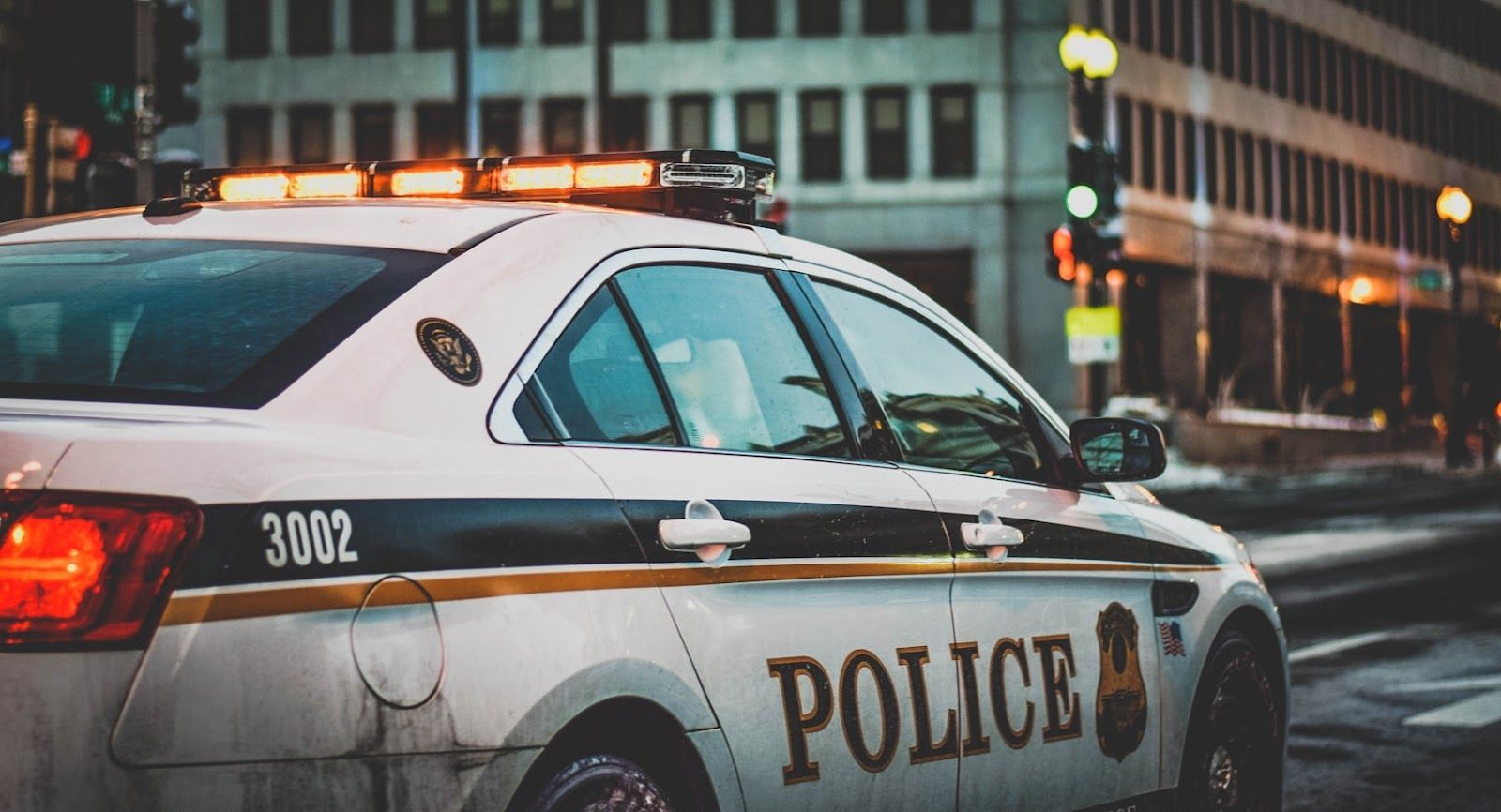

Image: Matt Popovich

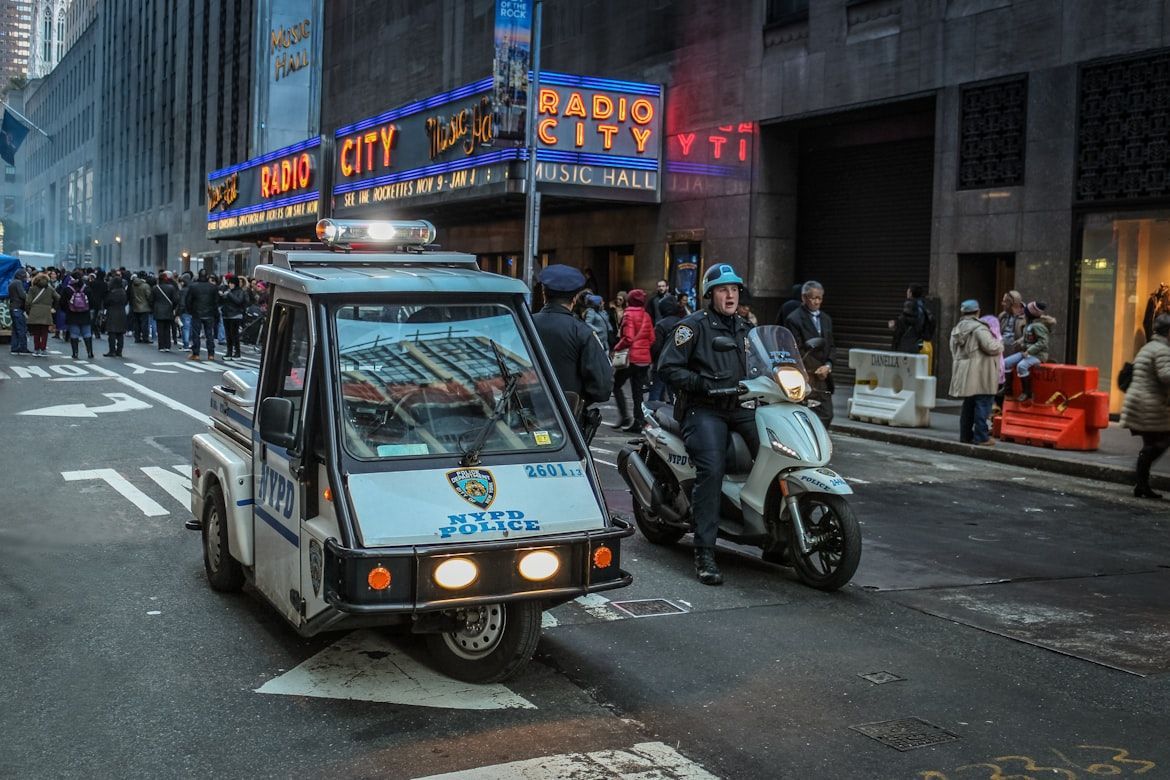
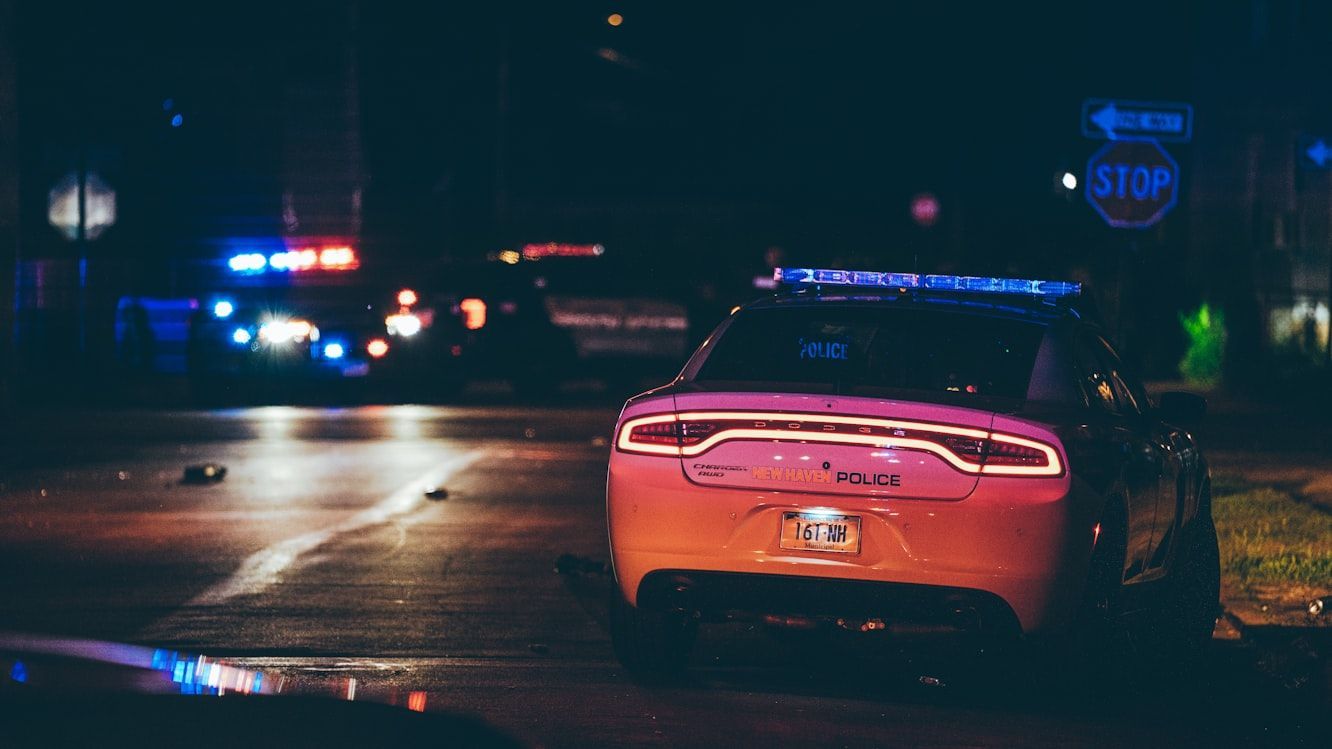
Police codes might sound like a secret language, but many are surprisingly straightforward once you know what they mean. From the famous "10-4" to numbers you’ve probably heard in TV dramas, these codes help officers communicate quickly and clearly over the radio. Take a look at 12 common U.S. police codes and their real meanings.

1

10-8 – In service

Image: Jametlene Reskp

2

When an officer calls in "10-8," it means they’re back on duty and ready for assignments. Dispatchers know they can now be sent to handle calls.

This code is often used after completing a task, returning from a break, or becoming available again. It helps keep communication clear and efficient.

3

10-9 – Repeat last transmission

Image: Michael Förtsch

If a message is unclear or missed, the code "10-9" is used to request that it be repeated. It’s a quick way to prevent misunderstandings over the radio.

Whether the issue is static, overlapping chatter, or noise in the field, this code helps ensure that important details aren’t lost.

4

10-20 – Location

Image: Fred Moon

The phrase "What’s your 20?" comes straight from this code, meaning "What’s your location?" It’s one of the most recognizable phrases in police radio.

It’s used for officer check-ins, coordinating units, or simply finding out where someone is at any given moment.

5

10-33 – Emergency, all units stand by

Image: Martin Podsiad

6

When a "10-33" is issued, it signals an urgent situation that requires all radio traffic to stop except for emergency updates.

This clears the airwaves so vital information can get through without delay, often during critical incidents.

7

10-50 – Vehicle accident

Image: Clark Van Der Beken

8

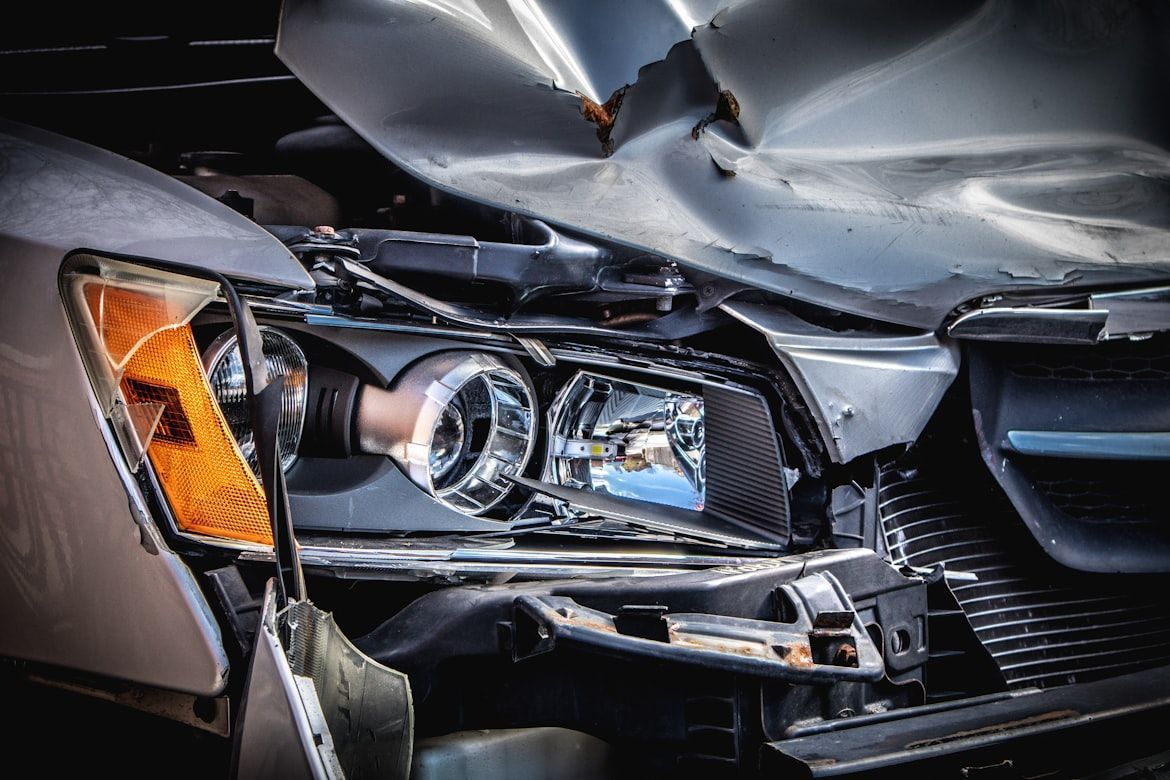
A "10-50" reports a motor vehicle accident, from minor fender benders to serious collisions. Officers use it to request backup or other resources.

Variants of the code may specify whether injuries are involved, helping dispatchers send the right assistance quickly.

9

10-51 – Wrecker needed

Image: fr0ggy5

10

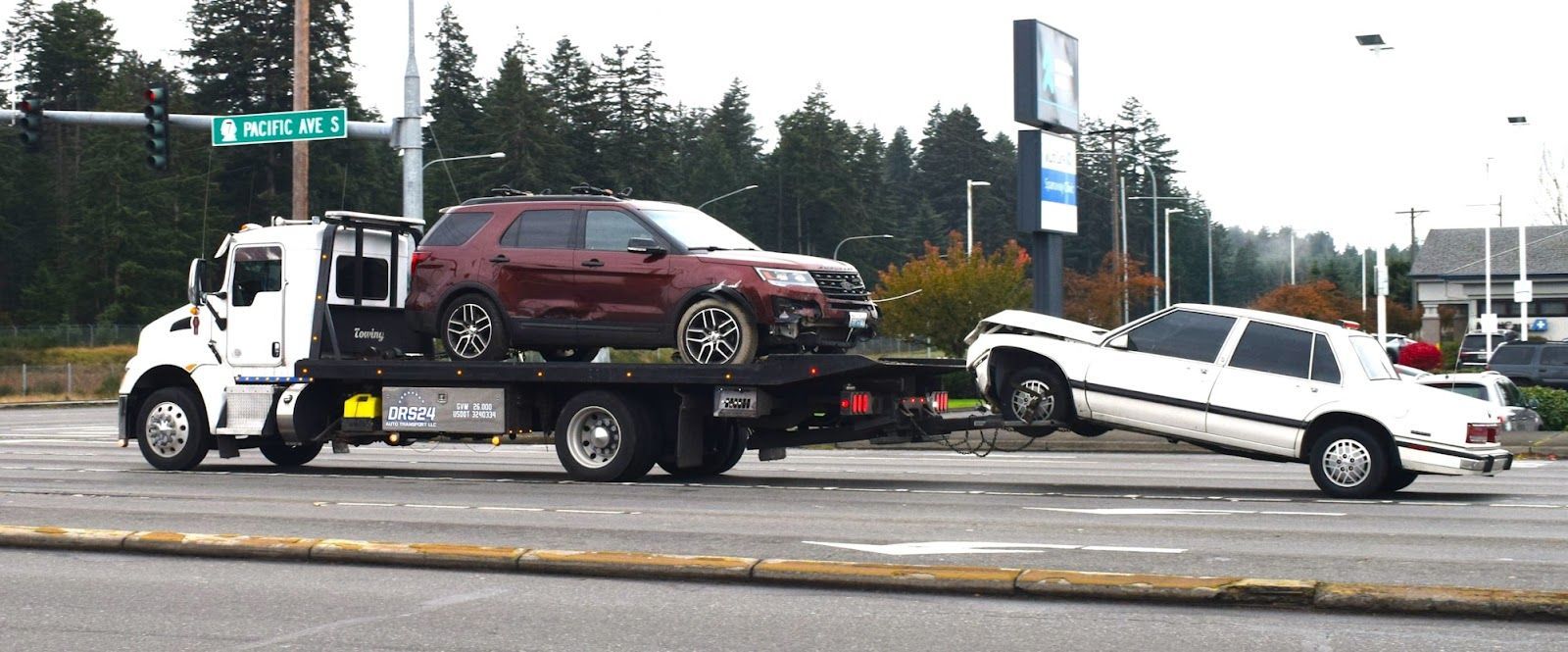
When a disabled or wrecked vehicle needs towing, officers call in a "10-51." It’s a request for a wrecker or tow truck.

This code helps keep traffic flowing safely and clears hazards from roadways after accidents or breakdowns.

11

10-76 – En route

Image: Kenny Eliason

12

"10-76" tells dispatch and other units that an officer is on the way to a location or call.

This lets everyone know that help is on the way and gives an idea of how soon assistance will arrive.

13

10-97 – Arrived at the scene

Image: Martin Podsiad

14

After an officer arrives at a location, "10-97" is called in to confirm they are on the scene.

This code is useful for keeping track of personnel and ensuring that backup knows exactly who is present.

15

187 – Homicide

Image: Jenn

16

In California’s Penal Code, "187" refers to the section defining homicide. The term has become widely known through movies, TV, and music.

Even outside California, "187" is often recognized as shorthand for murder in law enforcement slang.

17

211 – Robbery

Image: Brian Lundquist

18

"211" is another California Penal Code section, this one referring to robbery. Like "187," it has become widely recognized in popular culture.

It signals a theft involving force or fear, often triggering an urgent police response.

19

415 – Disturbing the peace

Image: Look Again Digital

20

The "415" code covers various public disturbances, such as fights, loud music, and unruly gatherings.

It’s a flexible code that can apply to anything disrupting public order, big or small.

21

502 – Driving under the influence (DUI)

Image: Erik Mclean

22

We close our list with one of the most "popular" codes. In some states, "502" is used as shorthand for a DUI offense, meaning operating a vehicle while impaired by alcohol or drugs.

It’s a serious charge that can result in arrest, fines, and license suspension.


What science says

It was false after all: 10 health myths that sound true—but aren't


Published on February 9, 2026


Image: Alicja Gancarz

Health myths are everywhere! These ideas were simply passed down for so long that they became part of what we believed. But now science has stepped in to clear things up. Does cold weather make you sick? Can lemon detox your body? Is reading in low light really harmful? Let's uncover the truth behind 10 common health myths!

1

Cutting your hair makes it grow faster

Image: Element5 Digital

Have you ever been told that cutting your hair will make it grow faster? We're sorry to say that's just a myth. Hair grows from the root, not the ends. So, trimming it won't boost growth, though it does help remove split ends that can make your hair look dry or unhealthy.

2

Cold weather causes colds

Image: Thom Holmes

This is one of the most common health myths. Cold weather often gets blamed, but it's not the temperature that makes you catch a cold. During winter, we tend to stay indoors with others and keep the windows closed, an environment that makes it easier for viruses to spread. That's why colds tend to be more common in winter!

3

Eating before bed makes you gain weight

Image: Michelen Studios

The idea that eating before bed automatically leads to weight gain is a myth. In reality, it has more to do with what you eat and how much, rather than the time of day. Often, when we eat very late at night, we're tired and more likely to reach for quick, high-calorie, heavy foods. This can disrupt sleep and lead to consuming more calories than we burn, both of which may affect weight. If it's close to bedtime, it's better to have something light and healthy in a moderate portion than to skip a meal altogether.

4

Wearing glasses weakens your vision

Image: Bud Helisson

Does wearing glasses weaken your vision? Myth! If an eye doctor prescribes glasses, wearing them as directed helps correct your vision; it won't make it worse. Additionally, the right glasses can help prevent or reduce headaches caused by reading or spending long hours in front of a screen.

5

Reading in low light causes permanent eye damage

Image: Amir Balam

This myth is closely related to the previous one. If you love reading and sometimes have to do it in low light because of the situation, don't worry. According to experts, reading in low light doesn't cause permanent or irreversible eye damage. However, it's not recommended because it can make your eyes feel tired or strained, leading to discomfort or headaches.

6

You need to drink 8 glasses of water a day

Image: engin akyurt

We're all different, and so are our bodies. The idea that everyone should drink exactly eight glasses of water a day is more of a general guideline than a rule. Staying well hydrated throughout the day is extremely important, but how much water you need depends on factors like your weight, age, climate, and overall health. We should prioritize staying consistently hydrated instead of obsessing over the number of glasses we drink.

7

Lemon water detox and cleanse your body

Image: Tirza van Dijk

Some people say drinking lemon water helps eliminate toxins and cleanse the body. While adding a slice of lemon to your water is a refreshing way to stay hydrated, it doesn't have any special "detoxifying" powers. The vitamin C in citrus fruits is beneficial, but the body has its own natural detox system. The liver and kidneys are the main organs that filter waste and eliminate toxins.

8

All fat is bad

Image: Aneta Voborilova

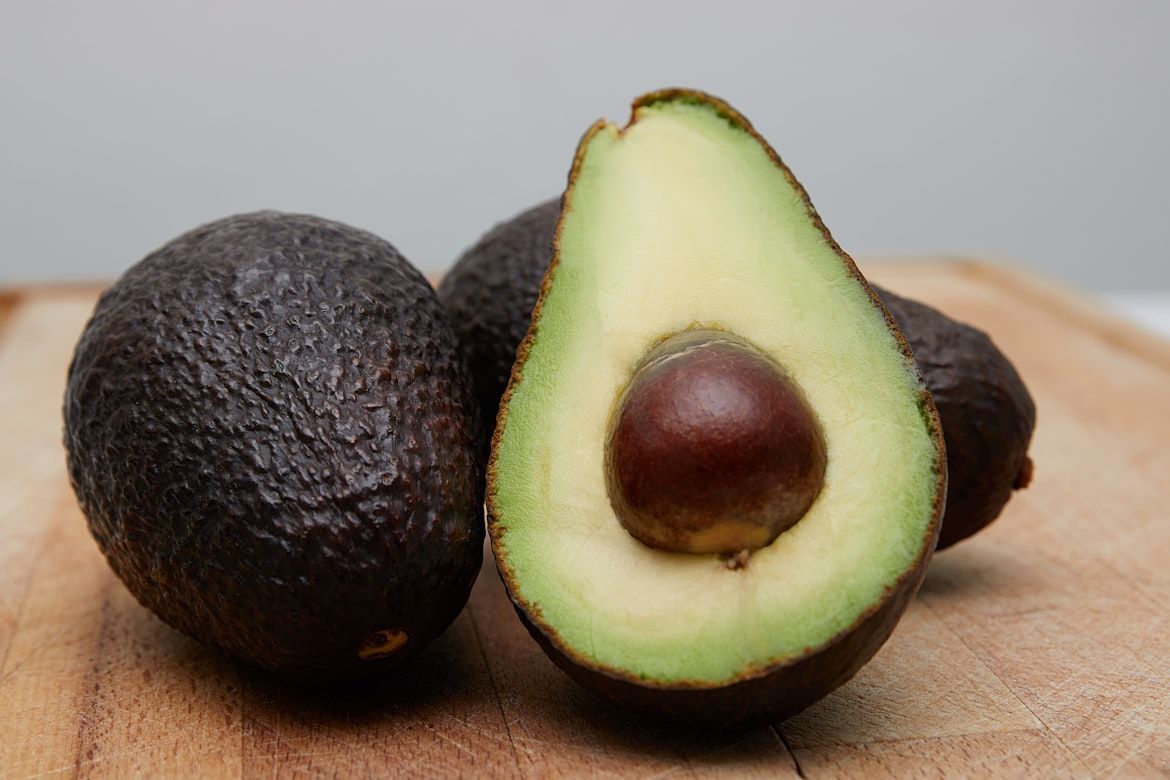
Not all fats are bad! Just like other food groups, your body needs fats to function properly. The important thing is knowing the difference between healthy fats and those that can be harmful. Foods like avocados, seeds, olive oil, fish, and nuts are rich in healthy fats. On the other hand, the fats found in processed or fried foods are the ones that can have a negative impact on your body.

9

Liver disease is always caused by alcohol or fats

Image: Elevate

Liver diseases can be serious. While heavy and frequent consumption of alcohol and fats is a major contributor, it's not the only cause. Liver problems can also result from many other factors. These include viral infections, autoimmune diseases, genetic disorders, high blood pressure, and exposure to certain chemicals.

10

Breakfast is the most important meal

Image: Brooke Lark

There's some truth to it: breakfast is important because it replenishes our glucose and energy levels and supports proper metabolism. However, the idea that it's the most important meal of the day might be an exaggeration. Everyone's body has different needs, and all meals are important, so we shouldn't skip any of them!

Looking for an extra scoop of literary fun?

Learn more with our Word of the day

tenebrous

/ˈtɛnəbrəs/