Whose line is it, anyway?

No, Churchill never said that: 10 wrongly attributed quotes


Published on January 19, 2026


Image: Crisoforo Gaspar Hernandez

We’ve all seen those inspirational quotes floating around with famous names attached, like Gandhi, Einstein, or Churchill, to name a few, but how many of them are genuine? As it turns out, a lot of the most well-known quotes were never actually said by the people they're credited to. Here are 10 of the most famously misattributed quotes. Did you know about any of these?

1

"Let them eat cake." Not Marie Antoinette
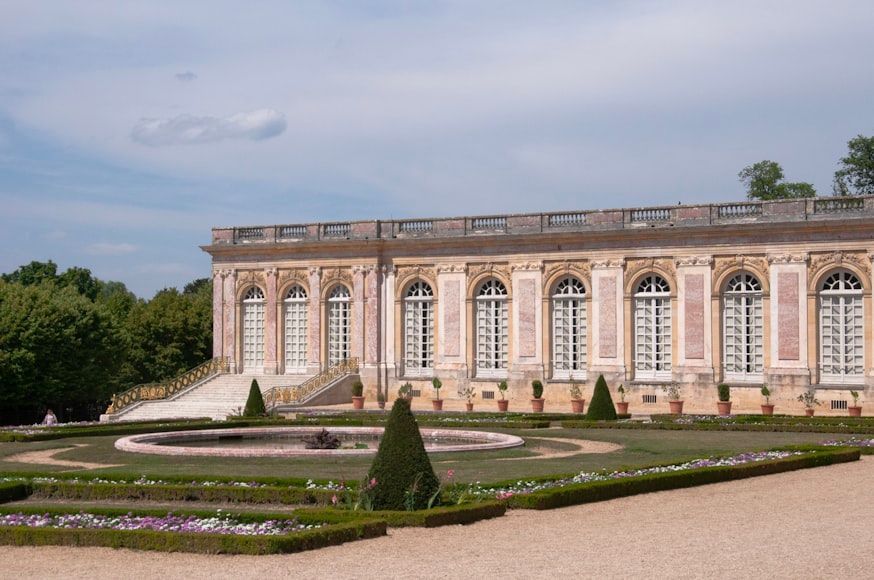
Image: Kaleb Duperre

This infamous line was never said by Marie Antoinette. Actually, it appeared in Rousseau’s writing when the Queen was just a child.

It became a symbol of elite ignorance during the French Revolution, but blaming her directly is unfair historical myth-making.

2

"Be the change you wish to see in the world." Not Gandhi

Image: Ishant Mishra

Gandhi said and did many inspirational things, but he never said it like that. The quote is more of a paraphrase of his broader teachings on self-responsibility.


While it fits his vibe, this line, ubiquitous on Instagram, isn’t something he wrote or said.

3

"I disapprove of what you say, but I will defend to the death your right to say it." Not Voltaire
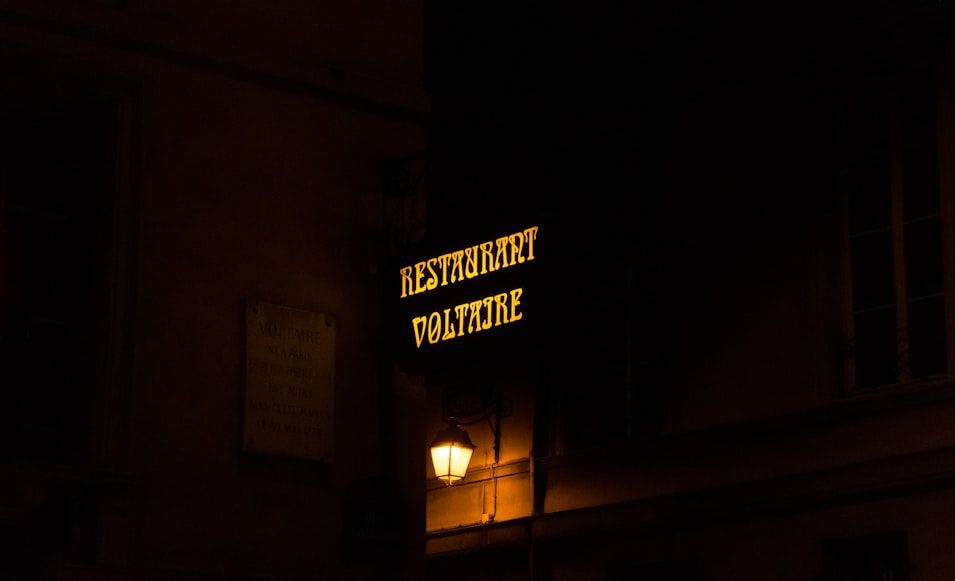
Image: Nicolas Michot

This quote was written by Evelyn Beatrice Hall, summarizing Voltaire’s attitude, but not quoting him directly.

Still, it sounds very much like something Voltaire would say, which is probably why it has been associated with his name over the years.

4

"The only thing necessary for the triumph of evil is for good men to do nothing." Not Edmund Burke

Image: Kenny Eliason

Just as it happened with the fake quotes attributed to Gandhi and Voltaire, Burke never said this, but it is one of those lines that captures his general views, albeit not in the exact wording.

Despite that, it’s often slapped onto memes and motivational pictures with his name under it. Classic case of too good to fact-check.

5

"Elementary, my dear Watson." Not Sherlock Holmes
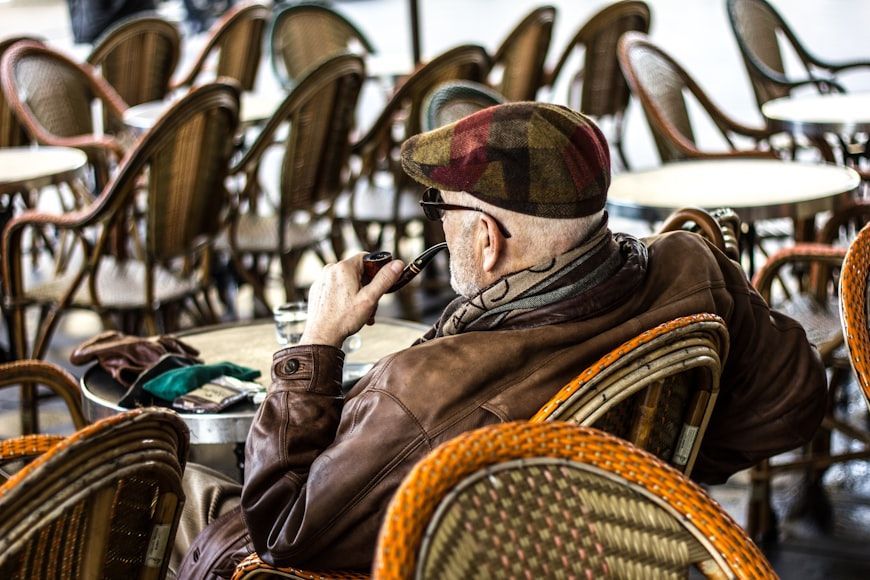
Image: Clément Falize

This might come as a shock, but Sherlock Holmes never actually said this in the books. The phrase was invented by screenwriters later on.


It stuck because it's catchy, but Arthur Conan Doyle's Holmes was a bit more verbose and formal in style.

6

"Insanity is doing the same thing over and over and expecting different results." Not Einstein
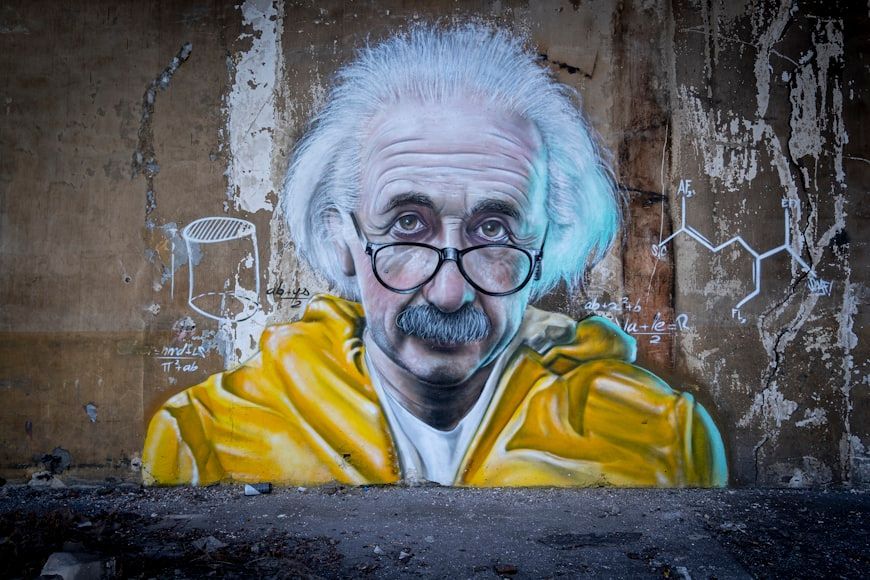
Image: Taton Moïse

This phrase has been widely attributed to Albert Einstein, but, despite what every motivational poster wants you to believe, the brilliant man didn’t say it.

It supposedly came from a Narcotics Anonymous text or a novel by Rita Mae Brown in the 1980s.

7

"If I had more time, I would have written a shorter letter." Not Mark Twain

Image: Preston A Larimer

Although Mark Twain was as witty as they come, he didn’t say this. Instead, Blaise Pascal did, way back in 1657. The idea is that concise writing takes time.

Others like Churchill and Cicero expressed similar ideas, but Pascal was the first to put it so clearly.

8

"Blood, sweat, and tears." Not originally Churchill
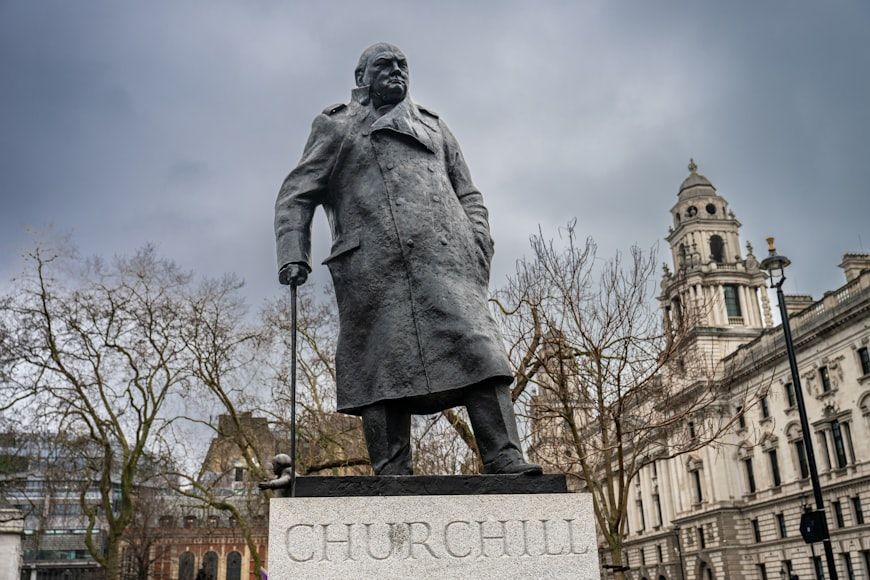
Image: Toby Dagenhart

And while we are on the subject of Churchill, we can mention this line. He said "blood, toil, tears, and sweat," which is slightly clunkier but still powerful.


The simpler version predates him and was used by others, including Theodore Roosevelt and Garibaldi.

9

"I cannot tell a lie." Not George Washington

Image: Jon Sailer

Believe it or not, the cherry tree story is fiction. It was made up by Mason Locke Weems to give Washington a moral glow.

There’s no real evidence that the first U.S. president ever said it, but it’s still in textbooks and kids’ stories.

10

"Well-behaved women seldom make history." Not Marilyn or Eleanor
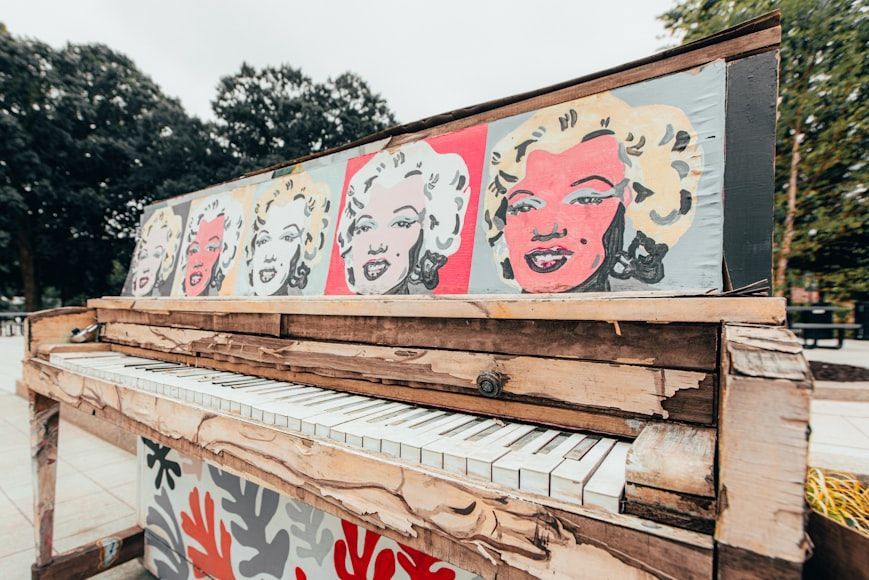
Image: Jarvik Joshi

This famous line wasn’t said by Marilyn Monroe or Eleanor Roosevelt. It was written by historian Laurel Thatcher Ulrich.

The reputed historian meant it as an observation, not a call to rebellion, but the internet memes gave it a whole new meaning.


Colors and what they represent

The meaning of colors: What shades say about clothes, décor, and mood


Published on January 19, 2026


Colors aren’t just decoration: they’re tiny storytellers. They set the mood at dinner, change how we feel about our clothes, and can even trick us into thinking a room is bigger (or smaller) than it really is. Here’s a fun tour through ten of the most common colors and what they say in our daily lives. Warning: once you read this, you might never look at your closet—or your living room—the same way again.

1

1. Red: The Life of the Party

Image: Filip Mishevski

Red is the show-off of the color wheel. It’s bold, fiery, and impossible to ignore. Slip on a red dress or tie, and suddenly you’re the main character in the room. Restaurants often use red in their logos because it makes us hungry—think ketchup labels, pizza signs, and soda cans. Coincidence? Definitely not.

In home décor, red can be a little tricky. A red wall screams, "Look at me!" A splash of red, though—like a lamp, pillow, or rug—can give a room instant warmth and energy.

2

2. Blue: The Chill Factor

Image: Merani Cosme

Blue is that friend who always calms things down. Think of the ocean or a clear summer sky—just looking at blue makes us breathe a little easier. Studies show it can even lower blood pressure and slow the heart rate.

In fashion, a blue suit or dress shirt has "trustworthy" written all over it. It’s a classic for job interviews and first dates, because it makes people feel safe around you.

3

3. Yellow: The Human Highlighter

Image: Larisa Brita

Yellow is sunshine in a crayon box. It’s the color of smiley faces, lemonade stands, and those sticky notes that keep your whole desk organized. Wear yellow, and people immediately think "cheerful."

When decorating, yellow brightens up any space. A pale yellow kitchen feels warm and inviting, like grandma’s house on Sunday morning. Too much, though, and it can be overstimulating—babies have even been shown to cry more in bright yellow rooms.

4

4. Green: Nature’s Neutral

Image: Junior REIS

Green is the color of life itself. It’s the grass under our feet, the leaves above our heads, and the money in our wallets (if we’re lucky). Green clothes often give off a grounded, approachable vibe—perfect for that "I’m relaxed but stylish" look.

In home décor, green works like a neutral while still feeling lively. Olive green couches are surprisingly forgiving of snack spills, and sage walls look fresh without being overwhelming.

5

5. Purple: The Drama Queen

Image: Peter Fitzpatrick

Purple has been associated with royalty for centuries, and it still has that mysterious, slightly dramatic air. A purple scarf or tie says, "I’m bold, but I also read poetry."

At home, purple can be tricky but rewarding. Deep purple curtains bring elegance and luxury, while lighter lavender shades are soothing and romantic. A purple accent wall? That’s the kind of choice that makes your neighbors whisper, "Wow, they must be creative."

6

6. Orange: The Attention Grabber

Image: Erik Mclean

Orange is like red’s more approachable cousin. It’s energetic but playful, the color of pumpkins, sunsets, and every construction cone you’ve ever tried to avoid. Wear orange, and you’ll never blend into the background—it’s the ultimate "notice me" shade.

In décor, orange works best in doses. A burnt orange sofa pillow can make a beige couch look exciting instead of boring. Pair orange with neutrals, and it feels warm and cozy, like a fall afternoon.

7

7. Black: The Timeless Classic

Image: Andrey Zvyagintsev

Black never goes out of style. In fashion, it’s the ultimate slimming trick, but it’s also chic and elegant.

At home, black adds drama and contrast. A black lamp or table grounds a space, making lighter colors pop. Too much, however, can feel a little cave-like—unless you’re going for that "Batman’s lair" vibe.

8

8. White: The Blank Canvas

Image: Hans

White is all about freshness and simplicity. Wear a crisp white shirt, and you look instantly polished—even if you got dressed in three minutes flat. The downside? White attracts stains like magnets attract fridge doors.

In decoration, white walls are like a blank canvas. They make rooms look bigger and brighter, but they can also feel a little… sterile. Add texture—like a fluffy white rug or a cozy throw blanket—and suddenly white feels welcoming instead of hospital chic.

9

9. Pink: The Playful Rebel

Image: Doyo Hermann

Pink has traveled a long way from being "just for girls." These days, a pink shirt or dress can look bold, stylish, and surprisingly powerful. Wear pink, and you’re basically saying, "I don’t take myself too seriously—but I look good doing it."

In décor, pink can soften a room without making it feel childish. A dusty rose couch feels trendy and chic, while blush pink walls give off a warm, welcoming glow. Add gold accents, and suddenly pink is less "cotton candy" and more "cocktail lounge."

10

10. Brown: The Unsung Hero

Image: Mary Skrynnikova

Brown doesn’t usually grab the spotlight, but it’s everywhere—coffee, chocolate, leather jackets, and comfy boots. Wear brown, and you instantly look approachable, dependable, and maybe just a little outdoorsy.

In homes, brown works like a cozy blanket. Wooden furniture, tan couches, or even a rustic rug instantly make a room feel grounded and warm. It’s the color equivalent of comfort food: steady, reliable, and always satisfying.

Looking for an extra scoop of literary fun?

Learn more with our Word of the day

ensnare

/ɪnˈsnɛr/