The universal language

"OK" is the most frequently spoken word on the planet, and these 9 follow


Published on June 6, 2026
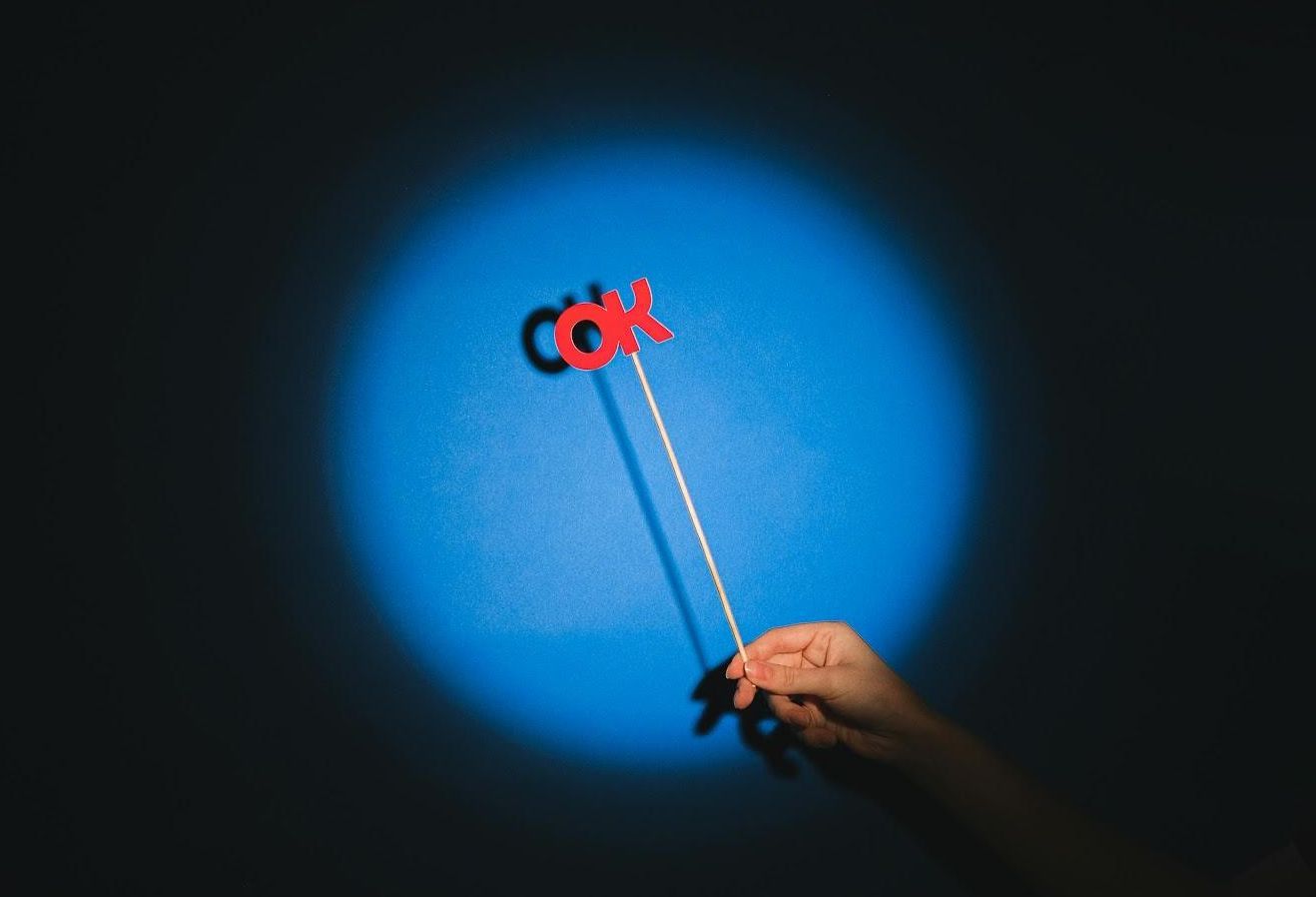

Image: Anna Shvets

Learning languages is hard. But, fortunately, some terms rooted in daily universal experiences don't change much when crossing borders. If you say "mama, "papa," "taxi," or "banana," anywhere in the world, they’ll recognize those nouns immediately —even if the context provided is entirely blurry. The question is: Why did these words barely change over time and across different languages? Let’s explore the stories behind the most spoken words on the planet.

1

OK

Image: boris misevic

"OK" is the most spoken word on the planet. And it started as a typo joke. In 1839, the initials "O.K." were first published in the Boston Morning Post, meant as an abbreviation for "oll korrect" — a popular slang misspelling of "all correct."

Following that gag, politics intervened. In 1840, President Martin Van Buren's reelection supporters formed "O.K. Clubs" across the country, since Van Buren was nicknamed "Old Kinderhook" after his hometown in upstate New York. From there, telegraphs carried it coast to coast, and eventually it spread from North America all the way to the Moon, where Buzz Aldrin spoke it after the Apollo 11 landing.

2

Huh?

Image: Fabio Sasso

Is it a real word? According to science, it is. In 2013, researchers at the Max Planck Institute for Psycholinguistics investigated "huh?" in naturally occurring conversations across ten languages and presented evidence for two claims. One, the term is universal. Two, it is genuinely a word.

They later expanded the study to 31 spoken languages from around the world and found that all of them have a word with a nearly identical sound and function as the English "huh?" With all its nuances and differences, most human languages on Earth independently arrived at similar rising syllables for not understanding something in conversation.

3

Mama and Papa

Image: Volodymyr Hryshchenko

Why do unrelated languages, spoken by people who never met, use almost identical words for "mother" and "father"? In Swahili: mama. In Polish: mama. In Mandarin Chinese: māma. In Quechua, spoken in the Andes of South America: mama. This mystery puzzled linguists for generations.

This isn’t a case of cognates (words borrowed from one language to another). The answer here lies in babies: "mama" and "papa" are among the easiest sounds to produce, because they combine bilabial consonants and open vowels. "Mmm" is often the first consonant babies experiment with.

4

Hello

Image: Nikolai Chernichenko

The term "hello" had floated around English since the 1820s, mainly as a shout to get someone’s attention, like "hey" or "oi." But it was barely more than that before telephones existed.

Then, in 1876, Alexander Graham Bell invented the telephone, and it was time to decide what callers should say when they picked up. Bell himself suggested the traditional nautical hail, "Ahoy." It was Thomas Edison who suggested "Hello!" in a letter dated 1877. By 1889, telephone operators had become widely known as "hello-girls." By then, the greeting had jumped to everyday conversation, and eventually every language on Earth picked up a version of it.

5

Coca-Cola

Image: Ayesha Ch

It is said that "Coca-Cola" is one of the most recognizable terms on the entire planet, much like the word "OK." This makes sense: the soft drink is sold in more than 200 countries. The name wasn’t the result of a marketing team or a focus group. It was coined in 1886 by the company’s bookkeeper, Frank M. Robinson, who derived it from the drink's two original ingredients: coca leaf and kola nut.

The drink was invented in Atlanta, Georgia, in 1886 by Dr. John S. Pemberton, who originally marketed it as a medicinal tonic. Today, approximately 1.9 billion servings of Coca-Cola beverages are consumed each day, so wherever in the world you are, the brand needs absolutely no introduction.

6

Coffee

Image: Karl Joshua Bernal

The word "coffee" has traveled far. Its story starts in the Ethiopian highlands with a by-now popular legend that depicts a 9th-century goat herder who noticed his goats wouldn’t sleep after eating berries from a certain bush. Thus, the idea of the drink made from those berries spread in Ethiopia.

From there, it moved to Yemen, where it was documented in a 15th-century text as a drink made from roasted coffee beans. It was assigned the Arabic word qahwa, which traveled with the drink. The product was traded by the Ottomans, who influenced several other languages, and from it derived the Italian caffè, the Dutch koffie, and the French café. So, the term has mutated slightly in each language, but it remains similar enough to identify it easily all over the world.

7

Pajamas

Image: Karsten Winegeart

Every night, hundreds of millions of people all over the world put on a Persian garment with a Persian name. The word "pajamas" comes from the Persian pay-jāma, a compound of pay (foot or leg) and jāma (garment). In 15th-century Persia, it referred to loose trousers worn by men and women for comfort, and the term entered English in the 18th century when British colonists encountered the garment in India.

But the original pajamas were not sleepwear for a long time. Victorian high society adopted them as fashionable, exotic loungewear, and it was by the early 20th century that the two-piece sleeping suit had spread across the Western world. Today, most countries in the world have very similar names for this garment.

8

Safari

Image: Dmitry Limonov

"Safari" is the name for a very specific activity. For many tongues in the world, the word itself conjures jeeps, binoculars, lions, and zebras.

But its original meaning was distant from the current one. It comes from the Arabic safara, which means "to travel." In Swahili, safari simply means any kind of journey, not just a wildlife expedition. For the English language, it was first recorded by explorer Sir Richard Francis Burton in the Journal of the Royal Geographical Society in 1859. British colonists in East Africa understood the word to apply to hunting expeditions, and, by the middle of the 20th century, Hollywood had cemented its modern image with films romanticizing the African bush.

Today, Apple’s decision to name its search engine "Safari" brings the term closer to its original meaning than to the one related to wildlife exploration.

9

Banana

Image: Nanda Mends

Banana is one of the most consumed fruits on Earth, and its name has traveled with it. The word "banana" first appeared in English in the 1590s, borrowed by Spanish or Portuguese explorers from a West African word, possibly from the Wolof language, spoken in what is today Senegal and Gambia.

Most historians sustain that Africans began harvesting the fruit at least 4,500 years ago. When Portuguese and Spanish ships began trading across the world in the 15th and 16th centuries, they encountered the fruit, borrowed its African name, and carried both across the Atlantic. Today, the word sounds remarkably similar in many languages: banana in English, Spanish, Italian, and German; banane in French; 바나나 (banana) in Korean.

10

Taxi

Image: Kristóf Sass-Kovan

From Buenos Aires to Bangkok, you can step off a plane having never spoken a word of the local language, hold out your hand, and say one word: "Taxi." You will get the exact same thing. But the story of this two-syllable word is a tangle of countries and languages.

The original word was "taximeter," coined by German inventor Friedrich W. G. Bruhn in 1891. This was a device that measured the fare by distance. It was the French who shortened taximètre to taxi. A company imported them to New York under the market name "Taxicab" and decided to paint them yellow, since it was the most visible color. From there, both the short name and the iconic color stuck. Today, it is a symbol universally shared that you’ll find in every major city.


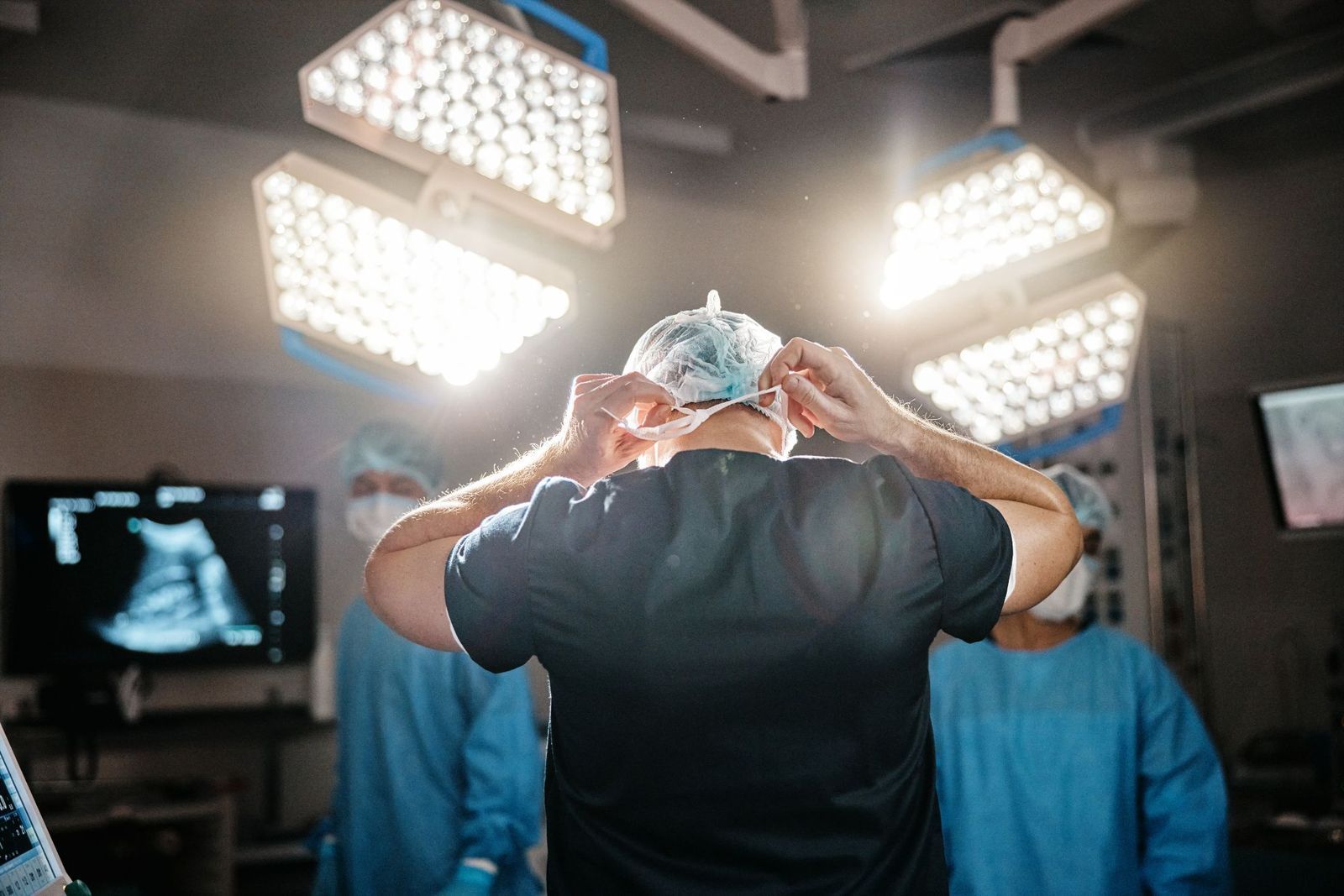
Hospital secrets

What is a "Code Gray" and what you should know if you hear it at the E.R.


Published on June 6, 2026


Image: voronaman

A trip to the emergency room can be stressful enough without hearing doctors and nurses speak a language that sounds like a secret code. One minute, someone is asking for medication "STAT," the next there’s a "Code Gray," and another patient is suddenly "NPO." What do those words really mean? Some are official medical terms, others are insider slang, but they all help hospital staff communicate quickly when every second counts. Here are 10 of those codes explained.

1

Code Gray

Image: PeopleImages

The E.R. can be hectic and unpredictable. Most patients are frightened or uncomfortable, but now and then someone becomes aggressive because of pain, confusion, mental illness, or the effects of alcohol or other substances. That’s when you can hear "Code Gray" announced over the speakers.

The code is used to summon security officers to help manage a violent or combative situation. While color codes vary from one hospital to another, Code Gray commonly signals that staff needs extra assistance to protect patients, visitors, and healthcare workers. Even if you know it now, most people in the waiting room never know what happened, and that’s exactly the point.

2

NPO

Image: PeopleImages

You have a scheduled surgery, you’re in your bed waiting to be taken to the surgery room, and you ask for a cup of coffee to make the wait lighter. The nurse will probably tell you you’re an NPO. You may think it’s serious, but it’s simply a procedure.

"NPO" is an abbreviation that comes from the Latin phrase Nil Per Os, which means "nothing by mouth." It tells patients they cannot eat, drink, or sometimes even take medication until doctors say it’s safe. The rule is most common before surgery or certain medical tests, when food or liquids could increase the risk of complications or alter the results. It may be frustrating, but it’s an important part of keeping patients safe.

3

STAT!

Image: PeopleImages

You’ve probably been through the experience of visiting an emergency room, either to get checked or to visit a loved one. In that part of the hospital where everyone is rushing to save lives, you’ve probably heard a doctor asking for the R.C.P. cart or medication "STAT!" It sounds urgent, and that's because it is.

The expression comes from the Latin statim, which means "immediately" or "without delay." Hospitals have used Latin medical terms for centuries, but STAT is one of the few that remains part of everyday conversation. When a doctor says it, the request jumps to the top of the priority list. It doesn’t always refer to a life-or-death situation, but it does mean the medical team needs something done as quickly as possible.

4

Code Pink

Image: Vladimir Tretyakov

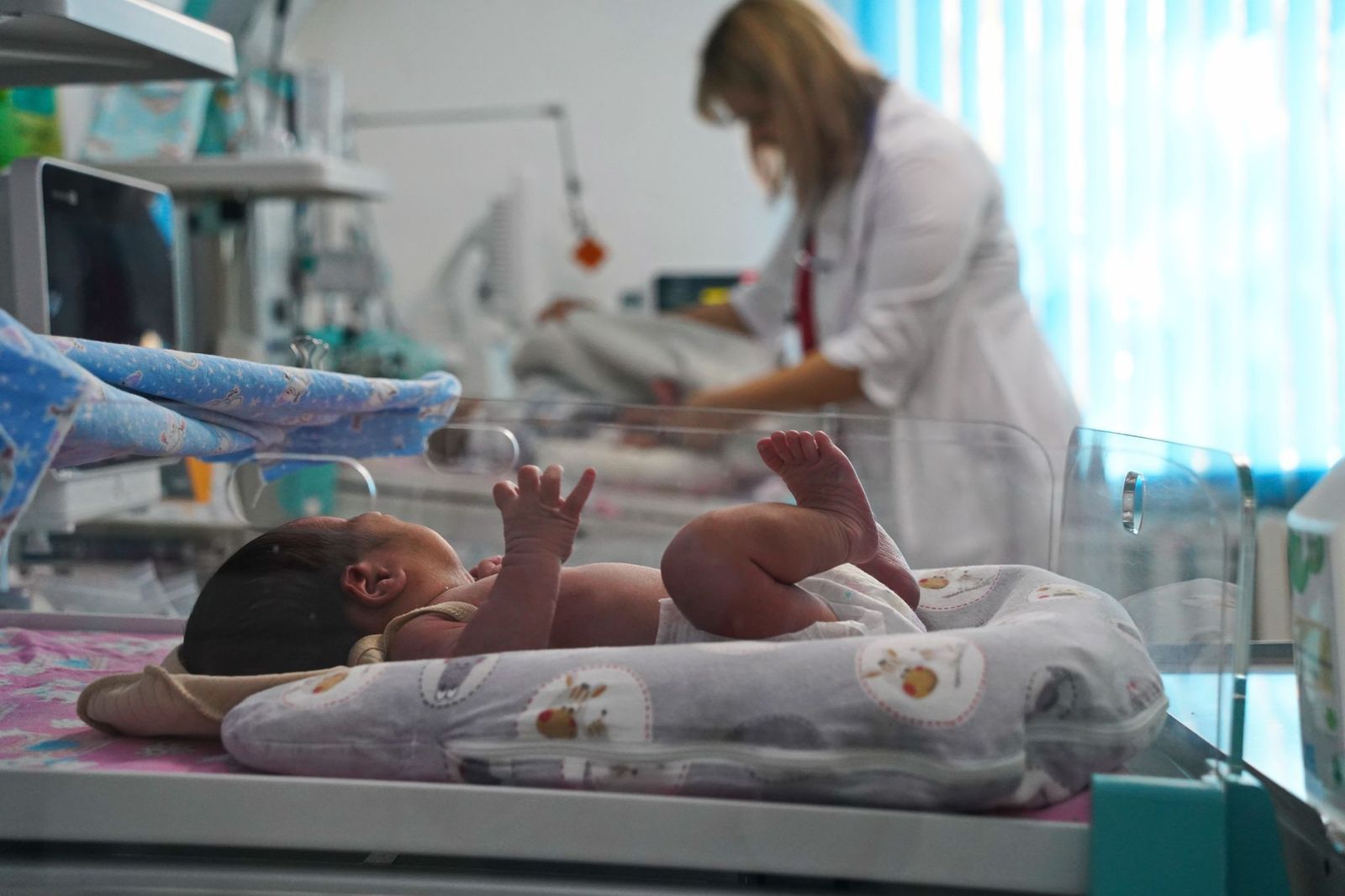
Newborns are always a reason to celebrate at the hospital. Parents usually rest happily next to their child as they receive congratulations from close relatives. However, the hospital is always prepared to handle extremely rare emergencies under "code pink."

If you hear a "Code Pink," it usually means a baby or young child is suspected of being abducted from the hospital. Within seconds, security officers respond, exits may be monitored or blocked, and staff begins following carefully rehearsed procedures. Although different hospitals sometimes use different color codes, Code Pink has become widely recognized across North America as one of the most serious alerts a hospital can issue.

5

Walkie-talkie

Image: Arunporn Thanapotivirat

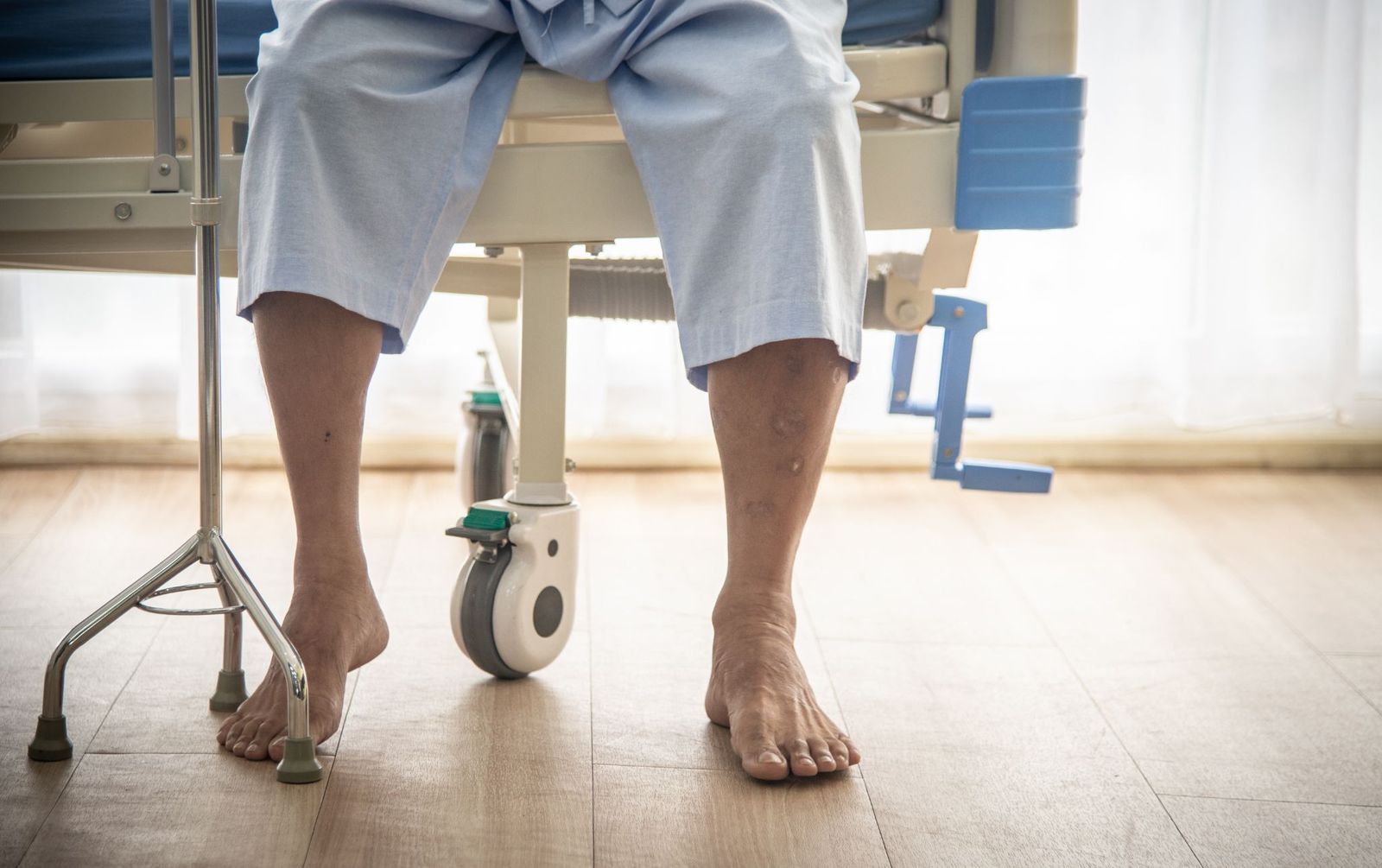
If you’ve ever spent a few days in the hospital, you’ve probably noticed that some patients are walking up and down the halls, while others need help just getting out of bed. When a nurse refers to someone as a "walkie-talkie," it’s actually good news.

This informal expression refers to patients who can walk on their own, use the bathroom without assistance, and handle most basic tasks independently. It’s not an official medical term, of course, but it’s commonly used among healthcare workers because it quickly tells the next shift that the patient requires less hands-on care than many others.

6

Total

Image: sebra

As nurses change shifts, you’ll often hear them give a quick report about each patient. One person may only need medication, while another is described as a "total."

The term is short for a patient who requires total care. They may need help eating, bathing, getting dressed, turning in bed, or moving from one place to another. Although the expression sounds impersonal, it’s simply a practical way for caregivers to communicate how much assistance someone needs.

7

Frequent flyer

Image: Studio Romantic

Most people hear "frequent flyer" and think of an airline reward program. And that’s correct, but in an emergency room, the phrase has a very different meaning.

A frequent flyer is an informal nickname for patients who repeatedly return to the hospital, often due to chronic illness, recurring medical conditions, or other ongoing health issues. Behind the light-hearted nickname is often a difficult reality. Many of these patients are simply dealing with medical problems that require regular emergency care, and the expression is just a way to make the experience a bit lighter among the familiar faces of doctors and nurses.

8

WOW

Image: Studio Romantic

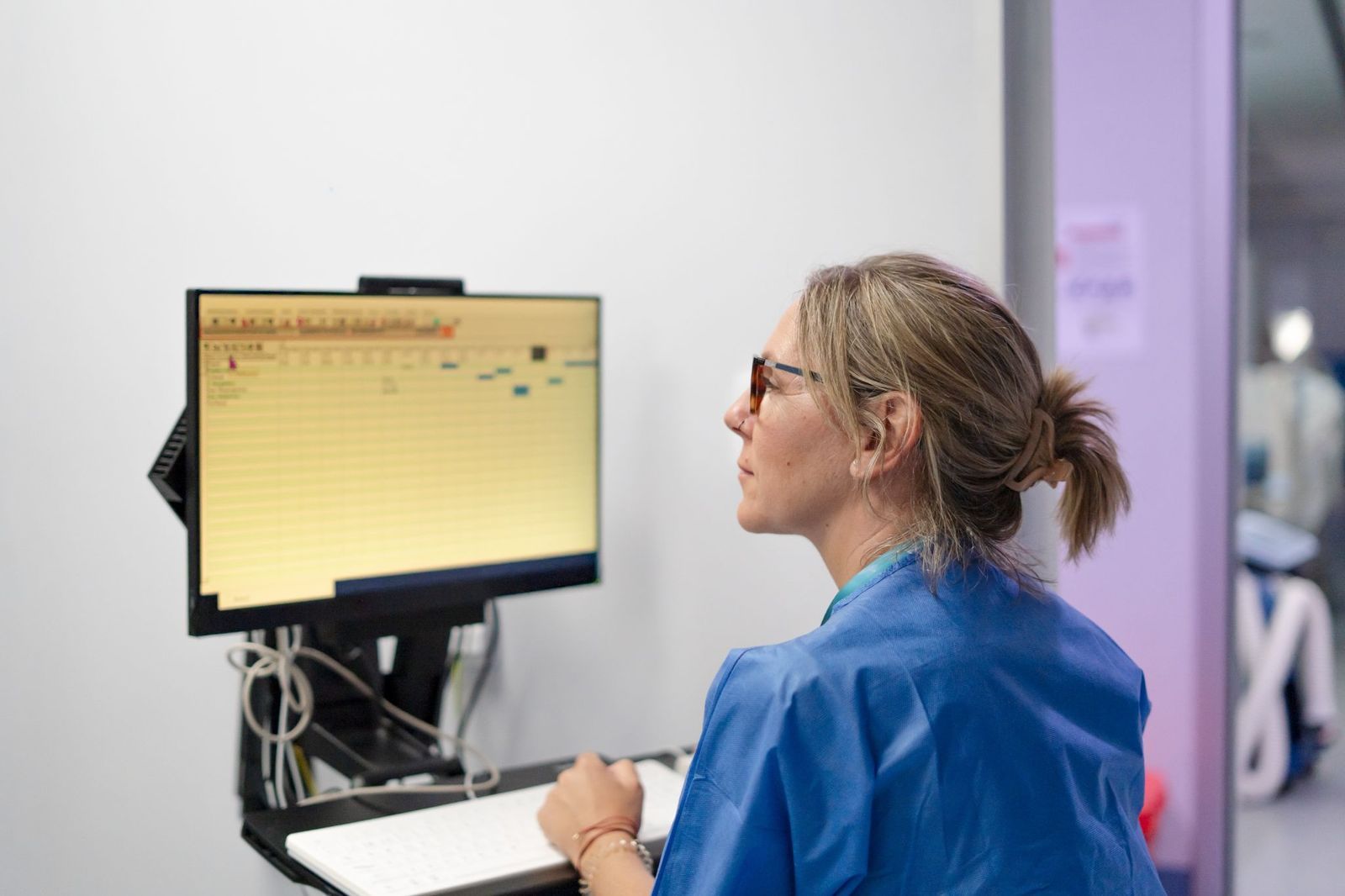
Not all codes are for patients. The next time you’re in a hospital, look closely at what the nurse is pushing from room to room. It may look like a small rolling desk with a computer on top. Staff often call it a "WOW," short for "workstation on wheels."

As hospitals switched from paper charts to electronic medical records, these mobile computers became essential. Nurses use them to review test results, scan medications, update patient charts, and check doctors’ orders without leaving the bedside. The name sounds funny, but the technology helps caregivers spend more time with patients instead of walking back and forth to a nursing station.

9

Sharp container

Image: NMK-Studio

After getting a shot or having blood drawn, most patients never think about where the used needle ends up. It certainly doesn't go into an ordinary trash can.

Hospitals place needles, scalpels, and other sharp medical instruments into special containers designed to prevent accidental injuries. These sturdy, puncture-resistant boxes are sealed when full and safely disposed of in accordance with strict health regulations. This not only protects nurses, but it also protects cleaning crews, waste handlers, and even the public from dangerous needle sticks. It’s one of the most important safety measures in every hospital, even though most patients never notice it.

10

B-52

Image: Photoroyalty

If you’ve ever watched a medical drama, you've probably seen a patient become so agitated that several staff members rush into the room. In situations like that, a doctor or nurse may ask for a "B-52." But the name has nothing to do with numbers themselves; it actually comes from a medicine.

B-52 is hospital slang for a fast-acting injection used to calm down patients who are severely combative or at risk of harming themselves or others. The nickname comes from a commonly used combination of medications that usually include diphenhydramine, haloperidol, and lorazepam. It’s strictly reserved for when other methods of calming the patient haven’t worked.

Looking for an extra scoop of literary fun?

Learn more with our Word of the day

attached

/əˈtætʃt/