Potato, potahto

It is English, but is it American English? 10 unique terms


Published on March 28, 2026

Image: Waldemar Brandt

English is the official language of more than 50 nations across the world, so it’s not surprising that English speakers from different parts of the world have developed dialectal variations with unique vocabulary. But, being English —especially American English— used as an international common language, one would think that American vocabulary would have spread to foreign English speakers. While it has in some cases, certain terms are still unique to American English. Let’s have a look at some of them!

1

Soccer

Image: Emilio Garcia

This might be the best example of a uniquely American term, though it is technically derived from the original name of the sport. Internationally known as football, soccer was originally called ‘association football’ to distinguish it from ‘Gaelic football’. With time, the popularity of the sport became associated with the term football, except in the U.S., where Gridiron or American football was more popular. So, for Americans, American football became just ‘football’, and association football became ‘soccer’.

2

Over easy

Image: Freddy G

Eggs are an integral element of American diners, where a specific vocabulary was developed to quickly explain the type of egg desired in the least amount of time. Where other English speakers would simply ask for a fried egg, Americans know that there are several ways to fry an egg: over easy is just one of them.

3

ZIP code

Image: Joanna Kosinska

Have you ever wondered why the U.S. has a Postal Service but not postal codes? It’s not that they don’t exist; they just have a different name. The ‘Zone Improvement Plan’, or ZIP, was created to make mail services more efficient, but nowadays it’s key for analyzing demographics, sales, and the types of data. While the name ‘Zone Improvement Plan’ might sound strange, it was chosen with the ZIP acronym in mind to suggest that mail would zip along using the system.

4

Condo

Image: Agustin Lara

Whether you use condo to mean an owned apartment of any kind or as a certain type of building, both are terms mainly used in America. Other English speakers would just say flat or apartment, and would use the term commonhold (UK), strata (Australia and parts of Canada), or divided co-ownership (Francophone Canada) for a building with common areas and services.

5

Bodega

Image: Robinson Greig

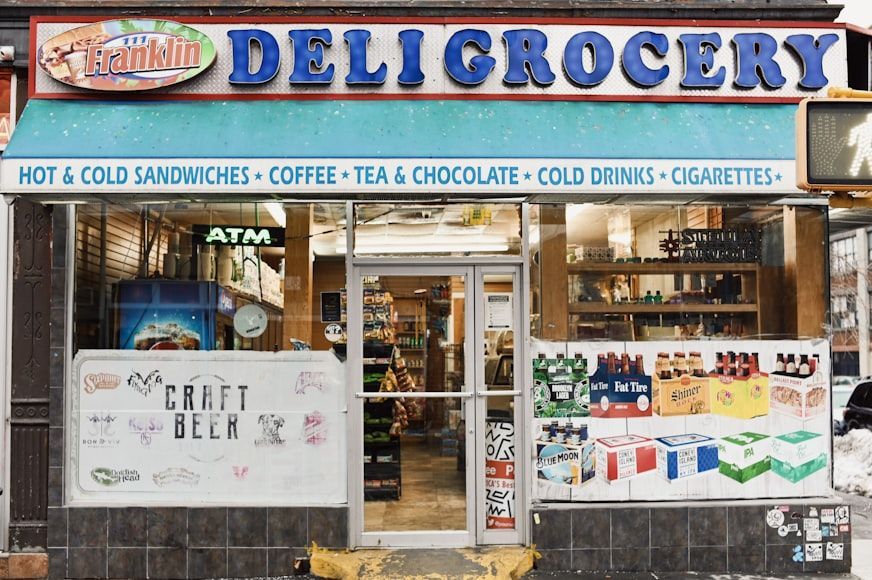
Let’s address the obvious first: yes, bodega is a Spanish word. However, it has a unique meaning in American English. While for Spanish speakers it means a winery, in the U.S., it refers to a specific type of convenience store or deli, traditionally owned by Hispanics.

6

Silverware

Image: Mika Baumeister

If you hear the word ‘silverware’ in the UK, it won’t mean what you think it means. Kind of. For Americans, the term ‘silverware’ encompasses all eating utensils, including forks, knives, spoons, and even chopsticks. Outside of the U.S., it is more common to say ‘cutlery’, while silverware is used for cutlery actually made from silver.

7

College

Image: Pang Yuhao

While words such as ‘university’ or ‘school’ are typical when discussing higher education, ‘college’ is the more commonly used term in the U.S., even present in the names of famous institutions. In other English variants, ‘college’ can be used to talk about trade schools, vocational training, or a university’s residential hall.

8

Period

Image: Unseen Studio

If we consider that Canadians also use the term ‘period’ for the punctuation mark, we could say that this term is uniquely North American, but it’s a term other English speakers commonly associate with the U.S. In other parts of the world, ‘full stop’ is the preferred name. What a mouthful!

9

Mailman

Image: Joel Moysuh

Again, why do we have a Postal Service but prefer the term ‘mailman’? It’s just a matter of use. Originally, ‘post’ was used for domestic letters, while ‘mail’ was used for letters sent abroad. While the term ‘postal service’ is common to all English variants, mail and its derivatives, such as mailman, are now the norm in American English, while other English dialects tend to use post.

10

Nightstand

Image: Christopher Jolly

Although Canadians might sometimes use ‘nightstand’ to talk about this piece of furniture, outside of American English, it is common to use the term ‘bedside table’. Originally, the word nightstand implied a furniture piece with built-in storage, while a bedside table was simpler, but nowadays they are equivalent terms.

Beloved lyrics

"For what is a man?": Some of the wisest lyric lines ever written


Published on March 28, 2026


Image: Hanna-J

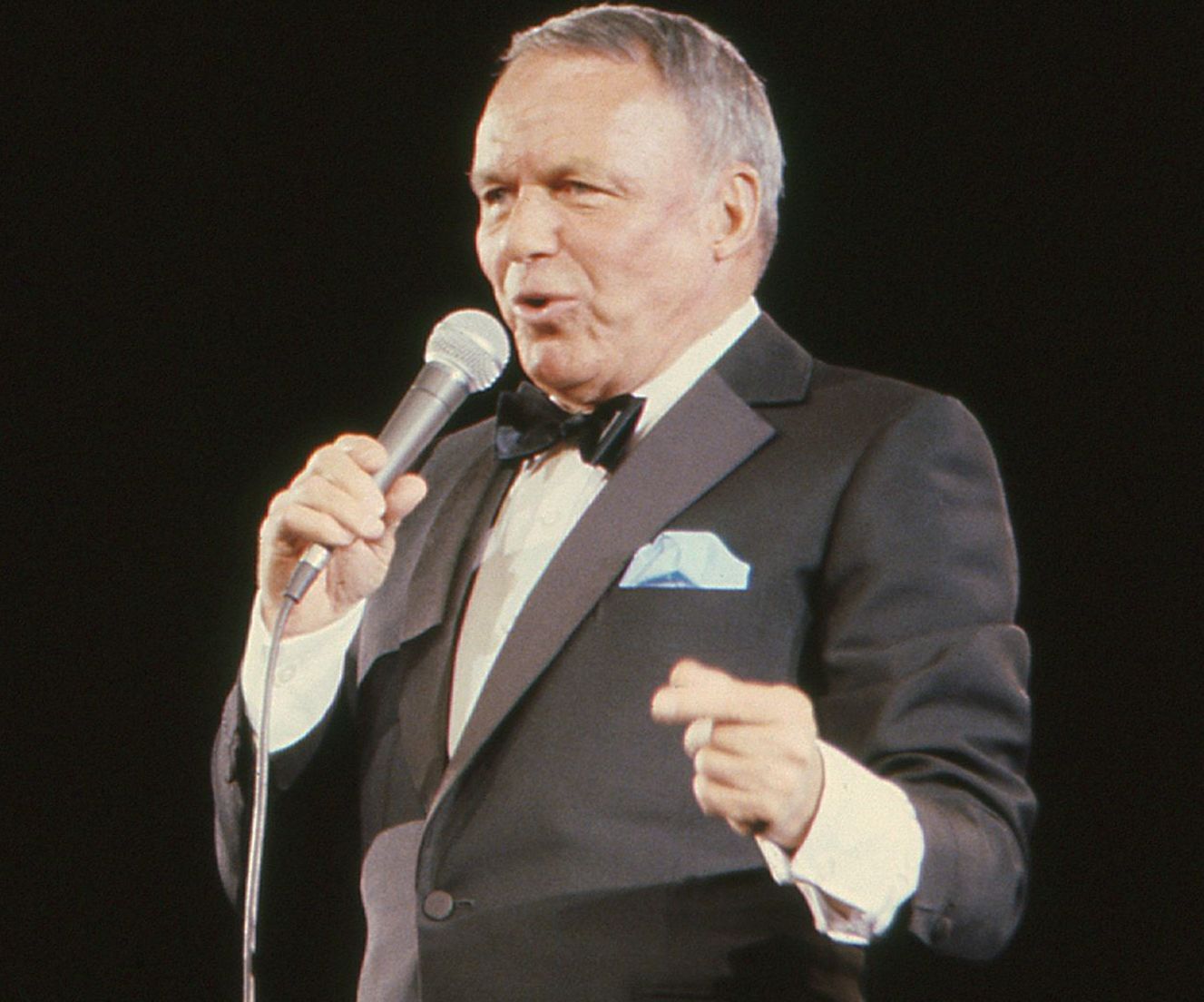
Paul Anka was terrified when he sat down to write the lyrics for a song that Frank Sinatra would be singing. Jokingly, he started with a dramatic, "And now, the end is near…" The rest is history. Who are the people who pen the words that others will spend decades repeating? How did they come up with words so precise and true that listeners would compare them with those of great philosophers? Here are 10 of people’s favorite lyrics of all time, decoded.

1

"For what is a man? What has he got?"

Image: Arthur D'Amario III

"For what is a man? What has he got? If not himself, then he has naught." The melody of "My Way" wasn't originally American. It began as a French song called Comme d'habitude, a number about a couple stuck in a stale marriage. Paul Anka heard it on the radio while in France and bought the rights on the spot, before he had any use for it.

That use arrived at a dinner in Miami, when Sinatra told him, almost in passing, that he was quitting the business. Anka flew home, sat down at a typewriter, and spent one night writing lyrics as if Sinatra himself were speaking them. Sinatra recorded it in two takes and later called it his "national anthem," and many agreed; Anka had written the exact words one wants to belt while closing an episode of their life.

2

"Life is what happens to you…"

Image: Public Record Office of Northern Ireland, No restrictions, via Wikimedia Commons

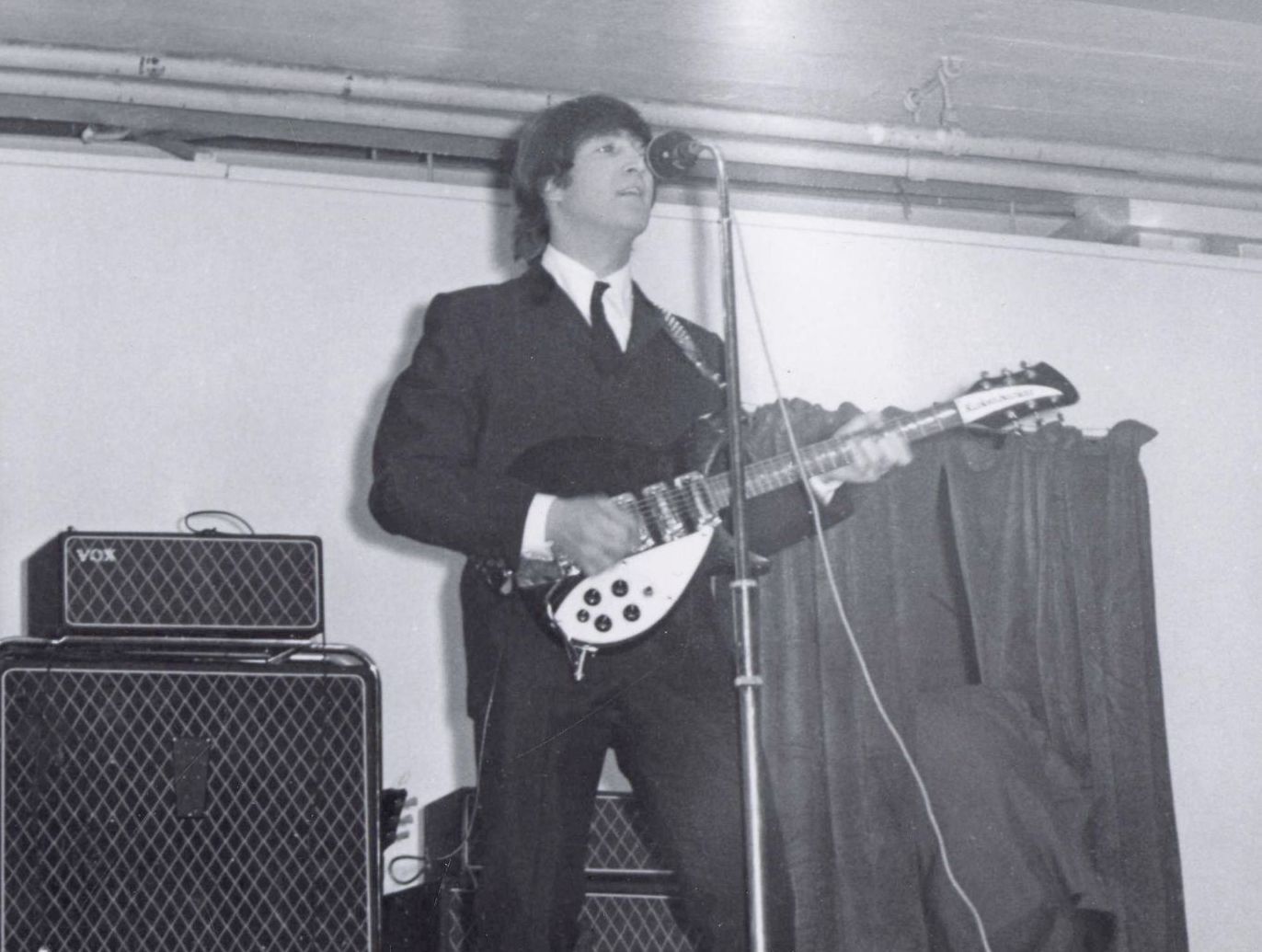
In "Beautiful Boy (Darling Boy)," John Lennon wrote: "Life is what happens to you while you are busy making other plans." But the phrase originated with American writer and cartoonist Allen Saunders, who published it in a 1957 issue of Reader's Digest ("Life is what happens to us while we are making other plans").

The line outlived everything else about the song, repeated at graduations and eulogies for decades since. Lennon was murdered shortly after the album's release, which means the song now carries a weight of hindsight neither he nor his listeners could have intended at the time.

3

"How many roads must a man walk down…"

Image: Hadrian

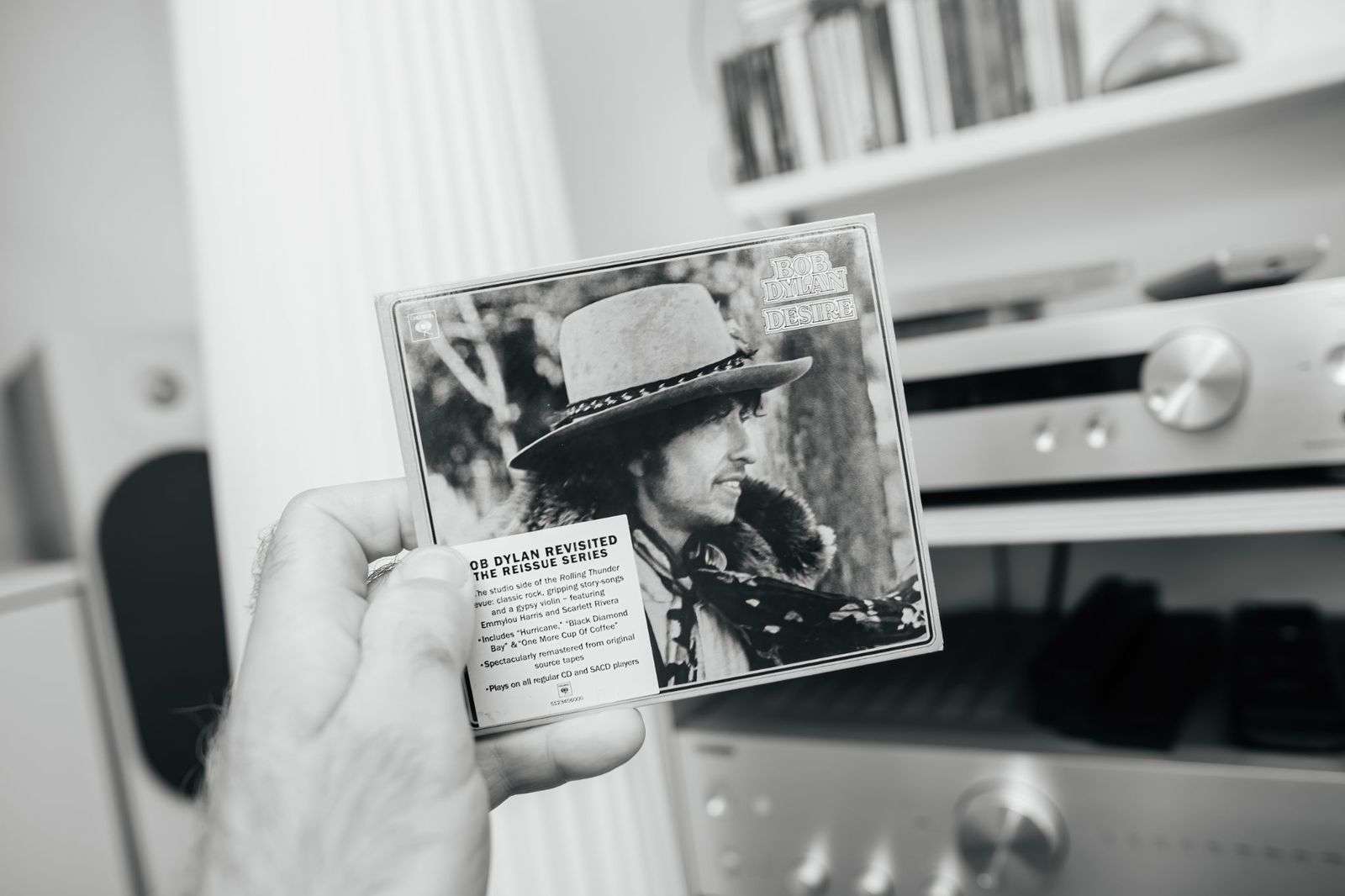
"How many roads must a man walk down before you call him a man?" A young Bob Dylan wrote "Blowin' in the Wind" in 1962. He later claimed he wrote the entire song in about ten minutes at the Gaslight Cafe in Greenwich Village, borrowing its melody from the old spiritual "No More Auction Block." He was twenty-one, barely a year into his New York career, and insisted at the time it wasn't a protest song at all.

The song never answers its questions, but keeps asking them. First published in the folk magazine Broadside in May 1962, it became the unofficial anthem of the civil rights and antiwar movements once Peter, Paul and Mary's cover shot to number two on the charts in 1963.

4

"And in the end, the love you take…"

Image: Jim Summaria, CC BY-SA 3.0, via Wikimedia Commons

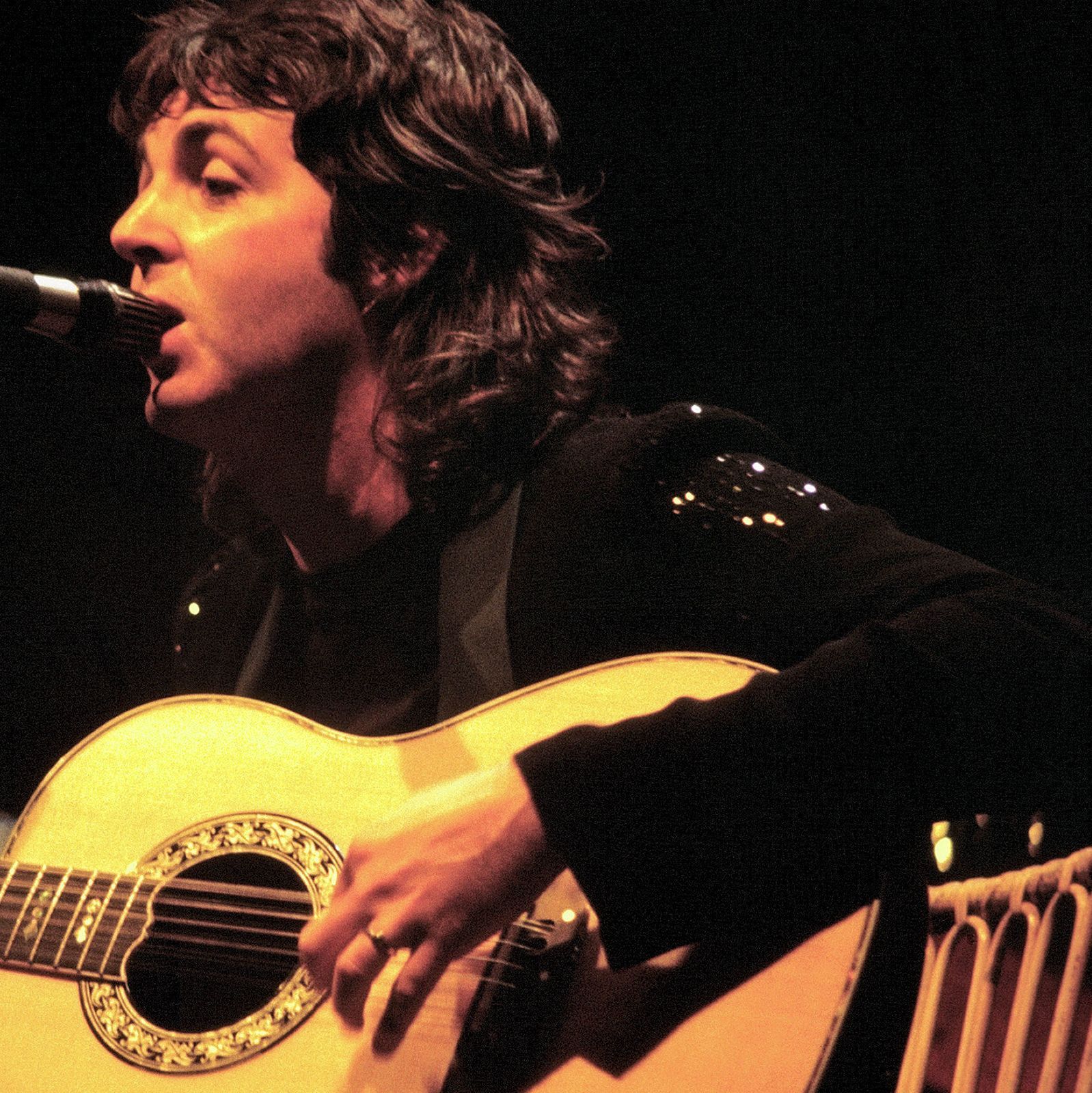
"... is equal to the love you make." This is the last song the four Beatles ever recorded together, and Paul McCartney built it deliberately as a farewell. He gave Ringo Starr his only drum solo in the band's history, a fight McCartney had to win through what he called "gentle persuasion," since Starr detested solos on principle.

For the closing line, McCartney said he'd been thinking about Shakespeare, who often ended a scene with a rhyming couplet so the audience would know it was truly over. Even John Lennon, who generally disliked the Abbey Road medley and rarely praised his old partner's work by 1980, admitted the closing thought was "a very cosmic, philosophical line."

5

"They’re sharing a drink they call loneliness…"

Image: Debby Wong

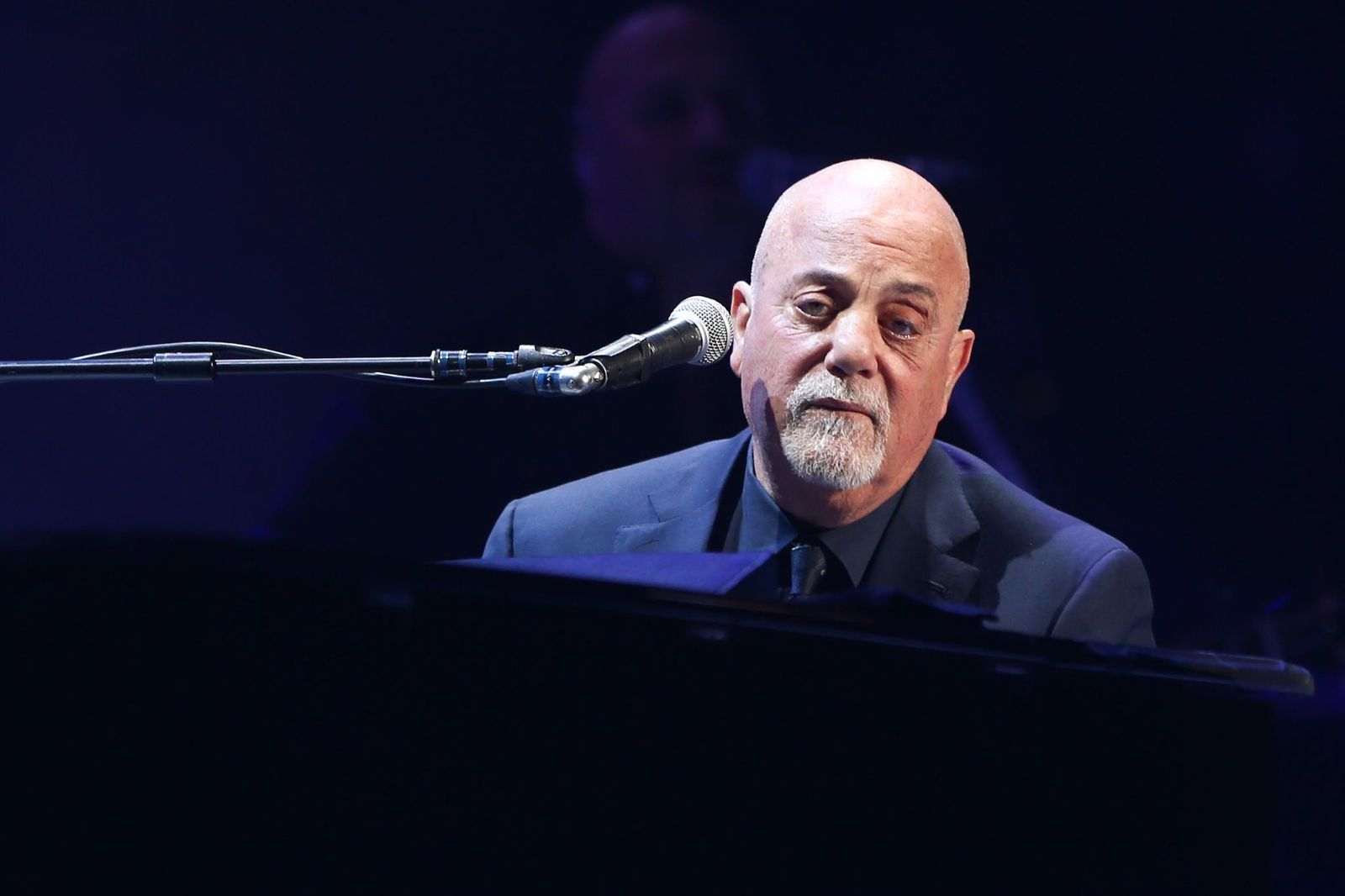
"... but it’s better than drinking alone." "Piano Man", by Billy Joel, narrates a song in which the character is real. Joel wrote it about the six months he spent playing piano under the fake name "Bill Martin" at a Los Angeles lounge called The Executive Room. Even the waitress "practicing politics" was Elizabeth Weber, the woman who'd soon become his wife.

Joel wrote it while hiding out from a record label he was desperate to escape after his debut album flopped. It became a bittersweet anthem that many people love singing with others; it seems like, as the song suggests, singing sorrows together at the bar is better than feeling them at home.

6

"I've looked at love from both sides now…"

Image: Arthur D'Amario III

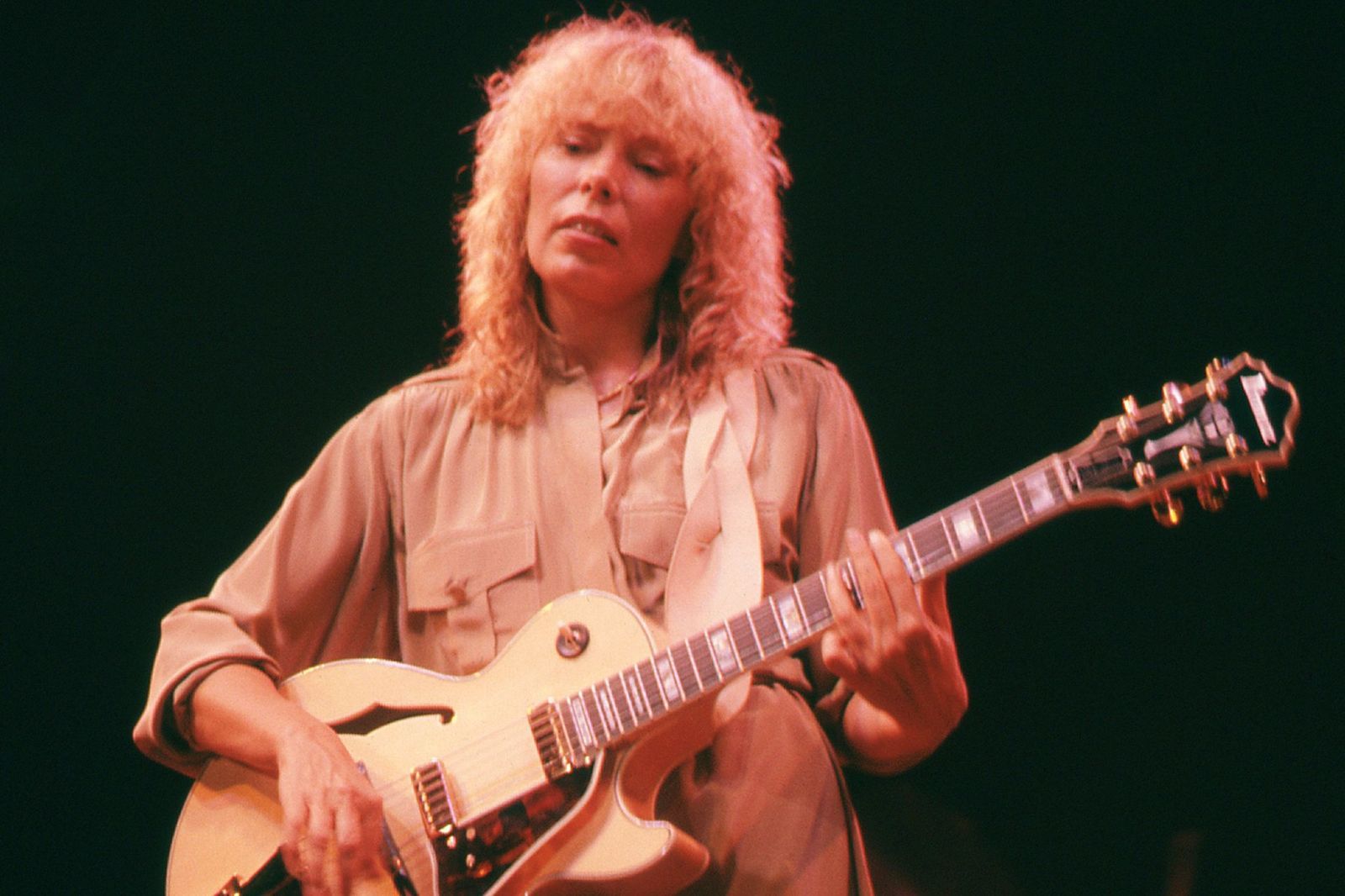
The whole song "Both Sides Now," by Joni Mitchell, is often quoted as a deeply philosophical observation of life. It concludes that some mysteries of life are as unknowable as the clouds, or love, despite accumulating experience.

When she wrote it, Mitchell had recently given up a daughter for adoption after being left by the child's father. She was twenty-three, mid-flight, after a passage in Saul Bellow's novel Henderson the Rain King described its narrator looking down at clouds from an airplane, something human eyes had only been able to do for a few decades. Judy Collins released it first in 1967 and won a Grammy for it; Mitchell's own version didn't appear until her 1969 album Clouds.

7

"I’d trade all of my tomorrows for one single yesterday"

Image: Sterling Munksgard

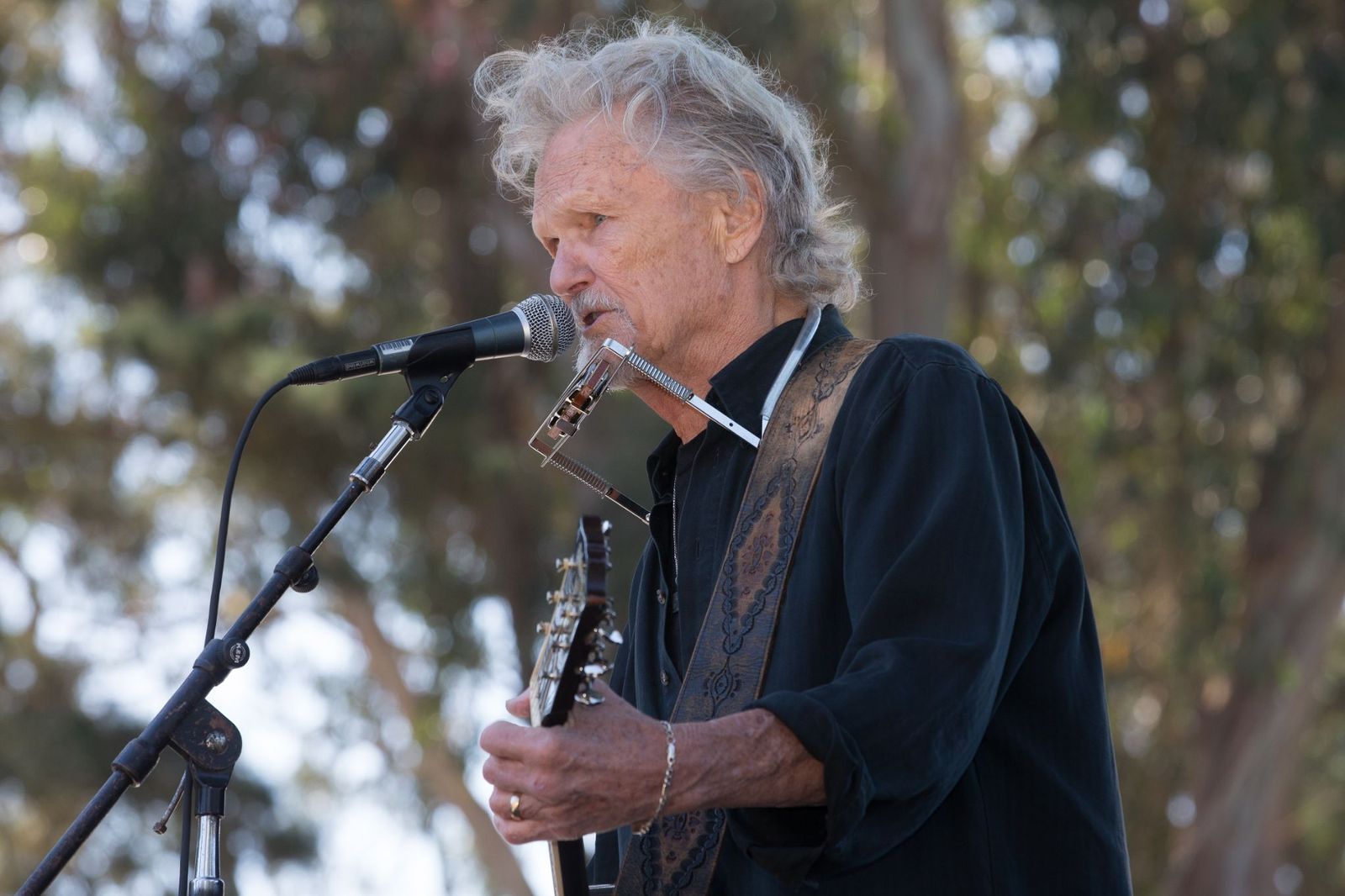
Kris Kristofferson’s song, "Me and Bobby McGee", contains one of people’s favorite quotes from song lyrics. Its title came from producer Fred Foster, who suggested Kristofferson write a song about his colleague's secretary, Barbara "Bobbie" McKee.

Its most quoted idea about freedom and loss was inspired, Kristofferson later said, by the final scene of Fellini's La Strada, in which a man realizes too late what he threw away. Roger Miller released it first, but it was Janis Joplin's posthumous 1971 recording, finished mere days before her death, that turned it into a number one hit and an accidental epitaph.

8

"But time makes you bolder, even children get older…"

Image: L Paul Mann

"... and I'm getting older too." Nicks says she wrote "Landslide" in about five minutes, sitting in a rented house in Aspen while her partner and musical collaborator, Lindsey Buckingham, was on tour rehearsing with the Everly Brothers. The song's real subject isn't romance, but the vertigo of watching time pass. She was twenty-seven, broke, working as a waitress and a cleaner, and their duo album had just been dropped by its label.

Looking at the snow on the Rockies, she found herself deciding whether to keep chasing music at all. Three months later, Mick Fleetwood heard Buckingham's guitar work on a demo and invited the pair into Fleetwood Mac, which changed their lives. The song has now aged into an anthem for anyone facing a hinge point in their own life.

9

"You can't always get what you want…"

Image: Kari Pulkkinen, Public domain, via Wikimedia Commons

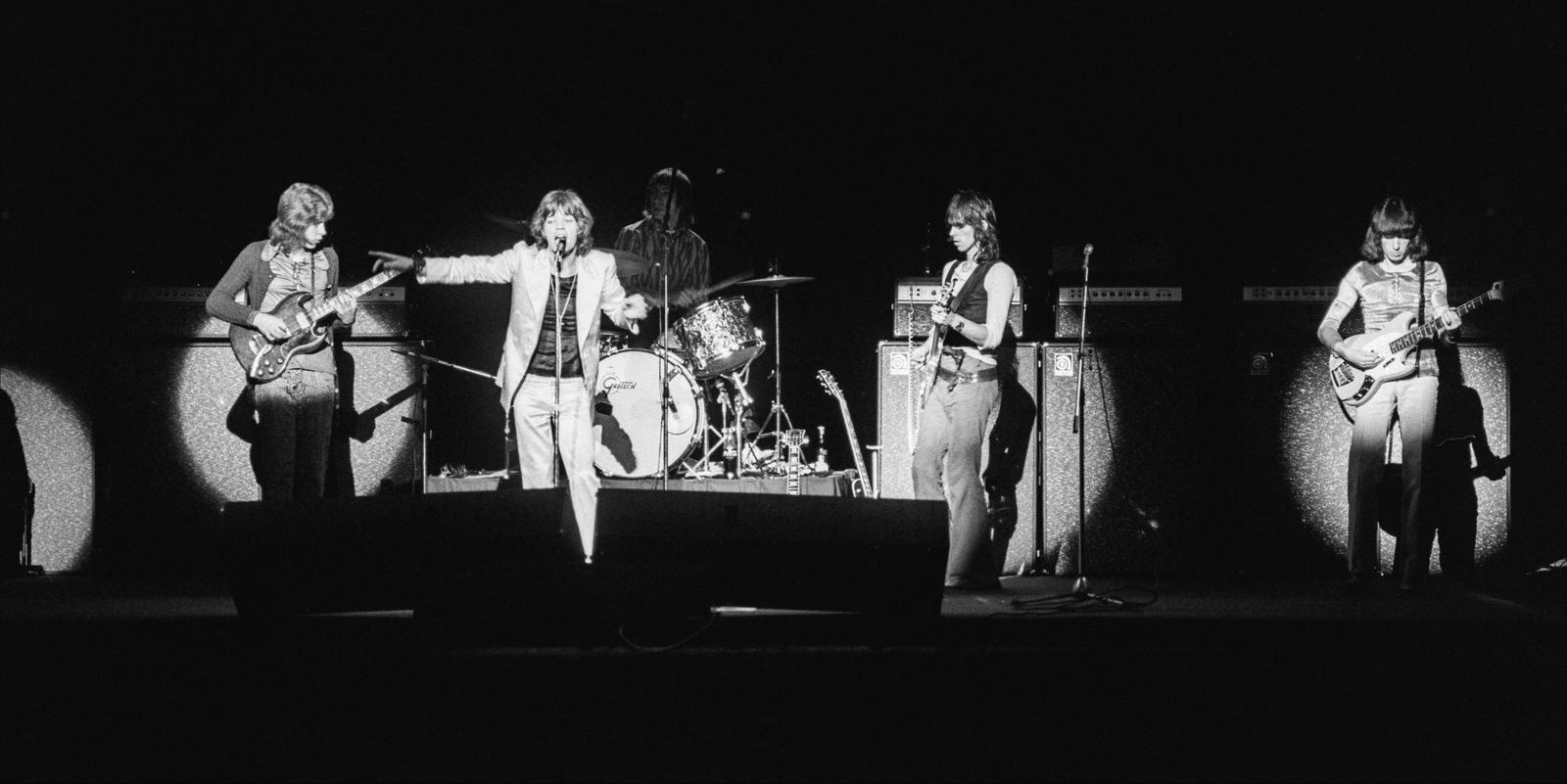
"You can't always get what you want, but if you try sometime you'll find you get what you need." Mick Jagger sketched this one alone on an acoustic guitar, calling it "one of those bedroom songs." It closed 1969's Let It Bleed just as the decade's peace-and-love optimism was cracking.

The song is upbeat and simple, and unexpectedly insists on an idea of acceptance or surrender that has more to do with Stoic philosophy than with pop rock optimism. But the listeners liked it, and many quote it often.

10

"There is a crack in everything…"

Image: Route66

"...that's how the light gets in." Leonard Cohen worked on "Anthem" for roughly a decade, discarding draft after draft, before it finally appeared on his 1992 album The Future. He wasn't a man given to explaining his own lyrics, having spent years training as an ordained Zen Buddhist monk and generally preferring silence to self-analysis.

But "Anthem" has the clearest statement of a philosophy he'd circled his entire career: that brokenness can give way to grace. It has since been invoked by human rights activists, quoted at protests, and performed at civic ceremonies.

Looking for an extra scoop of literary fun?

Learn more with our Word of the day

absolution

/ˌæbsəˈluʃən/