Healthy language

How many fruit idioms do you know? Here are 10 of them!


Published on May 11, 2026
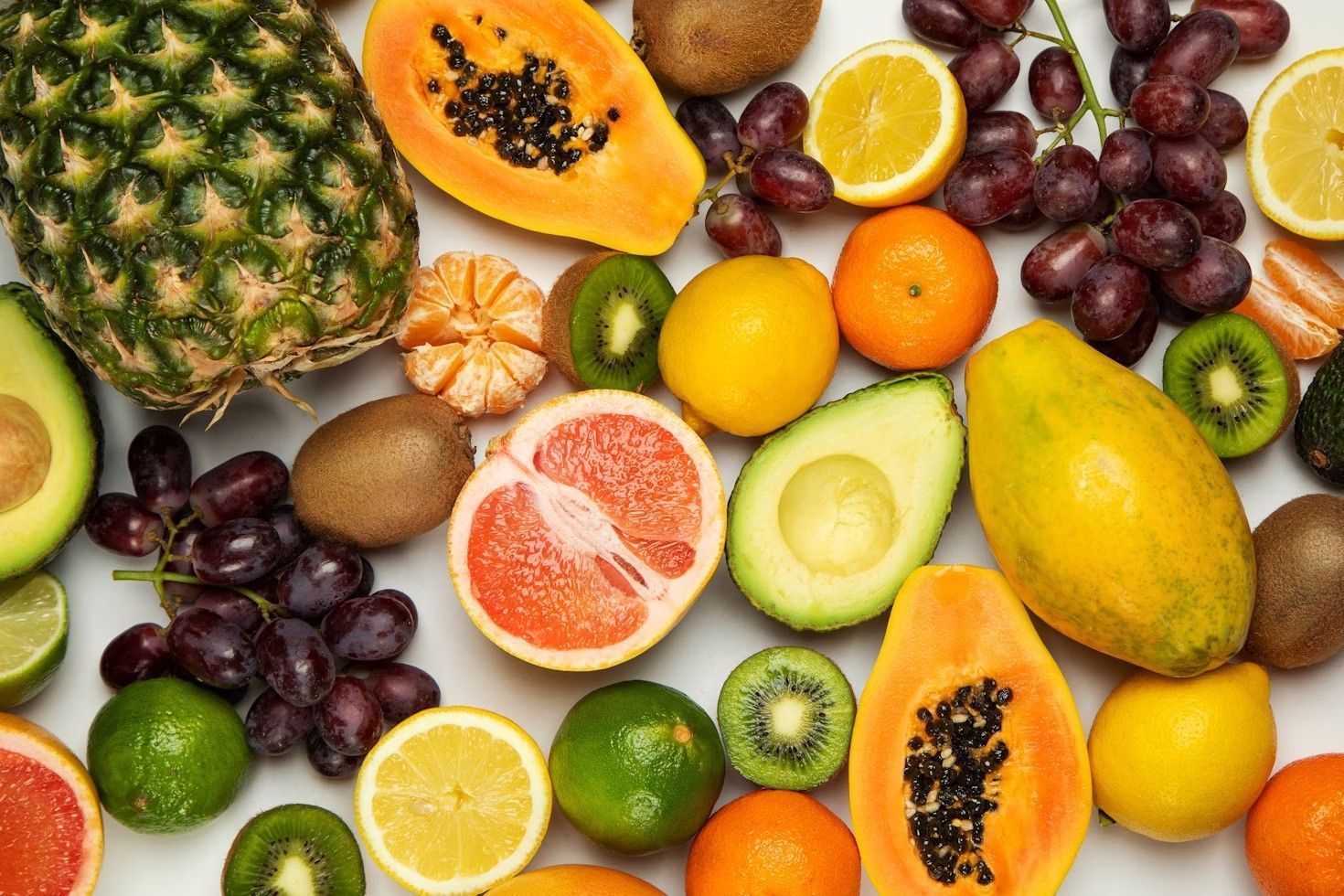

Image: Julia Zolotova

You may not have a healthy diet, and fruit may not be part of your everyday intake, and that’s all right. We’re not here to judge! But we are here to tell you there’s an alternative way to enjoy fruit every day. Want to know what it is? It’s language. There are plenty of idioms that include fruit, and we’ve gathered a bunch of them for you to revisit here. Ready? Go bananas with this article!

1

The apple of one’s eye

Image: Matheus Cenali

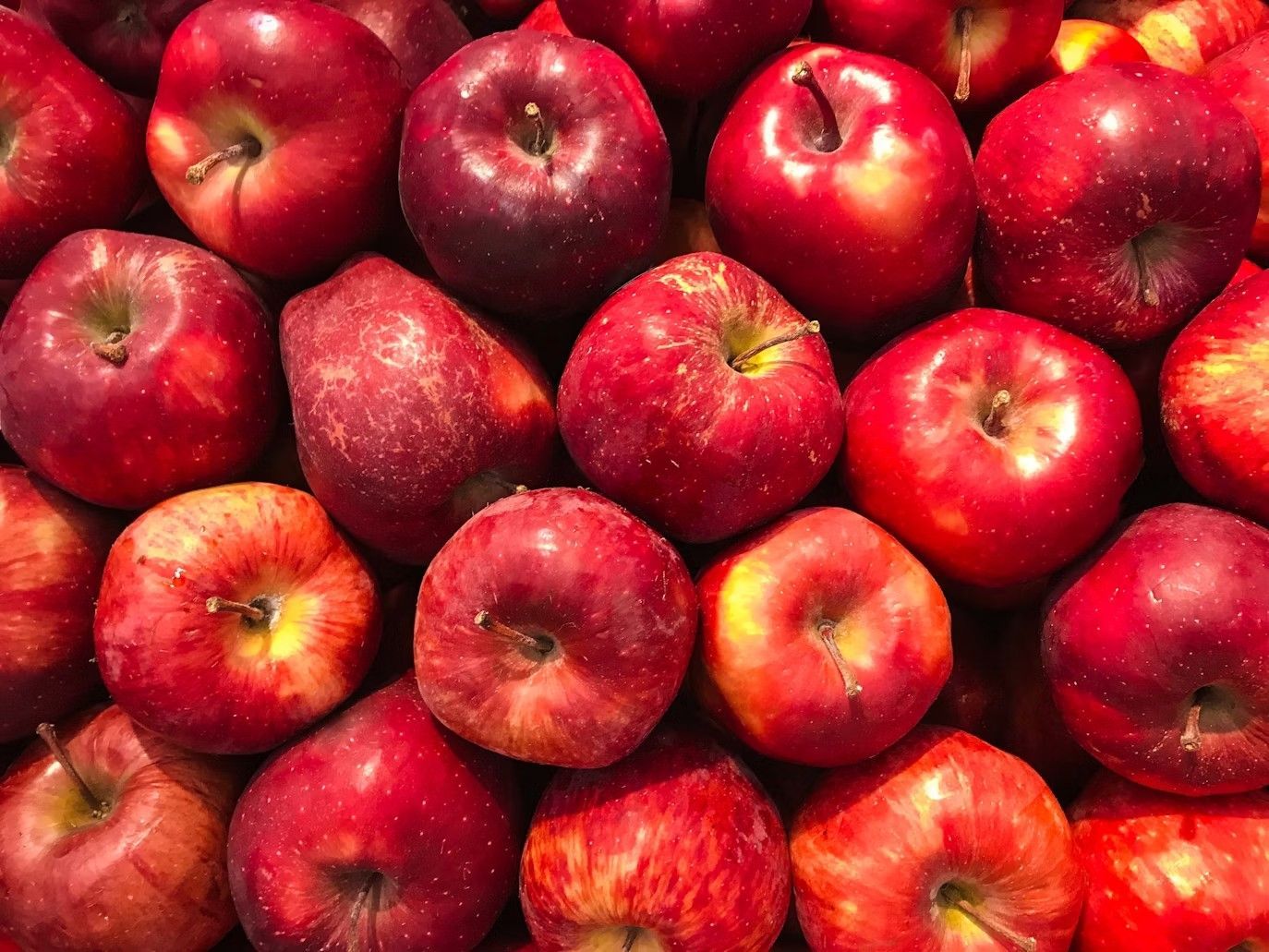
Do you have a special someone? Maybe a person who brightens your day by simply looking at them. Well, that’s the apple of your eye. This expression means someone is very special to or cherished by you. The redness of the apple, ever connected to love and emotional connection, explains why this fruit was the chosen one for this idiom, right?

2

Go bananas

Image: Pop & Zebra

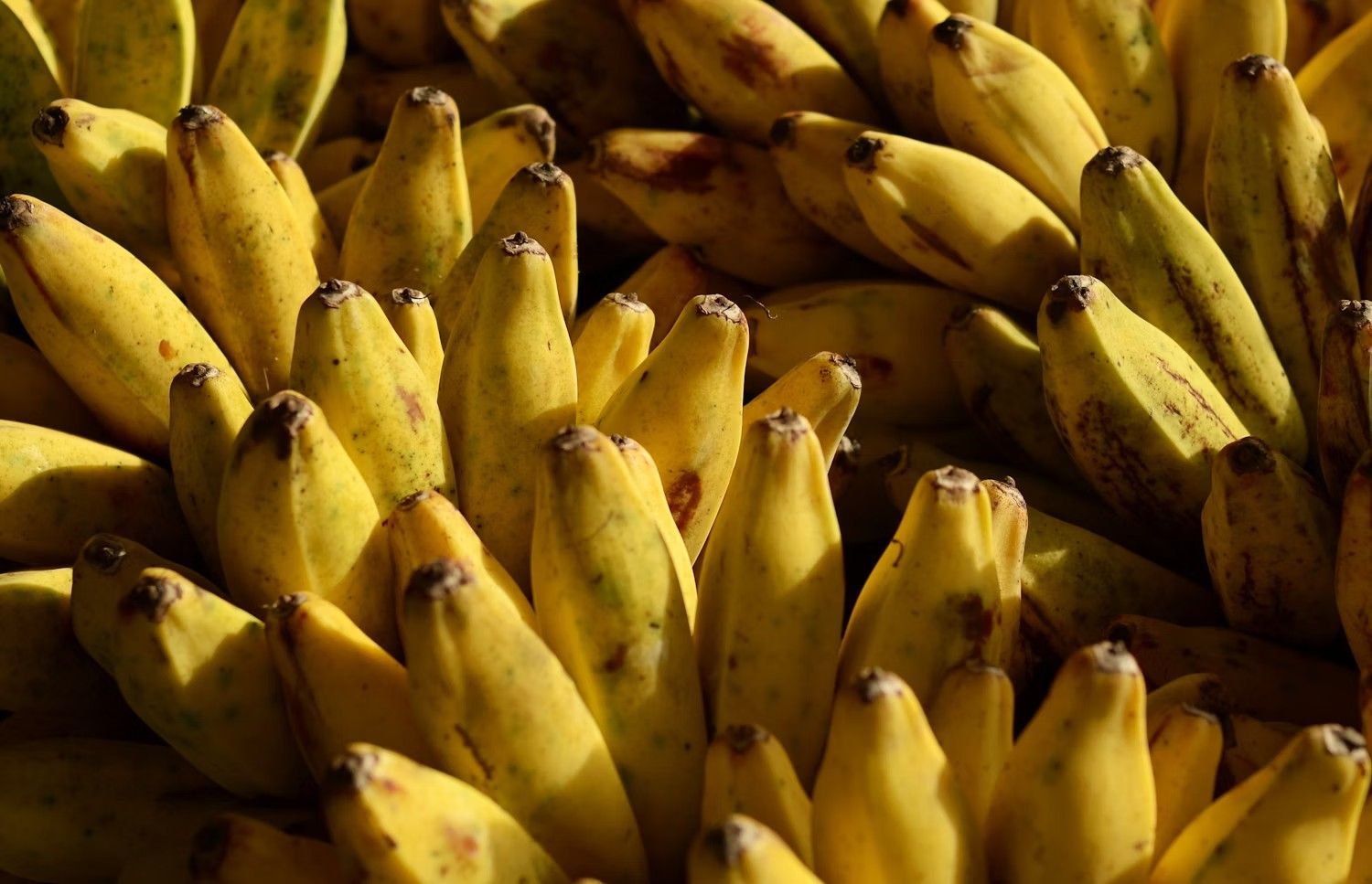
If you paid close attention to the intro here, we wish you had gone bananas on this article. And if you are a daily reader of our blog, you’ll know the kind of excitement this idiom refers to. You know when you get that email saying your article of the day is ready for you to tackle? Well, that’s the feeling! Excitement? That’s too plain. "Go bananas" describes it better!

3

Sour grapes

Image: Rajesh Rajput

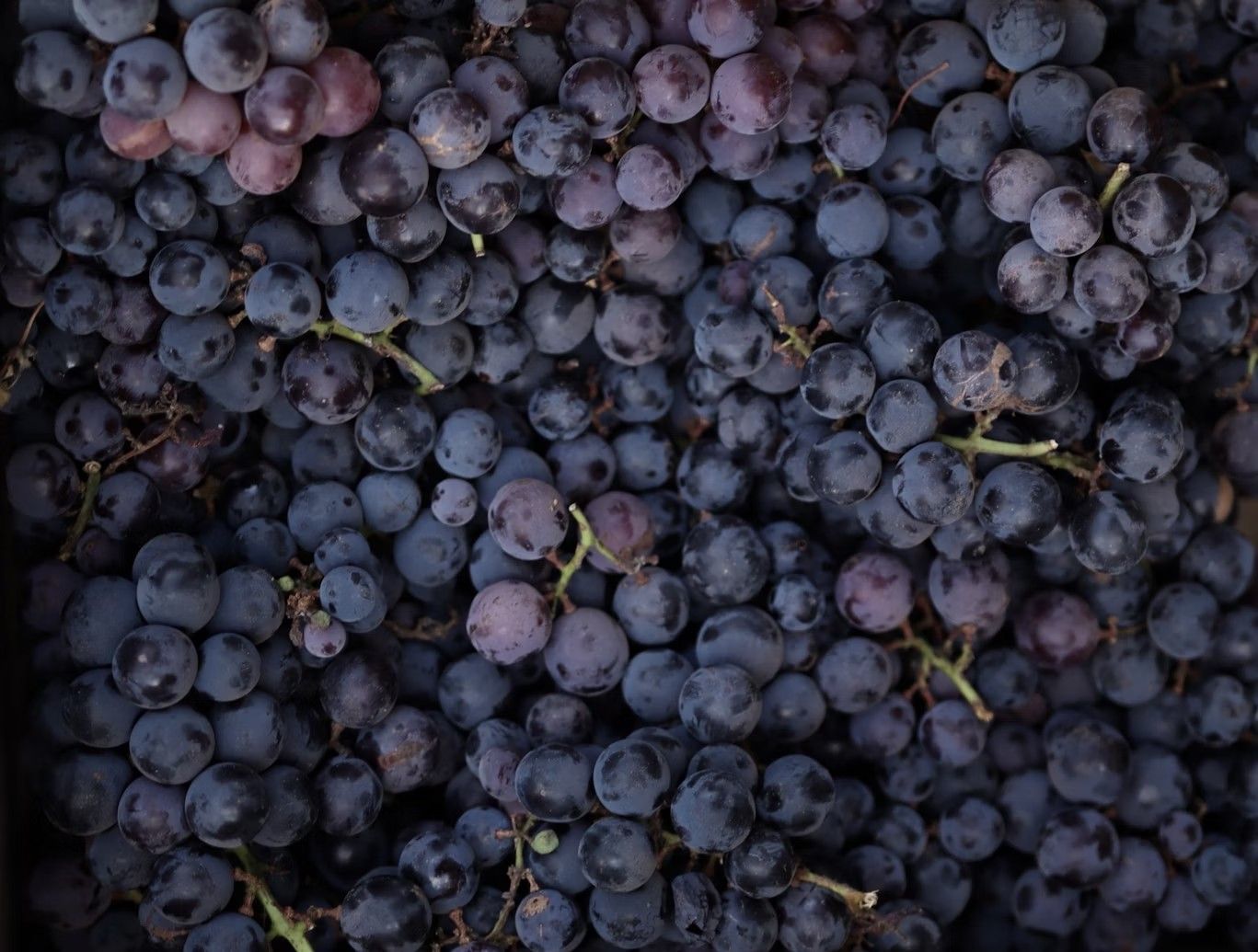
As much as one tries to deny it, we’ve all been in a situation where jealousy takes over, right? Imagine being a sports person and losing a match, you could say, "Well, they won, but that’s just because they got lucky!" Is that real or sour grapes? In other words, are you being realistic or simply jealous? That’s what the sour grapes refer to.

4

Cherry on top

Image: Roksolana Zasiadko

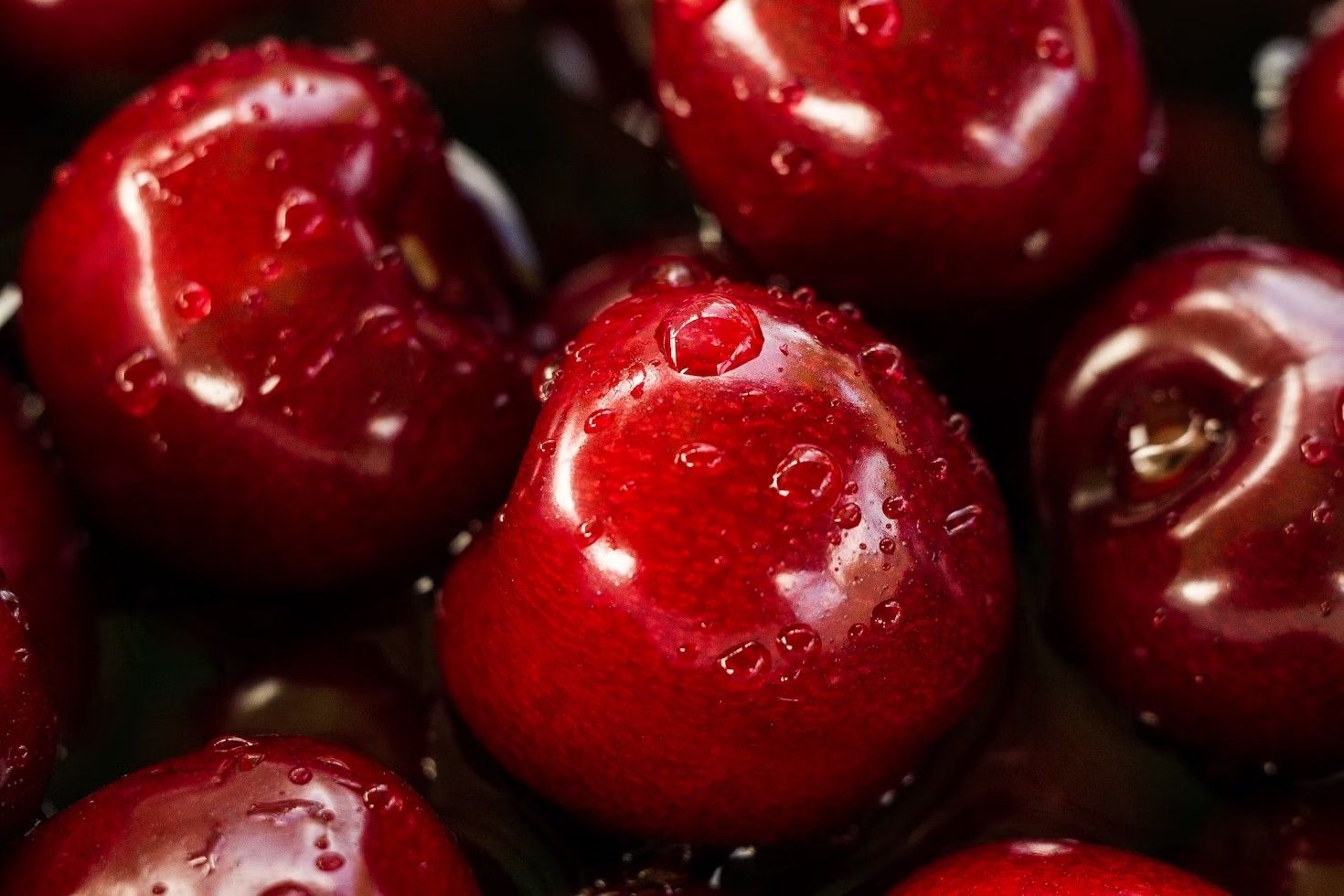
You had a great week at your job, everything went right on track, and the cherry on top is that you got a trip plan for the weekend. The cherry, red and delicious as it looks and tastes, is the representation of the final touch that makes something great or even greater.

5

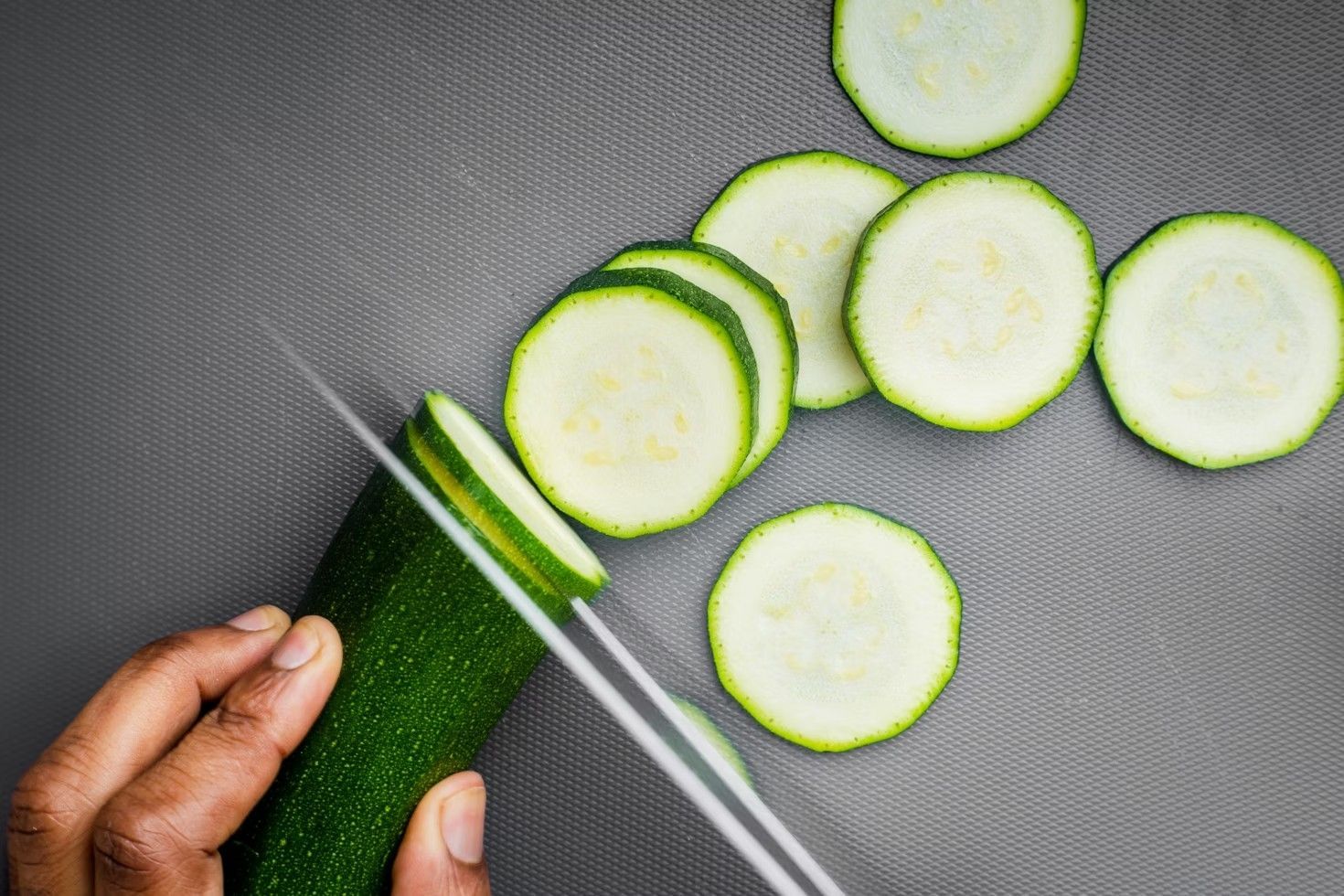
As cool as a cucumber

Image: Louis Hansel

You’re on that trip that is the cherry on top of your exhausting week, and you went to a beautiful retreat. Can you imagine how you would feel? Is the expression "as cool as a cucumber" appropriate? It probably is, since this idiom refers to feeling calm and very relaxed. Why? Well, because the cucumber is quite a fresh fruit. Who hasn't used it to reduce the puffiness in the eyes?

6

A bad apple

Image: Isabella Fischer

In every group of any kind, there’s always that person who is always causing trouble, raising problems where there were none. Conflict follows them, and they spread it around. Maybe it’s not their intention, but it happens, and that’s what we call a bad apple. Those trouble-makers we love and hate at the same time. Do you know any?

7

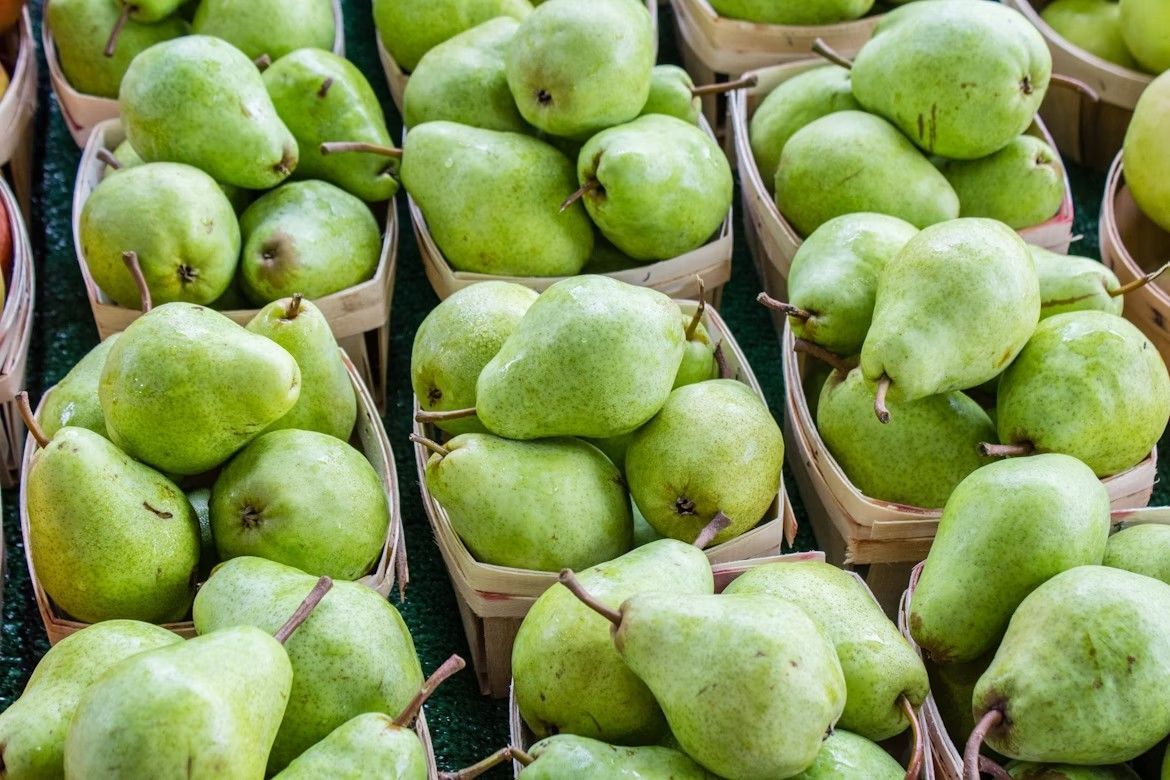
Go pear-shaped

Image: Jonathan Mast

Here is an example of this one, see if you can guess what it means: "Their plant to sneak out in the middle of the night went pear-shaped when the mother saw them." Imagine the embarrassment! But this expression is not about that exactly, but a way of saying things did not go as planned or that they went wrong. Did anything go pear-shaped for you today?

8

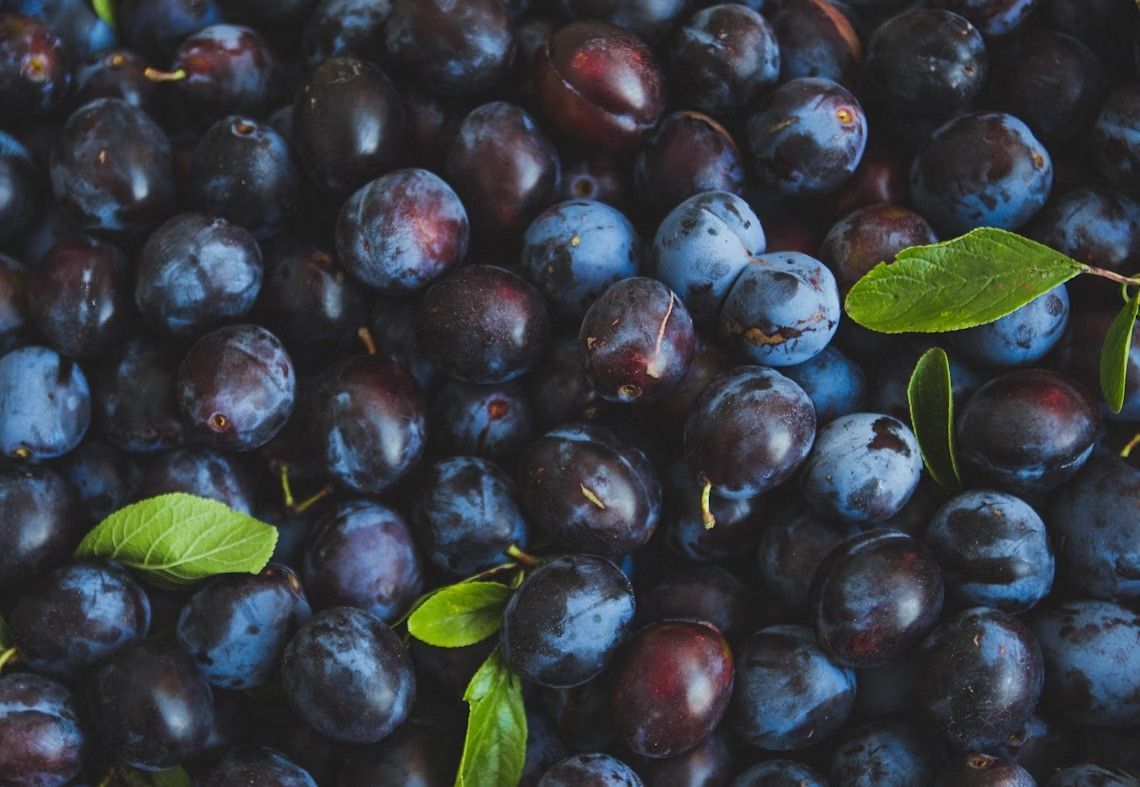
A plum job

Image: jasper benning

There are jobs… And jobs! Who wouldn’t like to be a librarian, arranging books in a quiet space surrounded by bookworms alike? Well, that may not be the case for you, but it sure is a plum job, which is an alternative way of saying that it’s a dream job or at least an easy and desirable one.

9

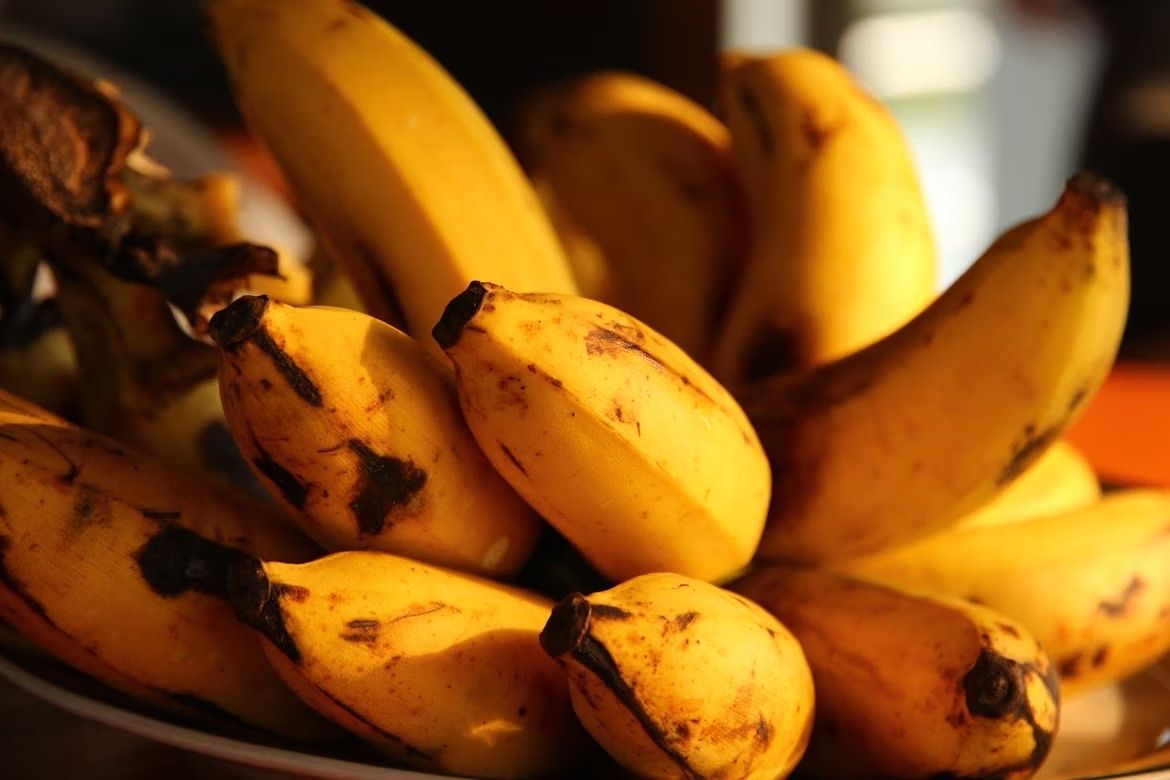
Top banana

Image: Fabrizio Frigeni

We mentioned the troublemaker earlier, but as soon as we can identify the one that takes on that role in every group, we can also point to the one who is a natural leader. Every single group has a top banana! Wait, what? Exactly, the top banana is that natural boss that stands out from the rest, thanks to their dominant personality.

10

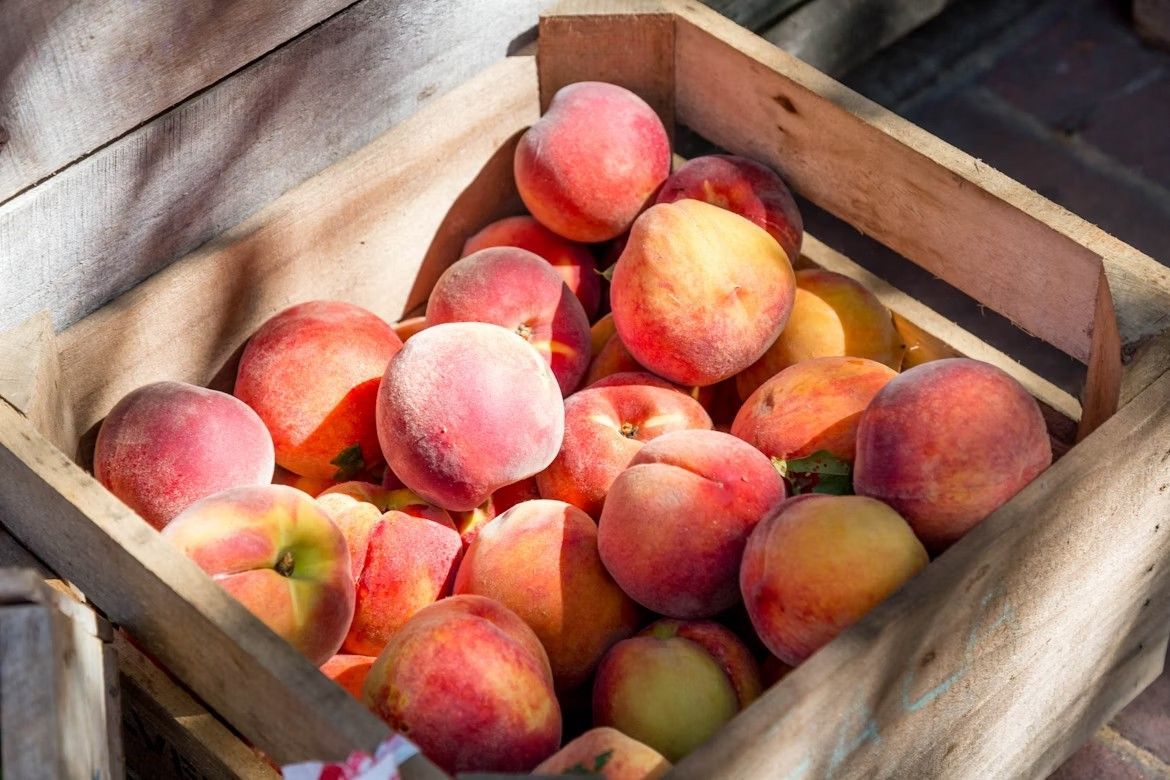
Peachy keen

Image: LuAnn Hunt

There are many more, but let’s close this article with an easy, light-hearted one. What did you think of it? Hope you thought it was peachy keen, or, in other words, a great one! And let’s hope that these expressions help you get your daily fruit intake. See you in the next article!



Deep roots

11 everyday words with indigenous roots


Published on May 11, 2026


Image: Zoshua Colah

English is a very welcoming language in the sense that it incorporates terms from many other languages from all over the world. And, as it couldn’t be otherwise, Native American languages have lent many of their words and terms to English speakers. Some traveled through Spanish or French before settling into English, and others arrived directly through early contact and trade, helping shape the way we speak today. Did you know about these 11 terms?

1

Canoe

Image: Michael Niessl

The word "canoe" comes from the Taino term canoa, which was first used by Caribbean islanders long before Europeans arrived. Early explorers adopted it to describe the slim, sturdy boats they saw.

Over time, "canoe" became the standard English word for a small paddled craft. Today it still carries that sense of simplicity and closeness to nature.

2

Barbecue

Image: Philipp Kämmerer

The word "barbecue" comes from barbacoa, another Taino term for a wooden frame used for cooking meat over fire. Europeans adopted it and applied it to both the method and the gathering itself.

Today, "barbecue" means everything from a backyard cookout to a regional cooking style. Its origins highlight the deep culinary influence of Native Americans in the nation's current culture.

3

Skunk

Image: Elisa Stone

"Skunk" comes from the Algonquian word squnk, which means "urinating fox" (quite a fitting term, indeed). This was an obvious reference to the animal’s strong defensive spray. Early settlers adopted the term directly.

Since English had no better name for the creature, the Native word stuck. Today, the word skunks is also used as playful slang.

4

Moose

Image: Shivam Kumar

The word "moose" originates from Eastern Abenaki, a part of the Algonquian family, where it meant "he strips off bark." Yes, it described the animal’s habit of tearing bark from trees.

The name entered English quickly because settlers relied on Native knowledge of local fauna. The word remains unchanged because of its accuracy and usefulness.

5

Raccoon

Image: Gary Bendig

"Raccoon" comes from the Powhatan word arakun, meaning "he scratches with his hands." It described the animal’s clever, humanlike front paws.

Settlers adopted the term because it captured the creature’s behavior beautifully. Today, the raccoon is used as a household symbol of curiosity, not unlike the animal itself.

6

Chipmunk

Image: Annegret Kammer

The term "chipmunk" most probably comes from the Ojibwe word ajidamoo, which means "one who descends trees headfirst." Early English settlers adapted the sound into today’s form.

Though the spelling changed over time, the lively image of a chipmunk racing down a tree face-first stayed.

7

Caribou

Image: JD-Photos

The word "caribou" comes from the Mi’kmaq term qalipu, which means "snow shoveler," referring to the animal’s habit of digging through snow for food.

French settlers brought the word into English, keeping its descriptive nature. The name still connects the modern animal to the winter landscapes it belongs to.

8

Totem

Image: Stéfano Girardelli

"Totem" comes from the Ojibwe word ototeman, which means "kinship group." It described symbols representing clans and shared roots.

English adopted it to describe carved poles and symbolic elements. Though broader in modern usage, it still hints at the original sense of community, identity, and heritage.

9

Coyote

Image: Dylan Ferreira

"Coyote" comes from the Nahuatl word coyōtl, which was used by Indigenous tribes of central Mexico. Spanish speakers adopted it, and English borrowed later.

The word kept its meaning, and it remains one of the most direct links between the English language and Nahuatl.

10

Avocado

Image: Gil Ndjouwou

The tasty avocado’s name traces to the Nahuatl word ahacatl, which refers to the fruit and to a body part as well. Spanish speakers transformed it into aguacate.

Later on, English speakers adapted it to avocado. While the name sounds contemporary and culinary, it has ancient Native roots.

11

Chocolate

Image: amirali mirhashemian

The last Nahuatl word and also the last word on the list comes from the term xocolātl, which describes a bitter cacao drink that was consumed long before Europeans arrived in America. The name traveled from Spanish to English.

Though the product changed dramatically, the word survived. Today, chocolate is a universal symbol of sweetness, with rich and deeply indigenous roots.

Looking for an extra scoop of literary fun?

Learn more with our Word of the day

fractious

/ˈfrækʃəs/