Popular, but untrue

It didn’t happen: 10 history myths that are regarded as true


Published on March 15, 2026

Image: Hartono Creative Studio

A big part of history is dependent on who’s telling it, but some facts are indisputable. However, some stories have become so widespread —be it because of popular legend or by honest mistake— that most would assure them to be true. Some have even been transmitted for generations, but they happened in a different way or not at all. Let’s revise 10 historic "facts" that are just myths.

1

Vikings wore horned helmets

Image: Steinar Engeland

The idea that Viking helmets had horns is consistent with their fame as frightening warriors, but it is simply not true. This misconception is a result of 19th-century artists, such as Richard Wagner, and their interest in the Middle Ages, which, in many cases, involved inventing facts when reliable information was lacking. We now know that Vikings wore cap-like helmets with nose guards, and without any protruding elements.

2

Marie Antoinette said, ‘Let them eat cake.’

Image: Takuya Nagaoka

The French Revolution and its rejection of the monarchy led to Marie Antoinette having a tarnished reputation, with many accusing her of not caring about her subjects and living an extravagant life while the French people suffered. The phrase ‘let them eat cake’, attributed to her, is a big part of this, but no matter how she actually behaved, we know as a fact that she never said it. This phrase was attributed to an unnamed princess by philosopher Jean Jacques Rousseau, but at that time, Marie Antoinette was 9 years old and still lived in Austria.

3

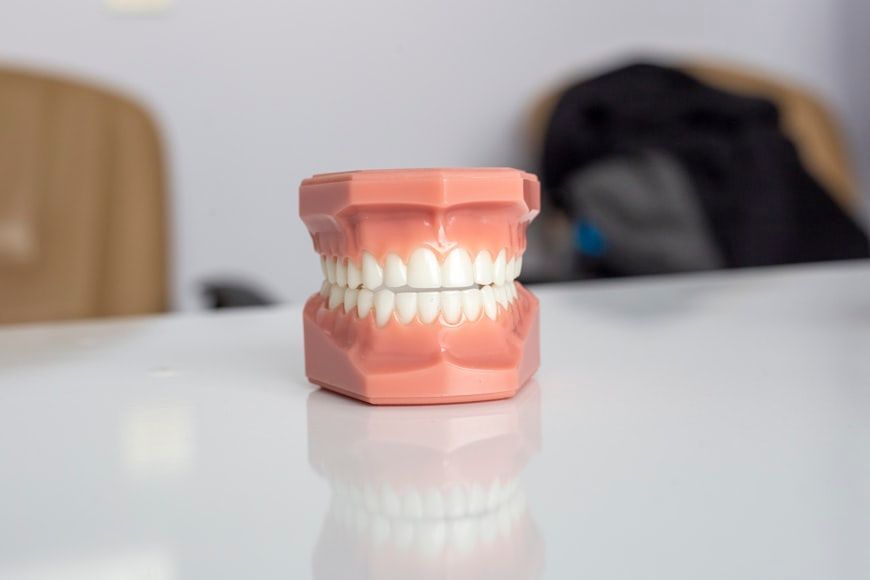
George Washington had wooden teeth

Image: Enis Yavuz

While the father of the nation did wear dentures, the widespread belief that these were made out of wood is not true. Historians have confirmed that his dentures were made from a mix of different materials, including ivory, human teeth, animal teeth, and metallic pieces. The idea that these were wooden is most likely a result of the brownish appearance of stained ivory.

4

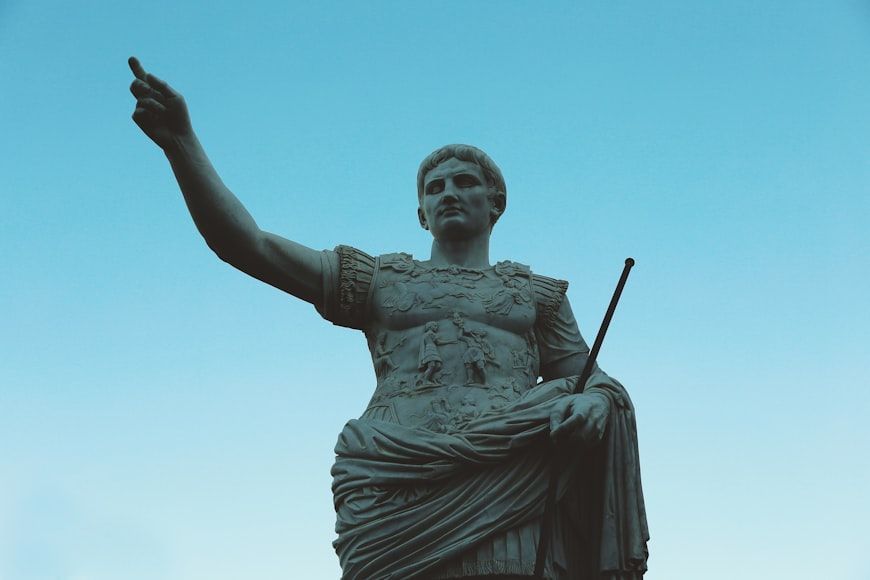
Emperor Nero burned Rome intentionally
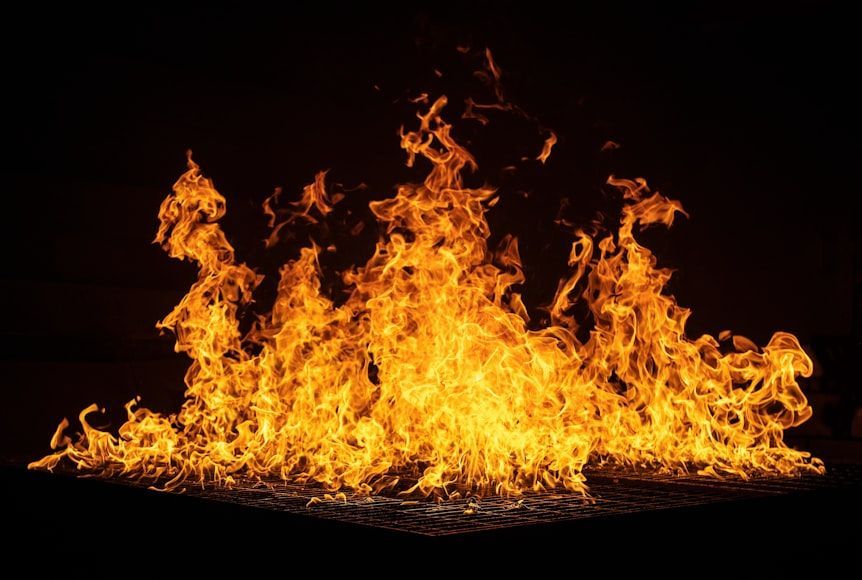
Image: Ricardo Gomez Angel

Roman emperor Nero has a well-deserved reputation as a tyrant. He habitually murdered opponents, persecuted thousands of Christians, and was known to enjoy animal cruelty. However, there is no solid proof that he intentionally started the fire of Rome, although we know that he did nothing to stop it, and played music as he watched the city burn. The fire was most likely an accident, and Nero took advantage of it to rebuild Rome in grandeur.

5

Medievals believed the Earth to be flat
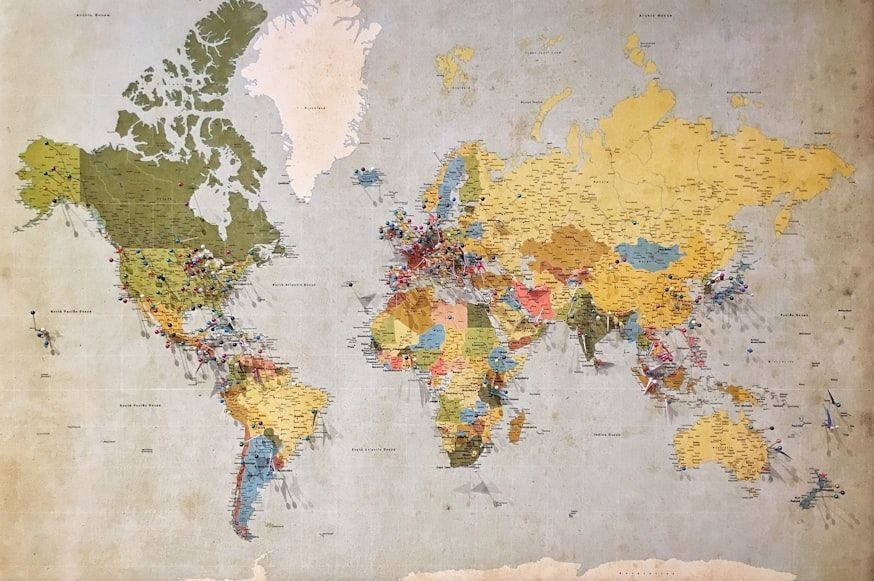
Image: Andrew Stutesman

Scholars have known the Earth is a sphere since classical antiquity, and medievals inherited that knowledge from the ancient Greeks. Why did they not travel to the West then? Is not that they thought they would reach the end of the world, but that they were unsure of the dangers of such a travel. The idea of medieval people as flat-earthers is a result of 19th-century writers' concept of the Middle Ages as a ‘dark time’ of ignorance.

6

American independence was declared on July 4th
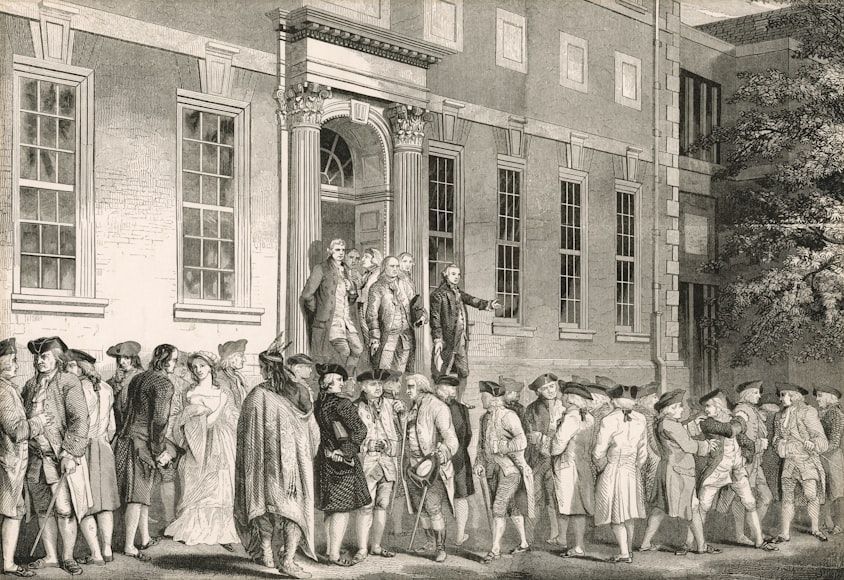
Image: The New York Public Library

To the surprise of many, the Continental Congress declared independence from Great Britain on July 2nd. But why is Independence Day not celebrated on that date? Founding Father John Adams asked the same question. While the voting was done on the 2nd, the document was finalized and distributed on the 4th, and most delegates adopted that date. John Adams wrote extensively about the importance of July 2nd, and he reportedly declined invitations to 4th of July celebrations in protest.

7

People were burned at the stake during the Salem witch trials
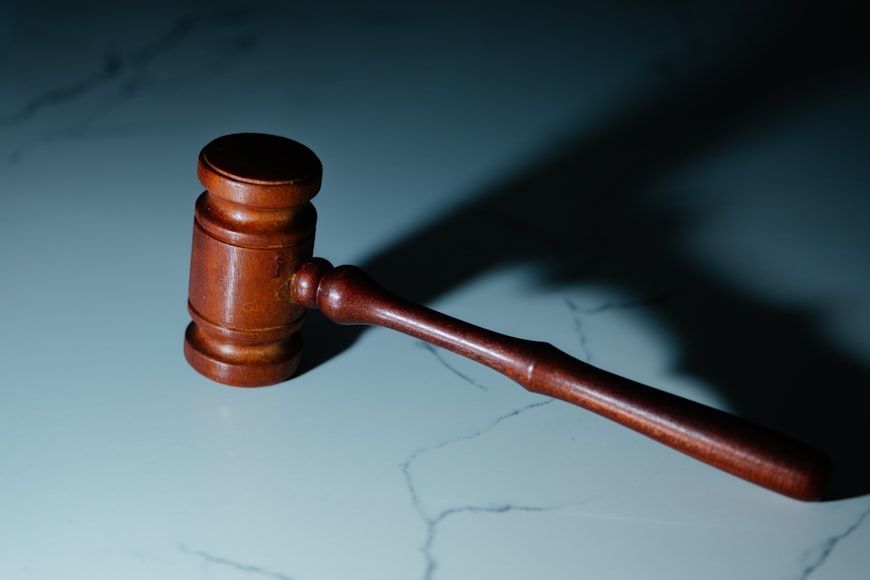
Image: Wesley Tingey

The Salem witch trials were undoubtedly outrageous, and modern historians believe that the result was mass hysteria. However, the idea that convicted individuals were burned at the stake is just a popular myth. 19 people were executed by hanging, and one other died during interrogation due to torture. In the years after, it was proven that evidence of witchery was fabricated, and the trials were declared unlawful.

8

Julius Caesar said, ‘Et tu, Brute?’

Image: tommao wang

While historians and chroniclers have several theories about Julius Caesar’s dying words, we know for a fact that he never said ‘_Et tu, Brute?’ (You too, Brutus?) to his adoptive son. This phrase was coined by Elizabethan playwright Richard Edes and later popularized by William Shakespeare. What did Caesar say instead? We don’t know, but the prevailing theories are that he remained silent or that he spoke in Greek and said ‘_καὶ σύ, τέκνον?" (‘You too, child?’).

9

Rosa Parks was sitting in the ‘white’ section of the bus

Image: Unseen Histories

When Rosa Parks refused to give up her seat, she knew she was making a political statement. However, contrary to what many believe, she was sitting on a part of the bus that African Americans were allowed to use. Why was she asked to give up the seat, then? She was sitting in a section that was for everyone, but where white people had priority. When the white section became full, she was asked to give up her spot. She refused, and the rest is history.

10

Galileo Galilei was executed by the Catholic Church

Image: Matthew Ansley

The story of Galileo Galilei’s trial is one of the most widespread historical myths, and most people are certain that he was tortured because of his beliefs and then executed. Galileo was indeed tried by the Church, but it was not the simplistic case of science vs. faith most believe it to be. In reality, it was a scientific debate and, while Galileo was ultimately right in defending Heliocentrism, he failed to prove it. After the trial, he received house arrest in a villa, where he died of natural causes.


Secret uses

There’s a hidden microphone in your phone, and here’s where it is


Published on March 15, 2026


Image: Inside Creative House

You’ve probably twisted a bread bag closed, filled up your car, or pulled a sheet of aluminum foil from the box thousands of times without giving it a second thought. But many of the everyday objects we’ve used for decades have clever features that most people never notice. From the tiny pocket on blue jeans to the little arrow next to your gas gauge, these hidden designs have practical stories behind them, and once you know them, you’ll never look at these familiar items the same way again.

1

​Dot next to the iPhone camera

Image: DenPhotos

If you own an iPhone, you’ve probably noticed the tiny black dot next to the rear camera. It’s small, so people tend to assume it’s another camera sensor or even part of the phone’s design. The small hole found near the camera bump on every iPhone is actually a rear microphone.

It captures clearer audio when you’re recording videos and helps reduce background noise during FaceTime and regular phone calls. If you own an iPhone Pro model from the iPhone 12 Pro onward, you'll also see a larger dark circle. That’s the LiDAR scanner, which sends out invisible infrared light to create a 3D map of your surroundings. It helps the camera focus faster in low light, powers Apple’s Measure app, and makes augmented reality features much more accurate.

2

​Indent on the bottom of wine bottles

Image: tartaphotography

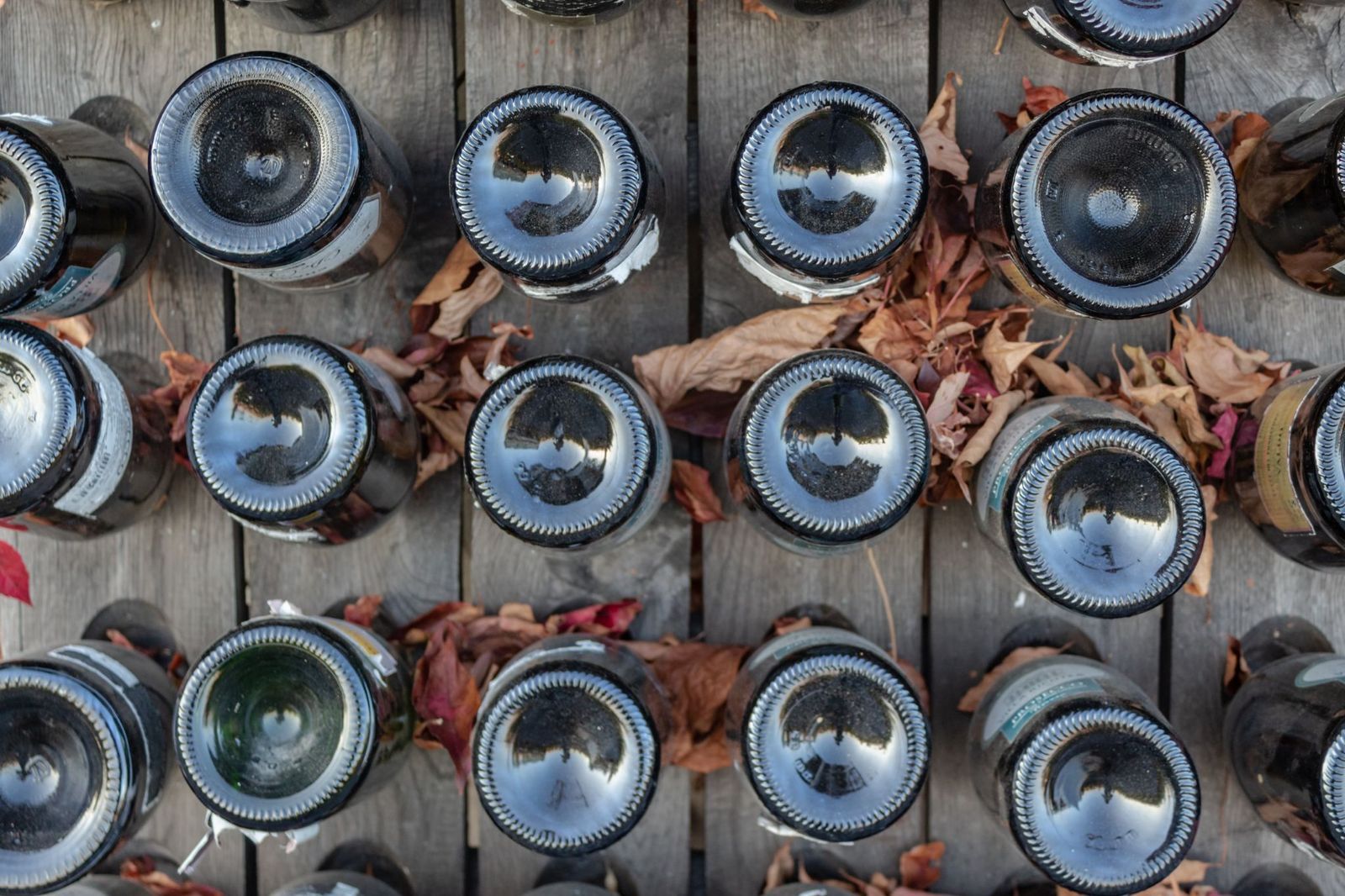
Whether it's a holiday dinner, an anniversary, or simply a nice meal with friends, you’ve probably held a wine bottle and noticed the deep indentation in the bottom. Many people tend to think the deeper the indent, the fancier the bottle.

That indentation is called a punt, and it’s been a part of the bottle-making for centuries. Originally, it helped strengthen hand-blown glass bottles, making them less likely to crack under pressure. Today, it still adds structural stability, particularly for sparkling wines, while also giving servers a comfortable place to rest their thumb when pouring, though some say it helps collect the sediment as wines age. In any case, a deeper pun doesn’t automatically mean a better or more expensive bottle.

3

​Dashboard gas gauge arrow

Image: happycreator

Almost every driver has experienced that awkward moment at the gas station. You pull up to the pump, step out of the car, and suddenly realize the fuel door is on the opposite side.

To help prevent exactly that situation, many modern vehicles include a small arrow next to the gas pump symbol on the dashboard’s fuel gauge. The arrow points towards the side of the vehicle where the fuel filler door is located. It’s a small detail on the dashboard, yet once you notice it, you’ll never have to circle the pump again.

4

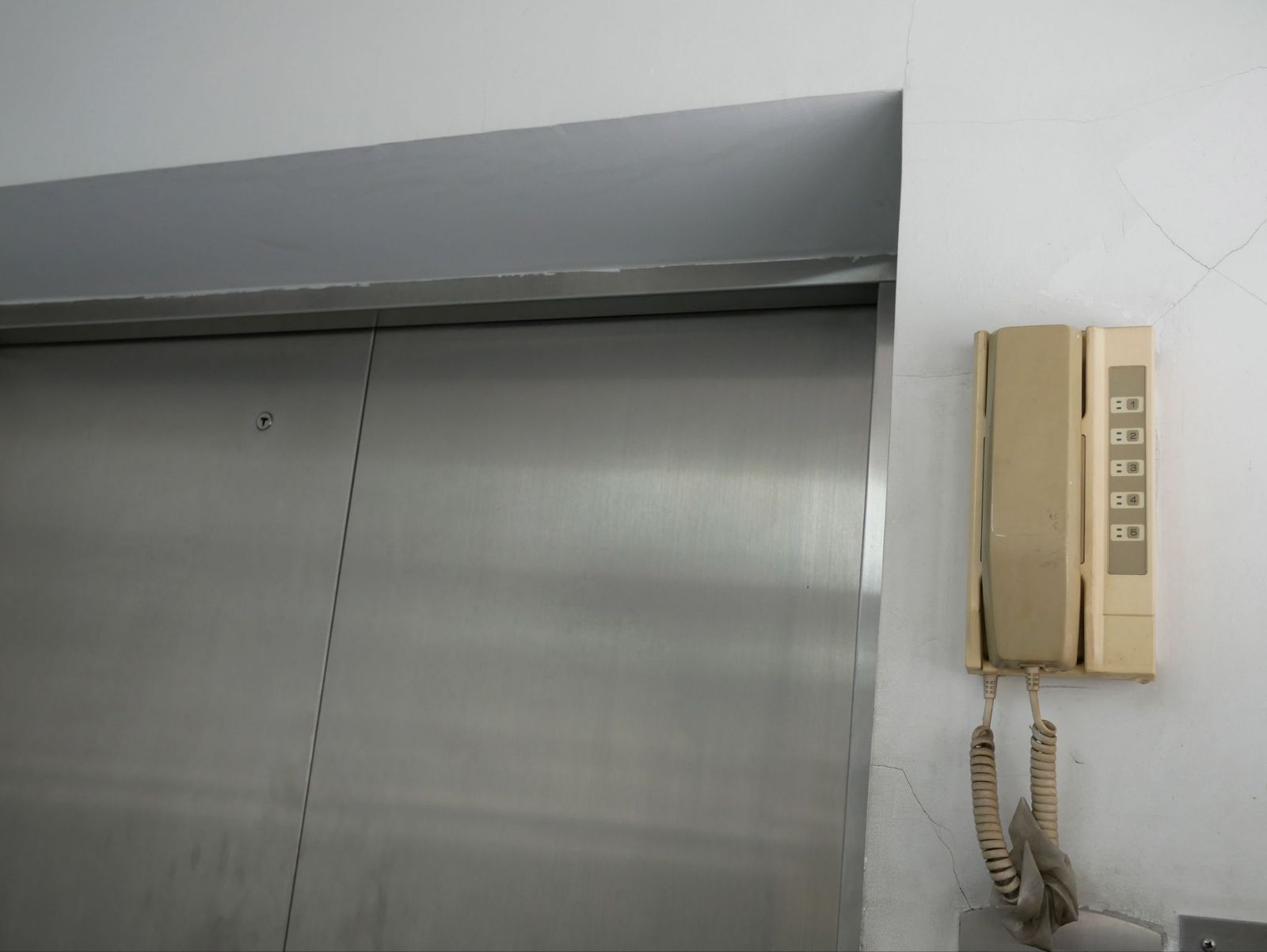
​Tiny hole outside an elevator door

Image: chanonnat srisura

All elevators look pretty much the same. Bigger or smaller, they all look similar, a gray box with a mirror and buttons. But if you pay close attention, you may notice there’s a small round opening near the top of the door.

That opening is a keyhole used by trained maintenance technicians and emergency responders. With a special elevator key, they can manually unlock the landing doors when repairs are needed or if passengers become trapped inside. The system allows professionals to reach the elevator safely without damaging the doors or relying solely on electrical controls. Hopefully, most of us will never need to see it in action. But in an emergency, that tiny opening becomes one of the most important parts of the system.

5

Colored tags on store-bought bread

Image: Towfiqu ahamed barbhuiya

If you’ve ever stood in the bread aisle comparing loaves, you’ve probably noticed the colorful plastic clips or twist ties holding the bags shut. Contrary to what many think, they’re not simply a part of the packaging.

For many bakeries and grocery stores, the colors indicate the day a loaf was delivered or baked. While the exact color schedule can vary between bakeries and regions, employees use the system to quickly spot older inventory and rotate fresher bread to the back of the shelf. That way, customers are more likely to pick up the freshest loaf available.

6

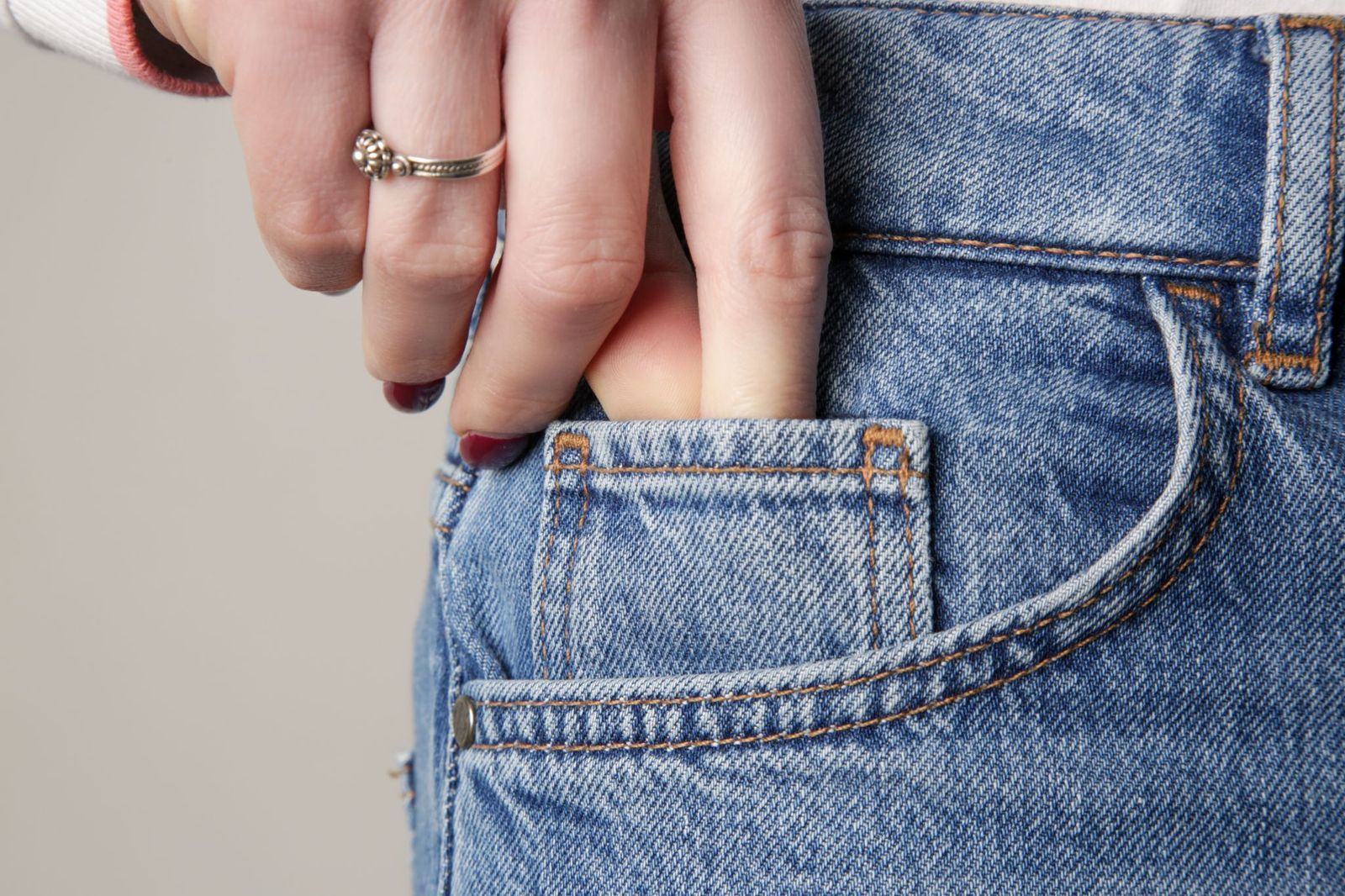
​Tiny pocket on blue jean

Image: triocean

Whether you wear jeans every day or only pull them out for yard work, you’ve probably noticed the tiny extra pocket tucked inside one of the front pockets. It’s too small for a phone and not very useful for loose change, but there’s a reason for it.

Back in the 1800s, when Levi Strauss & Co. created rugged denim pants for miners, ranchers, and cowboys working across the American West, pocket watches were commonplace. Workers needed a safe place to carry their watches while riding horses, so that little pocket was designed specifically to protect the watch from damage. Pocket watches disappeared, but the tiny pocket became such an iconic part of blue jeans that manufacturers have continued including it for well over a century.

7

​Perforations on aluminum wrap boxes

Image: The Image Party

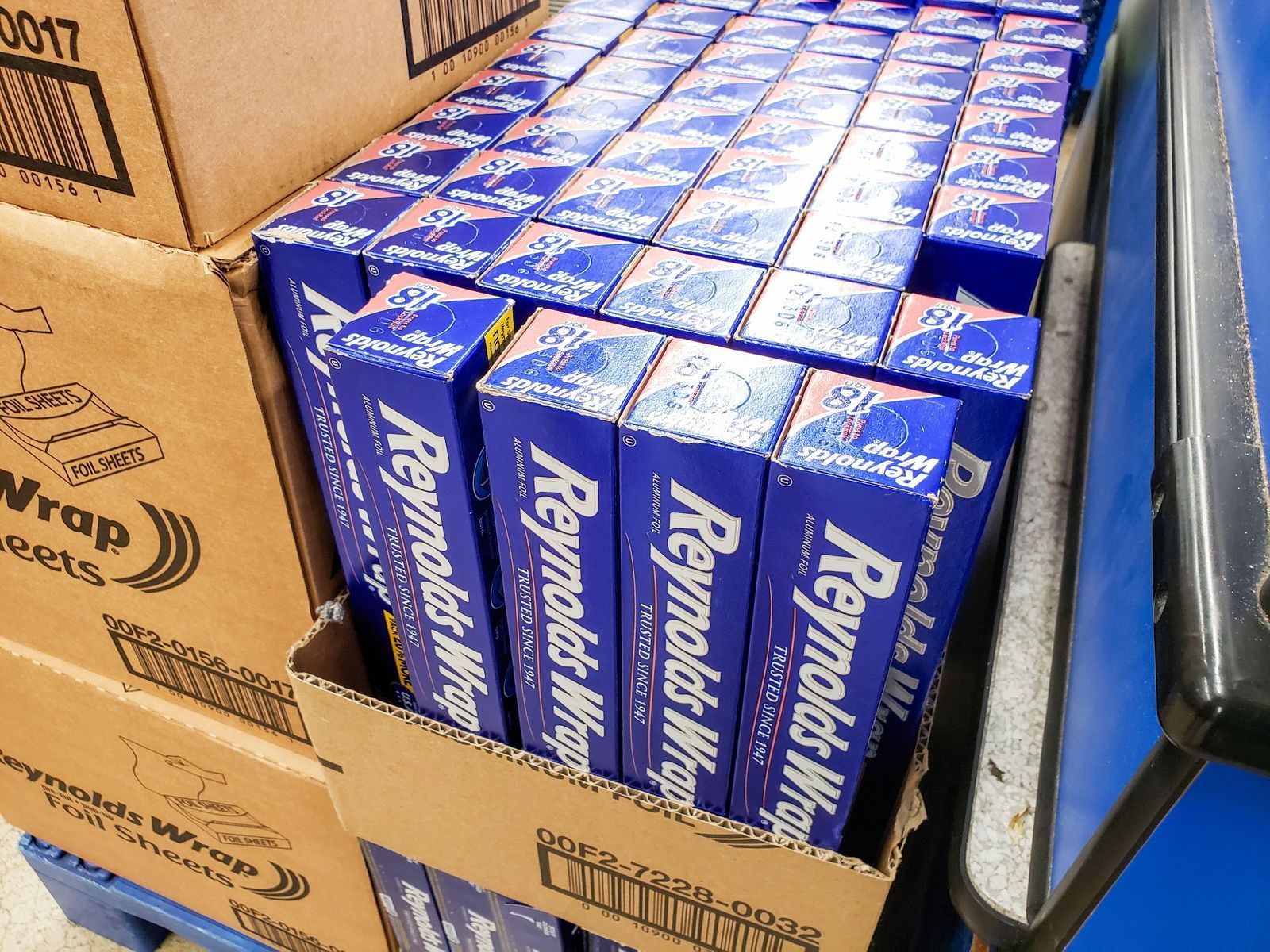
Almost everyone has had the same frustrating experience. You pull on a sheet of aluminum foil, and suddenly the entire roll slides out of the box and lands on the kitchen counter.

That’s exactly why major manufacturers such as Reynolds introduced the small side tabs, known as end locks, in the mid-1990s. By pressing the tabs inward, they hold the cardboard roll in place like built-in axles. This keeps the roll from sliding out of the box, makes it much more stable as you pull, and helps the serrated edge cut a cleaner, straighter sheet. It also reduces waste by preventing the foil from bunching up or tearing unevenly. It’s a simple design, yet useful as it can get.

8

​Hole in pen caps

Image: Konektus Photo

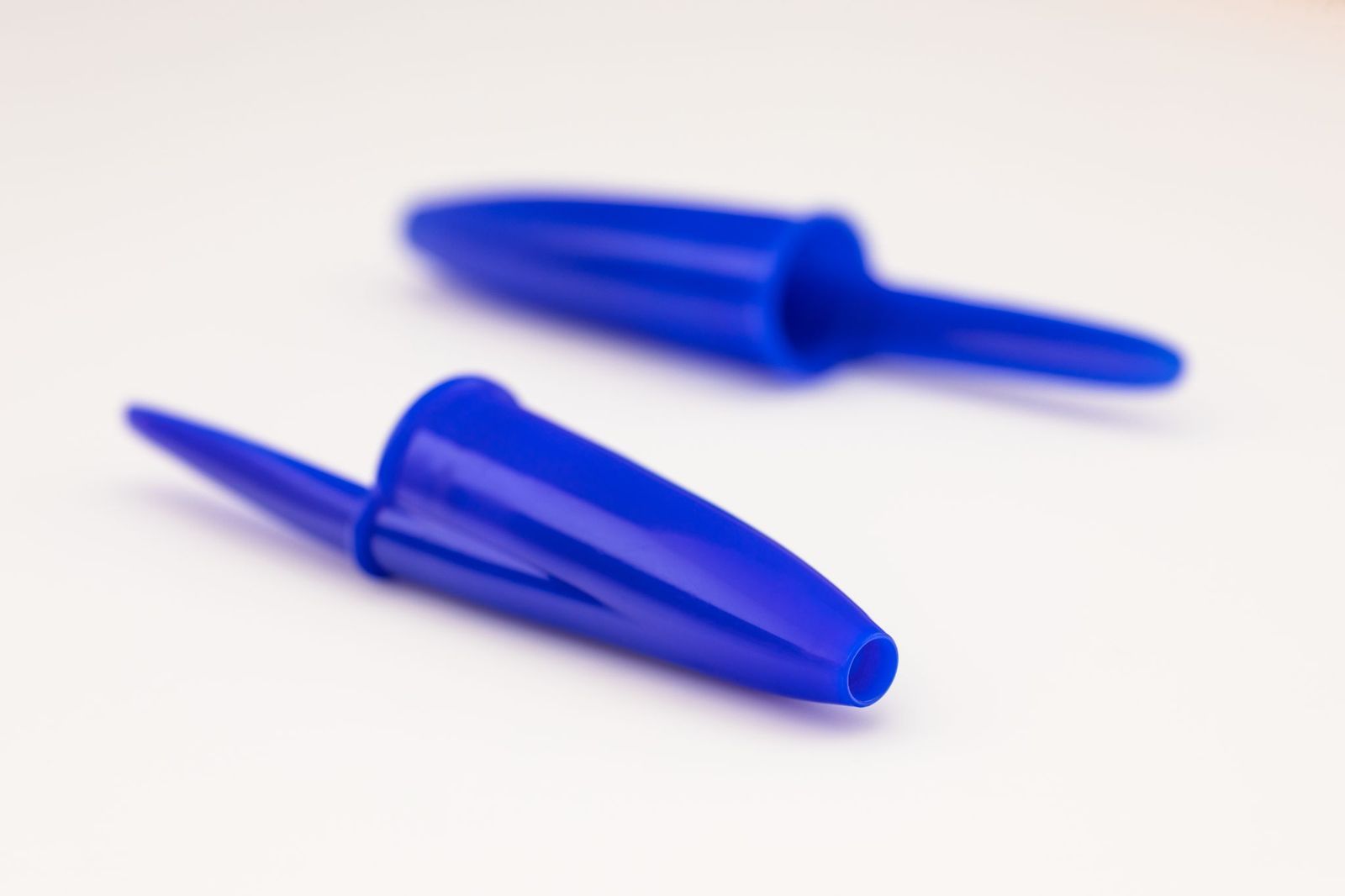
Every household has pens lying around for all kinds of purposes. And most of them have a common feature, a hole in the cap, which isn’t simply part of the design.

BIC and other pen manufacturers included the opening as a safety feature. If someone, especially a child, accidentally swallows a pen cap, the hole can allow a small amount of air to pass through, reducing the risk of complete airway blockage while emergency help is on the way. The design became part of border efforts to improve consumer product safety after choking incidents drew attention to the danger of small plastic objects.

9

​A strawberry attached to a pincushion

Image: Kimberly Hall

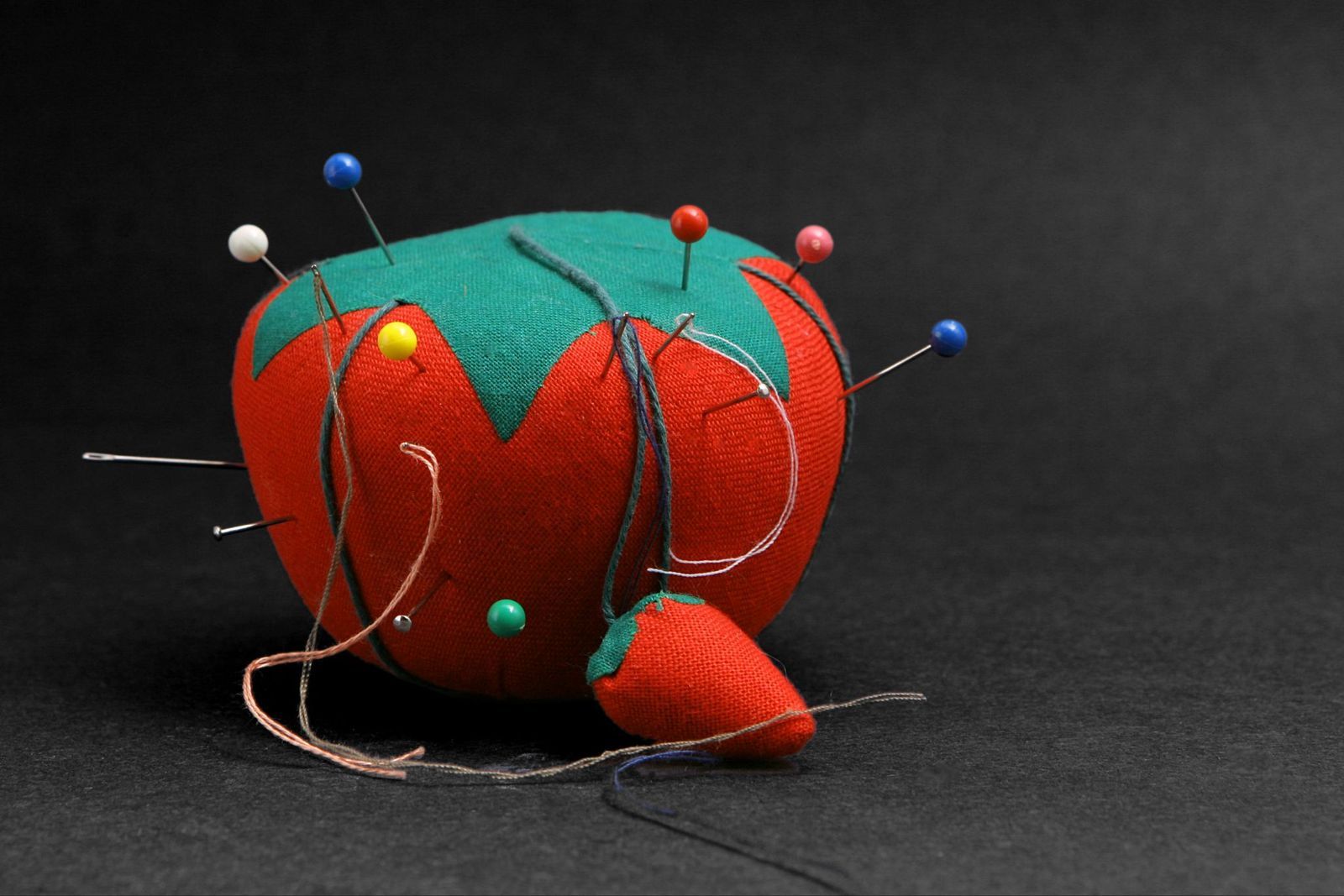
If you grew up sewing or watching somebody do it, you probably remember the classic tomato-shaped pincushion sitting beside the sewing basket. Hanging from it was a tiny red strawberry that looked like nothing more than a cute finishing touch.

In reality, that little strawberry has its own job. Instead of soft stuffing, it’s filled with emery, a gritty material made from crushed abrasive minerals. Running pins and needles through it helps polish away tiny spots of rust, smooth rough edges, and keep the points sharp enough to glide through fabric more easily.

10

​Ridges on the F and J keyboard keys

Image: alexkich

Think back to the first time you learned to type. Maybe it was at work, or on a family computer. Wherever it was, someone probably told you to keep your fingers on the "home row." That’s exactly why the F and J keys have tiny raised ridges.

The bumps let your index fingers find the correct starting position by touch alone, allowing you to type without constantly looking down at the keyboard. The technique, known as "touch typing," is widely credited to American court stenographer Frank Edward McGurrin, who demonstrated it in 1888. As typewriters became more common, manufacturers experimented with different ways to help typists orient their hands, and by the mid-20th century, companies such as IBM standardized the subtly raised plastic bars that remain on nearly every keyboard today.

Looking for an extra scoop of literary fun?

Learn more with our Word of the day

bustle

/ˈbəs(ə)l/