The wonders of human language

You might be surprised by these linguistic facts


Published on September 7, 2026
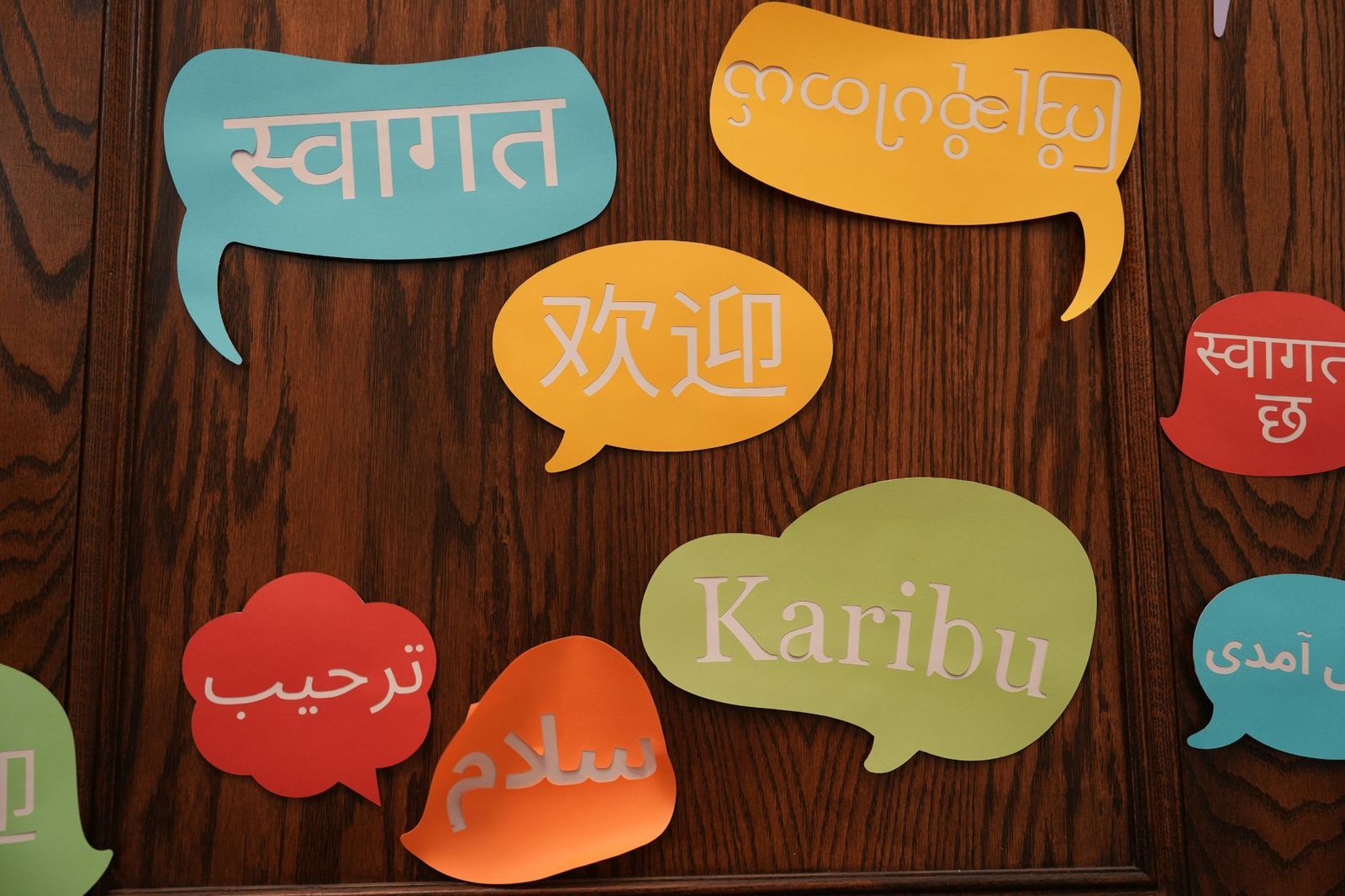

Image: zhendong wang

If languages and grammar are not your thing, linguistics might seem complex and boring, but nothing could be further from the truth. While some areas of linguistics require prior knowledge, many linguistic concepts and ideas relate to everyday life and can be understood by anyone. Here are some simple linguistic facts that might surprise you!

1

The "most difficult language" doesn’t exist

Image: jason hu

People like to list languages such as Mandarin, Japanese, or Hungarian as "the most difficult languages in the world", but this is not true. Think about the ease with which babies pick up a language, becoming fluent at a similar rate, no matter the place. The difficulty of a language lies not in its structure, but in its similarities or differences with your own language. Mandarin might be extremely difficult for an English speaker, but quite manageable for someone who speaks Cantonese. So, there isn’t a "most difficult language", but a "most difficult language for you".

2

You can’t really learn new things about your native language

Image: Unseen Studio

This might come as a shock, but you already know everything about your native language. Native speakers learn by imitation, not through methodical study, so they don’t rationalise their language; they simply speak. They might later approach the language from an academic perspective and put a name to different structures and concepts, but they will not learn anything that is actually new.

3

Each language is a new worldview

Image: Song_about_summer

This might seem obvious, but most people don’t think about it. While differences in grammar and structures are evident, it is common for language learners to approach vocabulary as a set of labels: If I’m learning Spanish, I take an apple and label it "manzana". But languages are not labels, but a way of seeing the world, such as cultures near the North Pole having dozens of words for snow or languages in hierarchical societies changing according to the people speaking. While at a basic level we can often find one-to-one translations, the more we learn about a new language, the more we adopt a new worldview.

4

Your family has a unique dialect

Image: Ekaterina Shakharova

Does your family have certain words or phrases that mean something unique to you? It might be a funny mispronunciation that stuck, or a phrase that you use in a specific circumstance, sometimes passed down for a few generations. This is called a "familect", and it happens in most families, but also in tight-knit friend groups. The repetition and preservation of this private code reinforces familial bonds and identity, functions as an emotional anchor, and provides a sense of belonging.

5

Polyglots have multiple personalities

Image: Prostock-studio

Each language carries a worldview, so it is not surprising that our personality changes slightly when we change languages. We don’t become someone different, but we adapt to the cultural norms and values attached to that language. People who speak more than one language also tend to link specific interests, knowledge, and memories to each language, and specialists have noted that not only do our tone and volume change with each new language, but that we are most likely to swear or discuss sensitive or taboo subjects in a second or third language, as they provide an emotional distance impossible to avoid in our native tongue.

6

There is a right and a wrong way when it comes to English adjectives
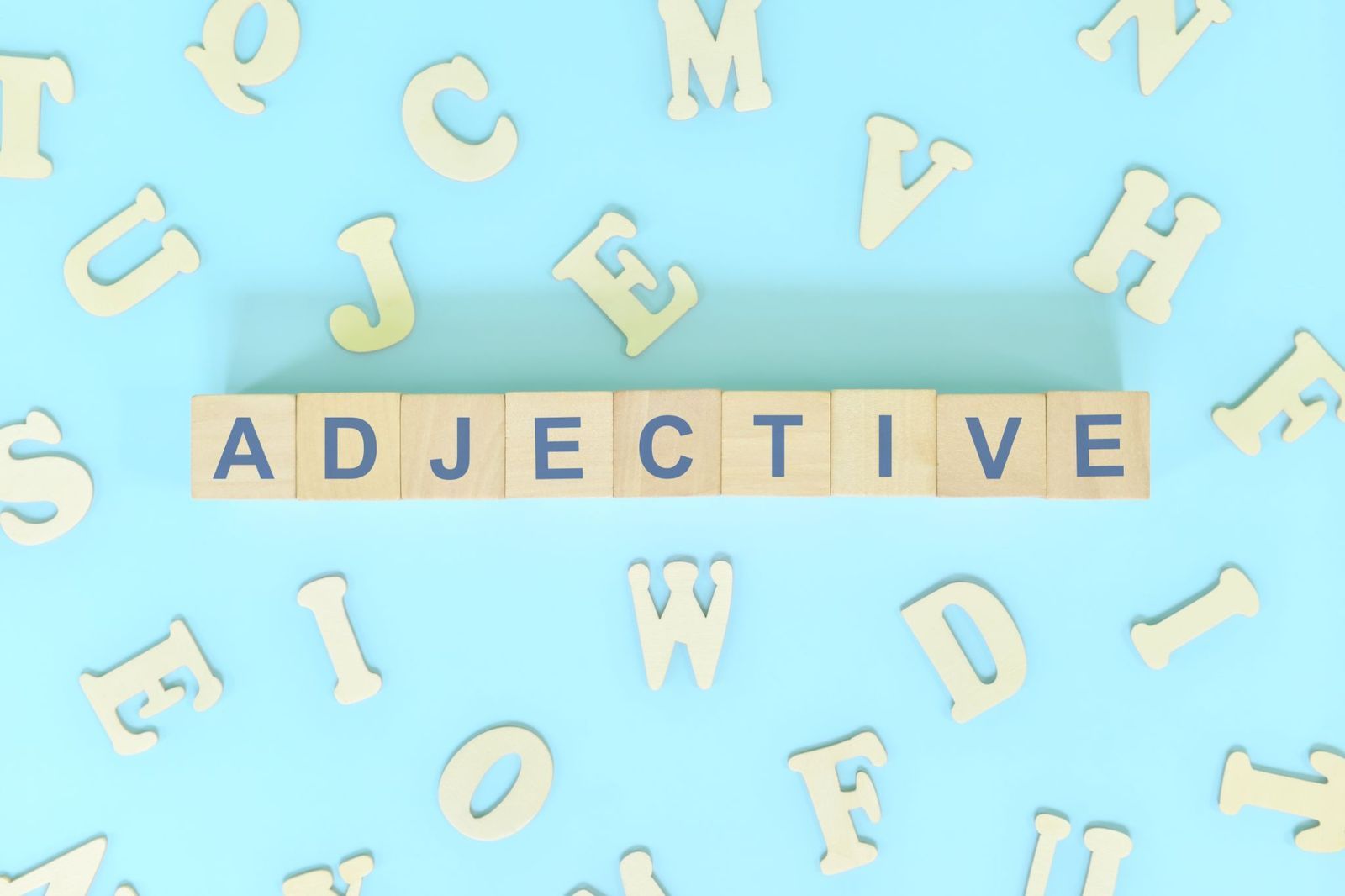
Image: sulit.photos

English is a fairly flexible language, meaning that many of its components can be placed in a different order without the sentence becoming unnatural or impossible to understand. But this flexibility does not apply to adjectives, at least when we have to use many of them in a row. English speakers naturally place adjectives in a specific sequence: opinion, size, age, shape, color, origin, material, and purpose. While this is done subconsciously, changing this order results in unnatural-sounding phrases, such as "a red new nice car".

7

Sign languages are unique

Image: LightField Studios

Have you ever wondered why people refer to sign language as ASL or "American Sign Language"? Not only are there multiple sign languages, classified in families in the same way spoken languages are, but each one is a language of its own, with unique grammar, rules, and vocabulary. This way, American Sign Language (belonging to the French Sign Language family alongside its Russian, Brazilian, or Italian counterparts) is not a signed version of American English, but a distinct, unique language with more than half a million native speakers.

8

The sad reality of feminine words

Image: Casimiro PT

Languages change and shift with use and time, which causes some words to gain positive meanings, but also others to become negative. This downgrading of a word’s meaning is called "pejoration" and is connected to many factors, one of them being whether the term is considered masculine or feminine. English is not a gendered language, but it has gender-specific pairs, such as "master/mistress", "fox/vixen", "bachelor/spinster", or "governor/governess". While initially mistress, vixen, spinster, and governess were merely counterparts to the male-specific term, over time they developed a negative connotation, while the masculine term remained positive or neutral.

9

Babies have accents

Image: Colin Maynard

Babies typically start using meaningful words around the 12-month mark, so it is natural to think that, before that, babies "don’t speak". While they don’t use meaningful spoken language, they communicate from birth with cries, sounds, and gestures, and these communications have an accent. How is this possible? Third-trimester babies in utero have fully functional hearing and recognize sound patterns, pitch, and intonation. Once they are born, their cries, and later their babbles, mimic the intonation, pitch, and rhythmic patterns of the language of their environment.

10

Animal sounds change from one language to another

Image: BaLL LunLa

What sound does a sheep make? Well, a sheep from where? English-speaking sheep go "baa", but Korean-speaking sheep go "me-e". While sheep don’t care about linguistic differences, humans adapt animal sounds to the available sounds and phonetic rules of their language. This happens not only with animals, but with all kinds of sounds, such as machines, strikes and collisions, physical and natural phenomena, human sounds, and more.

The truth about your brain

You won’t believe what happens in your brain while you sleep


Published on September 7, 2026


Image: Milad Fakurian

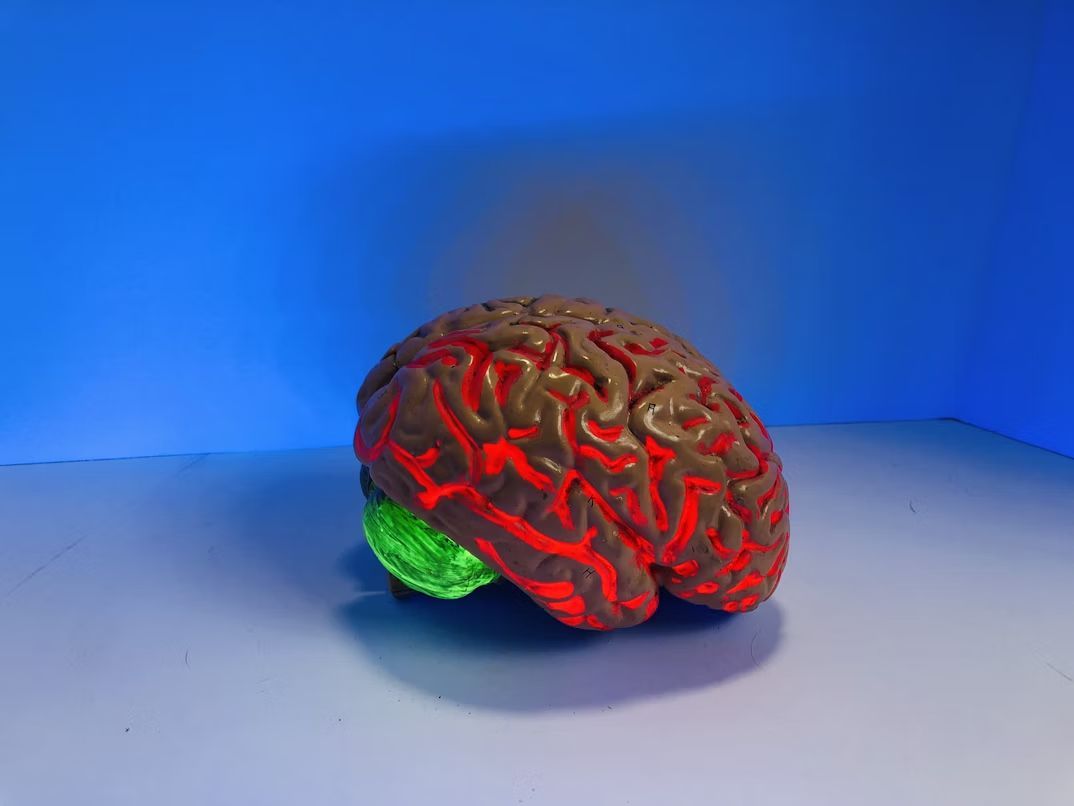
Your brain is one of the most powerful and mysterious organs in your body. It controls everything from your thoughts to your emotions and even processes information at lightning speed. But how much do you really know about it? Some long-believed myths about the brain have been debunked, while other surprising facts reveal just how incredible this organ truly is. Get ready to be amazed by these fascinating brain facts!

1

Myth: We only use 10% of our brain

Image: Natasha Connell

You’ve probably heard this one before, but it’s completely false! While it’s true that not all parts of the brain fire at the same time, imaging studies show that most regions are active throughout the day, even when we sleep.

Your brain is constantly working, controlling bodily functions and emotions, and processing information. So next time someone says you’re only using 10% of your brain, you can confidently tell them that’s just a myth!

2

The brain itself can’t feel pain

Image: Aarón Blanco Tejedor

Here’s a weird fact: While your brain processes pain signals from the rest of your body, it has no pain receptors of its own. This is why surgeons can perform brain surgery on conscious patients without causing them pain.

However, the membranes and tissues surrounding the brain do have pain receptors, which is why headaches and brain injuries can be so excruciating.

3

Headaches are actually chemical reactions

Image: Usman Yousaf

How come we have headaches if the brain has no pain receptors? Well, that’s because headaches are triggered by chemical activity in the brain, changes in nerves and blood vessels, and even fluctuating serotonin levels.

In some cases, hormones like estrogen can also play a role, which explains why migraines are more common in women.

4

Dreams: Your brain’s midnight movie theater

Image: Go to Johannes Plenio's profile Johannes Plenio

Dreams are proof that your brain never rests! (Warning: this fact can make you feel exhausted.) While you sleep, your limbic system, that is, the part of the brain that deals with emotions, becomes especially active, which is why dreams often feel so intense.

On average, humans experience four to seven dreams per night, even if we don’t always remember them. And what about that scary nightmare about falling? Well, you can thank your amygdala, the brain’s fear center, for that one.

5

Your short-term memory lasts less than 30 seconds

Image: Brett Jordan

Have you ever walked into a room and instantly forgotten what you were after? That’s because short-term memory only lasts about 20-30 seconds! That’s not enough!

Your brain holds a limited amount of information in its active state before deciding whether to store it or discard it. Ironically, we can’t really choose what makes the cut, but we do hope these facts stay with you!

6

Brain freeze is your body’s warning signal

Image: BUDDHI Kumar SHRESTHA

That sharp, icy pain when you eat something too cold? It’s your brain’s way of telling you to slow down! Officially called sphenopalatine ganglioneuralgia, a brain freeze happens when cold food or drinks rapidly chill the blood vessels in your throat, causing them to constrict and then rapidly expand. This sends pain signals to your brain, warning you of the sudden temperature shift. It’s annoying, but it’s actually your body trying to protect itself!

7

Your brain thinks a lot!

Image: Josh Riemer

You didn’t need us to tell you, but let’s look at the details: The average person has between 12,000 and 60,000 thoughts per day. What’s even more interesting? 95% of those thoughts are the same ones you had yesterday. Is that not surprising enough? Hear this out: 80% of them tend to be negative. That’s because our brains are wired for survival, constantly analyzing risks and potential dangers.

8

Your brain uses 20% of your body’s oxygen and blood

Image: Terry Vlisidis

Even though it only makes up about 2% of your body weight, your brain employs a major quantity of energy! It consumes 20% of your oxygen and blood supply, making it one of the most demanding organs in your body.

If your brain goes without oxygen for just five minutes, brain cells start dying, leading to irreversible damage. This is why deep breathing and cardiovascular exercise are great for brain health!

9

Seeing stars? That’s your brain processing vision!

Image: Alexander Andrews

Do you know that feeling when you hit the back of your head and see stars? That’s because your occipital lobe, which controls vision, is located at the back of your brain. If you get hit there, your brain momentarily misfires, causing flashes of light.

Interestingly, your brain processes vision on the opposite side; while your right brain controls your left eye, your left brain controls your right eye. It’s one of the many ways the brain operates in a complex way.

10

Your brain can power a light bulb!

Image: Rodion Kutsaiev

Believe it or not, your brain generates between 12 and 25 watts of electricity when you’re awake. If you can’t really grasp how powerful that is, check this out: It’s enough to power a small light bulb! Your brain’s electrical activity is what allows neurons to send signals at speeds of up to 260 miles per hour.

11

Your brain is mostly fat

Image: Robina Weermeijer

Your brain may be the fattiest organ in your body, consisting of at least 60% fat! This is why consuming healthy fats, like omega-3s and omega-6s present in fish, for example, is essential for brain health.

Healthy fats stabilize brain cell walls, reduce inflammation, and support cognitive function. So go ahead and enjoy that avocado toast, it’s food for your brain!

12

Your brain shrinks as you age

Image: Robina Weermeijer

It’s not just your memory that fades over time; the brain itself physically shrinks as one gets older. It continues developing until your late 40s, but after that, it slowly decreases in size.

Now, size doesn’t equal intelligence, so a smaller brain doesn’t necessarily mean a less capable one. Staying mentally active, exercising, and eating brain-boosting foods can help keep it in top shape!

13

Cholesterol plays a big role in memory

Image: Lisa Yount

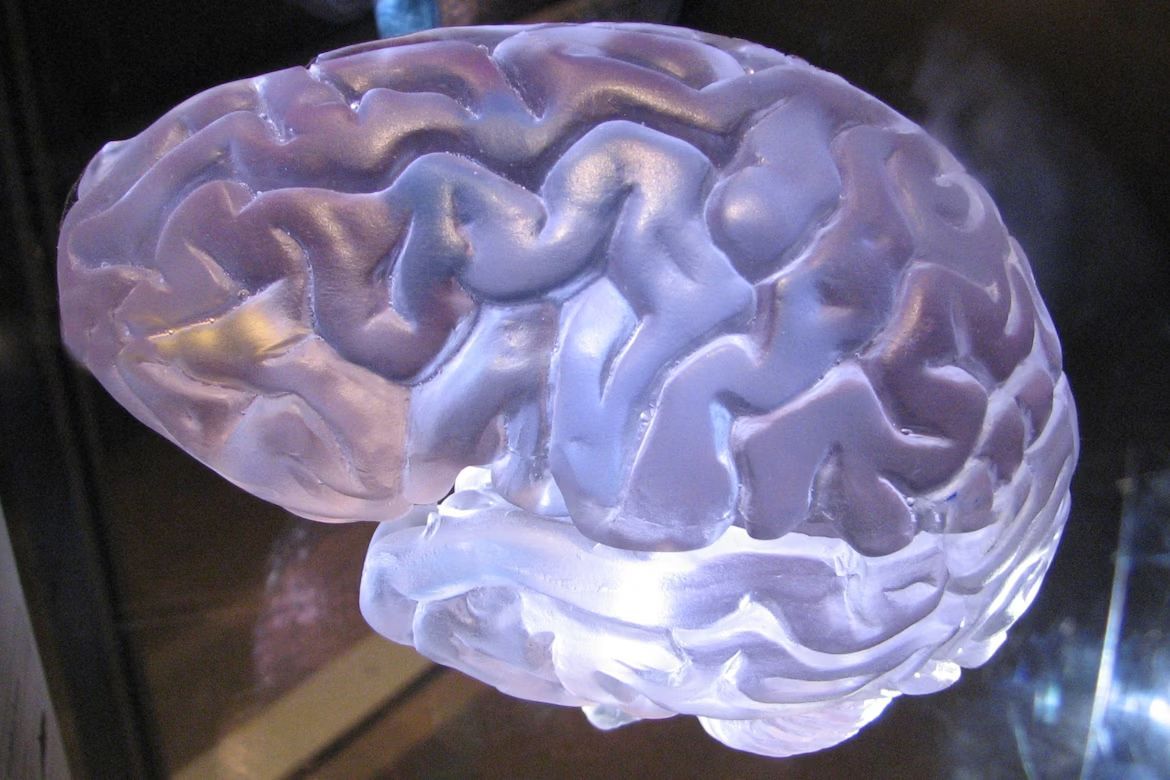
We often think of cholesterol as bad, but your brain actually depends on it! In fact, 25% of your body’s cholesterol is stored in your brain, where it helps with learning and memory. However, unlike other organs, the brain can’t absorb cholesterol from the blood, it has to produce its own. So, while too much cholesterol in the body can be harmful, the right amount is vital for brain function. At least you can use that as an excuse to get that burger!

Looking for an extra scoop of literary fun?

Learn more with our Word of the day

rapscallion

/ræpˈskæljən/