Sacred actions

10 daily habits once considered magical


Published on May 6, 2026

Image: Rebecca Peterson-Hall

Many daily habits we take for granted can be traced back to ancient rituals, religious practices, or traditional customs. From washing your hands to enjoying a morning cup of coffee, these everyday acts carry echoes of centuries-old beliefs, offering a fascinating glimpse into how history shapes modern life.

1

Washing hands

Image: Mélissa Jeanty

There was a time when washing one's hands wasn’t just about hygiene. Long before germs were understood, people performed this act for entirely different reasons.

Handwashing originated as a ritual of purification in ancient Egypt and Mesopotamia, where priests and worshippers cleansed themselves before ceremonies to remove spiritual impurities. Today, many faiths, including Judaism and Islam, uphold these traditions, incorporating specific handwashing practices into their sacred rites.

2

Bathing

Image: zana pq

Similarly, many of our ancestors didn't view bathing as a daily hygienic necessity, save for ceremonial purposes. In Hindu, Jewish, and Roman traditions, water immersion was tied to spiritual purification rather than hygiene alone.

Modern continuations of these practices include ritual baths such as the Jewish mikveh and the Hindu ghats along the Ganges, where devotees bathe to cleanse both body and spirit. European spa culture also traces its lineage back to the grand public bath traditions of Ancient Rome, which were as much about social and spiritual status as they were about getting clean.

3

Eating with utensils

Image: Juan Encalada

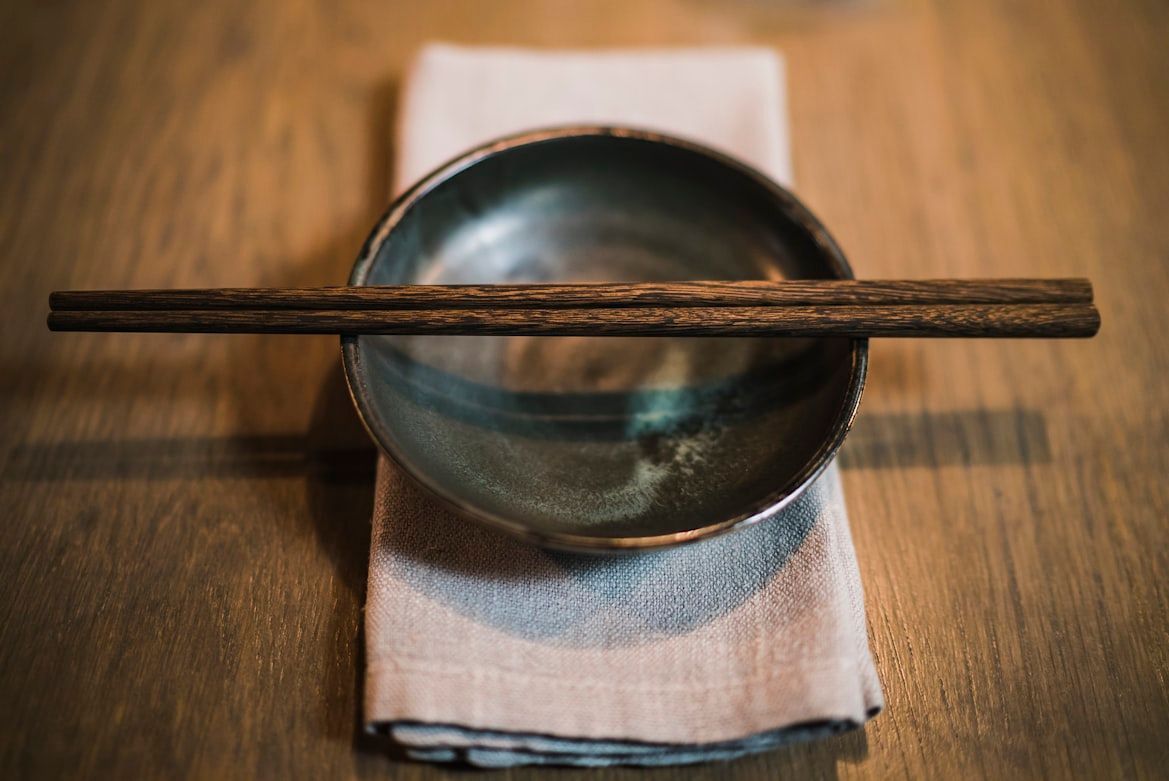
Surprisingly, eating utensils weren’t always seen as daily necessities. Both chopsticks in East Asia and forks in Europe originally served ritualistic or symbolic purposes.

Chopsticks were often used in ancestor offerings and ceremonial meals before becoming household staples. Similarly, early European forks were designed to avoid direct contact with food; however, this reflected more of a concern with social etiquette and status rather than a true preoccupation with hygiene.

4

Morning coffee

Image: Oveth Martinez

Coffee’s origins trace back to the 15th century, when Sufi monks in Yemen brewed it to remain alert during nighttime prayers. They viewed the beverage as a tool to enhance focus and spiritual discipline during long hours of devotion.

From its origins in the monastery, coffee spread across the Islamic world and eventually into Europe by the 17th century. Over time, it evolved from a sacred stimulant into a global morning ritual, forever linking the act of "waking up" to a practice rooted in centuries of religious discipline.

5

Ringing a bell

Image: Luís Perdigão

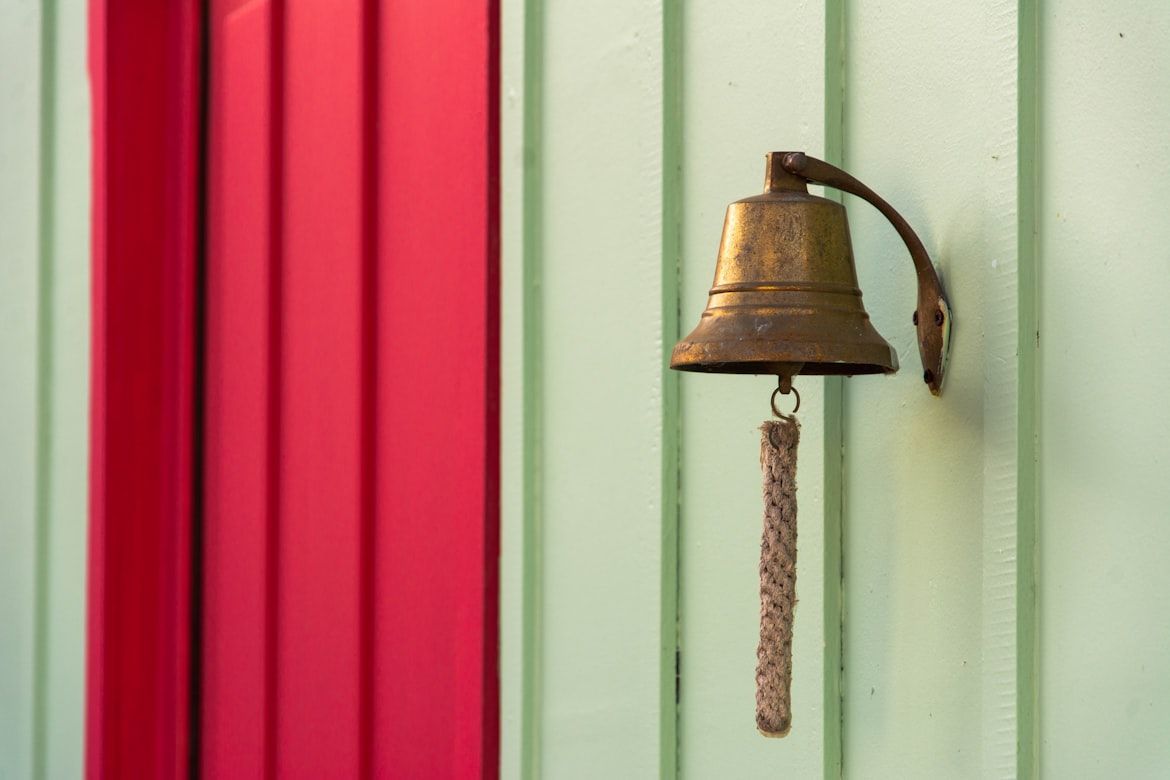
Bells have long served as powerful tools in Hindu, Buddhist, and Christian traditions—signaling prayer times, marking sacred rituals, and warding off malevolent spirits. Many cultures also hold that the resonant sound of a bell purifies the surrounding space and invites positive energy.

From church towers to school hallways, bells continue this legacy today. Even the modern dinner bell or digital alert links our daily schedules to this ancient practice of "marking" time and calling a community to attention during significant moments.

6

Wearing rings

Image: Febrian Zakaria

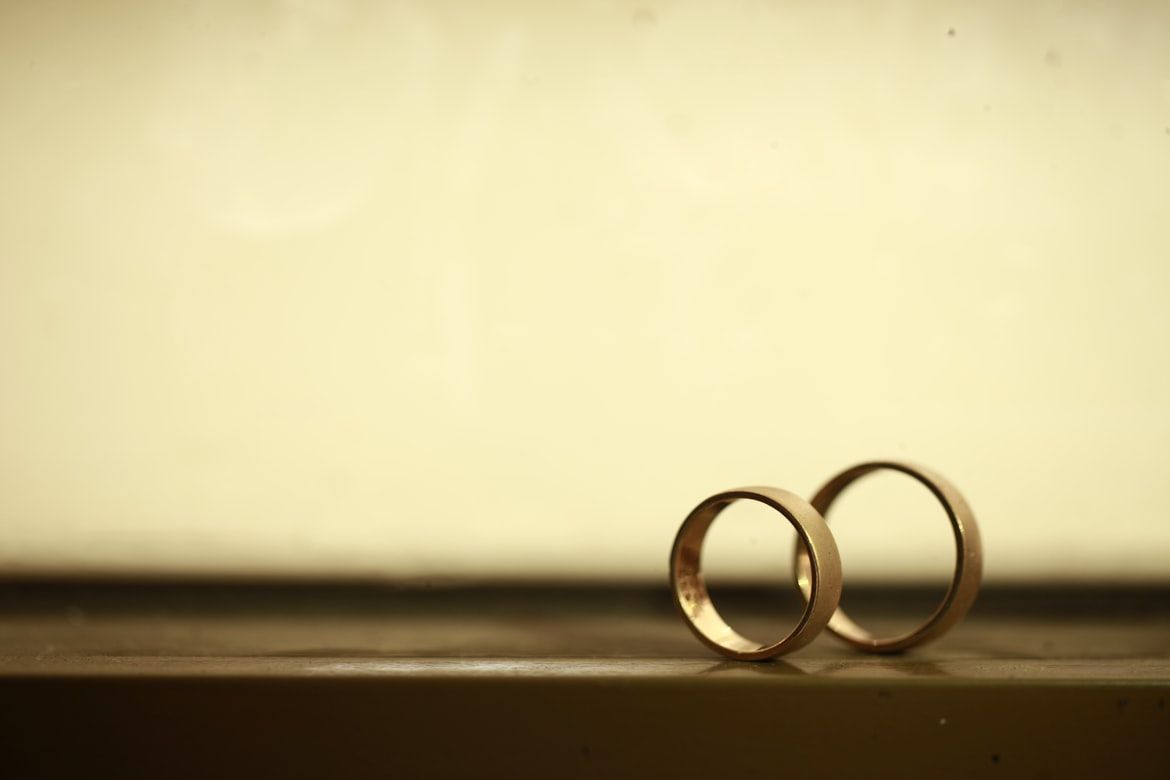
In ancient Egypt and Rome, rings were far more than simple decoration. Egyptians wore rings adorned with sacred symbols—such as the scarab or the Shen ring—as protective talismans to ward off misfortune. Meanwhile, Romans used signet rings to denote social rank and authenticate documents, often selecting specific gemstones for their purported mystical properties.

While many modern rings are purely aesthetic, wedding bands and heirlooms still carry deep symbolic weight, echoing their ancient roles as markers of status, protection, and lifelong commitment.

7

Birthday candles

Image: Lan Gao

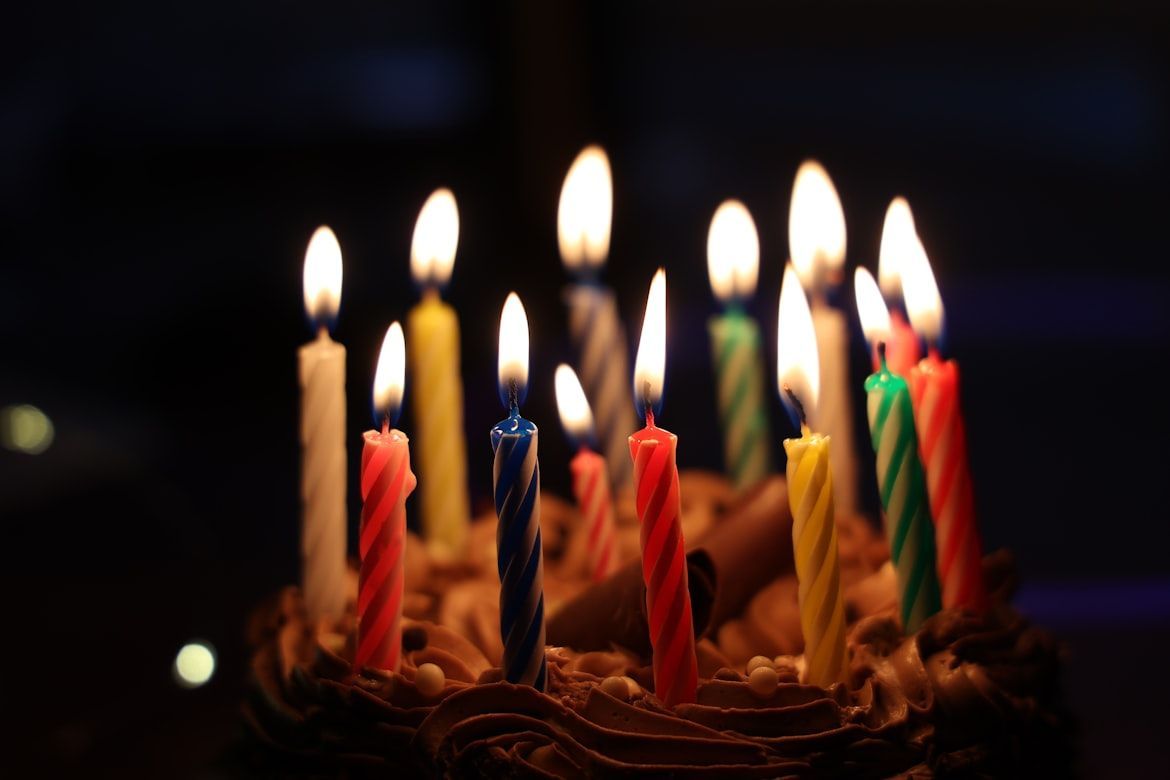
In ancient Greece, during the Mounychia festival (around the full moon), Athenians offered round cakes called amphiphontes to Artemis, goddess of the moon. Historical accounts suggest that these cakes were decorated with small torches or candles arranged in a circle, intended to mimic the moon’s ethereal glow.

Scholars suggest this ritual may have inspired later traditions. Today, birthday candles carry on this practice in a celebratory form, though they still symbolize the ancient themes of light, hope, and protection.

8

Crossing fingers

Image: Dayne Topkin

The gesture of crossing one’s fingers has roots in early Christianity: believers are thought to have crossed their index fingers with those of another person to form a secret "X" (like a tiny cross) as a sign of faith and to invoke divine protection during times of persecution.

Over time, the gesture evolved from a two-person pact into a solitary act. By the Middle Ages, individuals began crossing their own fingers to ward off evil or "trap" good luck, eventually becoming the universal symbol for hope and fortune we recognize today**.**

9

Waving

Image: Leanne Lucas

Waving likely evolved from the precursors of the modern salute. In the medieval period, knights would lift the visors of their helmets to reveal their faces and bare their right hands—a practical way to prove they were not carrying a weapon or harboring hostile intent.

Over time, this open‑hand gesture transitioned into a universal greeting. Today, when we wave, the raised palm still subconsciously signals peaceful intentions, echoing its origins as a gesture of peace.

10

Making a toast

Image: Quan Nguyen

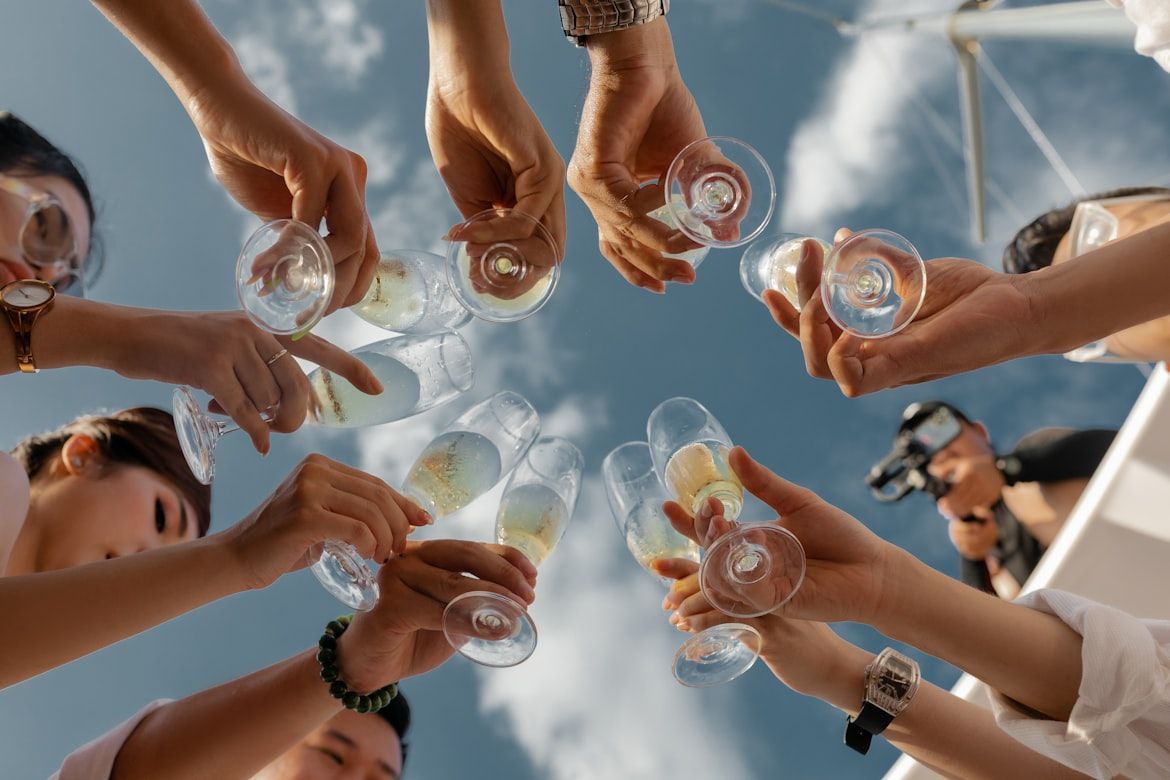
Raising a glass has deep roots in ancient Greece and Rome. At Greek drinking parties, participants raised their cups in libations to the gods—a practice documented in the works of Homer, where toasts were offered to deities like Zeus and Hygieia.

In Rome, the custom took a literal turn: guests often dropped a piece of toasted bread into their wine to temper its acidity and improve the flavor. This birthed the term "toast," from the Latin tostus, meaning "parched" or "burnt." While legends suggest that clinking glasses forcefully was a way to spill wine between cups to prove neither was poisoned, the act remains a universal symbol of trust and celebration.
Tango, Bravo

Codewords decoded: How many did you know?


Published on May 6, 2026


Image: orso bianco

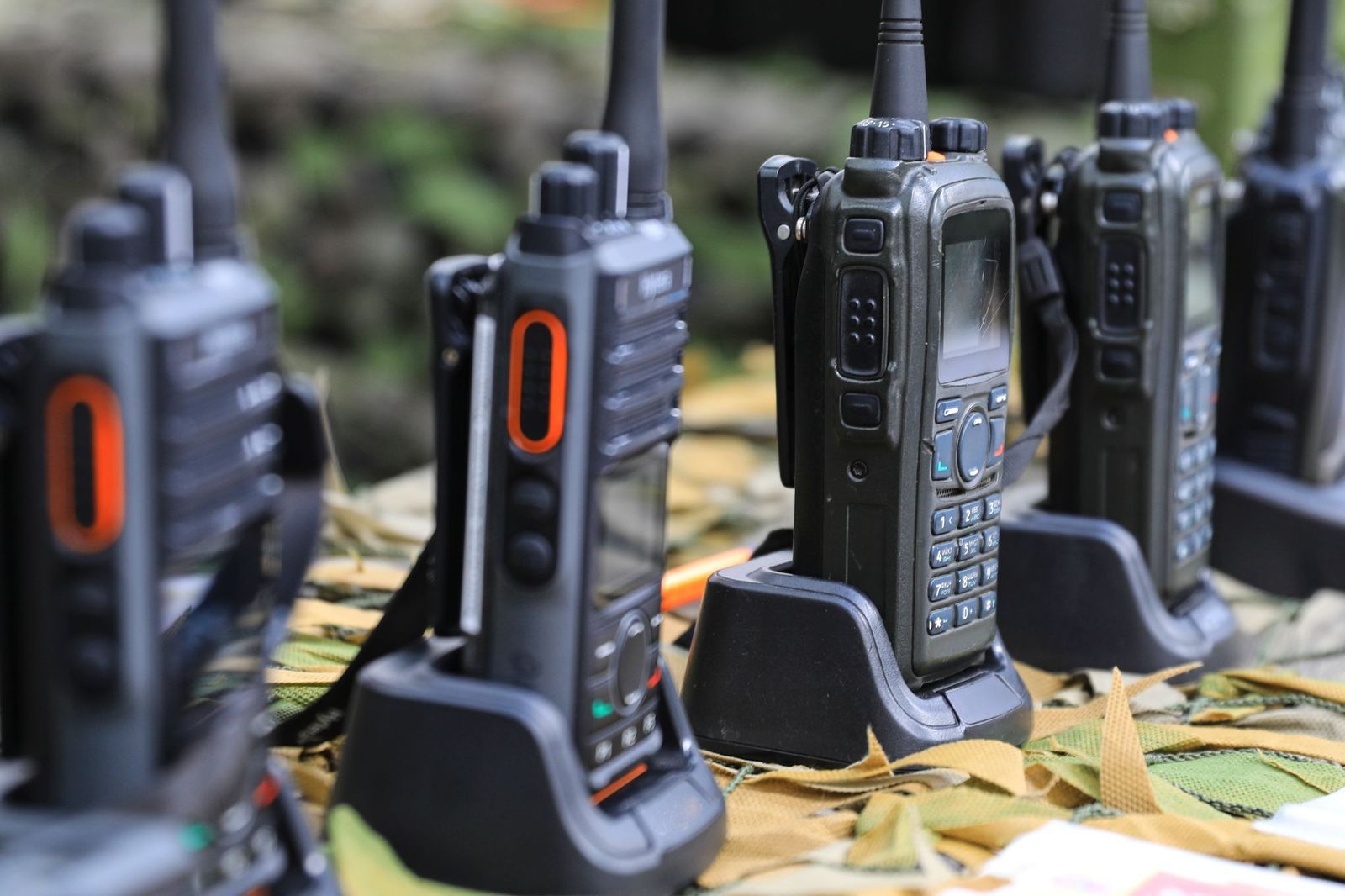
In situations where clear communication is paramount, especially when lives are at stake, professionals often rely on standardized codewords and phonetic alphabets designed to prevent confusion. Either from movies or from personal experience, it's probable that you've heard at least some of these before, and many have found their way into everyday conversation. Let's find out how many of these code expressions you can recognize.

1

Mayday

Image: Zhuravlev Andrey

Mayday is the international distress call used when the sender is in immediate, life-threatening danger. Pilots and mariners use it to signal that they require urgent assistance due to situations such as engine failure, fire, flooding, or medical emergencies.

The word was introduced in 1923 by British radio officer Frederick Stanley Mockford, who based it on the French phrase m'aider, meaning "help me," in an attempt to make it internationally recognizable. Hearing this transmission immediately alerts emergency responders that every second counts.

2

Pan-Pan

Image: DenisProduction.com

Not every emergency is severe enough to warrant a mayday call. When a crew faces a problem that is urgent but not immediately life-threatening, the appropriate codeword is Pan-Pan.

Like mayday, it comes from French: it derives from panne, meaning a breakdown or mechanical failure. A Pan-Pan call might be used if an aircraft loses an engine but can still fly safely, or if a ship experiences equipment problems while remaining under control. It tells responders that assistance is needed, but that the situation has not yet become critical.

3

SOS

Image: Grisha Bruev

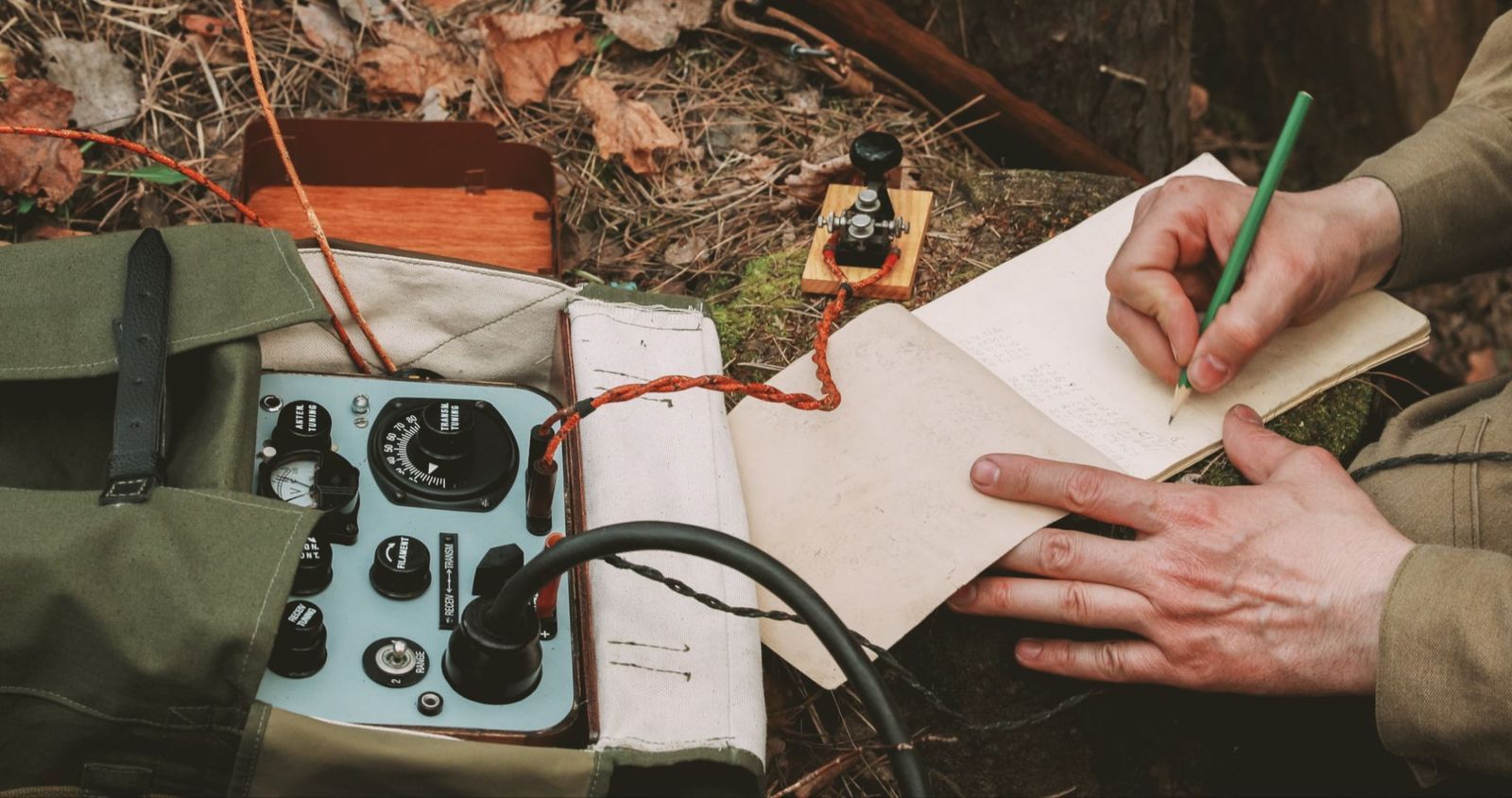
Few emergency signals are as universally recognizable as SOS. Contrary to popular belief, the letters do not officially stand for "Save Our Ship" or "Save Our Souls." It was adopted in 1906 because SOS is an extremely simple, easy-to-transmit, and unmistakable pattern in Morse code.

SOS remains one of the world's most enduring distress signals, and it's still recognized by rescue organizations all around the globe.

4

NATO Alphabet

Image: Alexandros Michailidis

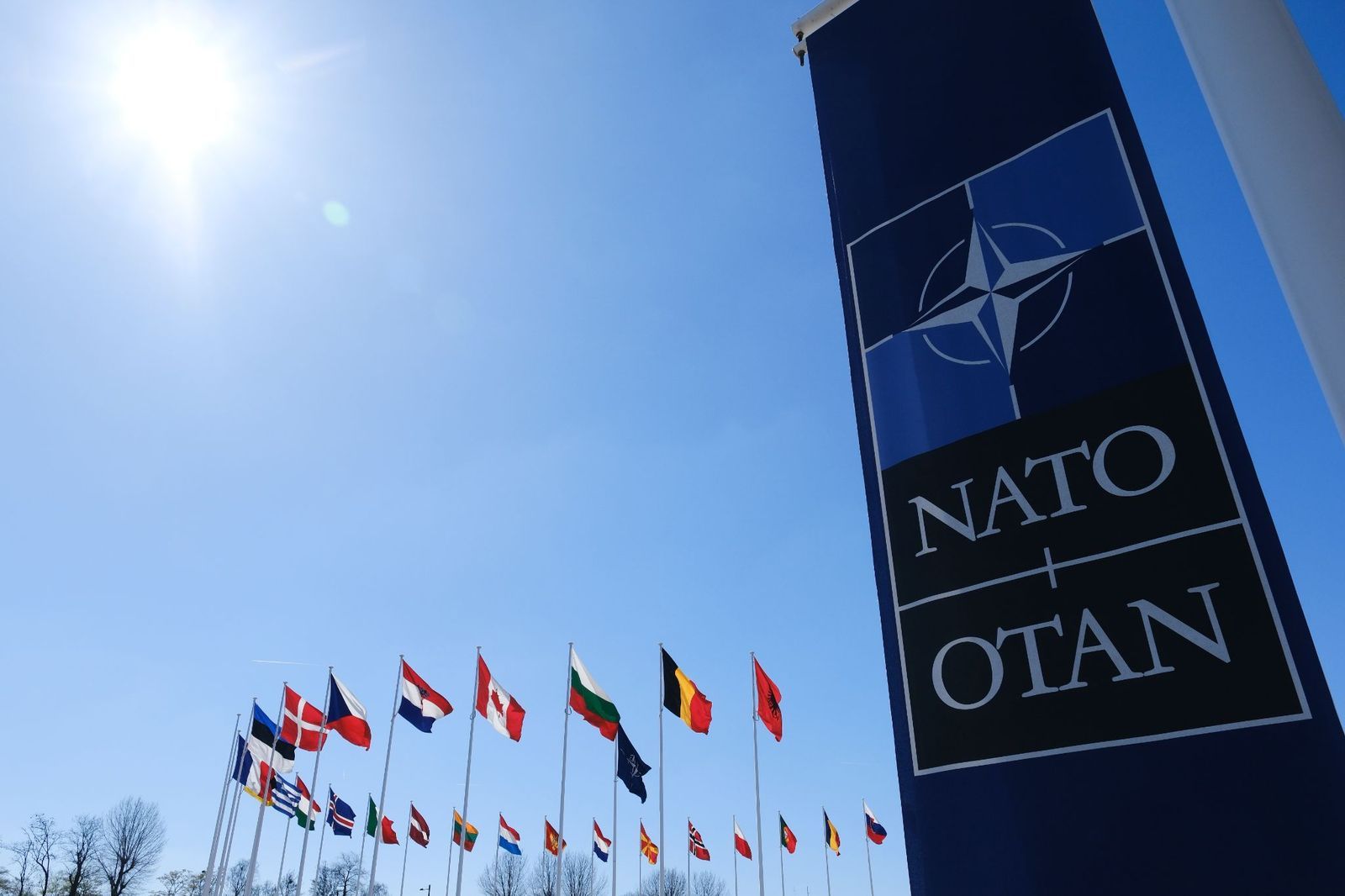
In the NATO phonetic alphabet, each letter is assigned a unique word to eliminate confusion when radio transmissions are distorted by noise or poor reception. If you've ever heard someone spell a name as "Mike Alpha Romeo Yankee," you've encountered the NATO phonetic alphabet.

The system was officially adopted by NATO in the 1950s and is now widely used by militaries, airlines, emergency responders, and many police departments worldwide. Using it greatly reduces the chance of misunderstanding important information over radio.

5

Roger

Image: nelikdulatov

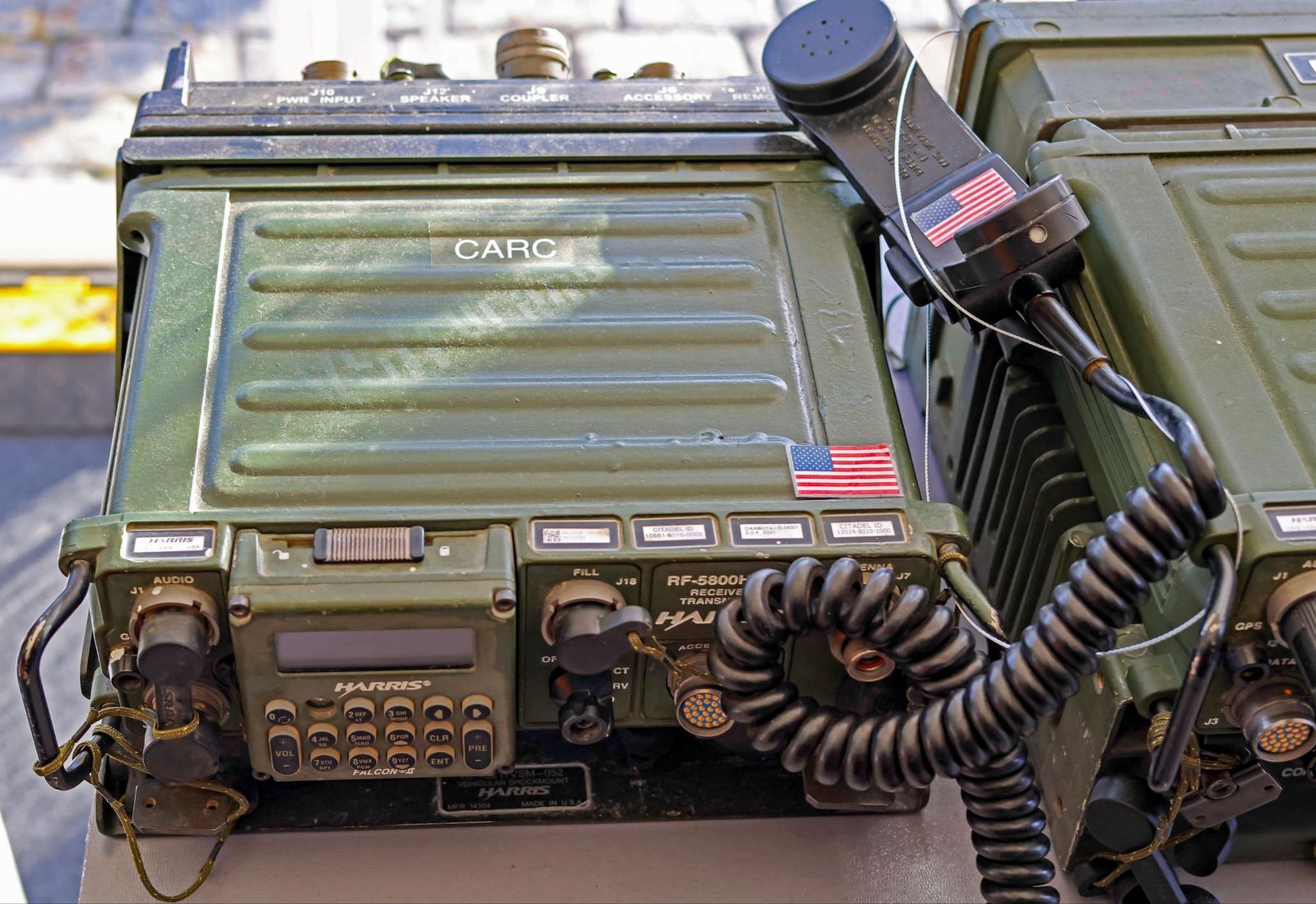
Roger dates back to the early days of radio communication, when the letter R stood for "received." Before the adoption of the NATO alphabet, the US military used Roger instead of Romeo to represent that letter_._

Although modern communications systems have changed and the US military has fully embraced the use of the NATO alphabet, Roger remains standard aviation terminology, and it's one of the best-known radio acknowledgments in the world. It conveys a very simple but important meaning: "I have received and understood your message."

6

Wilco

Image: alleks19760526

Although many people assume Roger and Wilco mean the same thing, they actually convey different messages. Wilco is short for "will comply." In other words, it tells the sender not only that the message was received and understood, but that the instruction will be carried out.

Saying both Roger and Wilco is technically redundant in proper radio communication, since complying necessarily implies understanding, but the combination is often heard in movies and television.

7

Tango

Image: Quality Stock Arts

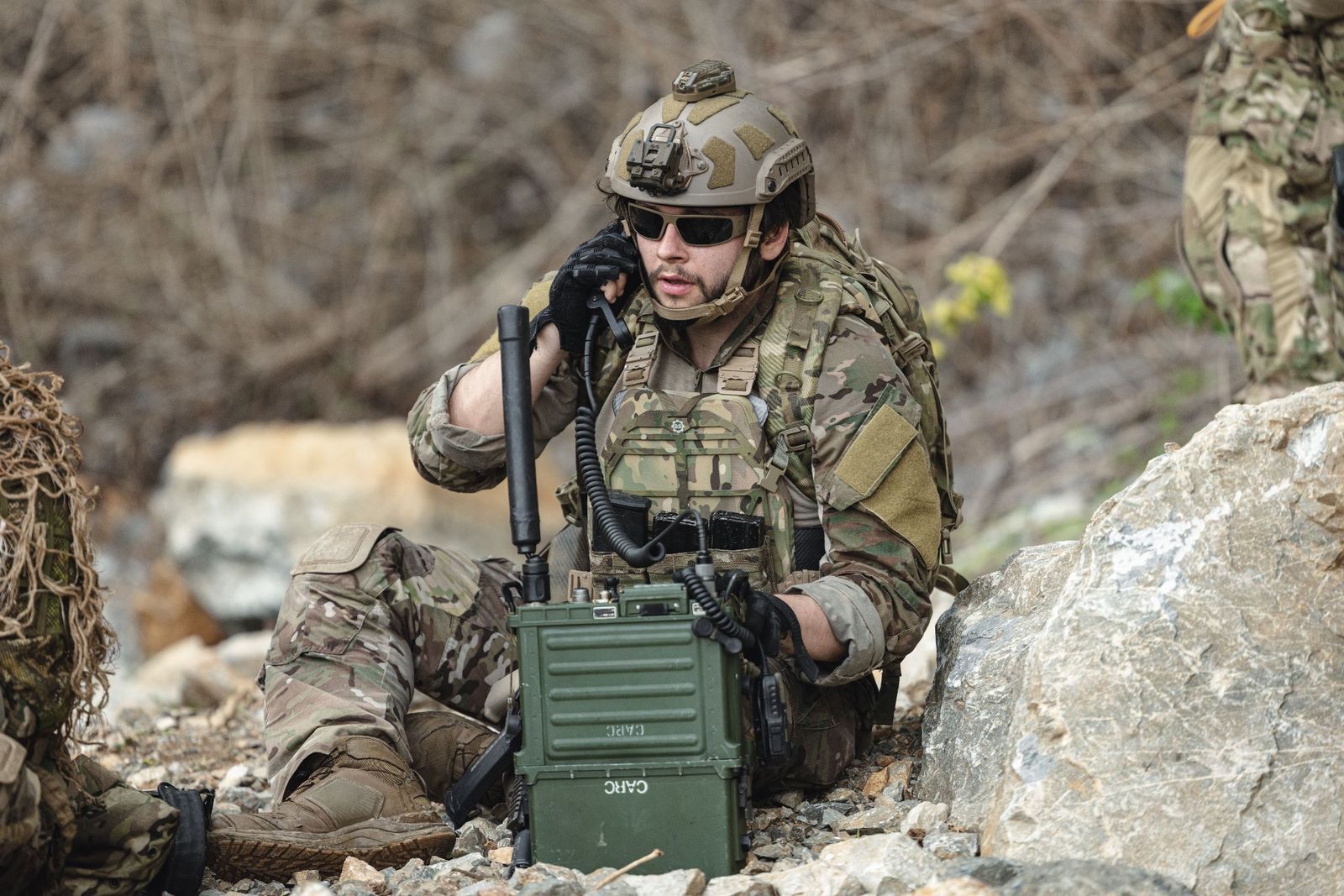
In the NATO phonetic alphabet, Tango simply represents the letter T. However, US military personnel have also adopted it as a shorthand when referring to a target or a hostile.

This secondary meaning became widely known through military operations in the twentieth century and has since appeared in countless books, films, and video games in phrases like "We've got one Tango moving north."

8

Oscar Mike

Image: Dragos Asaftei

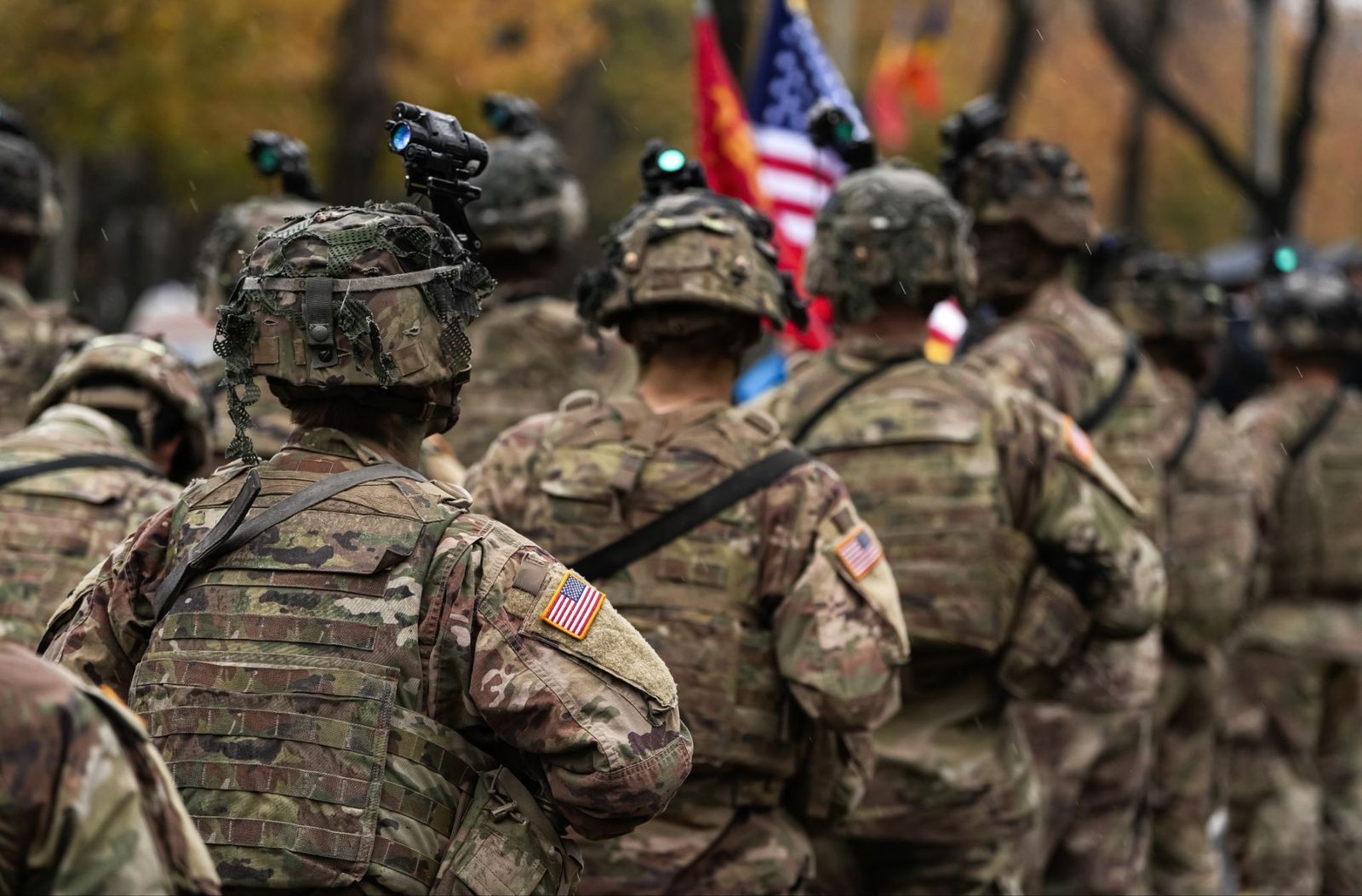
Oscar Mike, NATO for the letters O and M, is military shorthand for "On the Move." It's a quick way of reporting that a unit has begun moving toward its objective.

The expression is especially common in the US military and has become more familiar to the general public through documentaries, memoirs, and films. It's finding its way into civilian life, meaning simply "I'm heading out."

9

10-4

Image: Elliott Cowand Jr

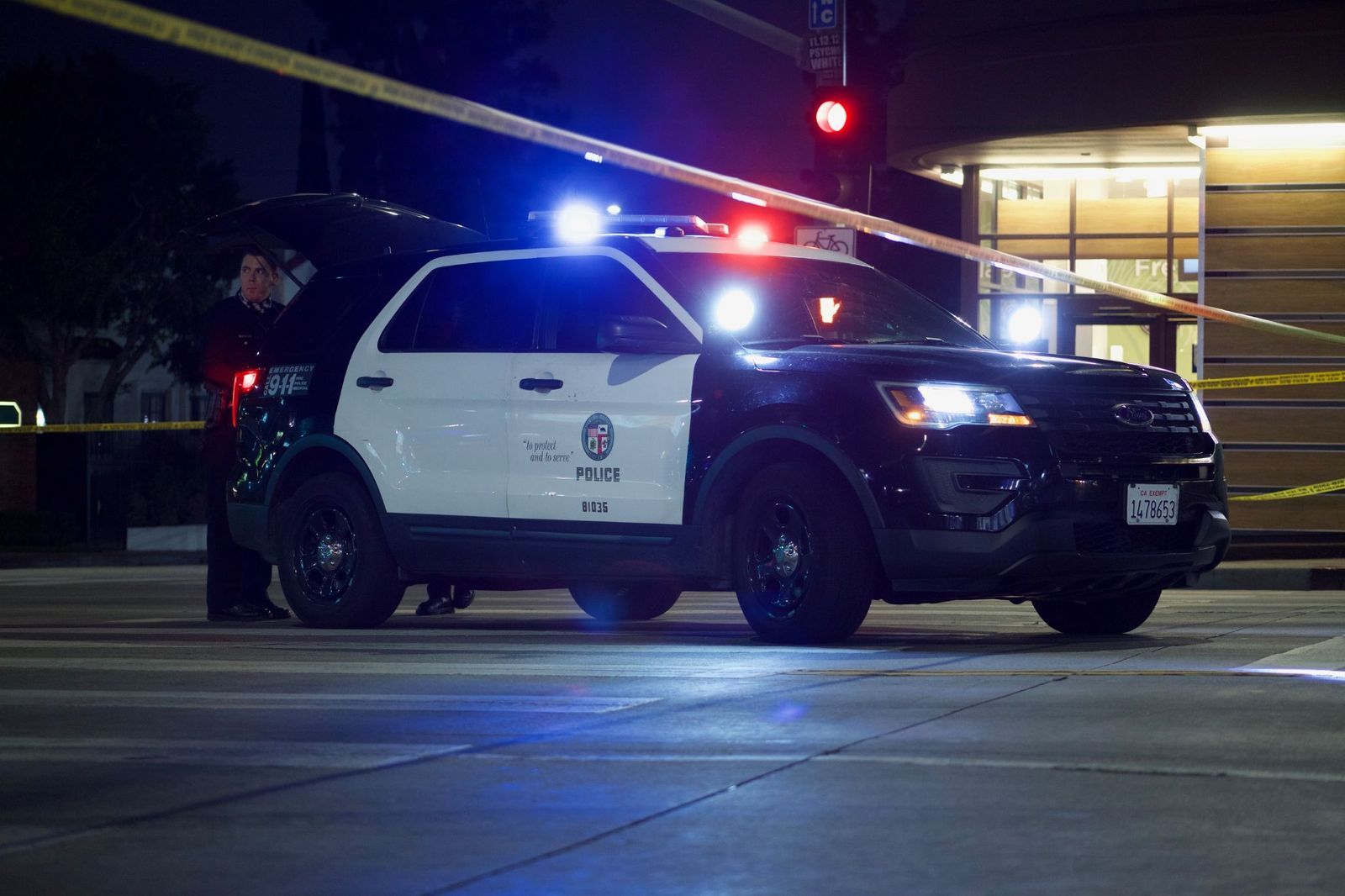
Ten-codes were developed during the 1930s to allow for brevity and standardization of message traffic in radio communications. They were widely adopted by US public safety departments and by radio enthusiasts.

While the system is being slowly phased out in favor of plain language communications, many local police, fire, and sheriff departments keep using it, and it is still strongly associated with radio culture by the general public. One of the most famous ten-codes is 10-4, meaning "received and understood."

10

Code Blue

Image: PeopleImages

Hospitals around the world use color-coded announcements to communicate emergencies without causing unnecessary panic among patients and visitors. Perhaps the best known is Code Blue, indicating that a patient is experiencing cardiac or respiratory arrest and requires immediate medical assistance.

While some hospitals use their own custom color codes, Code Blue has become so widely recognized that it now appears frequently in television dramas and everyday conversation whenever someone refers to a life-threatening medical emergency.

Looking for an extra scoop of literary fun?

Learn more with our Word of the day

scholar

/ˈskɑlər/