A group of what?

What do you call a group of ravens? 10 strange collective nouns


Published on July 4, 2026
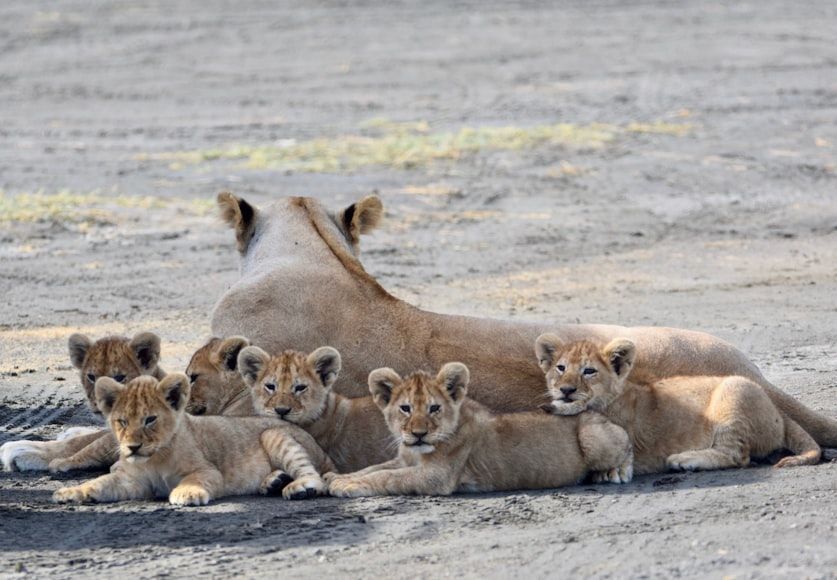

Image: Uzuri Safaris Tanzania

A shrewdness? A murder? An unkindness? None of these words even suggests that we are talking about apes, crows, or ravens, but we are. Why are animal collective nouns so strange? During the Middle Ages, English nobles developed a hunting language. These ‘terms of venery’ were not intended to be practical, but to show erudition and mastery of an elite code. Some of these names were adopted into everyday language and continue to be used nowadays.

1

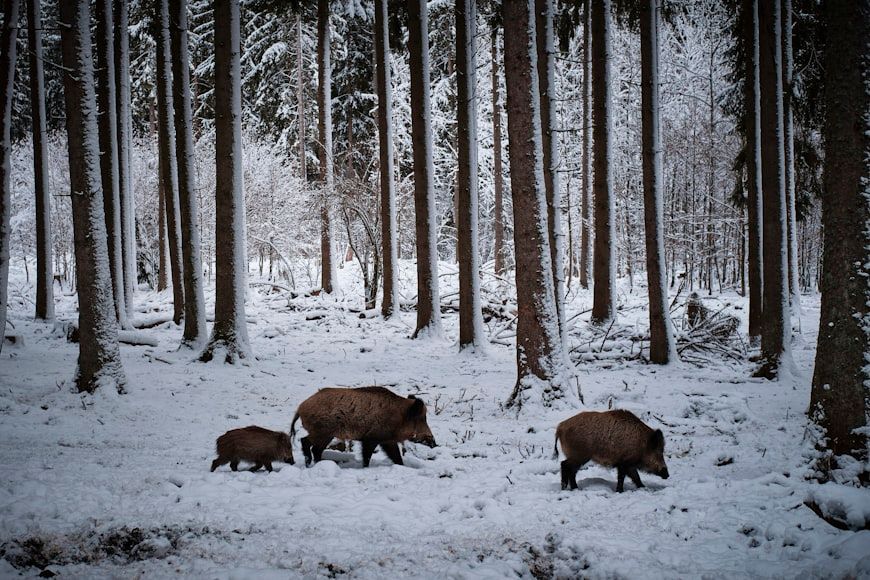
Sounder

Image: Rolf Schmidbauer

Boars are wild pigs, so why isn’t a group of boars just a herd? While ‘herd’ can be used, linguists believe that the collective noun ‘sounder’ —from the Old English sundor, meaning ‘to separate’— was used as a reference to the fact that boar herds were led by sows (the female adult), separate from the males that were solitary or formed male-only groups.

2

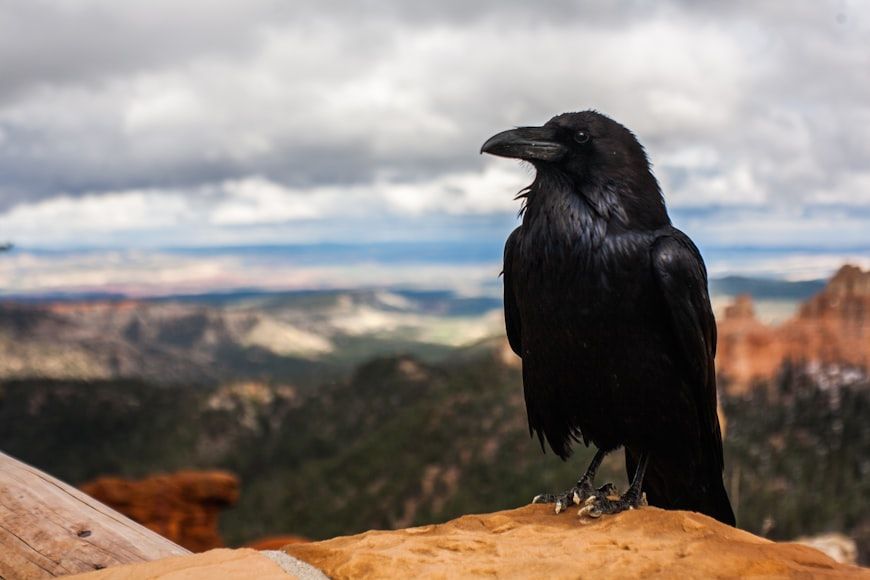
Unkindness

Image: Tyler Quiring

All across Europe, ravens bore a reputation for being tricksters and bad omens. In several folk traditions, they were seen as messengers for the Gods and bearers of prophecies, an ominous task reinforced by their black plumage. The term ‘unkindness’ to refer to a group of ravens reflected the perceived malice or cruelty of these animals.

3

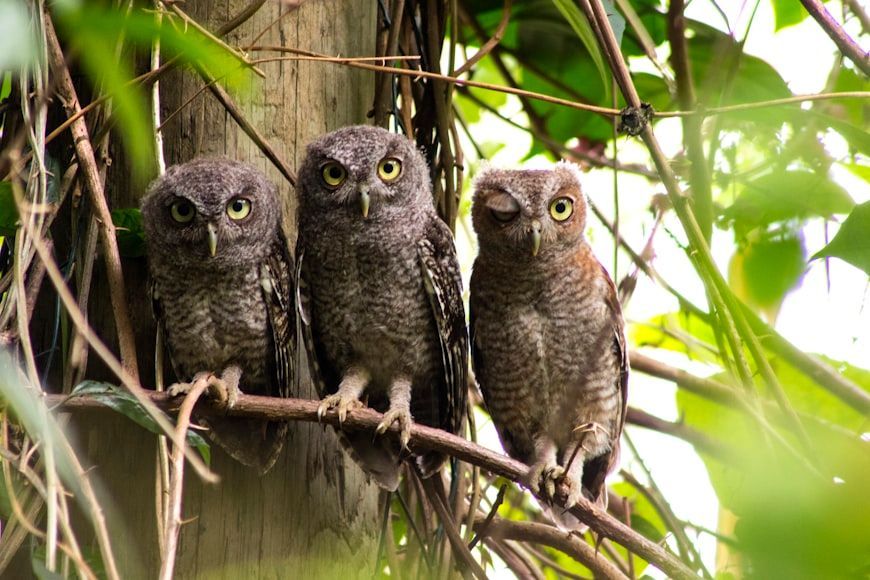
Parliament

Image: Robin Canfield

Since classical times, owls have been a symbol of wisdom and knowledge, and in the Greek tradition, these birds were the companions of Athena, goddess of wisdom. This led to the idea of a group of owls meeting for serious gatherings, such as a parliament.

4

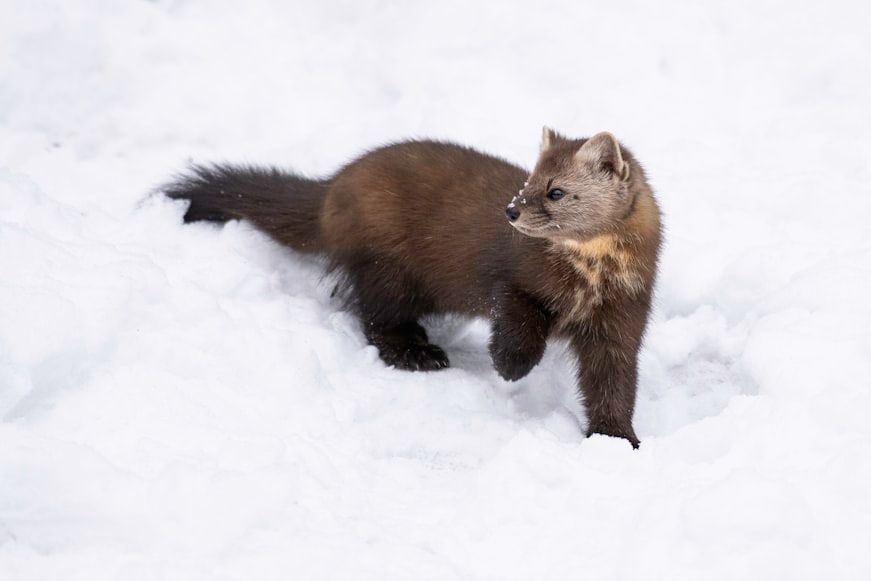
Business

Image: Jeremy Hynes

This is indeed an odd term to use as a collective noun, but it stems from a copying mistake. The 1486 Book of St. Albans, which describes several of these animal collective nouns, states that a group of ferrets is called a besynes —meaning ‘activity’— due to the scurrying habits of these animals. Over time, the word was miscopied as ‘business’, and the term stuck.

5

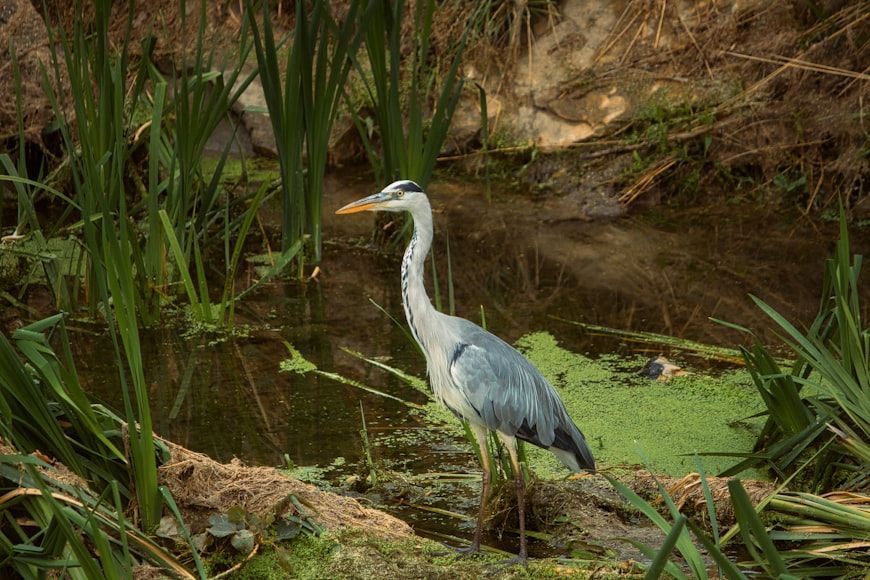
Siege

Image: vegonaise

There are several theories about the reason for this particular term as a collective noun for herons. Some say that it is a reference to their patient hunting stance (siege comes from the Latin sedere, ‘to sit’). Other opinions refer to the use of ‘siege’ as a synonym for ‘plague’ or ‘vexation’, as these animals are noisy and generally unpleasant to have around.

6

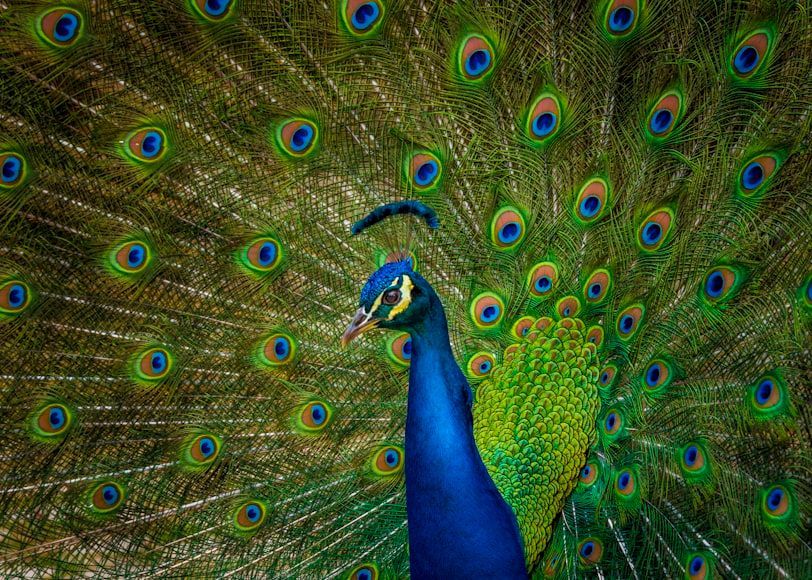
Ostentation

Image: Siddhant Kumar

This one is quite straightforward. Male peacocks are known to parade their colorful feathers in front of the females, and have always been used as a symbol of vanity and flamboyance. Therefore, calling a group of peacocks an ‘ostentation’ seems quite fitting.

7

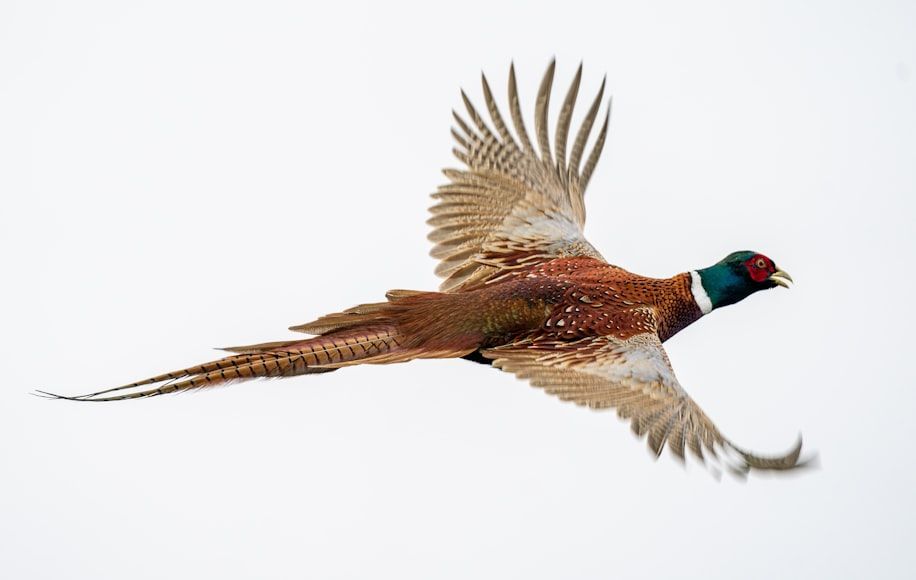
Bouquet

Image: Bob Brewer

Several collective nouns can be used to describe a group of pheasants, but the term ‘bouquet’ stands out because it doesn’t just refer to the group of animals, but to flying pheasants. When hunters startled these birds, they took flight all at once in different directions, their colorful feathers looking like a ‘bouquet’ against the sky.

8

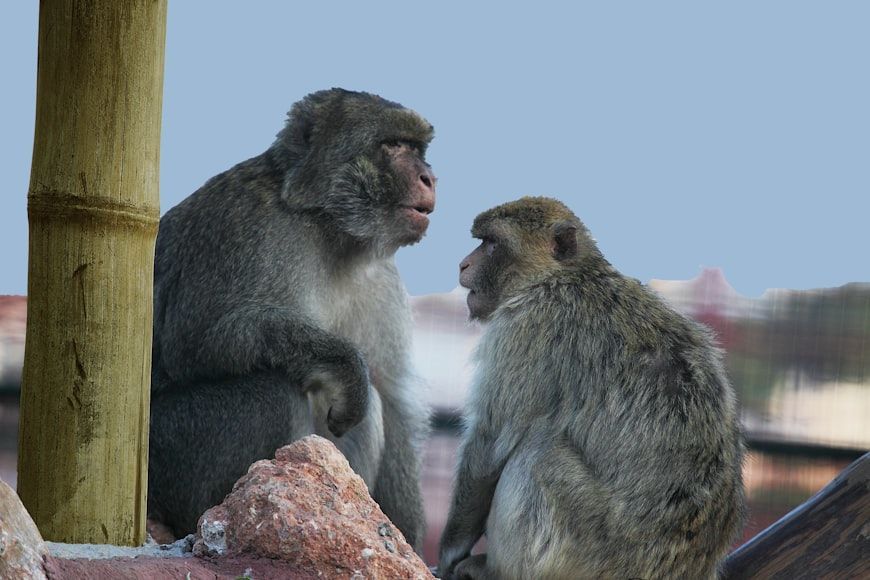
Shrewdness

Image: Vasilis Caravitis

Like ravens, apes were perceived to be wicked, and this term reflected that idea. Originally, ‘shrewd’ was used to mean ‘evil, ‘mischievous, or ‘malicious’, so a group of apes was named a ‘shrewdness’. Later on, ‘shrewd’ came to mean ‘clever’ or ‘astute’, both qualities that apes do possess.

9

Mischief

Image: Zdeněk Macháček

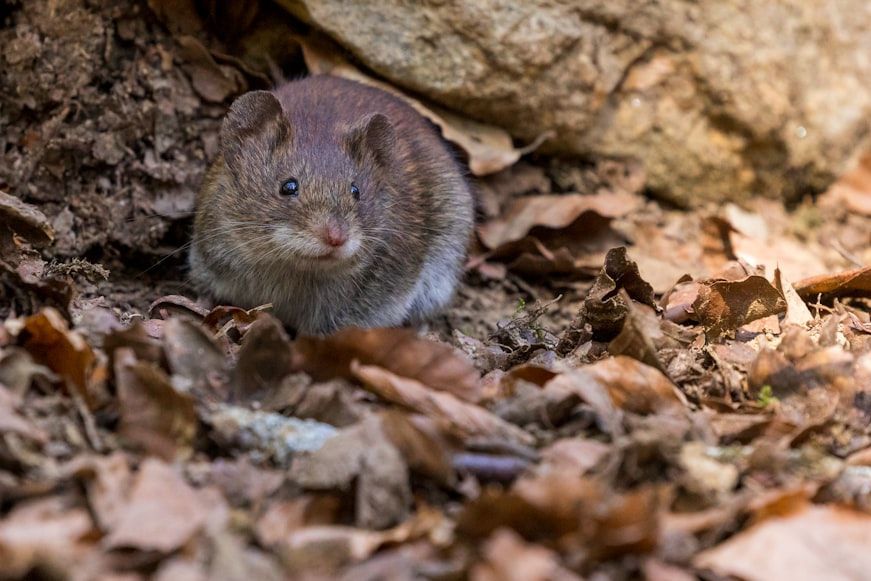
Were mice thought to be mischievous? Not really. The word ‘mischief’ was originally used to mean ‘harm, trouble, or annoyance’, and mice were troublesome pests that ate stored food and caused property damage.

10

Pride

Image: Zdeněk Macháček

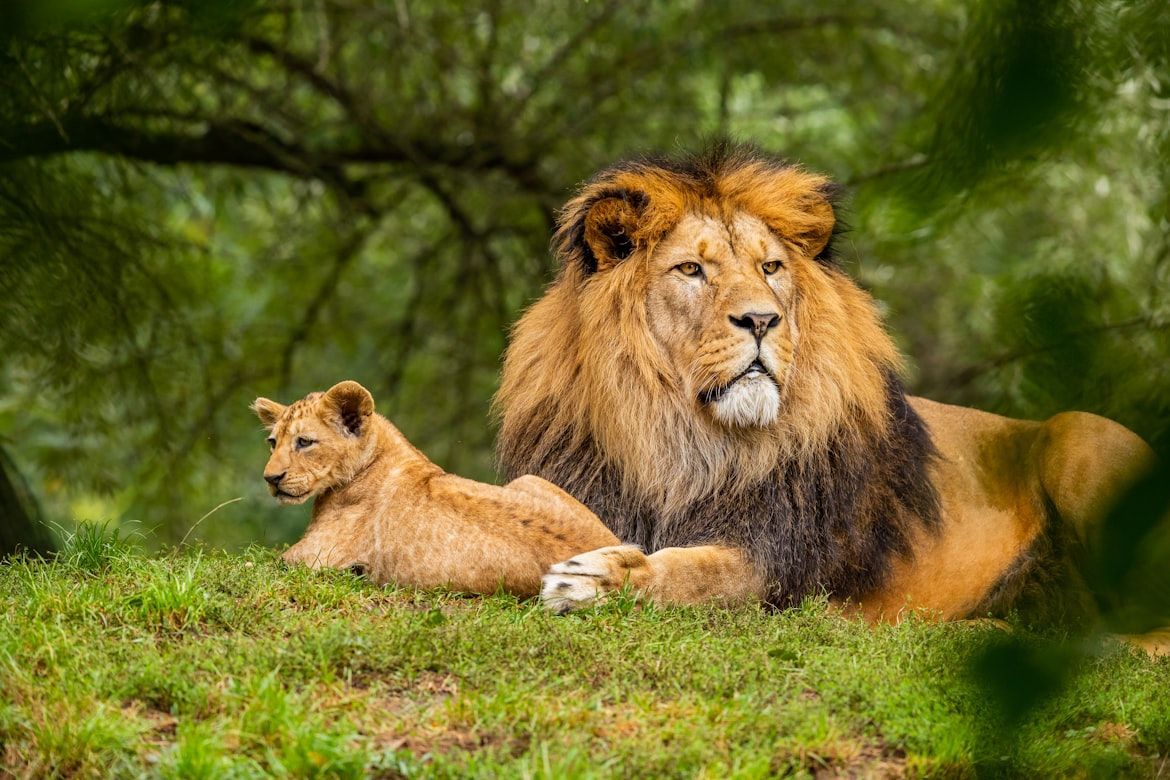
We are so used to the use of ‘pride’ as a collective noun that it might not sound as strange as other words in this list, but this term originated in the same way. Lions were a symbol of royalty, courage, and authority, so the word used to describe them had to reflect these qualities. While ‘pride’ can be used negatively, it also carries the positive connotation of ‘dignity’ and ‘high standing’.


Deep roots

11 everyday words with indigenous roots


Published on July 4, 2026


Image: Zoshua Colah

English is a very welcoming language in the sense that it incorporates terms from many other languages from all over the world. And, as it couldn’t be otherwise, Native American languages have lent many of their words and terms to English speakers. Some traveled through Spanish or French before settling into English, and others arrived directly through early contact and trade, helping shape the way we speak today. Did you know about these 11 terms?

1

Canoe

Image: Michael Niessl

The word "canoe" comes from the Taino term canoa, which was first used by Caribbean islanders long before Europeans arrived. Early explorers adopted it to describe the slim, sturdy boats they saw.

Over time, "canoe" became the standard English word for a small paddled craft. Today it still carries that sense of simplicity and closeness to nature.

2

Barbecue

Image: Philipp Kämmerer

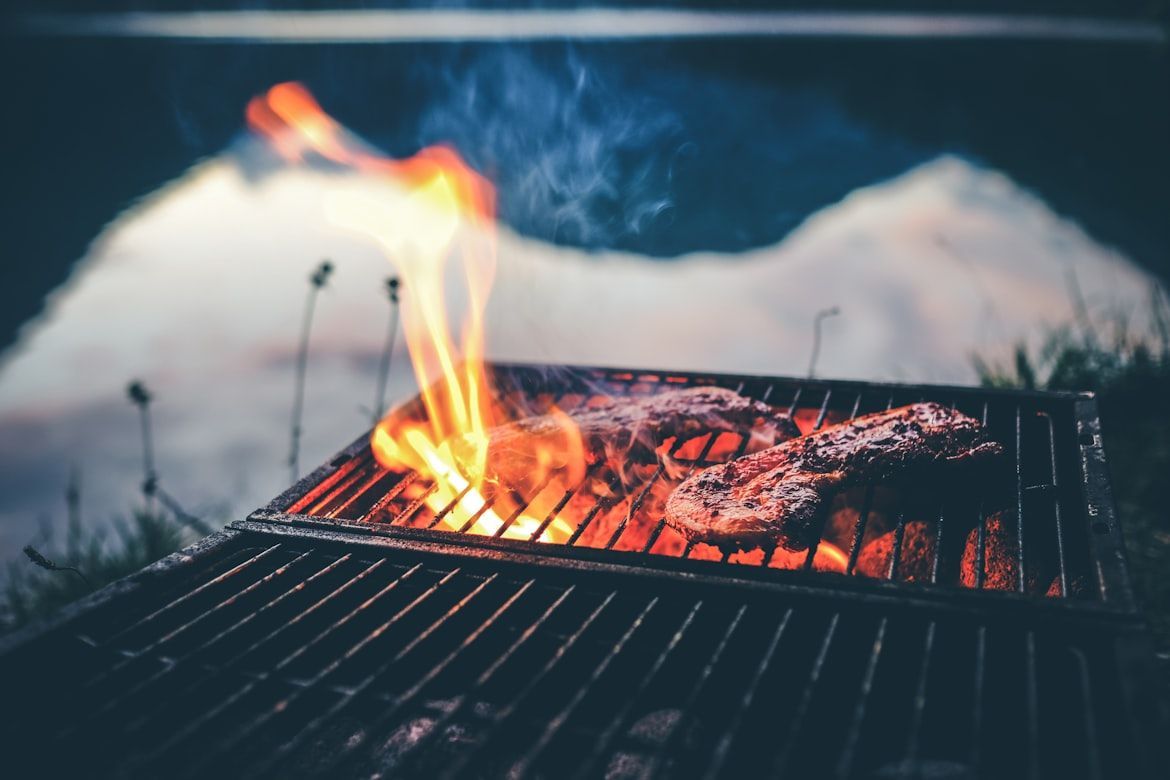
The word "barbecue" comes from barbacoa, another Taino term for a wooden frame used for cooking meat over fire. Europeans adopted it and applied it to both the method and the gathering itself.

Today, "barbecue" means everything from a backyard cookout to a regional cooking style. Its origins highlight the deep culinary influence of Native Americans in the nation's current culture.

3

Skunk

Image: Elisa Stone

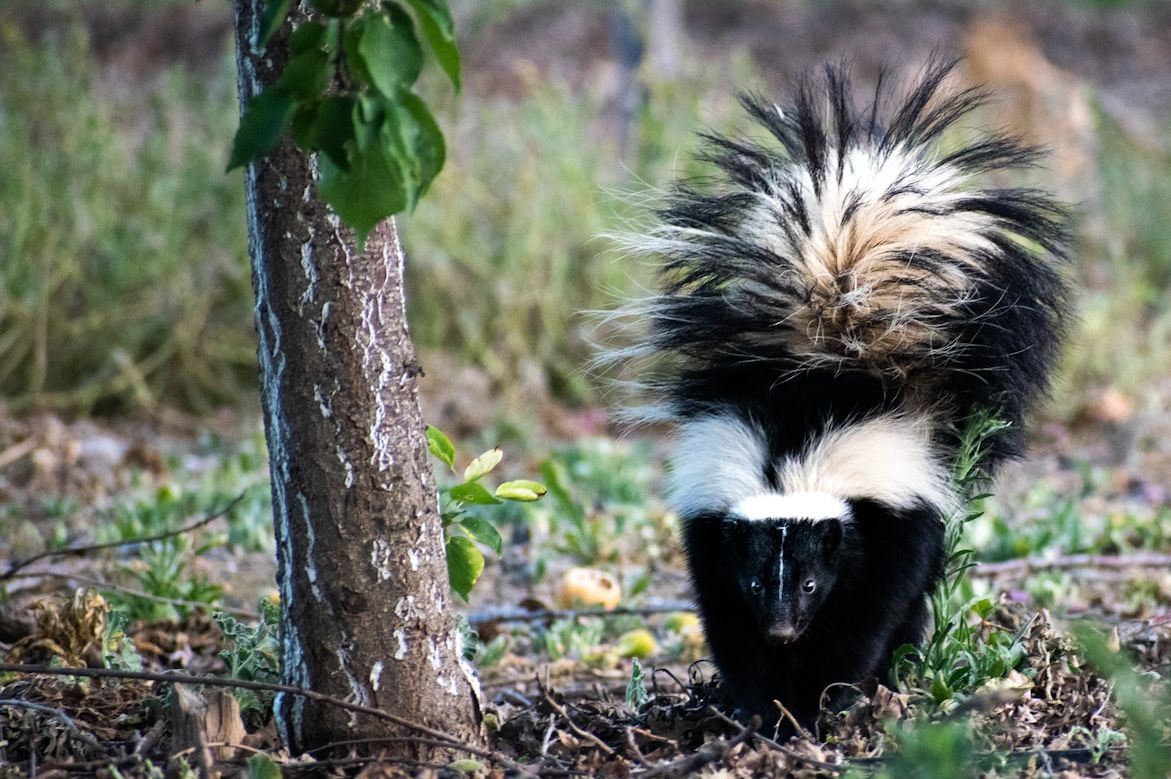
"Skunk" comes from the Algonquian word squnk, which means "urinating fox" (quite a fitting term, indeed). This was an obvious reference to the animal’s strong defensive spray. Early settlers adopted the term directly.

Since English had no better name for the creature, the Native word stuck. Today, the word skunks is also used as playful slang.

4

Moose

Image: Shivam Kumar

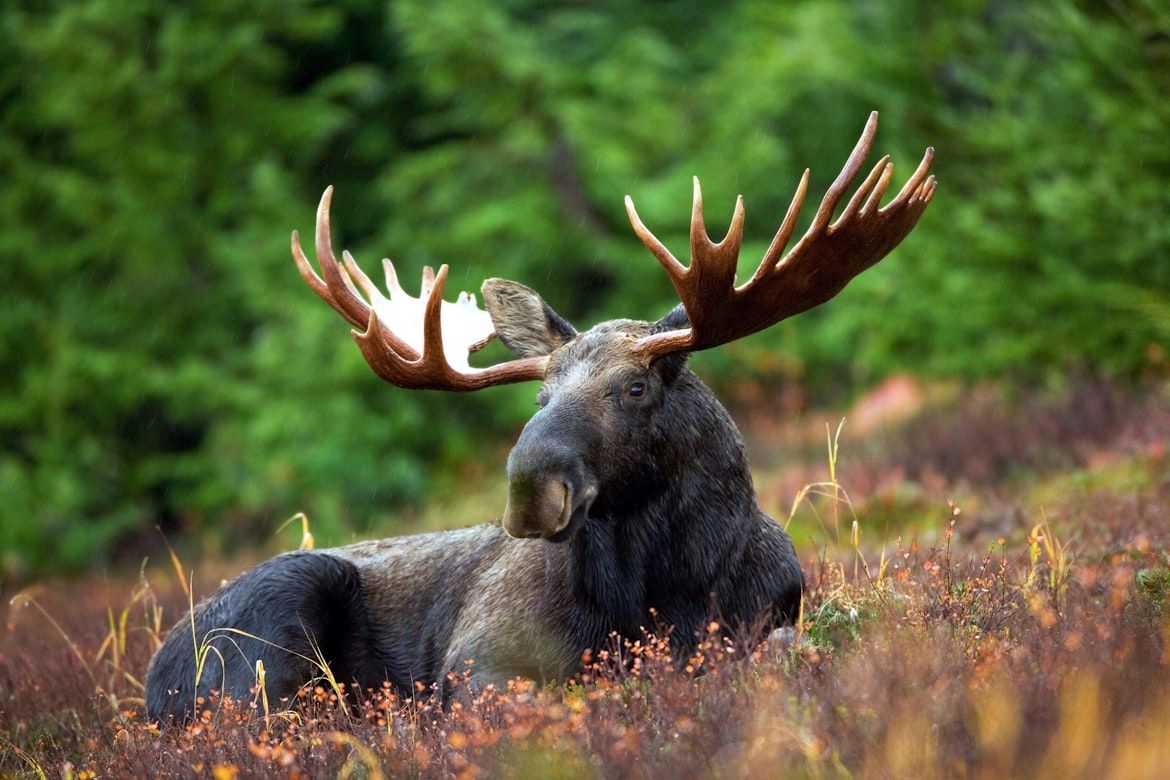
The word "moose" originates from Eastern Abenaki, a part of the Algonquian family, where it meant "he strips off bark." Yes, it described the animal’s habit of tearing bark from trees.

The name entered English quickly because settlers relied on Native knowledge of local fauna. The word remains unchanged because of its accuracy and usefulness.

5

Raccoon

Image: Gary Bendig

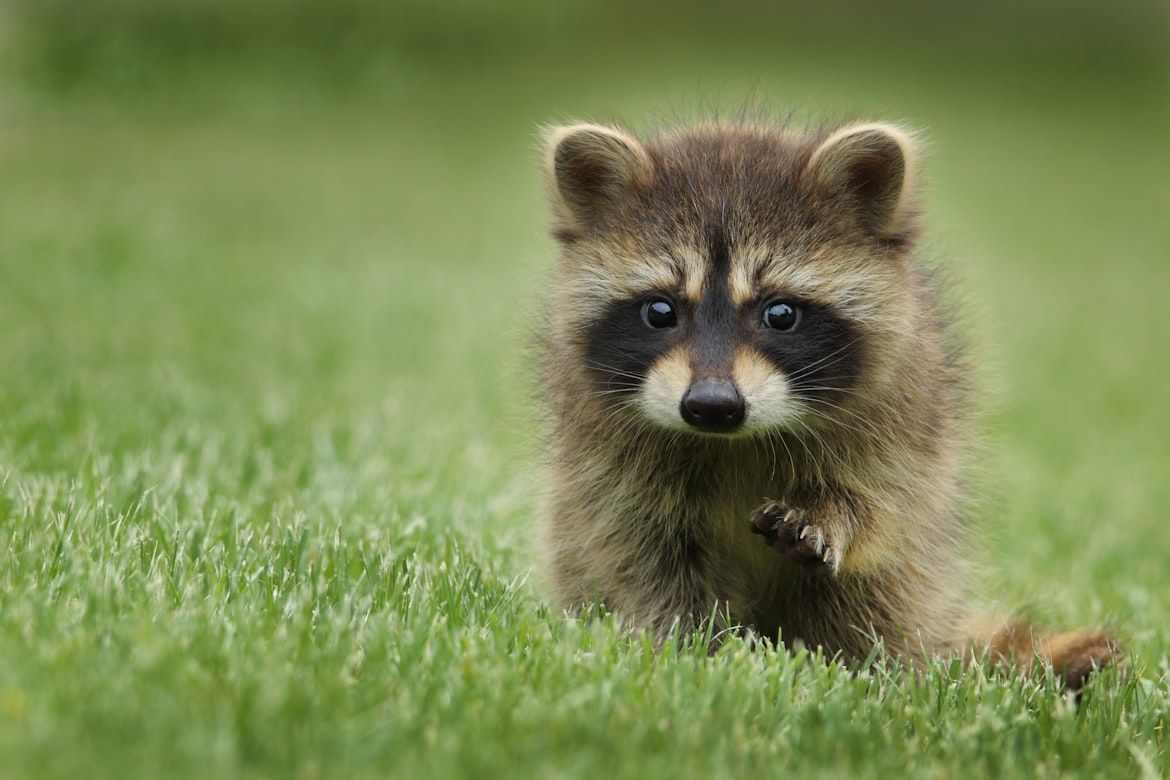
"Raccoon" comes from the Powhatan word arakun, meaning "he scratches with his hands." It described the animal’s clever, humanlike front paws.

Settlers adopted the term because it captured the creature’s behavior beautifully. Today, the raccoon is used as a household symbol of curiosity, not unlike the animal itself.

6

Chipmunk

Image: Annegret Kammer

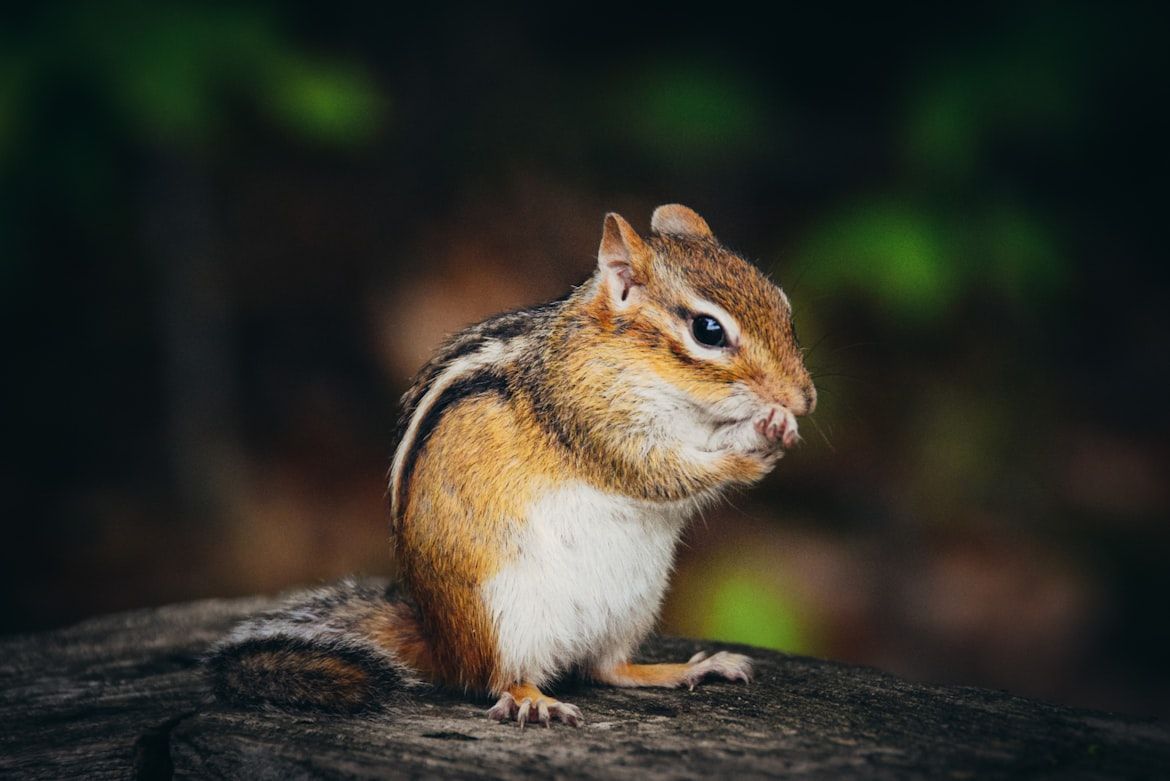
The term "chipmunk" most probably comes from the Ojibwe word ajidamoo, which means "one who descends trees headfirst." Early English settlers adapted the sound into today’s form.

Though the spelling changed over time, the lively image of a chipmunk racing down a tree face-first stayed.

7

Caribou

Image: JD-Photos

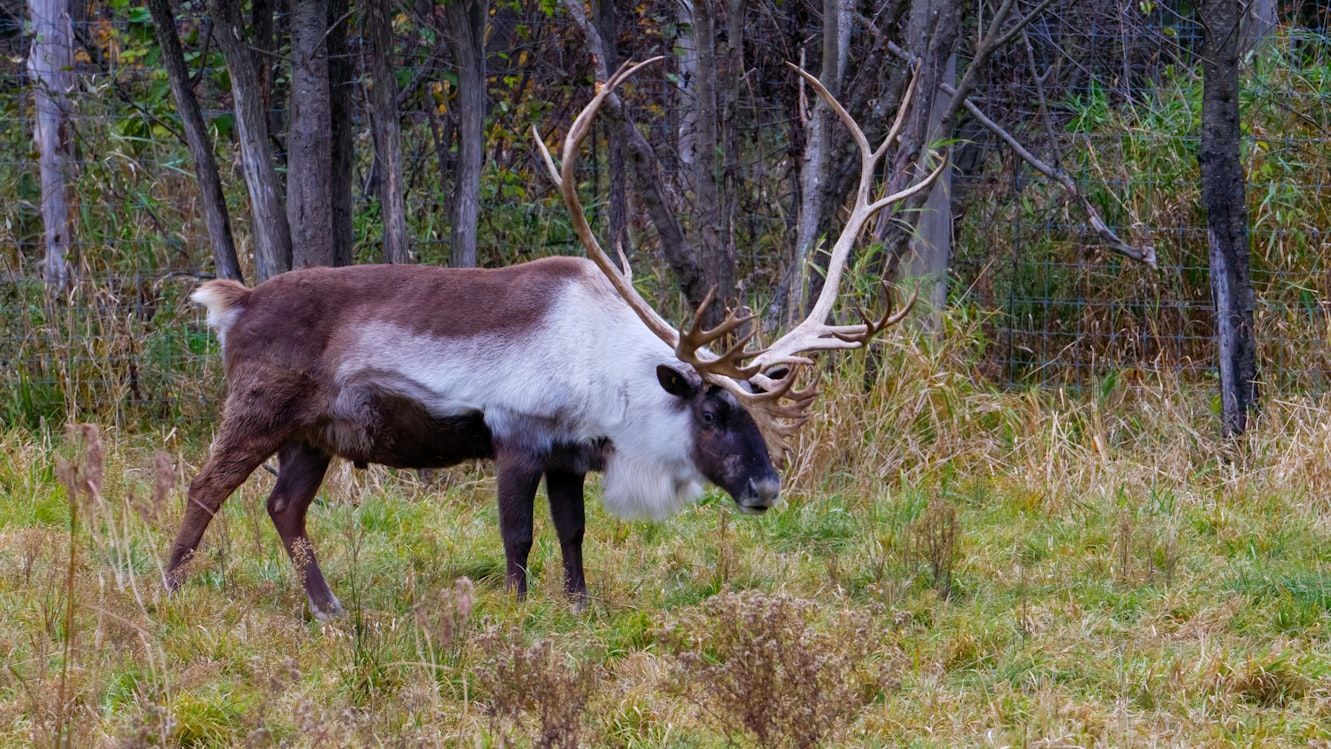
The word "caribou" comes from the Mi’kmaq term qalipu, which means "snow shoveler," referring to the animal’s habit of digging through snow for food.

French settlers brought the word into English, keeping its descriptive nature. The name still connects the modern animal to the winter landscapes it belongs to.

8

Totem

Image: Stéfano Girardelli

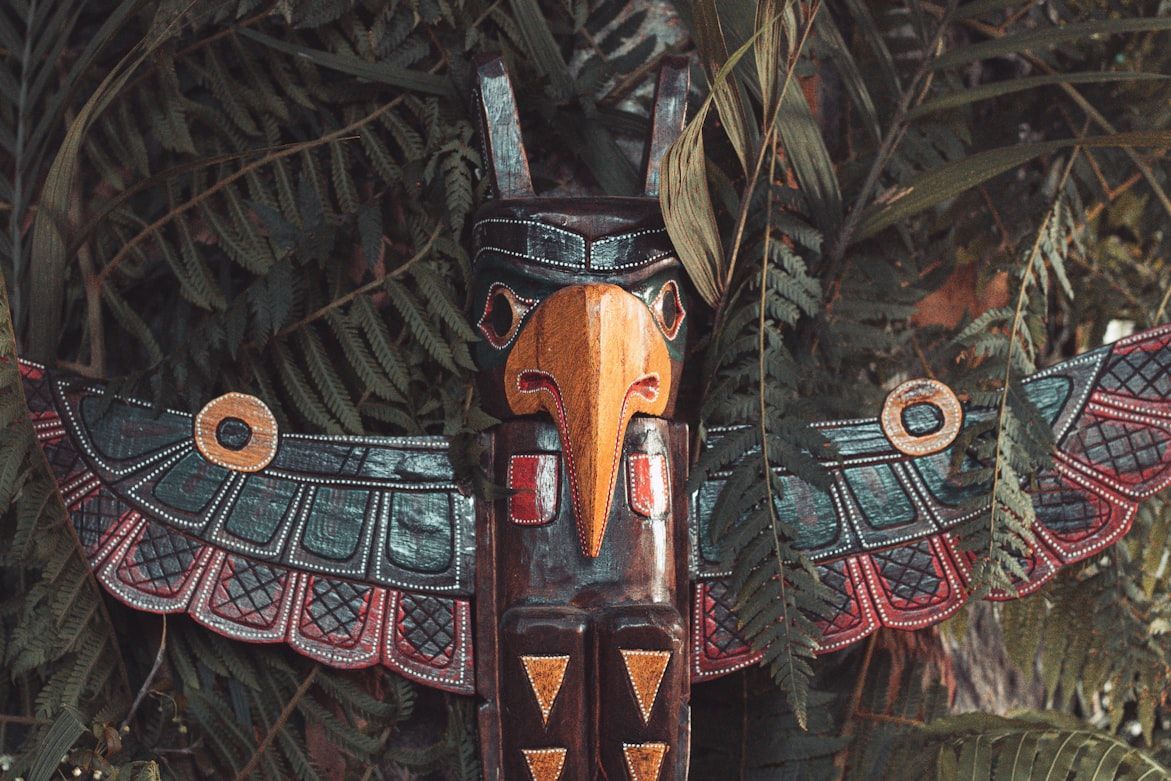
"Totem" comes from the Ojibwe word ototeman, which means "kinship group." It described symbols representing clans and shared roots.

English adopted it to describe carved poles and symbolic elements. Though broader in modern usage, it still hints at the original sense of community, identity, and heritage.

9

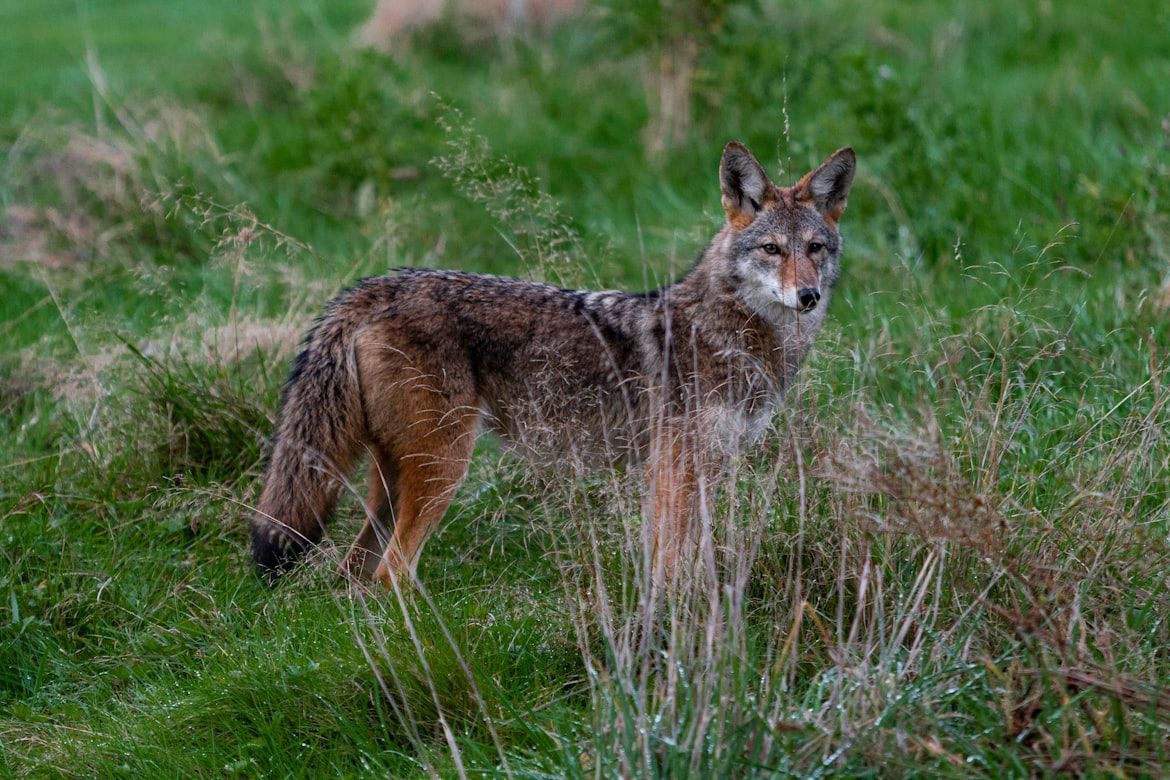
Coyote

Image: Dylan Ferreira

"Coyote" comes from the Nahuatl word coyōtl, which was used by Indigenous tribes of central Mexico. Spanish speakers adopted it, and English borrowed later.

The word kept its meaning, and it remains one of the most direct links between the English language and Nahuatl.

10

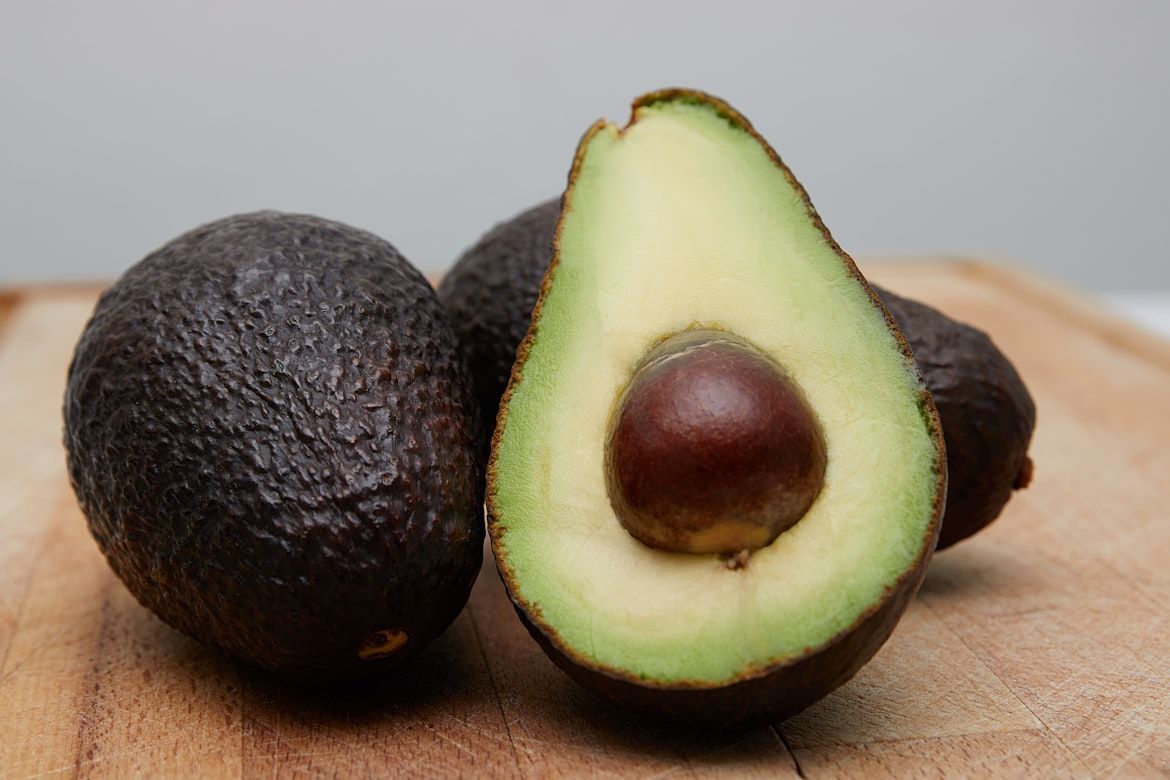
Avocado

Image: Gil Ndjouwou

The tasty avocado’s name traces to the Nahuatl word ahacatl, which refers to the fruit and to a body part as well. Spanish speakers transformed it into aguacate.

Later on, English speakers adapted it to avocado. While the name sounds contemporary and culinary, it has ancient Native roots.

11

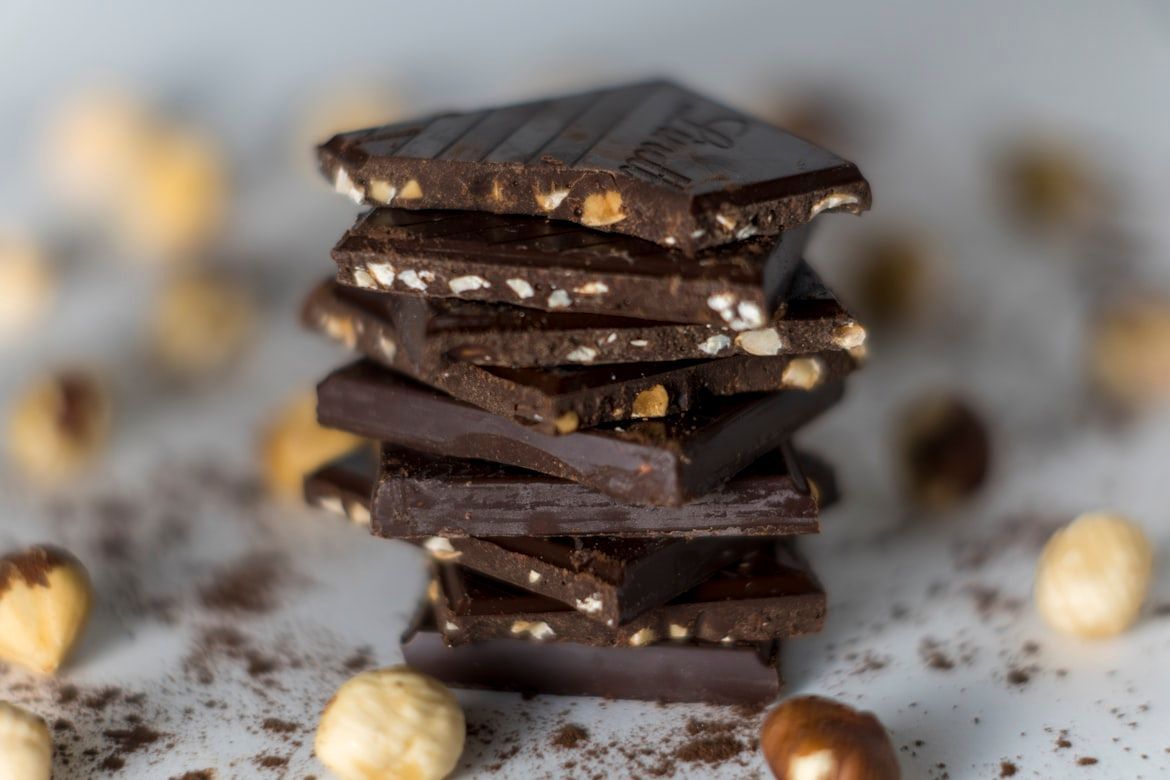
Chocolate

Image: amirali mirhashemian

The last Nahuatl word and also the last word on the list comes from the term xocolātl, which describes a bitter cacao drink that was consumed long before Europeans arrived in America. The name traveled from Spanish to English.

Though the product changed dramatically, the word survived. Today, chocolate is a universal symbol of sweetness, with rich and deeply indigenous roots.

Looking for an extra scoop of literary fun?

Learn more with our Word of the day

gridlock

/ˈɡrɪdˌlɑk/