You have been peeling bananas wrong all your life! 11 fun life-hacks


Published on July 27, 2025


Image: Diana Polekhina

We use countless objects daily without questioning their design, yet many have hidden features or were meant for entirely different purposes. From kitchen tools to bananas, here are 11 everyday items you might be using all wrong—or that at least have surprising secrets built in.

1

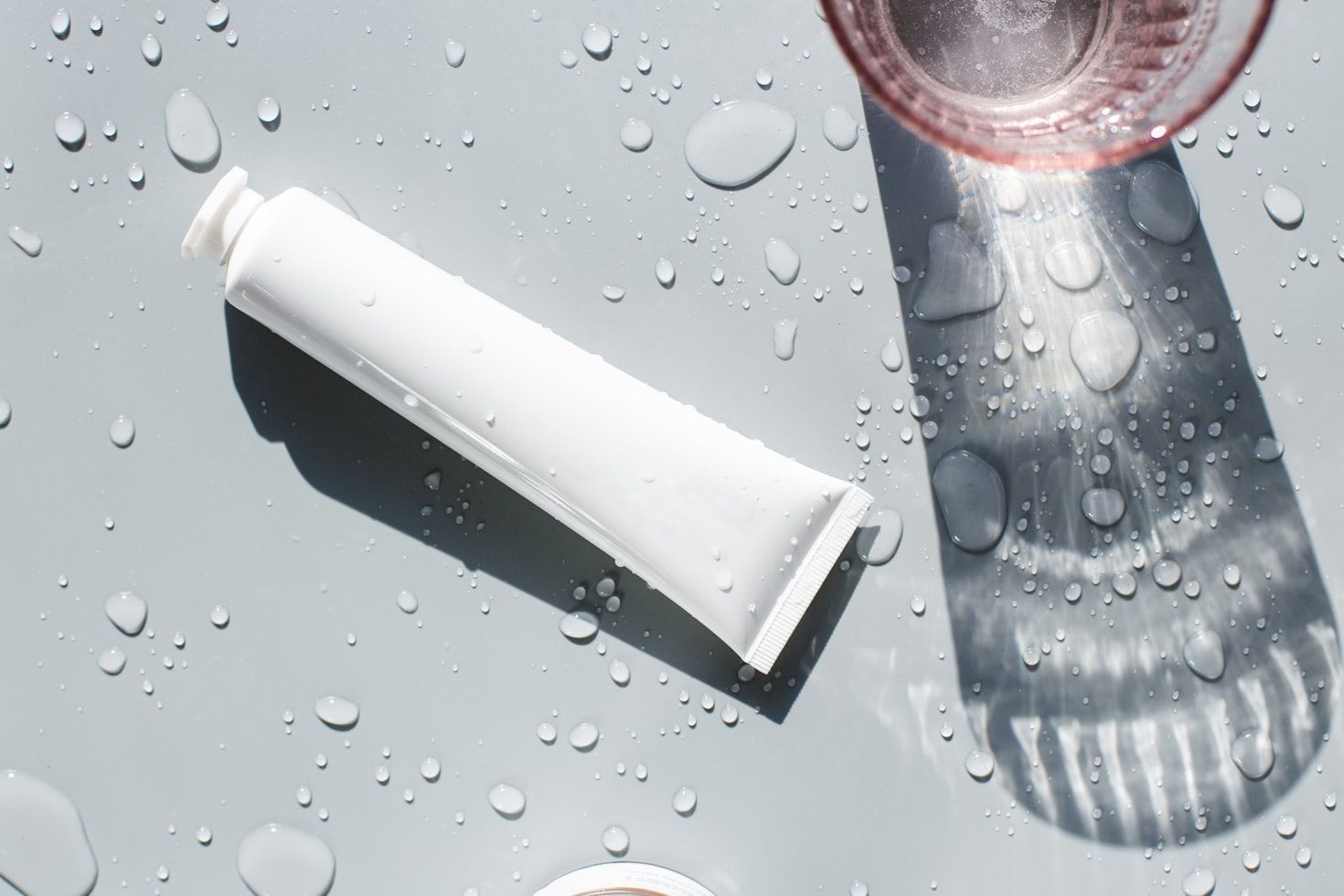
Toothpaste

Image: Anastasia Nikitina

Yes, toothpaste was always intended to clean and polish teeth, but its mild abrasives make it effective for cleaning jewelry, removing stains from clothing, and even defogging mirrors.

Interestingly, the first toothpaste-like substance dates back to ancient Egypt, where a blend of pumice and vinegar was used for oral care. Modern toothpaste, which includes ingredients like baking soda—another household staple—explains why it’s so effective on surfaces beyond just teeth.

2

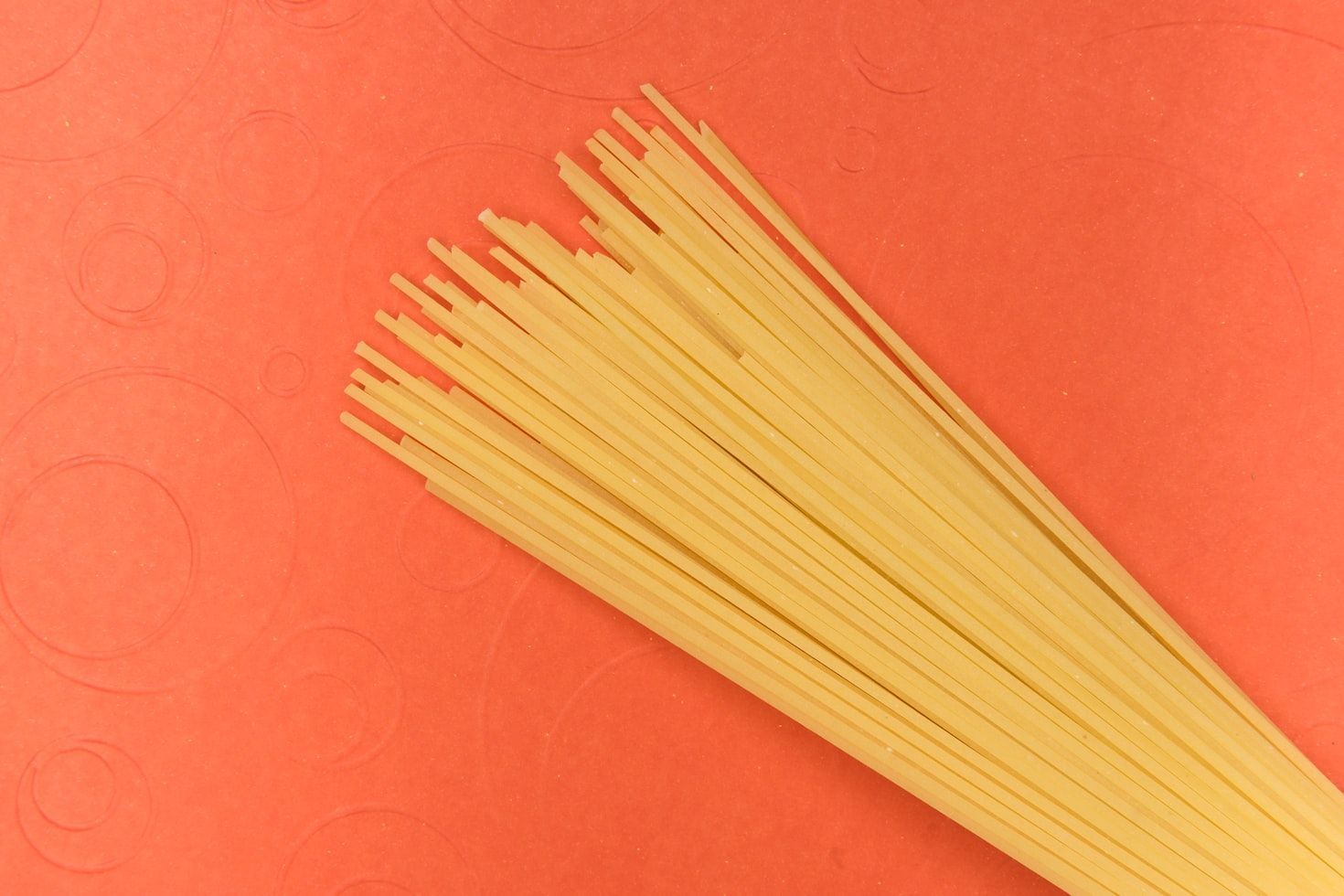
Pasta spoons

Image: Markus Winkler

That hole in your pasta spoon isn’t just for draining water; it can also help measure a perfect portion of dry spaghetti!

A single serving of spaghetti is about the amount that fits through the hole. This design prevents cooking too much or too little, though not all pasta spoons have holes large enough for accurate measuring.

3

Gas pumps

Image: engin akyurt

The latch inside gas pump nozzles was originally designed to shut off fuel flow automatically when the tank is full, not to hold the pump open.

Modern pumps use this mechanism as a safety feature, preventing spills and overflows. In some places, using the latch to hold the nozzle open is even illegal due to fire risks.

4

Grocery carts

Image: Karsten Winegeart

Those metal loops on the back of grocery cart seats aren’t just for show—they’re designed to hold plastic bags with fragile items.

Hanging lighter bags here prevents them from being crushed by heavier groceries in the cart, yet few shoppers take advantage of this simple design. So, next time you go shopping, give it a try—it could be a real lifesaver.

5

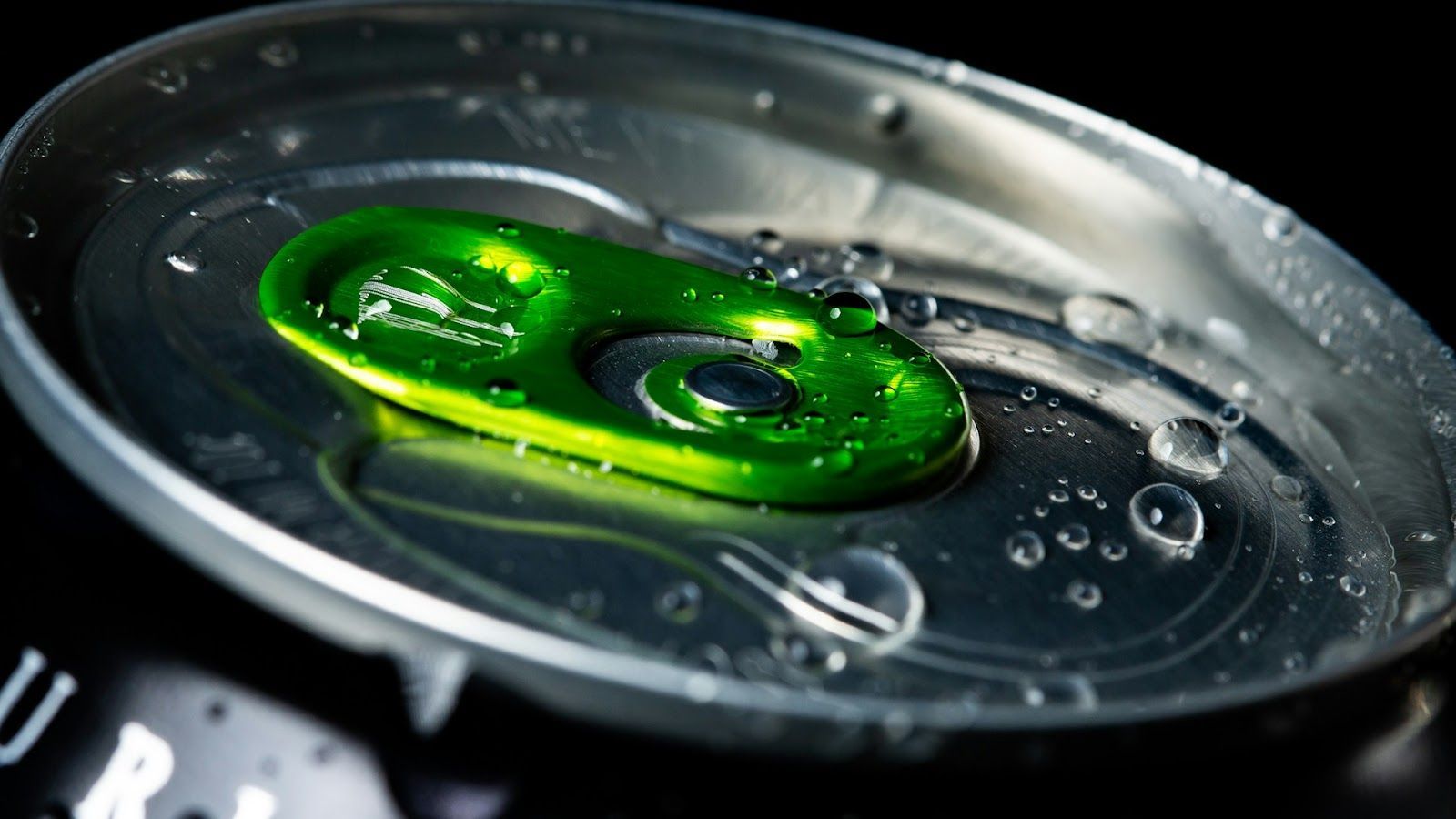
Soda can tabs

Image: Bam Mccarthy

The hole in a soda can tab isn’t just part of the opening mechanism—it can double as a straw holder. Once you pop the can open, turning the tab around aligns the hole perfectly for a straw. This prevents the straw from floating or shifting while drinking.

While this wasn’t the original intent behind the design, it’s a clever and surprisingly convenient way to make use of an otherwise inconsequential design quirk.

6

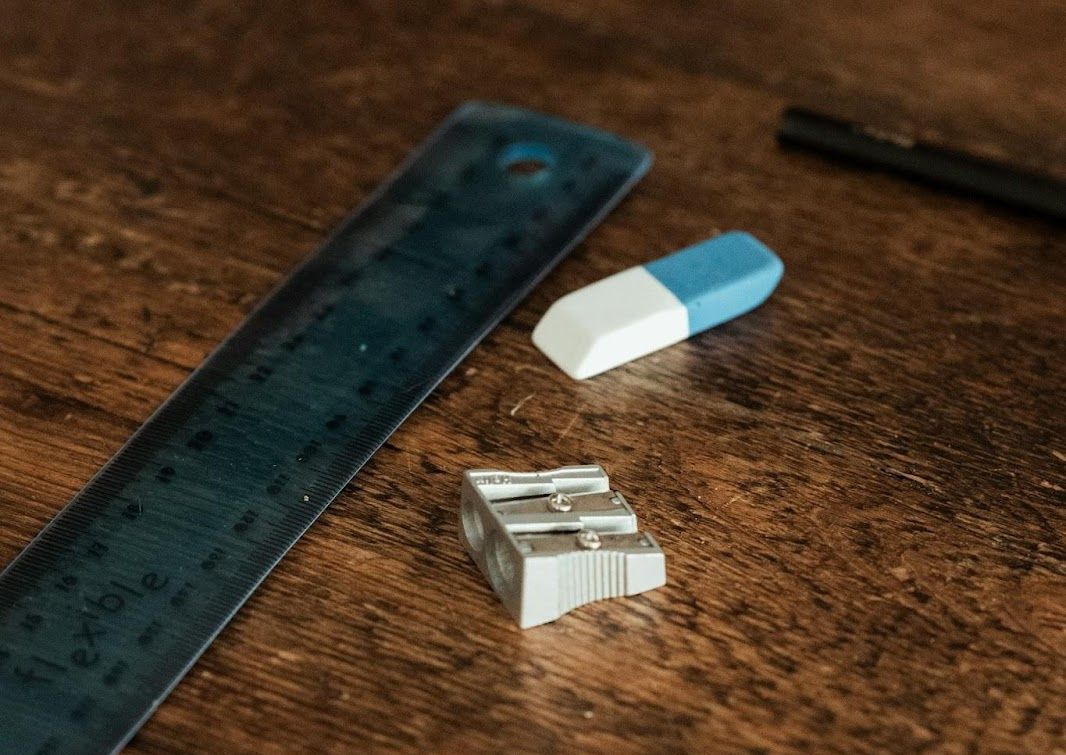
Two-tone erasers

Image: Annie Spratt

If you're like me, this has likely been a brain teaser since childhood: What is the blue side of a two-tone eraser for? Popular wisdom says it's for ink removal, but have you ever tried erasing ink with that side? It just completely obliterates the paper.

Well, it turns out the blue side of a two-tone eraser was actually designed for use on heavier paper, not for removing ink.

7

Keyboard bumps

Image: Matúš Kameniar

The small bumps on the ‘F’ and ‘J’ keys exist to help typists find their hand placement without looking.

These tactile guides help your fingers find their way back to the home row, enabling faster and more efficient typing. Even if you're not a professional typist, you can rely on this feature to improve both speed and accuracy while writing.

8

Peeling bananas

Image: Monika Guzikowska

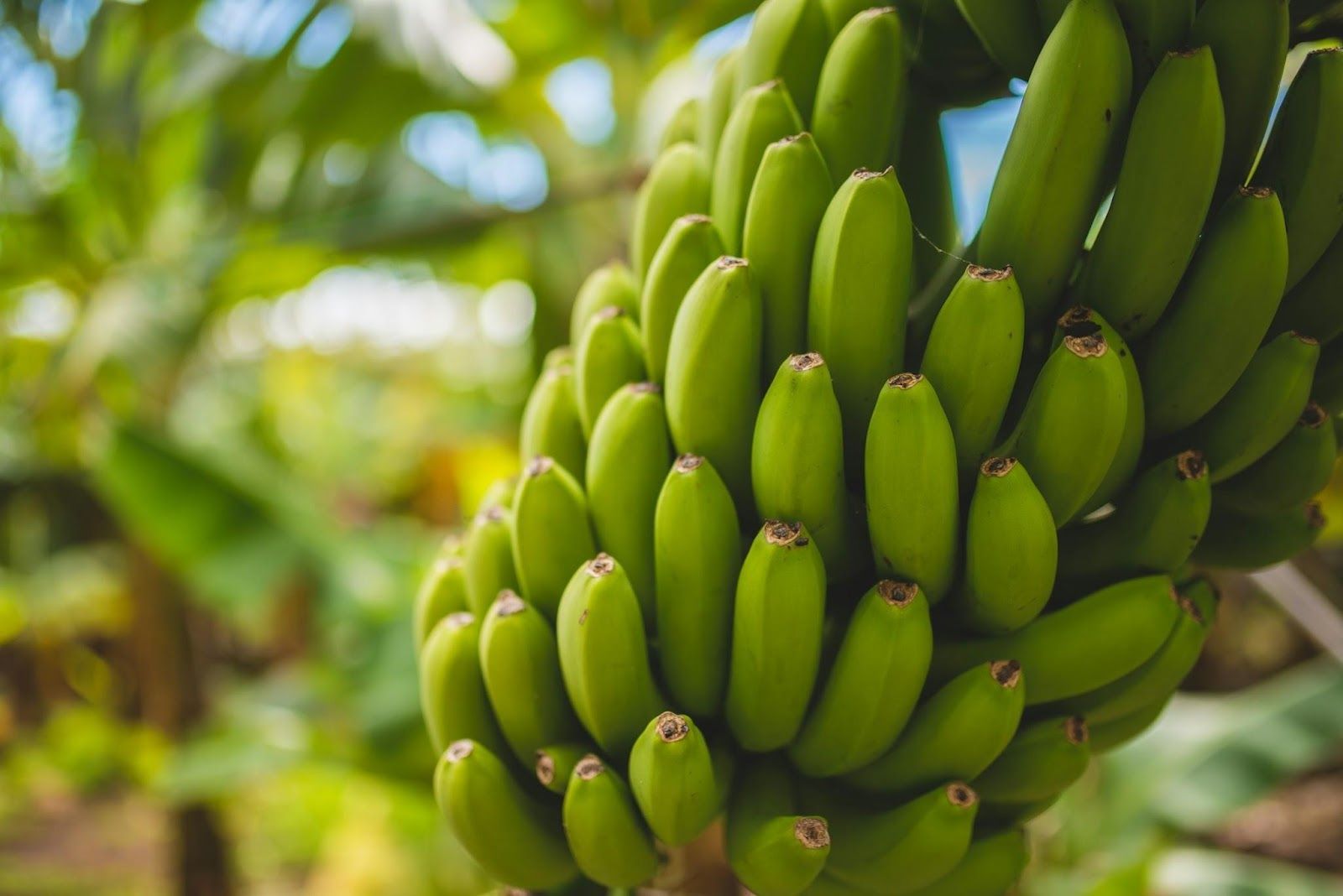
Ever watched a monkey peel a banana? You might be in for a surprise, because it turns out the easiest way to peel a banana is from the bottom, not the stem.

Monkeys naturally pinch the bottom of the banana and pull, avoiding the struggle of breaking the tough stem. This method also reduces the risk of squishing the fruit inside.

9

Measuring tape

Image: Brett Jordan

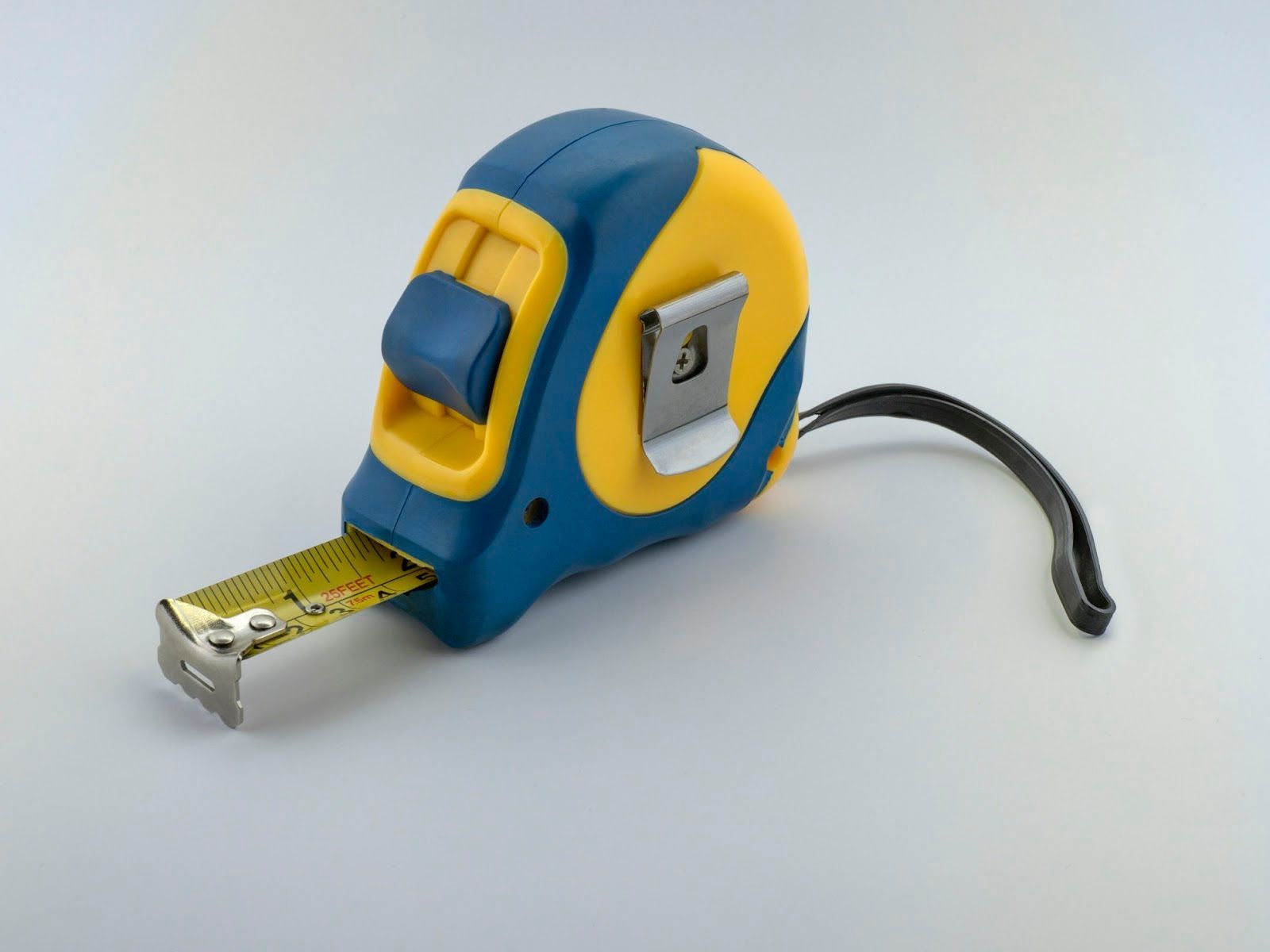
The small hole at the end of a measuring tape is designed to hook onto nails or screws for one-person measurements. This feature provides a more stable grip when measuring long distances without needing an extra set of hands.

Also, the serrated edge on some tapes doubles as a tool for marking surfaces. So, next time you don't have a buddy around to help, don’t worry—your measuring tape has you covered!

10

Oven drawer

Image: Andrea Davis

Many people use the drawer under their oven for storage, but it was originally designed as a warming drawer.

This compartment keeps cooked food warm while the rest of the meal finishes, though in some modern models, it may simply be intended for extra storage. Checking your oven’s manual might reveal its true purpose.

11

Wine bottle indent

Image: Mockup Free

Ever heard someone say you can judge a good wine by the depth of the indentation at the bottom of the bottle? Well, that’s a myth, though it may suggest a better-designed bottle.

The indent at the bottom of a wine bottle, called a punt, helps distribute pressure and maintain structural integrity. Originally designed to support the bottle against carbonation in sparkling wines, it’s now mostly tradition but still improves durability.


Deathbed statements

Beyond the grave: Take a look at the last words of 12 famous people


Published on July 27, 2025


Image: Daderot, CC0, via Wikimedia Commons

Throughout history, hundreds of historical figures have left their mark on the world through their marvelous achievements. When their lives came to an end, their last words were often a reflection of their lives and ideals. From George Washington and Mark Twain to Frank Sinatra and Leonardo Da Vinci, in this article, we will reveal 12 final words of memorable personalities.

1

George Washington

Image: The New York Public Library

After serving two terms as the United State's first president, George Washington retired to his Virginia plantation. In mid-December 1799, he developed a cold and a severe sore throat. Despite doctors' efforts to cure him, the end was imminent.

His long-time secretary, Tobias Lear, was at his side during his last days and documented all the events that transpired, including the former president's last words. According to his account, shortly before he took his last breath George Washington said "Tis well" —an old-fashioned way of saying "everything is okay."

2

Humphrey Bogart

Image: Signal Corps Archive from United States, Public domain, via Wikimedia Commons

Noir icon of perpetual elegance and rebellious charisma, Humphrey Bogart is an undisputed legend in cinema history. A Hollywood Golden Age star, Bogart is still remembered today for his scar on his upper lip, his everlasting cigarette, and his perfect portrayal of gangsters and detectives.

At the age of 57 Bogart was diagnosed with esophageal cancer, for which he was hospitalized for several months. According to lore, the legendary star's last words were "I should never have switched from scotch to martinis." However, his wife Lauren Bacall confirmed that the last thing he actually said was "Goodbye Kid. Hurry back," before she left his bedside to get their children.

3

Mark Twain

Image: Miscellaneous Items in High Demand, PPOC, Library of Congress, Public domain, via Wikimedia Commons

As one of the greatest American writers of all time, Mark Twain is usually credited with all sorts of great quotes that he often didn't say. For that reason, there are different versions of what his last words were before he died in 1910 at the age of 74.

The most plausible theory can be found in an article published one day after his death. According to this chronicle, Samuel Langhorne Clemens' last words were not spoken aloud but written. The famous humorist and essayist reportedly wrote to his daughter Clara, who accompanied him on his bedside, "Give me my glasses."

4

Joan Crawford

Image: MGM, Public domain, via Wikimedia Commons

Joan Crawford, the Oscar winner for Mildred Pierce and one of the greatest stars of Hollywood's golden age, died in 1977 of a heart attack.

The actress, who had a complicated personality, was true to her nature until her last breath. She was so ill that her doctor felt it wasn’t worth taking her to the hospital. One of her nurses began to pray aloud in desperation. Losing her patience, Crawford snapped for the last time and said, "Damn it... Don't you dare ask God to help me."

5

Marco Polo

Image: Municipal Library of Trento, CC0, via Wikimedia Commons

The year 2024 marked the 700th anniversary of the death of the man who better described remote lands. Marco Polo was a merchant who spent more than 20 years of his life traveling through the Orient and wrote about his adventures in a book that became a bestseller when the printing press wasn’t even invented.

Marco Polo was, and still is, a legend. When, on his deathbed, his wife and friends begged the brave explorer to confess if what he had told in the book was true, he barely whispered: "I have not told the half of what I saw and did."

6

Groucho Marx

Image: MGM, Public domain, via Wikimedia Commons

Julius Henry Marx, better known as Groucho Marx, is considered one of the most influential comedians of all time. The man with the bushy black mustache was one of the Marx Brothers. Together they made 13 films, including the classic Duck Soup. After a long and prominent career, Groucho passed away in Los Angeles in 1977 at the age of 86.

His brilliant one-liners are still remembered and replayed to this day, so it is not surprising that not one but several final words are attributed to him. A few close friends have suggested that his last line was "This is no way to live!", while most suggest that his last words were in fact dedicated to his wife: "Die, my dear? Why, that's the last thing I'll do!"

7

Voltaire

Image: Nicolas de Largillière, Public domain, via Wikimedia Commons

Voltaire, the French writer, philosopher, historian, and lawyer, one of the major figures of the Enlightenment, died in 1778 at the age of 83. Different accounts of his deathbed make it impossible to determine exactly what his last days were like.

One of these stories, however, is consistent with his ideas about God and his well-known criticism of the Church. According to this version, when the priest asked him if he wanted to renounce Satan before he died, Voltaire replied, "This is no time to make new enemies."

8

L. Frank Baum

Image: William Wallace Denslow, Public domain, via Wikimedia Commons

L. Frank Baum was a prolific American author. He wrote 55 novels, 82 short stories, and more than 200 poems. However, his most memorable work is his series of children's fantasy books The Wonderful Wizard of Oz.

On May 5, 1919, Baum suffered a heart attack. He died the next day, shortly before his 63rd birthday. Disturbed by the imminence of death, he whispered to his wife: "Now we can cross the Shifting Sands," a clear reference to the Land of Oz.

9

Augustus

Image: National Archaeological Museum of Athens, CC0, via Wikimedia Commons

Augustus, the first Roman emperor, is often attributed with the phrase: "Behold, I found Rome of clay, and leave her to you of marble," alluding to the great infrastructural works carried out during his prosperous 40 years of rule.

However, according to other historical accounts, his last words were addressed to the friends who stayed with him on his deathbed: "Have I played the part well? Then applaud, as I exit."

10

Frank Sinatra

Image: English: Distributed by NBC. Photographer unknown., Public domain, via Wikimedia Commons

"Darling, you've gone through worse and you can beat this too. You have to fight," implored Barbara Marx, Frank Sinatra's fourth wife, to her beloved on his deathbed. "I'm losing," The Voice whispered through teary eyes.

Barbara recounted the last hours of the singer of such hits as My Way and New York, New York in her memoir Lady Blue Eyes: My Life With Frank. Frank Sinatra, one of the most popular entertainers of the mid-20th century, pronounced his last words in 1998 at the age of 82.

11

Leonardo Da Vinci

Image: Jean-Auguste-Dominique Ingres, CC0, via Wikimedia Commons

Despite being one of the most famous artists of the Renaissance, Leonardo da Vinci was very hard on himself. All his life he challenged his own limits, evident in his paintings and sculptures as well as in his inventions, some of which were truly revolutionary.

Even after a lifetime of success, he wasn’t quite satisfied. When he suffered a stroke at the age of 67, he sent for a priest to receive the Holy Sacrament and, according to historians, his greatest regret was that he hadn’t achieved excellence with his work. In that sense, it is said that his last words were: "I have offended God and mankind because my work did not reach the quality it should have."

12

Joe DiMaggio

Image: National Museum of Health and Medicine, Public domain, via Wikimedia Commons

The Yankee Clipper was one of the greatest baseball players of all time but he is also known for having been married to the iconic American actress Marilyn Monroe. Joe and Marilyn were together for less than three years. In 1955 the actress left him for American playwright Arthur Miller.

DiMaggio was devastated. He never married again, and never got over his one true love. His last words before he died in 1999 at the age of 84 were: "I'll finally get to see Marilyn."

Looking for an extra scoop of literary fun?

Learn more with our Word of the day

sempiternal

/ˌsɛmpəˈtərn(ə)l/