Decoding language

10 punctuation secrets your teachers never told you


Published on March 30, 2026
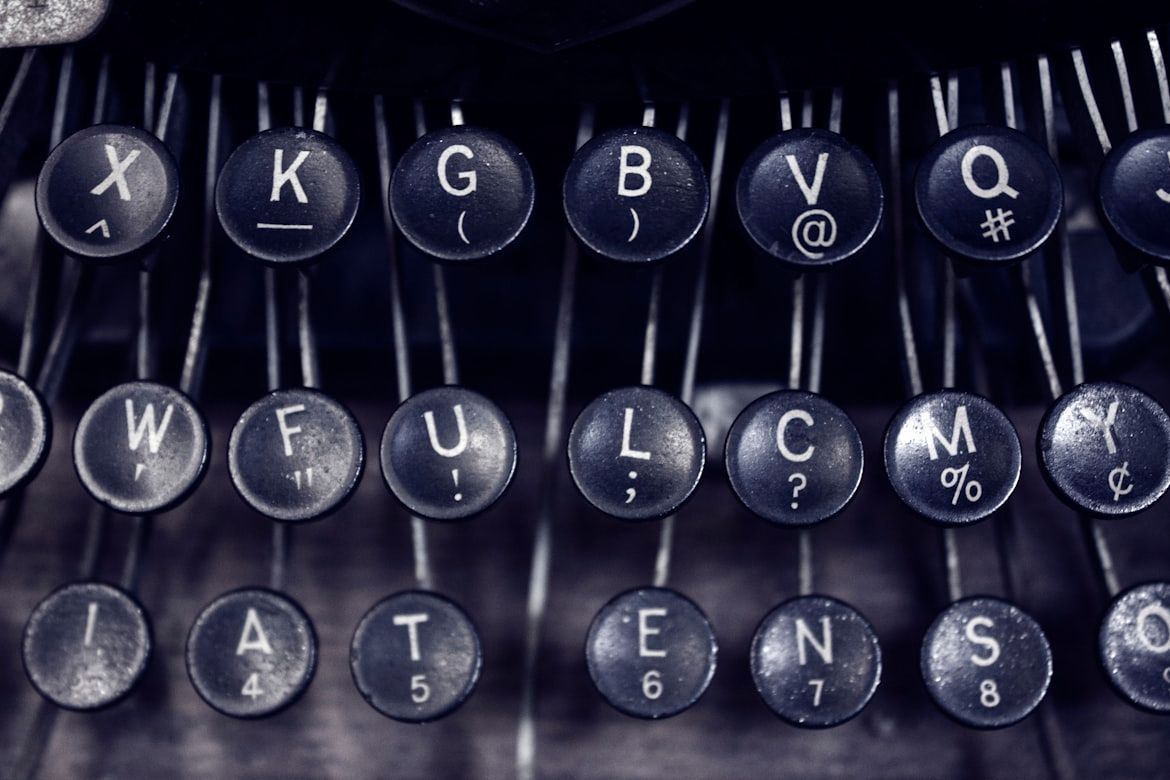

Image: Samuel Ramos

Punctuation shapes how we read, write, and think—yet it often goes unnoticed until its absence makes a sentence hard to understand. Most punctuation marks weren’t always part of the language; many have surprising backstories, and some are even relatively recent additions to English grammar. Here are the stories behind 10 marks that give structure—and meaning—to our sentences.

1

Period

Image: Randy Tarampi

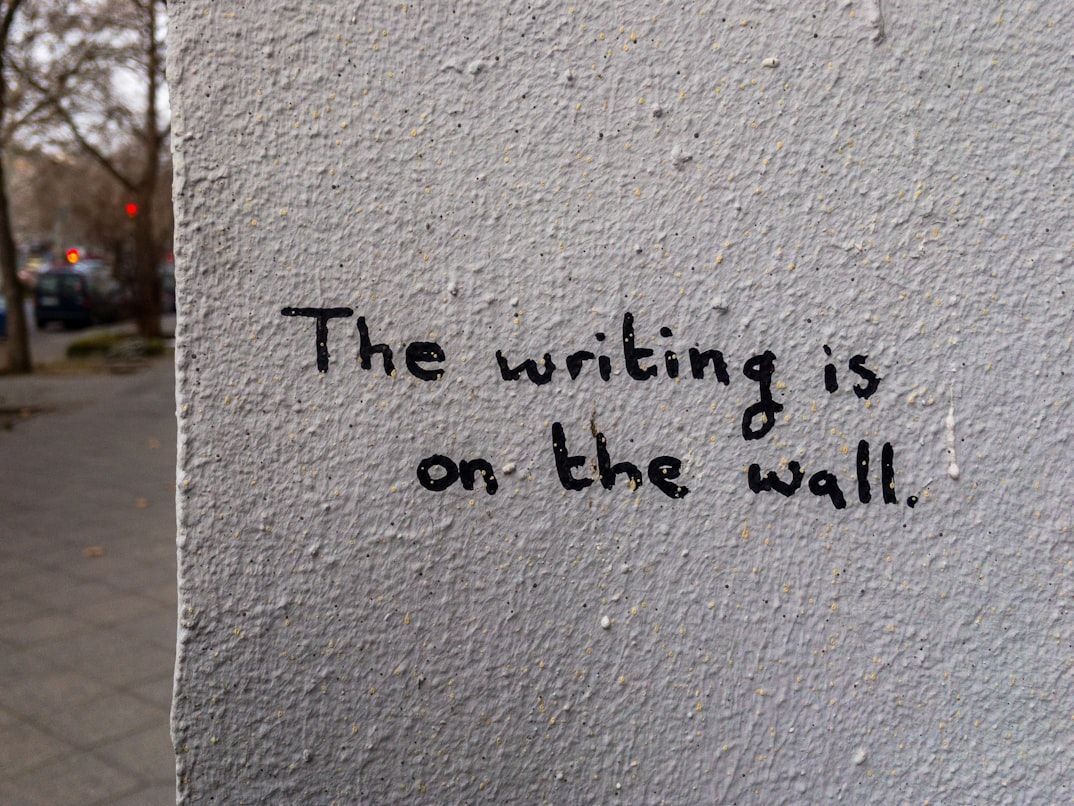
The period began as a simple dot used by Aristophanes of Byzantium to mark the end of a sentence. Its purpose was to improve clarity in long manuscripts, at a time when spaces between words did not exist.

Over the centuries, it evolved into the familiar punctuation mark we know today, becoming a universal symbol of grammatical correctness.

2

Comma

Image: Jacob Pretorius

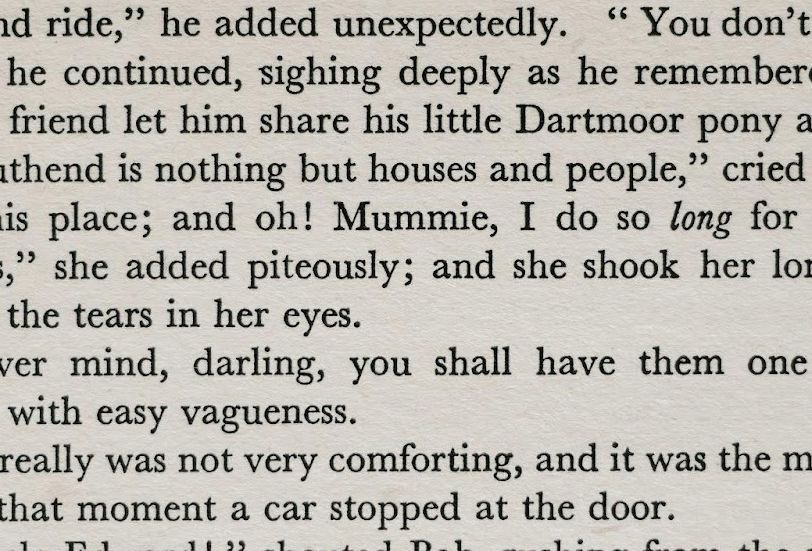
The comma was added in the 3rd century BCE to indicate a brief pause while reading aloud. Its name comes from the Greek komma, meaning "a piece cut off."

It was later popularized in the Renaissance to structure complex sentences, helping writers convey rhythm and meaning more clearly.

3

Semicolon

Image: Annie Spratt

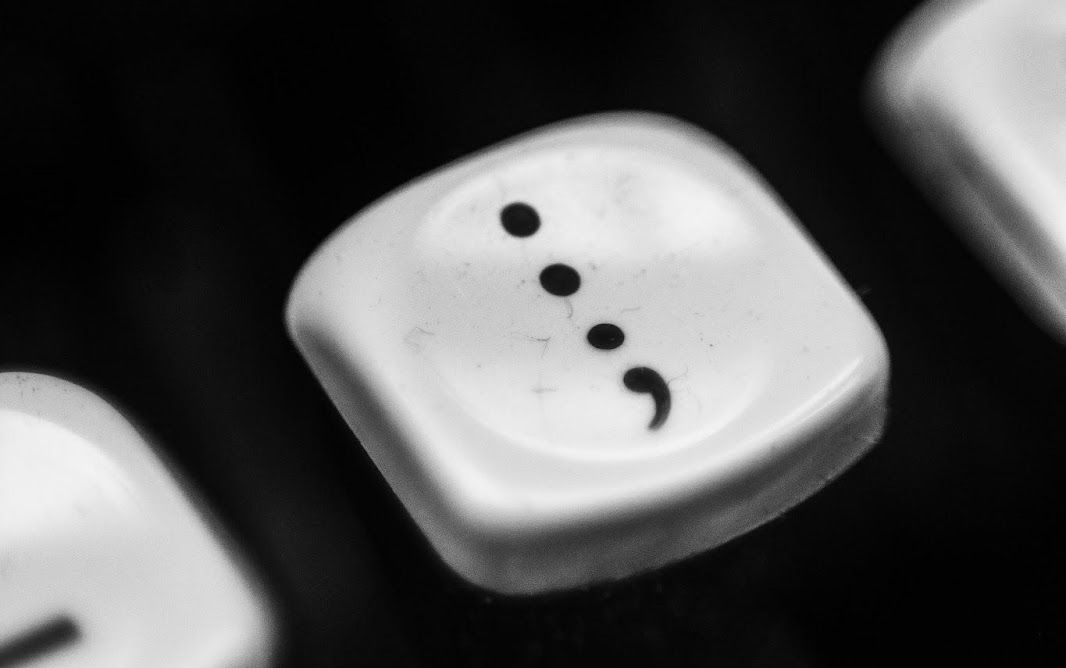
Italian printer Aldus Manutius introduced the semicolon in 1494 to separate closely related independent clauses.

It became a favorite among scholars, as it allowed nuanced connections between ideas without fully breaking a sentence.

4

Colon

Image: Connor Pope

The colon was also popularized by Manutius, used to introduce lists or explanations.

It historically guided readers in written speeches or complex texts, marking a shift in thought or attention to important details.

5

Question Mark

Image: Uladzislau Petrushkevich

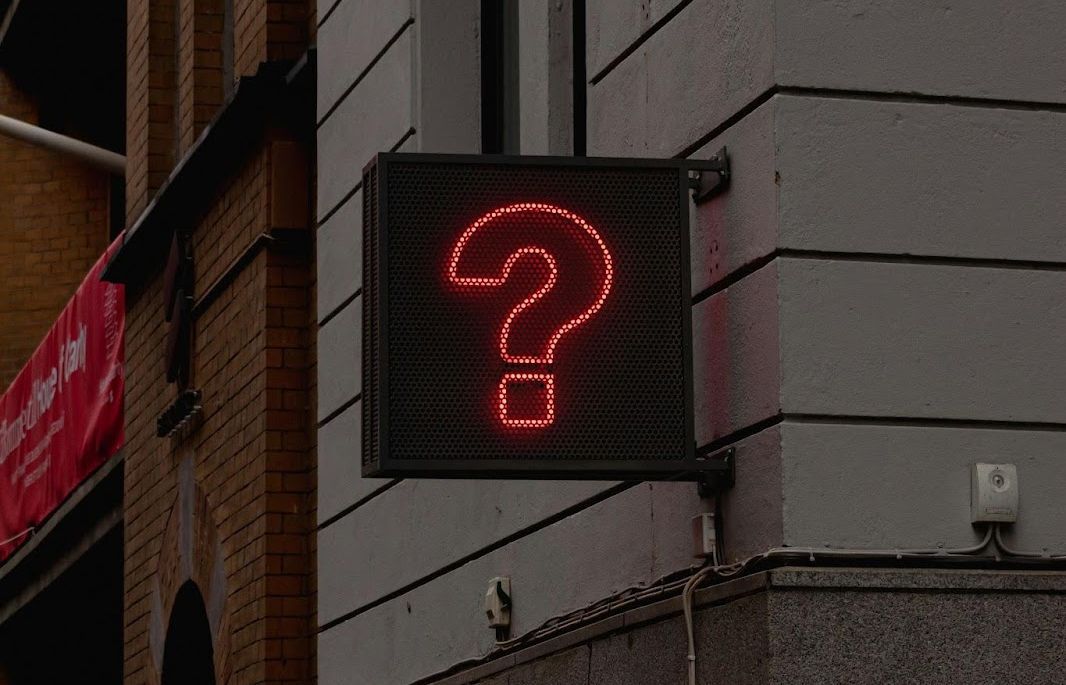
The question mark likely comes from the Latin word quaestio, which was often abbreviated as ‘qo’ at the end of sentences.

Scribes eventually stylized the abbreviation into the curved mark we use today, which has become a universal signal for a question or inquiry.

6

Apostrophe

Image: James Orr

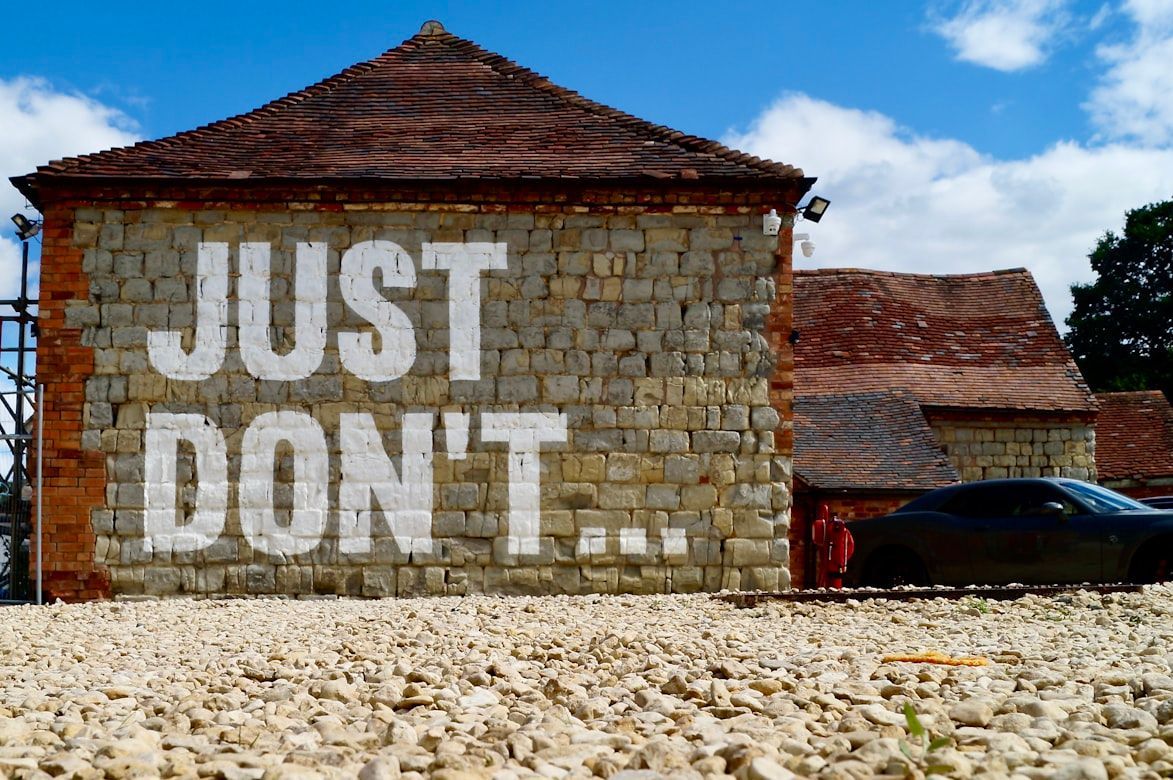
Introduced in the 16th century, the apostrophe marks omitted letters and abbreviations, as in don’t from do not.

It also indicates possession in English; however, its use in that sense didn’t become standardized until the 18th century.

7

Hyphen

Image: Tim Mossholder

The hyphen emerged in the Middle Ages to join words or split lines. Printers sometimes used it to avoid awkward spacing.

Today, it joins compounds like well-being or divides words at line breaks, helping preserve clarity in written language.

8

Parentheses

Image: Brett Jordan

Parentheses were introduced in the 15th century to provide supplemental information without breaking the main text.

They guide readers through secondary thoughts, examples, or clarifications more efficiently.

9

Ampersand

Image: John Murphey

Did you know that the ampersand is a ligature of the letters "e" and "t"? Together, they form et, the Latin word for "and."

Used since Roman times, it became a typographical shorthand as well as a symbol of elegance in logos and design.

10

Interrobang

Image: Laura España

Created in 1962 by Martin K. Speckter, the interrobang combines a question mark and an exclamation mark into a single symbol.

It expresses surprise and inquiry simultaneously, though it never became a standard punctuation mark. However, using both signs together is common in comic books and informal writing to convey the same effect.



What science says

It was false after all: 10 health myths that sound true—but aren't


Published on March 30, 2026


Image: Alicja Gancarz

Health myths are everywhere! These ideas were simply passed down for so long that they became part of what we believed. But now science has stepped in to clear things up. Does cold weather make you sick? Can lemon detox your body? Is reading in low light really harmful? Let's uncover the truth behind 10 common health myths!

1

Cutting your hair makes it grow faster

Image: Element5 Digital

Have you ever been told that cutting your hair will make it grow faster? We're sorry to say that's just a myth. Hair grows from the root, not the ends. So, trimming it won't boost growth, though it does help remove split ends that can make your hair look dry or unhealthy.

2

Cold weather causes colds

Image: Thom Holmes

This is one of the most common health myths. Cold weather often gets blamed, but it's not the temperature that makes you catch a cold. During winter, we tend to stay indoors with others and keep the windows closed, an environment that makes it easier for viruses to spread. That's why colds tend to be more common in winter!

3

Eating before bed makes you gain weight

Image: Michelen Studios

The idea that eating before bed automatically leads to weight gain is a myth. In reality, it has more to do with what you eat and how much, rather than the time of day. Often, when we eat very late at night, we're tired and more likely to reach for quick, high-calorie, heavy foods. This can disrupt sleep and lead to consuming more calories than we burn, both of which may affect weight. If it's close to bedtime, it's better to have something light and healthy in a moderate portion than to skip a meal altogether.

4

Wearing glasses weakens your vision

Image: Bud Helisson

Does wearing glasses weaken your vision? Myth! If an eye doctor prescribes glasses, wearing them as directed helps correct your vision; it won't make it worse. Additionally, the right glasses can help prevent or reduce headaches caused by reading or spending long hours in front of a screen.

5

Reading in low light causes permanent eye damage

Image: Amir Balam

This myth is closely related to the previous one. If you love reading and sometimes have to do it in low light because of the situation, don't worry. According to experts, reading in low light doesn't cause permanent or irreversible eye damage. However, it's not recommended because it can make your eyes feel tired or strained, leading to discomfort or headaches.

6

You need to drink 8 glasses of water a day

Image: engin akyurt

We're all different, and so are our bodies. The idea that everyone should drink exactly eight glasses of water a day is more of a general guideline than a rule. Staying well hydrated throughout the day is extremely important, but how much water you need depends on factors like your weight, age, climate, and overall health. We should prioritize staying consistently hydrated instead of obsessing over the number of glasses we drink.

7

Lemon water detox and cleanse your body

Image: Tirza van Dijk

Some people say drinking lemon water helps eliminate toxins and cleanse the body. While adding a slice of lemon to your water is a refreshing way to stay hydrated, it doesn't have any special "detoxifying" powers. The vitamin C in citrus fruits is beneficial, but the body has its own natural detox system. The liver and kidneys are the main organs that filter waste and eliminate toxins.

8

All fat is bad

Image: Aneta Voborilova

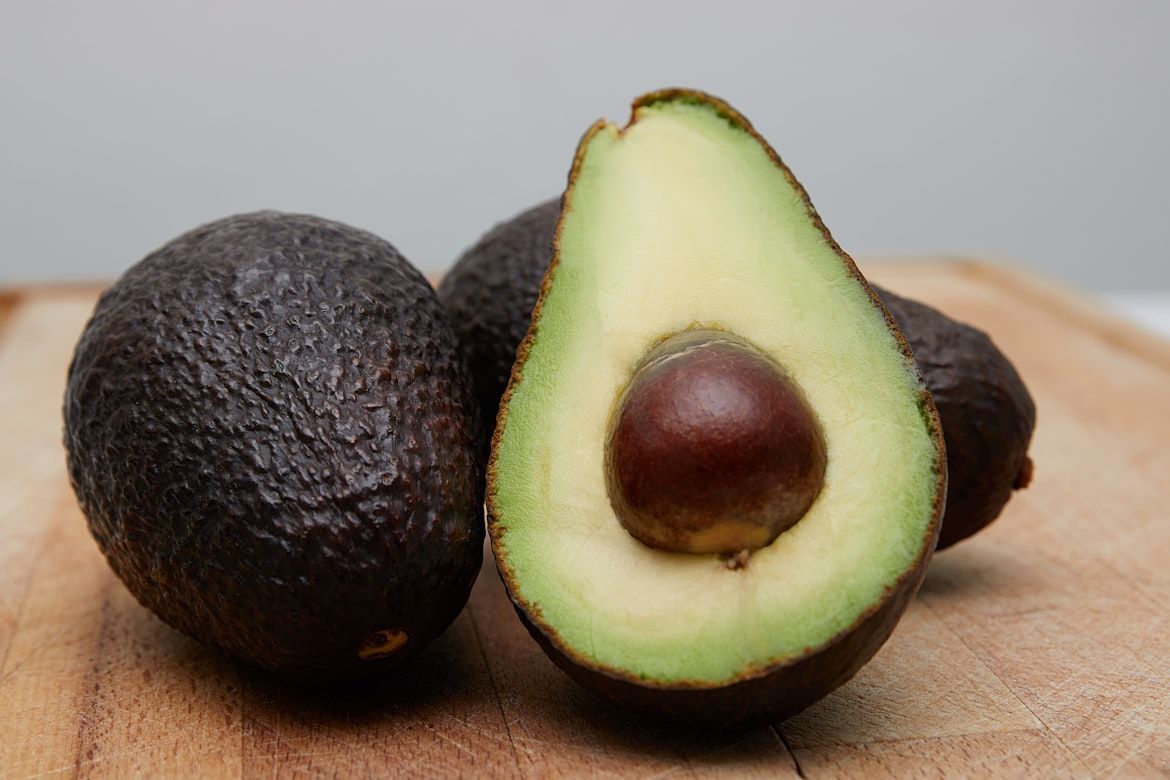
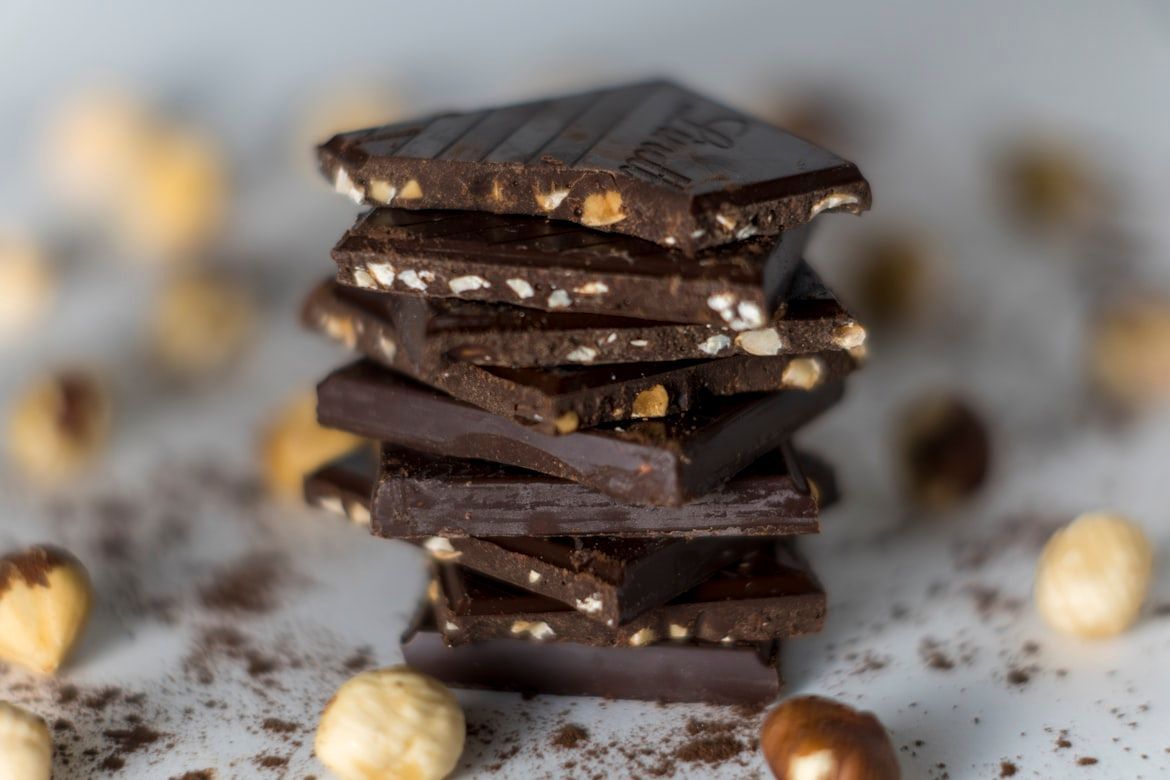
Not all fats are bad! Just like other food groups, your body needs fats to function properly. The important thing is knowing the difference between healthy fats and those that can be harmful. Foods like avocados, seeds, olive oil, fish, and nuts are rich in healthy fats. On the other hand, the fats found in processed or fried foods are the ones that can have a negative impact on your body.

9

Liver disease is always caused by alcohol or fats

Image: Elevate

Liver diseases can be serious. While heavy and frequent consumption of alcohol and fats is a major contributor, it's not the only cause. Liver problems can also result from many other factors. These include viral infections, autoimmune diseases, genetic disorders, high blood pressure, and exposure to certain chemicals.

10

Breakfast is the most important meal

Image: Brooke Lark

There's some truth to it: breakfast is important because it replenishes our glucose and energy levels and supports proper metabolism. However, the idea that it's the most important meal of the day might be an exaggeration. Everyone's body has different needs, and all meals are important, so we shouldn't skip any of them!

Looking for an extra scoop of literary fun?

Learn more with our Word of the day

pallid

/ˈpæləd/