Popular, but untrue
It didn’t happen: 10 history myths that are regarded as true
Published on March 15, 2026

A big part of history is dependent on who’s telling it, but some facts are indisputable. However, some stories have become so widespread —be it because of popular legend or by honest mistake— that most would assure them to be true. Some have even been transmitted for generations, but they happened in a different way or not at all. Let’s revise 10 historic "facts" that are just myths.
Vikings wore horned helmets

The idea that Viking helmets had horns is consistent with their fame as frightening warriors, but it is simply not true. This misconception is a result of 19th-century artists, such as Richard Wagner, and their interest in the Middle Ages, which, in many cases, involved inventing facts when reliable information was lacking. We now know that Vikings wore cap-like helmets with nose guards, and without any protruding elements.
Marie Antoinette said, ‘Let them eat cake.’

The French Revolution and its rejection of the monarchy led to Marie Antoinette having a tarnished reputation, with many accusing her of not caring about her subjects and living an extravagant life while the French people suffered. The phrase ‘let them eat cake’, attributed to her, is a big part of this, but no matter how she actually behaved, we know as a fact that she never said it. This phrase was attributed to an unnamed princess by philosopher Jean Jacques Rousseau, but at that time, Marie Antoinette was 9 years old and still lived in Austria.
George Washington had wooden teeth

While the father of the nation did wear dentures, the widespread belief that these were made out of wood is not true. Historians have confirmed that his dentures were made from a mix of different materials, including ivory, human teeth, animal teeth, and metallic pieces. The idea that these were wooden is most likely a result of the brownish appearance of stained ivory.
Emperor Nero burned Rome intentionally

Roman emperor Nero has a well-deserved reputation as a tyrant. He habitually murdered opponents, persecuted thousands of Christians, and was known to enjoy animal cruelty. However, there is no solid proof that he intentionally started the fire of Rome, although we know that he did nothing to stop it, and played music as he watched the city burn. The fire was most likely an accident, and Nero took advantage of it to rebuild Rome in grandeur.
Medievals believed the Earth to be flat

Scholars have known the Earth is a sphere since classical antiquity, and medievals inherited that knowledge from the ancient Greeks. Why did they not travel to the West then? Is not that they thought they would reach the end of the world, but that they were unsure of the dangers of such a travel. The idea of medieval people as flat-earthers is a result of 19th-century writers' concept of the Middle Ages as a ‘dark time’ of ignorance.
American independence was declared on July 4th
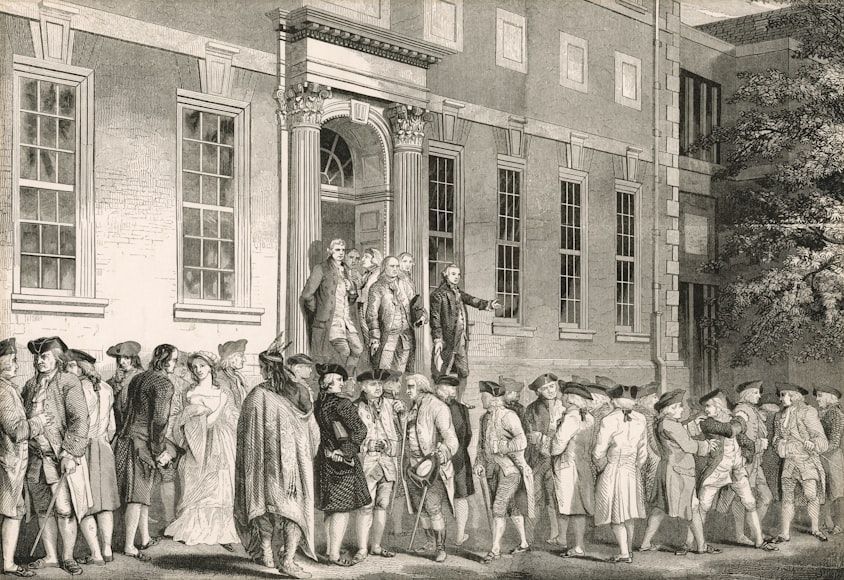
To the surprise of many, the Continental Congress declared independence from Great Britain on July 2nd. But why is Independence Day not celebrated on that date? Founding Father John Adams asked the same question. While the voting was done on the 2nd, the document was finalized and distributed on the 4th, and most delegates adopted that date. John Adams wrote extensively about the importance of July 2nd, and he reportedly declined invitations to 4th of July celebrations in protest.
People were burned at the stake during the Salem witch trials

The Salem witch trials were undoubtedly outrageous, and modern historians believe that the result was mass hysteria. However, the idea that convicted individuals were burned at the stake is just a popular myth. 19 people were executed by hanging, and one other died during interrogation due to torture. In the years after, it was proven that evidence of witchery was fabricated, and the trials were declared unlawful.
Julius Caesar said, ‘Et tu, Brute?’
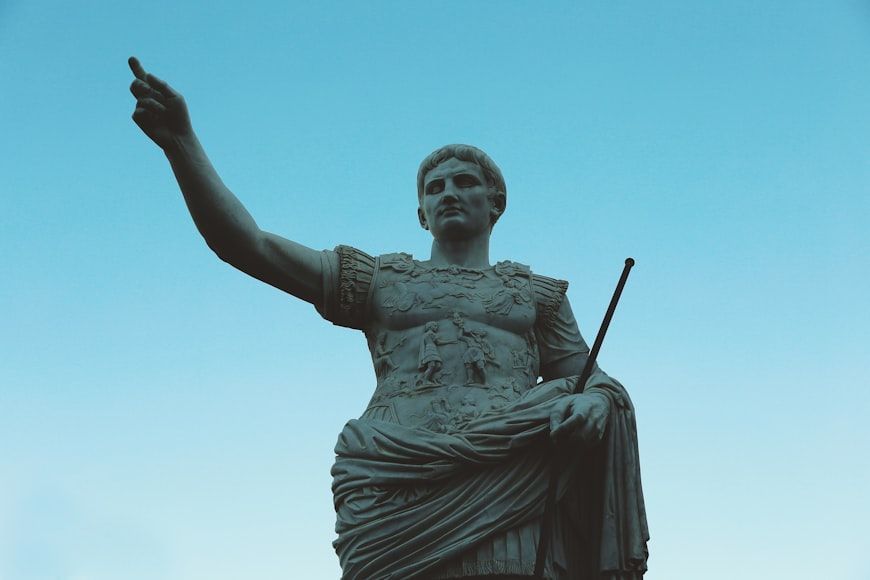
While historians and chroniclers have several theories about Julius Caesar’s dying words, we know for a fact that he never said ‘_Et tu, Brute?’ (You too, Brutus?) to his adoptive son. This phrase was coined by Elizabethan playwright Richard Edes and later popularized by William Shakespeare. What did Caesar say instead? We don’t know, but the prevailing theories are that he remained silent or that he spoke in Greek and said ‘_καὶ σύ, τέκνον?" (‘You too, child?’).
Rosa Parks was sitting in the ‘white’ section of the bus
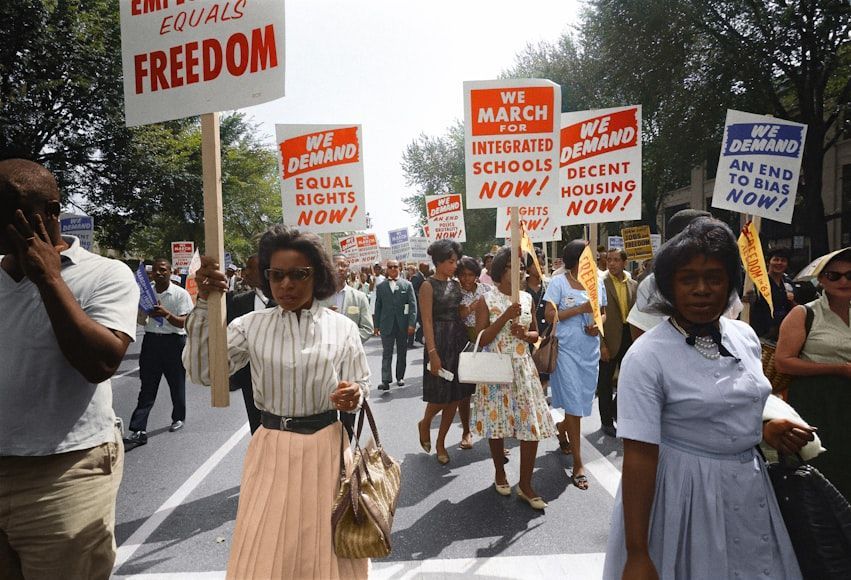
When Rosa Parks refused to give up her seat, she knew she was making a political statement. However, contrary to what many believe, she was sitting on a part of the bus that African Americans were allowed to use. Why was she asked to give up the seat, then? She was sitting in a section that was for everyone, but where white people had priority. When the white section became full, she was asked to give up her spot. She refused, and the rest is history.
Galileo Galilei was executed by the Catholic Church

The story of Galileo Galilei’s trial is one of the most widespread historical myths, and most people are certain that he was tortured because of his beliefs and then executed. Galileo was indeed tried by the Church, but it was not the simplistic case of science vs. faith most believe it to be. In reality, it was a scientific debate and, while Galileo was ultimately right in defending Heliocentrism, he failed to prove it. After the trial, he received house arrest in a villa, where he died of natural causes.