Medical mysteries
Prepare to be blown away by the 10 most incredible medical conditions
Published on December 22, 2025
 Image: Hush Naidoo Jade Photography
The human body is full of surprises, and even if you think you've seen it all, some cases defy everything you thought you knew. Some conditions are so strange they sound made up, but they're very real! If you are interested in the wonderful world of medicine, here are 10 medical conditions that are equally rare and fascinating!
Aphantasia
 Image: Tim Arterbury
The word aphantasia comes from Greek roots and means "without image formation." People with this condition are unable to create mental images. In other words, they can't "see" the sea or a flower in their mind, nor can they remember things visually. It's estimated that about 2.5% of the population has aphantasia, though many might not even realize they have it!
Synesthesia
 Image: Icons8 Team
If we told you that some people can hear colors or taste sounds, you might think we're making it up. But we're not! Synesthesia is a rare condition in which stimulating one sense automatically triggers another. While each person experiences it differently, these sensory connections stay consistent for them over time. Studies show that people with synesthesia often have stronger memory and creativity.
Marie Antoinette Syndrome
 Image: Alexandra Tran
Some sources claim that French Queen Marie Antoinette's hair turned completely gray overnight just before her execution. This event inspired the name "Marie Antoinette syndrome," also known as canities subita, an extremely rare condition in which a person's hair suddenly turns totally gray over a short period of time.
Foreign Accent Syndrome
 Image: Jarritos Mexican Soda
If you ever wake up speaking with an unfamiliar accent, you might have what's known as foreign accent syndrome. As the name suggests, this rare condition causes sudden changes in speech rhythm or pronunciation, making it sound like the person has developed a foreign accent. It typically occurs after head trauma or injury, but it's extremely rare: only about 100 cases have been officially reported since it was first identified in 1941.
Mirror-touch synesthesia
 Image: Sander Sammy
As you know, synesthesia causes some senses to overlap. But there's one type that even involves other people's senses. Mirror-touch synesthesia is a condition in which a person feels physical sensations on their own body when they see someone else being touched or injured. It's believed that about 1.6% of the world's population may have mirror-touch synesthesia, making it rare but not extremely uncommon.
Hyperthymesia
 Image: Laura Fuhrman
If we asked what you were doing on a specific day five years ago, you probably wouldn't remember, just like most people. But those who can recall such details have hyperthymesia, also known as Highly Superior Autobiographical Memory (HSAM). It's a very rare condition in which a person can recall almost every detail of their life with incredible accuracy and little effort. Only about 60 cases have been documented worldwide.
Congenital Insensitivity to Pain
 Image: Kanishk Agarwal
Some people don't feel pain, and not because they lack empathy, but because they have a condition called Congenital Insensitivity to Pain (CIP). It's present from birth and causes those affected to feel no physical pain. While it might sound like a superpower at first, it can be dangerous because injuries may go unnoticed without any warning. People with CIP can still feel touch and detect temperature changes.
Alice in Wonderland Syndrome
 Image: Graham Ruttan
Alice in Wonderland syndrome can occur when the patient suffers from other conditions, such as migraines or viral infections. Much like Lewis Carroll's famous character, people with this syndrome may experience distortions in the size of objects, their surroundings, or even their own bodies. Most commonly seen in young people, the syndrome often fades with age.
Prosopagnosia
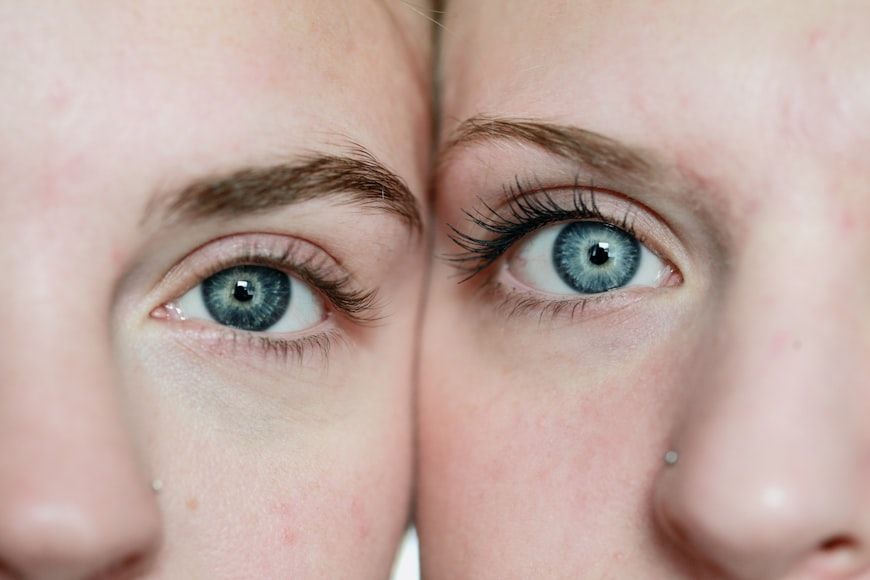 Image: Alexander Grey
There's a condition that makes it difficult for a person to recognize faces, even those of close friends, family members, or sometimes even their own reflection. It's called prosopagnosia, and it affects about 2% of the population. People with this condition usually rely on voices, hairstyles, or other cues to identify others. This condition doesn't affect a person's memory or overall vision.
Aquagenic urticaria
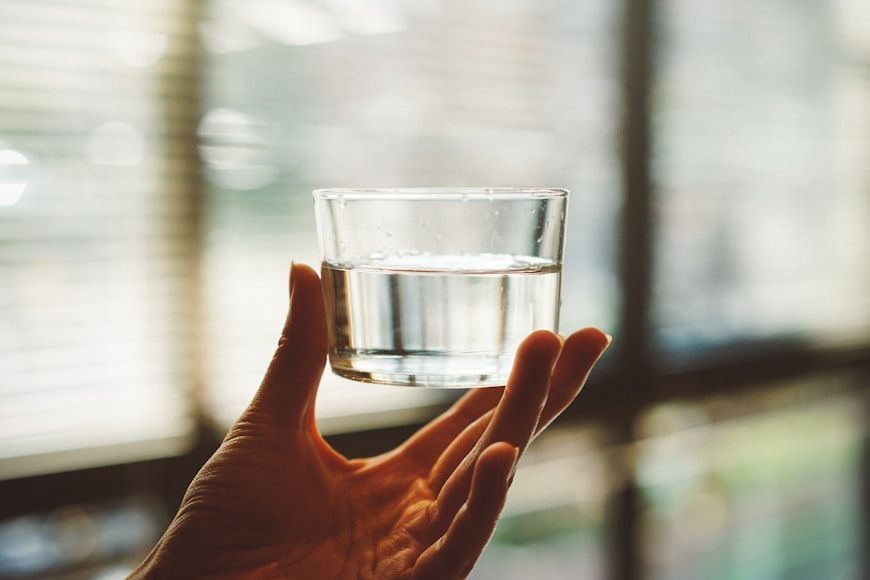 Image: Manki Kim
As unbelievable as it may sound, some people develop skin reactions when they drink or come into contact with water. This condition is called aquagenic urticaria and is sometimes referred to as "water allergy," even though it's not a true allergy because it doesn't involve the immune system in the usual way. Aquagenic urticaria is extremely rare, and its symptoms typically last between 30 and 60 minutes.