Body oddities

12 creepy body facts your biology teacher definitely skipped


Published on February 13, 2026
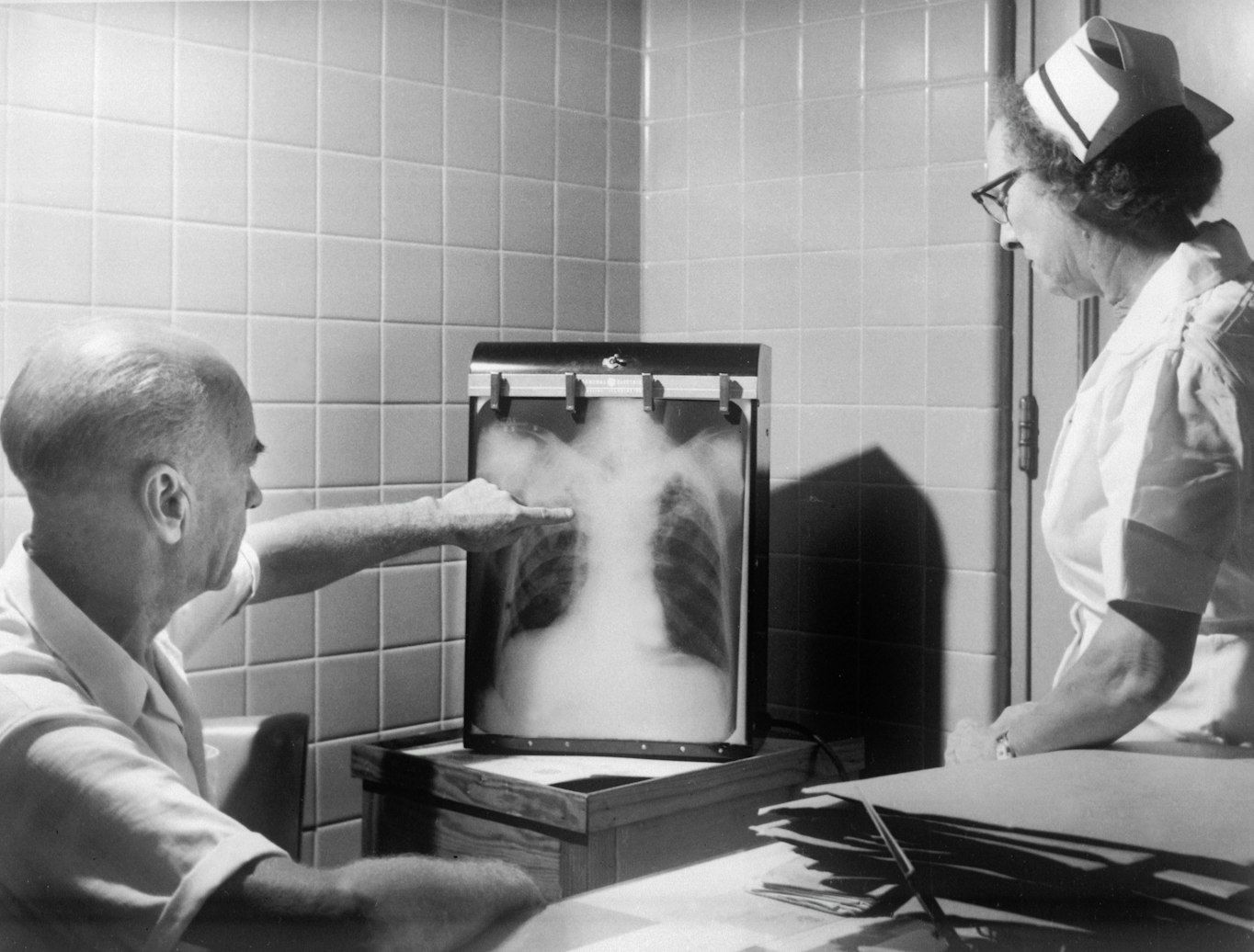

Image: CDC

The human body is a marvel of biology—but sometimes, it's downright disturbing. Did you know it’s possible to cry blood? Or that we have taste receptors in our stomachs? From mysterious functions to deeply unsettling facts, our bodies are full of creepy surprises hiding beneath the surface. Here are 12 weird but true insights into what’s really going on inside you.

1

Your ears never stop growing

Image: Kimia Zarifi

Unlike most body parts, ears (and noses) continue to grow as you age. It’s not just cartilage at work—gravity slowly stretches skin and tissue, making ears longer over time.

This process, sometimes called "gravity-induced elongation," only starts to become more noticeable after age 30. That’s why elderly people often seem to have larger ears, even if they were proportionate in youth.

2

You can taste with your stomach

Image: Sander Dalhuisen

Receptors similar to those on your tongue exist in your stomach and intestines. They don’t "taste" in the traditional sense, though, but detect chemical signals.

Thanks to these oddly placed "taste" receptors, our bodies help regulate digestion and appetite by detecting nutrients and potential toxins. They’re crucial for gut-brain communication and may even influence cravings.

3

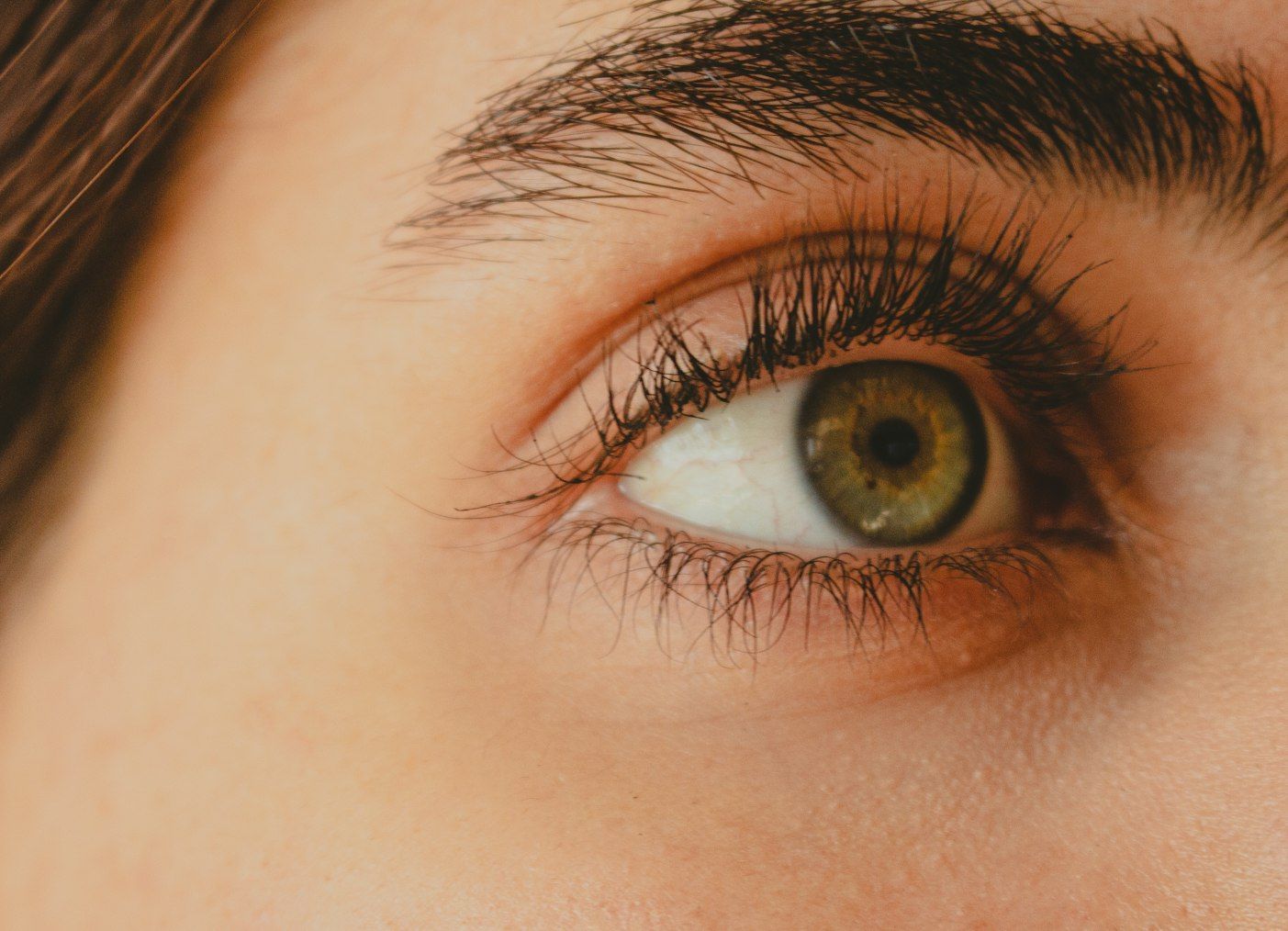
Eyelashes host tiny mites

Image: Ali Shoaee

Yes, you read that right. Your eyelashes are home to Demodex mites—tiny, spider-like creatures that feed on dead skin cells and oils around hair follicles.

It may sound like something out of a horror movie, but most people—especially adults—have them. These mites emerge at night, mate on your eyelids, and retreat by morning. They’re harmless, but still undeniably creepy.

4

You’re slightly radioactive

Image: Ana Itonishvili

Your body emits a small amount of radiation due to naturally occurring elements like potassium-40 and carbon-14, which are present in body tissues.

While this natural radioactivity is harmless, it’s still measurable. A single human body can emit around 7,000 particles per second—enough to trigger some sensitive detectors.

5

You can cry blood

Image: Chaozzy Lin

Called haemolacria, it’s a rare condition where blood mixes with tears. Its causes can include infections, injuries, tumors, or hormonal changes.

Though quite dramatic and certainly alarming, some cases are benign. It has been documented in both adults and children, and it is often linked to extreme stress.

6

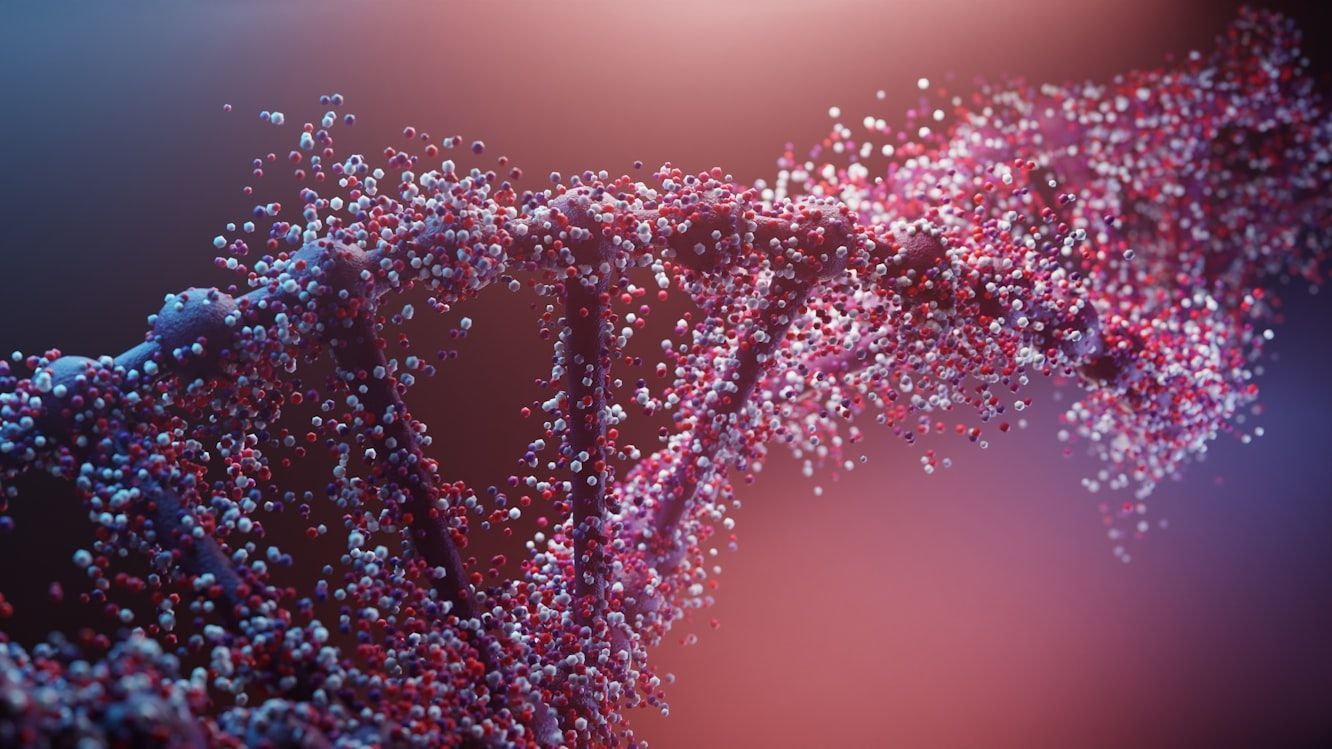
Your body sheds DNA everywhere

Image: MJH SHIKDER

Even just walking through a room, you leave behind a cloud of genetic material—skin cells, saliva, and sweat—all rich in your DNA.

Sometimes called a "biological fingerprint," this material is enough to identify you. Law enforcement and forensic scientists can even recover DNA from air filters or dust!

7

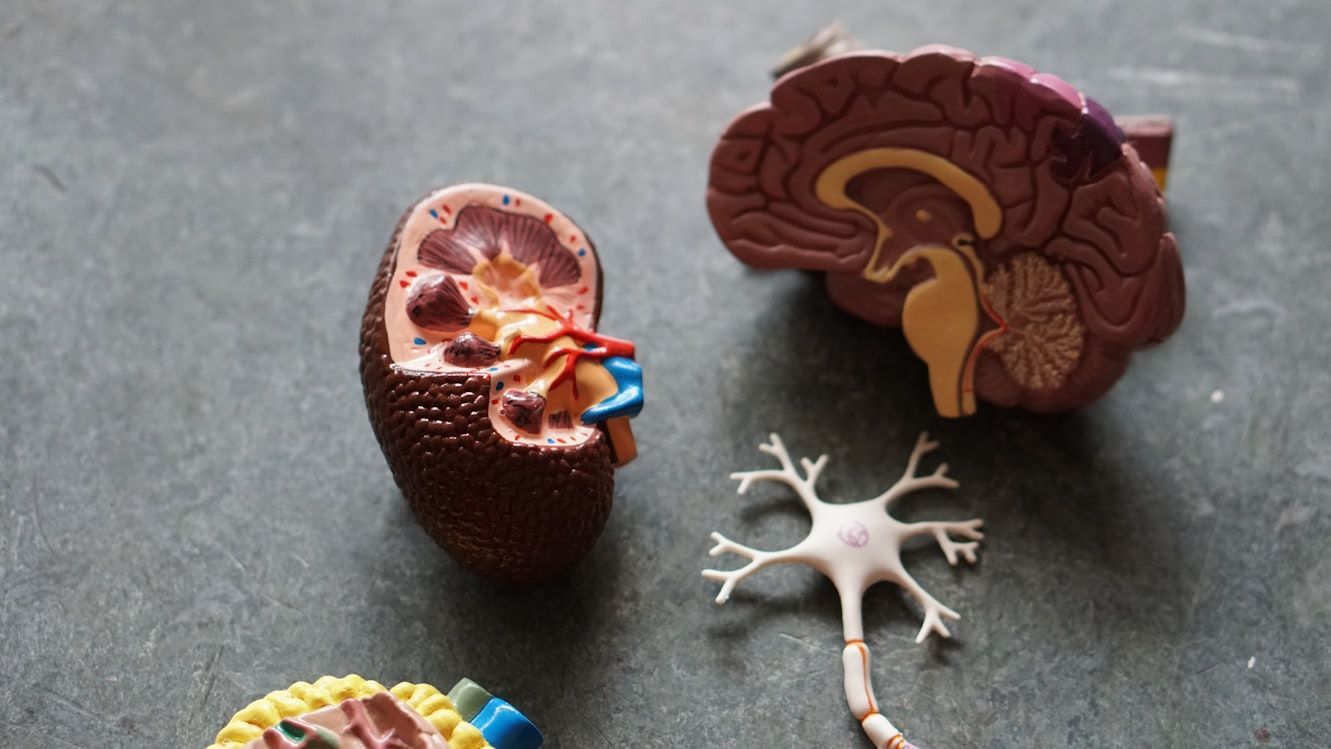
You might be born with extra organs

Image: Robina Weermeijer

Some people are born with supernumerary organs—extra kidneys, spleens, or even, in extremely rare cases, hearts. These additional organs are often non-functional but can still be detected.

For example, an estimated 1 in 1,000 people has an extra spleen, often discovered by accident during unrelated scans or surgery.

8

Your brain eats itself when you’re sleep-deprived
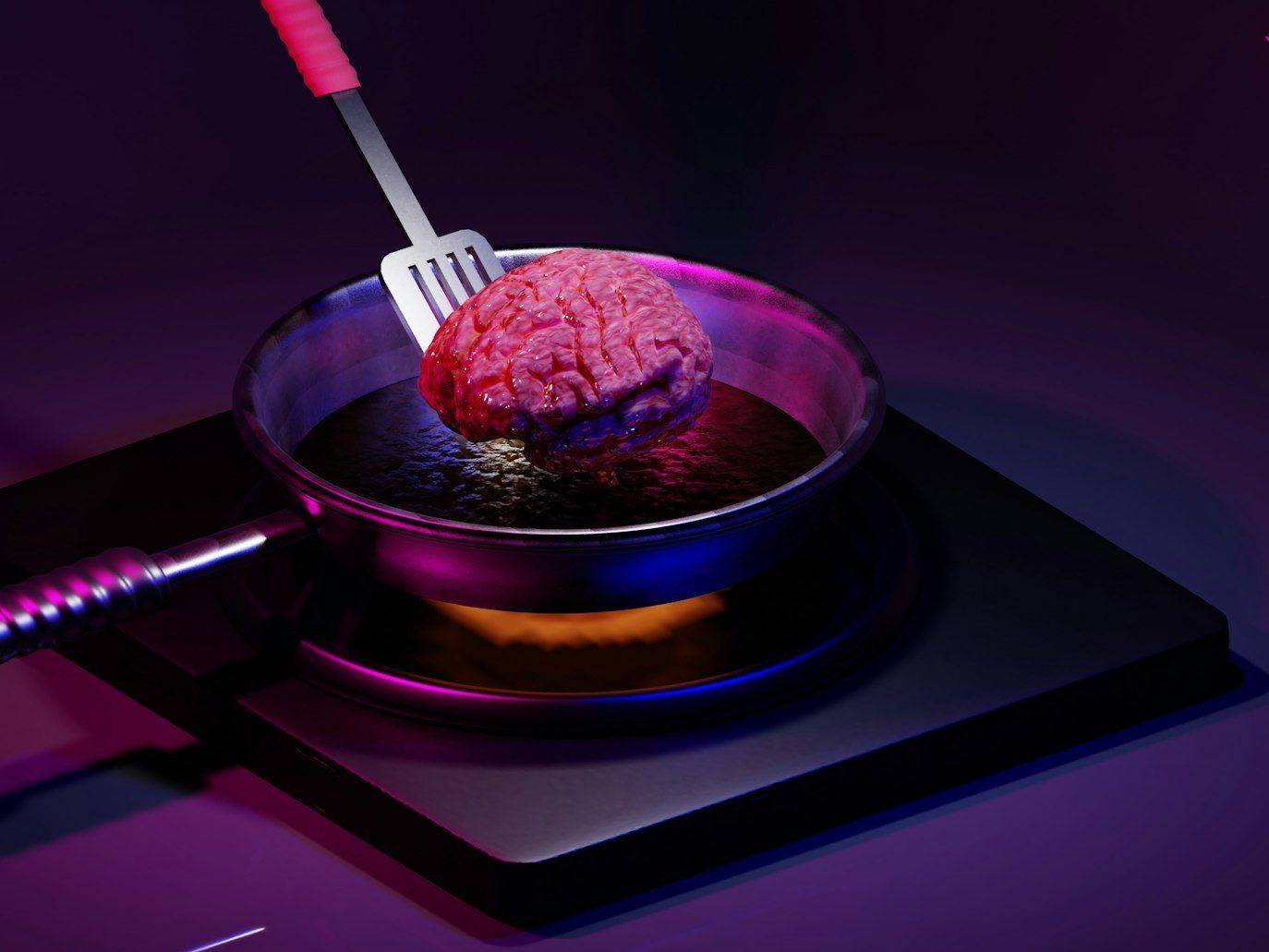
Image: Anshita Nair

Lack of sleep triggers glial cells in the brain to break down and consume parts of synapses—literally "cleaning house" in an extreme way.

This self-cannibalization can lead to cognitive decline and has been linked to neurodegenerative diseases in chronic cases.

9

Your bones can grow horns

Image: Alessandro La Becca

Osteomas are benign bone tumors that can sometimes protrude through the skin, resembling small "horns." Most appear on the skull or jaw.

Though rare, some osteomas can grow several inches. Surgical removal is usually performed for cosmetic reasons unless the growth interferes with normal function.

10

Your mouth is dirtier than a toilet seat

Image: Ümit Yıldırım

The human mouth can harbor over 700 different types of bacteria—many more than you'd find on a toilet seat.

Most of these bacteria are harmless—and even essential for healthy bodily functions—but under poor hygiene or illness, they can cause infections, tooth decay, or even contribute to heart disease if they enter the bloodstream.

11

You can grow hair in your lungs

Image: Robina Weermeijer

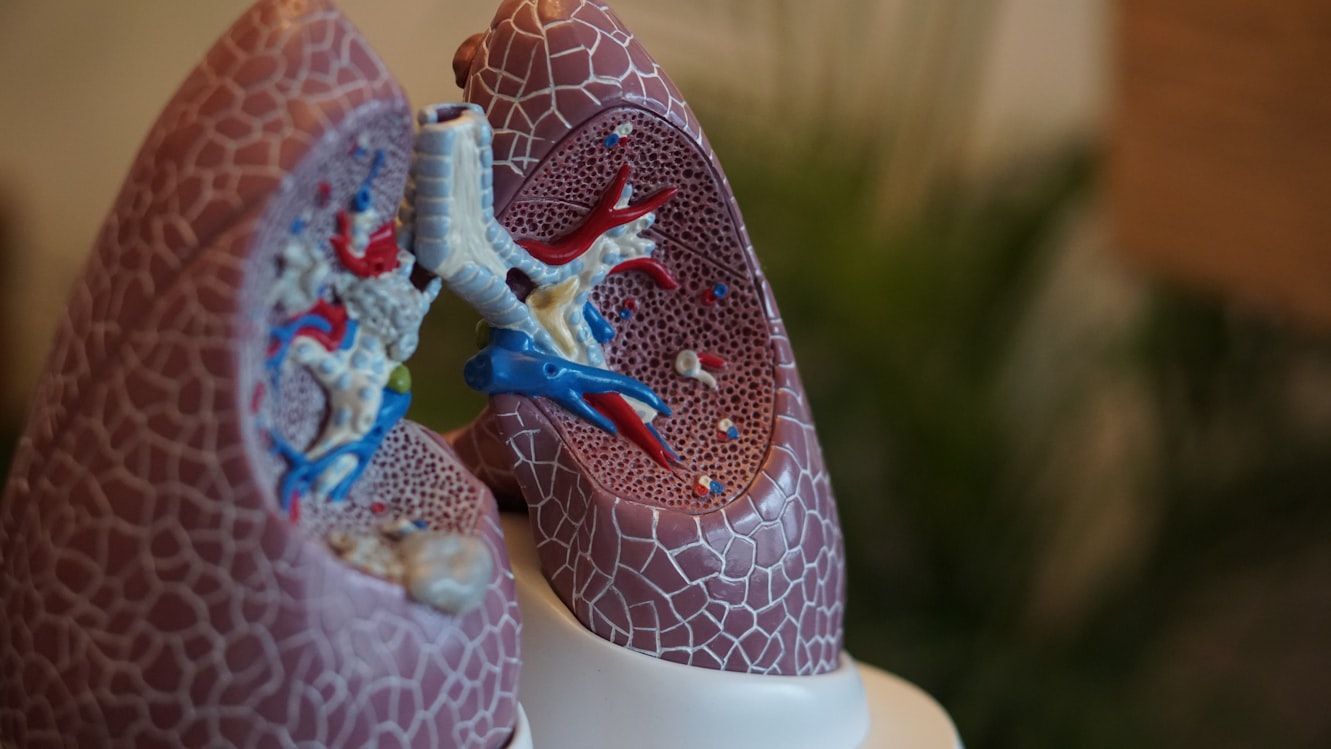
In extremely rare cases, a type of tumor called a teratoma can develop in the lungs and contain hair, teeth, or even eye-like tissue.

Teratomas are usually benign but still quite bizarre. They form from germ cells and can grow almost any tissue type due to their stem cell origin.

12

Your bones are full of holes

Image: Harlie Raethel

Even the hardest bones in your body are porous like a sponge. Under a microscope, they reveal a honeycomb structure filled with blood vessels and bone marrow.

This structure makes bones both strong and lightweight. However, in conditions like osteoporosis, those holes widen, weakening the bone from the inside.



Decoding

Being a "treasured guest" is not a compliment. This is the hidden meaning


Published on February 13, 2026


Image: Hitesh Choudhary

Have you ever heard "Code Adam" while shopping for groceries at Walmart? Or maybe you’ve heard how "Dr. Firestone" was being paged during a routine hospital visit. They sound like harmless announcements. But behind these ordinary words are secret codes staff use to signal emergencies without causing panic. From hospitals and supermarkets to airports and Disney Parks, these phrases quietly warn employees that something is happening. You hope you never hear them, but if you do, it helps to know exactly what they mean.

1

Treasured guest

Image: Helena Lopes

We all love getting special attention at airports or hotel desks, but if you hear the clerk call you a "treasured guest," don’t feel so flattered. You may not be as VIP as one could think.

In the hospitality industry, "treasured guest" has become a humorous bit of industry folklore to describe someone causing trouble. Maybe a customer yelling at staff over expired coupons, demanding impossible accommodations, or throwing a full-blown tantrum at the front desk. Whatever it is, the phrase has become the staff’s secret way to warn co-workers without escalating the situation in front of the customers. Most guests don’t realize the meaning, but once you know it, you may start hearing it more often. We just hope it’s not about you.

2

Code Adam

Image: Karsten Winegeart

Imagine you’re pushing a shopping cart through Walmart when suddenly the overhead speaker announces, "Code Adam." You can easily assume it’s some kind of employee meeting or cleanup request. But when you see them start locking the exits and moving around, you know something’s wrong.

This code was created in 1994 by Walmart in collaboration with the National Center for Missing & Exploited Children (NCMEC), in memory of the tragic case of 6-year-old Adam Walsh. Adam was abducted from a Sears department store in 1981 while shopping with his mother. His father, John Walsh, later became famous for hosting the TV program America’s Most Wanted and advocating for missing children. Even if Adam’s story ended in tragedy, Walmart created the emergency system in Adam’s memory, and other retailers soon adopted it nationwide, intending to have a quick response to missing or abducted children.

3

Code Blue

Image: Günter Valda

You’re sitting in a hospital waiting room during a routine check-up when you suddenly hear "Code Blue, Room 214." Most people immediately know it sounds serious, even if they are not entirely sure why.

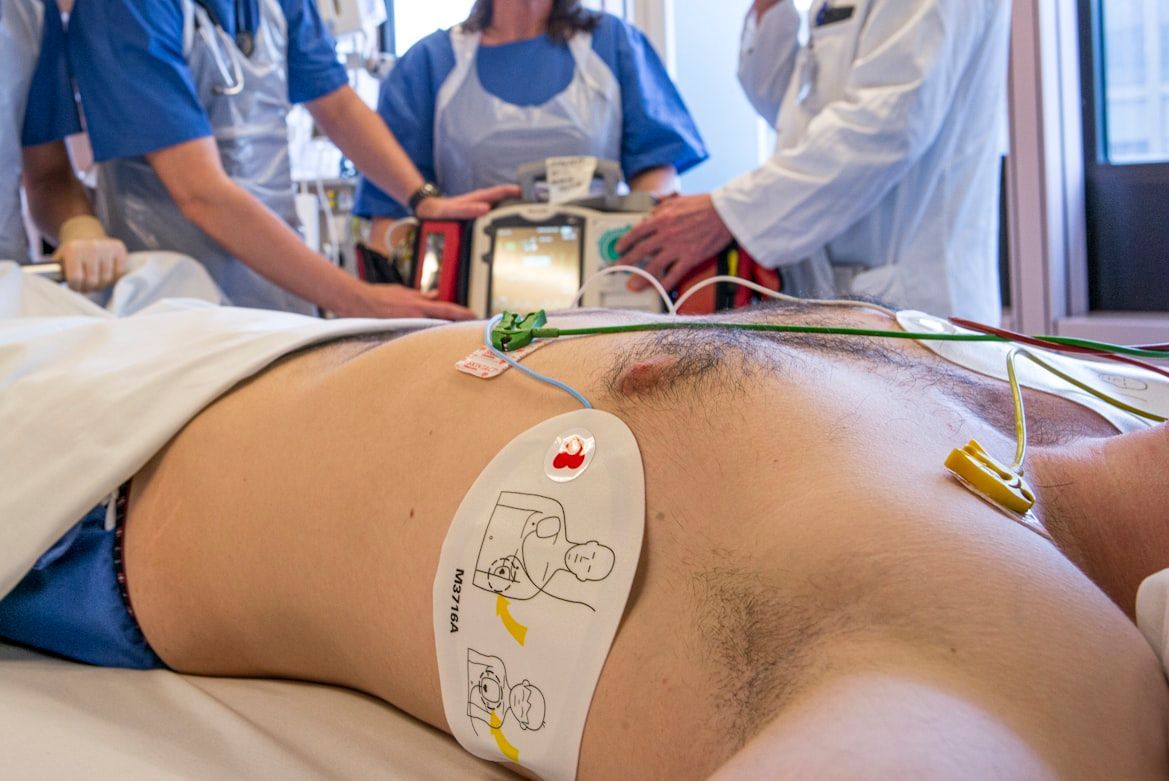
The phrase "Code Blue" is used at hospitals to draw the necessary staff and equipment to perform a resuscitation. It was created in the early 1960s at Beathany Medical Center by Dr. Hughes Day. Before then, hospital resuscitations were often chaotic and poorly coordinated. In 1961, Dr. Day received a grant to build one of America’s first cardiac care centers, and he developed both the Code Blue alert system and the modern crash cart to improve survival rates during cardiac emergencies. Today, the system is used in hospitals across the country, sometimes with specialized versions like "Code Blue Pediatric" or "Code Blue Neonate."

4

Dr. Firestone

Image: Cdn Pages

Imagine visiting a loved one in the hospital when the intercom calmly announces, "Paging Dr. Firectone to the third floor." Your head surely goes, "Dr. Firestone’s probably having a busy day up there." He is, but it’s not what you think.

The phrase is actually a discreet fire alert used to warn staff about smoke, flames, or overheating equipment without frightening patients and visitors. Hospitals adopted these coded announcements after realizing that openly yelling "fire" over loudspeakers could create panic, especially among patients who aren’t able to move quickly. "Code Red" is an alternative used by many health centers today, but it also hints at the situation while keeping hallways calm.

5

Code 10

Image: Blake Wisz

You’re standing at a checkout counter when the cashier picks up the phone and quietly says, "I need a Code 10 authorization." If you think that’s just another way to get a supervisor’s approval or technical issue, think again. In reality, the cashier may suspect the credit card is stolen or fraudulent.

Code 10 was developed through a cooperative effort between major credit card companies like Visa and Mastercard, along with international standard organizations. As credit cards became more common in the 1960s and 1970s, stores needed a discreet way to alert banks about suspicious activity without directly accusing customers and potentially putting employees at danger. When a cashier requests a Code 10, the bank’s operator begins asking yes-or-no questions to assess the situation and guide the employee on what to do next.

6

Code Bravo

Image: CDC

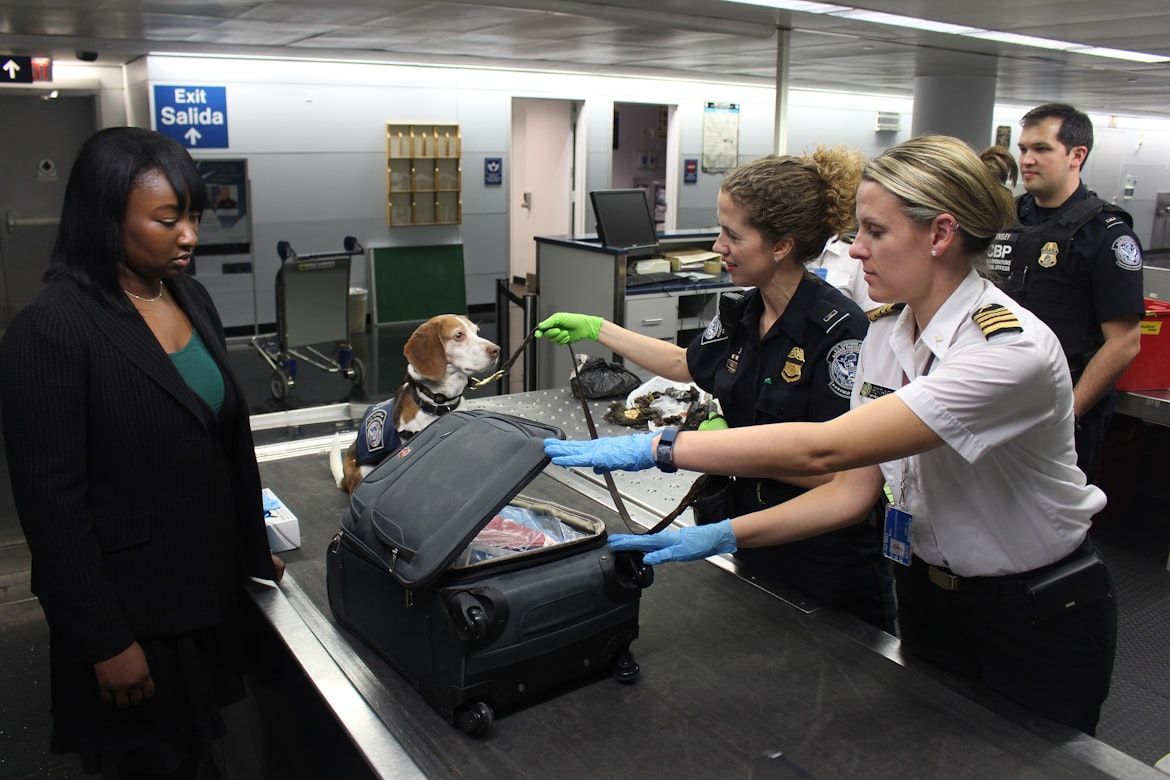
You’ve probably experienced those long airport security lines. The wait is usually uneventful. But sometimes, you can hear "Code Bravo" over the speakers. Maybe it’s a delay, or maybe it’s an issue with luggage. Within seconds, people stop moving, the security line freezes, and exits may even close. It’s something bigger.

Code Bravo is the emergency phrase used by airport security and the Transportation Security Administration to signal a serious security threat, such as an unattended bag, a breach at a checkpoint, or someone slipping into a restricted area. The term comes from the international phonetic alphabet used in aviation and military communications, where "Bravo" represents the letter B. When this is called, security staff immediately lock down affected areas, stop screening lines, and search for the source of the threat. To passengers, it’s sudden and confusing, but to security, it’s a carefully rehearsed response.

7

Code Alpha

Image: Navy Medicine

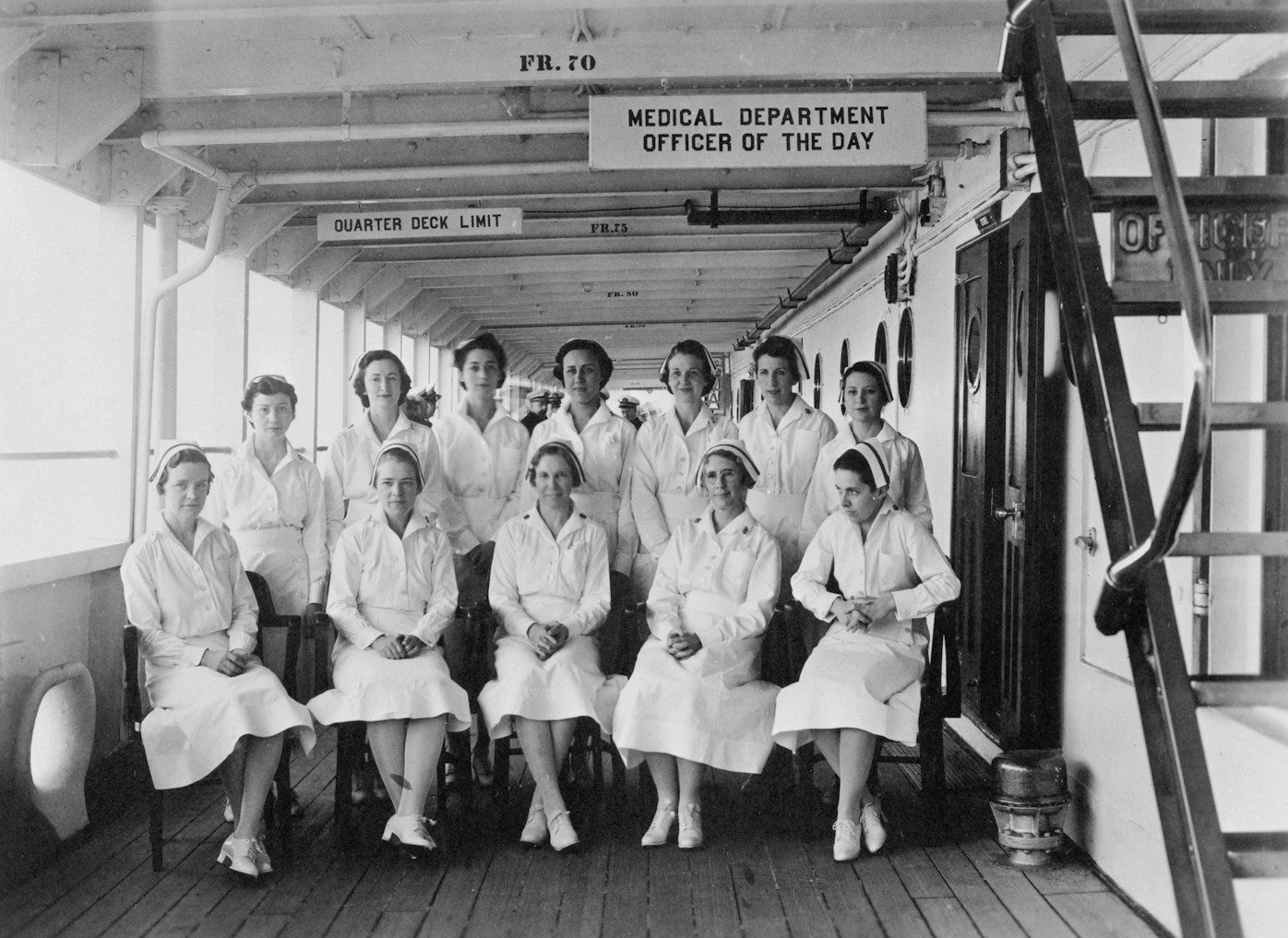
You are heading back to your cabin on a cruise ship when the speakers announce, "Code Alpha, Deck 7." You may think Alpha is related to the captain, but that’s not the case. It means someone on board is suffering a medical emergency.

The phrase comes from the NATO phonetic alphabet, where "Alpha" represents the letter A. In maritime emergency jargon, it became shorthand for a Priority A medical situation requiring immediate response. Cruise lines such as Royal Caribbean and Disney Cruise Line commonly use the term, though some ships use variations like repeating "Alpha" three times. Once the code is announced, onboard medical teams rush toward the specified deck or cabin. If necessary, stretcher crews are mobilized, and in severe cases, the ship may even divert course toward the nearest port for emergency evacuation. Passengers are enjoying the views, but the staff is running to save a life.

8

10-33

Image: chris robert

Anyone who remembers the CB radio craze of the 1970s probably smiles when they hear "10-4." Movies, truckers, and radio fans turned those number codes into a part of American culture. So if you overhear "10-33" on a police scanner, you might assume it’s just another routine message. But it’s not as simple as it sounds.

The 10-code system was first created in 1937 by Illinois State Police communications director Charles Hopper and later standardized by the Association of Public Safety Communications Officials, better known as APCO. Officers needed short phrases they could understand clearly over crackling radio signals. The 10-33 code commonly means an officer needs emergency assistance. In some departments, it also signals radio silence so dispatchers can focus on the crisis unfolding in real time.

9

Signal 70

Image: Samuel Lopez Cruz

Disney World is amazing, the parks offer something for everyone, and there are things to see wherever you look. But that’s exactly the kind of place where a child can easily disappear into a sea of strollers, balloons, characters, and crowds. For that reason, Disney has developed the "Signal 70," which alerts cast members and security that a child has become separated from their family.

The number comes from older police and emergency radio systems, where "70" was commonly associated with missing persons. Disney adopted the phrase because it allows employees to communicate discreetly without frightening or alarming nearby guests. If a member finds the child, they gently -and magically- escort them to Baby Care Center, where they coordinate the reunion.

10

Echo, Echo, Echo

Image: Alonso Reyes

Cruises are great to relax, enjoying a good book under the sun with a nice drink by the side. Until you hear "Echo, echo, echo" on the speakers. If you do, something is happening somewhere else on the ship.

The code is used among cruise employees to signal that dangerous winds or a navigational hazard are affecting the ship. It comes from the international maritime phonetic alphabet, where "Echo" stands for the letter E. In maritime signalling, the letter traditionally means "I am altering my course to starboard." And, in time, the phrase became associated with urgent ship maneuvers and weather-related warnings. However urgent, the repetition of the word by three doesn’t represent life-threatening situations. It alerts the crew of a certain hazard to prepare while avoiding panic among passengers.

Looking for an extra scoop of literary fun?

Learn more with our Word of the day

extemporize

/ɪkˈstɛmpəˌraɪz/