You probably didn't know these 10 fruits and veggies are human inventions


Published on March 6, 2026
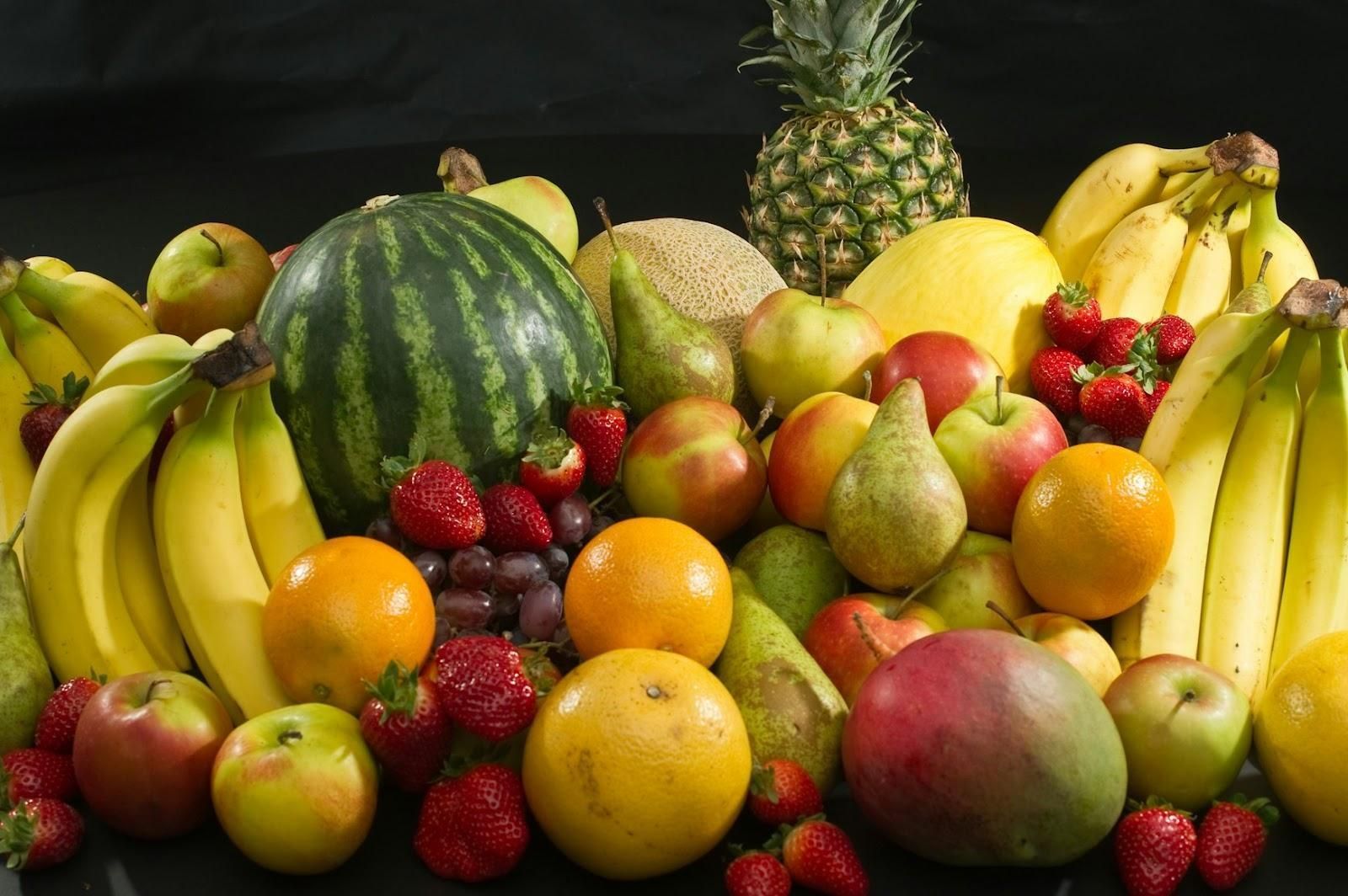

Image: Powell Rasull

Have you ever seen a wild tomato plant? Or, for example, have you ever found a watermelon lying around while hiking in nature? Probably not, and that's because many of the fruits and vegetables we eat every day are actually the result of human intervention. Long before microscopes or modern labs, early farmers patiently cultivated and domesticated wild plants, transforming them into the tasty, colorful, and juicy produce we are fortunate to enjoy today. If you would like to learn about the ancestors of your favorite fruits and vegetables, keep reading!

1

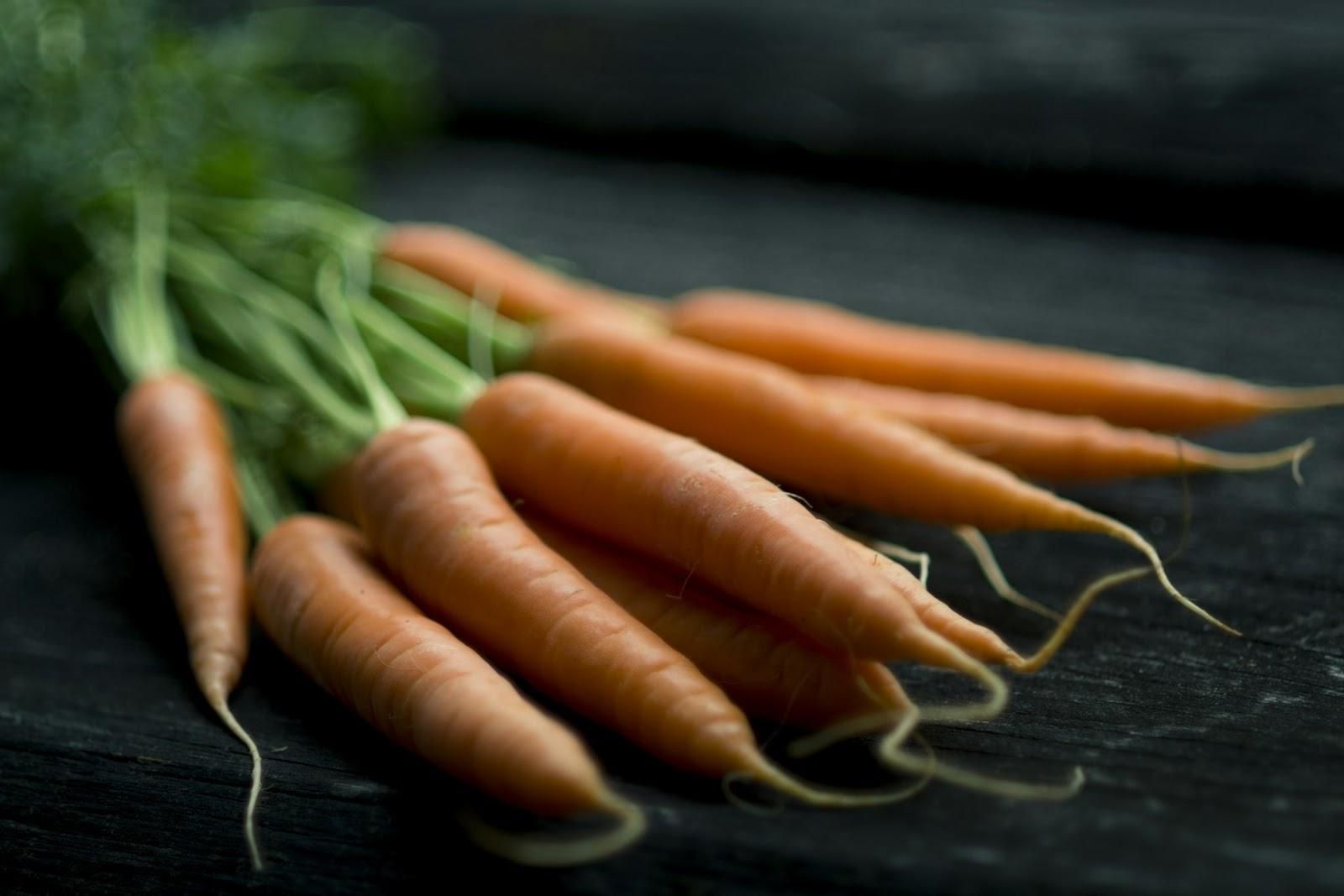
Carrot

Image: Jonathan Pielmayer

The carrot’s journey is less about sudden leaps and more about quiet persistence. Long ago, what grew underground was pale and stringy, closer to a wild weed than a vegetable. Farmers began to notice small differences—one root with a hint of sweetness, another with a faint wash of color—and held on to the seeds for the next season. After countless rounds of planting and patience, the root slowly changed shape and character. From those fragile beginnings came the crisp, orange carrots that now symbolize healthy eating around the world.

2

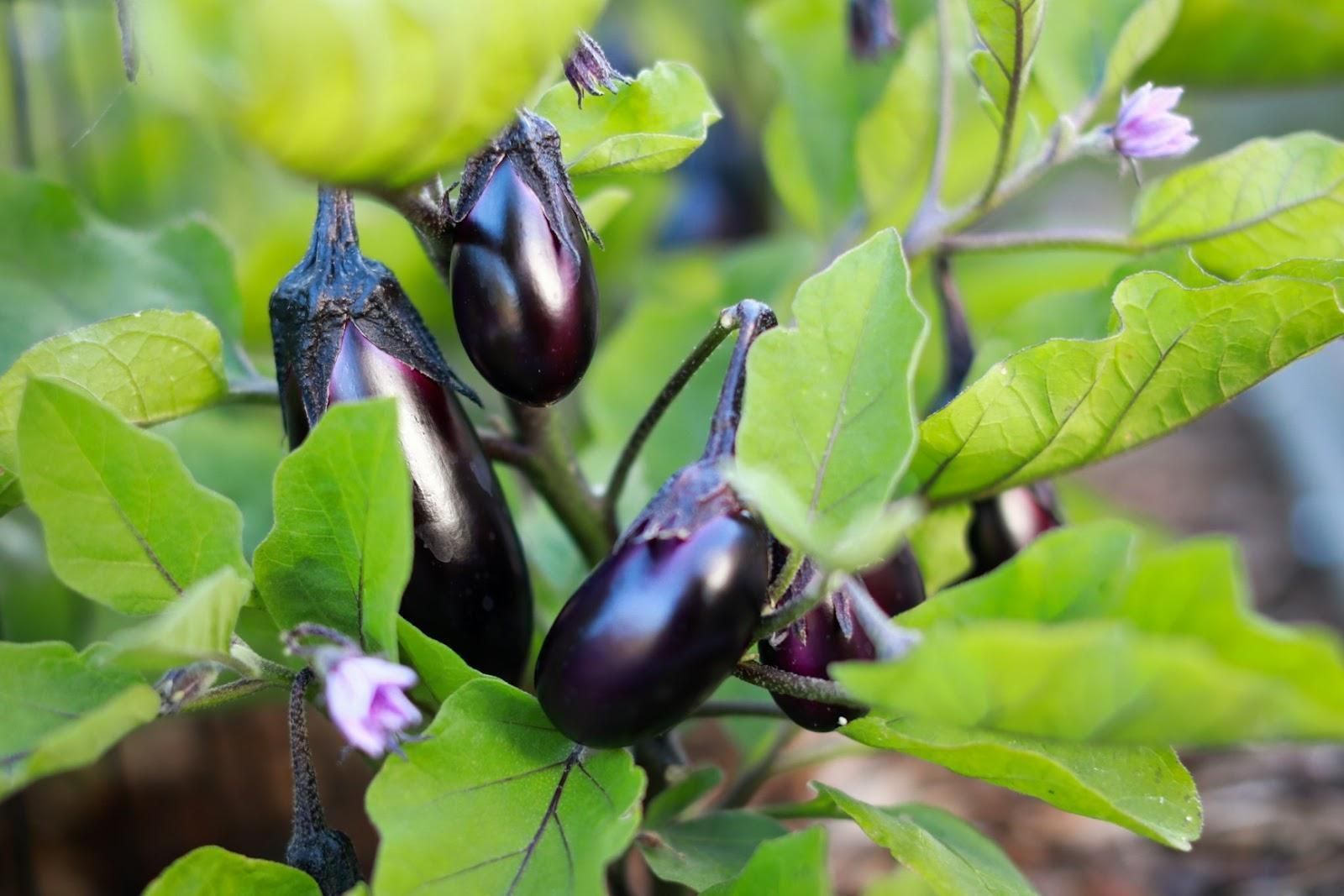
Eggplant

Image: Nina Luong

The name gives away its past. Early varieties of eggplant often looked like eggs—round, white, and sometimes speckled yellow. Others were squat and thorny, hardly inviting to harvest. As the plant traveled from India across Asia and into Europe, it evolved. Farmers in each region favored different traits, nudging its size, flavor, and color in new directions. Centuries later, the odd little fruits had been reinvented as the glossy purple globes that now fill market shelves, a far cry from their humble, egg-like beginnings.

3

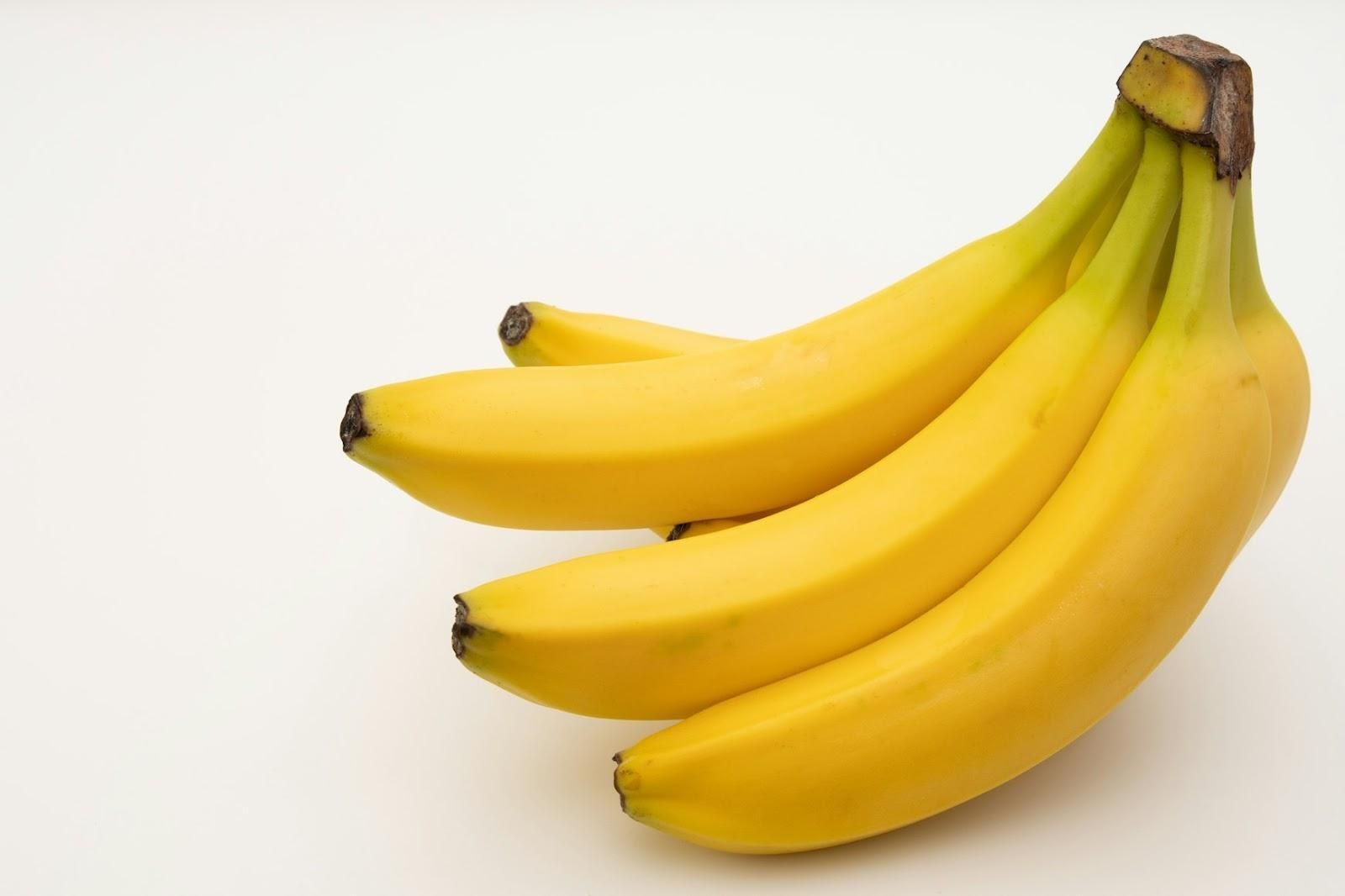
Banana

Image: Gabriel Mihalcea

Few crops show human intervention as clearly as the banana. Its wild ancestors were filled with large, stony seeds, making them far from snack-friendly. At some point, farmers stumbled upon rare hybrids that produced softer, sweeter fruit with fewer seeds. Instead of letting chance decide, they took control—propagating the plant by cuttings so its desirable traits could be preserved. That decision reshaped the banana forever. Today’s Cavendish, cloned endlessly from those early discoveries, feels less like an accident of nature and more like a fruit designed for our hands.

4

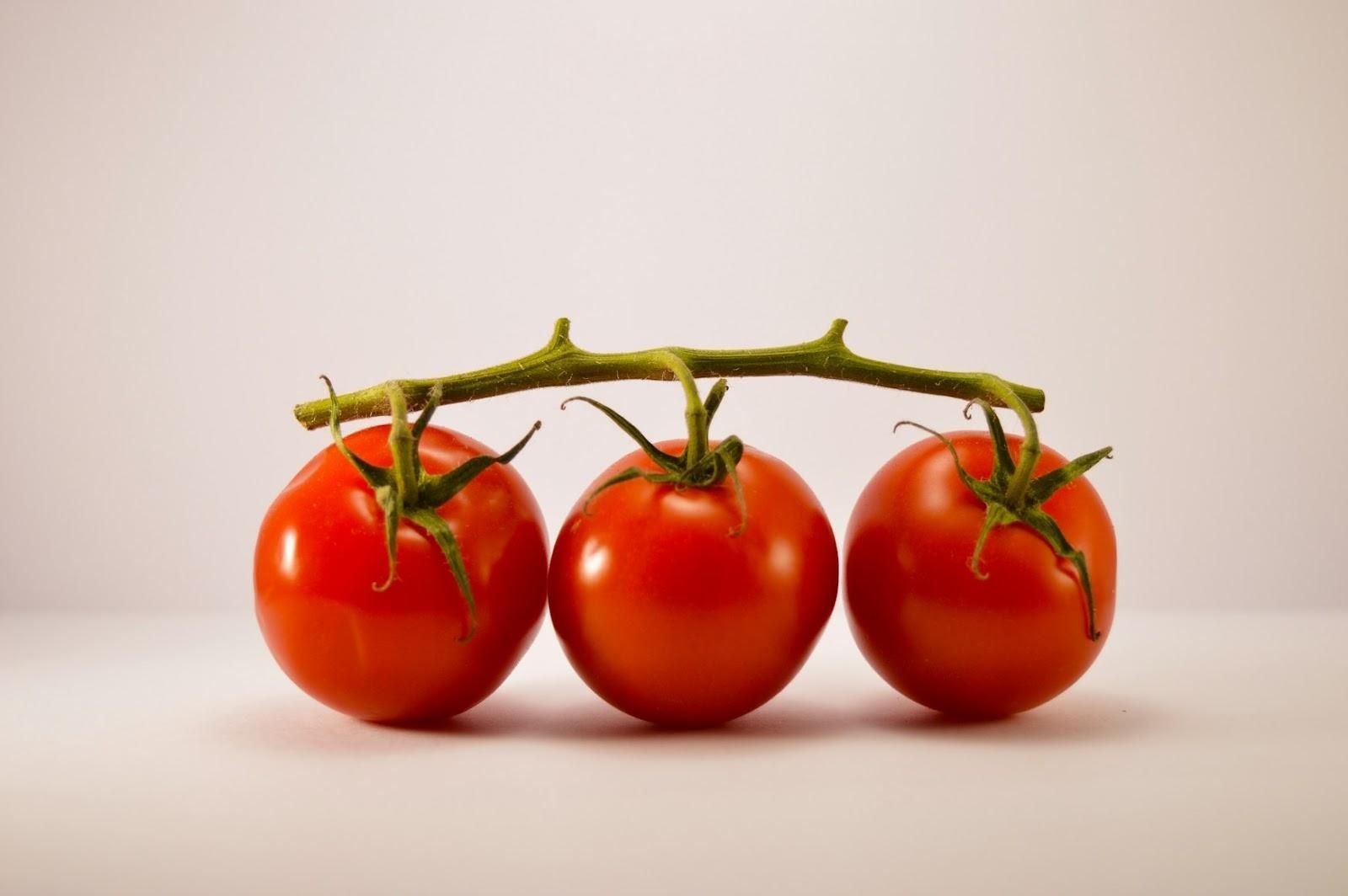
Tomato

Image: Alex Ghizila

Long before they became the stars of spaghetti sauce or the perfect partner for mozzarella, tomatoes were tiny things no larger than peas. In their wild state, they grew in South America as small, hard, sour fruits, usually yellow or green in color. Hardly resembling the juicy red fruits we pile onto burgers today. But farmers saw potential in those little berries. By saving and replanting the plumpest and tastiest ones, they gradually transformed the tomato into a whole family of varieties: from sweet little cherry tomatoes to the hefty beefsteaks that can fill an entire sandwich. Every slice we eat traces back to that humble, pea-sized ancestor.

5

Watermelon

Image: Daniel Dan

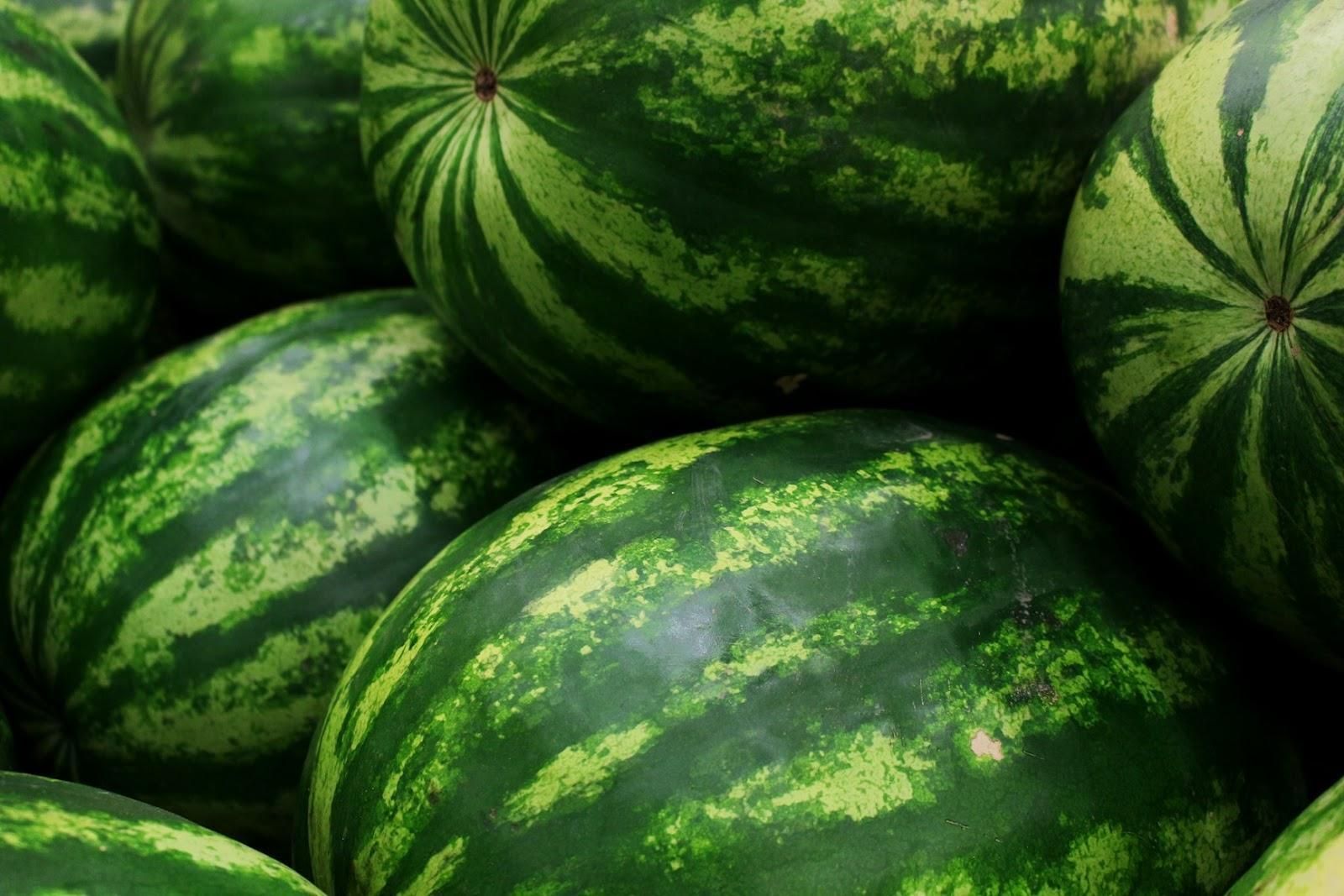
The first watermelons weren’t sweet at all. In the deserts of ancient Egypt, they were valued as natural canteens—hard, pale-green shells holding bitter but lifesaving water. For centuries, that was enough. Then farmers noticed that some fruits had a hint of sweetness. By saving those seeds, harvest after harvest, they slowly achieved a juicier, brighter flesh. Bitterness faded, red pulp emerged, and the survival fruit became a symbol of summer pleasure, shared in chilled slices at family tables and picnics.

6

Papaya

Image: Happy Surani

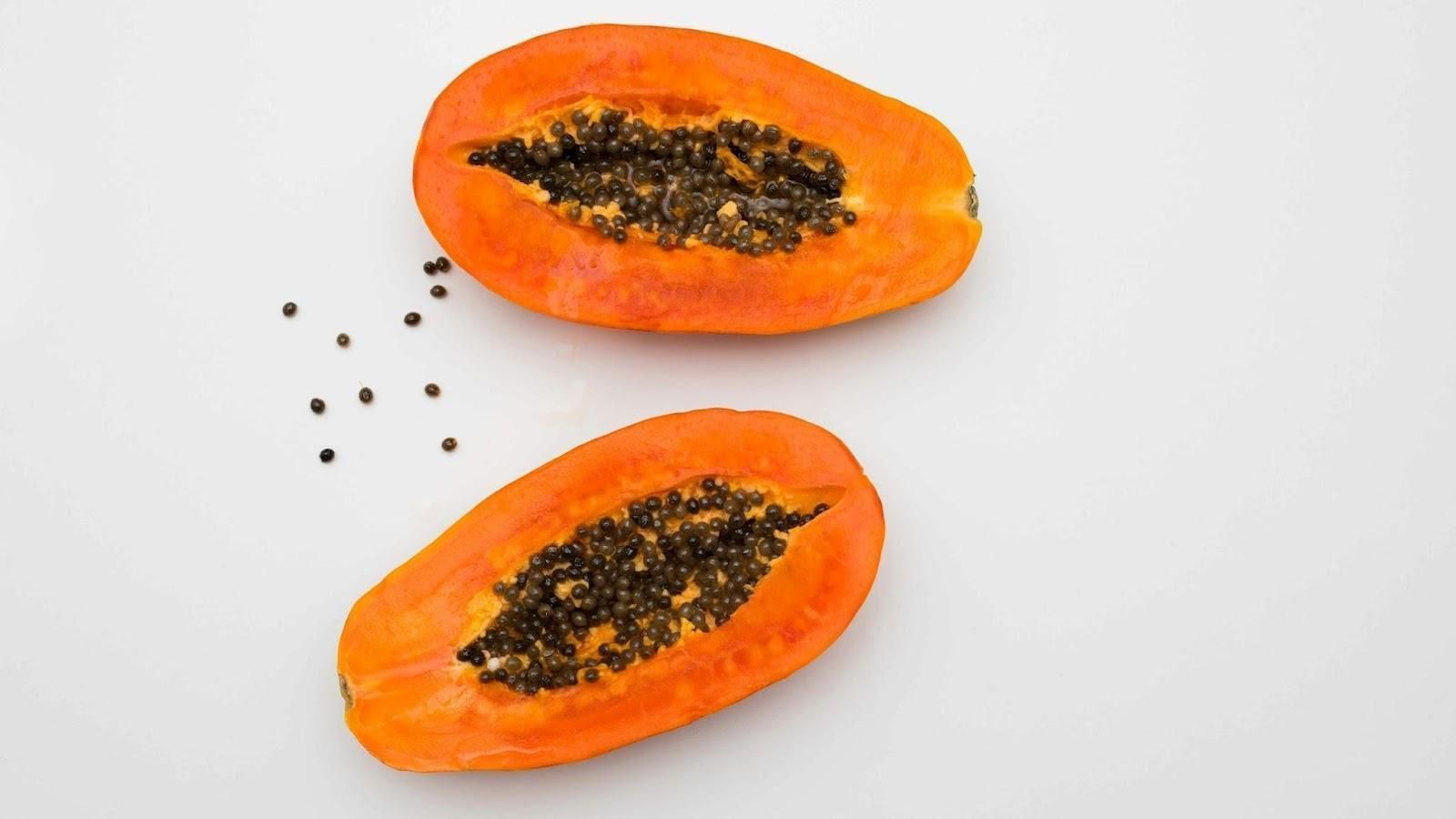
Papayas are great: big, hearty, sweet. But you might not believe what they were like centuries ago. Their story begins humbly, with berries no bigger than plums growing wild in the tropics. Around 4,000 years ago, the Maya civilization recognized their promise. Season after season, they saved seeds from plants that offered sweeter flesh and sturdier growth. Gently but surely, the fruit started to stretch beyond its original possibilities. What was once small and unremarkable became the luscious, generous, and golden-orange fruit we all love today.

7

Corn

Image: charlesdeluvio

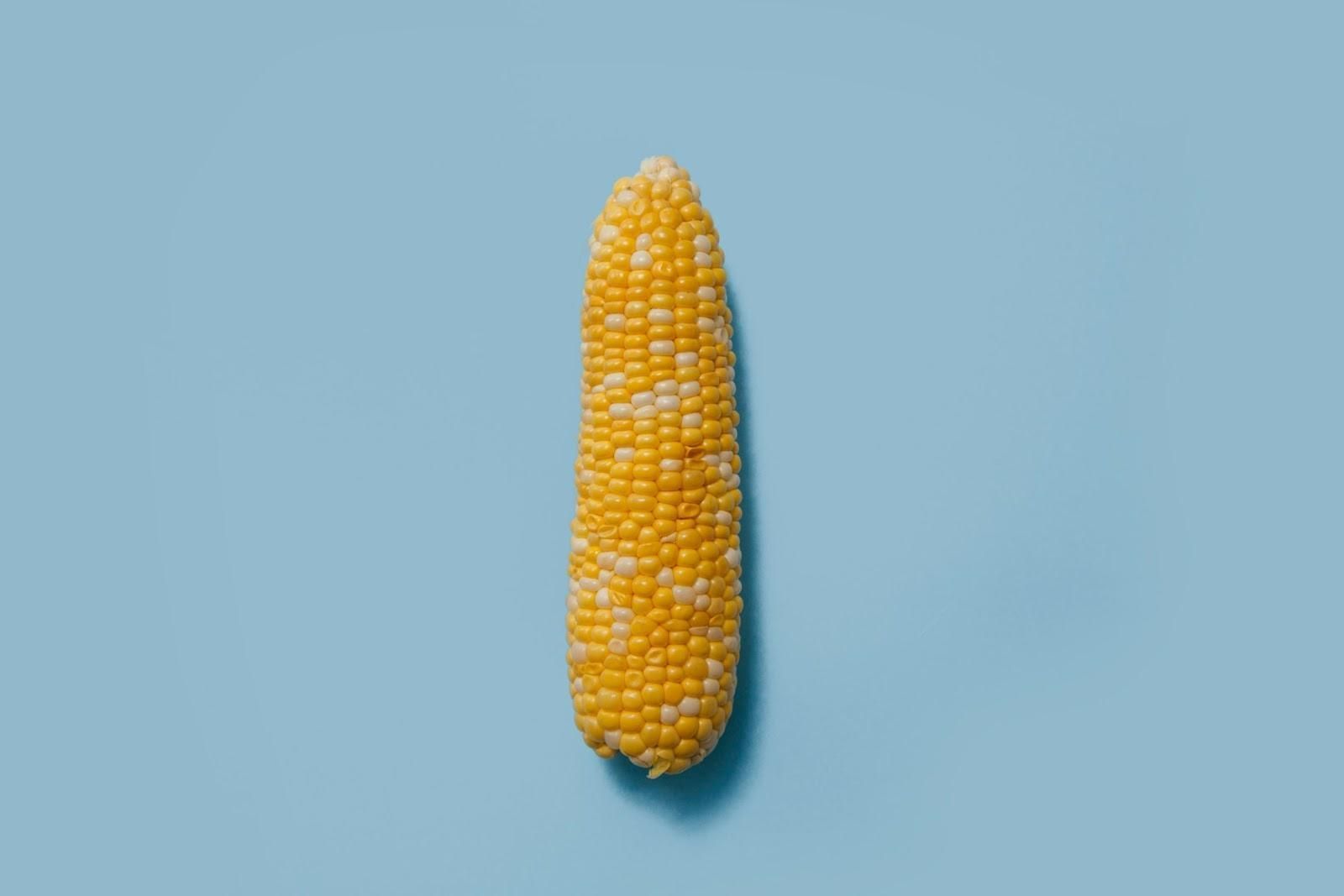
The story of corn begins not with golden fields but with teosinte, a scraggly grass with finger-sized ears and just a few rock-hard kernels. By no means a feast, more like survival food. Yet early farmers in Central America saw promise. They saved seeds from plants with plumper grains, season after season. Over time, the ears lengthened, kernels softened, and the wild grass transformed. What began as meager and tough became modern corn: sweet, versatile, and so abundant that it now sustains people, animals, and industries worldwide.

8

Peach

Image: LuAnn Hunt

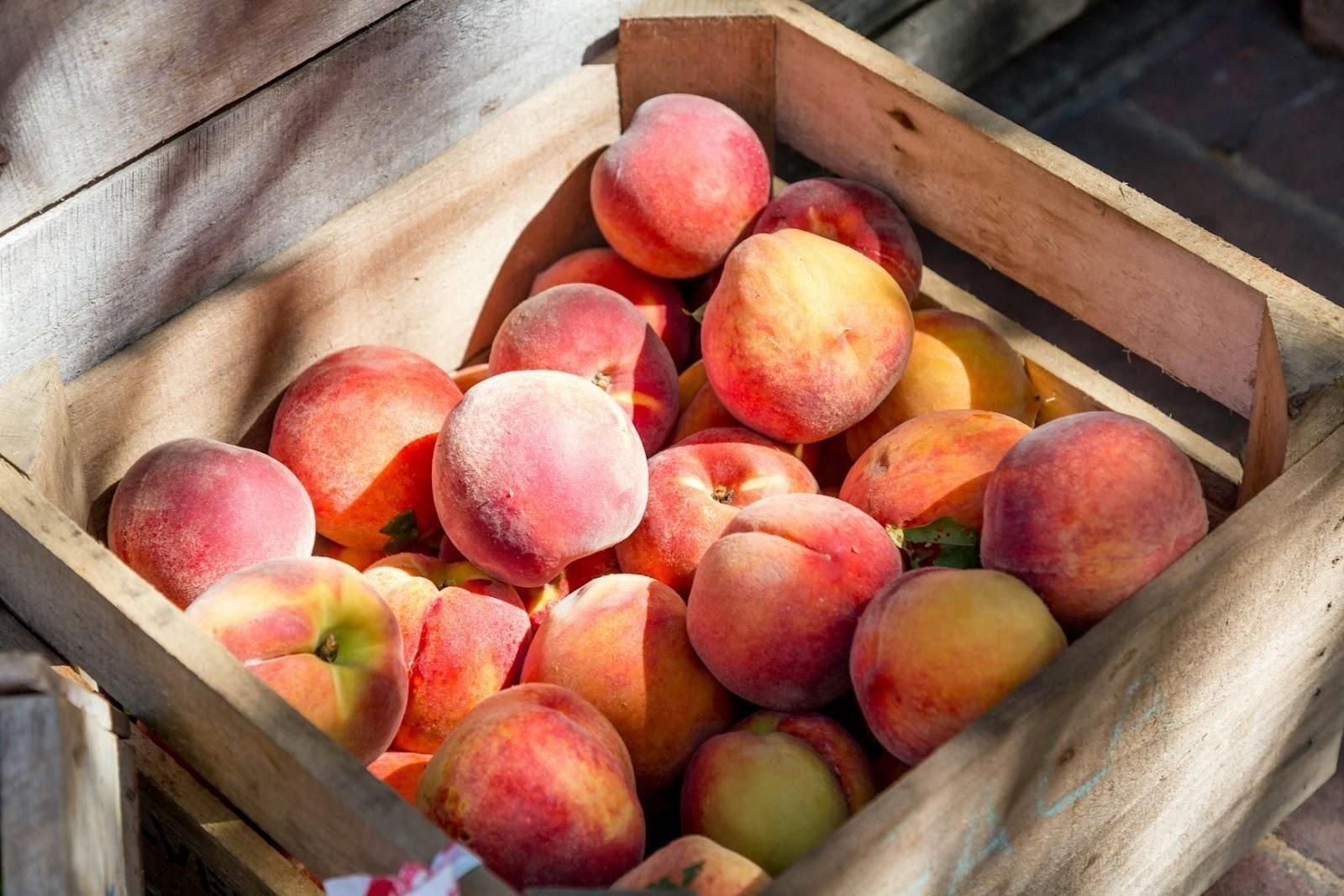
Peaches weren’t always the lush, blushing fruits we sink our teeth into today. In their earliest form, they were tiny—no bigger than cherries—with thick pits and only a whisper of edible flesh. But in ancient China, patient farmers looked past their modest size. They saved the trees that bore slightly sweeter, fuller fruit, slowly bending nature toward abundance. What emerged over centuries was a transformation so complete that peaches became almost unrecognizable: velvety skins, golden flesh, and juice that drips down your chin.

9

Avocado

Image: Thought Catalog

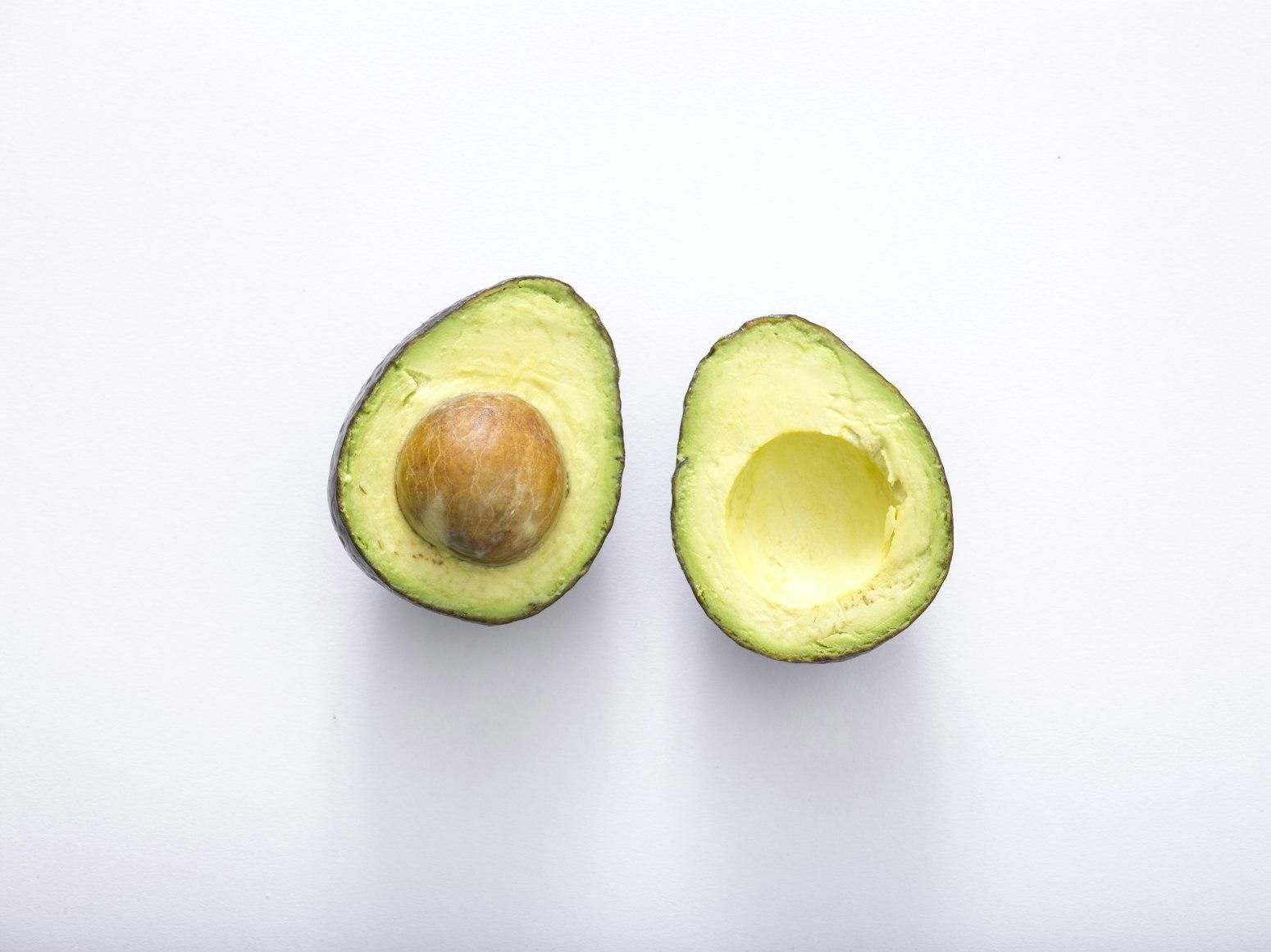
Avocados weren’t always bound to our kitchens and brunch plates. In fact, their very survival once depended on creatures that no longer walk the Earth. Millions of years ago, giant sloths and other prehistoric beasts gulped them down whole, massive seed and all, scattering future trees in their wake. When those colossal gardeners went extinct, the avocado seemed doomed. Yet humans noticed the fruit’s potential. By planting, tending, and selectively nurturing trees, they carried the species forward. Over time, those efforts smoothed out the avocado’s rough edges, turning a wild, fibrous oddity into the buttery green treasure we now mash, slice, and spread with delight.

10

Pumpkin

Image: Gabby Orcutt

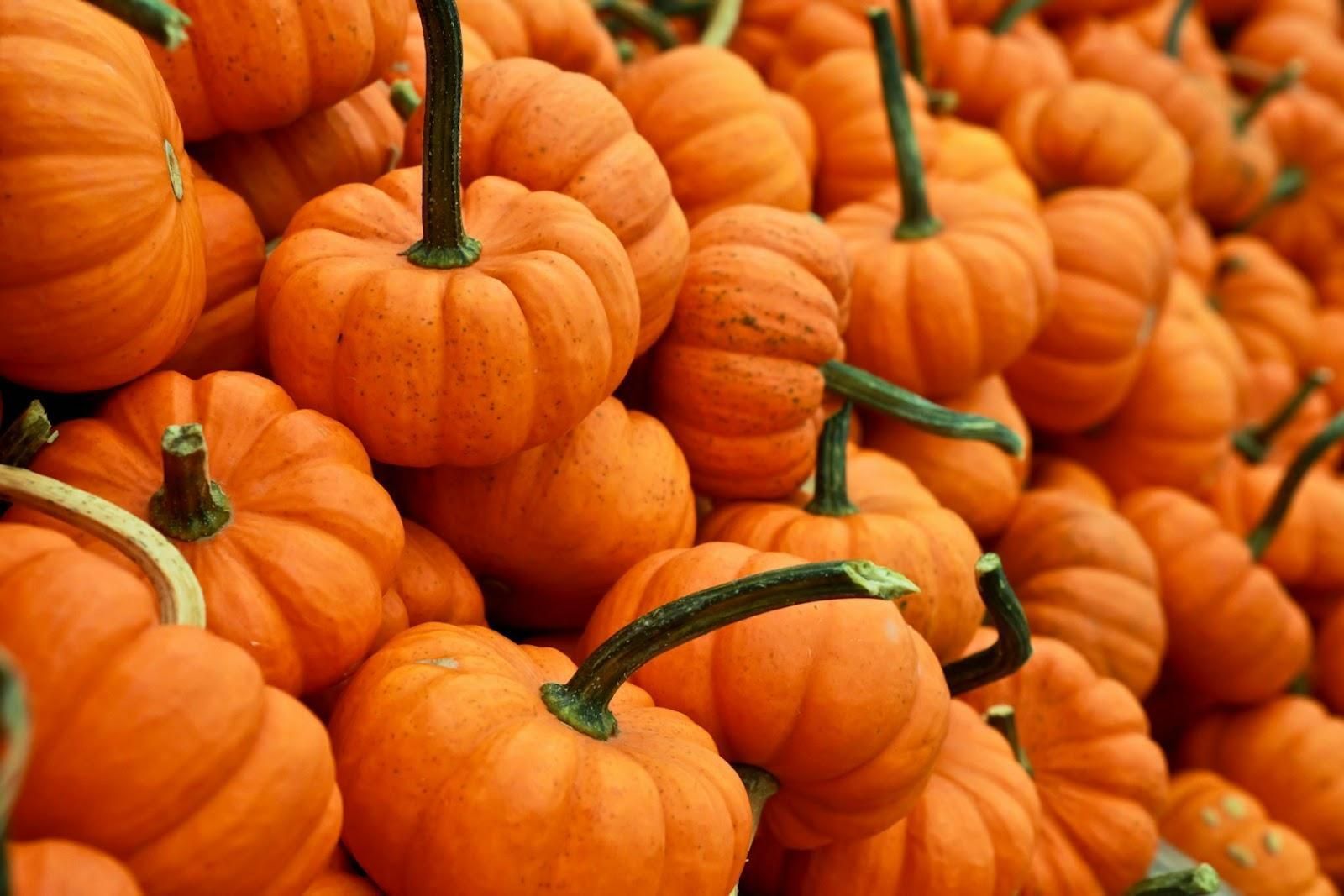
The first pumpkins were far from festive. Early farmers had to look beyond those small, bitter berries with thick skins to find something worth growing. Over generations of careful selection, they transformed green, largely inedible gourds into the versatile and tasty produce we enjoy today. And that’s not all! Pumpkins also became icons of harvest and tradition—carved, baked, and piled high as bright emblems of autumn.


Deathbed statements

Beyond the grave: Take a look at the last words of 12 famous people


Published on March 6, 2026


Image: Daderot, CC0, via Wikimedia Commons

Throughout history, hundreds of historical figures have left their mark on the world through their marvelous achievements. When their lives came to an end, their last words were often a reflection of their lives and ideals. From George Washington and Mark Twain to Frank Sinatra and Leonardo Da Vinci, in this article, we will reveal 12 final words of memorable personalities.

1

George Washington

Image: The New York Public Library

After serving two terms as the United State's first president, George Washington retired to his Virginia plantation. In mid-December 1799, he developed a cold and a severe sore throat. Despite doctors' efforts to cure him, the end was imminent.

His long-time secretary, Tobias Lear, was at his side during his last days and documented all the events that transpired, including the former president's last words. According to his account, shortly before he took his last breath George Washington said "Tis well" —an old-fashioned way of saying "everything is okay."

2

Humphrey Bogart

Image: Signal Corps Archive from United States, Public domain, via Wikimedia Commons

Noir icon of perpetual elegance and rebellious charisma, Humphrey Bogart is an undisputed legend in cinema history. A Hollywood Golden Age star, Bogart is still remembered today for his scar on his upper lip, his everlasting cigarette, and his perfect portrayal of gangsters and detectives.

At the age of 57 Bogart was diagnosed with esophageal cancer, for which he was hospitalized for several months. According to lore, the legendary star's last words were "I should never have switched from scotch to martinis." However, his wife Lauren Bacall confirmed that the last thing he actually said was "Goodbye Kid. Hurry back," before she left his bedside to get their children.

3

Mark Twain

Image: Miscellaneous Items in High Demand, PPOC, Library of Congress, Public domain, via Wikimedia Commons

As one of the greatest American writers of all time, Mark Twain is usually credited with all sorts of great quotes that he often didn't say. For that reason, there are different versions of what his last words were before he died in 1910 at the age of 74.

The most plausible theory can be found in an article published one day after his death. According to this chronicle, Samuel Langhorne Clemens' last words were not spoken aloud but written. The famous humorist and essayist reportedly wrote to his daughter Clara, who accompanied him on his bedside, "Give me my glasses."

4

Joan Crawford

Image: MGM, Public domain, via Wikimedia Commons

Joan Crawford, the Oscar winner for Mildred Pierce and one of the greatest stars of Hollywood's golden age, died in 1977 of a heart attack.

The actress, who had a complicated personality, was true to her nature until her last breath. She was so ill that her doctor felt it wasn’t worth taking her to the hospital. One of her nurses began to pray aloud in desperation. Losing her patience, Crawford snapped for the last time and said, "Damn it... Don't you dare ask God to help me."

5

Marco Polo

Image: Municipal Library of Trento, CC0, via Wikimedia Commons

The year 2024 marked the 700th anniversary of the death of the man who better described remote lands. Marco Polo was a merchant who spent more than 20 years of his life traveling through the Orient and wrote about his adventures in a book that became a bestseller when the printing press wasn’t even invented.

Marco Polo was, and still is, a legend. When, on his deathbed, his wife and friends begged the brave explorer to confess if what he had told in the book was true, he barely whispered: "I have not told the half of what I saw and did."

6

Groucho Marx

Image: MGM, Public domain, via Wikimedia Commons

Julius Henry Marx, better known as Groucho Marx, is considered one of the most influential comedians of all time. The man with the bushy black mustache was one of the Marx Brothers. Together they made 13 films, including the classic Duck Soup. After a long and prominent career, Groucho passed away in Los Angeles in 1977 at the age of 86.

His brilliant one-liners are still remembered and replayed to this day, so it is not surprising that not one but several final words are attributed to him. A few close friends have suggested that his last line was "This is no way to live!", while most suggest that his last words were in fact dedicated to his wife: "Die, my dear? Why, that's the last thing I'll do!"

7

Voltaire

Image: Nicolas de Largillière, Public domain, via Wikimedia Commons

Voltaire, the French writer, philosopher, historian, and lawyer, one of the major figures of the Enlightenment, died in 1778 at the age of 83. Different accounts of his deathbed make it impossible to determine exactly what his last days were like.

One of these stories, however, is consistent with his ideas about God and his well-known criticism of the Church. According to this version, when the priest asked him if he wanted to renounce Satan before he died, Voltaire replied, "This is no time to make new enemies."

8

L. Frank Baum

Image: William Wallace Denslow, Public domain, via Wikimedia Commons

L. Frank Baum was a prolific American author. He wrote 55 novels, 82 short stories, and more than 200 poems. However, his most memorable work is his series of children's fantasy books The Wonderful Wizard of Oz.

On May 5, 1919, Baum suffered a heart attack. He died the next day, shortly before his 63rd birthday. Disturbed by the imminence of death, he whispered to his wife: "Now we can cross the Shifting Sands," a clear reference to the Land of Oz.

9

Augustus

Image: National Archaeological Museum of Athens, CC0, via Wikimedia Commons

Augustus, the first Roman emperor, is often attributed with the phrase: "Behold, I found Rome of clay, and leave her to you of marble," alluding to the great infrastructural works carried out during his prosperous 40 years of rule.

However, according to other historical accounts, his last words were addressed to the friends who stayed with him on his deathbed: "Have I played the part well? Then applaud, as I exit."

10

Frank Sinatra

Image: English: Distributed by NBC. Photographer unknown., Public domain, via Wikimedia Commons

"Darling, you've gone through worse and you can beat this too. You have to fight," implored Barbara Marx, Frank Sinatra's fourth wife, to her beloved on his deathbed. "I'm losing," The Voice whispered through teary eyes.

Barbara recounted the last hours of the singer of such hits as My Way and New York, New York in her memoir Lady Blue Eyes: My Life With Frank. Frank Sinatra, one of the most popular entertainers of the mid-20th century, pronounced his last words in 1998 at the age of 82.

11

Leonardo Da Vinci

Image: Jean-Auguste-Dominique Ingres, CC0, via Wikimedia Commons

Despite being one of the most famous artists of the Renaissance, Leonardo da Vinci was very hard on himself. All his life he challenged his own limits, evident in his paintings and sculptures as well as in his inventions, some of which were truly revolutionary.

Even after a lifetime of success, he wasn’t quite satisfied. When he suffered a stroke at the age of 67, he sent for a priest to receive the Holy Sacrament and, according to historians, his greatest regret was that he hadn’t achieved excellence with his work. In that sense, it is said that his last words were: "I have offended God and mankind because my work did not reach the quality it should have."

12

Joe DiMaggio

Image: National Museum of Health and Medicine, Public domain, via Wikimedia Commons

The Yankee Clipper was one of the greatest baseball players of all time but he is also known for having been married to the iconic American actress Marilyn Monroe. Joe and Marilyn were together for less than three years. In 1955 the actress left him for American playwright Arthur Miller.

DiMaggio was devastated. He never married again, and never got over his one true love. His last words before he died in 1999 at the age of 84 were: "I'll finally get to see Marilyn."

Looking for an extra scoop of literary fun?

Learn more with our Word of the day

despot

/ˈdɛspət/