Mayday! Mayday!

Why do commercial airflights have those letters and numbers? Here’s why!


Published on November 23, 2025


Image: Erik Odiin

Airport codes, numbers, and technical lingo might seem arcane or even random at first glance, but most have surprisingly logical origins. From international abbreviations to behind-the-scenes terms used by airport staff, there’s a whole coded world buzzing around your flight. Let’s unpack 10 of the most widely used ones.

1

IATA airport codes

Image: Nicole Geri

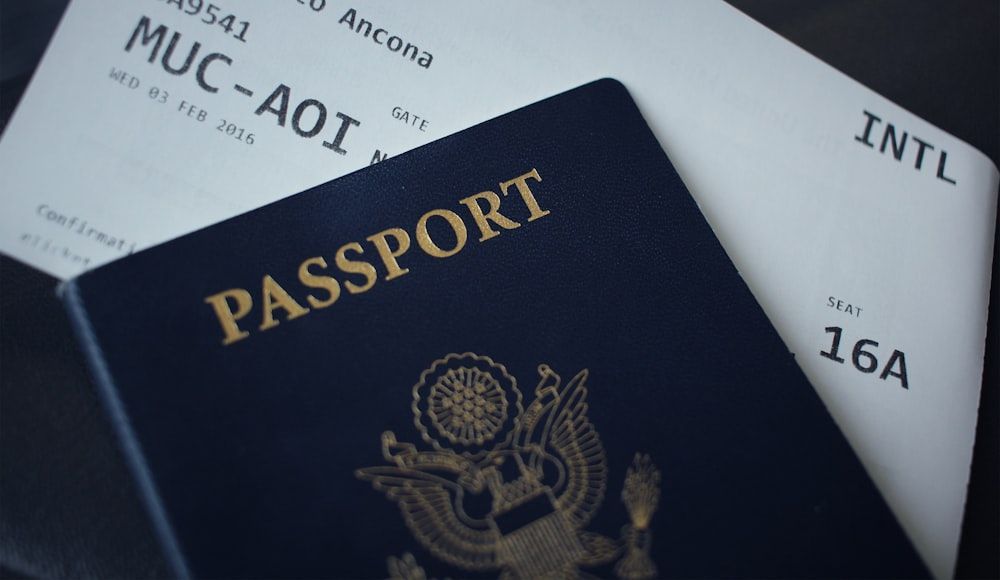
IATA airport codes are those three-letter codes you see on tickets and baggage tags, like LAX for Los Angeles or JFK for New York. They're set by the International Air Transport Association (the aforementioned IATA).

These codes often reflect the airport’s name or location, but not always. Some are not as obvious, like ORD for Chicago O’Hare, which comes from its previous name: Orchard Field.

2

UN/LOCODEs (Trade and Transport Locations)
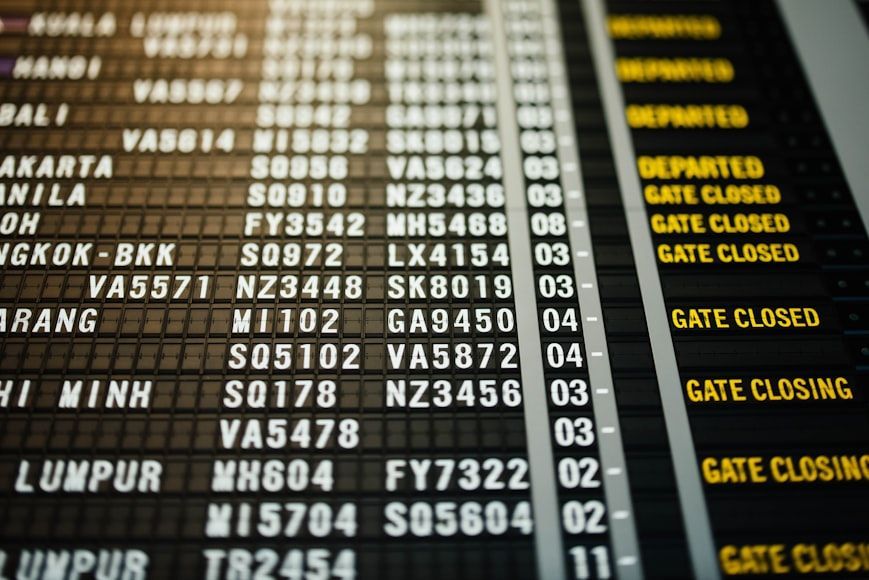
Image: CHUTTERSNAP

A relative of the IATA airport codes, UN/LOCODEs are five-character codes used in global trade and transport. They combine a two-letter country code with a three-letter location code, like USLAX for Los Angeles in the U.S.

These codes help standardize locations in shipping, logistics, and customs. You might not see them as often as airport codes, but they’re essential behind the scenes in moving goods worldwide.

3

Airport Terminal and Gate codes

Image: George Kourounis

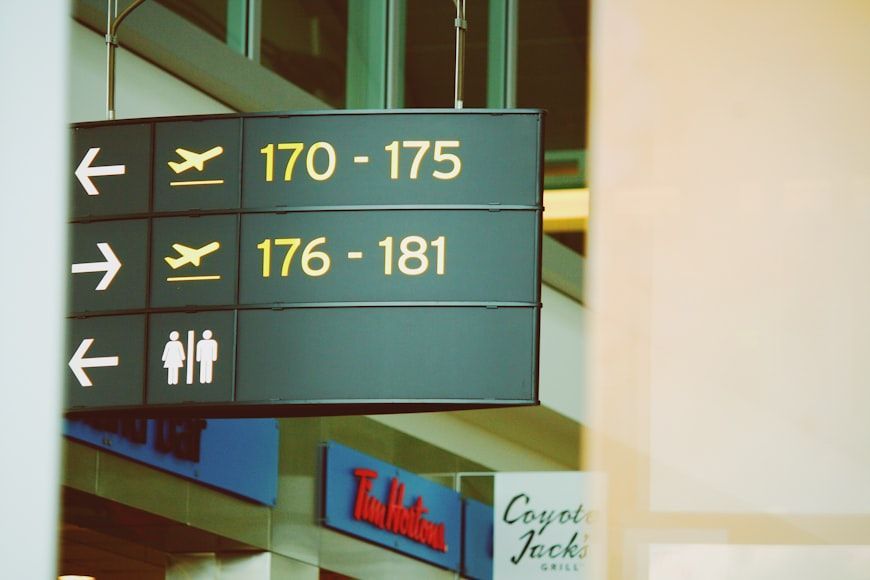
Airport terminal and gate codes help guide you through the airport. A sign like T1-G12 means Terminal 1, Gate 12.

Each airport has its own layout, so the letters and numbers can vary. Some use concourses (like B42), while others just number gates.

4

Runway designators

Image: Eduardo Cano Photo Co.

Runway designators are those numbers you see at each end of an airport runway, like 09/27. They’re based on compass directions. For example, 09 means 90°, or east, and 27 means 270°, or west.

If there are parallel runways, you’ll see letters too, like L for left or R for right (e.g., 09L/27R).

5

Airline and flight number codes

Image: Matthew Smith

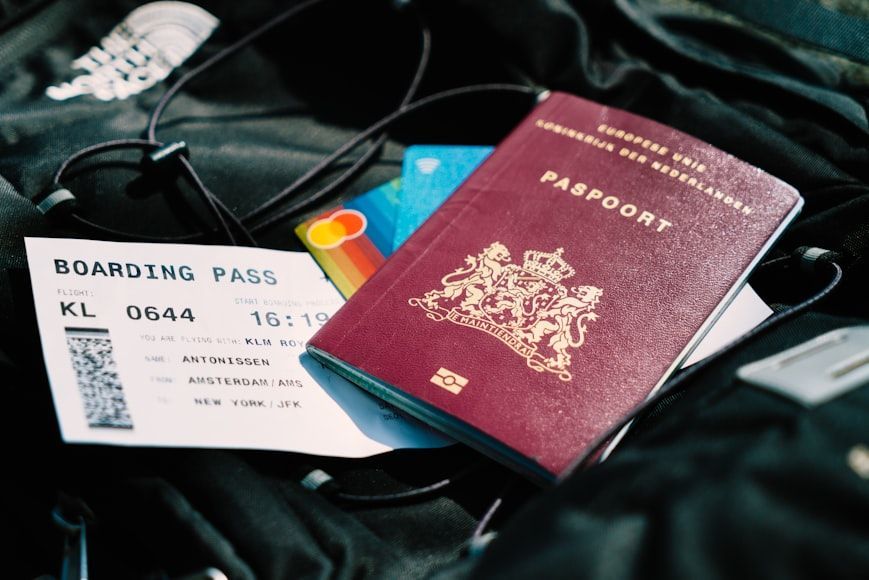
Airline and flight number codes help identify specific flights, like AA100 for American Airlines Flight 100. The first part is the airline’s IATA code, followed by a number assigned to the route.

These codes are used in schedules, boarding passes, and announcements.

6

A-CDM codes (Airport Collaborative Decision Making)
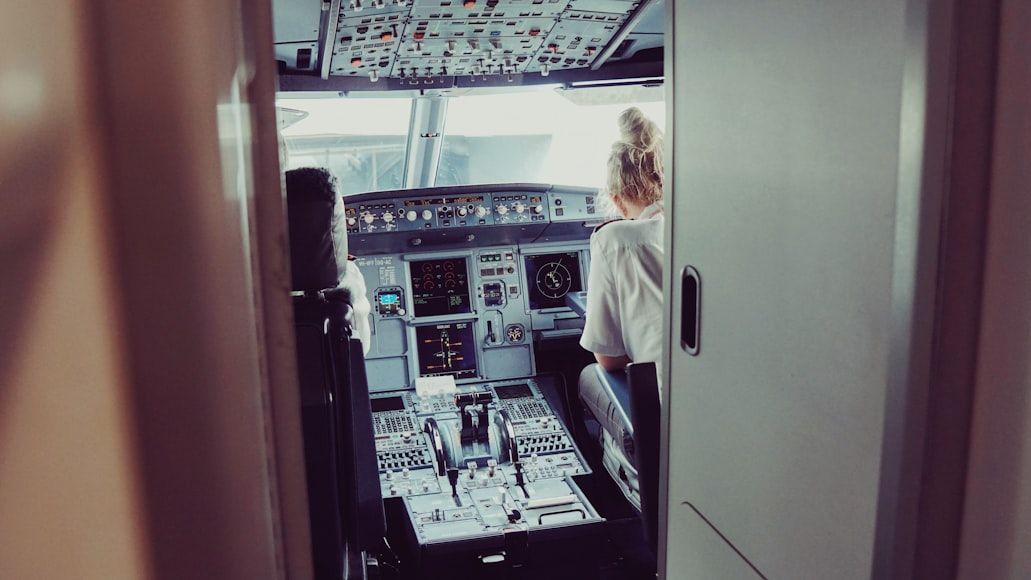
Image: Nicholas Jeffries

A-CDM codes are used at airports to help controllers and pilots work together smoothly using universal directives. They stand for Airport Collaborative Decision Making.

Some examples of these kinds of codes are TOBT (Target Off-Block Time) and TSAT (Target Start-up Approval Time), which help coordinate when planes should push back or start engines.

7

METAR/TAF airport codes (for weather reports)

Image: Gurwinder Singh

METAR and TAF codes use ICAO airport codes to report weather conditions for pilots and flight crews. For example, EGLL is used in METAR reports for London Heathrow.

These reports include info like wind, visibility, and temperature. METARs show current weather, while TAFs give forecasts.

8

Baggage tag codes

Image: Dimitri Karastelev

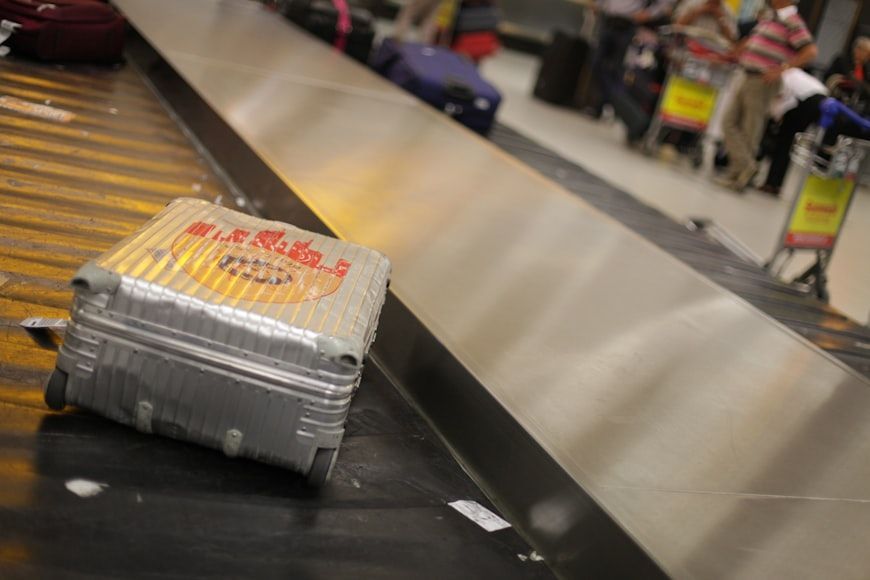
Baggage tag numbers and codes are the barcodes that are attached to the luggage when it is checked. They usually include the airport's IATA code, like LAX123456, to help route the bag correctly.

These tags let airports and airlines track bags from drop-off to arrival.

9

Flight status

Image: David

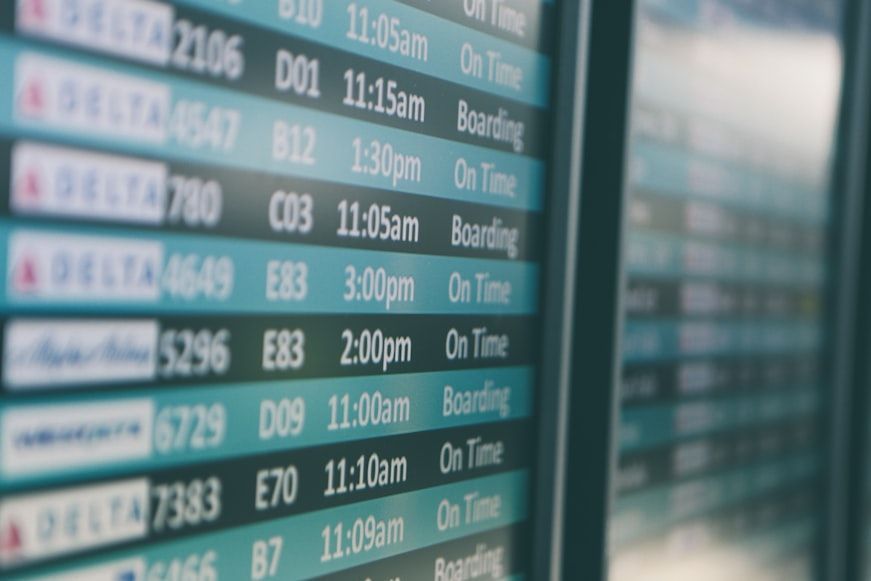
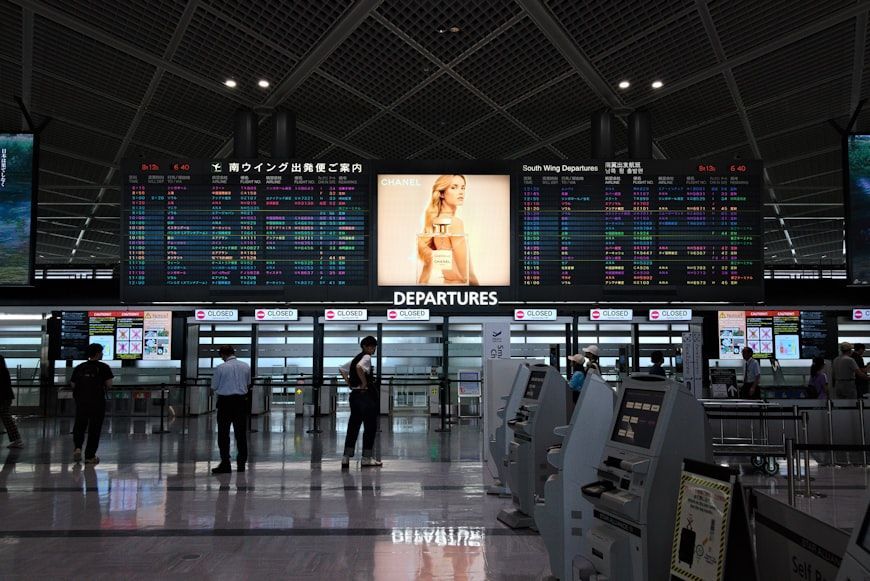
Flight status codes are seen on airport screens, like ON TIME, DELAYED, or BOARDING, to keep passengers updated. They’re simple but super helpful when you’re rushing to your gate.

Other codes can be spotted, like DEP (Departed), ARR (Arrived), ETA (Estimated Time of Arrival), and GATE CLOSED.

10

Flight number

Image: CardMapr.nl

Flight numbers help identify each flight and usually include four or five digits after the airline code. These numbers aren’t random: they often reveal details like the route, destination, or flight type.

For example, Lufthansa uses 400s for North America and 900s for Asia. Some airlines even assign numbers based on the country of origin.


What science says

It was false after all: 10 health myths that sound true—but aren't


Published on November 23, 2025


Image: Alicja Gancarz

Health myths are everywhere! These ideas were simply passed down for so long that they became part of what we believed. But now science has stepped in to clear things up. Does cold weather make you sick? Can lemon detox your body? Is reading in low light really harmful? Let's uncover the truth behind 10 common health myths!

1

Cutting your hair makes it grow faster

Image: Element5 Digital

Have you ever been told that cutting your hair will make it grow faster? We're sorry to say that's just a myth. Hair grows from the root, not the ends. So, trimming it won't boost growth, though it does help remove split ends that can make your hair look dry or unhealthy.

2

Cold weather causes colds

Image: Thom Holmes

This is one of the most common health myths. Cold weather often gets blamed, but it's not the temperature that makes you catch a cold. During winter, we tend to stay indoors with others and keep the windows closed, an environment that makes it easier for viruses to spread. That's why colds tend to be more common in winter!

3

Eating before bed makes you gain weight

Image: Michelen Studios

The idea that eating before bed automatically leads to weight gain is a myth. In reality, it has more to do with what you eat and how much, rather than the time of day. Often, when we eat very late at night, we're tired and more likely to reach for quick, high-calorie, heavy foods. This can disrupt sleep and lead to consuming more calories than we burn, both of which may affect weight. If it's close to bedtime, it's better to have something light and healthy in a moderate portion than to skip a meal altogether.

4

Wearing glasses weakens your vision

Image: Bud Helisson

Does wearing glasses weaken your vision? Myth! If an eye doctor prescribes glasses, wearing them as directed helps correct your vision; it won't make it worse. Additionally, the right glasses can help prevent or reduce headaches caused by reading or spending long hours in front of a screen.

5

Reading in low light causes permanent eye damage

Image: Amir Balam

This myth is closely related to the previous one. If you love reading and sometimes have to do it in low light because of the situation, don't worry. According to experts, reading in low light doesn't cause permanent or irreversible eye damage. However, it's not recommended because it can make your eyes feel tired or strained, leading to discomfort or headaches.

6

You need to drink 8 glasses of water a day

Image: engin akyurt

We're all different, and so are our bodies. The idea that everyone should drink exactly eight glasses of water a day is more of a general guideline than a rule. Staying well hydrated throughout the day is extremely important, but how much water you need depends on factors like your weight, age, climate, and overall health. We should prioritize staying consistently hydrated instead of obsessing over the number of glasses we drink.

7

Lemon water detox and cleanse your body

Image: Tirza van Dijk

Some people say drinking lemon water helps eliminate toxins and cleanse the body. While adding a slice of lemon to your water is a refreshing way to stay hydrated, it doesn't have any special "detoxifying" powers. The vitamin C in citrus fruits is beneficial, but the body has its own natural detox system. The liver and kidneys are the main organs that filter waste and eliminate toxins.

8

All fat is bad

Image: Aneta Voborilova

Not all fats are bad! Just like other food groups, your body needs fats to function properly. The important thing is knowing the difference between healthy fats and those that can be harmful. Foods like avocados, seeds, olive oil, fish, and nuts are rich in healthy fats. On the other hand, the fats found in processed or fried foods are the ones that can have a negative impact on your body.

9

Liver disease is always caused by alcohol or fats

Image: Elevate

Liver diseases can be serious. While heavy and frequent consumption of alcohol and fats is a major contributor, it's not the only cause. Liver problems can also result from many other factors. These include viral infections, autoimmune diseases, genetic disorders, high blood pressure, and exposure to certain chemicals.

10

Breakfast is the most important meal

Image: Brooke Lark

There's some truth to it: breakfast is important because it replenishes our glucose and energy levels and supports proper metabolism. However, the idea that it's the most important meal of the day might be an exaggeration. Everyone's body has different needs, and all meals are important, so we shouldn't skip any of them!

Looking for an extra scoop of literary fun?

Learn more with our Word of the day

utilitarian

/juˌtɪləˈtɛriən/