Changing words
These sayings don't mean what they used to
Published on January 1, 2026
 Image: Chouaib Maiza
More often than not, we toss around old sayings without giving them a second thought. However, many of them once meant something entirely different than what we are trying to say. Over time, words drift, idioms evolve, and what started as a literal warning becomes a cultural cliche. Let's rewind the dictionary and see how these phrases came to be, and whether their meanings remained intact or not.
The customer is always right
 Image: Nathan Dumlao
Quoted as gospel by floor managers and entitled customers alike, the original phrase had quite a different meaning. Attributed to the business pioneer Harry Gordon Selfridge, some believe that the saying originally was The customer is always right, in matters of taste. That would translate to: don’t argue if a buyer prefers stripes to solids. It never meant the shopper can insult staff or ignore policy.
Jack of all trades
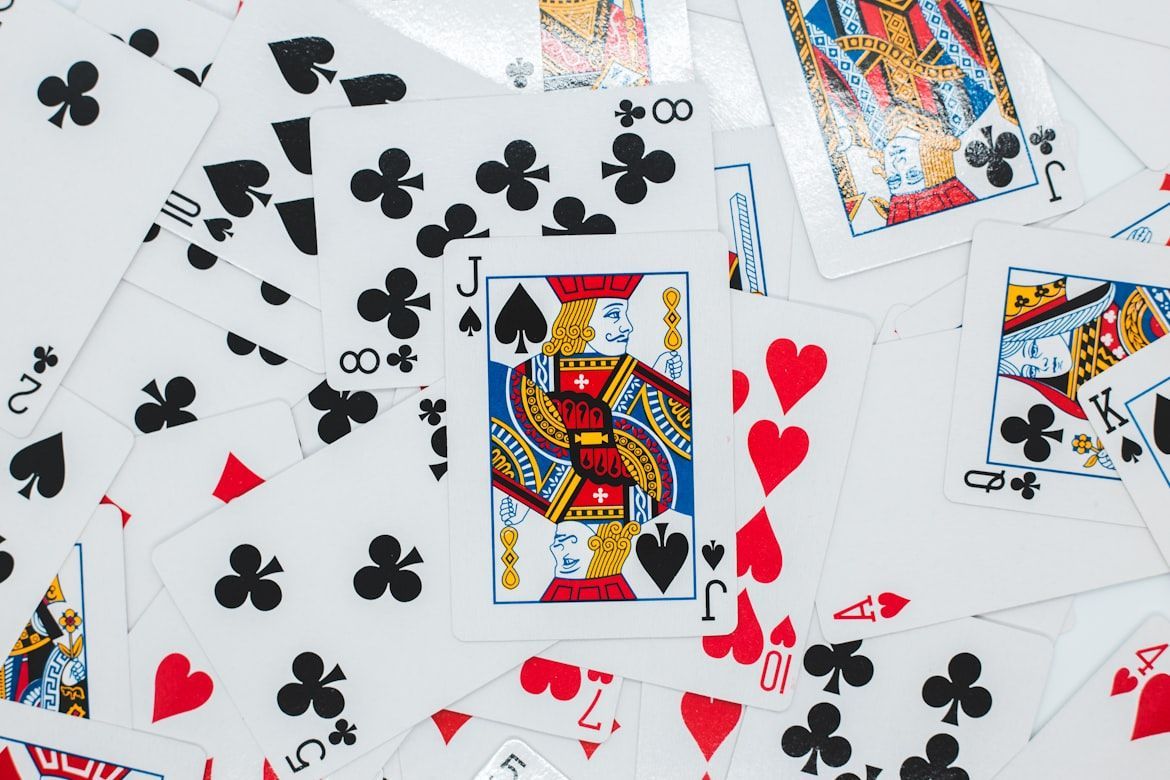 Image: Erik Mclean
Master of none, right? That's the phrase as we are used to hearing it, usually accompanied by an eye roll, implying mediocrity. However, the full phrase from the 1600s was jack of all trades, master of none, but oftentimes better than master of one. It praised versatility and curiosity, as opposed to obstinate single-mindedness. As time went by and society became ever more specialized, this phrase dropped the last bit and completely changed its meaning.
Happy as a clam
 Image: Karthick Krishnakumar
Today, happy as a clam just means "content." But the full 19th-century expression was happy as a clam at high tide, which adds a whole new dimension to the phrase. Clams aren't happy all the time, just when the water is high and they are the safest and hardest to dig up. Over time, the survival context vanished, leaving only the joy.
Blood is thicker than water
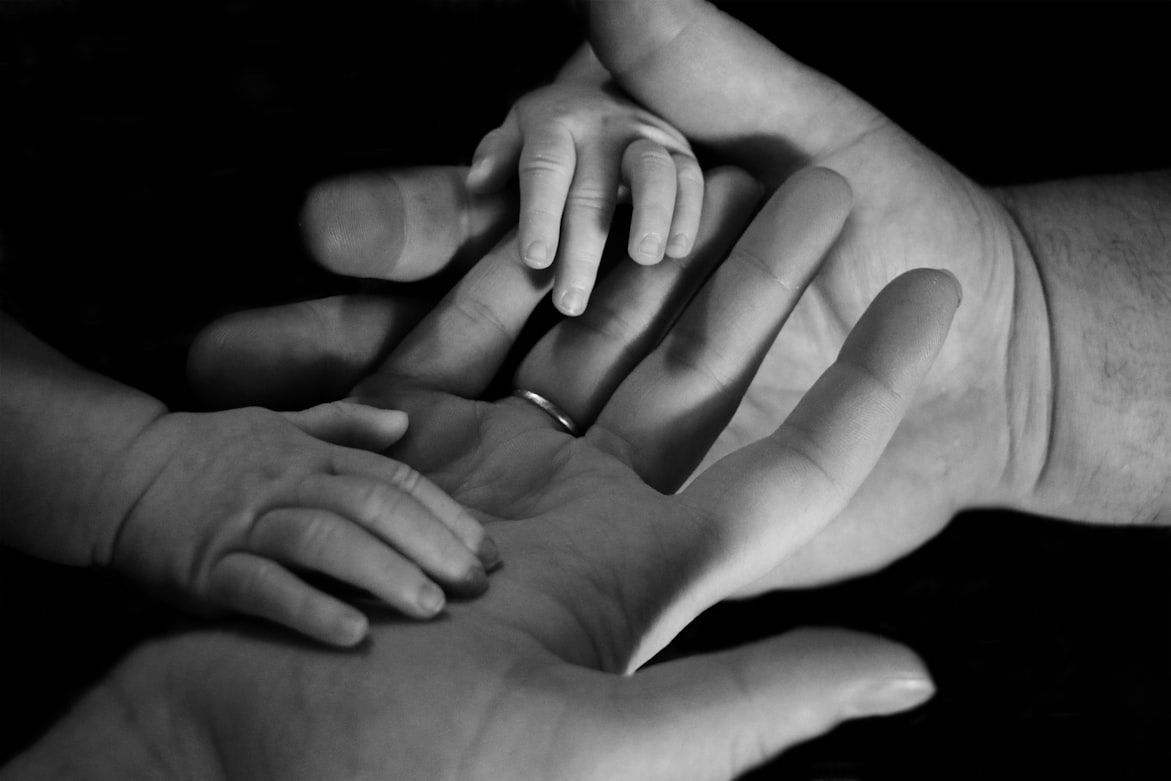 Image: Liv Bruce
The message behind this saying seems to be as clear as day: family always comes first. However, some people sustain that the original phrase went in a completely opposite direction: The blood of the covenant is thicker than the water of the womb. In the older version, chosen bonds (friendship, camaraderie) run deeper than mere kinship.
Make no bones about it
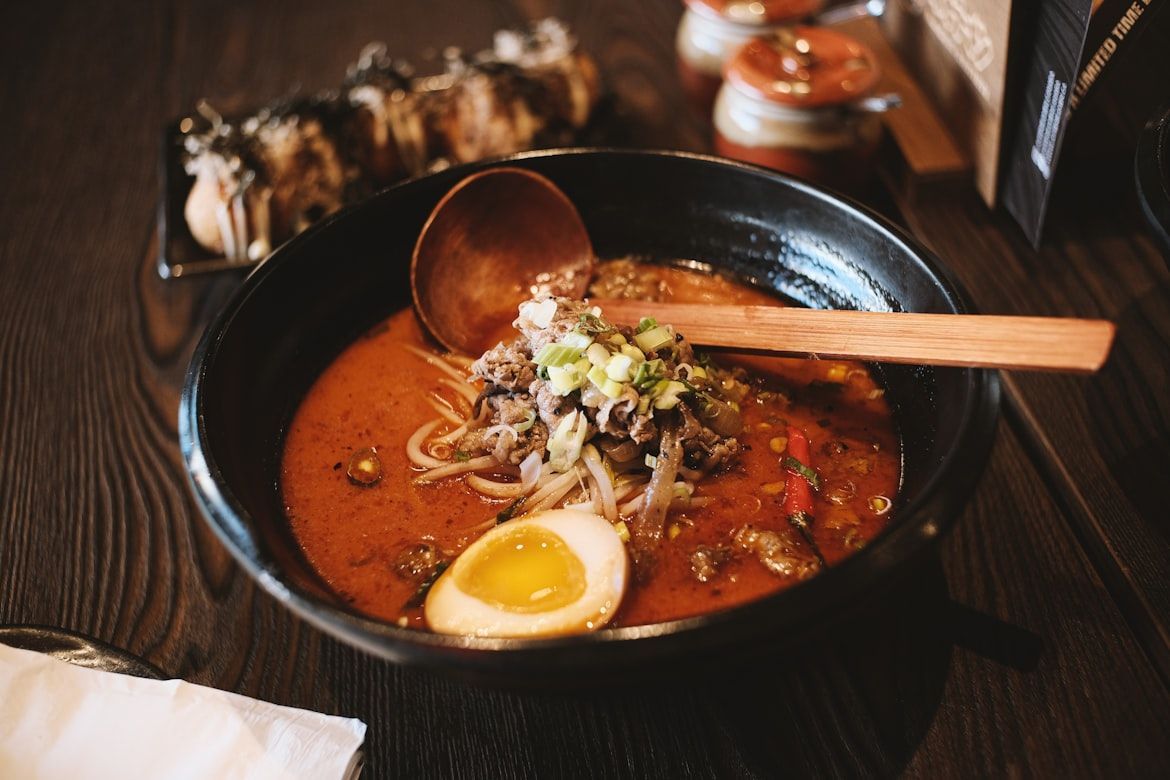 Image: Allen Y
In 15th-century England, a good broth was "without bones:" easy to swallow and free of unpleasant surprises. A soup with bones, on the other hand, was full of obstacles.
The meaning of what-you-see-is-what-you-get transparency stuck, and that's why to make no bones about something means to speak candidly about it, without hiding your opinion.
Saved by the bell
 Image: Sebastian Fell
This phrase most likely comes from boxing, but some theories about its origin are much more macabre. Allegedly, this saying comes from the Victorian fear of being buried alive. Some coffins were fitted with bells connected to a string inside, so that anyone mistakenly entombed could ring for rescue. Even though safety coffins were indeed made during the Victorian era, there is no actual record of this phrase ever being used during that time.
The proof is in the pudding
 Image: Jana Ohajdova
If you ever found this one confusing, it's because the phrase is missing a few key words that clarify its meaning. The original saying, the proof of the pudding is in the eating, made quite clear that the test of quality lies in experience, not appearance.
Great mind thinks alike
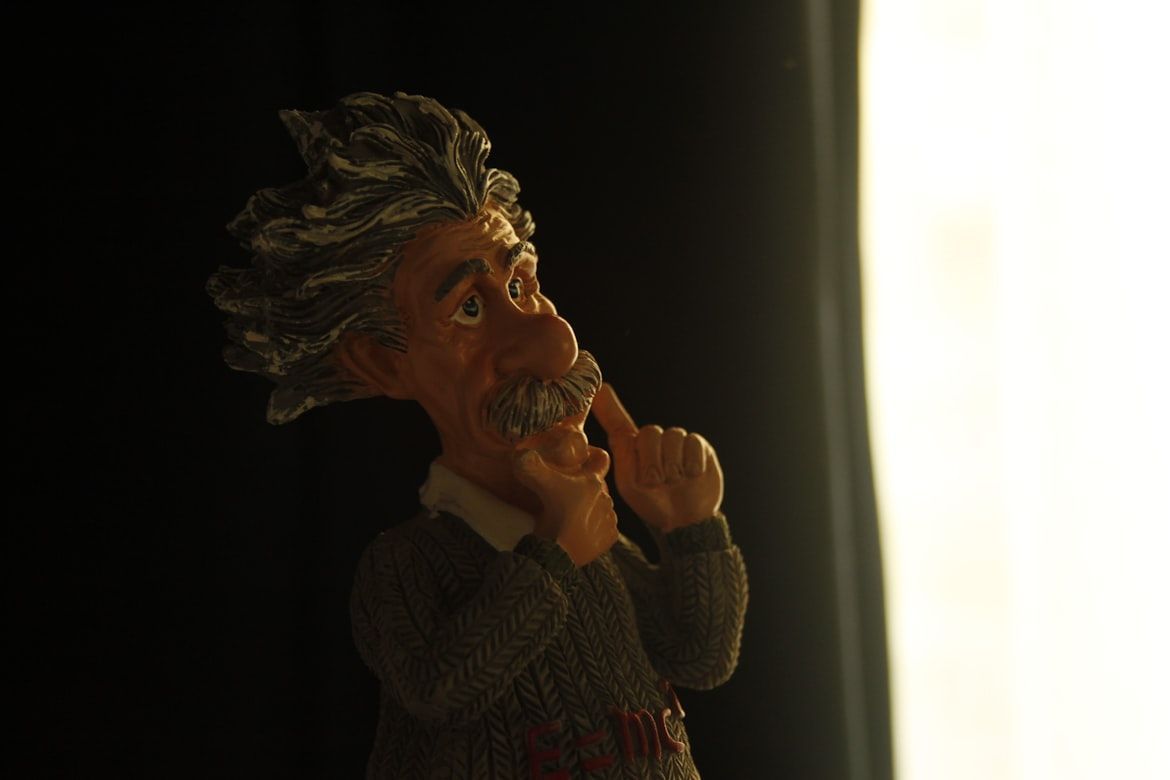 Image: Samet Erköseoğlu
This is another one of those that dropped their second half to change meanings entirely. Today, it reads as a cheery nod to shared inspiration, but the original quip went: Great minds think alike, though fools seldom differ. In its original sense, though intelligent people can often arrive at the same conclusions independently, unintelligent people tend to always agree without much thought.
Spill the beans
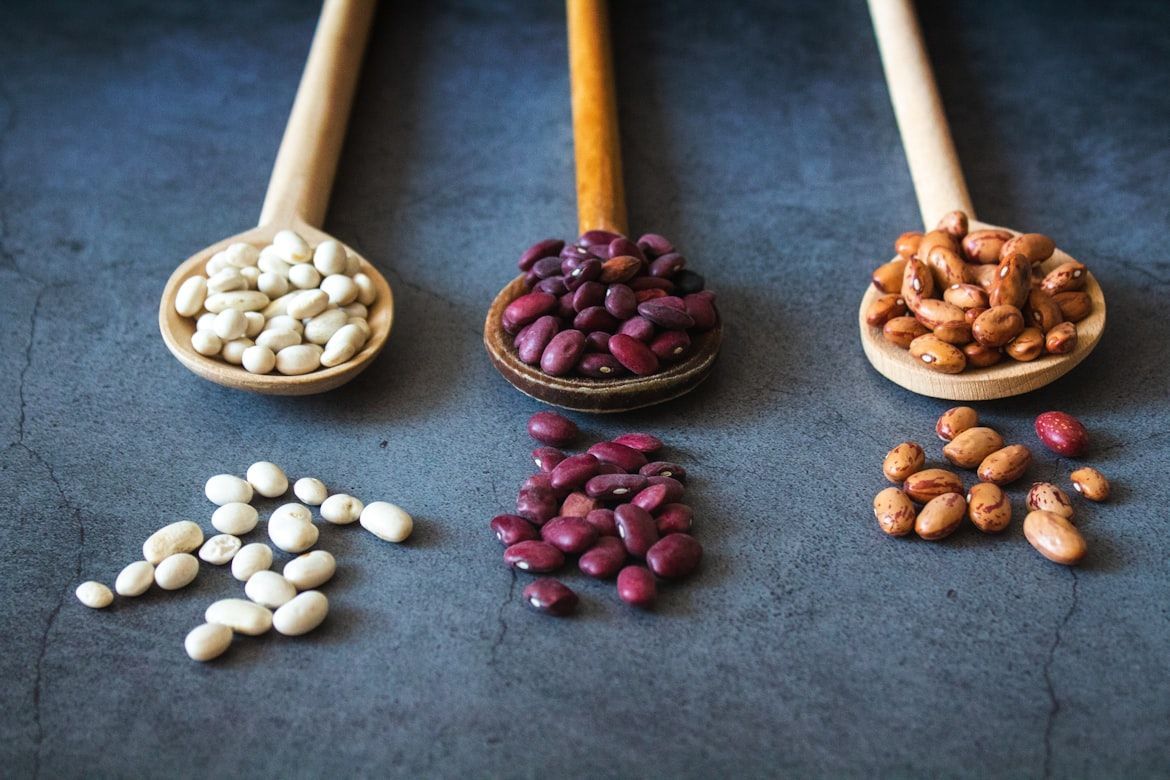 Image: Tijana Drndarski
The common explanation for this phrase dates back to Ancient Greece. Back then, citizens cast their votes using colored beans: clear for yes, dark for no. If someone knocked the jar over before the official count, the results were exposed prematurely. Over the centuries, this quirk of ancient democracy morphed into a metaphor for blabbing or revealing secrets.
Rule of thumb
 Image: engin akyurt
While there are many myths about the origin of this idiom, some of them quite violent, its origin is actually quite pragmatic. Back when precise instruments of measurement weren't as commonplace as they are today, various trades used the thumb's width (about an inch) to roughly measure materials informally