It’s game time!

Do you speak “food Latin”? Let’s see if you guess these kitchen classics!


Published on November 22, 2025


Image: Hobi industri

Think you know your fruits and veggies better than the back of your hand? Let’s put that to the test. Scientists love fancy names, but behind all that Latin, you’ll find foods you probably have in your kitchen right now. Here’s a little guessing game: We’ll give you some clues about the origins, uses, or traditions tied to a food. Then we’ll reveal the answer. Let’s see how many you can get right!

1

Scientific name #1: Allium sativum

Image: Dominic Kurniawan Suryaputra

This little bulb has been keeping kitchens fragrant for thousands of years. Ancient Egyptians swore by it for strength, while Italians turned it into a must-have for sauces. Love it or hate it, its smell lingers long after dinner. Any guesses in the room?

2

Scientific name #2: Malus domestica

Image: Markus Winkler

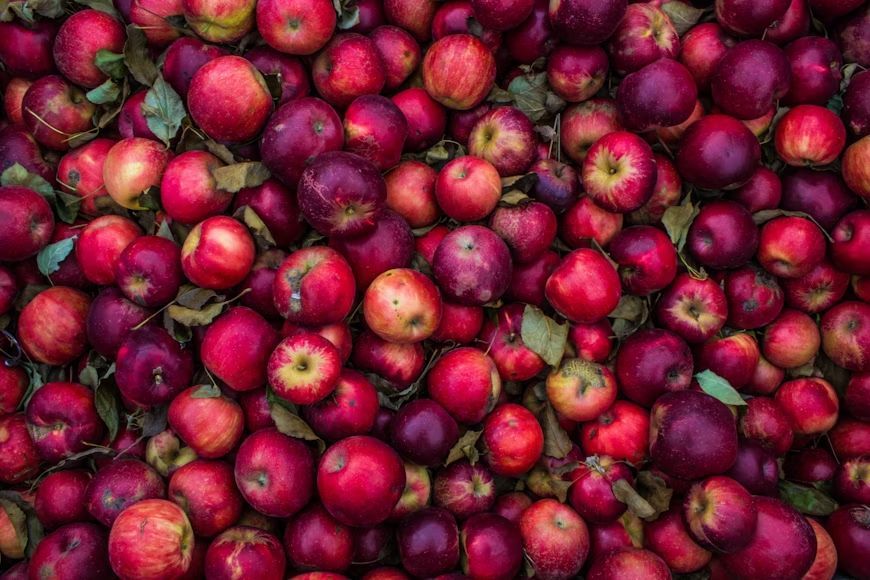
This fruit has been part of human history since biblical times. It’s been baked into more pies than anyone can count. Just one bite every day, and you won’t be making any more doctor’s appointments. A crisp bite in autumn just can’t be beaten.

3

Scientific name #3: Citrus paradisi

Image: airci K

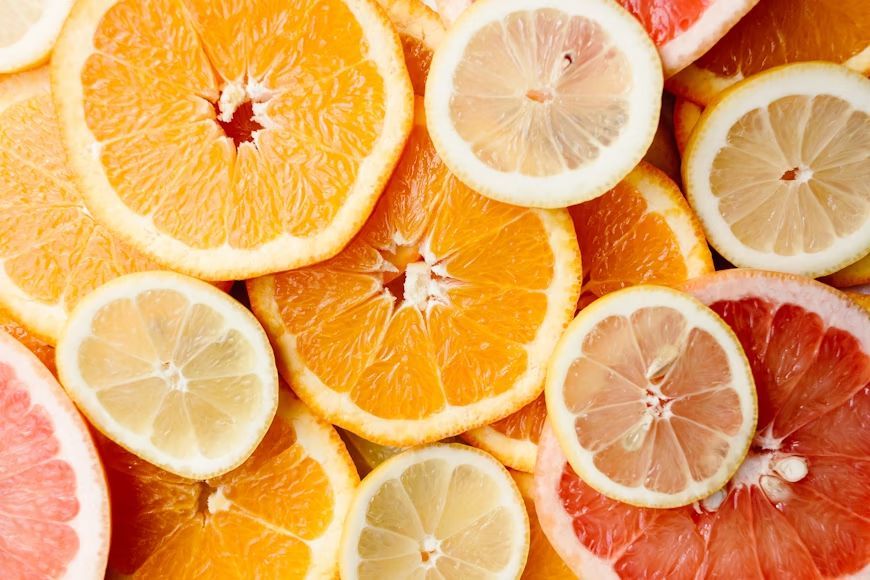
This tart beauty first appeared in the Caribbean, but today it’s a breakfast table regular. Its zingy flavor divides people: some swear by it with a sprinkle of sugar, others can’t stand the bitterness. What do you think this is?

4

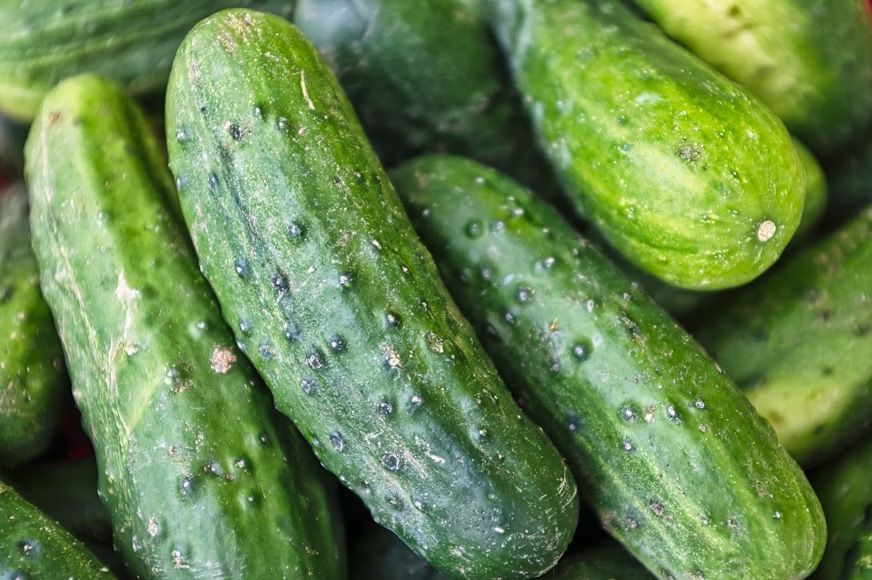
Scientific name #4: Cucumis sativus

Image: Ashley Winkler

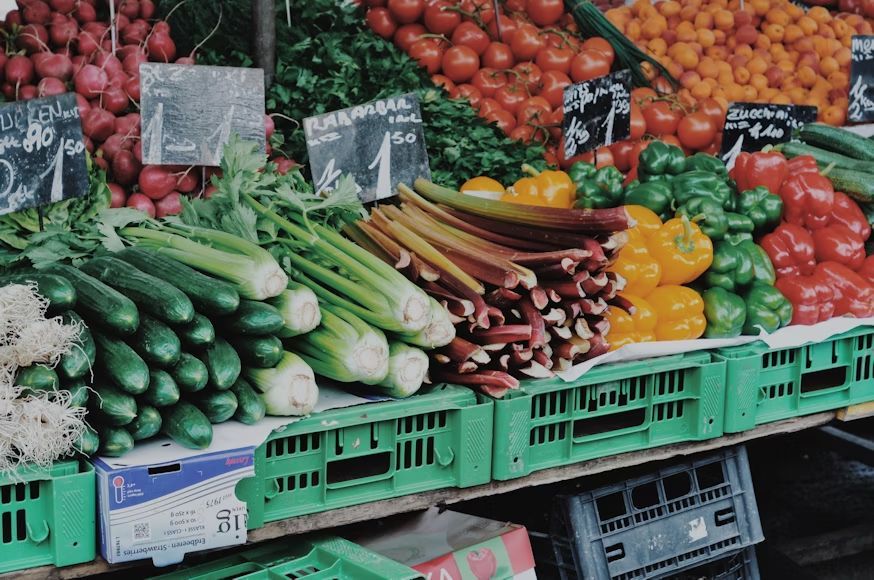
Cool, crunchy, and packed with water, this veggie is a summer favorite. It sneaks into sandwiches, salads, and pickling jars across the globe. Ancient civilizations grew it thousands of years ago, and it hasn’t lost its charm. Wanna find the answer? Keep scrolling!

5

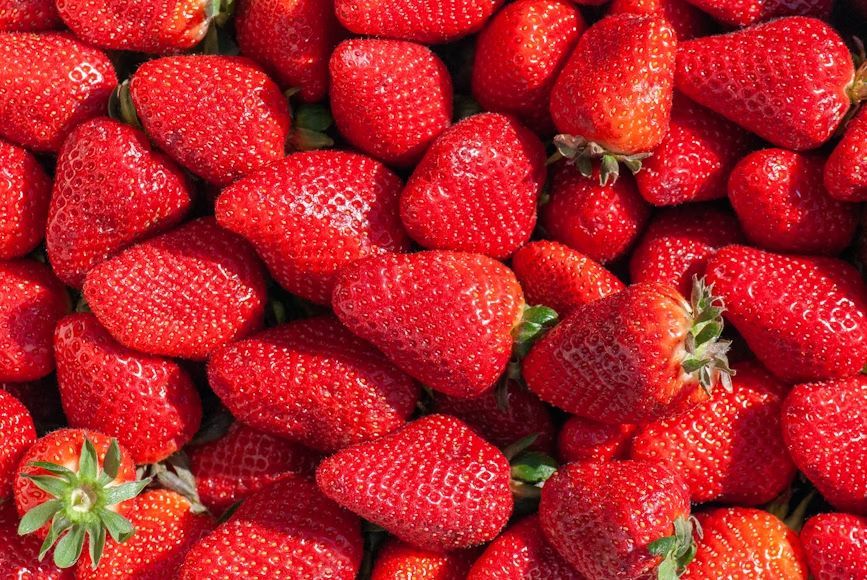
Scientific name #5: Fragaria ananassa/vesca

Image: Daniel von Appen

Sweet, red, and heart-shaped, this fruit screams summertime. Wimbledon even made it a tradition, serving it with cream for over a century. You’ll see it on shortcakes, jams, and plenty of cereal boxes, too. You know it by now, don’t you?

6

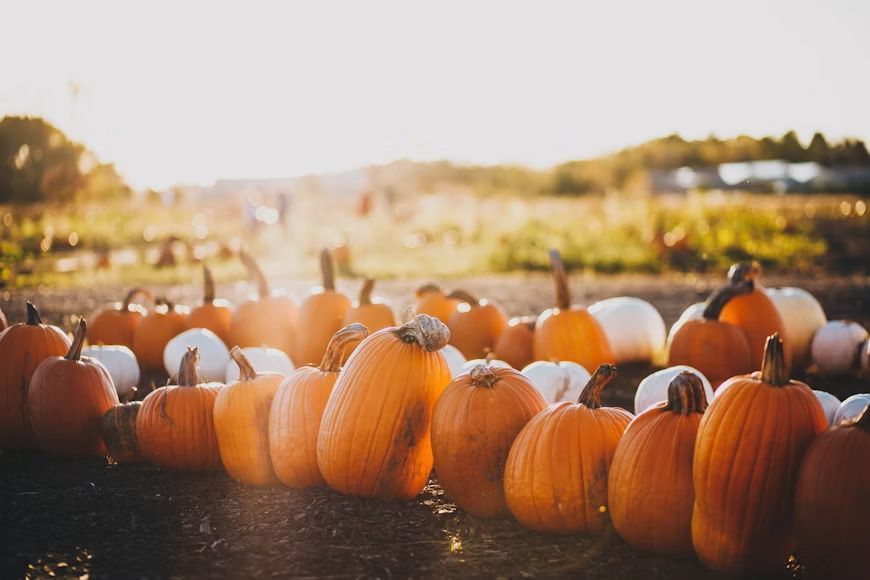
Scientific name #6: Cucurbita pepo

Image: Henrique Sosa

Farm stands overflow with this one in the fall. You’ll see kids carving it, bakers turning it into pies, and health nuts roasting its seeds. Native to the Americas, it’s been part of diets for thousands of years.

Below, you’ll find all the answers. Let’s see how many you got right!

7

Food #1: Garlic

Image: team voyas

Did you guess this one? Allium sativum is garlic. Packed with flavor and believed to boost heart health, garlic is grown worldwide, but China leads the harvest. Whether roasted, minced, or sliced, it’s the soul of countless dishes. Are you team garlic or not?

8

Food #2: Apple

Image: sydney Rae

Malus domestica is none other than the apple. Did the "doctor’s appointment" reference give it away too soon? The United States, especially Washington State, is a top grower. From cider to applesauce, it’s hard to imagine an American table without it, right?

9

Food #3: Grapefruit

Image: freestocks

Citrus paradisi is grapefruit! Florida is famous for its juicy varieties, loved for their vitamin C punch. Grapefruit even got its name because the fruits grow in clusters that look a lot like grapes. Now the debate stands: Sugar or no sugar?

10

Food #4: Cucumber

Image: Eric Prouzet

Cucumis sativus is a cucumber. India is its original home, though now you’ll find it growing just about everywhere. Whether sliced fresh or turned into pickles, it’s the definition of refreshing. And it also

11

Food #5: Strawberry

Image: Natasha Skov

Red, heart-shaped… This one is the strawberry, of course! The United States, especially California, grows tons of them every year. Fun fact: strawberries aren’t true berries botanically, but don’t let science spoil dessert.

12

Food #6: Pumpkin

Image: Maddy Baker

That’s Cucurbita pepo, the pumpkin. From lattes in October to jack-o’-lanterns on Halloween, it’s an American seasonal icon. And yes, the seeds, called pepitas, are as nutritious as they are tasty.


Deep roots

11 everyday words with indigenous roots


Published on November 22, 2025


Image: Zoshua Colah

English is a very welcoming language in the sense that it incorporates terms from many other languages from all over the world. And, as it couldn’t be otherwise, Native American languages have lent many of their words and terms to English speakers. Some traveled through Spanish or French before settling into English, and others arrived directly through early contact and trade, helping shape the way we speak today. Did you know about these 11 terms?

1

Canoe

Image: Michael Niessl

The word "canoe" comes from the Taino term canoa, which was first used by Caribbean islanders long before Europeans arrived. Early explorers adopted it to describe the slim, sturdy boats they saw.

Over time, "canoe" became the standard English word for a small paddled craft. Today it still carries that sense of simplicity and closeness to nature.

2

Barbecue

Image: Philipp Kämmerer

The word "barbecue" comes from barbacoa, another Taino term for a wooden frame used for cooking meat over fire. Europeans adopted it and applied it to both the method and the gathering itself.

Today, "barbecue" means everything from a backyard cookout to a regional cooking style. Its origins highlight the deep culinary influence of Native Americans in the nation's current culture.

3

Skunk

Image: Elisa Stone

"Skunk" comes from the Algonquian word squnk, which means "urinating fox" (quite a fitting term, indeed). This was an obvious reference to the animal’s strong defensive spray. Early settlers adopted the term directly.

Since English had no better name for the creature, the Native word stuck. Today, the word skunks is also used as playful slang.

4

Moose

Image: Shivam Kumar

The word "moose" originates from Eastern Abenaki, a part of the Algonquian family, where it meant "he strips off bark." Yes, it described the animal’s habit of tearing bark from trees.

The name entered English quickly because settlers relied on Native knowledge of local fauna. The word remains unchanged because of its accuracy and usefulness.

5

Raccoon

Image: Gary Bendig

"Raccoon" comes from the Powhatan word arakun, meaning "he scratches with his hands." It described the animal’s clever, humanlike front paws.

Settlers adopted the term because it captured the creature’s behavior beautifully. Today, the raccoon is used as a household symbol of curiosity, not unlike the animal itself.

6

Chipmunk

Image: Annegret Kammer

The term "chipmunk" most probably comes from the Ojibwe word ajidamoo, which means "one who descends trees headfirst." Early English settlers adapted the sound into today’s form.

Though the spelling changed over time, the lively image of a chipmunk racing down a tree face-first stayed.

7

Caribou

Image: JD-Photos

The word "caribou" comes from the Mi’kmaq term qalipu, which means "snow shoveler," referring to the animal’s habit of digging through snow for food.

French settlers brought the word into English, keeping its descriptive nature. The name still connects the modern animal to the winter landscapes it belongs to.

8

Totem

Image: Stéfano Girardelli

"Totem" comes from the Ojibwe word ototeman, which means "kinship group." It described symbols representing clans and shared roots.

English adopted it to describe carved poles and symbolic elements. Though broader in modern usage, it still hints at the original sense of community, identity, and heritage.

9

Coyote

Image: Dylan Ferreira

"Coyote" comes from the Nahuatl word coyōtl, which was used by Indigenous tribes of central Mexico. Spanish speakers adopted it, and English borrowed later.

The word kept its meaning, and it remains one of the most direct links between the English language and Nahuatl.

10

Avocado

Image: Gil Ndjouwou

The tasty avocado’s name traces to the Nahuatl word ahacatl, which refers to the fruit and to a body part as well. Spanish speakers transformed it into aguacate.

Later on, English speakers adapted it to avocado. While the name sounds contemporary and culinary, it has ancient Native roots.

11

Chocolate

Image: amirali mirhashemian

The last Nahuatl word and also the last word on the list comes from the term xocolātl, which describes a bitter cacao drink that was consumed long before Europeans arrived in America. The name traveled from Spanish to English.

Though the product changed dramatically, the word survived. Today, chocolate is a universal symbol of sweetness, with rich and deeply indigenous roots.

Looking for an extra scoop of literary fun?

Learn more with our Word of the day

mollify

/ˈmɑləˌfaɪ/