The human body

Bathtubs of snot? The "gross but true" guide to human anatomy


Published on January 15, 2026
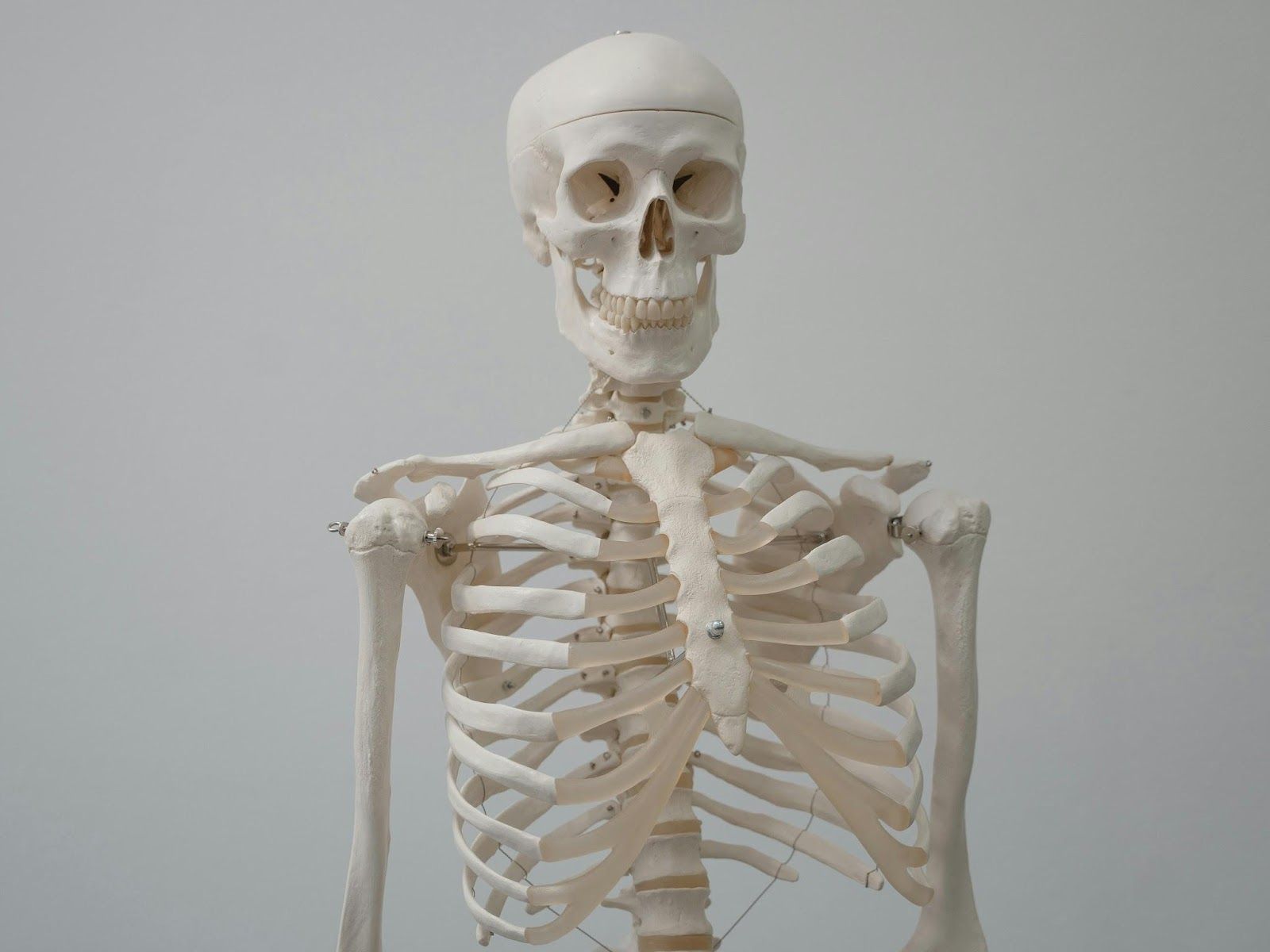

Image: Tima Miroshnichenko

From the tiny, unseen creatures residing on your eyelashes to the incredible volume of mucus your nose produces annually, the inner workings of our anatomy are packed with crazy facts that sound like science fiction. Prepare to have your mind blown as we discover 10 of the most astounding, hard-to-believe truths about our very own body. Get ready to never again look at your saliva, bones, or even your earwax in the same way!

1

Eyes

Image: César Couto

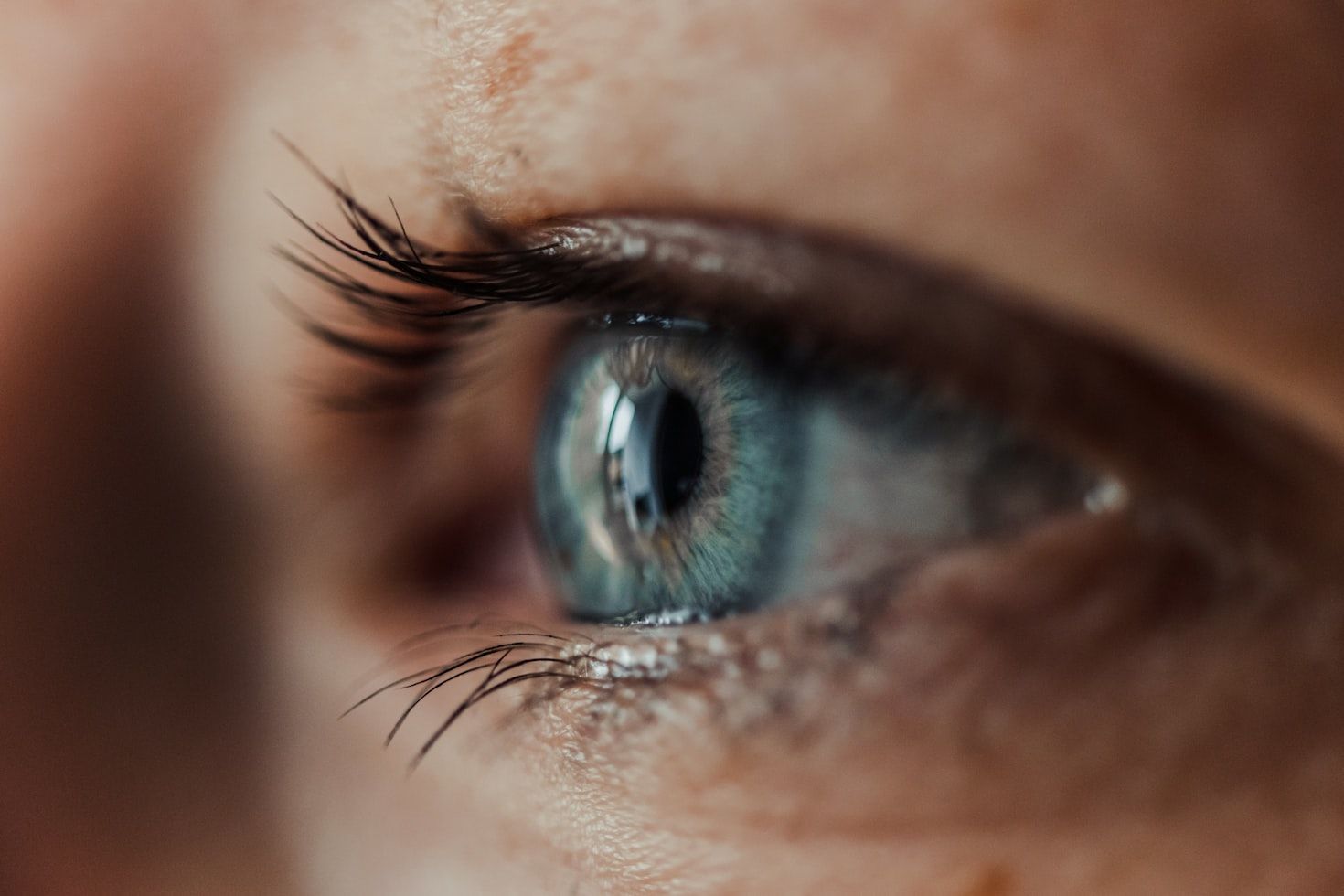
Did you know that about 50% of people have tiny creatures living on their eyelashes? These eyelash mites are about a third of a millimetre long. They can sometimes cause allergic reactions, but most people never find out they’ve got them. We bet you're calling your ophthalmologist for a consult right now!

2

Ears

Image: Franco Antonio Giovanella

Earwax is produced by your body to protect the lining of your ear canal by trapping dirt and repelling water. But what will probably baffle you is that by the time it reaches the outer ear, the wax has been inside your ear for about a month. No wonder it tastes so disgusting!

3

Nose

Image: Andrea Piacquadio

You usually only notice snot when you’re making too much of it, that is, when you are sick. But can you guess how much mucus an average person produces in a year? The answer will shock you: about 100 gallons, enough to fill two bathtubs! While the sticky goo is rather unpleasant, you wouldn’t want to go without it. Mucus creates a layer of protection between you and the outside world, so thank God it’s there.

4

Mouth

Image: FUHMariaM

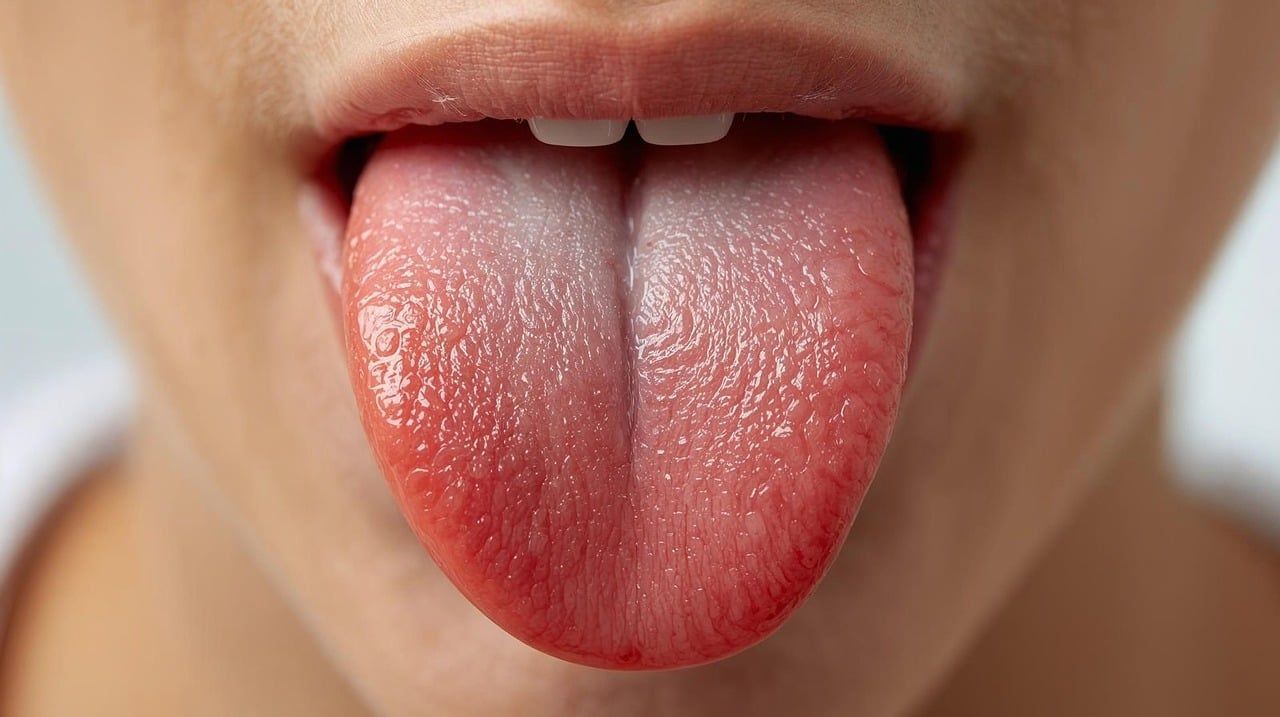
And what about your saliva? How many bathtubs do you think you can fill with your year's supply? Saliva helps break down and swallow food, fights bacteria, and neutralizes acid, among many benefits. So, if it is that good for you, it’s no surprise your mouth produces tons of it. In fact, it makes between 250 and 730 quarts a year, equivalent to filling a small swimming pool over a lifetime.

5

Brain

Image: BUDDHI Kumar SHRESTHA

That pink squidgy blob inside your head is stuffed with facts, memories, and dreams. Your brain is constantly crackling with tiny pulses of electricity, performing ten quadrillion calculations per second. They’re brilliantly complicated machines that scientists are only just beginning to understand. One thing is for sure: an average person has 1460 dreams in a year, about four dreams every night, or to put it another way, around the same as the number of miles from Denver to Nashville.

6

Nerves

Image: camilo jimenez

Clever as your brain is, it wouldn’t be able to do much without the network of nerves that link it to the rest of your body. Nerves bring information from your senses to your brain and deliver orders from your brain to the other organs. As you can imagine, if we were to measure that amazing network, we would end up with a lot. In fact, every person has a whopping 44 miles of nerves running through their skin. Can you imagine?

7

Skin

Image: Ximena Mora

The outer layer of your skin is called the epidermis and consists of dead cells that provide protection from dirt and germs. What you probably didn’t know is that your body is constantly losing and replacing these cells. Also, your dead skin cells sometimes absorb water and swell. This is the reason the ends of your fingers go wrinkly in the bath. But don’t worry, the entire surface of your skin is replaced every month.

Want to play some more? How much do you think the average adult’s skin weighs? Just under 7 pounds, or as we like to say, the same as three pineapples!

8

Hair

Image: Ashton Bingham

Human hair feels soft, but it’s one of the strongest fibres on the planet. The number of hairs on your head ranges from around 9,000 to 140,000, depending on what sort of hair you have.

Everyone loses about 50 to 100 hairs every day, but this process can speed up in men as they get older. Hair generally grows about half an inch a month, or 6 inches a year. Yet, if you don’t cut it regularly, it will most likely stop growing when it’s about 5 feet long.

9

Bones

Image: cottonbro studio

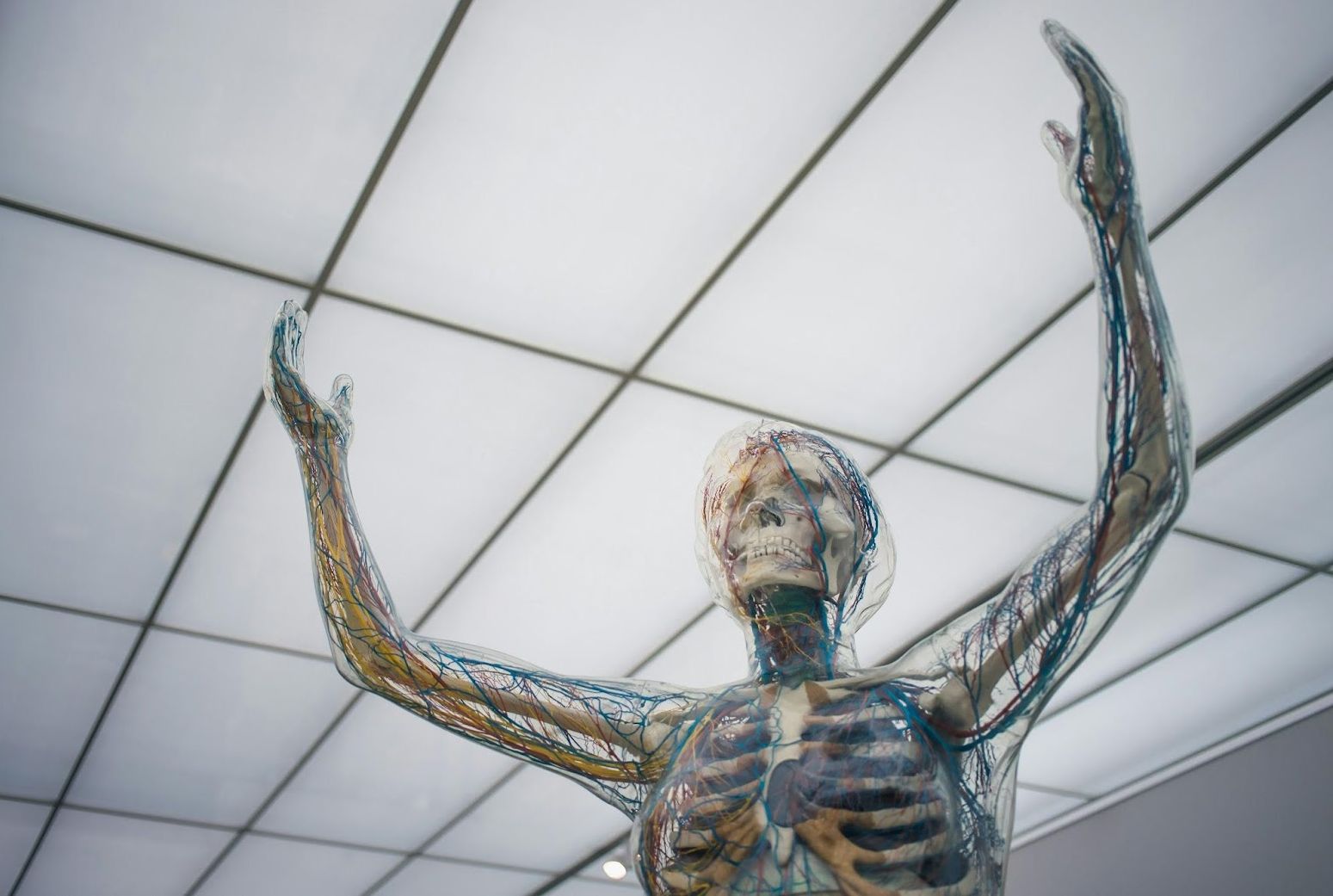
This fact is not for skeptics: the average adult’s skeleton weighs the same as one car tyre. In fact, our skeleton only makes up about 15 per cent of our overall body weight. So, next time someone tells you that big bones is the reason for them being overweight, be suspicious.

Another fun fact? Your collarbone is the last of your bones to stop growing when you become an adult. Called the clavicle, it doesn’t stop growing until you’re about twenty-five.

10

Muscles

Image: The Lazy Artist Gallery

Human muscles, on the other hand, make up about 40% of your body weight, and there are more than 600 of them. Yet, you use just 200 when you take a step, and almost all of them when you throw a ball.

The biggest muscle in your body is the _gluteus maximus_—a.k.a your bum. The smallest is in your ear, the stapedius, just about forty thousandths of an inch. The jaw muscle is the strongest by force, and the eye muscles are the busiest—10,000 movements an hour when reading! Our favorite muscle, though? The heart, of course!


Let’s revive them!

Once lost, now found: These 12 forgotten words deserve a revival


Published on January 15, 2026


Image: Nick Fewings

Since language is constantly evolving and changing, over the years, some truly amazing words have vanished from common use, even though they perfectly describe things we still experience today. Why should we settle for dull modern terms when we could revive these gems? Let’s take a trip through time and rediscover some unusual, long-lost words that are just begging to be used again. You might just find a new favorite!

1

Rouzy-Bouzy: Boisterously drunk and loving it

Image: Omar Lopez

Forget "tipsy" or "sloshed." If you’ve ever seen someone having the time of their life after a few too many drinks, they were rouzy-bouzy.

This 17th-century word describes the kind of lively, uninhibited intoxication that leads to off-key karaoke and questionable dance moves. It comes from an old Dutch word for "boozy," making it a natural fit for those who enjoy a drink every other night. Unlike some less flattering terms for drunkenness, rouzy-bouzy sounds almost celebratory!

2

Ambodexter: The two-faced trickster

Image: Cytonn Photography

No, this isn’t someone with equal skill in both hands. An ambodexter is a person who takes bribes from both sides of an argument. First recorded in the 16th century, this word was a favorite in legal and political circles when describing particularly shady characters.

Today, we would call them "double-crossers" or "sellouts," but doesn’t ambodexter have a more dramatic twist?

3

Hugger-Mugger: Secretive shenanigans

Image: Nguyễn Phúc

The next time someone lowers their voice and starts whispering like they’re part of some great conspiracy, you can accuse them of engaging in hugger-mugger.

This term, which dates back to the 16th century, originally referred to secrecy and confusion, perfect for any sneaky dealings or hushed gossip sessions. Now, those who do it might be conspiring against something, but the world sounds quite playful!

4

Parget: The ancient art of overdoing it

Image: Apostolos Vamvouras

Have you ever met someone who applies their makeup with a trowel? Congratulations! You’ve witnessed pargeting in action. This word, which originally referred to decorative plasterwork in architecture, was later used to describe the act of overdoing your makeup.

In an age of contouring and airbrushing, perhaps we should bring back parget, right? A little mascara is fine, but when someone spends three hours sculpting their cheekbones, well… they’re definitely pargetting.

5

Quacksalver: The original snake-oil salesman

Image: Christin Hume

If someone offers you miracle cures that seem too good to be true, they’re a quacksalver. This wonderfully old-fashioned insult referred to fraudulent healers who claimed to have secret remedies for all ailments.

The word itself combines "quack" (as in a fake doctor) with "salve," a reference to their dubious balms and lotions. While modern medicine has come a long way, quacksalvers are still around today, so watch out and start spreading the word!

6

Percher: The social climber with big dreams

Image: Redd Francisco

A percher is someone who’s always trying to climb the social or professional ladder, often with a little too much enthusiasm. The term, which dates back to the 16th century, originally referred to birds perching on higher branches, that’s where its association with people reaching for higher status comes from.

We all know a percher: the one who name-drops important people, angles for promotions, or suddenly becomes best friends with whoever’s in charge. While ambition isn’t a bad thing, there’s a fine line between working hard and perching a little too aggressively!

7

Awhape: The feeling of being stupefied

Image: Afif Ramdhasuma

We’ve all experienced being so shocked or overwhelmed that we couldn’t even form a sentence. If you have, you were awhaped.

This medieval word describes that feeling you get when something absolutely astonishing happens. Originally used for moments that were too terrifying, the word has also been used to describe the kind of surprise that happy moments bring. Awhape is the perfect way to sum up that moment of pure, speechless amazement.

8

Swerk: When the mood gets gloomy

Image: Ruslan Valeev

Back in the days of Old English, if the skies darkened or someone’s mood suddenly changed, people would say things had swerked. This moody little word describes that exact moment when things go from bright and cheerful to stormy and brooding. Considering how many people feel a little swerk when Monday rolls around, this word is just begging for a comeback!

9

Tremblable: So scary it gives you chills

Image: Stefano Pollio

Some things are just downright tremblable, that is, so terrifying, they make you shudder. This long-lost word, which means "causing dread or horror," was once used to describe anything spine-chilling or awe-inspiring.

Picture haunted houses, ghost stories, or even your doctor’s bill, truly tremblable things. It’s got a poetic ring to it, much more dramatic than just calling something "scary." And necessary too, the modern world is a tremblable one, right?

10

Rouker: The whispering gossip

Image: Ben White

A rouker is the kind of person who thrives on hushed conversations and spreading juicy tidbits of information. This word, which dates back to at least the 14th century, refers to someone who whispers or murmurs—often with the intent of stirring up trouble.

We all know a rouker or two, whether it’s that one neighbor who always "just happens" to know everyone’s business or the coworker who mysteriously knows about every office romance. And let’s face it, we’ve all been one at some point!

Looking for an extra scoop of literary fun?

Learn more with our Word of the day

asperity

/əˈspɛrədi/