The universe revealed

Mind-blowing truths: 10 space facts you won’t believe are real


Published on April 5, 2026
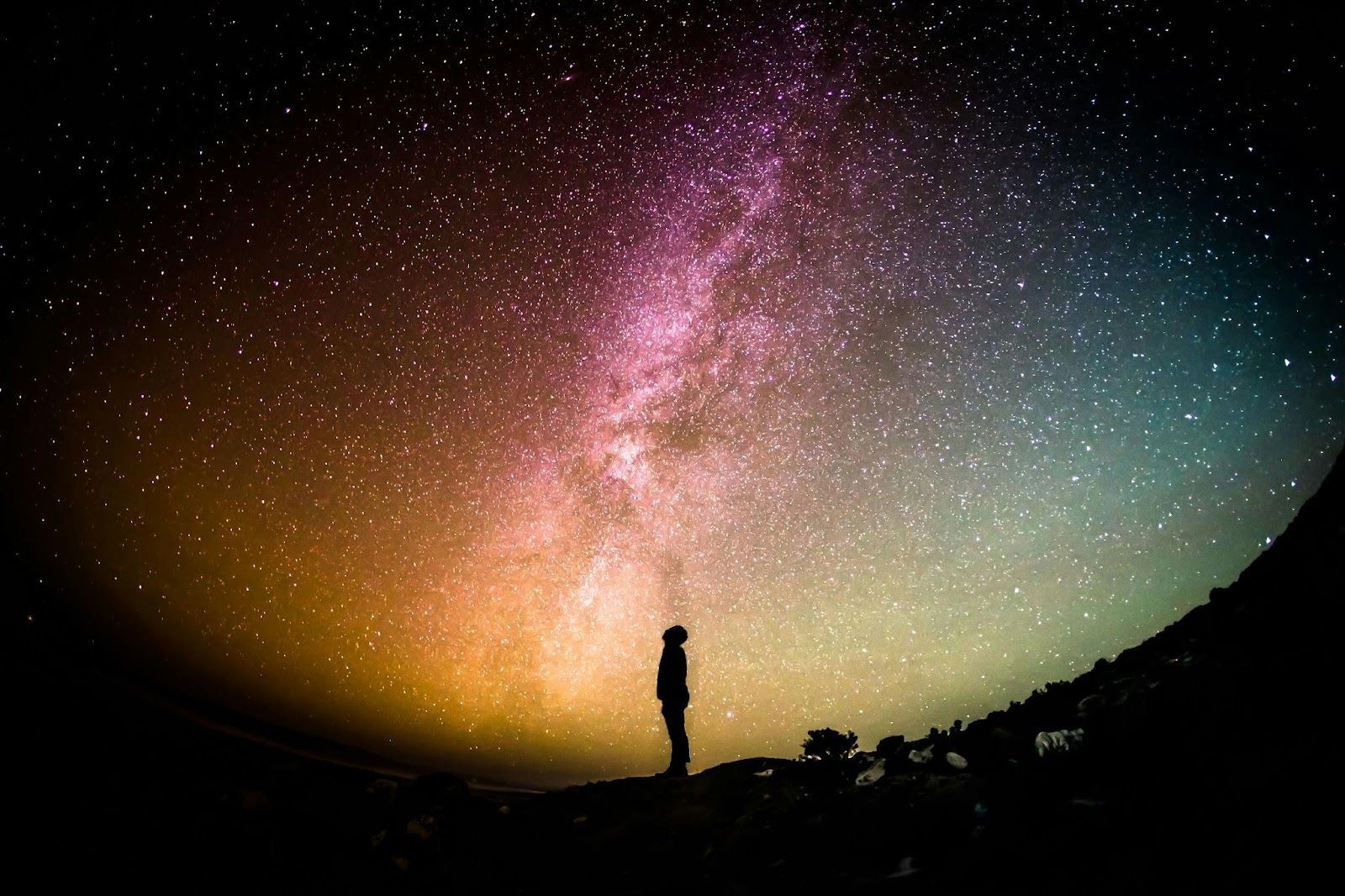

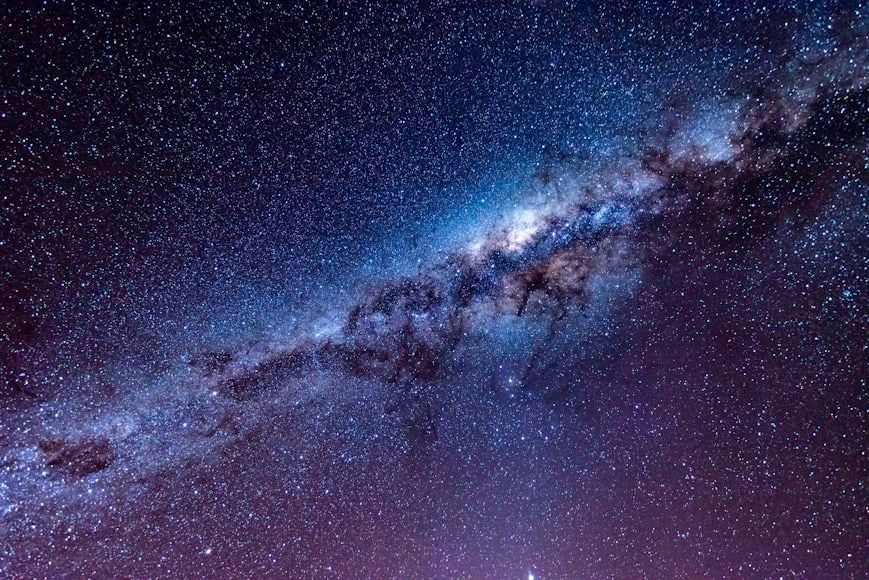
Image: Greg Rakozy

Did you know that everything we know about the universe makes up only about 5% of it? Even so, there’s still much that might surprise you. On some planets, a year is shorter than a day, while on others it can literally rain diamonds. From the smell of comets to the color of Mars’ sunsets, here are 10 incredible facts about the universe you probably didn’t know.

1

It's raining diamonds

Image: Bas van den Eijkhof

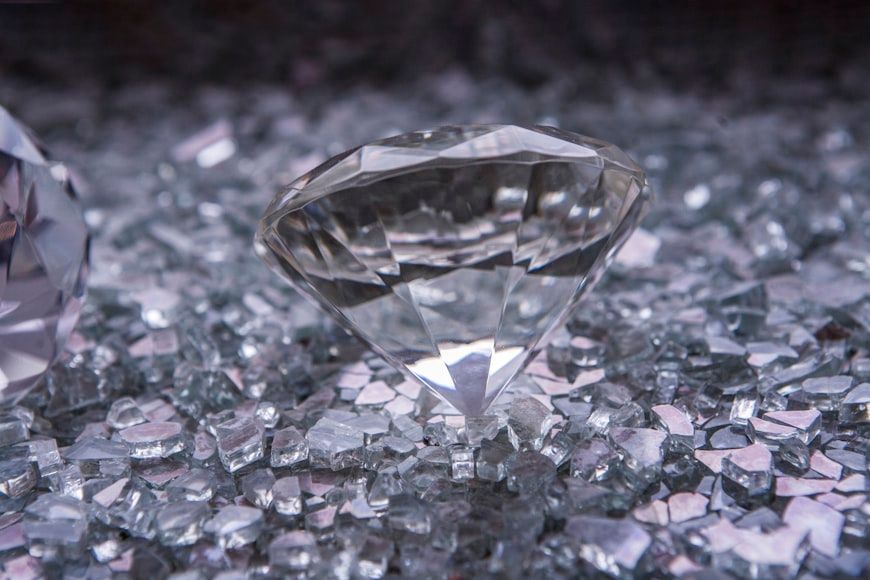
Perhaps if the Weather Girls had been born on Neptune or Uranus, their famous hit might have had a very different title, because something extraordinary may happen on these planets: it can rain diamonds! The immense pressures in their atmospheres can compress carbon into diamond crystals, which then sink deeper into the planets’ interiors.

2

The Moon upside down

Image: Ganapathy Kumar

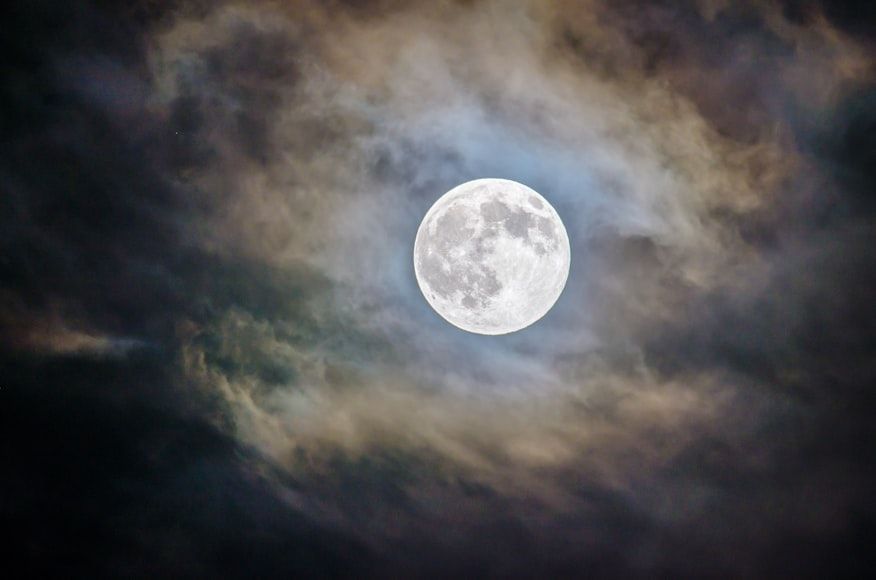
If you are reading this at night, step out into your backyard and take a look at the Moon. While we often assume everyone sees the Moon the same way, that’s not true. In fact, the Moon appears "upside down" in the Southern Hemisphere. This happens because your perspective changes relative to the Moon: in the Northern Hemisphere, you’re viewing it from "above" the equator, while in the Southern Hemisphere, observers see it from "below."

3

Saturn could float in water

Image: Planet Volumes

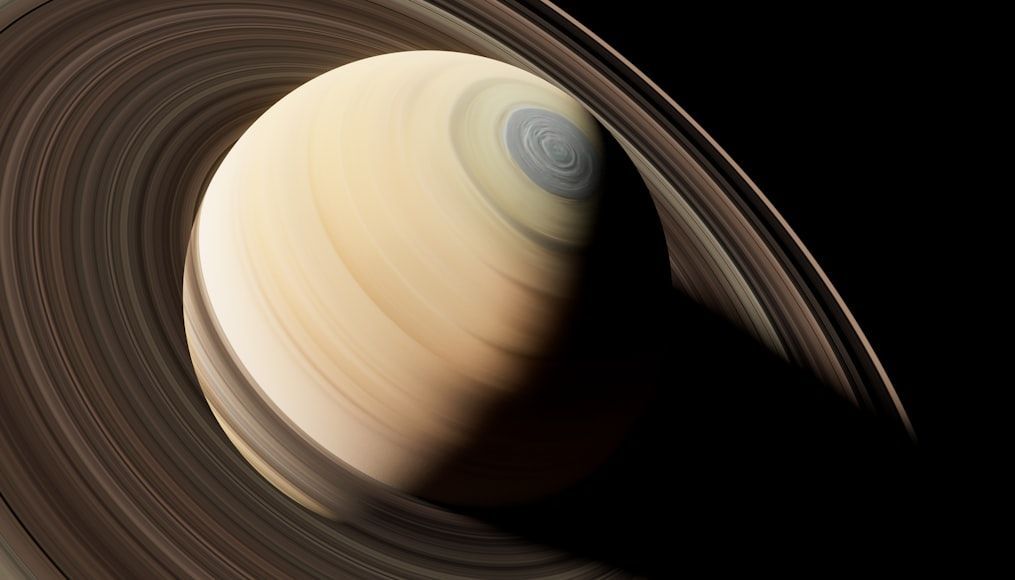
Saturn, the second-largest planet in our solar system, has a diameter of about 74,897 miles, making it roughly nine times wider than Earth. Surprisingly, it’s theoretically possible for Saturn to float on water... if only you could find an ocean big enough! This isn’t because of its size, but because of its composition: the planet is mostly made of hydrogen and helium, extremely light gases that make Saturn less dense than water.

4

Things from space smell

Image: NASA

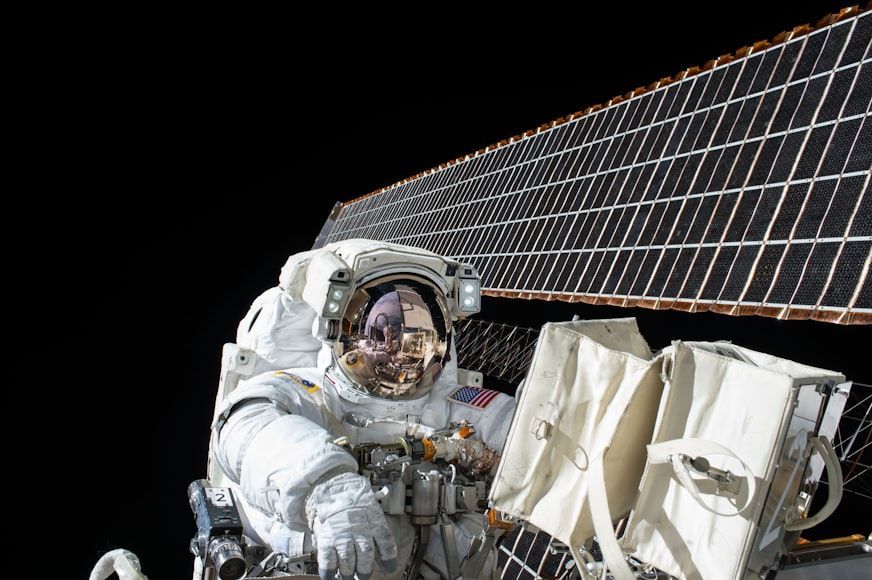
Remember that time you got distracted and the steak on the stove got a little burnt? Surprisingly, the smell in your kitchen isn’t too different from what astronauts report after spacewalks. Scientists have noticed that objects returning from space, especially those exposed to the vacuum outside the spacecraft, carry a distinctive odor often described as burnt steak or welding fumes.

5

A very long day

Image: NASA

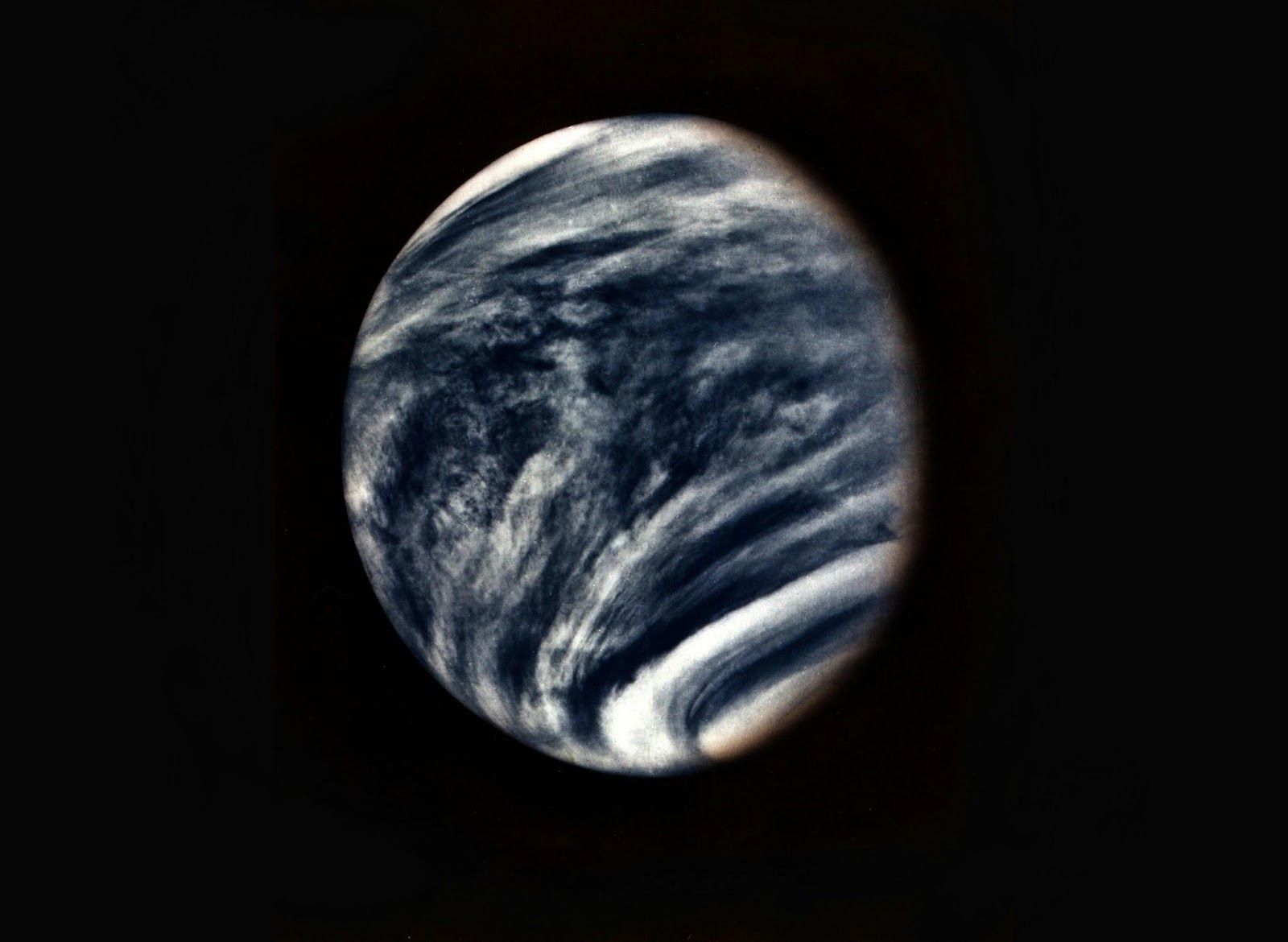
It takes Earth about 365 days to orbit the Sun, which is why our year is that long. A day, on the other hand, lasts just 24 hours because that’s how long it takes Earth to complete one full rotation on its axis. But on Venus, things work very differently. A single day on Venus (the time it takes to rotate once on its axis) is about 243 Earth days, making its rotation extremely slow. Surprisingly, a year on Venus is shorter than its day, because it only takes about 225 Earth days for Venus to orbit the Sun. Incredible, isn’t it?

6

All of them

Image: NASA

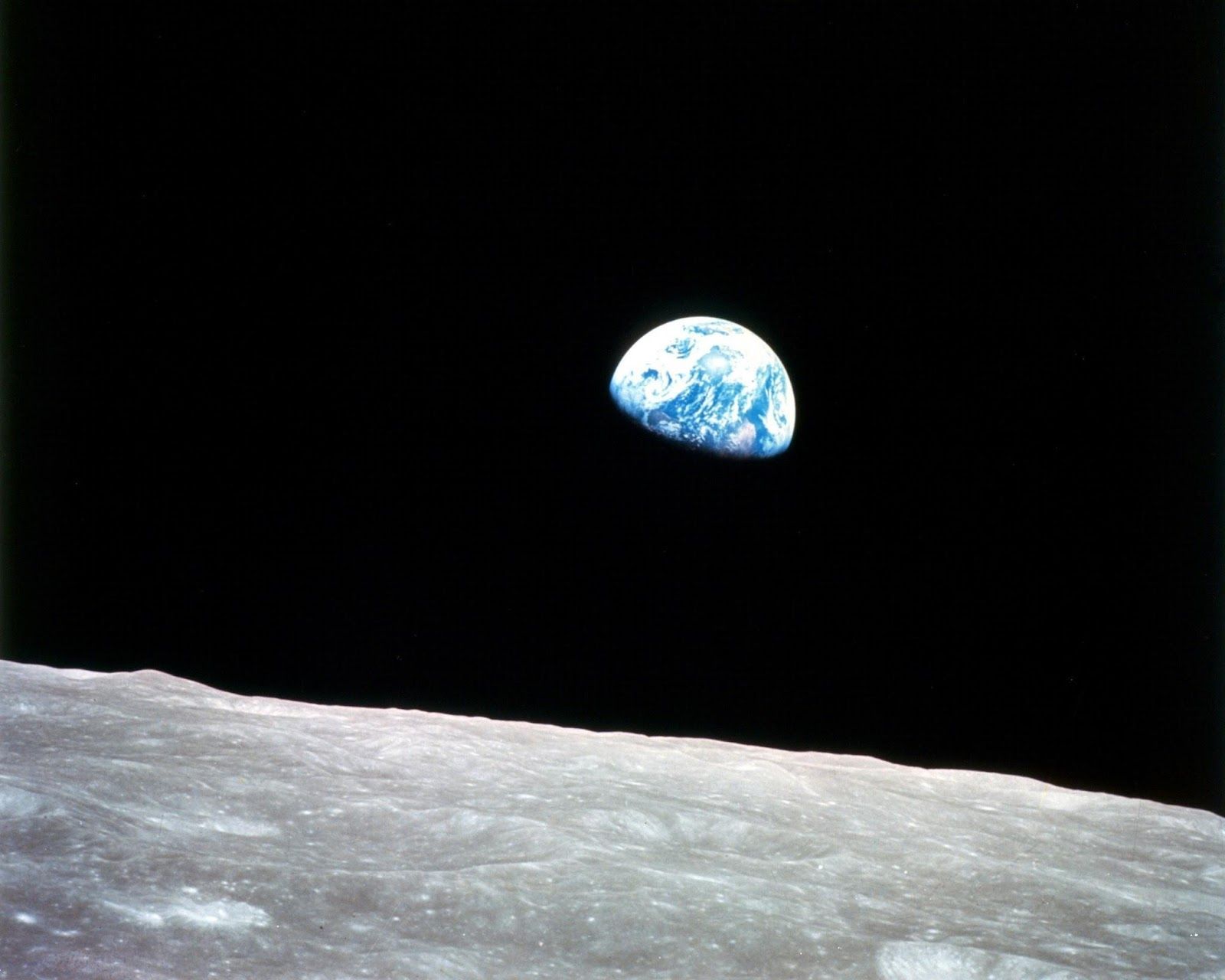
Since we see the Moon in the sky nearly every night, it’s easy to forget that it’s a giant rock floating far away in space. In fact, the distance between Earth and the Moon is about 238,900 miles, so vast that, in theory, you could line up all the other planets in our solar system across that gap!

7

Sunset on Mars is blue

Image: Planet Volumes

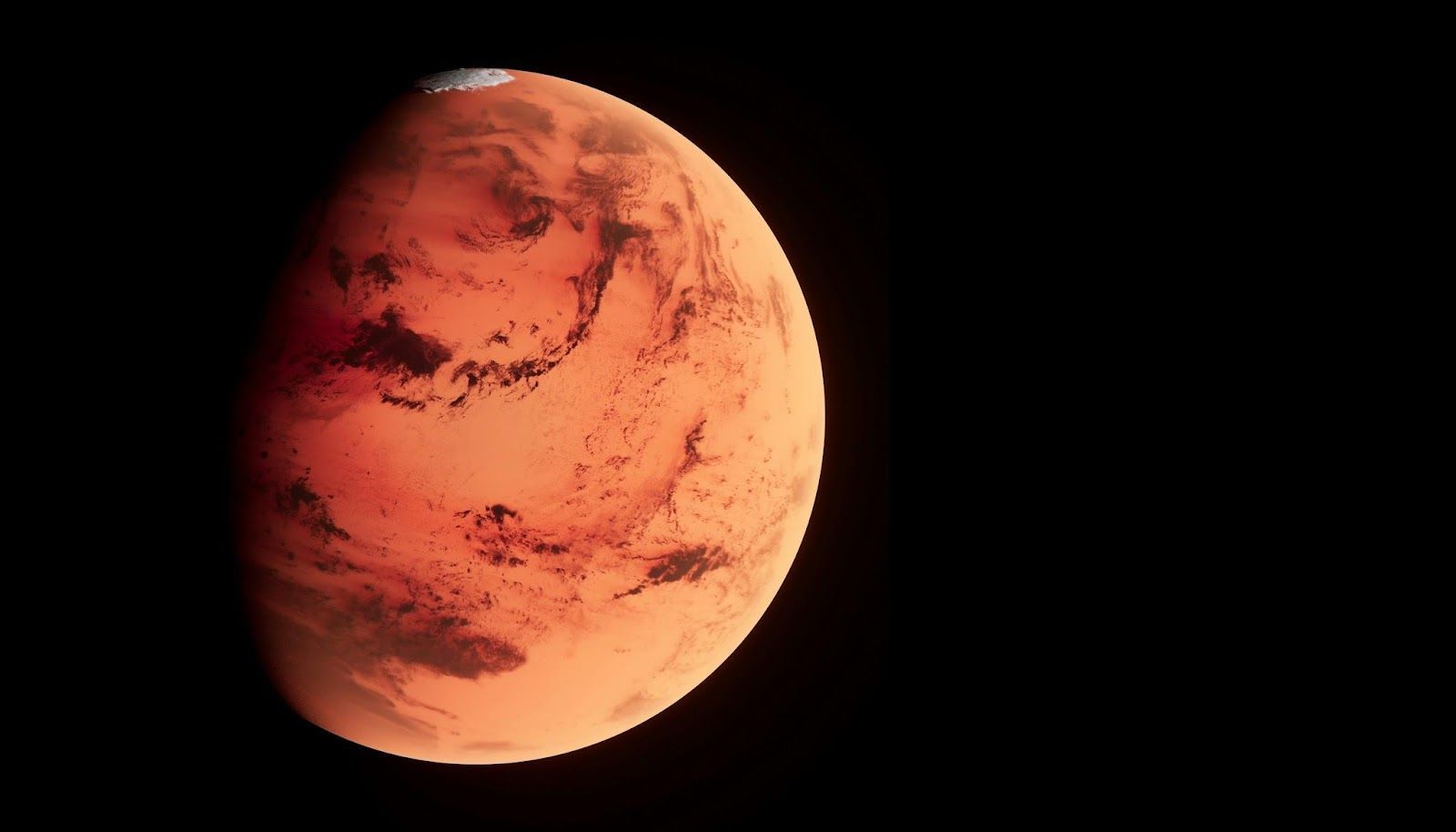
Mars is famously called the "Red Planet" because its surface is covered in iron oxide (rust), giving it a reddish appearance from afar. But if you were standing on Mars at sunset, you’d get a surprise: unlike Earth’s warm orange, gold, and pink hues, Martian sunsets appear blue. This happens because the planet’s thin, dusty atmosphere scatters sunlight differently, allowing blue light to dominate near the Sun at sunset.

8

Rotten eggs in the sky

Image: Justin Wolff

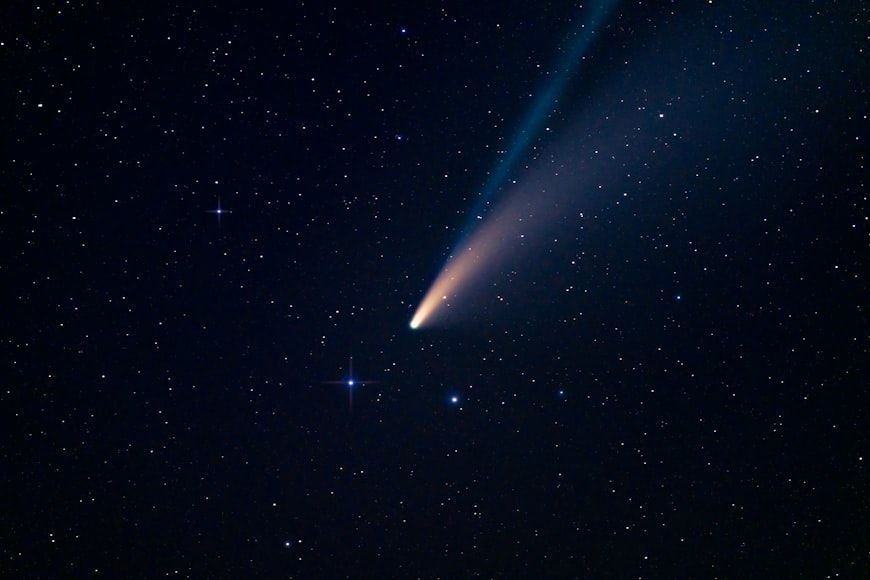
Comets, made of ice, dust, and frozen gases, are truly spectacular to see. But if you could smell them, they might not be so pleasant. As a comet nears the Sun, its ices sublimate, turning directly from solid to gas and releasing various compounds. Among these are sulfur-containing gases, which give off a strong rotten-egg smell.

9

More stars than grains of sand

Image: Graham Holtshausen

Scientists can estimate the number of stars in the universe using observations and projections. Astronomers observe a small patch of the sky, count the galaxies and stars there, and then extrapolate those numbers to the entire observable universe. While Earth has an incredible number of sand grains, these calculations suggest that there are far more stars than grains of sand. If you're not impressed yet, remember that many of those stars are much larger than any planet!

10

There are more trees than stars!

Image: Geranimo

If the last fact shocked you, this one will totally blow your mind. While our galaxy has far fewer stars than the entire observable universe, you might be surprised to learn that trees on Earth actually outnumber the stars in the Milky Way. That’s right! Scientists estimate there are roughly 3 trillion trees on our planet, while the Milky Way contains only about 100 to 400 billion stars.


What science says

It was false after all: 10 health myths that sound true—but aren't


Published on April 5, 2026


Image: Alicja Gancarz

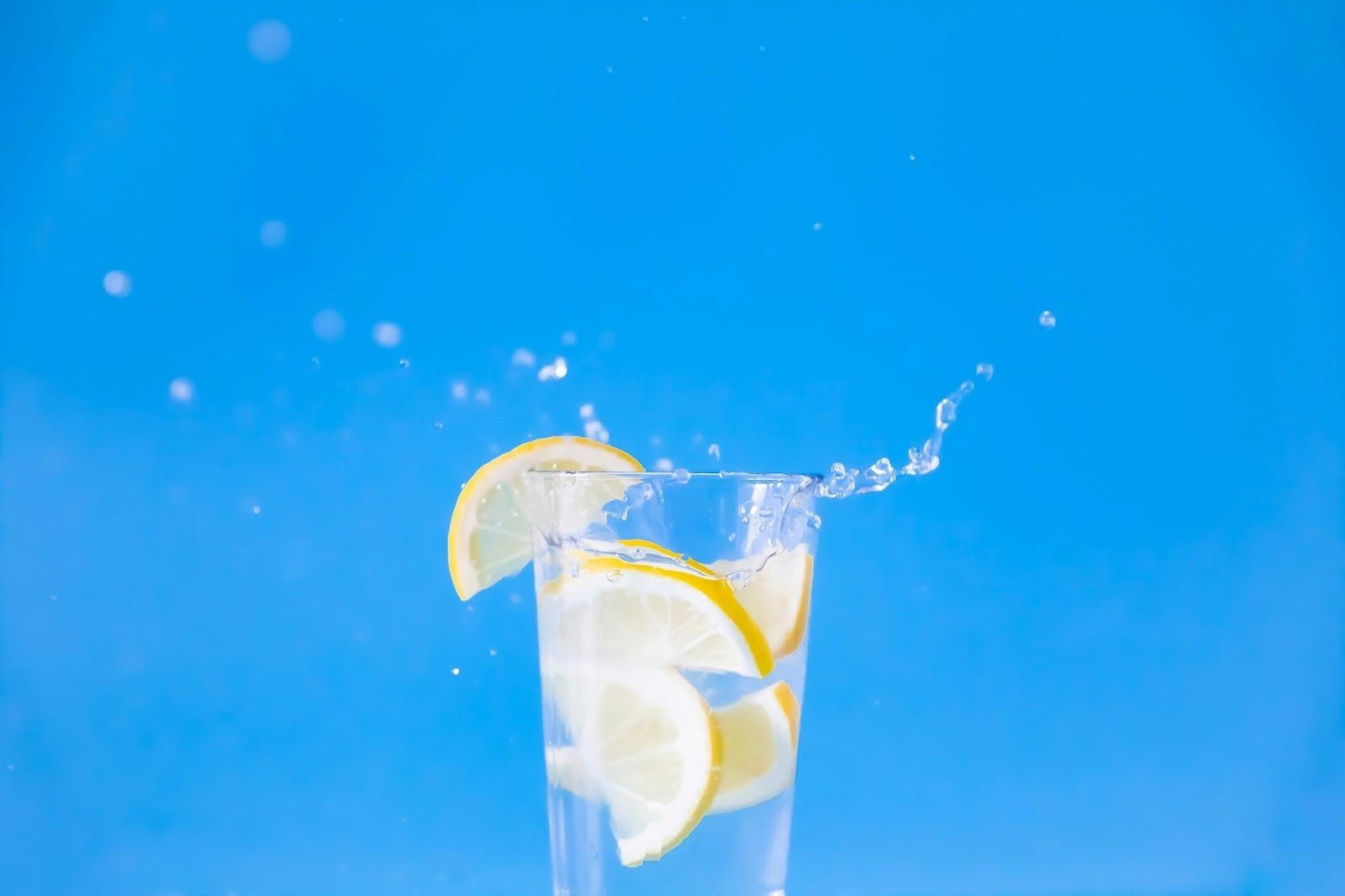
Health myths are everywhere! These ideas were simply passed down for so long that they became part of what we believed. But now science has stepped in to clear things up. Does cold weather make you sick? Can lemon detox your body? Is reading in low light really harmful? Let's uncover the truth behind 10 common health myths!

1

Cutting your hair makes it grow faster

Image: Element5 Digital

Have you ever been told that cutting your hair will make it grow faster? We're sorry to say that's just a myth. Hair grows from the root, not the ends. So, trimming it won't boost growth, though it does help remove split ends that can make your hair look dry or unhealthy.

2

Cold weather causes colds

Image: Thom Holmes

This is one of the most common health myths. Cold weather often gets blamed, but it's not the temperature that makes you catch a cold. During winter, we tend to stay indoors with others and keep the windows closed, an environment that makes it easier for viruses to spread. That's why colds tend to be more common in winter!

3

Eating before bed makes you gain weight

Image: Michelen Studios

The idea that eating before bed automatically leads to weight gain is a myth. In reality, it has more to do with what you eat and how much, rather than the time of day. Often, when we eat very late at night, we're tired and more likely to reach for quick, high-calorie, heavy foods. This can disrupt sleep and lead to consuming more calories than we burn, both of which may affect weight. If it's close to bedtime, it's better to have something light and healthy in a moderate portion than to skip a meal altogether.

4

Wearing glasses weakens your vision

Image: Bud Helisson

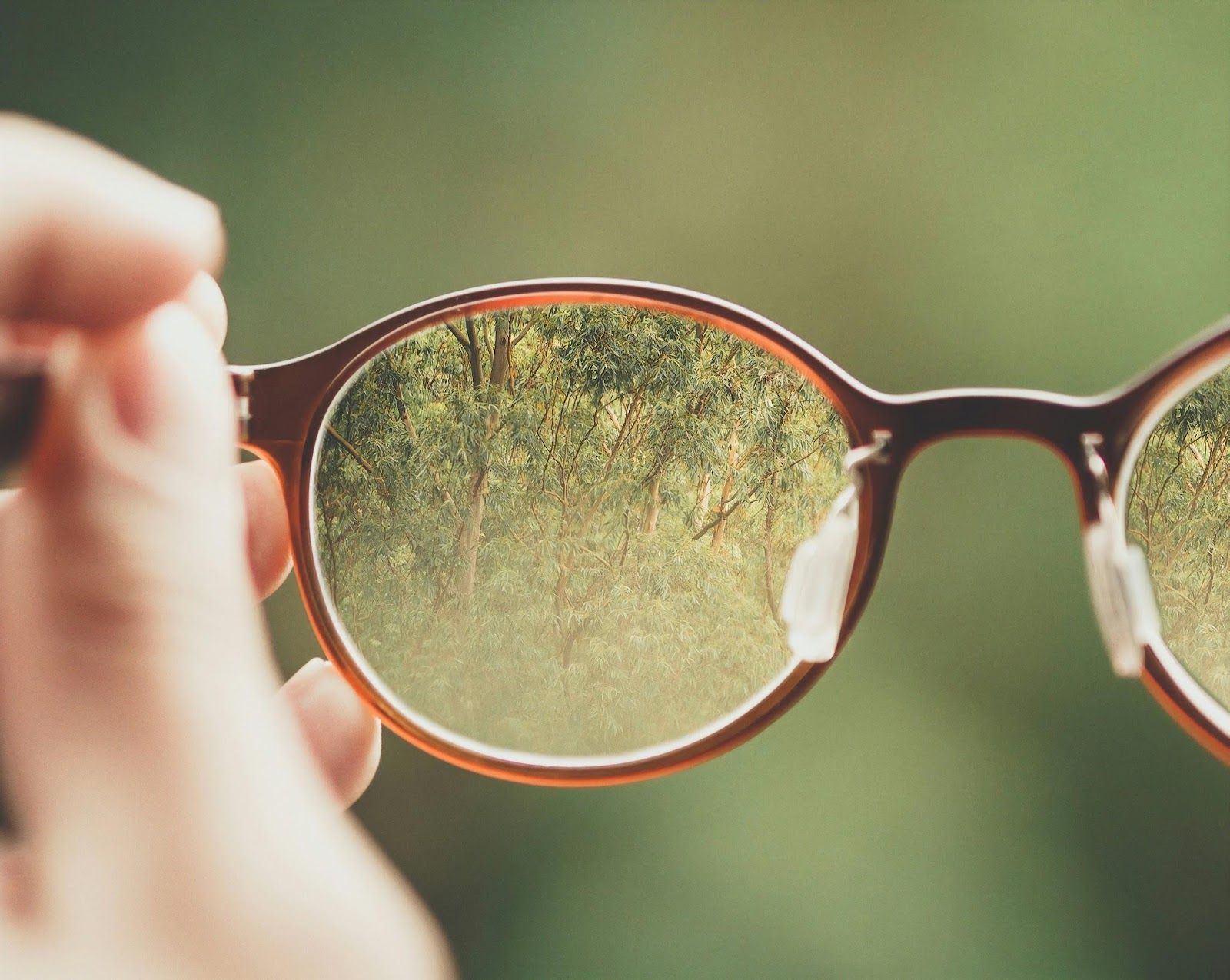
Does wearing glasses weaken your vision? Myth! If an eye doctor prescribes glasses, wearing them as directed helps correct your vision; it won't make it worse. Additionally, the right glasses can help prevent or reduce headaches caused by reading or spending long hours in front of a screen.

5

Reading in low light causes permanent eye damage

Image: Amir Balam

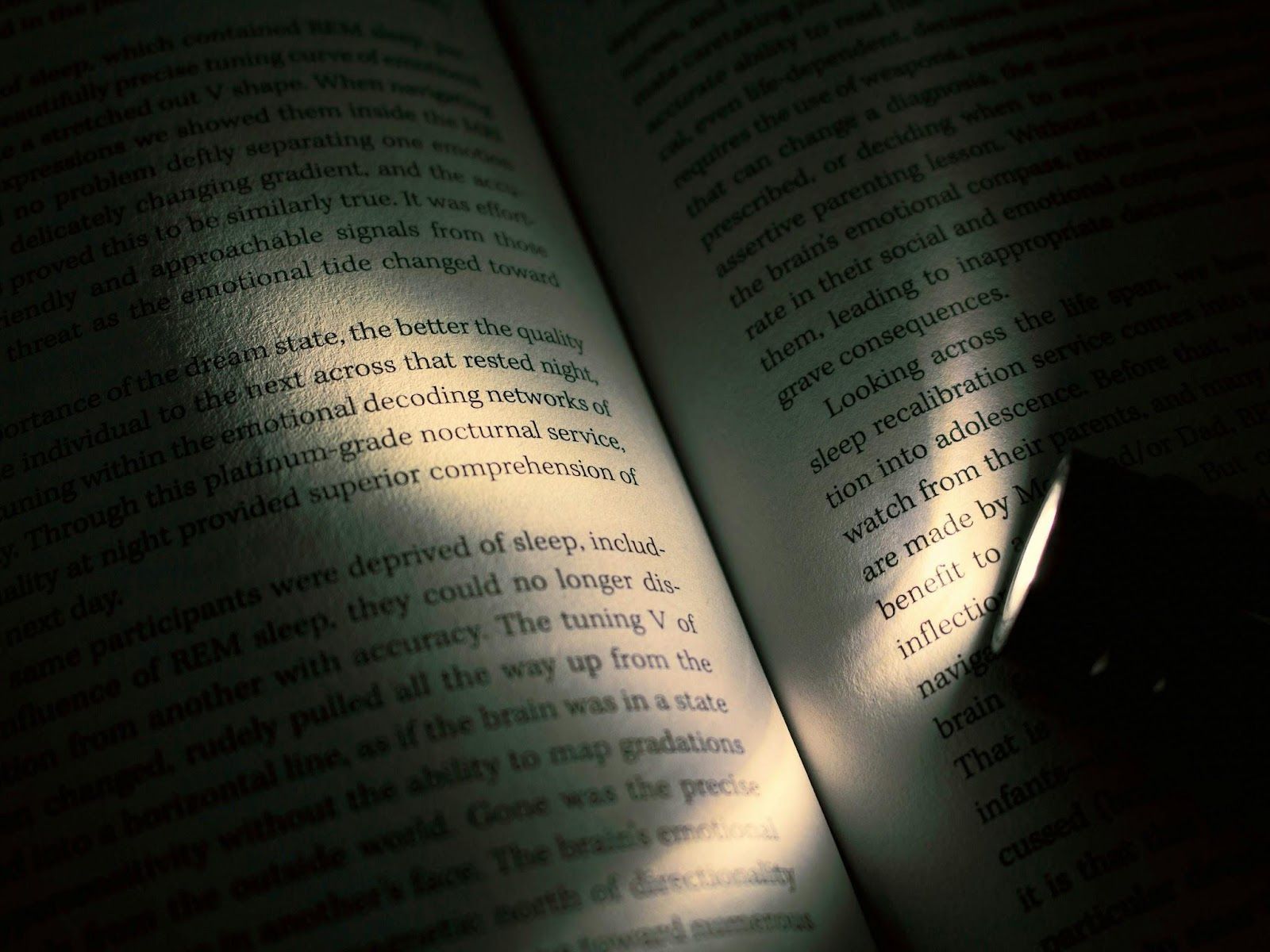
This myth is closely related to the previous one. If you love reading and sometimes have to do it in low light because of the situation, don't worry. According to experts, reading in low light doesn't cause permanent or irreversible eye damage. However, it's not recommended because it can make your eyes feel tired or strained, leading to discomfort or headaches.

6

You need to drink 8 glasses of water a day

Image: engin akyurt

We're all different, and so are our bodies. The idea that everyone should drink exactly eight glasses of water a day is more of a general guideline than a rule. Staying well hydrated throughout the day is extremely important, but how much water you need depends on factors like your weight, age, climate, and overall health. We should prioritize staying consistently hydrated instead of obsessing over the number of glasses we drink.

7

Lemon water detox and cleanse your body

Image: Tirza van Dijk

Some people say drinking lemon water helps eliminate toxins and cleanse the body. While adding a slice of lemon to your water is a refreshing way to stay hydrated, it doesn't have any special "detoxifying" powers. The vitamin C in citrus fruits is beneficial, but the body has its own natural detox system. The liver and kidneys are the main organs that filter waste and eliminate toxins.

8

All fat is bad

Image: Aneta Voborilova

Not all fats are bad! Just like other food groups, your body needs fats to function properly. The important thing is knowing the difference between healthy fats and those that can be harmful. Foods like avocados, seeds, olive oil, fish, and nuts are rich in healthy fats. On the other hand, the fats found in processed or fried foods are the ones that can have a negative impact on your body.

9

Liver disease is always caused by alcohol or fats

Image: Elevate

Liver diseases can be serious. While heavy and frequent consumption of alcohol and fats is a major contributor, it's not the only cause. Liver problems can also result from many other factors. These include viral infections, autoimmune diseases, genetic disorders, high blood pressure, and exposure to certain chemicals.

10

Breakfast is the most important meal

Image: Brooke Lark

There's some truth to it: breakfast is important because it replenishes our glucose and energy levels and supports proper metabolism. However, the idea that it's the most important meal of the day might be an exaggeration. Everyone's body has different needs, and all meals are important, so we shouldn't skip any of them!

Looking for an extra scoop of literary fun?

Learn more with our Word of the day

feasible

/ˈfizəb(ə)l/