Potentially toxic

Choose your poison: Discover the 12 riskiest foods to eat


Published on June 13, 2025


Image: Elena Leya

Some foods can kill you. And no, we’re not referring to the usual suspects like refined sugars, fast food, and ultra-processed products. There are a number of foods that, despite their popularity and many health benefits, are capable of causing painful and unpleasant symptoms. From seemingly harmless potatoes to crunchy almonds, these tricky ingredients can put you in danger if undercooked or consumed in excess. Check out our list of 12 foods that, although commonly eaten, can be surprisingly dangerous.

1

Potatoes

Image: Couleur

Mashed, fried, or baked, potatoes offer endless possibilities. As one of the most commonly consumed vegetables in the U.S., they are as delicious as they are versatile. But not all potatoes are safe to eat. If you ever come across green or sprouted potatoes, be very careful.

Potatoes with green skin or sprouts can be dangerous due to naturally occurring toxic compounds: solanine and chaconine. These chemicals are produced by the plant as a defense mechanism against pests, but they can be highly harmful to humans. Symptoms of poisoning may include abdominal pain, diarrhea, fever, hallucinations, and even delirium.

2

Nutmeg

Image: Mareefe

Nutmeg is a spice native to Indonesia, widely used in cuisines around the world for its aromatic, warm, and slightly sweet flavor. Although it has some interesting health benefits, it’s important to consume it in moderation, as it can cause serious adverse effects, especially during pregnancy.

The component that makes nutmeg potentially dangerous is myristicin, a naturally occurring compound that affects the nervous system. In small doses, nutmeg is perfectly safe. However, in large amounts, it can cause symptoms ranging from dizziness, dry mouth, and nausea to convulsions and hallucinations. So just remember: to use it in moderation!

3

Rhubarb

Image: kaori nohara

Rhubarb is incredibly easy to grow at home and is often used to make delicious desserts. Who can resist a slice of warm rhubarb tart paired with a scoop of vanilla ice cream? But like all good things, it should be enjoyed in moderation.

You should be especially careful with rhubarb because the green leaves attached to the tasty stalks contain a toxic compound. Specifically, oxalic acid, which in large quantities causes nausea and kidney problems. Although you would have to eat a very large portion of the leaves to die, it is best to avoid them.

4

Raw cashews

Image: sarangib

Consuming raw cashews straight from the tree can be very risky. This nut we all love contains urushiol, an oil also found in poison ivy, which can cause serious health issues, including skin reactions, gastrointestinal discomfort, swelling, and blistering.

While allergic reactions to urushiol are relatively common, especially in the U.S., ingesting it in large amounts can be dangerous and even fatal. But don't worry; the cashews we normally buy in the supermarket have been thoroughly treated to remove the poison. Just stay away from the trees!

5

Tomatoes

Image: Tom Hermans

At first glance, tomatoes seem harmless. We use them in everything from salads to soups and sauces. However, some parts of the tomato plant can be dangerous. Specifically, the leaves, roots, and stems contain a chemical called tomatine, a glycoalkaloid that can cause abdominal pain, vomiting, confusion, drowsiness, and even depression.

Fortunately, moderate amounts of tomatine don’t typically cause toxic effects in humans. You’d have to eat more than a pound of tomato leaves for it to become truly life-threatening. Interestingly, when properly cooked, tomato leaves can be used to enhance the flavor of certain recipes.

6

Cinnamon

Image: Pixabay

Cinnamon is one of the most used spices in the culinary world, and it is also valued for its medicinal properties, which have been used since ancient times. However, despite its many benefits, it is important to be careful, as consuming cinnamon in excess can be harmful.

In particular, the Cassia variety of cinnamon can be toxic to the liver because it contains a compound called coumarin. This substance can cause direct damage to liver cells, leading to inflammation and necrosis. Some of the symptoms that may reveal liver damage from cinnamon are fatigue, pain in the liver area, jaundice, nausea, and vomiting.

7

Cassava

Image: Daniel Dan

Cassava —also known as _yuca_—is a root vegetable similar to the potato and is widely cultivated in tropical regions such as the Caribbean, Southeast Asia, and several African countries. It has high nutritional value and is a rich source of complex carbohydrates. However, cassava can be dangerous to our health if consumed raw or not cooked properly.

To ensure its safety, cassava should be peeled and soaked in water for 24 hours before cooking, as it contains a toxin that produces cyanide when metabolized in the body. Although acute poisoning is rare, prolonged consumption can cause serious nutritional and physiological issues, such as abdominal pain, nausea, vomiting, dizziness, and sleep disorders.

8

Rice

Image: Polina Tankilevitch

Have you ever heard of "fried rice syndrome"? The average American consumes about 27 pounds of rice per year, so calling this staple a potentially dangerous food might sound controversial. But don’t worry—you can still enjoy rice as long as you take a few precautions.

Raw rice may be contaminated with a spore-forming bacterium called Bacillus cereus, which can cause symptoms of food poisoning. To reduce the risk, make sure to cook rice thoroughly and avoid leaving it at room temperature for extended periods. Reheating won’t destroy the toxins produced by the bacteria, so proper storage is key to staying safe.

9

Bitter almonds

Image: Nacho Fernández

Who doesn’t like almonds? Widely used in cooking and baking, almonds have been one of the most popular nuts in the world for centuries. While so-called "sweet" almonds are perfectly safe, "bitter" almonds can be dangerous, even though they have the strongest scent and most intense flavor.

The compound that makes bitter almonds toxic is amygdalin. When metabolized, amygdalin releases cyanide, making these nuts potentially deadly to humans. To be safe, bitter almonds must be processed to remove the poison. In fact, in the United States, it’s illegal to sell raw bitter almonds. Did you know that?

10

Eggplant

Image: Kathas_Fotos

Eggplants have their fans and detractors. Whether you like them or not, eating this vegetable is very beneficial for your health due to its high fiber and antioxidant content. But did you know that raw or undercooked eggplants can sometimes cause unpleasant symptoms?

Eggplants contain a chemical called solanine, which can be toxic in large amounts and may cause headaches and digestive issues. But it's not all bad news. Solanine evaporates with heat, so a well-prepared, ripe eggplant is perfectly safe to eat.

11

Castor oil

Image: gokalpiscan

Castor oil is a vegetable oil used for culinary, cosmetic, and medicinal purposes. The castor plant is native to the Mediterranean, North Africa, and India, where communities have used its oil as a laxative and to stimulate childbirth for millennia. Today, the food industry uses castor oil as an additive in chocolates, candies, and various food supplements.

While castor oil offers numerous health benefits, consuming it in large quantities can be harmful. It’s important to note that ricin, a highly toxic poison, is found in the castor bean but not in the oil itself. However, improperly processed castor oil may contain traces of ricin. In fact, studies show that taking it constantly can cause irritation and severe damage to the intestinal lining.

12

Mushrooms

Image: Rach Sam

Mushrooms are a very delicious and versatile ingredient often used in cuisines all over the world. In nature, there are many varieties of mushrooms, but only some are edible, while others can be highly poisonous.

Consuming certain wild mushrooms can cause severe poisoning and even death within a few hours. Typical symptoms of wild mushroom poisoning include abdominal pain, nausea, vomiting, dizziness, and diarrhea. If you or someone you know accidentally eats a wild mushroom and develops any of these symptoms, you should go to the nearest hospital as soon as possible.
Decoding

Being a "treasured guest" is not a compliment. This is the hidden meaning


Published on June 13, 2025


Image: Hitesh Choudhary

Have you ever heard "Code Adam" while shopping for groceries at Walmart? Or maybe you’ve heard how "Dr. Firestone" was being paged during a routine hospital visit. They sound like harmless announcements. But behind these ordinary words are secret codes staff use to signal emergencies without causing panic. From hospitals and supermarkets to airports and Disney Parks, these phrases quietly warn employees that something is happening. You hope you never hear them, but if you do, it helps to know exactly what they mean.

1

Treasured guest

Image: Helena Lopes

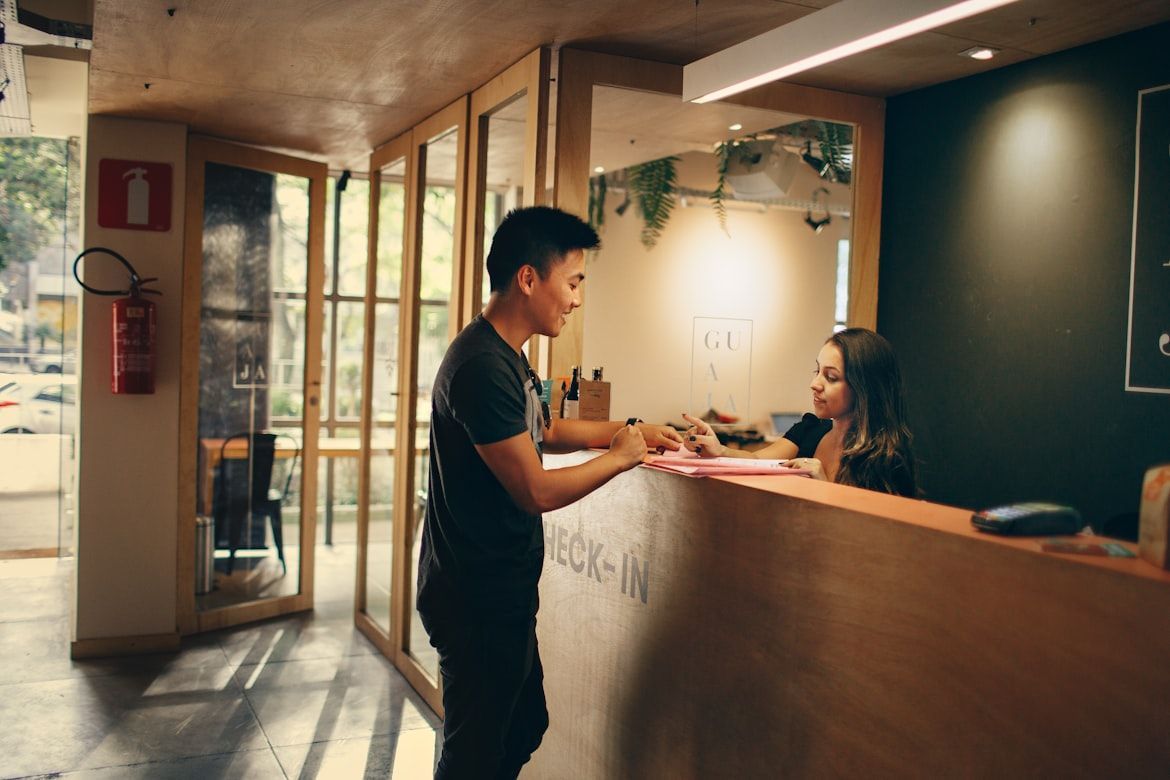
We all love getting special attention at airports or hotel desks, but if you hear the clerk call you a "treasured guest," don’t feel so flattered. You may not be as VIP as one could think.

In the hospitality industry, "treasured guest" has become a humorous bit of industry folklore to describe someone causing trouble. Maybe a customer yelling at staff over expired coupons, demanding impossible accommodations, or throwing a full-blown tantrum at the front desk. Whatever it is, the phrase has become the staff’s secret way to warn co-workers without escalating the situation in front of the customers. Most guests don’t realize the meaning, but once you know it, you may start hearing it more often. We just hope it’s not about you.

2

Code Adam

Image: Karsten Winegeart

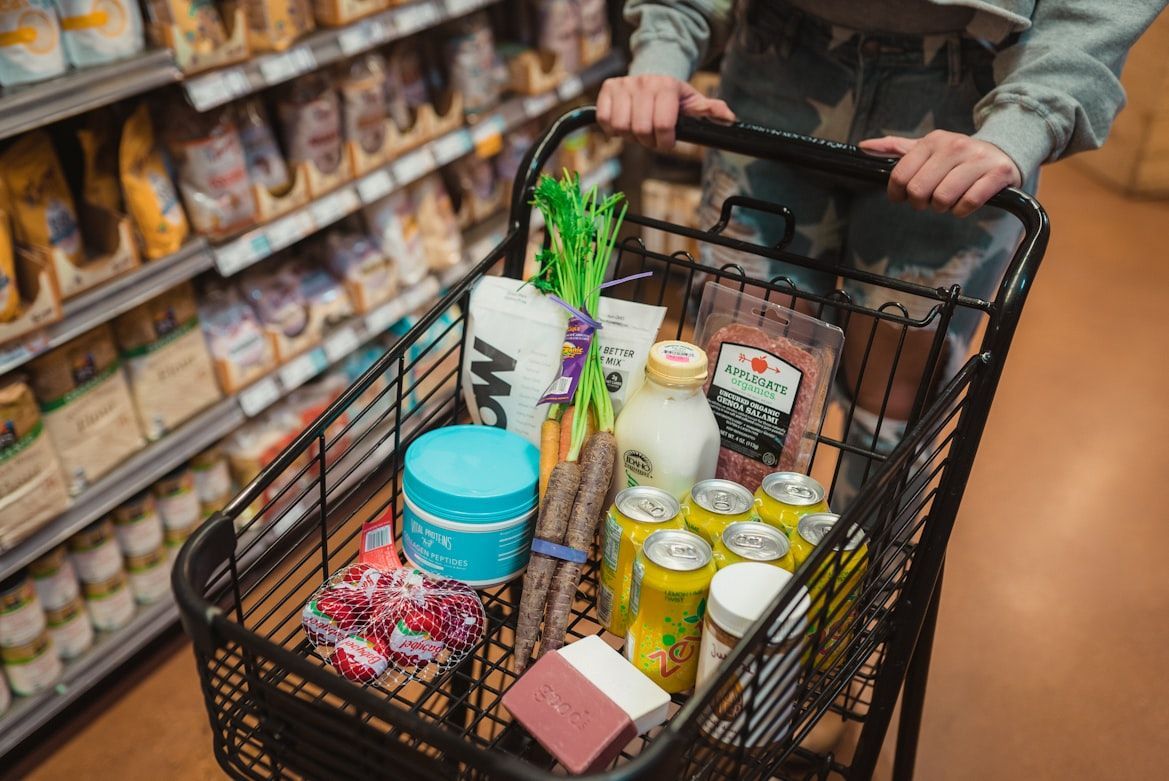
Imagine you’re pushing a shopping cart through Walmart when suddenly the overhead speaker announces, "Code Adam." You can easily assume it’s some kind of employee meeting or cleanup request. But when you see them start locking the exits and moving around, you know something’s wrong.

This code was created in 1994 by Walmart in collaboration with the National Center for Missing & Exploited Children (NCMEC), in memory of the tragic case of 6-year-old Adam Walsh. Adam was abducted from a Sears department store in 1981 while shopping with his mother. His father, John Walsh, later became famous for hosting the TV program America’s Most Wanted and advocating for missing children. Even if Adam’s story ended in tragedy, Walmart created the emergency system in Adam’s memory, and other retailers soon adopted it nationwide, intending to have a quick response to missing or abducted children.

3

Code Blue

Image: Günter Valda

You’re sitting in a hospital waiting room during a routine check-up when you suddenly hear "Code Blue, Room 214." Most people immediately know it sounds serious, even if they are not entirely sure why.

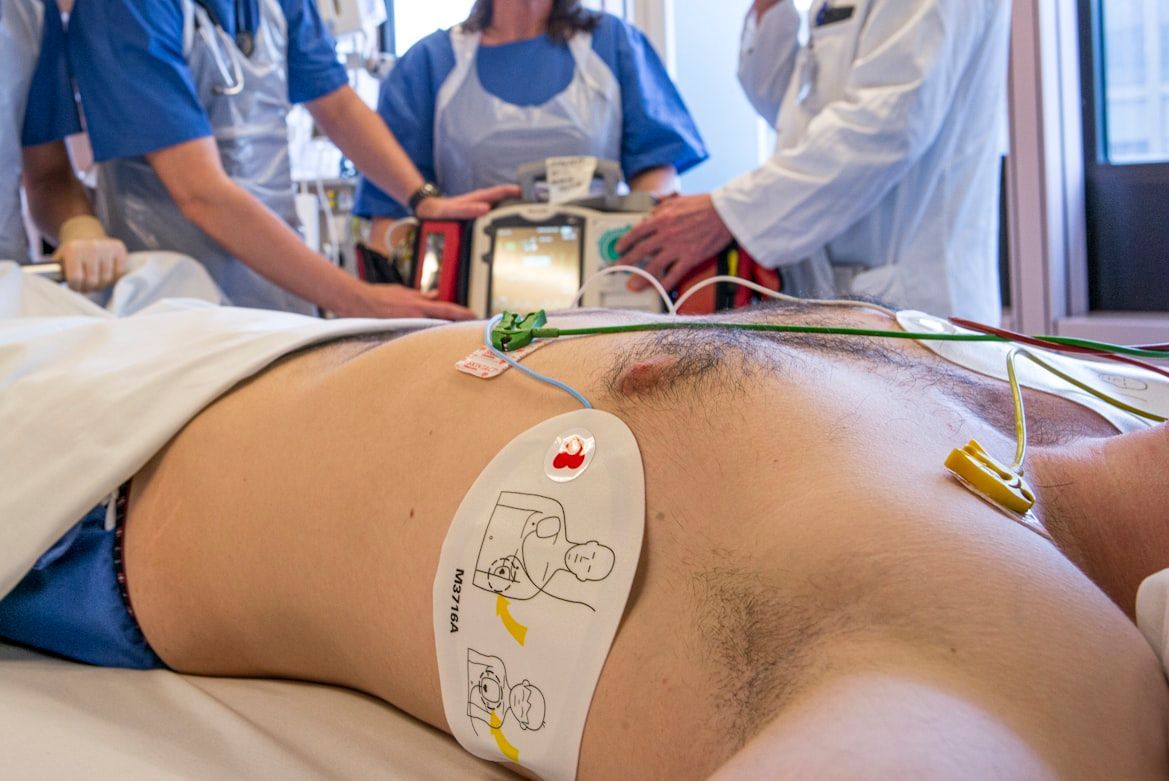
The phrase "Code Blue" is used at hospitals to draw the necessary staff and equipment to perform a resuscitation. It was created in the early 1960s at Beathany Medical Center by Dr. Hughes Day. Before then, hospital resuscitations were often chaotic and poorly coordinated. In 1961, Dr. Day received a grant to build one of America’s first cardiac care centers, and he developed both the Code Blue alert system and the modern crash cart to improve survival rates during cardiac emergencies. Today, the system is used in hospitals across the country, sometimes with specialized versions like "Code Blue Pediatric" or "Code Blue Neonate."

4

Dr. Firestone

Image: Cdn Pages

Imagine visiting a loved one in the hospital when the intercom calmly announces, "Paging Dr. Firectone to the third floor." Your head surely goes, "Dr. Firestone’s probably having a busy day up there." He is, but it’s not what you think.

The phrase is actually a discreet fire alert used to warn staff about smoke, flames, or overheating equipment without frightening patients and visitors. Hospitals adopted these coded announcements after realizing that openly yelling "fire" over loudspeakers could create panic, especially among patients who aren’t able to move quickly. "Code Red" is an alternative used by many health centers today, but it also hints at the situation while keeping hallways calm.

5

Code 10

Image: Blake Wisz

You’re standing at a checkout counter when the cashier picks up the phone and quietly says, "I need a Code 10 authorization." If you think that’s just another way to get a supervisor’s approval or technical issue, think again. In reality, the cashier may suspect the credit card is stolen or fraudulent.

Code 10 was developed through a cooperative effort between major credit card companies like Visa and Mastercard, along with international standard organizations. As credit cards became more common in the 1960s and 1970s, stores needed a discreet way to alert banks about suspicious activity without directly accusing customers and potentially putting employees at danger. When a cashier requests a Code 10, the bank’s operator begins asking yes-or-no questions to assess the situation and guide the employee on what to do next.

6

Code Bravo

Image: CDC

You’ve probably experienced those long airport security lines. The wait is usually uneventful. But sometimes, you can hear "Code Bravo" over the speakers. Maybe it’s a delay, or maybe it’s an issue with luggage. Within seconds, people stop moving, the security line freezes, and exits may even close. It’s something bigger.

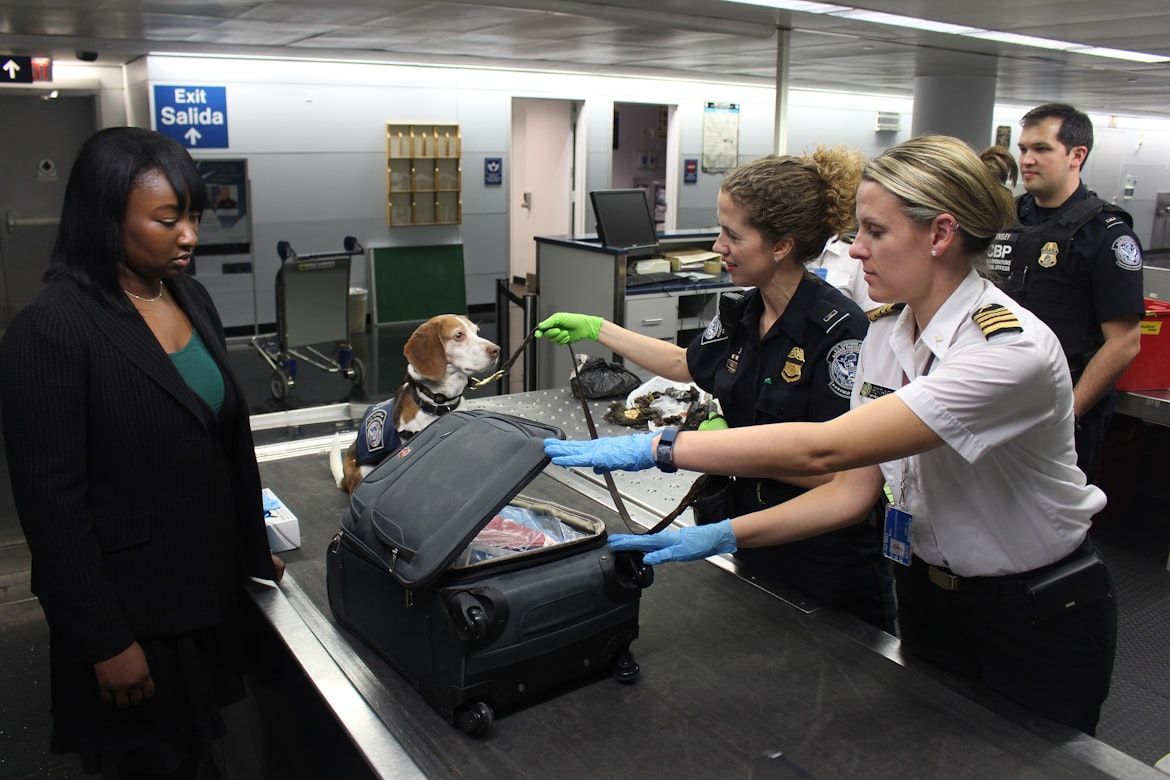
Code Bravo is the emergency phrase used by airport security and the Transportation Security Administration to signal a serious security threat, such as an unattended bag, a breach at a checkpoint, or someone slipping into a restricted area. The term comes from the international phonetic alphabet used in aviation and military communications, where "Bravo" represents the letter B. When this is called, security staff immediately lock down affected areas, stop screening lines, and search for the source of the threat. To passengers, it’s sudden and confusing, but to security, it’s a carefully rehearsed response.

7

Code Alpha

Image: Navy Medicine

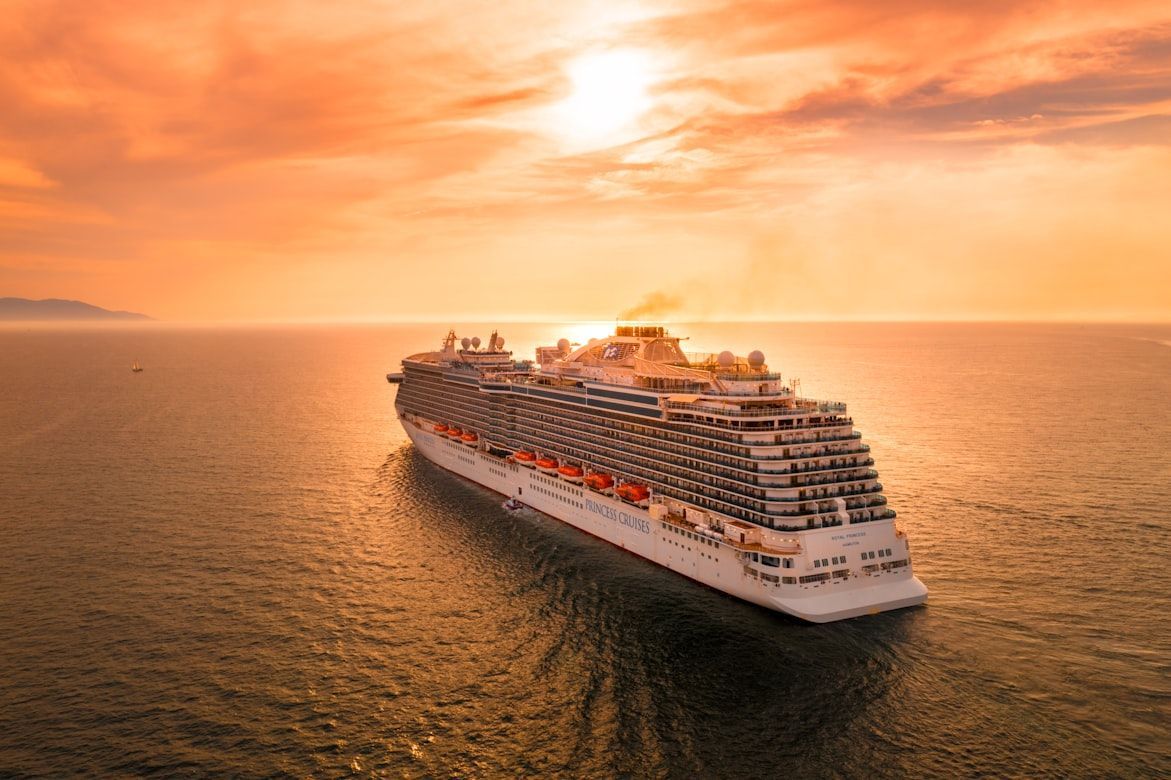
You are heading back to your cabin on a cruise ship when the speakers announce, "Code Alpha, Deck 7." You may think Alpha is related to the captain, but that’s not the case. It means someone on board is suffering a medical emergency.

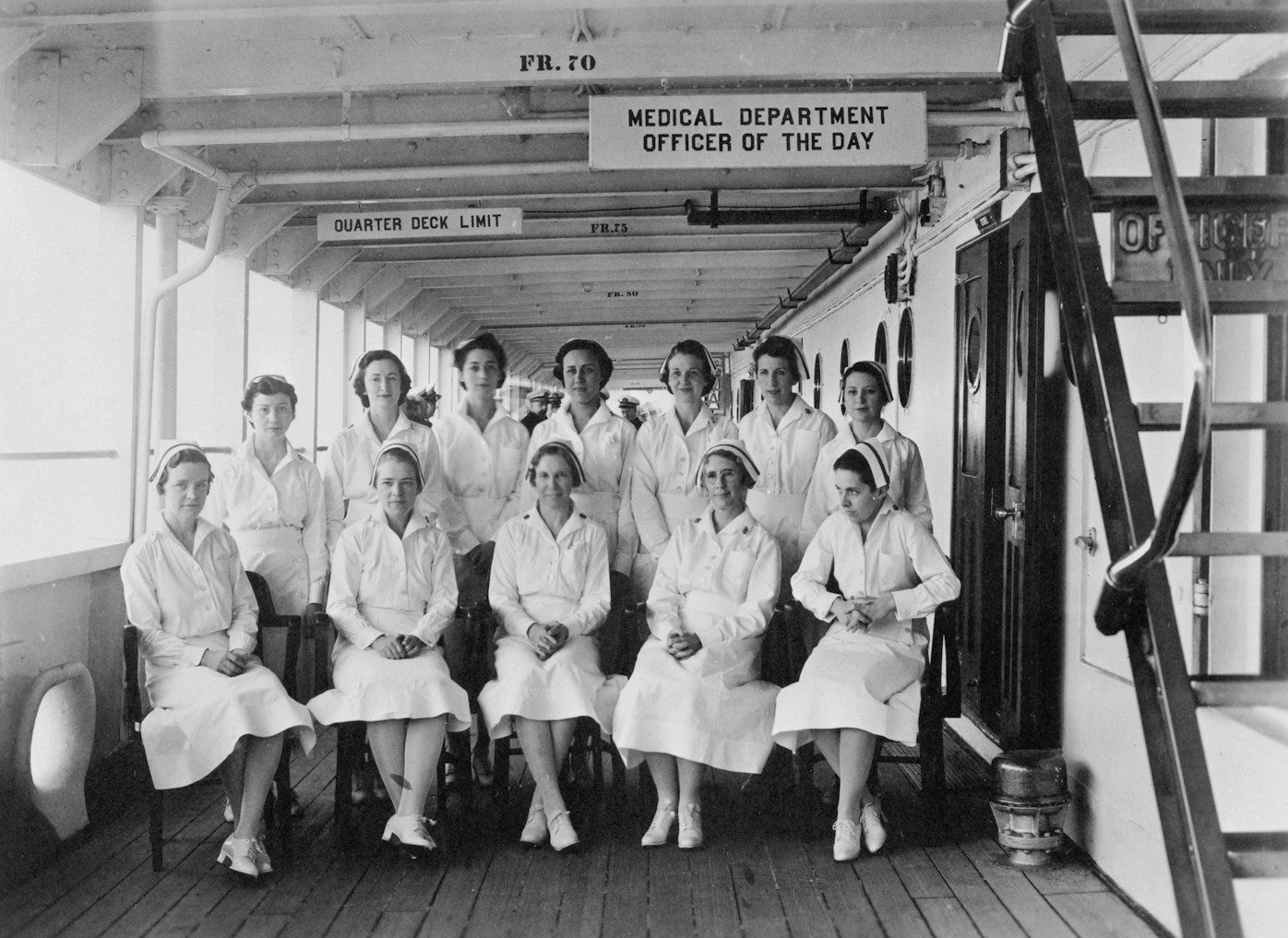
The phrase comes from the NATO phonetic alphabet, where "Alpha" represents the letter A. In maritime emergency jargon, it became shorthand for a Priority A medical situation requiring immediate response. Cruise lines such as Royal Caribbean and Disney Cruise Line commonly use the term, though some ships use variations like repeating "Alpha" three times. Once the code is announced, onboard medical teams rush toward the specified deck or cabin. If necessary, stretcher crews are mobilized, and in severe cases, the ship may even divert course toward the nearest port for emergency evacuation. Passengers are enjoying the views, but the staff is running to save a life.

8

10-33

Image: chris robert

Anyone who remembers the CB radio craze of the 1970s probably smiles when they hear "10-4." Movies, truckers, and radio fans turned those number codes into a part of American culture. So if you overhear "10-33" on a police scanner, you might assume it’s just another routine message. But it’s not as simple as it sounds.

The 10-code system was first created in 1937 by Illinois State Police communications director Charles Hopper and later standardized by the Association of Public Safety Communications Officials, better known as APCO. Officers needed short phrases they could understand clearly over crackling radio signals. The 10-33 code commonly means an officer needs emergency assistance. In some departments, it also signals radio silence so dispatchers can focus on the crisis unfolding in real time.

9

Signal 70

Image: Samuel Lopez Cruz

Disney World is amazing, the parks offer something for everyone, and there are things to see wherever you look. But that’s exactly the kind of place where a child can easily disappear into a sea of strollers, balloons, characters, and crowds. For that reason, Disney has developed the "Signal 70," which alerts cast members and security that a child has become separated from their family.

The number comes from older police and emergency radio systems, where "70" was commonly associated with missing persons. Disney adopted the phrase because it allows employees to communicate discreetly without frightening or alarming nearby guests. If a member finds the child, they gently -and magically- escort them to Baby Care Center, where they coordinate the reunion.

10

Echo, Echo, Echo

Image: Alonso Reyes

Cruises are great to relax, enjoying a good book under the sun with a nice drink by the side. Until you hear "Echo, echo, echo" on the speakers. If you do, something is happening somewhere else on the ship.

The code is used among cruise employees to signal that dangerous winds or a navigational hazard are affecting the ship. It comes from the international maritime phonetic alphabet, where "Echo" stands for the letter E. In maritime signalling, the letter traditionally means "I am altering my course to starboard." And, in time, the phrase became associated with urgent ship maneuvers and weather-related warnings. However urgent, the repetition of the word by three doesn’t represent life-threatening situations. It alerts the crew of a certain hazard to prepare while avoiding panic among passengers.

Looking for an extra scoop of literary fun?

Learn more with our Word of the day

permutation

/ˌpərmjəˈteɪʃən/