Ancestral family names

What did “Walkers” do, exactly? Meanings of widespread surnames


Published on February 26, 2026


Image: Jonny Gios

Do you have a very popular surname? Have you ever looked up its meaning? Well, if you are a Smith, a Murphy, a Miller, or a Lee, you probably already know a bit of the history of your ancestors. Do you think you can guess the origin of these 12 widespread last names? Read on to go back a few generations and learn some names’ backstories!

1

Smith

Image: Chris Linnett

One of the most common surnames in the English-speaking world! As you may know, its origin is occupational, and it refers to "one who works with metal."

It derives from the Old English smið. Nowadays, it remains the most common surname in America. Interestingly, its synonymous versions are just as popular in other languages, like Schmidt in German and Ferraro in Italian.

2

Miller

Image: Boudewijn Huysmans

The surname "Miller" referred to someone who operated a mill; these were vital in medieval communities. The surname spread across Britain, Ireland, and later the U.S., until it became one of the most recognizable surnames.

3

Lee

Image: Kseniia Rastvorova

"Lee" is trickier because it has multiple origins, depending on the culture. In English, it comes from Old English lēah, meaning a clearing or meadow, so it was originally a toponymic surname for someone living near a grassy field.

In China, "Li" (often spelled Lee) is one of the oldest and most common surnames, meaning "plum," and is associated with ancient dynasties and scholars.

4

Clark

Image: Sergiu Vălenaș

The surname "Clark" comes from the Latin clericus, meaning "clergyman" or "scholar." In medieval England, clerks were among the few literate people, so the term broadened to describe scribes, secretaries, and record-keepers.

5

Murphy

Image: John Finkelstein

"Murphy" is the most widespread Irish surname, anglicized from the Gaelic Ó Murchadha, meaning "descendant of Murchadh."

The name Murchadh combines muir (sea) and cath (battle), so it literally means "sea warrior." With multiple unrelated Murphy families across Ireland, the name spread widely.

6

Walker

Image: Shiori Miyashita

"Walker" is an occupational surname as well. So, what did walkers do? Their job was fulling, the process of cleaning and thickening woven wool, often by literally walking on it in troughs of water. The word derives from the Old English wealcere, meaning "one who fulls cloth."

7

Allen

Image: Jahanzeb Ahsan

"Allen" is of Celtic origin, derived from the Gaelic Ailín or Breton Alan, meaning "little rock." However, very similar terms can also be interpreted as "handsome," "fair," or "beautiful." Each family will probably get to pick their preferred meaning.

8

Wright

Image: Quan-You Zhang

The surname "Wright" comes from the Old English word wryhta or wyrhta, meaning "worker" or "maker."

It was often used with a prefix to specify the craft, such as "wheelwright" for wheel makers or "shipwright" for shipbuilders. Over time, "Wright" stood alone as a surname for skilled tradespeople. It’s one of the oldest English occupational surnames.

9

Nguyen

Image: petr sidorov

"Nguyen" (pronounced roughly "nwin" or "ngwee-en," depending on dialect) is the most common surname in Vietnam, held by around 40% of the population. It derives from the name of a Chinese musical instrument, the ruan.

10

Hill

Image: Ameya Sawant

The surname "Hill" is of English and sometimes Scottish origin, derived from the Old English hyll, meaning exactly what it sounds like: someone who lived by or on a hill. Simple geographic names like this were among the earliest surnames in use, since they helped distinguish local communities.

11

Campbell

Image: Eric Prouzet

The Scottish surname "Campbell" comes from the Gaelic Caimbeul, meaning "crooked mouth" (cam = crooked, beul = mouth).

It began as a descriptive nickname, likely for someone with a distinctive facial feature. Over centuries, it became strongly associated with Clan Campbell, one of the most powerful Highland clans.

12

Reed

Image: KaLisa Veer

The surname "Reed" (also spelled Read or Reid) has several origins in England and Scotland. Most often it was descriptive, from Old English rēad, meaning "red," referring to someone with red hair or a ruddy complexion.


What science says

It was false after all: 10 health myths that sound true—but aren't


Published on February 26, 2026


Image: Alicja Gancarz

Health myths are everywhere! These ideas were simply passed down for so long that they became part of what we believed. But now science has stepped in to clear things up. Does cold weather make you sick? Can lemon detox your body? Is reading in low light really harmful? Let's uncover the truth behind 10 common health myths!

1

Cutting your hair makes it grow faster

Image: Element5 Digital

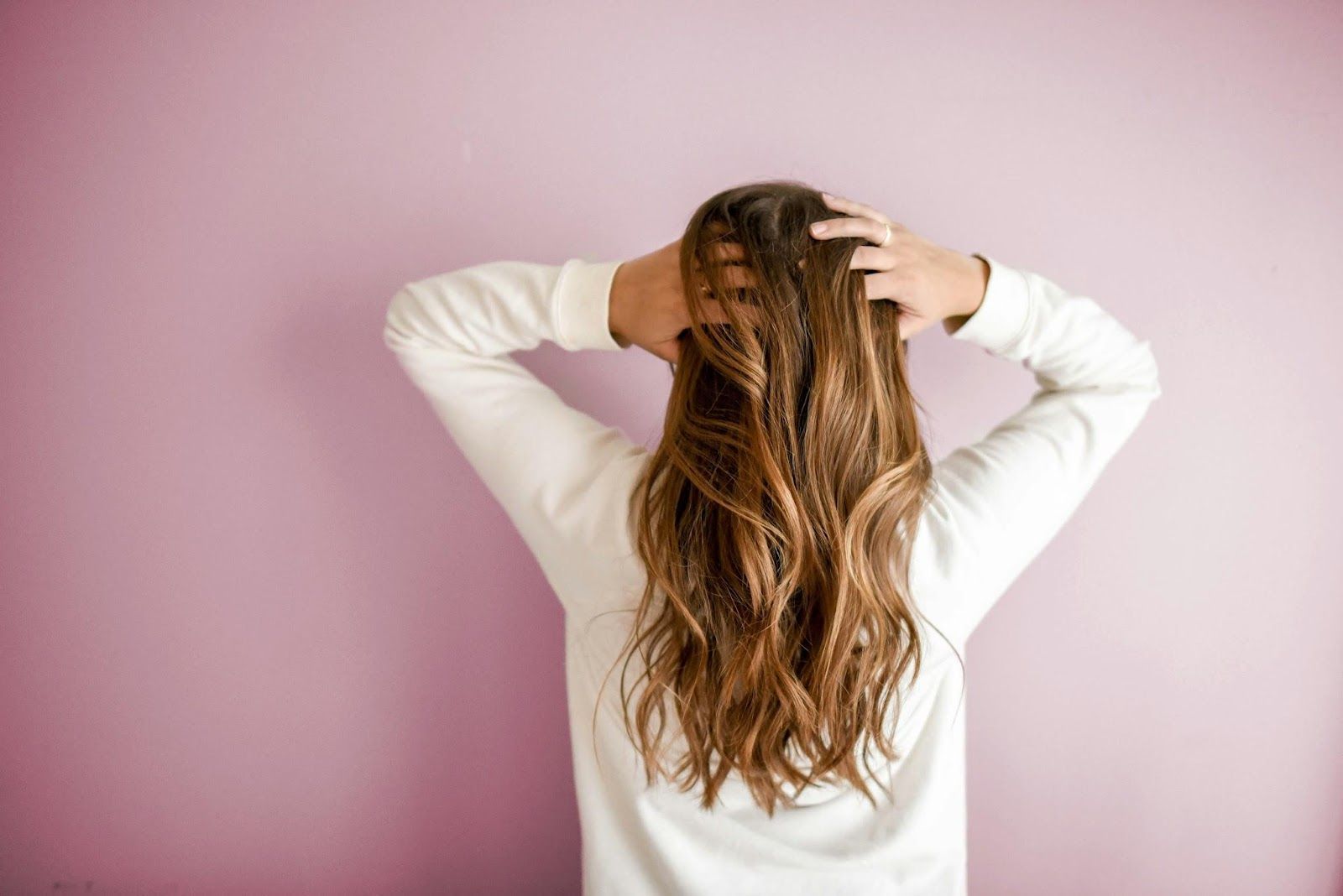
Have you ever been told that cutting your hair will make it grow faster? We're sorry to say that's just a myth. Hair grows from the root, not the ends. So, trimming it won't boost growth, though it does help remove split ends that can make your hair look dry or unhealthy.

2

Cold weather causes colds

Image: Thom Holmes

This is one of the most common health myths. Cold weather often gets blamed, but it's not the temperature that makes you catch a cold. During winter, we tend to stay indoors with others and keep the windows closed, an environment that makes it easier for viruses to spread. That's why colds tend to be more common in winter!

3

Eating before bed makes you gain weight

Image: Michelen Studios

The idea that eating before bed automatically leads to weight gain is a myth. In reality, it has more to do with what you eat and how much, rather than the time of day. Often, when we eat very late at night, we're tired and more likely to reach for quick, high-calorie, heavy foods. This can disrupt sleep and lead to consuming more calories than we burn, both of which may affect weight. If it's close to bedtime, it's better to have something light and healthy in a moderate portion than to skip a meal altogether.

4

Wearing glasses weakens your vision

Image: Bud Helisson

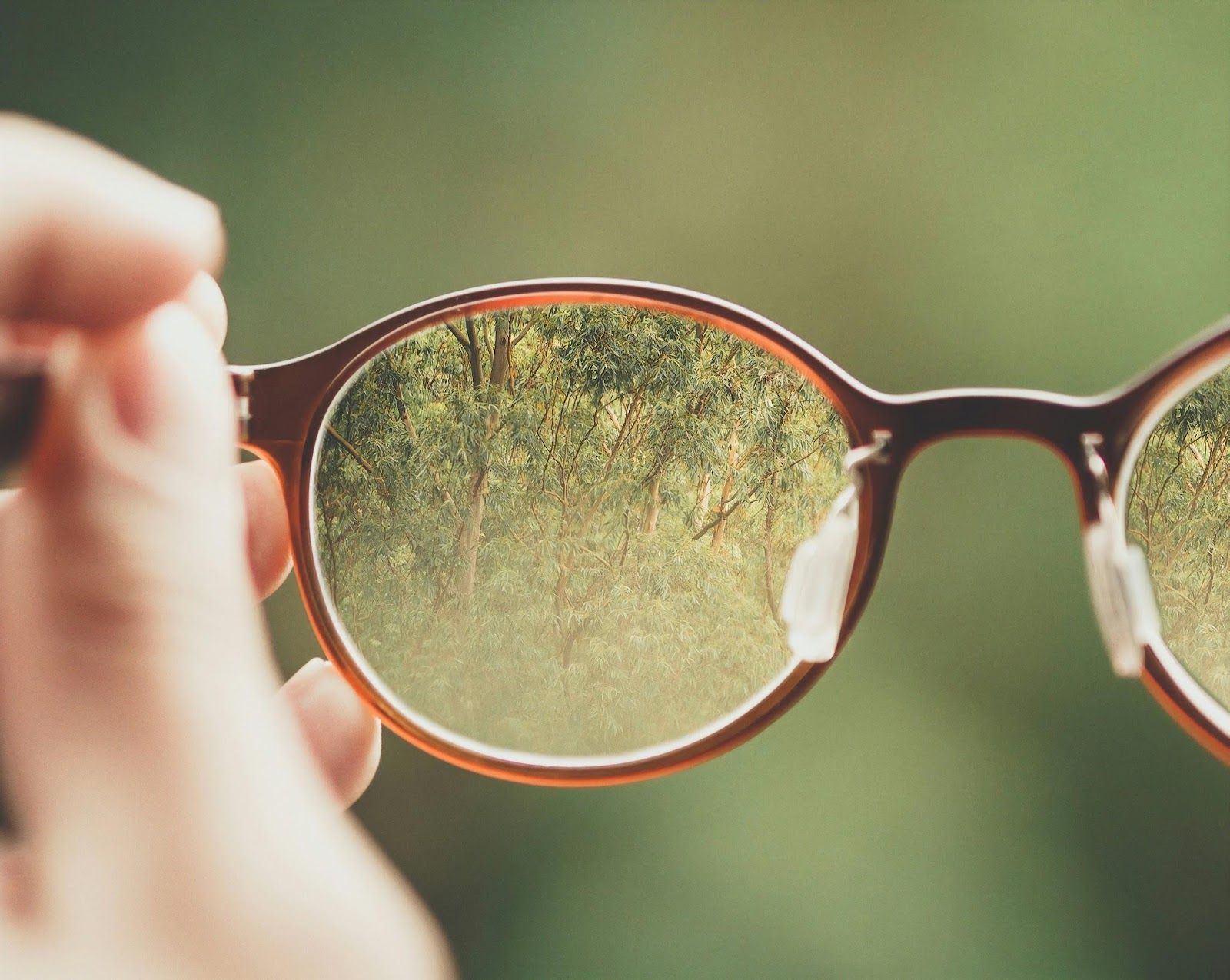
Does wearing glasses weaken your vision? Myth! If an eye doctor prescribes glasses, wearing them as directed helps correct your vision; it won't make it worse. Additionally, the right glasses can help prevent or reduce headaches caused by reading or spending long hours in front of a screen.

5

Reading in low light causes permanent eye damage

Image: Amir Balam

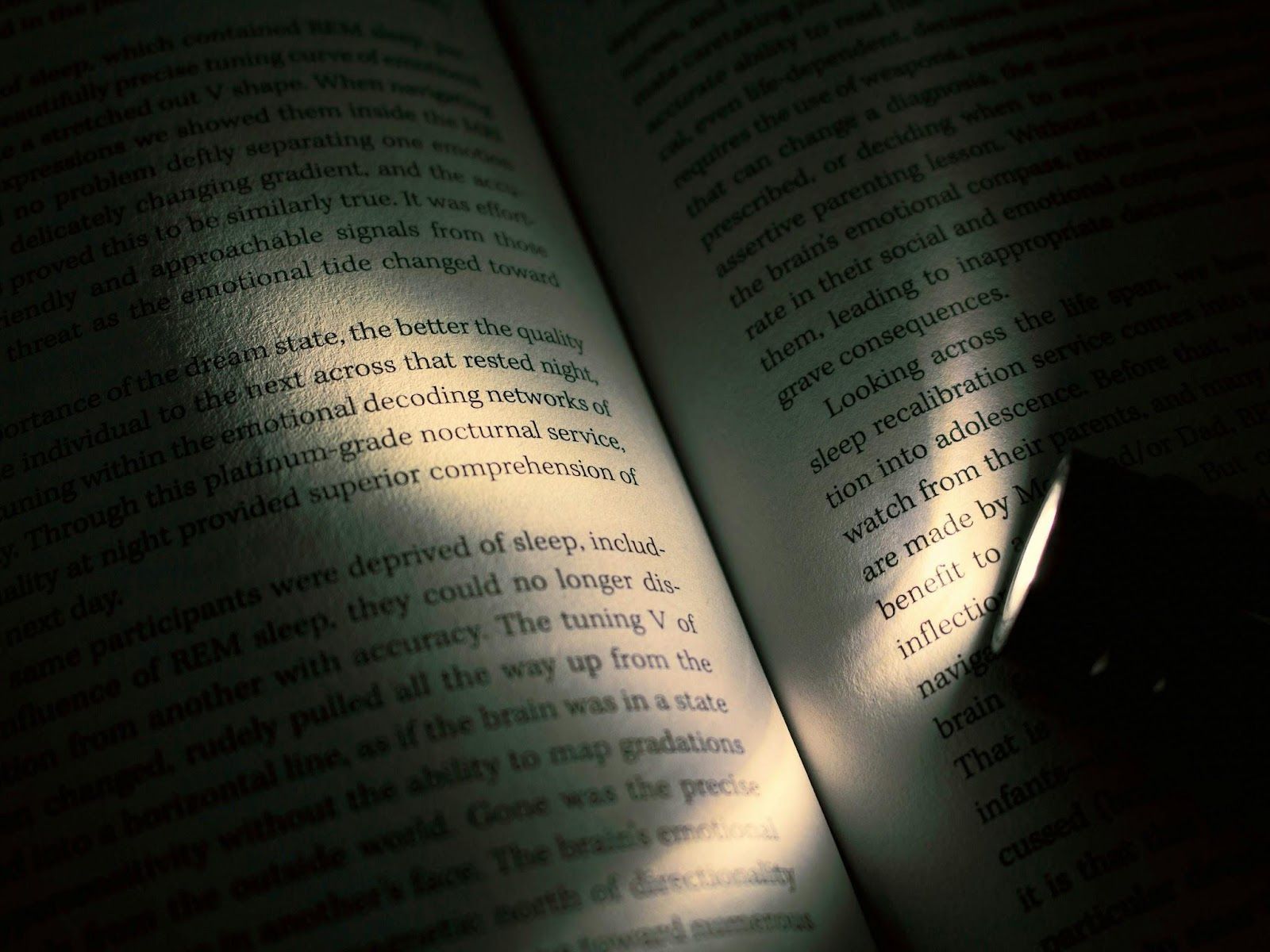
This myth is closely related to the previous one. If you love reading and sometimes have to do it in low light because of the situation, don't worry. According to experts, reading in low light doesn't cause permanent or irreversible eye damage. However, it's not recommended because it can make your eyes feel tired or strained, leading to discomfort or headaches.

6

You need to drink 8 glasses of water a day

Image: engin akyurt

We're all different, and so are our bodies. The idea that everyone should drink exactly eight glasses of water a day is more of a general guideline than a rule. Staying well hydrated throughout the day is extremely important, but how much water you need depends on factors like your weight, age, climate, and overall health. We should prioritize staying consistently hydrated instead of obsessing over the number of glasses we drink.

7

Lemon water detox and cleanse your body

Image: Tirza van Dijk

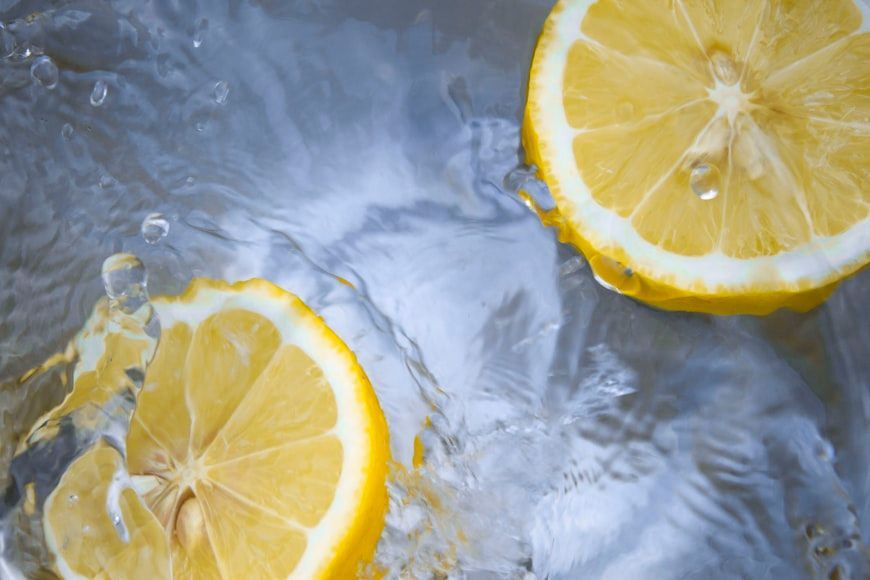
Some people say drinking lemon water helps eliminate toxins and cleanse the body. While adding a slice of lemon to your water is a refreshing way to stay hydrated, it doesn't have any special "detoxifying" powers. The vitamin C in citrus fruits is beneficial, but the body has its own natural detox system. The liver and kidneys are the main organs that filter waste and eliminate toxins.

8

All fat is bad

Image: Aneta Voborilova

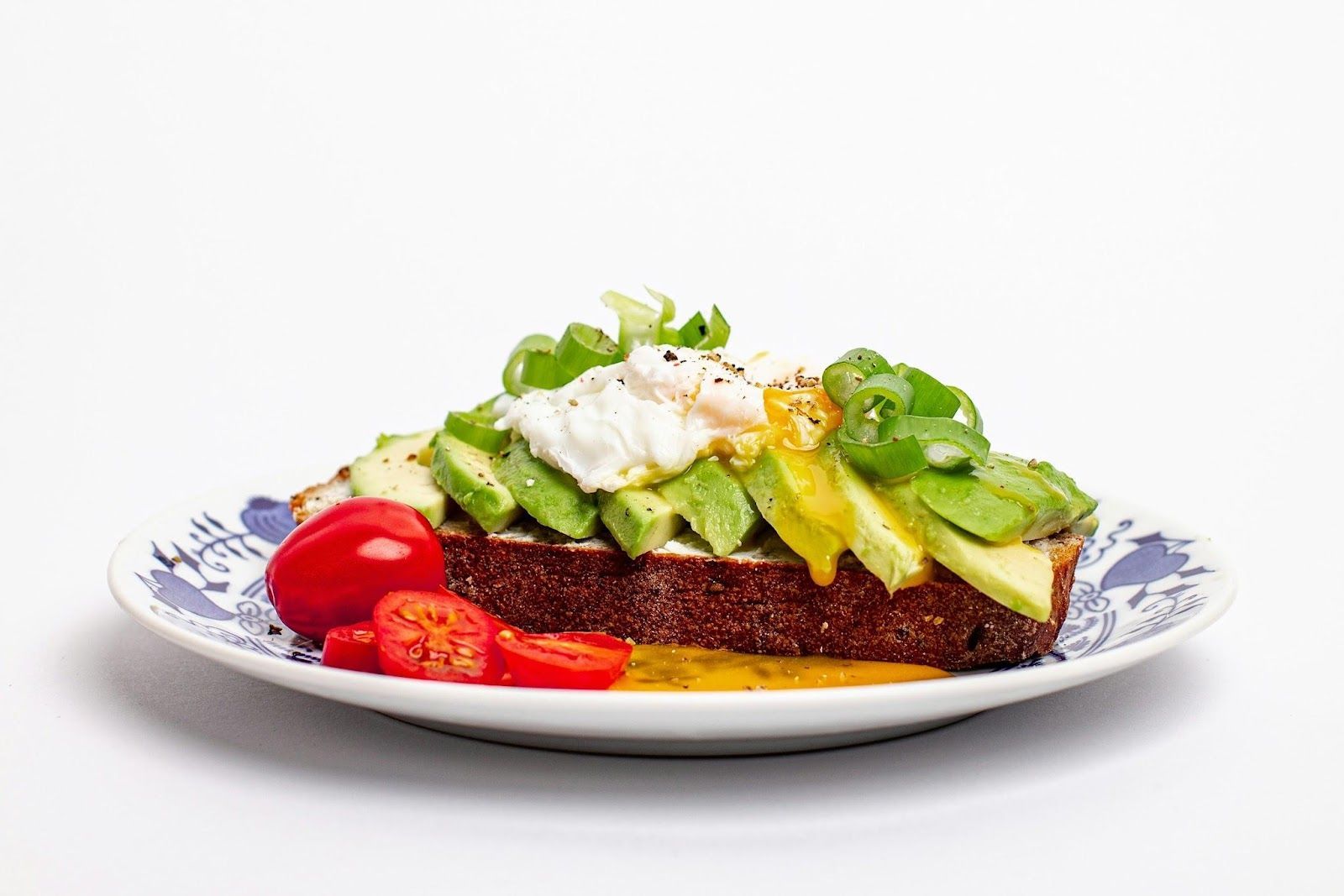
Not all fats are bad! Just like other food groups, your body needs fats to function properly. The important thing is knowing the difference between healthy fats and those that can be harmful. Foods like avocados, seeds, olive oil, fish, and nuts are rich in healthy fats. On the other hand, the fats found in processed or fried foods are the ones that can have a negative impact on your body.

9

Liver disease is always caused by alcohol or fats

Image: Elevate

Liver diseases can be serious. While heavy and frequent consumption of alcohol and fats is a major contributor, it's not the only cause. Liver problems can also result from many other factors. These include viral infections, autoimmune diseases, genetic disorders, high blood pressure, and exposure to certain chemicals.

10

Breakfast is the most important meal

Image: Brooke Lark

There's some truth to it: breakfast is important because it replenishes our glucose and energy levels and supports proper metabolism. However, the idea that it's the most important meal of the day might be an exaggeration. Everyone's body has different needs, and all meals are important, so we shouldn't skip any of them!

Looking for an extra scoop of literary fun?

Learn more with our Word of the day

despot

/ˈdɛspət/