Some names stick around

Who was Eleanor Rigby? The truth behind these 12 famous song characters


Published on September 1, 2026


Image: Christina Radevich

Sometimes, a character is the perfect alter-ego to write a song about oneself without self-referencing so much. Other times, a character is just a character. Over the years, musicians have come up with lonely dreamers, fearless heroes, mysterious strangers, and even supernatural villains who have become just as famous as the songs themselves. Some were inspired by real people, others sprang entirely from imagination, but all of them left a lasting mark on music history. Which of these 12 do you remember?

1

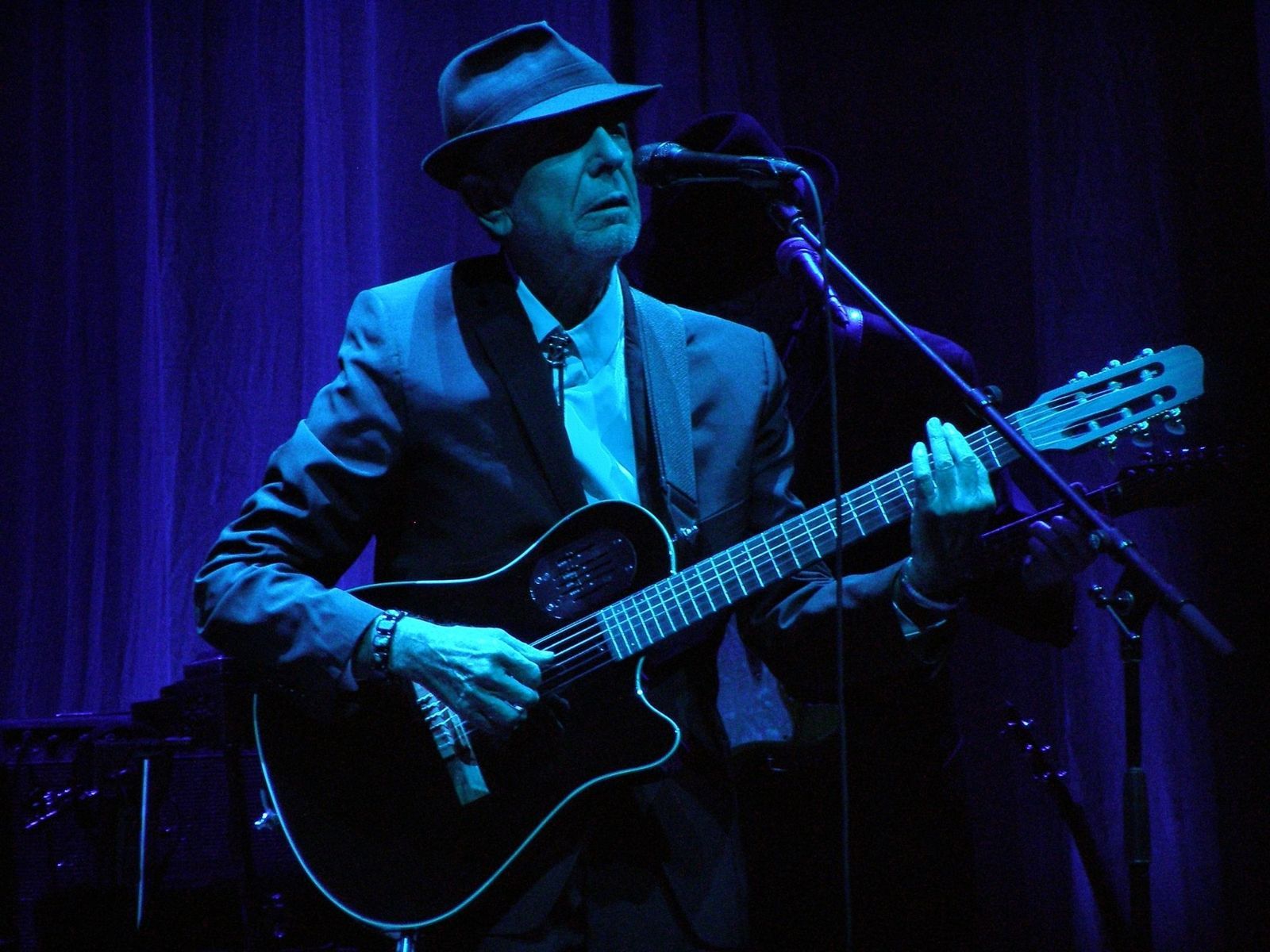
Table Top Joe — Tom Waits — "Table Top Joe"
Image: lev radin

Tom Waits has always had a soft spot for society's oddballs, and few are even stranger than Table Top Joe. Introduced on the 2002 album Alice, Joe is born with only a head and hands, yet grows into a brilliant piano player whose extraordinary talent earns him fame despite the odds stacked against him.

The song unfolds like a forgotten American folk tale, complete with references to Coney Island's legendary Dreamland amusement park and composer Igor Stravinsky. Although many listeners assume the story is based on an old carnival legend, Table Top Joe is entirely Tom Waits' own creation.

2

Ziggy Stardust — David Bowie — "Ziggy Stardust"
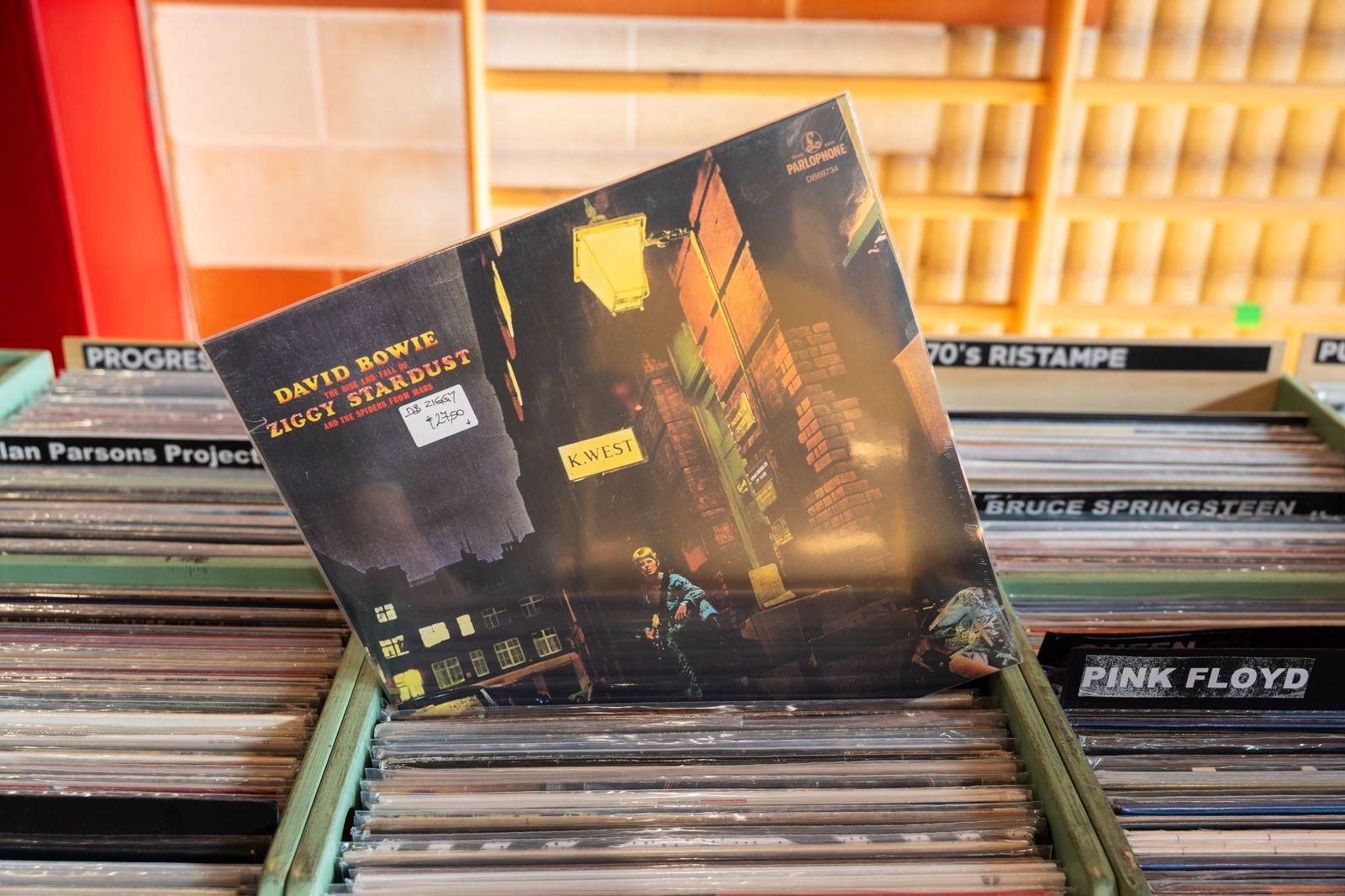
Image: PHLD Luca

Few fictional musicians have ever become as famous as Ziggy Stardust. Introduced in 1972, Ziggy is an alien rock star sent to Earth shortly before humanity's end, only to be consumed by the very fame that makes him a savior to millions.

David Bowie blurred the line between fiction and reality by performing as Ziggy onstage for more than a year. When he unexpectedly announced Ziggy's retirement during a concert at London's Hammersmith Odeon in 1973, many fans believed the character, and perhaps Bowie himself, had truly reached the end of the story.

3

Tommy — The Who — "Tommy"

Image: defotoberg

Tommy Walker isn't just the hero of a song, he's the central figure of one of rock music's first great operas. After witnessing a traumatic event as a child, Tommy becomes deaf, mute, and blind, yet somehow develops astonishing pinball skills that transform him into an unlikely celebrity.

Pete Townshend built an entire musical world around Tommy, exploring themes of trauma, faith, and redemption. First released in 1969, Tommy later became a hit film, a Broadway production, and one of the most influential concept albums ever recorded.

4

Johnny B. Goode — Chuck Berry — "Johnny B. Goode"
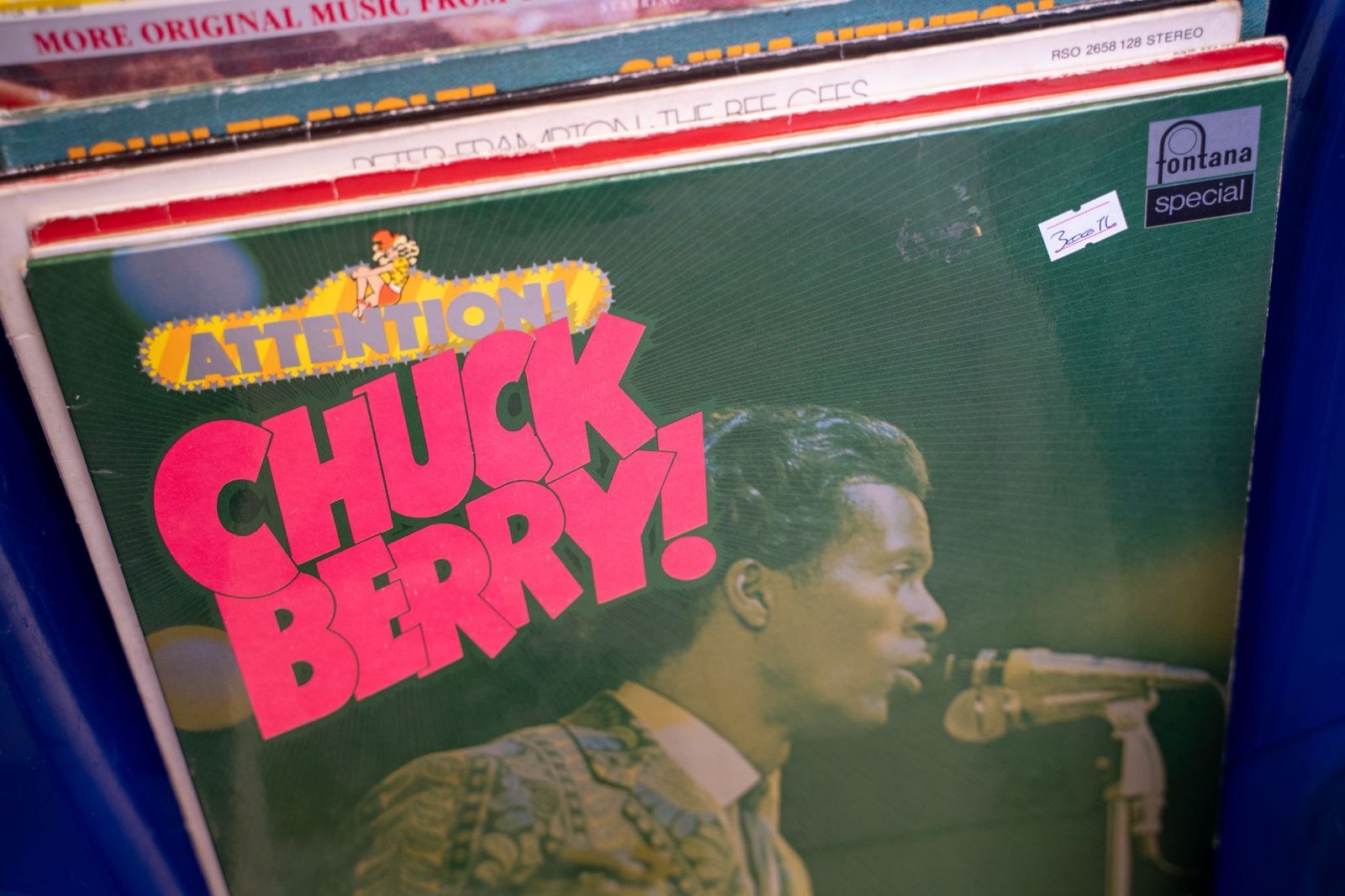
Image: Erman Gunes

Johnny B. Goode is every aspiring musician's dream. Growing up in rural Louisiana with little more than a guitar and natural talent, he plays so brilliantly that listeners predict "his name will be in lights."

Chuck Berry based the character partly on himself and partly on pianist Johnnie Johnson. Originally described as a "colored boy," Johnny became a "country boy" in the final lyrics, making the song more likely to receive airplay during the segregation era. Nearly two decades later, Johnny's anthem would even travel into space aboard NASA's Voyager Golden Record.

5

Eleanor Rigby — The Beatles — "Eleanor Rigby"
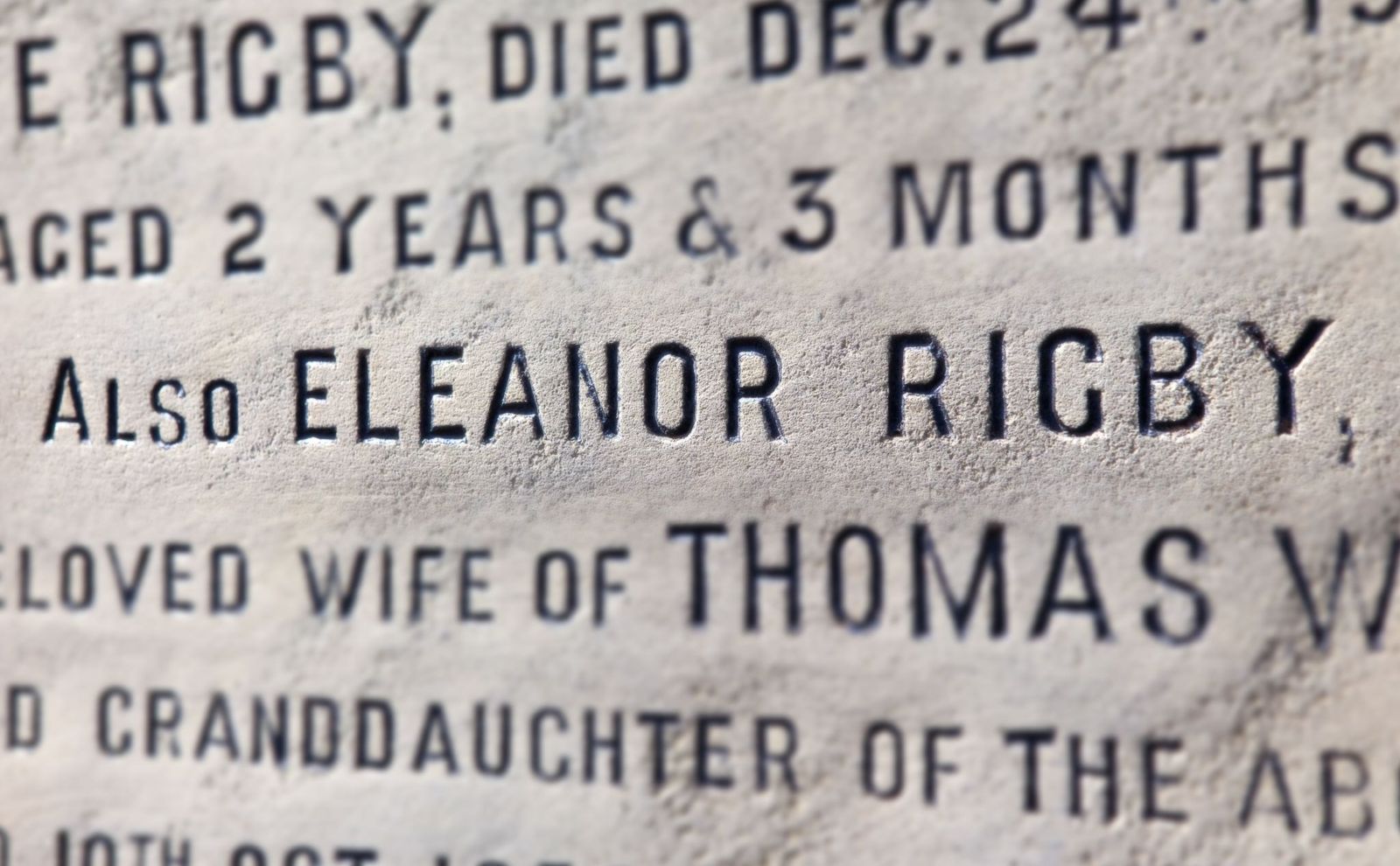
Image: chrisdorney

Few fictional characters have captured loneliness as powerfully as Eleanor Rigby. She quietly moves through life unnoticed, while Father McKenzie delivers sermons that no one hears, creating one of popular music's saddest portraits of isolation.

Paul McCartney later explained that Eleanor's name came from actress Eleanor Bron and the Liverpool shop Rigby & Evens. The discovery of an actual Eleanor Rigby gravestone in Liverpool only deepened the song's mystique, though McCartney maintained the coincidence was unintentional.

6

Billie Jean — Michael Jackson — "Billie Jean"
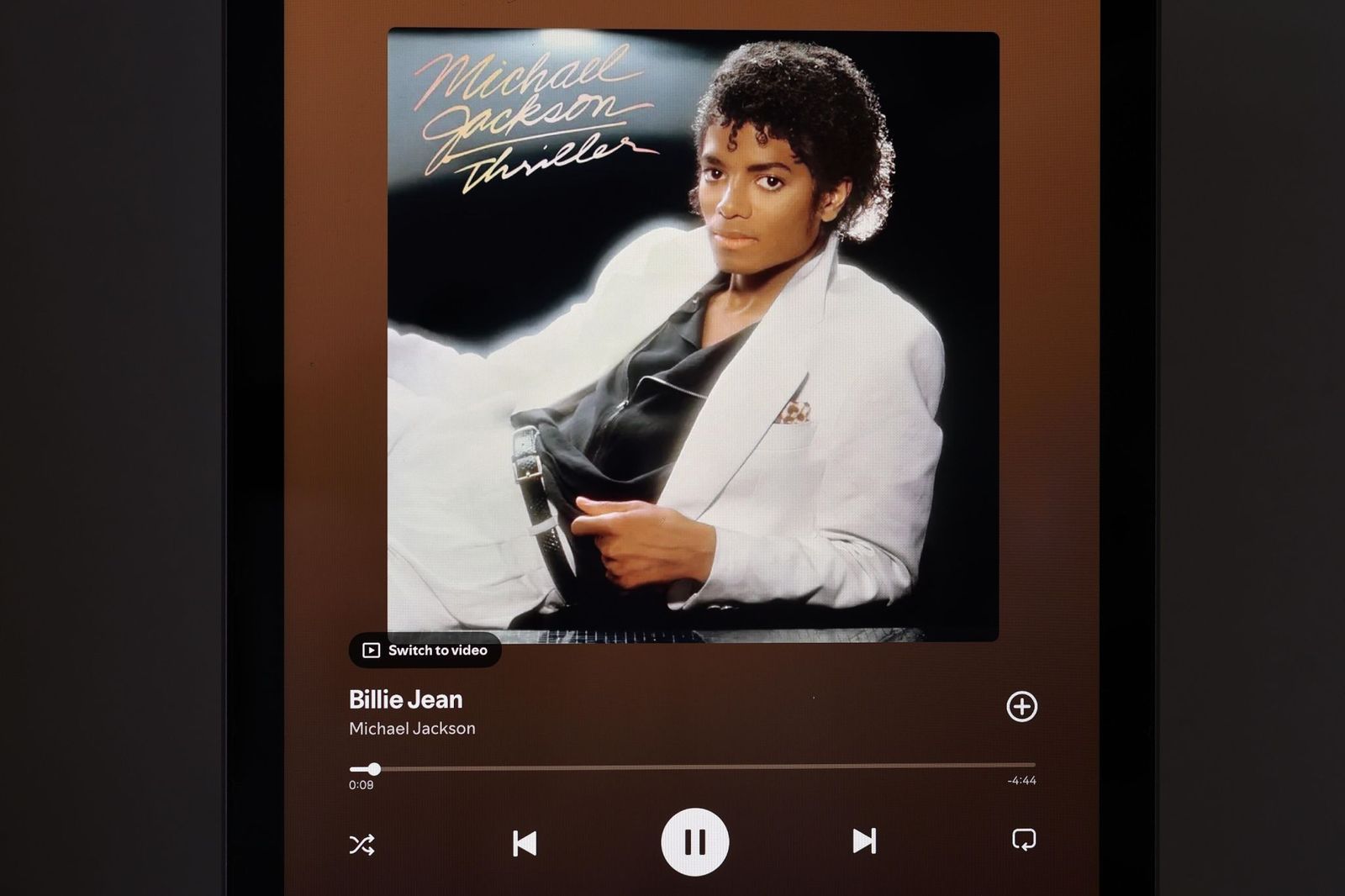
Image: McSleepy

Billie Jean may be one of pop music's most famous women, yet Michael Jackson insisted she wasn't a real person. Instead, she represented several women who falsely claimed that he had fathered their children during the height of the Jackson 5's fame.

Released in 1983 as part of Thriller, the song became a global phenomenon. It also provided the stage for Jackson's legendary moonwalk during Motown 25.

7

Stagger Lee — Lloyd Price — "Stagger Lee"

Image: L Paul Mann

Unlike many legendary song characters, Stagger Lee actually existed. His real name was Lee Shelton, a St. Louis criminal who murdered Billy Lyons during an argument over a hat on Christmas Eve in 1895.

The shocking crime quickly entered American folklore through countless folk songs before Lloyd Price transformed it into a chart-topping hit in 1958. More than a century later, Stagger Lee remains one of the most enduring antiheroes in American music.

8

Tom Dooley — The Kingston Trio — "Tom Dooley"

Image: BOOCYS

Tom Dooley was inspired by Thomas Dula, a Confederate veteran executed in North Carolina in 1868 after being convicted of murdering Laura Foster. His surname was locally pronounced "Dooley," giving the ballad its familiar title.

The Kingston Trio revived the old Appalachian folk song in 1958, turning it into an international hit and helping launch America's folk music revival.

9

Lola — The Kinks — "Lola"

Image: McSleepy

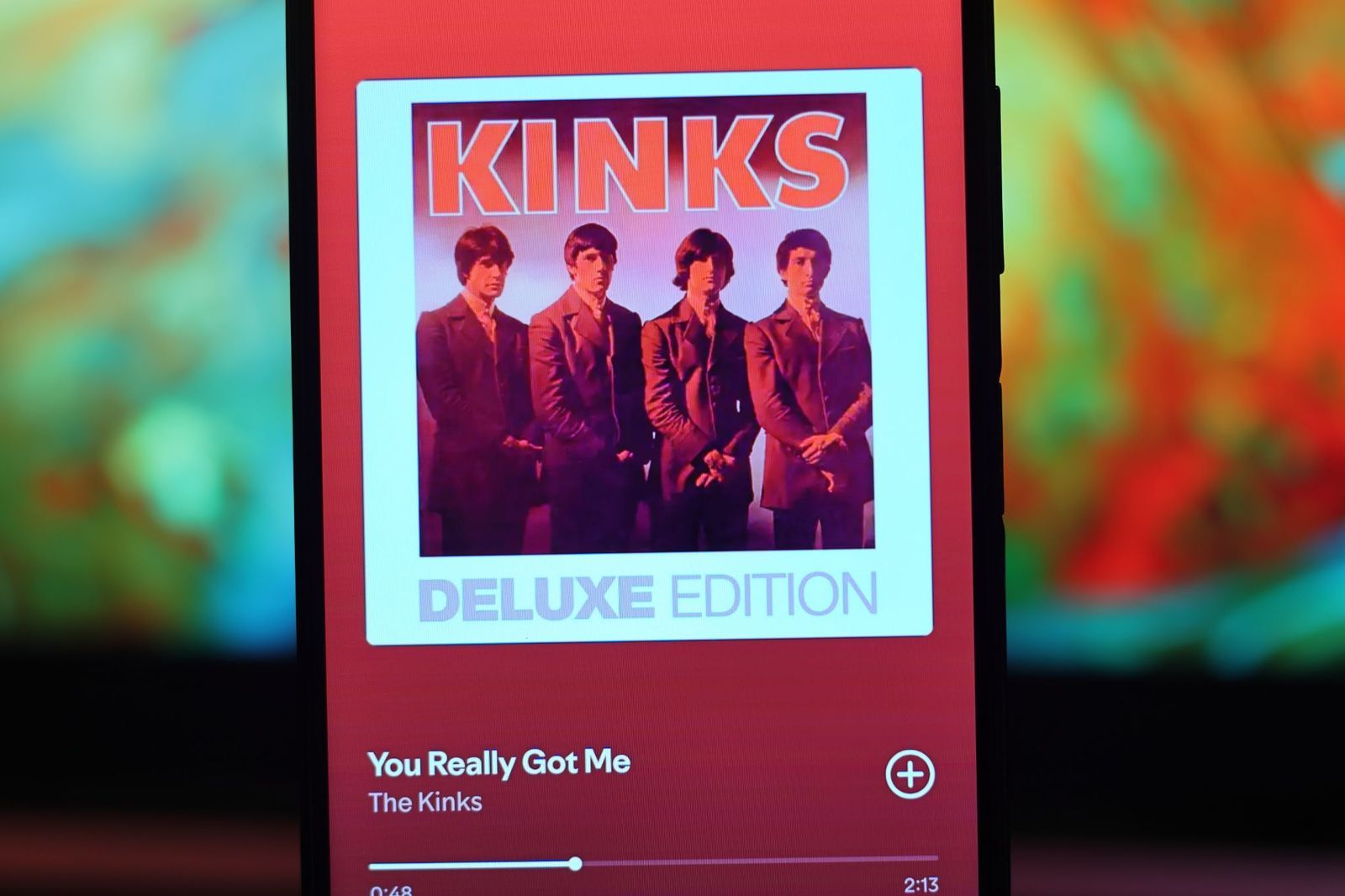
When the narrator of "Lola" meets an intriguing stranger in a Soho nightclub, expectations quickly give way to surprise. Ray Davies crafted one of rock's earliest mainstream stories exploring gender ambiguity, decades before the topic entered popular conversation.

The recording rarely reached British radio. Because BBC rules prohibited commercial product names, Davies had to interrupt a U.S. tour and fly back to London simply to replace the lyric "Coca-Cola" with the now-famous "cherry cola."

10

Piano Man — Billy Joel — "Piano Man"

Image: Debby Wong

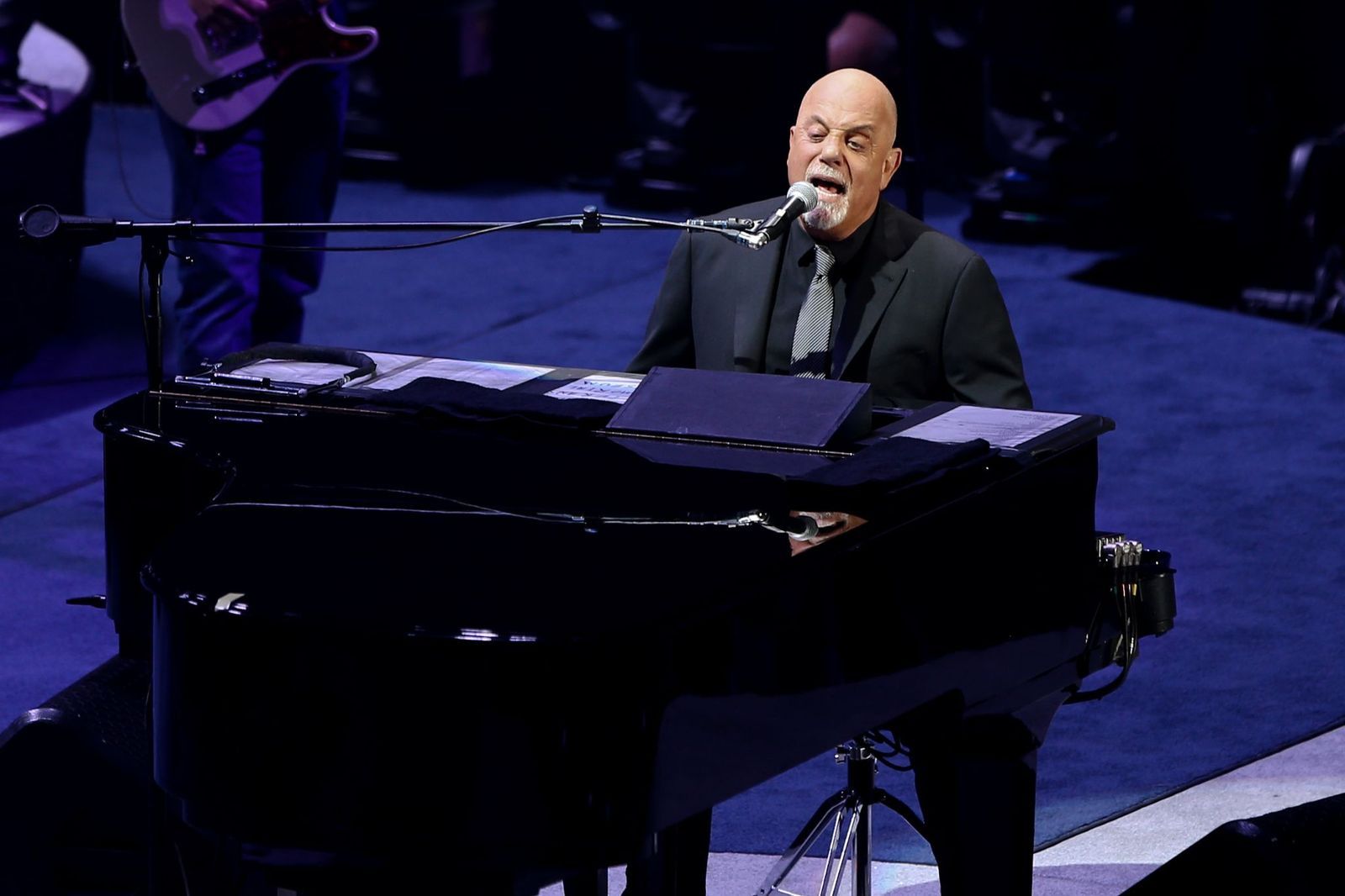
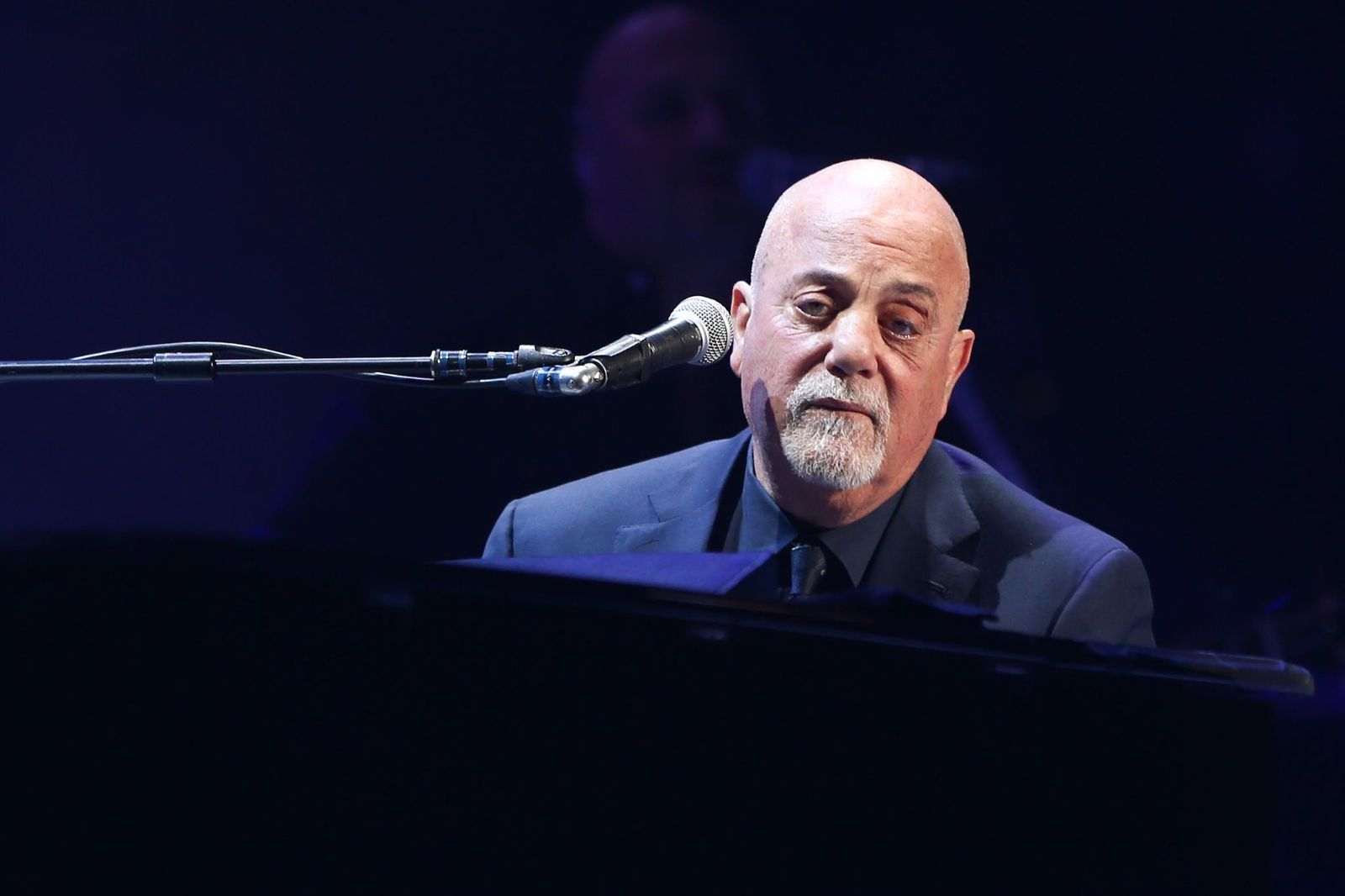
Unlike most famous song characters, the Piano Man is really Billy Joel himself. Before becoming a superstar, Joel spent six months in 1972 and 1973 performing under the pseudonym Bill Martin at the Executive Room, a piano bar in Los Angeles, after becoming trapped in a bad recording contract. The song transforms those experiences into a bittersweet portrait of ordinary people searching for escape at the end of another week.

Joel has said that virtually every character in the song was based on a real person, from bartender John to "Paul, the real estate novelist" and Davy, who really was in the Navy. Yet the Piano Man himself became the story's most enduring character: a quiet observer who offers music as a brief refuge for dreamers, lonely souls, and regulars alike. More than fifty years after its 1973 release, "Piano Man" remains Billy Joel's signature song, and its title has effectively become his lifelong nickname.

11

Amos Moses — Jerry Reed — "Amos Moses"

Image: AS project

Standing nearly seven feet tall and missing an arm, Amos Moses roams the Louisiana swamps hunting alligators. Jerry Reed filled the song with colorful Southern expressions and exaggerated storytelling that make Amos feel like an authentic folk legend.

Although fictional, Amos embodies the larger-than-life heroes found throughout American tall tales. His adventures turned the song into one of Reed's biggest crossover hits and secured Amos a permanent place among country music's greatest characters.

12

Big Bad John — Jimmy Dean — "Big Bad John"

Image: mirigifford

Big Bad John hardly says a word, but he doesn't have to. The towering coal miner earns everyone's respect through quiet strength before sacrificing his own life to save fellow workers when a mine collapses.

Jimmy Dean's 1961 ballad became a smash hit, winning a Grammy and inspiring several sequel songs. More than sixty years later, Big Bad John still stands as one of country music's defining working-class heroes.

Beloved lyrics

"For what is a man?": Some of the wisest lyric lines ever written


Published on September 1, 2026


Image: Hanna-J

Paul Anka was terrified when he sat down to write the lyrics for a song that Frank Sinatra would be singing. Jokingly, he started with a dramatic, "And now, the end is near…" The rest is history. Who are the people who pen the words that others will spend decades repeating? How did they come up with words so precise and true that listeners would compare them with those of great philosophers? Here are 10 of people’s favorite lyrics of all time, decoded.

1

"For what is a man? What has he got?"

Image: Arthur D'Amario III

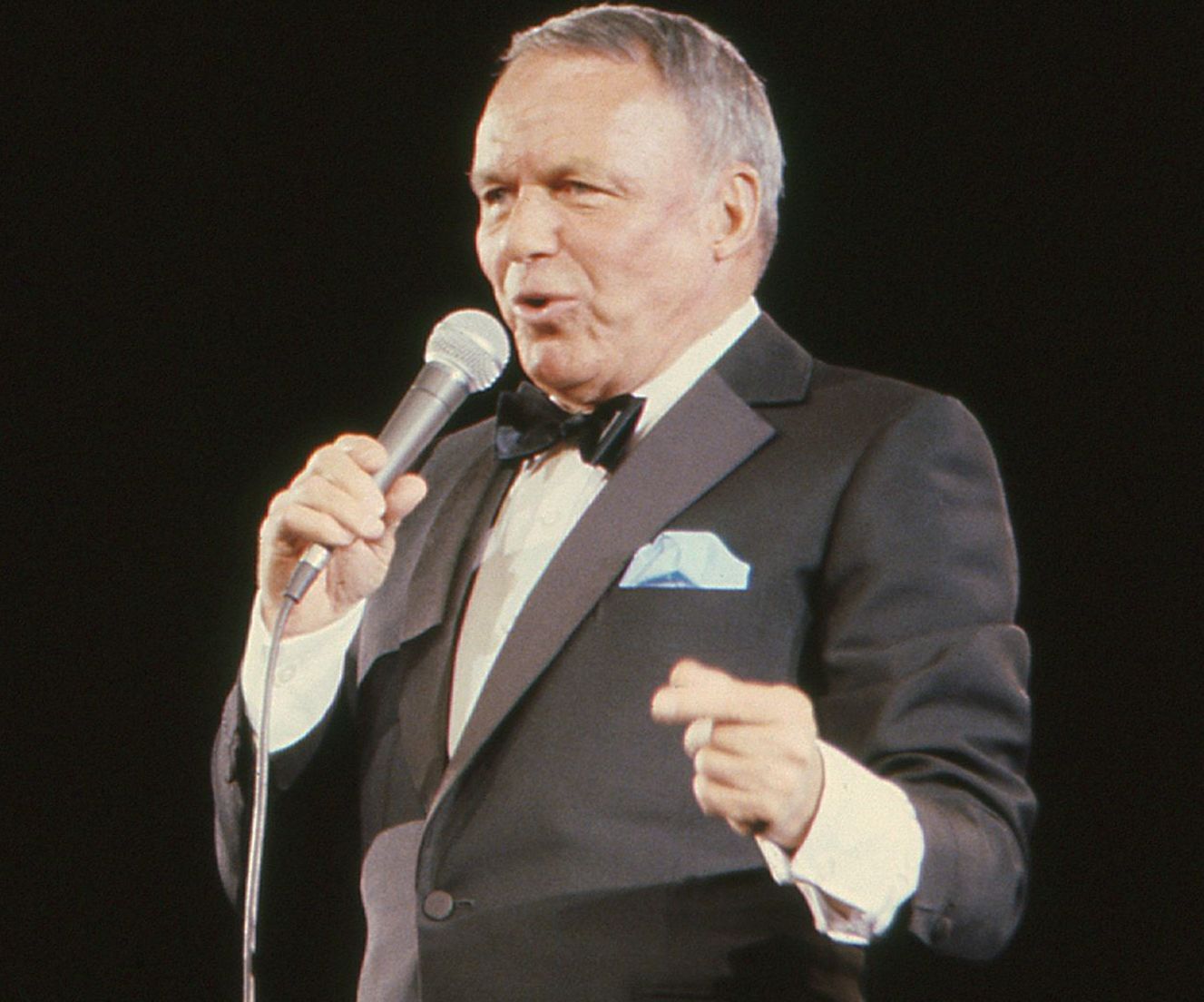
"For what is a man? What has he got? If not himself, then he has naught." The melody of "My Way" wasn't originally American. It began as a French song called Comme d'habitude, a number about a couple stuck in a stale marriage. Paul Anka heard it on the radio while in France and bought the rights on the spot, before he had any use for it.

That use arrived at a dinner in Miami, when Sinatra told him, almost in passing, that he was quitting the business. Anka flew home, sat down at a typewriter, and spent one night writing lyrics as if Sinatra himself were speaking them. Sinatra recorded it in two takes and later called it his "national anthem," and many agreed; Anka had written the exact words one wants to belt while closing an episode of their life.

2

"Life is what happens to you…"

Image: Public Record Office of Northern Ireland, No restrictions, via Wikimedia Commons

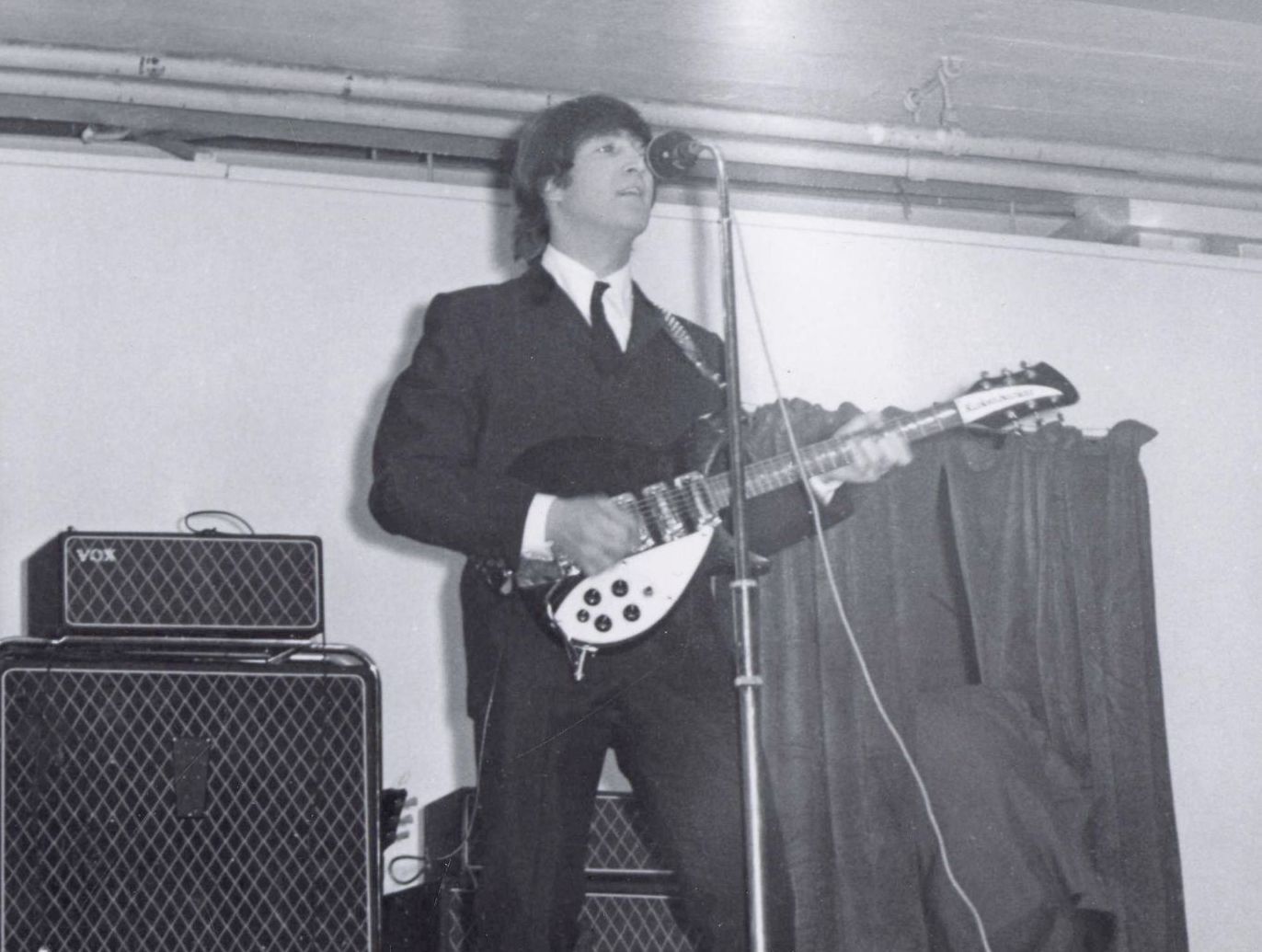
In "Beautiful Boy (Darling Boy)," John Lennon wrote: "Life is what happens to you while you are busy making other plans." But the phrase originated with American writer and cartoonist Allen Saunders, who published it in a 1957 issue of Reader's Digest ("Life is what happens to us while we are making other plans").

The line outlived everything else about the song, repeated at graduations and eulogies for decades since. Lennon was murdered shortly after the album's release, which means the song now carries a weight of hindsight neither he nor his listeners could have intended at the time.

3

"How many roads must a man walk down…"

Image: Hadrian

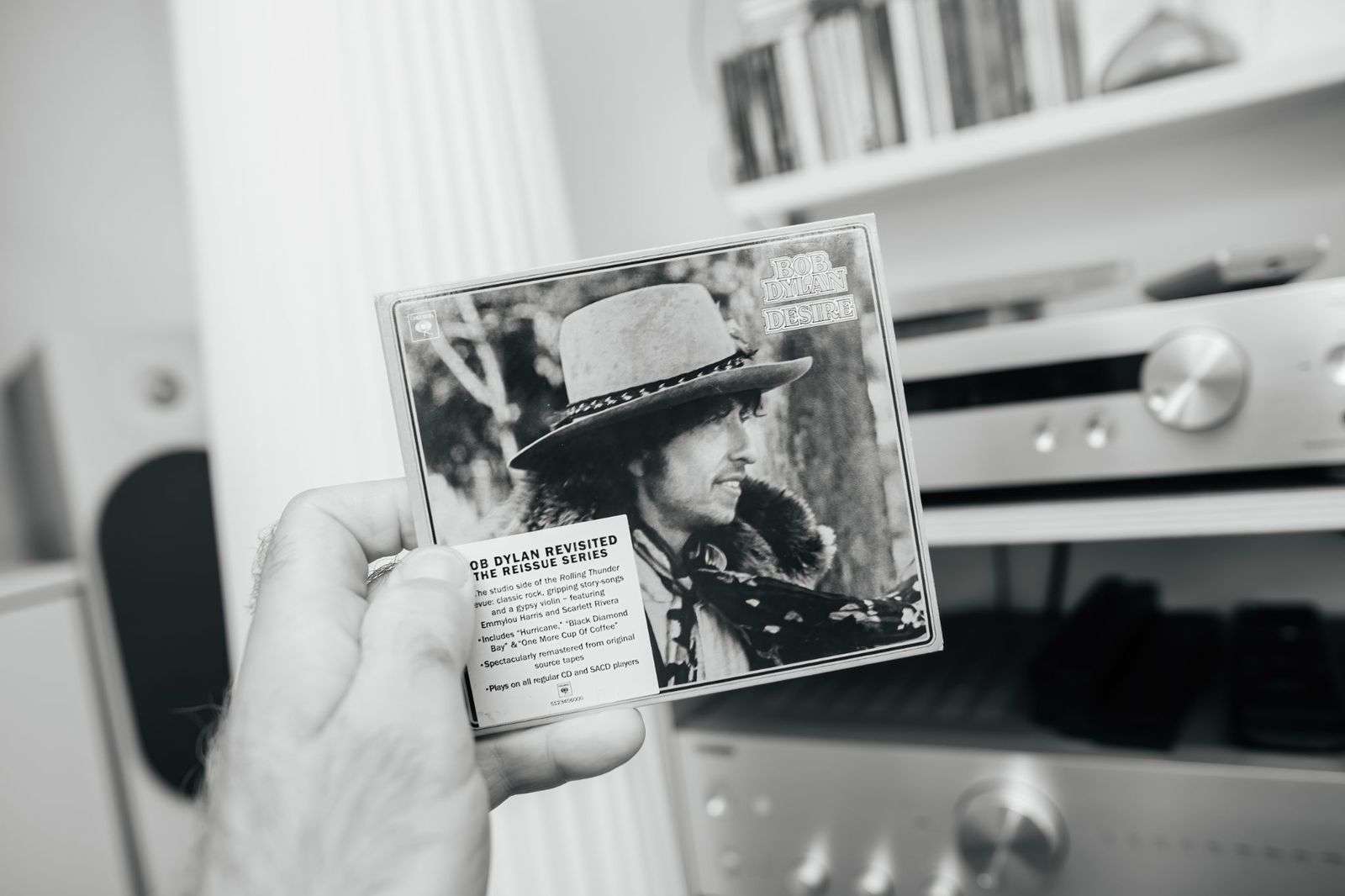
"How many roads must a man walk down before you call him a man?" A young Bob Dylan wrote "Blowin' in the Wind" in 1962. He later claimed he wrote the entire song in about ten minutes at the Gaslight Cafe in Greenwich Village, borrowing its melody from the old spiritual "No More Auction Block." He was twenty-one, barely a year into his New York career, and insisted at the time it wasn't a protest song at all.

The song never answers its questions, but keeps asking them. First published in the folk magazine Broadside in May 1962, it became the unofficial anthem of the civil rights and antiwar movements once Peter, Paul and Mary's cover shot to number two on the charts in 1963.

4

"And in the end, the love you take…"

Image: Jim Summaria, CC BY-SA 3.0, via Wikimedia Commons

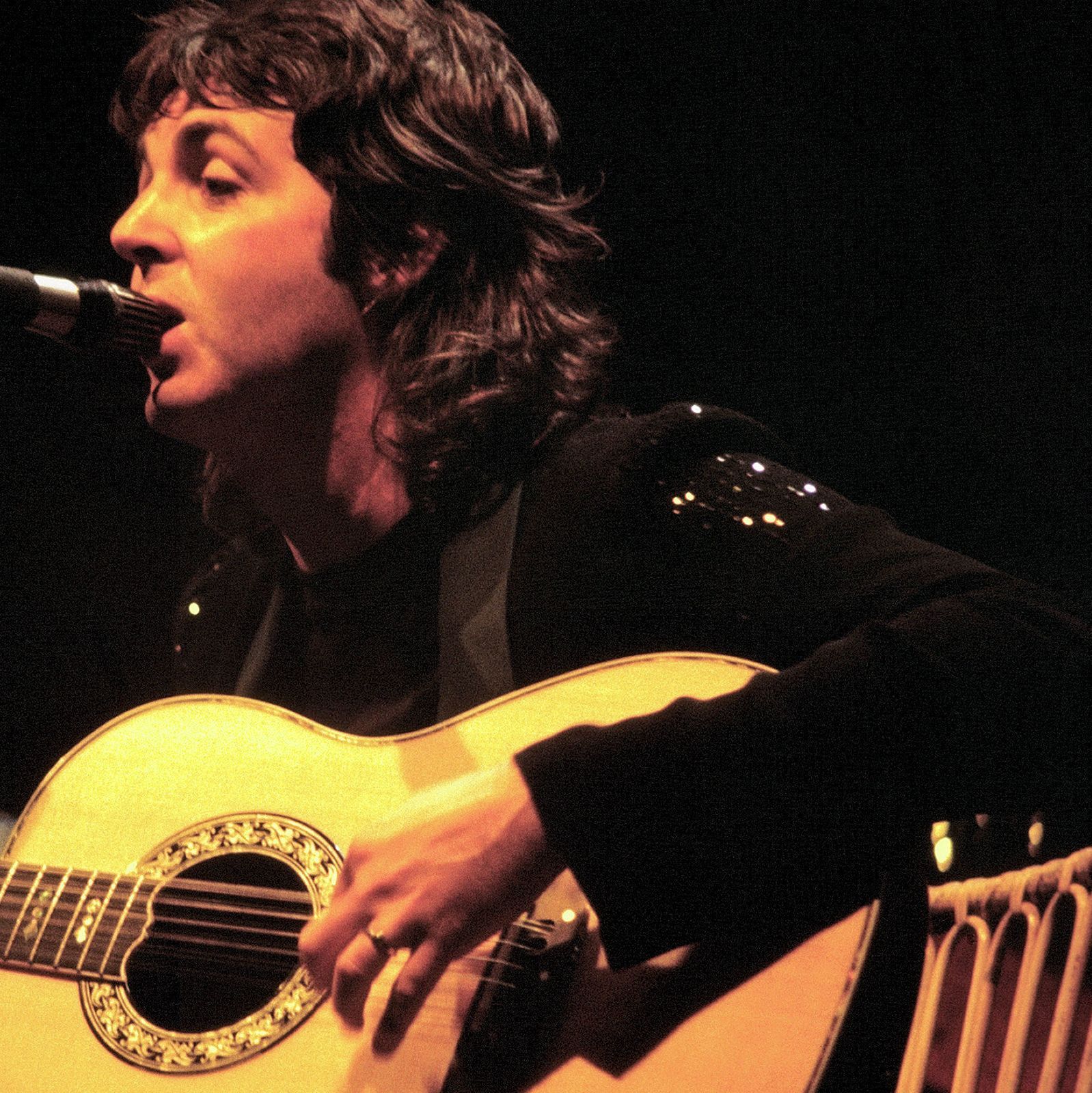
"... is equal to the love you make." This is the last song the four Beatles ever recorded together, and Paul McCartney built it deliberately as a farewell. He gave Ringo Starr his only drum solo in the band's history, a fight McCartney had to win through what he called "gentle persuasion," since Starr detested solos on principle.

For the closing line, McCartney said he'd been thinking about Shakespeare, who often ended a scene with a rhyming couplet so the audience would know it was truly over. Even John Lennon, who generally disliked the Abbey Road medley and rarely praised his old partner's work by 1980, admitted the closing thought was "a very cosmic, philosophical line."

5

"They’re sharing a drink they call loneliness…"

Image: Debby Wong

"... but it’s better than drinking alone." "Piano Man", by Billy Joel, narrates a song in which the character is real. Joel wrote it about the six months he spent playing piano under the fake name "Bill Martin" at a Los Angeles lounge called The Executive Room. Even the waitress "practicing politics" was Elizabeth Weber, the woman who'd soon become his wife.

Joel wrote it while hiding out from a record label he was desperate to escape after his debut album flopped. It became a bittersweet anthem that many people love singing with others; it seems like, as the song suggests, singing sorrows together at the bar is better than feeling them at home.

6

"I've looked at love from both sides now…"

Image: Arthur D'Amario III

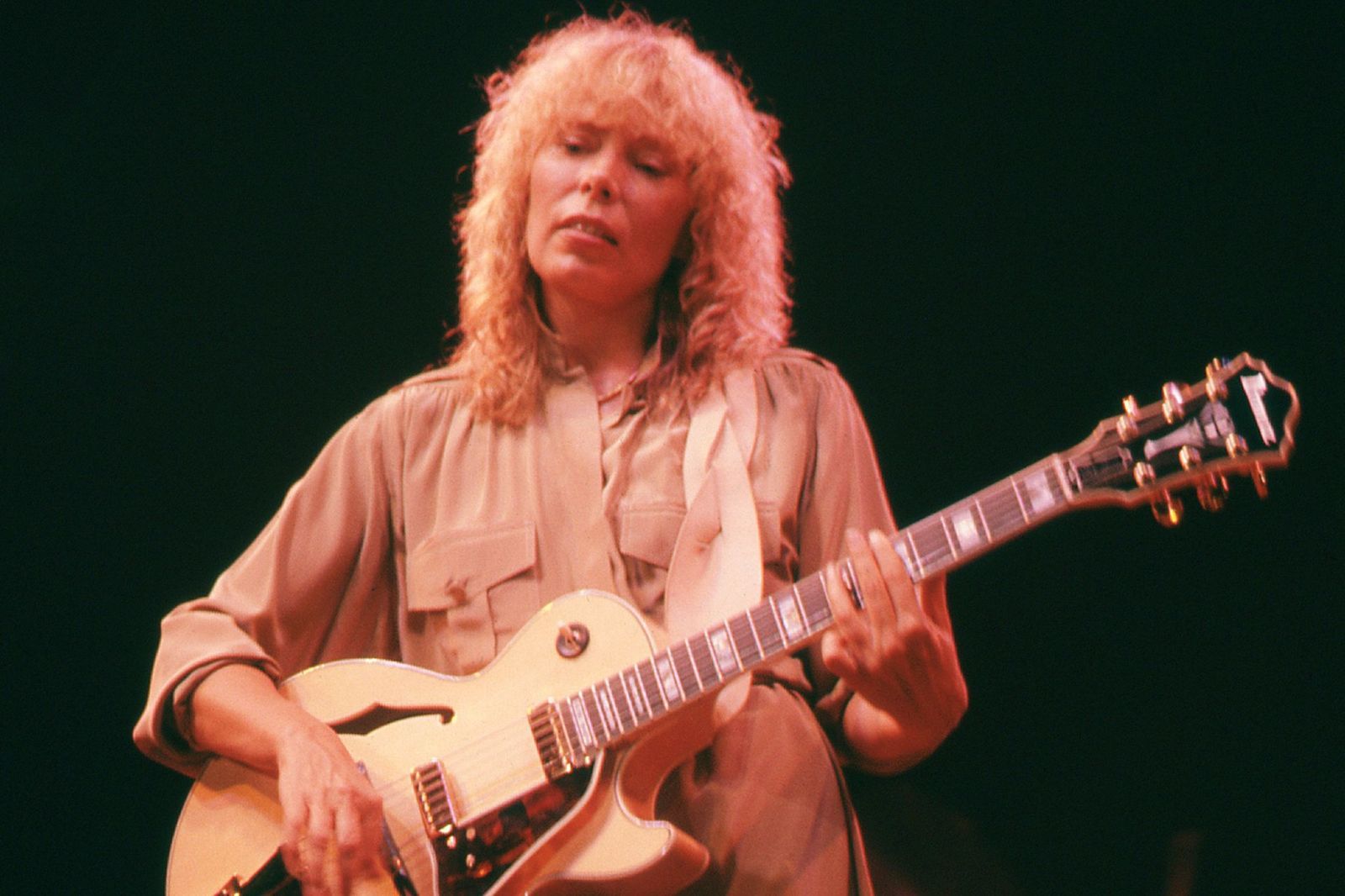
The whole song "Both Sides Now," by Joni Mitchell, is often quoted as a deeply philosophical observation of life. It concludes that some mysteries of life are as unknowable as the clouds, or love, despite accumulating experience.

When she wrote it, Mitchell had recently given up a daughter for adoption after being left by the child's father. She was twenty-three, mid-flight, after a passage in Saul Bellow's novel Henderson the Rain King described its narrator looking down at clouds from an airplane, something human eyes had only been able to do for a few decades. Judy Collins released it first in 1967 and won a Grammy for it; Mitchell's own version didn't appear until her 1969 album Clouds.

7

"I’d trade all of my tomorrows for one single yesterday"

Image: Sterling Munksgard

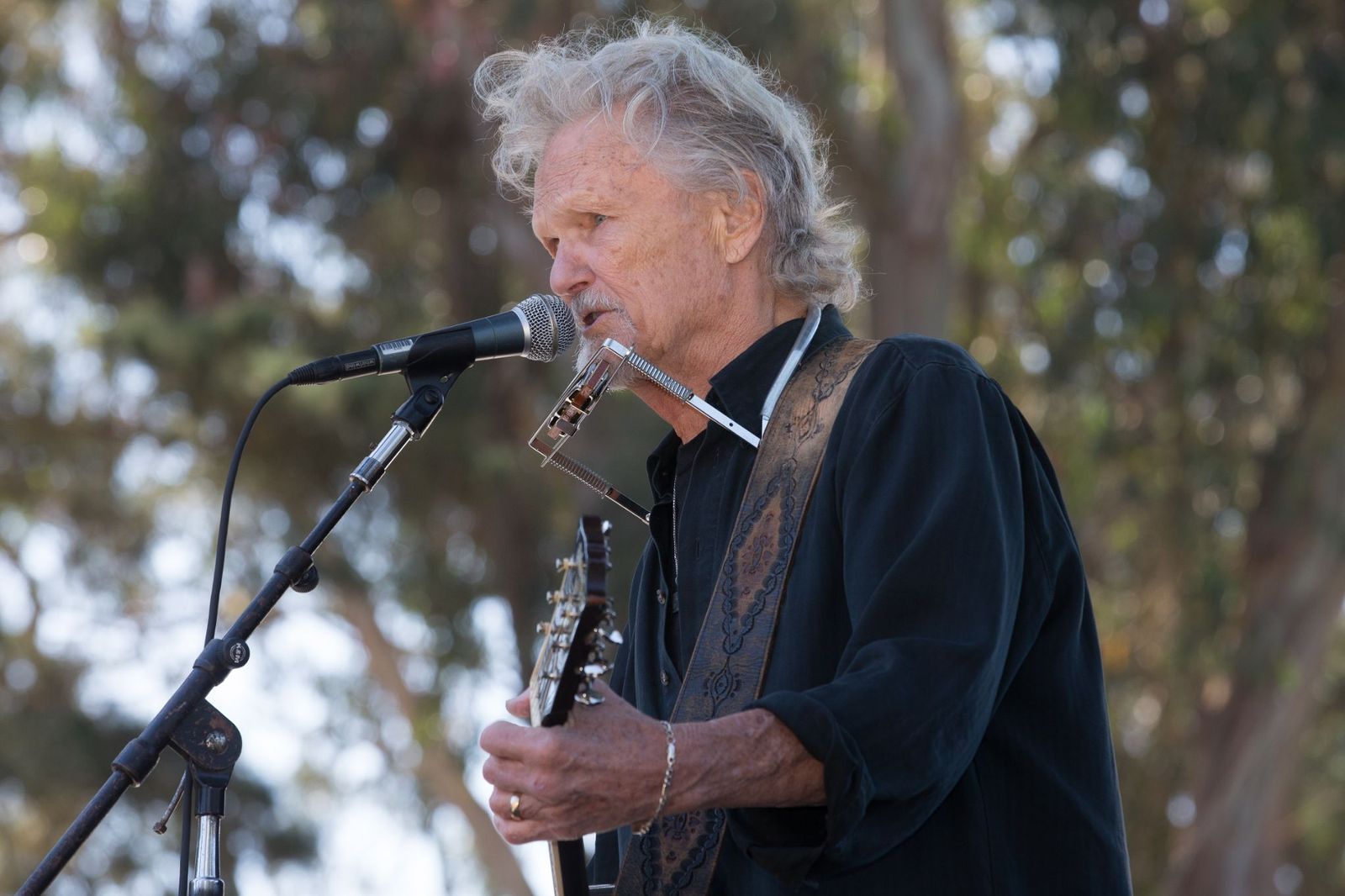
Kris Kristofferson’s song, "Me and Bobby McGee", contains one of people’s favorite quotes from song lyrics. Its title came from producer Fred Foster, who suggested Kristofferson write a song about his colleague's secretary, Barbara "Bobbie" McKee.

Its most quoted idea about freedom and loss was inspired, Kristofferson later said, by the final scene of Fellini's La Strada, in which a man realizes too late what he threw away. Roger Miller released it first, but it was Janis Joplin's posthumous 1971 recording, finished mere days before her death, that turned it into a number one hit and an accidental epitaph.

8

"But time makes you bolder, even children get older…"

Image: L Paul Mann

"... and I'm getting older too." Nicks says she wrote "Landslide" in about five minutes, sitting in a rented house in Aspen while her partner and musical collaborator, Lindsey Buckingham, was on tour rehearsing with the Everly Brothers. The song's real subject isn't romance, but the vertigo of watching time pass. She was twenty-seven, broke, working as a waitress and a cleaner, and their duo album had just been dropped by its label.

Looking at the snow on the Rockies, she found herself deciding whether to keep chasing music at all. Three months later, Mick Fleetwood heard Buckingham's guitar work on a demo and invited the pair into Fleetwood Mac, which changed their lives. The song has now aged into an anthem for anyone facing a hinge point in their own life.

9

"You can't always get what you want…"

Image: Kari Pulkkinen, Public domain, via Wikimedia Commons

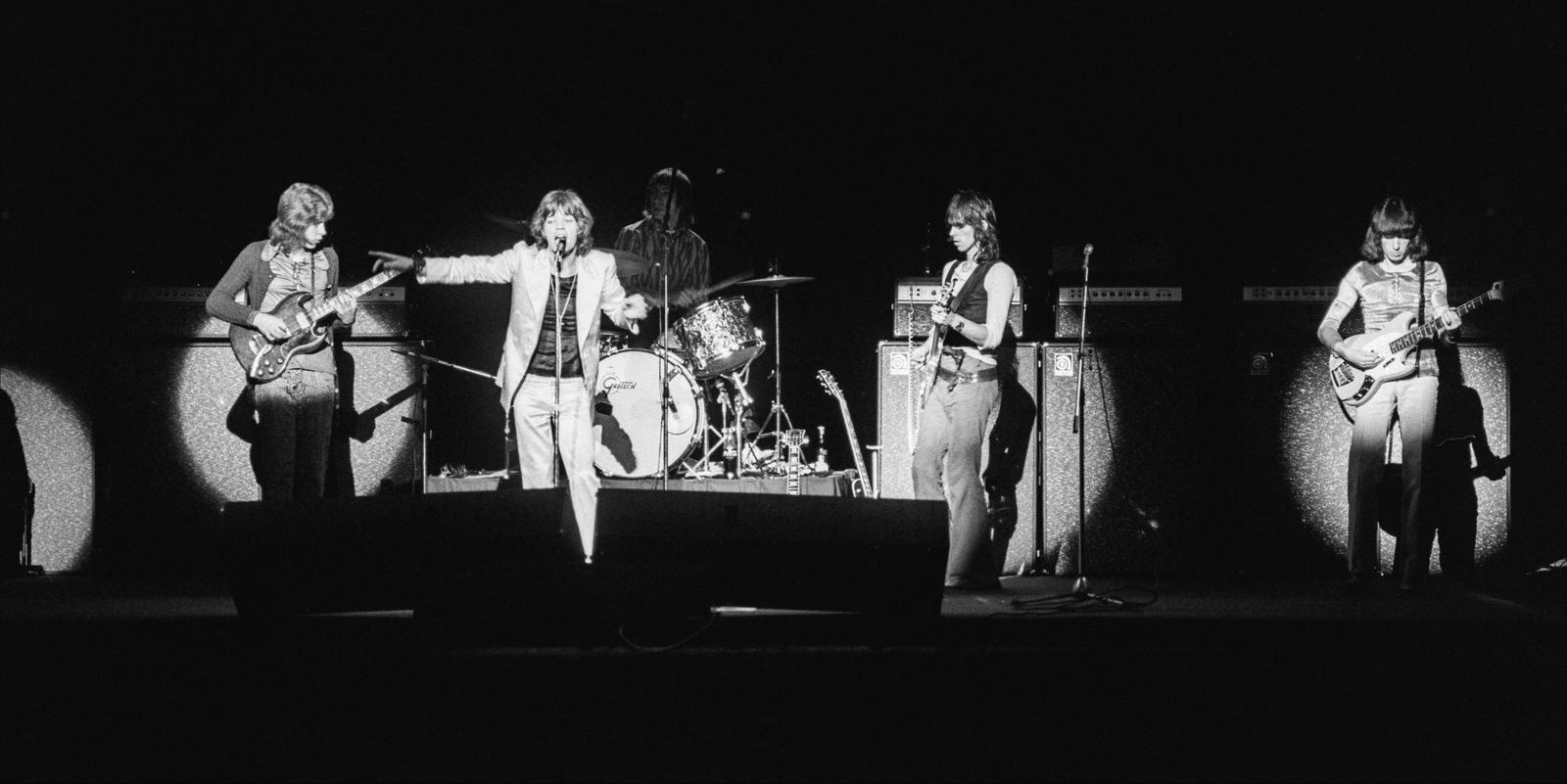
"You can't always get what you want, but if you try sometime you'll find you get what you need." Mick Jagger sketched this one alone on an acoustic guitar, calling it "one of those bedroom songs." It closed 1969's Let It Bleed just as the decade's peace-and-love optimism was cracking.

The song is upbeat and simple, and unexpectedly insists on an idea of acceptance or surrender that has more to do with Stoic philosophy than with pop rock optimism. But the listeners liked it, and many quote it often.

10

"There is a crack in everything…"

Image: Route66

"...that's how the light gets in." Leonard Cohen worked on "Anthem" for roughly a decade, discarding draft after draft, before it finally appeared on his 1992 album The Future. He wasn't a man given to explaining his own lyrics, having spent years training as an ordained Zen Buddhist monk and generally preferring silence to self-analysis.

But "Anthem" has the clearest statement of a philosophy he'd circled his entire career: that brokenness can give way to grace. It has since been invoked by human rights activists, quoted at protests, and performed at civic ceremonies.

Looking for an extra scoop of literary fun?

Learn more with our Word of the day

precipitate

/priˈsɪpəˌteɪt/