Unexpected meanings

In its Latin origin, this compliment was an insult


Published on October 11, 2026
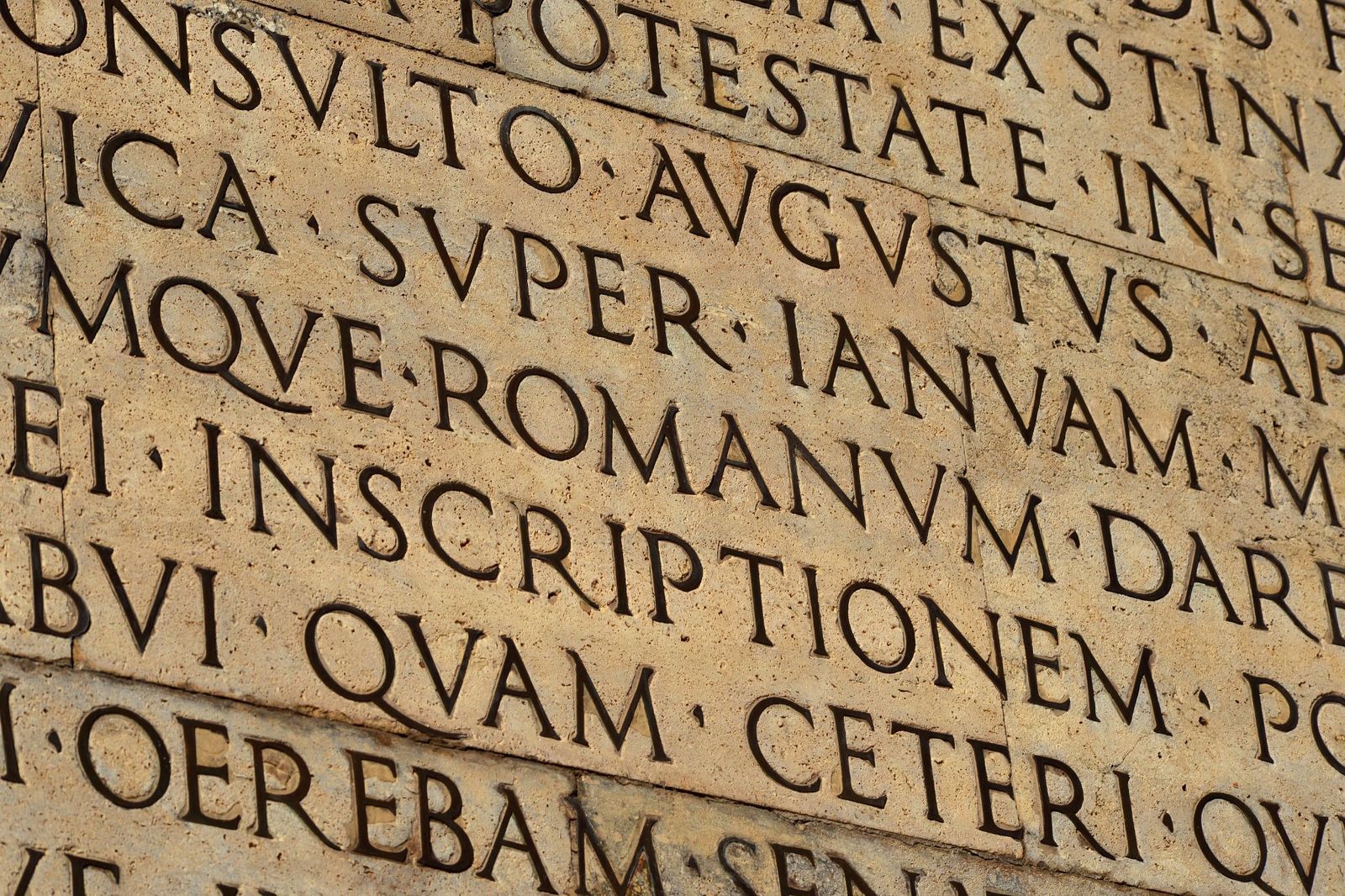

Image: Cris Foto

Words of Latin origin abound in the English language, many of them with an original meaning quite similar to the current one. But some words, however, might surprise us when we look up their etymology. What does being genuine have to do with your knees? Which word comes from people gossiping in a street corner? Which compliment started as an insult? Here are 10 unexpected Latin etymologies.

1

Genuine

Image: Me dia

Some linguists state that "genuine" comes from gignere, "to produce", related to the idea of giving birth. In this sense, something genuine would be something innate, not acquired. But there is an alternative origin proposed that links the term to genu, "knee". In Ancient Rome, newborns would be placed in front of their father to be acknowledged. If the father decided to recognize the infant as their true child, he would pick them up and place them on his knee.

2

Mortgage

Image: Mathew MacQuarrie

Borrowed from French, the term "mortgage" is not completely of Latin origin. Its second half, gage, comes from a Germanic term for "pledge". Mort, however, comes from mortuus, meaning "dead". What do "dead pledges" have to do with real estate loans? In its original sense, mortgages were pledges that resulted in "death": either the pledge died when it was fulfilled, or when one of the parties failed to pay, which "killed" their rights over the collateral.

3

Porcupine

Image: Glen Michaelsen

At first glance, we might not see the Latin roots of this word, but they become quite clear when we separate the two parts that compose it: Porcus, "pig", and spina, "thorn", which makes a porcupine a "thorny pig". English adopted this name through the French porc-espin, which resulted in the Middle English porke despyne. The name had several variations in English (including the Shakespearean porpentine) before settling into its current form.

4

Muscle

Image: AcidFern

What do muscles and rodents have in common? More than you might think. The Latin term for "muscle" comes from the diminutive form of mus, "mouse". For Ancient Romans, the movement of the muscle tissue under the skin looked like a small mouse scurrying around, which made the name musculus, "little mouse," quite fitting.

5

Trivia

Image: Einar Storsul

Trivia lovers might be delighted to learn that, since the time of the Ancient Romans, fun facts were shared just for the sake of sharing them. From the word trivium, "where three roads meet", trivia was used to describe road intersections where people gathered to chat, gossip, and share "trivial" news. Trivia might be of little consequence since its origins, but it has been loved and shared for centuries.

6

Nice

Image: Michael Dziedzic

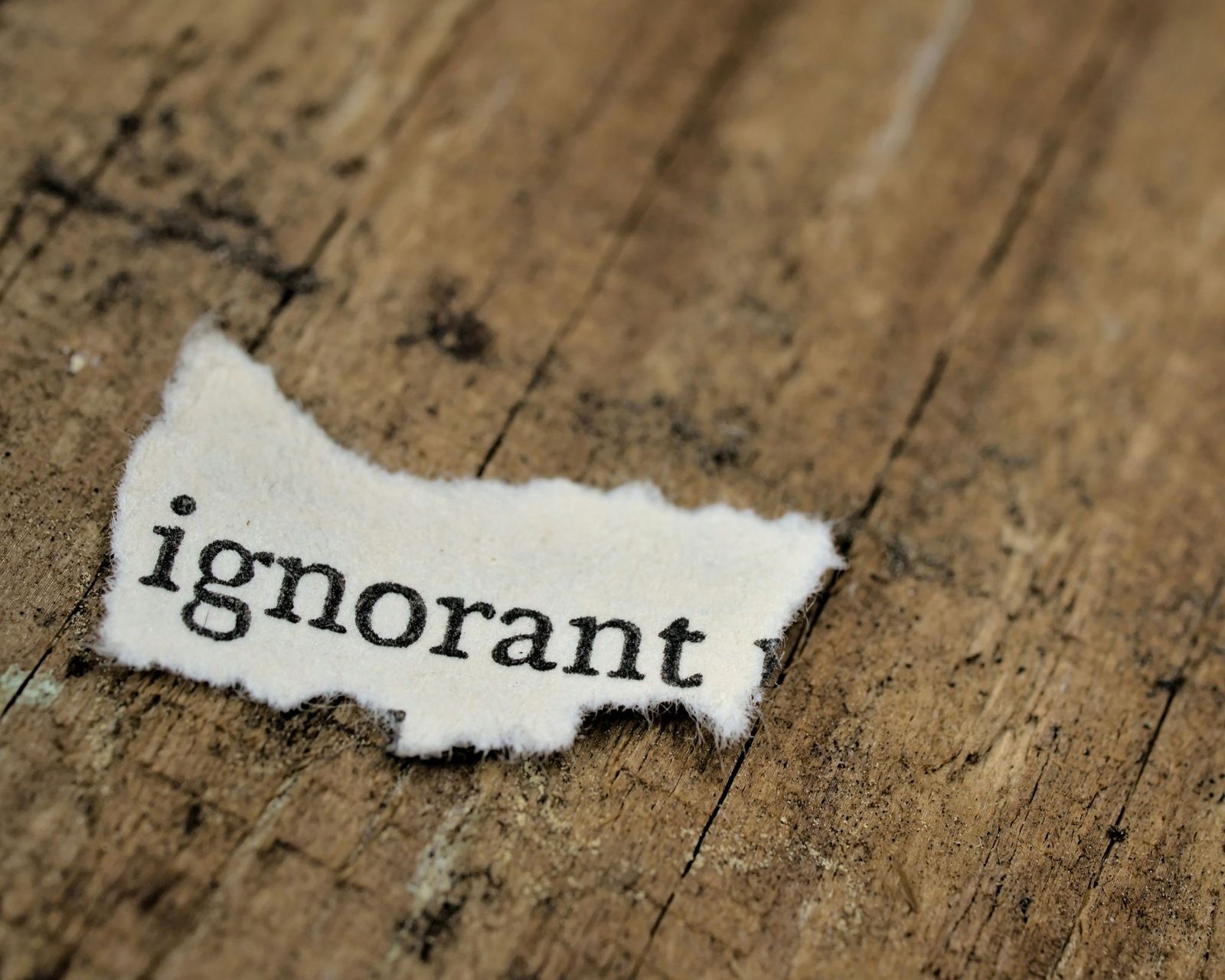
Being called "nice" might not be the highest of compliments, but it is also not a bad thing to be called. That is, in the last few centuries. In its Latin origin, nescius (from nescire, "to not know", "to ignore") was undoubtedly insulting, and it continued to be up until the 15th century, when "nice" lost its meaning of "fool", "ignorant", or "fussy", and adopted the meaning of "precise" and later on "agreeable" and "kind".

7

Placenta

Image: OlgaBombologna

The placenta is an extraordinary and fascinating organ, but its name is almost underwhelming in its simplicity. It was named in the 16th century by Italian anatomist Realdo Colombo, who chose the name placenta uterina, Latin for "uterine cake". Yes, placenta is the Latin word for "cake" or "flatbread". Why did Colombo choose the name? To him, the shape of the placenta resembled a traditional baked flat cake.

8

Uncle

Image: Rod Long

In English, many familiar relations kept their original Old English form, but some were replaced by their Norman-French equivalent. "Uncle" (in Old English, ēam for maternal uncles and fædera for paternal uncles) was adopted from the French oncle, derived from the Latin avunculus. While avunculus was used in Latin for maternal uncles and is often translated as "mother’s brother", it is actually the diminutive of avus, "grandfather", which made your maternal uncle your "little grandfather".

9

Candidate

Image: Sandra Filipe

We are used to suspecting the hidden motivations of political candidates, a reality that makes the etymology of "candidate" sound ironic. The term comes from the Latin candidus, meaning "shining white". Political candidates in ancient Rome would wear a bright white robe or toga candida as a sign of their purity, honesty, and good reputation, and they were known as candidatus or "clothed in white".

10

Desire

Image: Dns Dgn

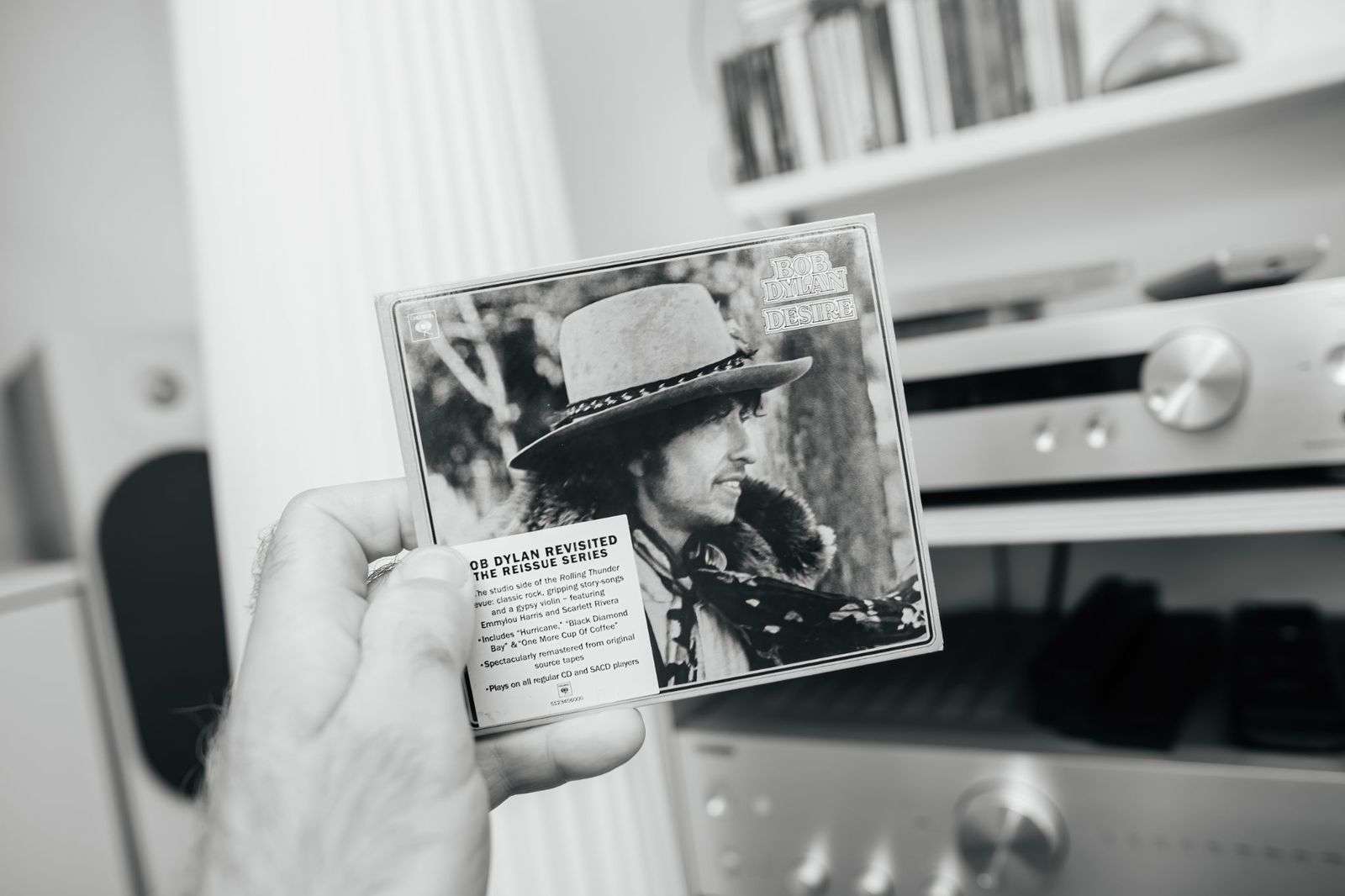
If you were to look for the Latin root of the word "desire", you would find the verb desiderare, meaning "to long for", "to wish", or "to demand". But what is behind desiderare? While some experts consider this a folk etymology**, others link** desiderare to de sidere ("from the stars"), from sidus ("heavenly body" or "star"), connecting "desire" with something ruled by or wished upon the stars.

Beloved lyrics

"For what is a man?": Some of the wisest lyric lines ever written


Published on October 11, 2026


Image: Hanna-J

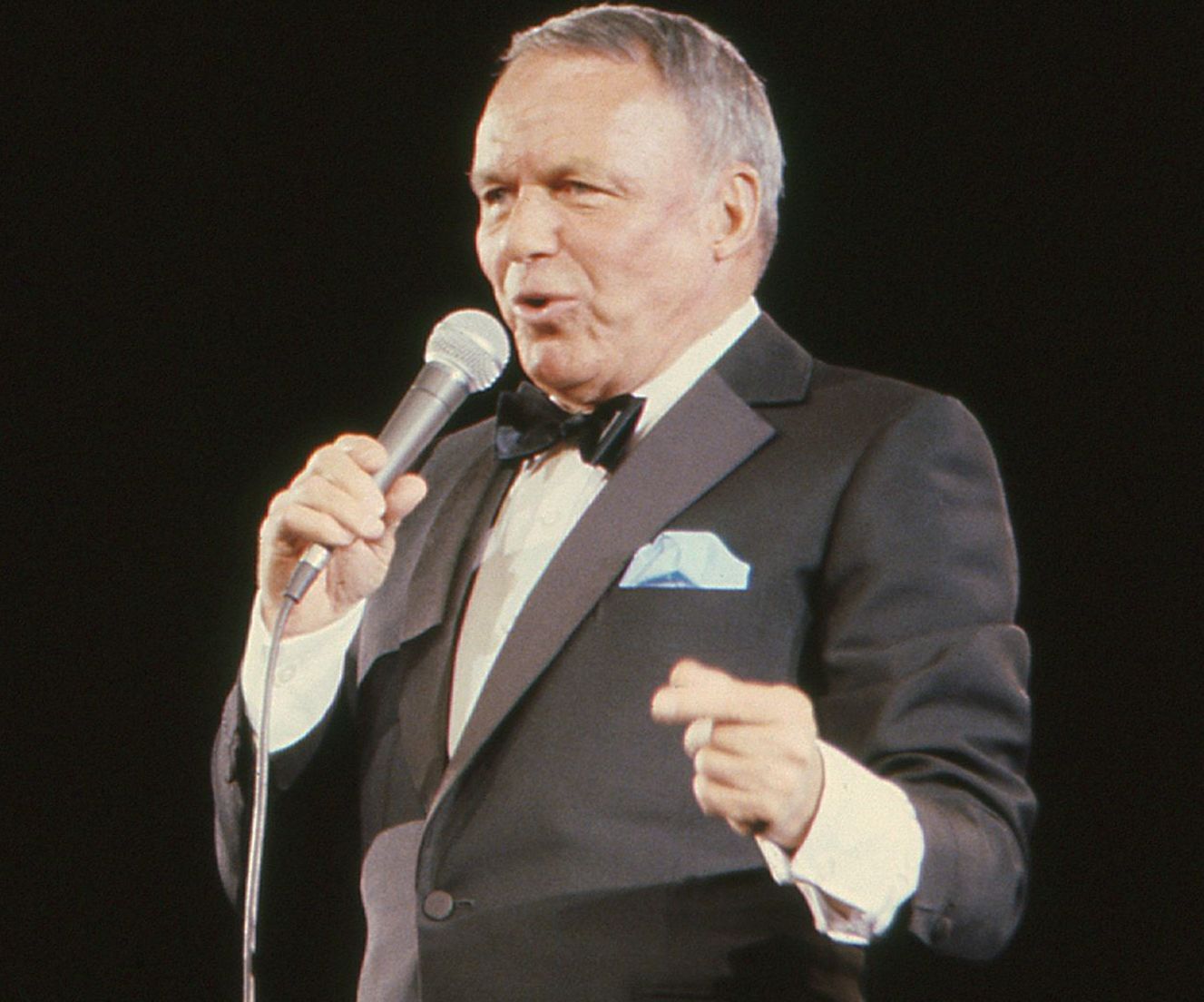
Paul Anka was terrified when he sat down to write the lyrics for a song that Frank Sinatra would be singing. Jokingly, he started with a dramatic, "And now, the end is near…" The rest is history. Who are the people who pen the words that others will spend decades repeating? How did they come up with words so precise and true that listeners would compare them with those of great philosophers? Here are 10 of people’s favorite lyrics of all time, decoded.

1

"For what is a man? What has he got?"

Image: Arthur D'Amario III

"For what is a man? What has he got? If not himself, then he has naught." The melody of "My Way" wasn't originally American. It began as a French song called Comme d'habitude, a number about a couple stuck in a stale marriage. Paul Anka heard it on the radio while in France and bought the rights on the spot, before he had any use for it.

That use arrived at a dinner in Miami, when Sinatra told him, almost in passing, that he was quitting the business. Anka flew home, sat down at a typewriter, and spent one night writing lyrics as if Sinatra himself were speaking them. Sinatra recorded it in two takes and later called it his "national anthem," and many agreed; Anka had written the exact words one wants to belt while closing an episode of their life.

2

"Life is what happens to you…"

Image: Public Record Office of Northern Ireland, No restrictions, via Wikimedia Commons

In "Beautiful Boy (Darling Boy)," John Lennon wrote: "Life is what happens to you while you are busy making other plans." But the phrase originated with American writer and cartoonist Allen Saunders, who published it in a 1957 issue of Reader's Digest ("Life is what happens to us while we are making other plans").

The line outlived everything else about the song, repeated at graduations and eulogies for decades since. Lennon was murdered shortly after the album's release, which means the song now carries a weight of hindsight neither he nor his listeners could have intended at the time.

3

"How many roads must a man walk down…"

Image: Hadrian

"How many roads must a man walk down before you call him a man?" A young Bob Dylan wrote "Blowin' in the Wind" in 1962. He later claimed he wrote the entire song in about ten minutes at the Gaslight Cafe in Greenwich Village, borrowing its melody from the old spiritual "No More Auction Block." He was twenty-one, barely a year into his New York career, and insisted at the time it wasn't a protest song at all.

The song never answers its questions, but keeps asking them. First published in the folk magazine Broadside in May 1962, it became the unofficial anthem of the civil rights and antiwar movements once Peter, Paul and Mary's cover shot to number two on the charts in 1963.

4

"And in the end, the love you take…"

Image: Jim Summaria, CC BY-SA 3.0, via Wikimedia Commons

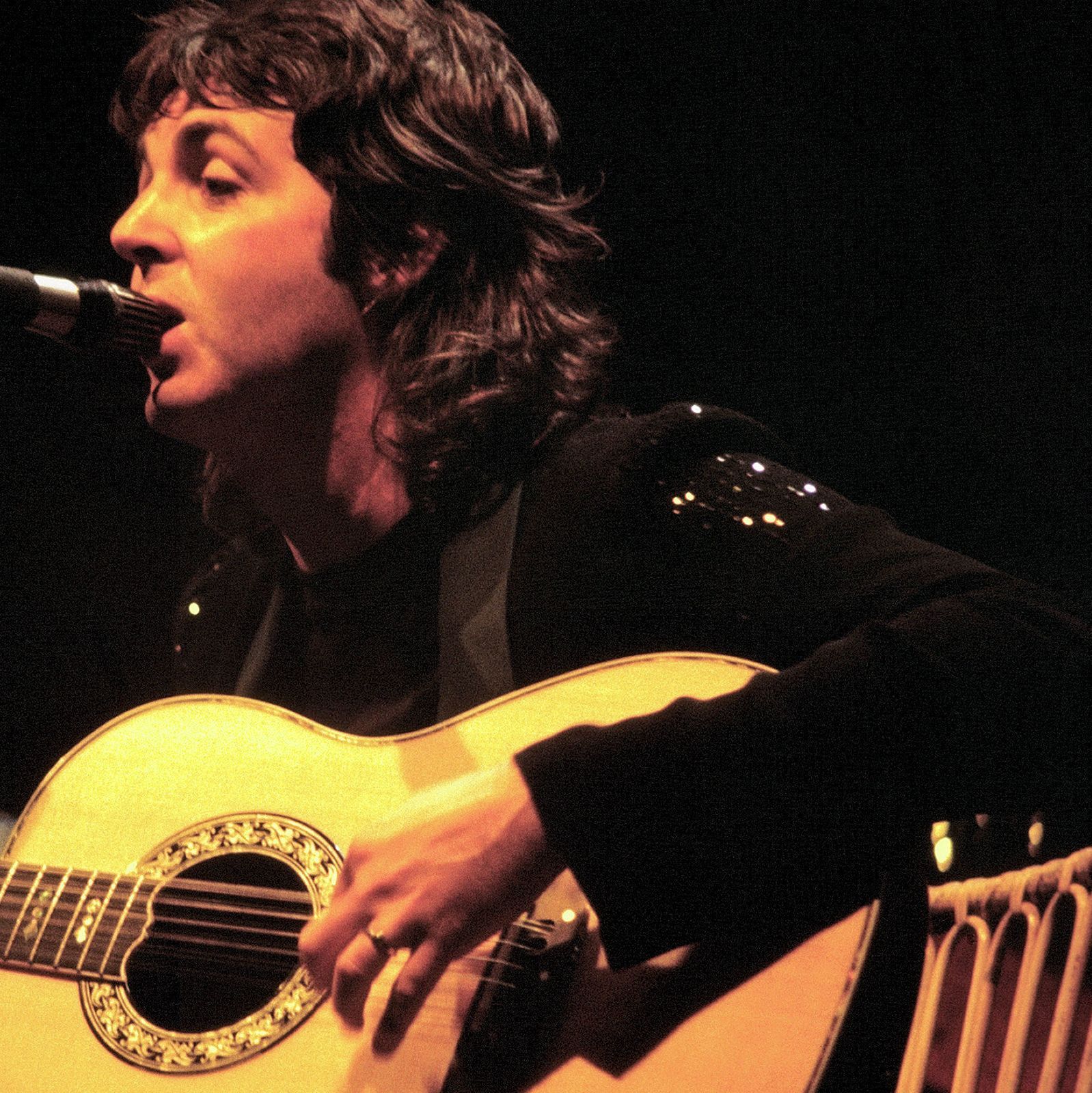
"... is equal to the love you make." This is the last song the four Beatles ever recorded together, and Paul McCartney built it deliberately as a farewell. He gave Ringo Starr his only drum solo in the band's history, a fight McCartney had to win through what he called "gentle persuasion," since Starr detested solos on principle.

For the closing line, McCartney said he'd been thinking about Shakespeare, who often ended a scene with a rhyming couplet so the audience would know it was truly over. Even John Lennon, who generally disliked the Abbey Road medley and rarely praised his old partner's work by 1980, admitted the closing thought was "a very cosmic, philosophical line."

5

"They’re sharing a drink they call loneliness…"

Image: Debby Wong

"... but it’s better than drinking alone." "Piano Man", by Billy Joel, narrates a song in which the character is real. Joel wrote it about the six months he spent playing piano under the fake name "Bill Martin" at a Los Angeles lounge called The Executive Room. Even the waitress "practicing politics" was Elizabeth Weber, the woman who'd soon become his wife.

Joel wrote it while hiding out from a record label he was desperate to escape after his debut album flopped. It became a bittersweet anthem that many people love singing with others; it seems like, as the song suggests, singing sorrows together at the bar is better than feeling them at home.

6

"I've looked at love from both sides now…"

Image: Arthur D'Amario III

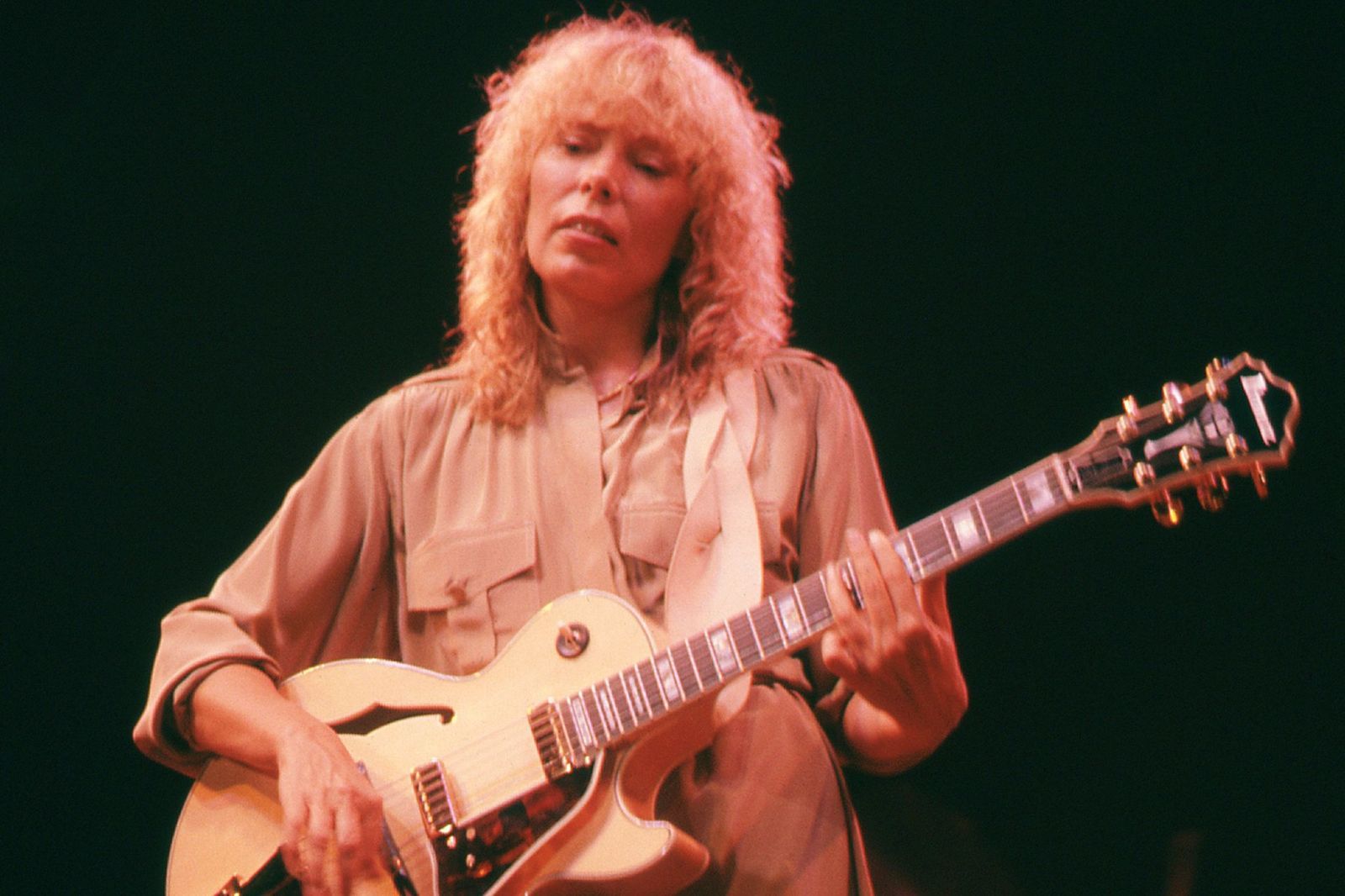
The whole song "Both Sides Now," by Joni Mitchell, is often quoted as a deeply philosophical observation of life. It concludes that some mysteries of life are as unknowable as the clouds, or love, despite accumulating experience.

When she wrote it, Mitchell had recently given up a daughter for adoption after being left by the child's father. She was twenty-three, mid-flight, after a passage in Saul Bellow's novel Henderson the Rain King described its narrator looking down at clouds from an airplane, something human eyes had only been able to do for a few decades. Judy Collins released it first in 1967 and won a Grammy for it; Mitchell's own version didn't appear until her 1969 album Clouds.

7

"I’d trade all of my tomorrows for one single yesterday"

Image: Sterling Munksgard

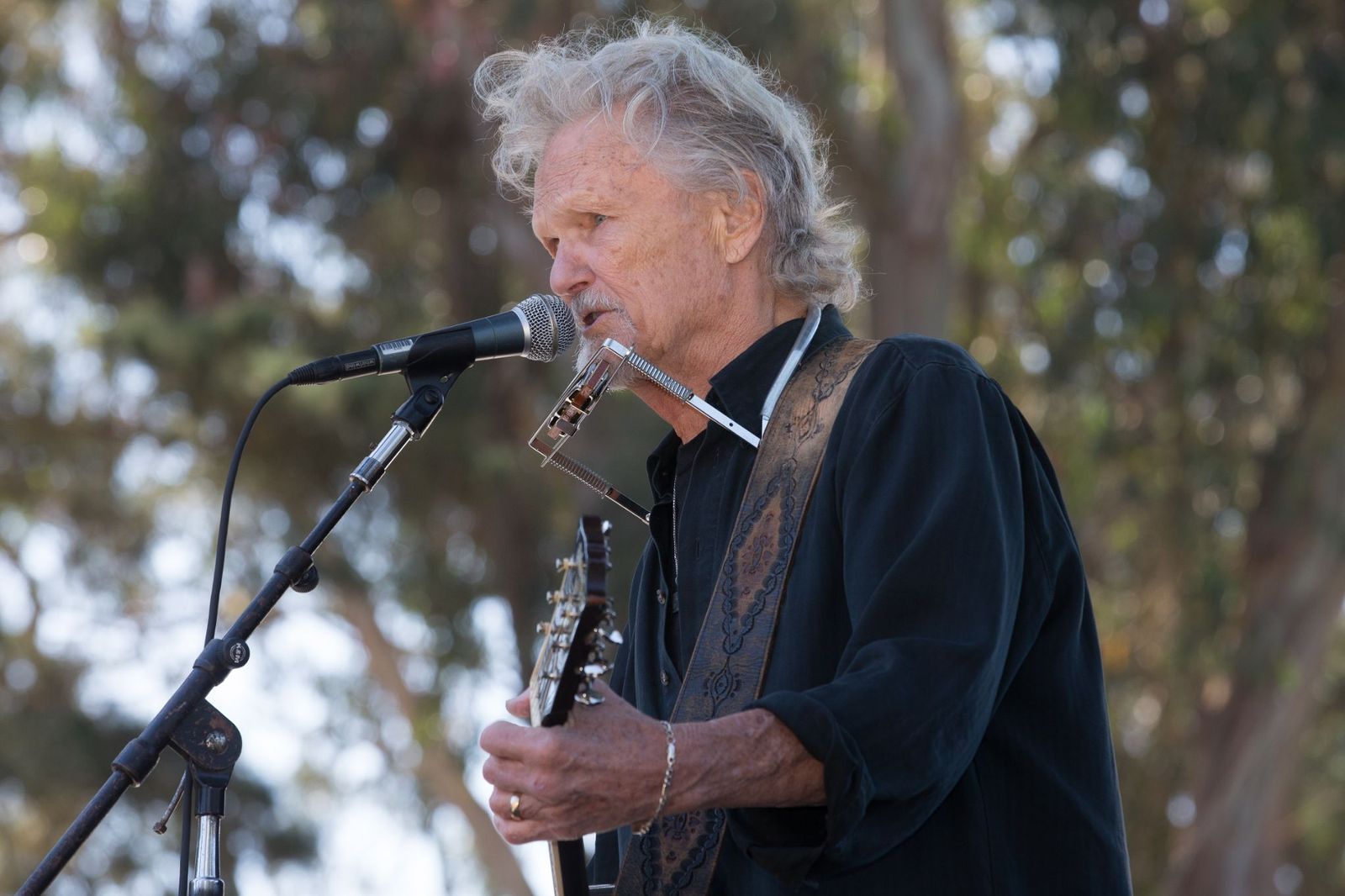
Kris Kristofferson’s song, "Me and Bobby McGee", contains one of people’s favorite quotes from song lyrics. Its title came from producer Fred Foster, who suggested Kristofferson write a song about his colleague's secretary, Barbara "Bobbie" McKee.

Its most quoted idea about freedom and loss was inspired, Kristofferson later said, by the final scene of Fellini's La Strada, in which a man realizes too late what he threw away. Roger Miller released it first, but it was Janis Joplin's posthumous 1971 recording, finished mere days before her death, that turned it into a number one hit and an accidental epitaph.

8

"But time makes you bolder, even children get older…"

Image: L Paul Mann

"... and I'm getting older too." Nicks says she wrote "Landslide" in about five minutes, sitting in a rented house in Aspen while her partner and musical collaborator, Lindsey Buckingham, was on tour rehearsing with the Everly Brothers. The song's real subject isn't romance, but the vertigo of watching time pass. She was twenty-seven, broke, working as a waitress and a cleaner, and their duo album had just been dropped by its label.

Looking at the snow on the Rockies, she found herself deciding whether to keep chasing music at all. Three months later, Mick Fleetwood heard Buckingham's guitar work on a demo and invited the pair into Fleetwood Mac, which changed their lives. The song has now aged into an anthem for anyone facing a hinge point in their own life.

9

"You can't always get what you want…"

Image: Kari Pulkkinen, Public domain, via Wikimedia Commons

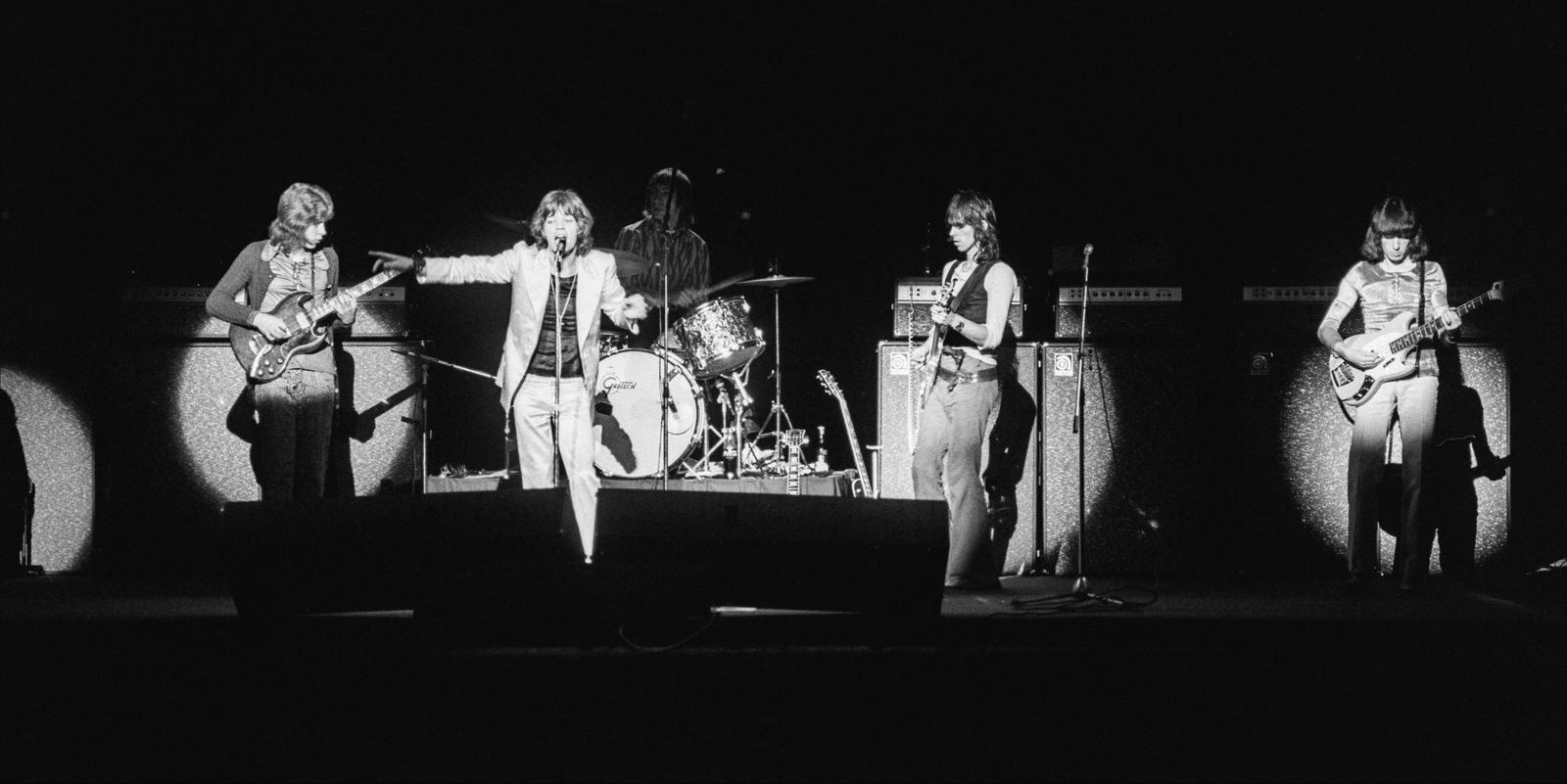
"You can't always get what you want, but if you try sometime you'll find you get what you need." Mick Jagger sketched this one alone on an acoustic guitar, calling it "one of those bedroom songs." It closed 1969's Let It Bleed just as the decade's peace-and-love optimism was cracking.

The song is upbeat and simple, and unexpectedly insists on an idea of acceptance or surrender that has more to do with Stoic philosophy than with pop rock optimism. But the listeners liked it, and many quote it often.

10

"There is a crack in everything…"

Image: Route66

"...that's how the light gets in." Leonard Cohen worked on "Anthem" for roughly a decade, discarding draft after draft, before it finally appeared on his 1992 album The Future. He wasn't a man given to explaining his own lyrics, having spent years training as an ordained Zen Buddhist monk and generally preferring silence to self-analysis.

But "Anthem" has the clearest statement of a philosophy he'd circled his entire career: that brokenness can give way to grace. It has since been invoked by human rights activists, quoted at protests, and performed at civic ceremonies.

Looking for an extra scoop of literary fun?

Learn more with our Word of the day

superfluous

/suˈpərfləwəs/