Whose line is it, anyway?

No, Churchill never said that: 10 wrongly attributed quotes


Published on January 19, 2026


Image: Crisoforo Gaspar Hernandez

We’ve all seen those inspirational quotes floating around with famous names attached, like Gandhi, Einstein, or Churchill, to name a few, but how many of them are genuine? As it turns out, a lot of the most well-known quotes were never actually said by the people they're credited to. Here are 10 of the most famously misattributed quotes. Did you know about any of these?

1

"Let them eat cake." Not Marie Antoinette
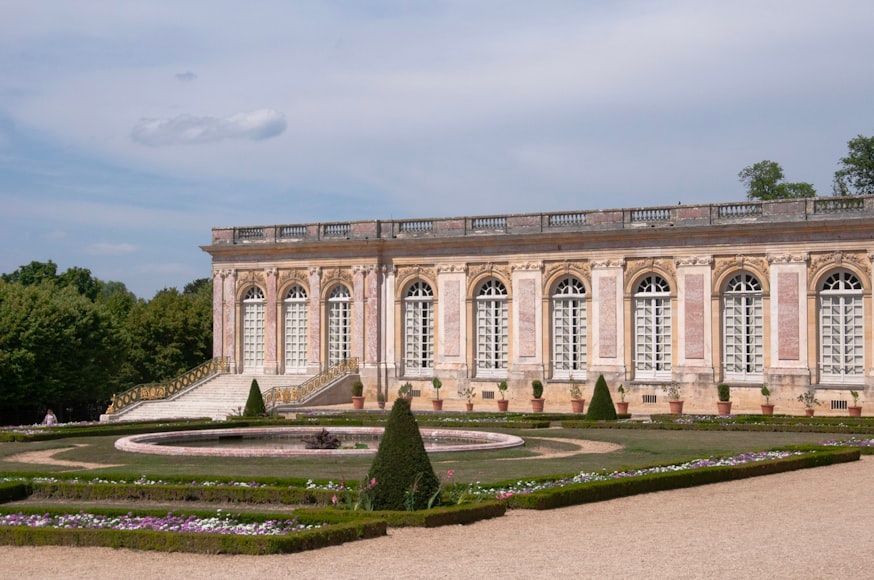
Image: Kaleb Duperre

This infamous line was never said by Marie Antoinette. Actually, it appeared in Rousseau’s writing when the Queen was just a child.

It became a symbol of elite ignorance during the French Revolution, but blaming her directly is unfair historical myth-making.

2

"Be the change you wish to see in the world." Not Gandhi
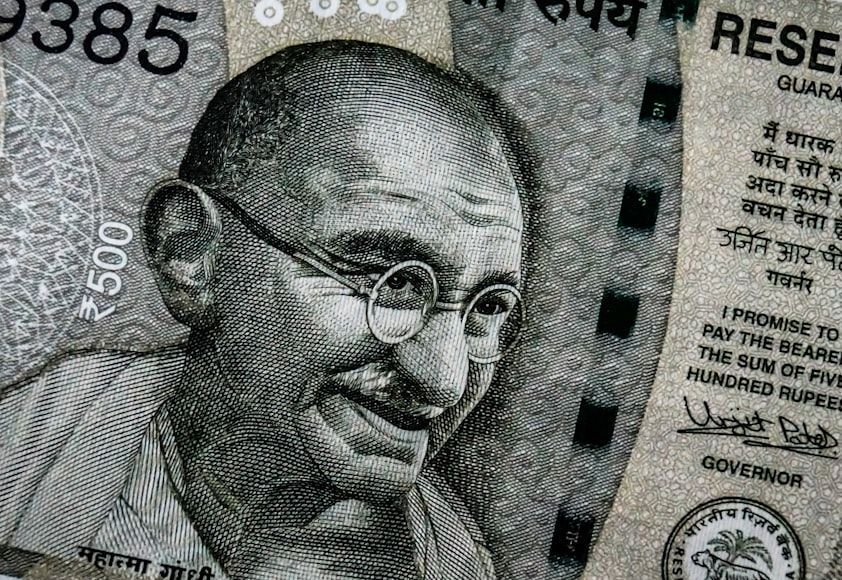
Image: Ishant Mishra

Gandhi said and did many inspirational things, but he never said it like that. The quote is more of a paraphrase of his broader teachings on self-responsibility.


While it fits his vibe, this line, ubiquitous on Instagram, isn’t something he wrote or said.

3

"I disapprove of what you say, but I will defend to the death your right to say it." Not Voltaire
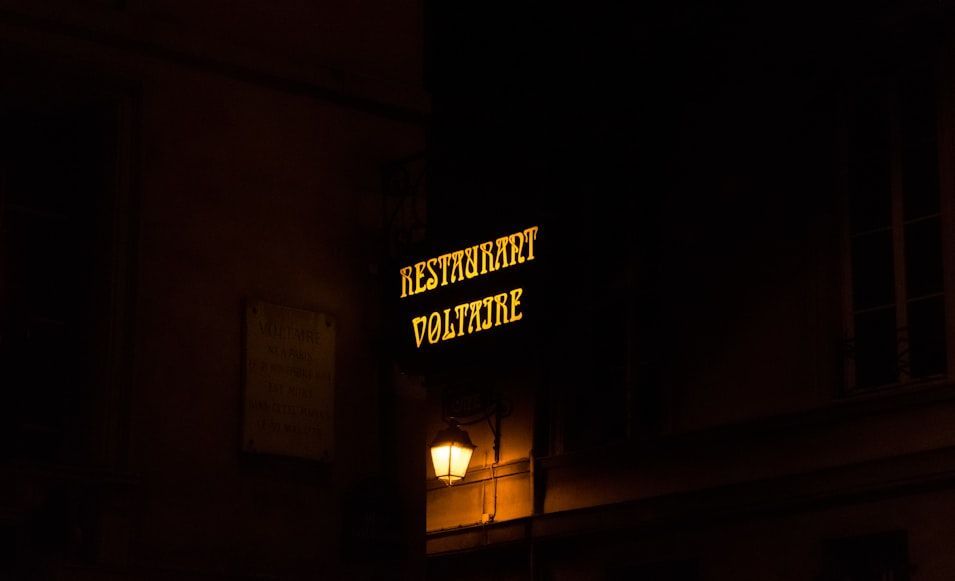
Image: Nicolas Michot

This quote was written by Evelyn Beatrice Hall, summarizing Voltaire’s attitude, but not quoting him directly.

Still, it sounds very much like something Voltaire would say, which is probably why it has been associated with his name over the years.

4

"The only thing necessary for the triumph of evil is for good men to do nothing." Not Edmund Burke
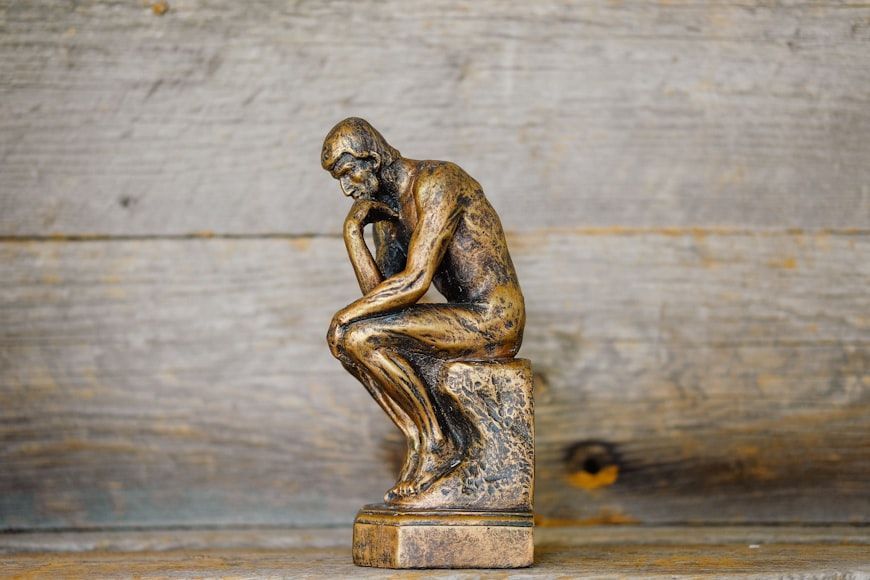
Image: Kenny Eliason

Just as it happened with the fake quotes attributed to Gandhi and Voltaire, Burke never said this, but it is one of those lines that captures his general views, albeit not in the exact wording.

Despite that, it’s often slapped onto memes and motivational pictures with his name under it. Classic case of too good to fact-check.

5

"Elementary, my dear Watson." Not Sherlock Holmes
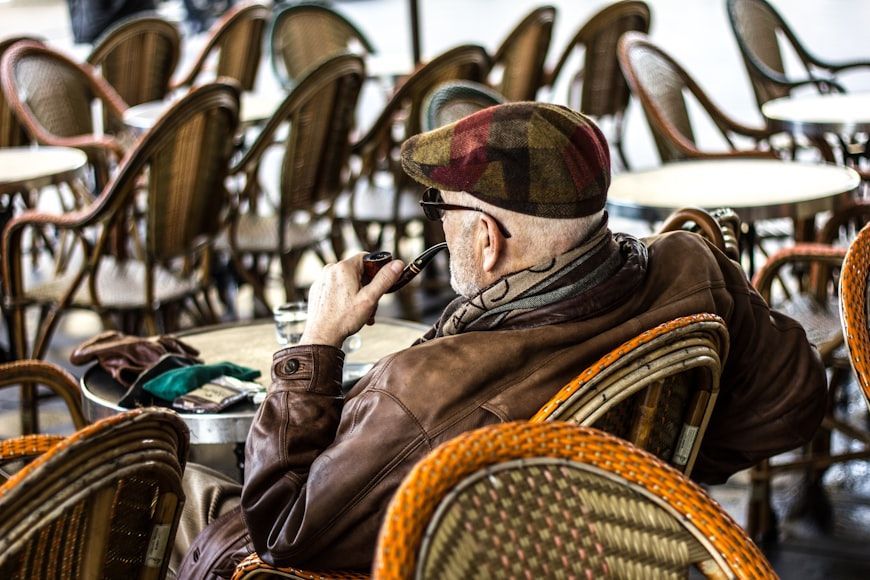
Image: Clément Falize

This might come as a shock, but Sherlock Holmes never actually said this in the books. The phrase was invented by screenwriters later on.


It stuck because it's catchy, but Arthur Conan Doyle's Holmes was a bit more verbose and formal in style.

6

"Insanity is doing the same thing over and over and expecting different results." Not Einstein
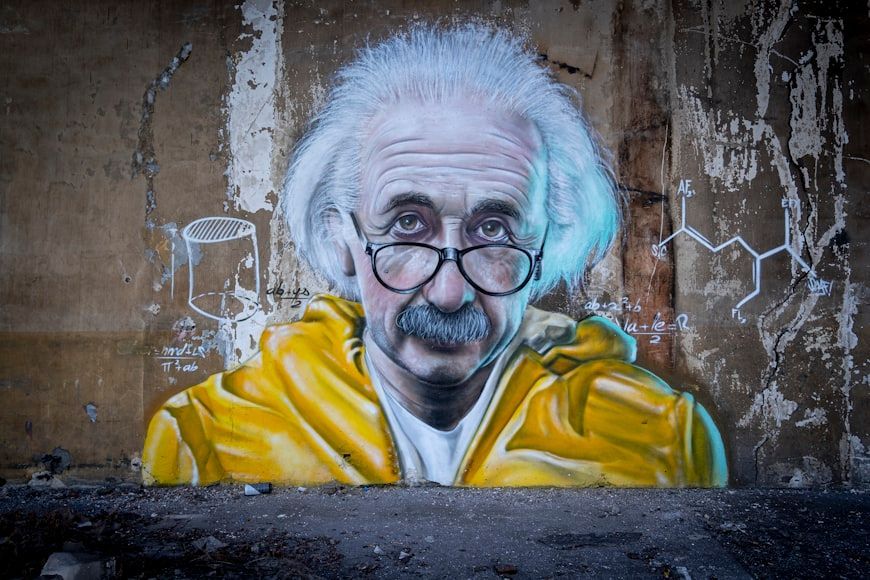
Image: Taton Moïse

This phrase has been widely attributed to Albert Einstein, but, despite what every motivational poster wants you to believe, the brilliant man didn’t say it.

It supposedly came from a Narcotics Anonymous text or a novel by Rita Mae Brown in the 1980s.

7

"If I had more time, I would have written a shorter letter." Not Mark Twain
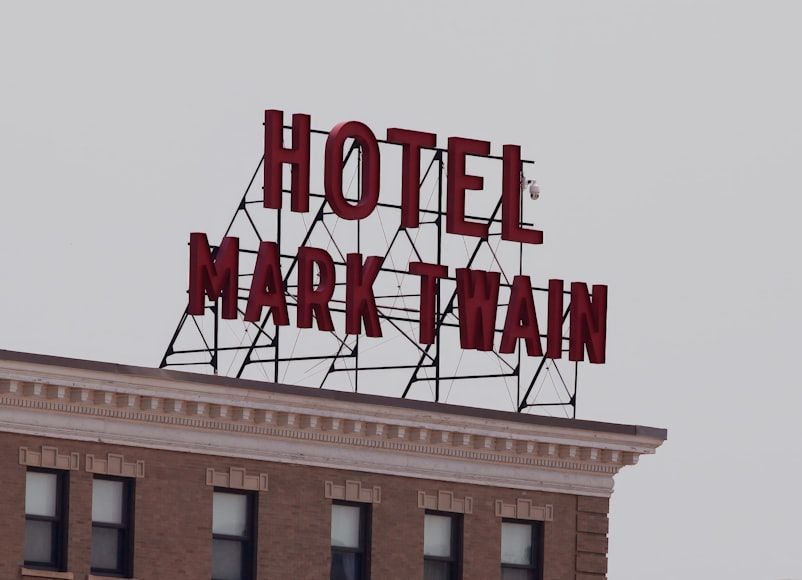
Image: Preston A Larimer

Although Mark Twain was as witty as they come, he didn’t say this. Instead, Blaise Pascal did, way back in 1657. The idea is that concise writing takes time.

Others like Churchill and Cicero expressed similar ideas, but Pascal was the first to put it so clearly.

8

"Blood, sweat, and tears." Not originally Churchill
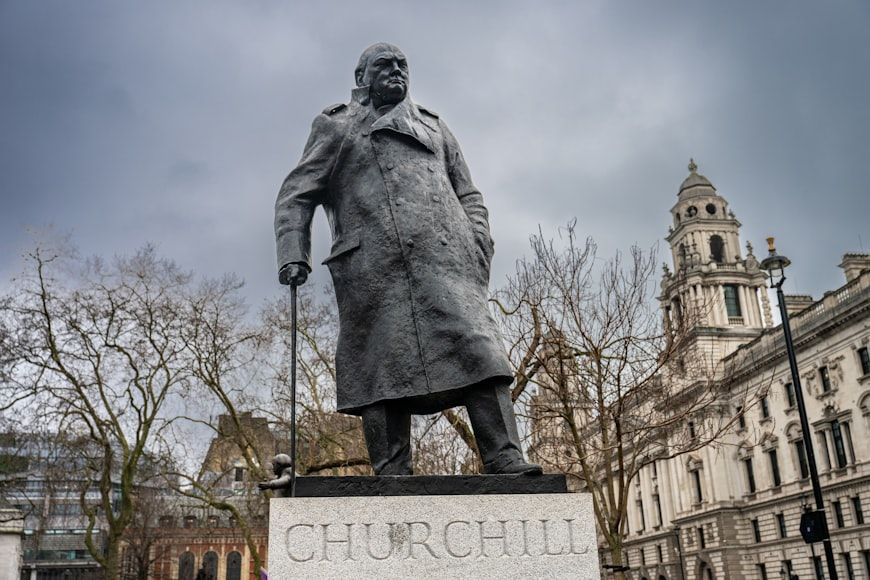
Image: Toby Dagenhart

And while we are on the subject of Churchill, we can mention this line. He said "blood, toil, tears, and sweat," which is slightly clunkier but still powerful.


The simpler version predates him and was used by others, including Theodore Roosevelt and Garibaldi.

9

"I cannot tell a lie." Not George Washington
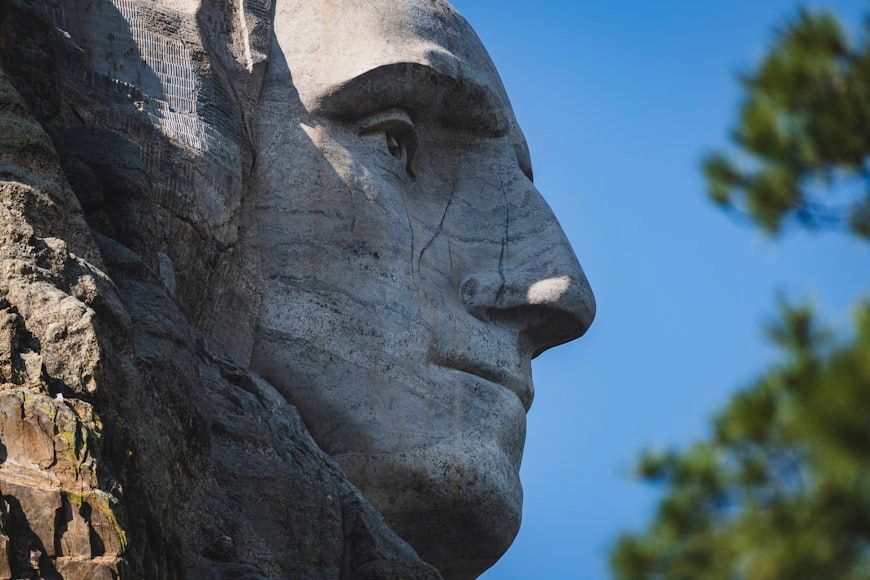
Image: Jon Sailer

Believe it or not, the cherry tree story is fiction. It was made up by Mason Locke Weems to give Washington a moral glow.

There’s no real evidence that the first U.S. president ever said it, but it’s still in textbooks and kids’ stories.

10

"Well-behaved women seldom make history." Not Marilyn or Eleanor

Image: Jarvik Joshi

This famous line wasn’t said by Marilyn Monroe or Eleanor Roosevelt. It was written by historian Laurel Thatcher Ulrich.

The reputed historian meant it as an observation, not a call to rebellion, but the internet memes gave it a whole new meaning.


Secret codes, decoded

Why pilots say "roger" and 9 other unspoken coded messages


Published on January 19, 2026


Image: Zoran Jesic

Every line of work has its own secret language. Pilots, nurses, actors, filmmakers, and sailors all use words and signals that mean something very specific to insiders. If you’re an outsider overhearing them, you probably wonder, "What the heck is going on?" Some of these terms are technical, some are funny, and some are just plain absurd. Take why pilots say "Roger" when they don’t mean "yes," or what "S.O.S." really stands for (spoiler: it doesn’t stand for anything). Let’s decode 10 of them.

1

Why pilots, ATC, and sailors say "Roger" instead of "Yes"

Image: LightField Studios

"Roger" doesn’t mean yes; it means "message received." Early radio operators spelled out letters with code words so garbled static wouldn’t ruin things, and the word for R was "Roger." R stood for "received," so the name stuck. The alphabet changed in 1957, and R became "Romeo," but "Roger" lived on like an old uncle at Thanksgiving. Civilians never learn it because most of us have never radioed a tower.

2

What "SOS" actually stands for in international maritime code

Image: Strannik_fox

Surprise: it doesn’t stand for anything. "Save Our Souls" is a catchy myth invented later. In Morse code, S is three dots, and O is three dashes, so the signal is just three dots, three dashes, three dots. It was adopted at a radio conference in Berlin in 1906, took effect in 1908, and was easy to send and hard to mistake. The Titanic famously used it in 1912. Since it isn’t an acronym, those periods in "S.O.S." are technically incorrect.

3

The reason hospital staff call out a "Code Red" instead of "Fire"

Image: Drazen Zigic

Imagine a hospital full of patients on oxygen, in surgery, or unable to walk, and then somebody shouts "FIRE!" That’s a recipe for panic. So hospitals use color codes: Code Red means fire, Code Blue means a patient needs resuscitation, and so on. Hospitals began adopting codes in the 1960s, and they still differ from state to state. Patients are often left confused, which is rather the point.

4

The secret phrase "Code Adam" in retail stores

Image: Monkey Business Images

If you hear "Code Adam" over a store speaker, a child is missing. Staff lock the doors and search. It’s named for Adam Walsh, a six-year-old who vanished from a Sears store in Hollywood, Florida, in 1981. Walmart introduced the program in 1994, and many other stores followed. Stores use a code instead of a plain announcement so a possible abductor doesn’t panic and bolt.

5

Why flight attendants perform a specific hand gesture when pointing out exits

Image: OSJPHOTO

That graceful sweep of the hands isn’t flight attendant theater. Federal rules require airlines to show passengers where the exits are, and the open-palm, arm-sweeping gesture makes the pointing clear and unmistakable, even in a noisy, crowded cabin. It dates back to the early days of commercial jets in the 1950s and ’60s. Most of us tune it out, usually while hunting for the little bag of pretzels.

6

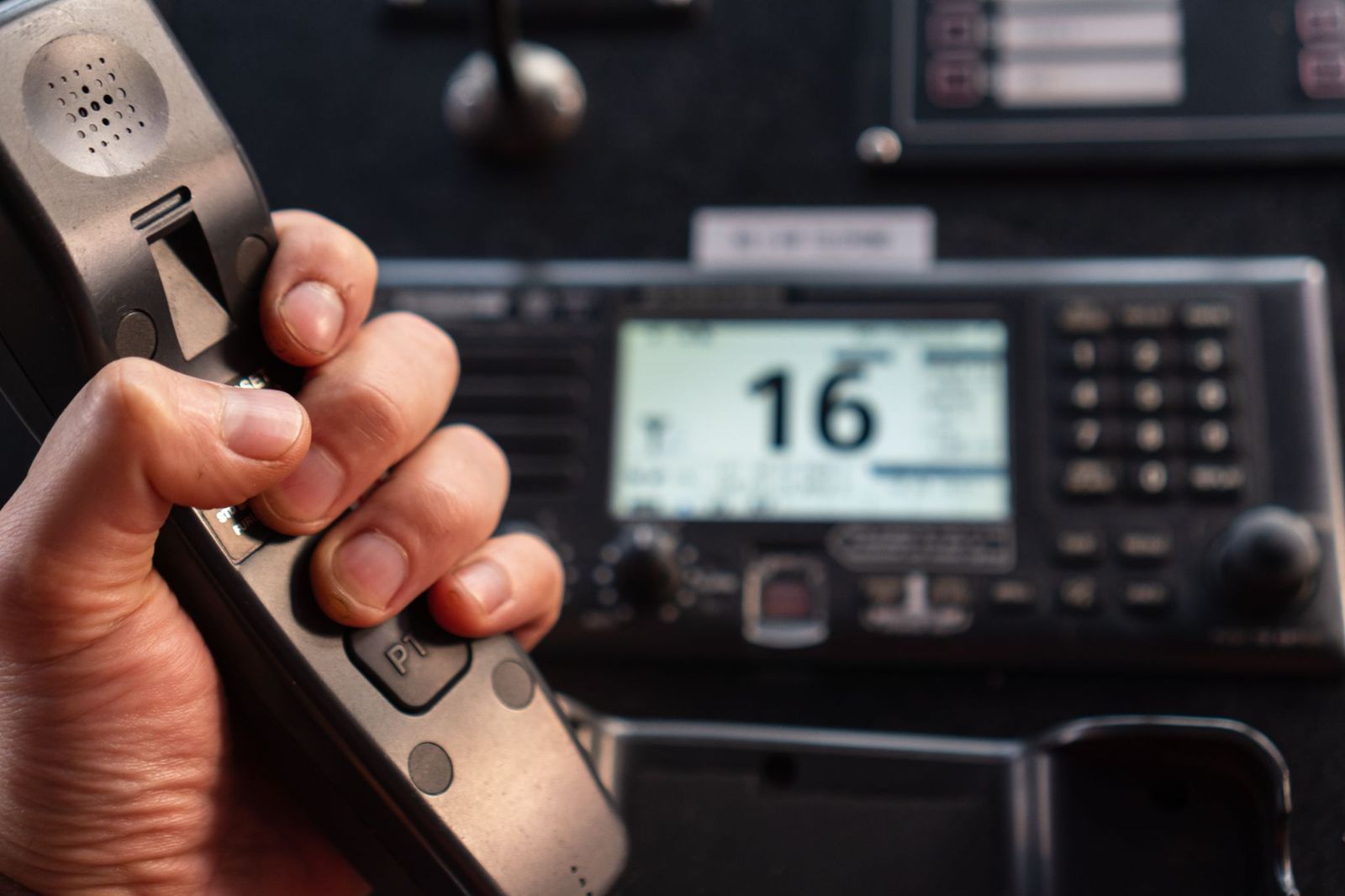
Why pilots and sailors say "Mayday" three times when they’re in trouble

Image: Volodymyr Dudenkov

Nothing to do with the May 1st holiday. In 1923, it was hard to make out the letter "S" over radio telephone, so "S.O.S." was swapped for "mayday" on cross-channel flights between Britain and France. The word sounds like the French "m’aidez," meaning "help me." It was made the official voice distress call in 1927. Saying it three times keeps it from being mistaken for a message that merely mentions it. Most of us only hear it in movies.

7

Why ships turn on blue lights at night in passenger areas

Image: Kokhanchikov

Even though there’s no single worldwide rule, ships do use dim red or blue lighting in some areas at night so crews keep their night vision when they step out on deck, and on European rivers a blue light can flag dangerous cargo. Cruise lines also use soft lighting for ambiance. Naturally, passengers rarely hear about any of it because ship rules are written for crews, not vacationers.

8

Subtle hand gestures that could get you in trouble in foreign countries

Image: Luis Molinero

Hand gestures don’t mean the same thing everywhere. Arrests are actually rare, but real trouble is possible. The "thumbs up" is rude in parts of the Middle East. The "OK" sign is an insult in Brazil and a few other countries. In Greece, an open palm shoved toward someone’s face, called the "moutza," is a serious insult dating back to Byzantine times. Americans stumble into this because we assume our gestures are universal. They aren’t.

9

Why theater performers say "break a leg" instead of "good luck"

Image: New Africa

Actors consider it bad luck to wish each other luck, so they wish a little disaster instead. Nobody agrees on the origin. One theory says performers who bowed or took curtain calls were literally "breaking the leg" of the stage curtain. Another points to German pilots in the 1930s saying "neck and leg break." Either way, it’s an old theater superstition. If you say "good luck" backstage, expect some glares.

10

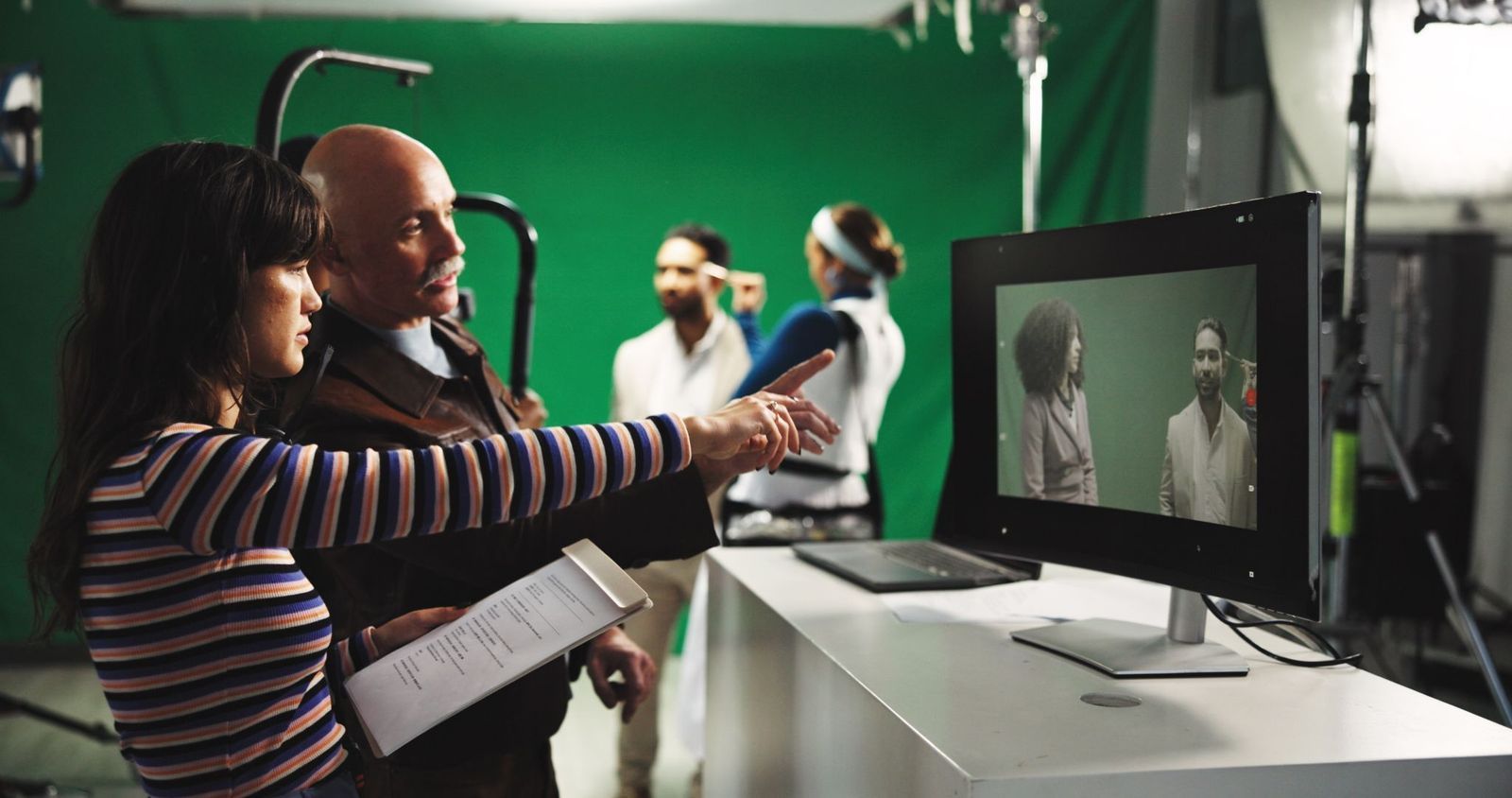
Why film crews cheer when someone yells "Martini shot"

Image: PeopleImages

On a movie or TV set, "martini shot" means the last setup of the day. The name is supposedly a joke that the next shot will be out of a glass. Its sidekick is the "Abby Singer," the second-to-last shot. It’s named after an assistant director who would call out "this, and one more" so the crew could prepare to move to the next set.

Looking for an extra scoop of literary fun?

Learn more with our Word of the day

encumber

/ɪnˈkəmbər/