The art of the grudge

When ambition turns toxic: The 10 most explosive rivalries of all time


Published on April 1, 2026
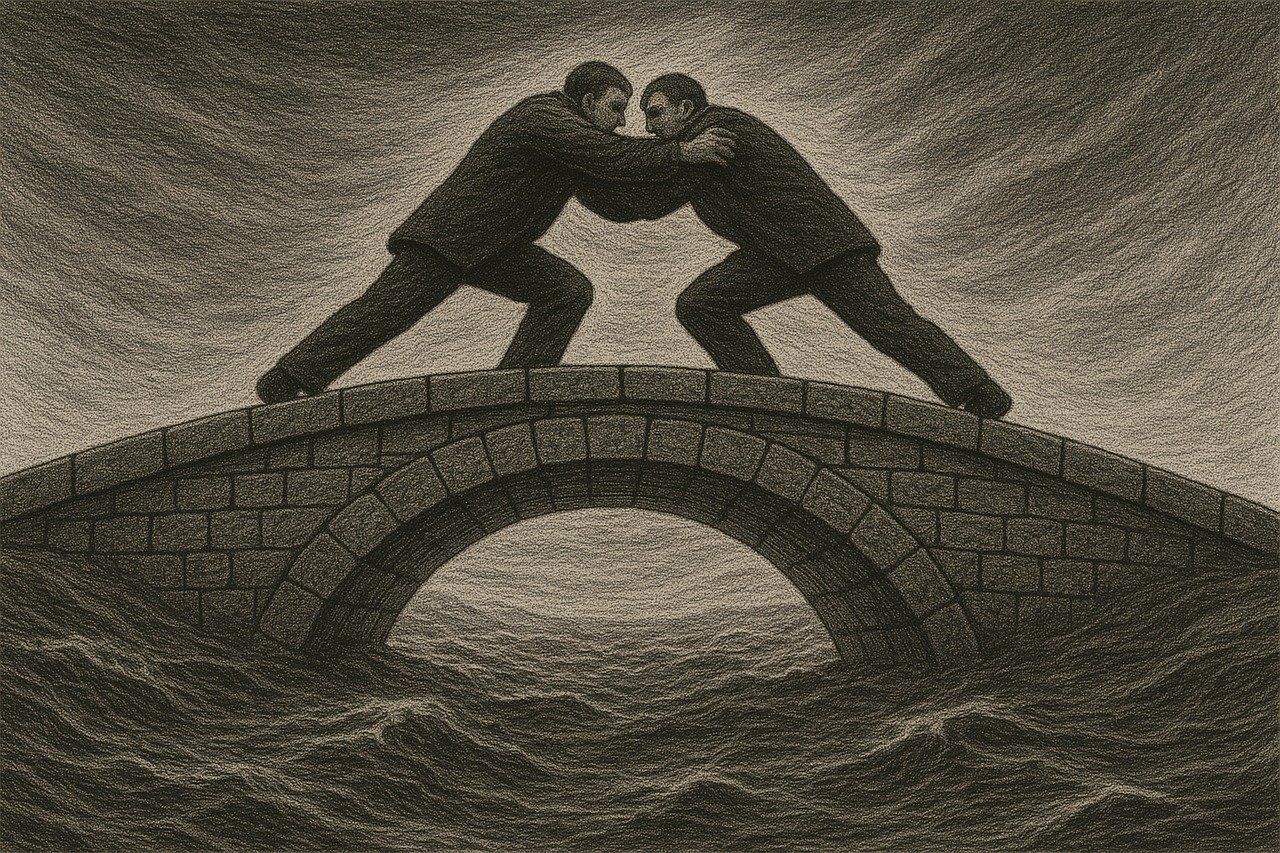

Image: heikohc

History isn’t just a dry timeline of treaties and discoveries; it is a messy, vibrant, and often blood-soaked record of human ego. From the royal courts of England to the film sets of Hollywood, some of the world's most significant progress—and destruction—has been fueled by individuals who simply could not stand one another. Would you like to know more about 10 feuds born of political ambition, sibling rivalry, and corporate greed? Tune in now!

1

The House of York vs. The House of Lancaster
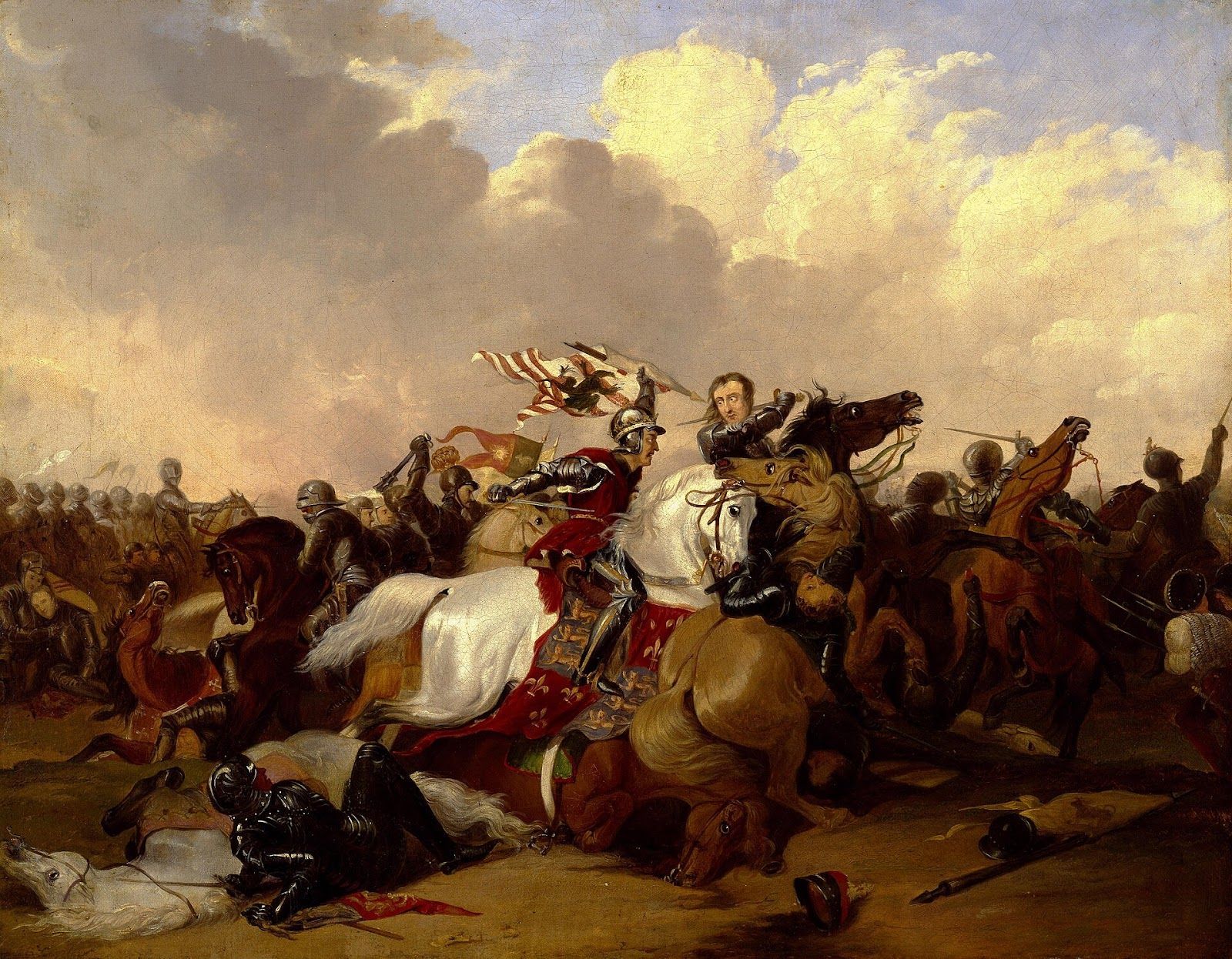
Image: Abraham Cooper, Public domain, via Wikimedia Commons

Way before Game of Thrones became a hit TV show, there was a real-life bloodbath known as the Wars of the Roses. This 15th-century dynastic struggle pitted two branches of the royal House of Plantagenet against each other: the Lancasters (symbolized by a red rose) and the Yorks (a white rose).

For thirty years, the English throne was a revolving door of kings, marked by brutal battles and Shakespearean betrayals. The feud finally ended when Henry Tudor (a Lancaster) defeated Richard III (a York) at Bosworth Field, marrying Elizabeth of York to unite the houses and birth the Tudor dynasty.

2

Alexander Hamilton vs. Aaron Burr

Image: Internet Archive Book Images, Public domain, via Wikimedia Commons

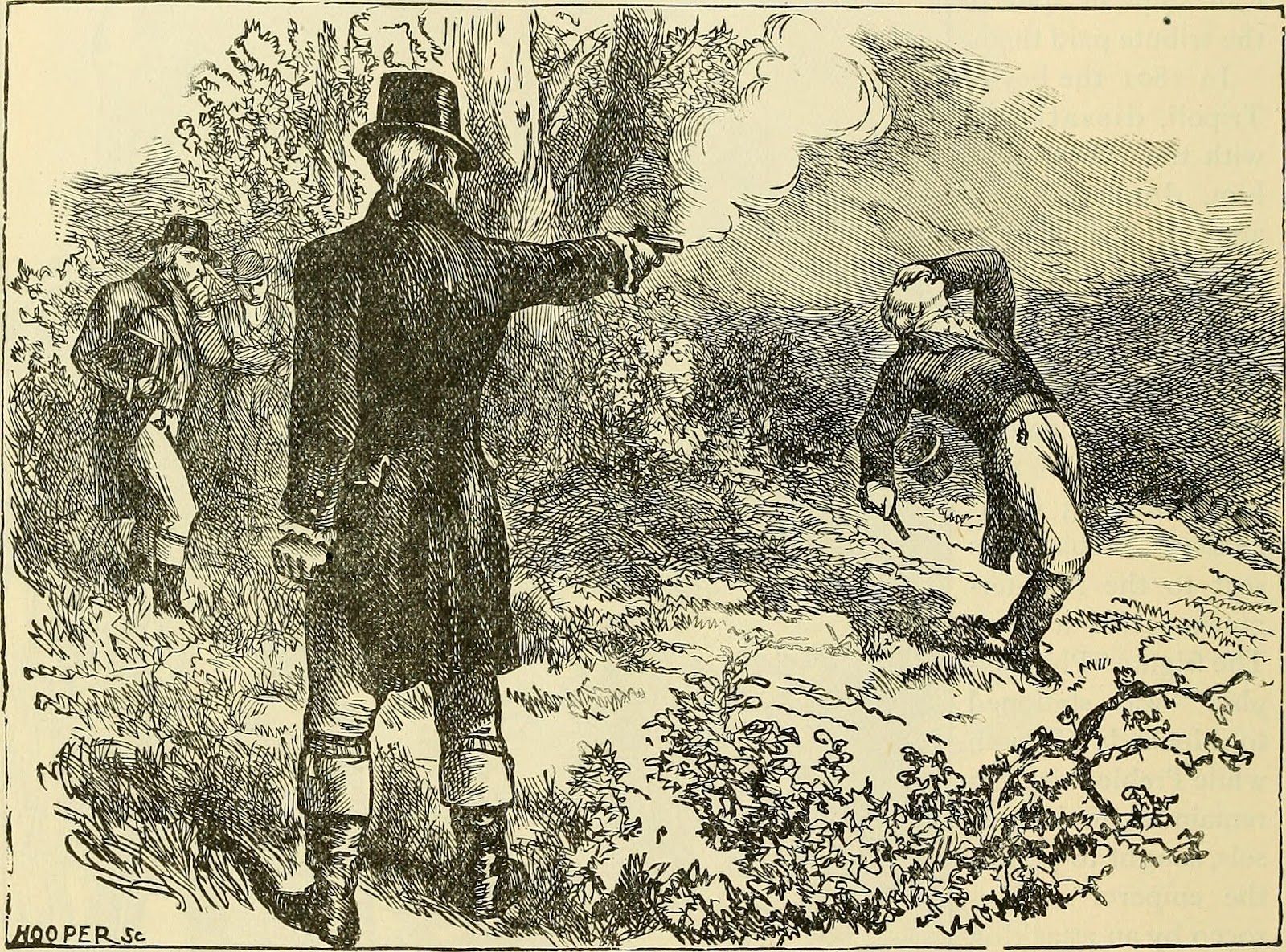
In the early days of the American Republic, politics wasn’t just a war of words, it was a matter of honor. Alexander Hamilton and Aaron Burr were both brilliant, ambitious men, but Hamilton spent years systematically undermining Burr’s career, calling him "dangerous" and "unprincipled."

The tension boiled over after the 1804 New York gubernatorial election. Burr, tired of Hamilton’s constant sabotage, challenged him to a duel. On the heights of Weehawken, New Jersey, Burr fired the shot that ended the life of the First Secretary of the Treasury. While Burr survived, his political reputation never did.

3

Nikola Tesla vs. Thomas Edison

Image: Photographer: Dickenson V. AlleyRestored by Lošmi, Public domain, via Wikimedia Commons

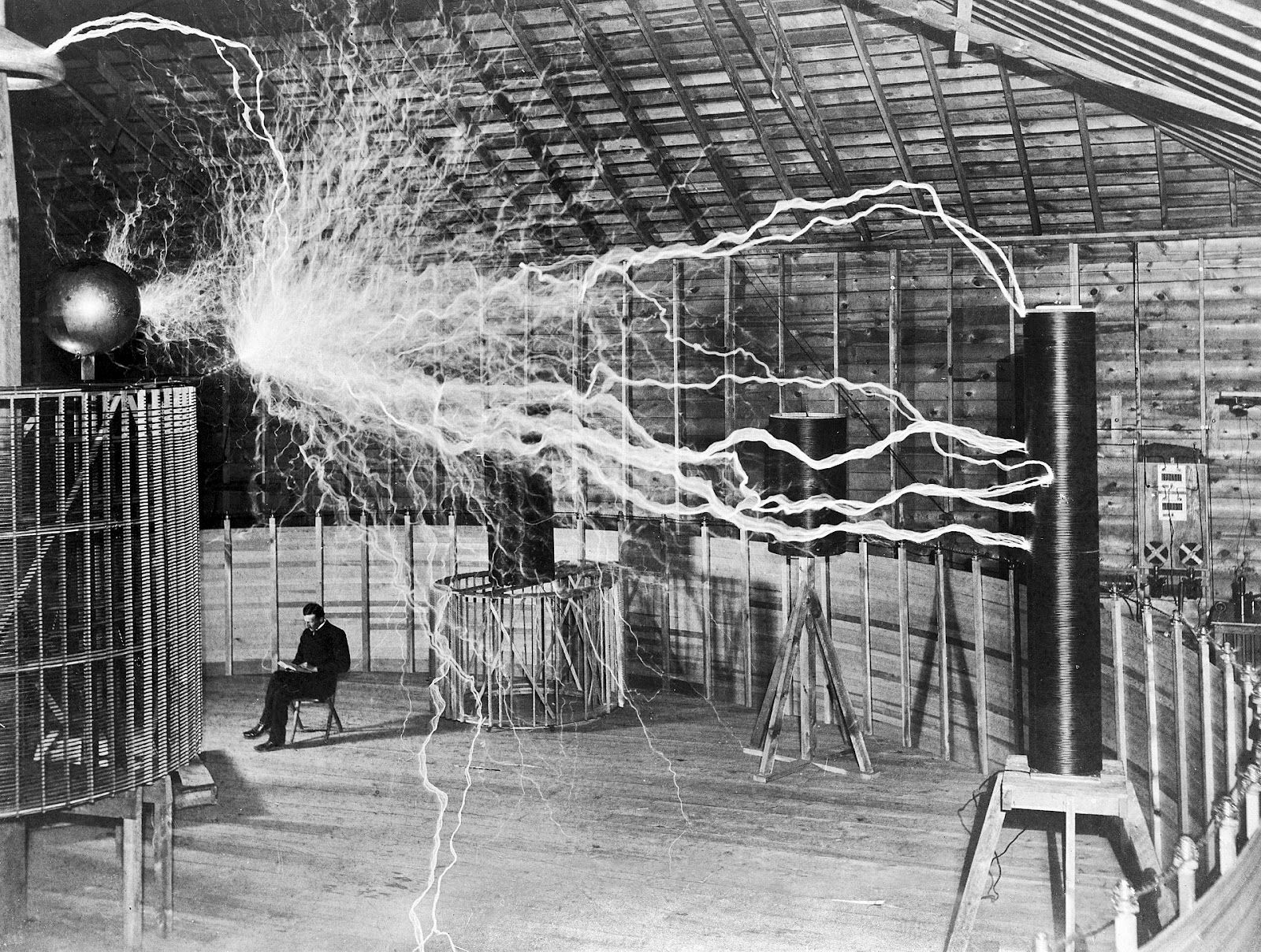
This wasn't just a personal spat, it was ultimately called the War of Currents. Thomas Edison, the "Wizard of Menlo Park," had bet his fortune on Direct Current, while his former employee, the eccentric genius Nikola Tesla, championed Alternating Current.

Edison went to extreme lengths to discredit Tesla and his financier, George Westinghouse, even orchestrating public electrocutions of animals to "prove" Alternating Current was dangerous. However, physics was on Tesla's side. Alternating Current could be transmitted over long distances far more efficiently than Direct Current. Today, when you flip a light switch, you’re seeing the legacy of Tesla’s victory in one of history’s greatest scientific rivalries.

4

The Hatfields vs. The McCoys

Image: Suleman Serwar

The definitive American family feud took place in the Appalachian backcountry along the West Virginia-Kentucky border. What started as a lingering bitterness from the Civil War and a dispute over a stolen pig spiraled into a decade of surprise attacks, arson, and murder.

By the time the violence peaked in the 1888 "New Year’s Massacre," dozens had been killed or imprisoned. It took over a century for the families to officially sign a truce, proving that some grudges are written into the very DNA of a community.

5

Joseph Pulitzer vs. William Randolph Hearst
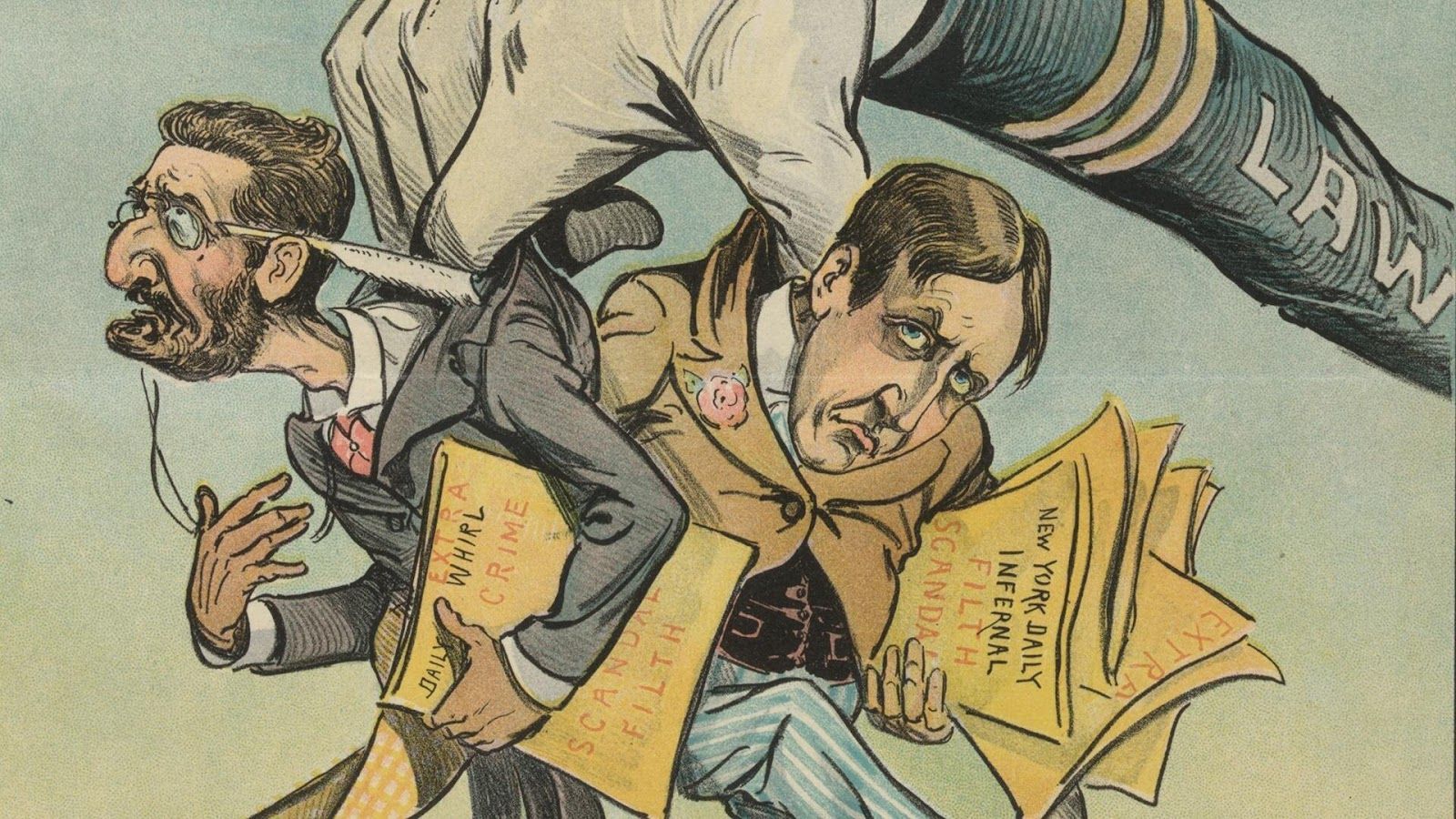
Image: Uploader Hasanov Jasurbek, Public domain, via Wikimedia Commons

In the late 1890s, the battle for the attention of New Yorkers gave birth to Yellow Journalism. Joseph Pulitzer (New York World) and William Randolph Hearst (New York Journal) competed to see who could print the most sensational, lurid, and often fabricated headlines.

Yet, this seemingly frivolous feud actually had geopolitical consequences. Both men used their papers to drum up pro-war sentiment during the Spanish-American War to boost circulation. Their race to the bottom changed the media landscape forever, teaching us that when news becomes a weapon in a personal rivalry, truth is usually the first casualty.

6

Bette Davis vs. Joan Crawford

Image: Warner Bros. Studios, Public domain, via Wikimedia Commons

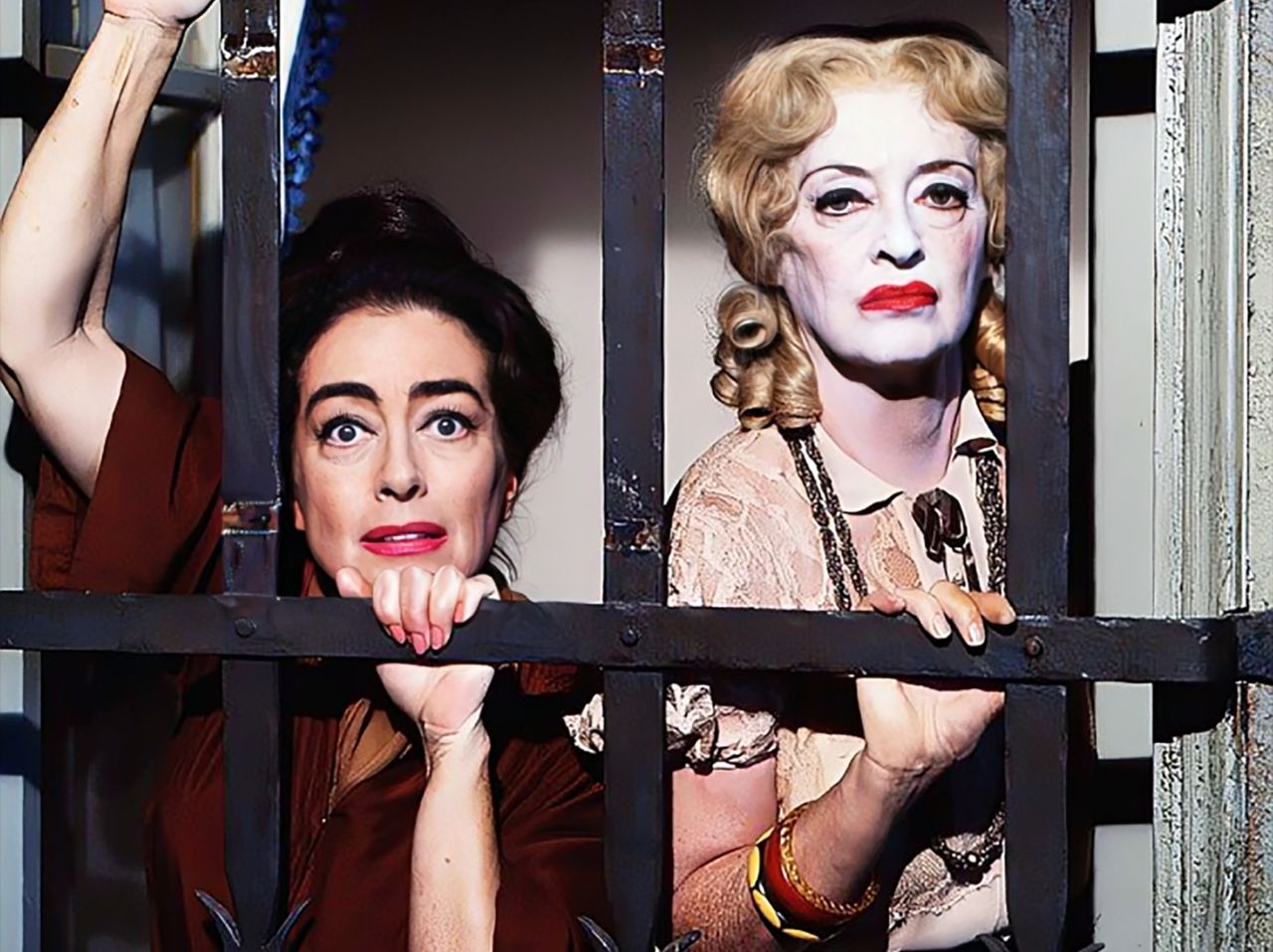
Hollywood’s most legendary "mean girl" feud was a masterclass in professional sabotage. These two powerhouse actresses spent decades trading insults and competing for roles. Their rivalry was so famous that it was leveraged for the 1962 film What Ever Happened to Baby Jane?

On set, Crawford reportedly put weights in her pockets during a scene where Davis had to drag her, just to hurt Davis's back. When Davis was nominated for an Oscar for the film, and Crawford wasn't, Crawford contacted the other nominees and offered to accept the award on their behalf if they won, which she did, just to spite Davis.

7

Al Capone vs. George "Bugs" Moran

Image: United States Bureau of Prisons, Public domain, via Wikimedia Commons

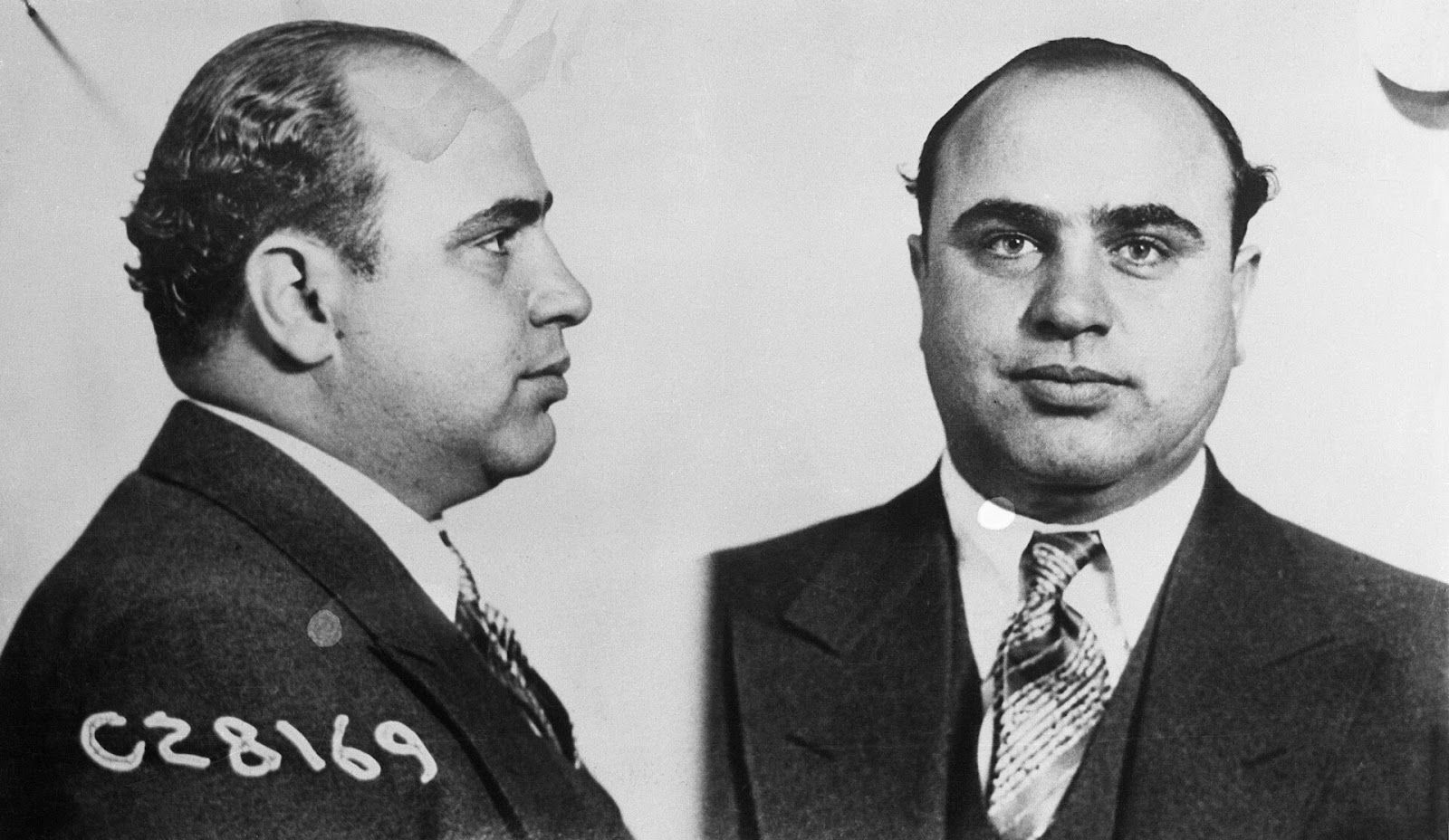
Prohibition-era Chicago was a chessboard, and Capone and Moran were the two most violent players. Capone’s Italian "Chicago Outfit" and Moran’s "North Side Gang" fought a bloody turf war for control of the city’s illegal booze trade.

The feud reached its horrific climax on February 14, 1929, with the St. Valentine’s Day Massacre, where Capone’s men, dressed as police, gunned down seven of Moran’s associates. Moran famously remarked, "Only Capone kills like that." Though Moran escaped the massacre, the event effectively broke his power and marked the beginning of the end for the gangland wars of the 1920s.

8

The Dassler Brothers (Adidas vs. Puma)

Image: Here, Public domain, via Wikimedia Commons

You might recognize these as sportswear giants, but they began as a bitter rift between two brothers, Adolf ("Adi") and Rudolf ("Rudi") Dassler. After a mysterious fallout during WWII—legend says it involved a misunderstood comment in a bomb shelter—the brothers split their shoe company in 1948.

Adi formed Adidas, and Rudi formed Puma. The feud divided their hometown of Herzogenaurach so deeply that it became known as "the town of bent necks," because residents would look at a person’s shoes before deciding whether to speak to them. The brothers were buried at opposite ends of the local cemetery, never having reconciled.

9

Ernest Hemingway vs. F. Scott Fitzgerald
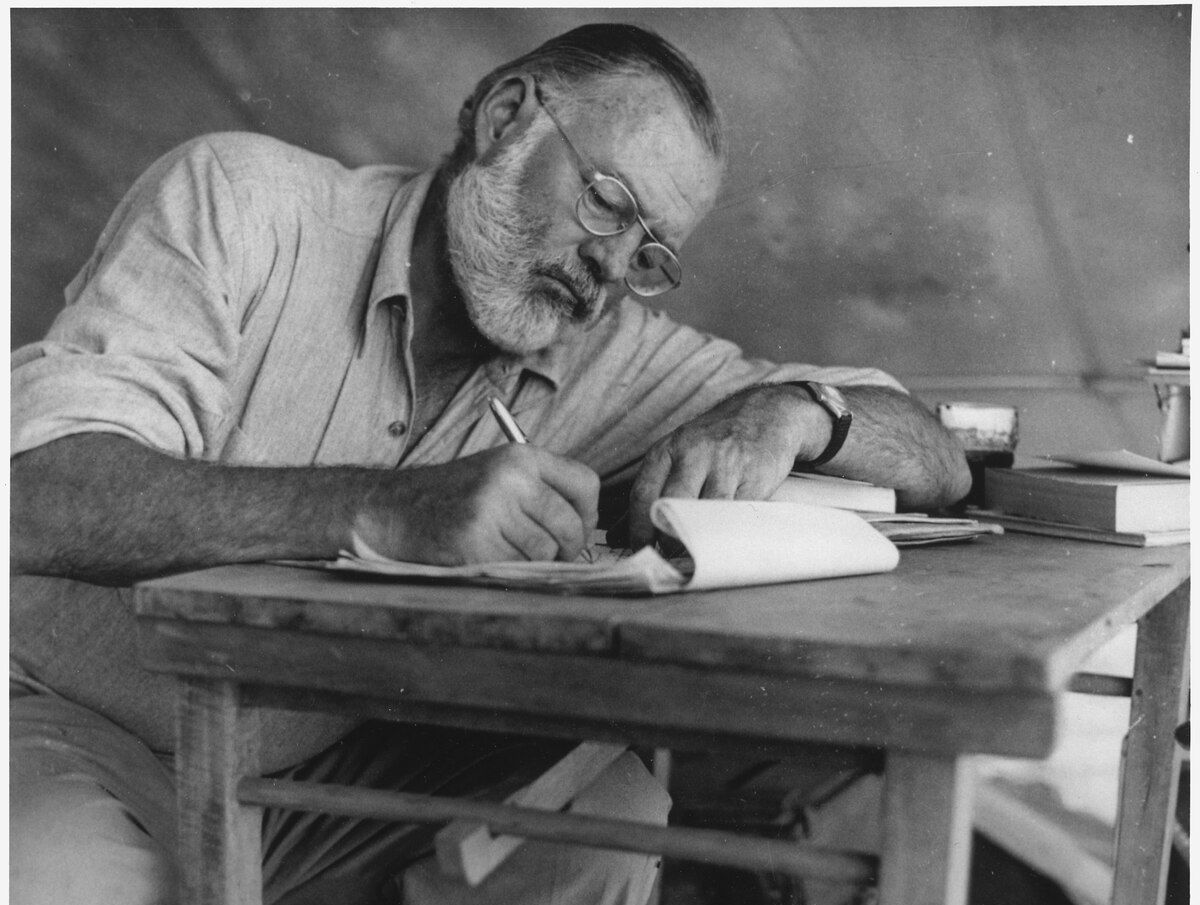
Image: National Archives and Records Administration, Public domain, via Wikimedia Commons

The two titans of "The Lost Generation" started as friends, but their relationship devolved into a toxic mix of jealousy and judgment. Hemingway, who prized masculine"stoicism, mocked Fitzgerald for his perceived weakness and his turbulent marriage to Zelda.

In his memoir A Moveable Feast, Hemingway took several posthumous jabs at Fitzgerald’s character and talent. Fitzgerald, meanwhile, was both awed and intimidated by Hemingway’s success. It was a rivalry of the pen where mutual admiration was eventually smothered by the crushing weight of their respective egos.

10

Olivia de Havilland vs. Joan Fontaine

Image: Macfadden Publications, Inc.; Selznick International Pictures, United Artists, Public domain, via Wikimedia Commons

The only thing more intense than a professional feud is a sibling one. These two Oscar-winning sisters didn't speak for the last 38 years of Fontaine’s life. The friction began in childhood but went nuclear when they were both nominated for Best Actress in 1942.

Fontaine won, and when de Havilland later won her own Oscar, she famously snubbed Fontaine’s attempt to congratulate her backstage. They disagreed on everything from their mother's medical care to who deserved the most fame. It remains the most enduring and frosty sibling rivalry in the history of the arts.


10 weird historical events that no one has been able to explain (yet)


Published on April 1, 2026


Image: Walters Art Museum, Public domain, via Wikimedia Commons

Who doesn't like a good mystery? And if the mystery isn’t a work of fiction but the result of a true story, even better! The great unsolved enigmas of history are absolutely fascinating. Some have been solved over time, but there are still many old secrets for which neither scientists nor historians have found an explanation—yet. Time-travel with us as we uncover 10 of the biggest historical mysteries that will probably never be cracked!

1

A ghost island

Image: Tanner, Henry S., Public domain, via Wikimedia Commons

Bermeja Island is mentioned in navigation texts written by European travelers and appears in cartography from the 16th to 19th centuries. Old maps place it off the north coast of the Yucatán Peninsula; however, multiple searches over the years have yielded no concrete evidence of its existence.

So, what happened to Isla Bermeja? Was it a cartographic error? Did it sink due to a tidal wave? Because of its geopolitical significance, some have even suggested that it was blown up by the CIA! A 2009 study by the Autonomous University of Mexico concluded that Isla Bermeja does not exist today, nor were any traces found at its supposed coordinates. Yet, it will forever remain a mystery that will surely keep many entertained.

2

The longest alien signal ever

Image: Credit: Big Ear Radio Observatory and North American AstroPhysical Observatory (NAAPO)., Public domain, via Wikimedia Commons

In 1977, Ohio State University’s Big Ear radio telescope, used in the search for extraterrestrial intelligence, detected a signal now known as the Wow! signal. While reviewing the data, astronomer Jerry R. Ehman noticed a sequence represented as "6EQUJ5." Baffled by the anomaly, he circled it and wrote "Wow!" in the margins.

The signal lasted 72 seconds and, unfortunately, has never been repeated. To this day, no one can fully explain the phenomenon, although some suggest it may have come from a man-made source. Still, the Wow! signal remains one of the strongest candidates for potential extraterrestrial contact ever detected.

3

The disappearance of an entire Inuit village

Image: Edward S. Curtis, Public domain, via Wikimedia Commons

How is it possible for an entire village to vanish without a trace? Believe it or not, this is said to have happened nearly a century ago. According to lore, a small Inuit village in Canada was well known among fur trappers who visited regularly to trade. But in 1930, something very strange supposedly occurred.

A hunter named Joe Labelle claimed he visited the village one day and couldn’t find a single person. Reports said there were guns and food left behind, and even claims that the graves in the cemetery were empty. A thorough investigation, however, found no conclusive evidence of what happened to the villagers. Some witnesses from nearby towns even reported seeing a huge green light. Theories ranged from mass migration to extraterrestrial abductions. The Royal Canadian Mounted Police has since dismissed the case as an urban legend. Some still believe the story to be true.

4

The Joyita Mystery

Image: bbb

We know thousands of shipwreck stories, but this one is quite unique. The MV Joyita, designed to be nearly unsinkable, was found adrift in the South Pacific, practically unharmed, but the crew had disappeared completely.

In October 1955, the American merchant vessel left the port of Apia in Samoa with 16 crew members and 9 passengers bound for the Tokelau Islands. After days without news, a rescue mission was launched. Five weeks later, the Joyita was spotted more than 600 miles west of its intended route. The vessel was partially submerged, and there was no sign of the passengers or crew. Four tons of cargo and all three life rafts were missing. They were never seen again.

5

A mummy and a mysterious fluid

Image: Gary Todd from Xinzheng, China, CC0, via Wikimedia Commons

Do you know where one of the best-preserved mummies was found? Hint: not in Egypt. Xin Zhui, the Marquise of Dai during the Western Han Dynasty in China, was discovered in her tomb at Mawangdui 2,000 years after her death, along with hundreds of valuable documents and artifacts.

What makes this mummy so extraordinary is how well-preserved her body is. Her organs and veins remain intact, and she still has hair and even eyelashes. Scientists analyzed the fluid present in the coffin and discovered it was acidic and contained salt and magnesium. They believe this mysterious liquid may have been responsible for preserving Xin Zhui so well. What they don’t know is whether it was intentionally poured into the coffin or came from the body itself.

6

A missing prime minister

Image: Yoichi Okamoto, Public domain, via Wikimedia Commons

The United States has its fair share of presidents who died while in office, but none of our 45 presidents have ever disappeared without a trace. Did you know that this actually happened in The Land Down Under?

Harold Edward Holt was the Prime Minister of Australia from 1966 until his presumed death in 1967. He loved the ocean and spearfishing. During a weekend trip with friends, Holt visited the remote Cheviot Beach to take a swim. Rough sea conditions that day caused him to be swept away by the waves, and he never reappeared. Despite an intensive search, his body was never found, which has given rise to numerous conspiracy theories. Ironically, Australians built the Harold Holt Memorial Swimming Centre in Melbourne in his honor.

7

The anonymous hijacker

Image: FBI, Public domain, via Wikimedia Commons

Many famous criminals have managed to remain unidentified for decades, but the D.B. Cooper case is something else entirely. In 1971, Cooper boarded a flight from Portland to Seattle. Shortly after takeoff, he showed a flight attendant a device he claimed was a bomb and demanded four parachutes and $200,000 in cash.

The crew landed to meet Cooper’s demands in exchange for the passengers and then took off again. As the plane flew over southwestern Washington, Cooper jumped into the cold, rainy night carrying his haul. His whereabouts and true identity were never discovered, although it is likely he didn’t survive the jump. In 1980, some of the ransom money was found near the Columbia River. Although the FBI officially closed the case in 2016, amateur sleuths continue to try to crack it.

8

Dancing to death

Image: Pieter Brueghel the Elder, Public domain, via Wikimedia Commons

Can you imagine an epidemic where the main symptom is uncontrollable dancing? Sounds like science fiction, doesn’t it? Yet this really happened during the Middle Ages. In 1518, a dancing plague struck Strasbourg, Alsace, in what is now France. This strange condition affected up to 400 people, making them dance frantically for weeks. It is said that some even died of heart attacks, exhaustion, or strokes.

Doctors and authorities tried all kinds of measures to stop the spread. They even banned music for a while! To this day, scientists are not certain what caused this bizarre condition: it may have been food poisoning from toxins in the ergot fungus, or perhaps a case of stress-induced mass hysteria.

9

A manuscript no one understands

Image: Public domain, via Wikimedia Commons

The Voynich manuscript is a codex written roughly 500 years ago in an unknown language and writing system by an anonymous author. Known as Voynichese, the manuscript was named after Wilfrid Voynich, a Polish bibliophile and antiquarian who purchased it in 1912.

Radiocarbon testing has shown that it dates to the early 15th century. Many cryptographers and codebreakers have attempted to decipher its roughly 240 pages without success. The manuscript contains diagrams and illustrations of unknown plants and astrological symbols. Some believe it may be a made-up language, a secret code, a work of fiction, or even a hoax. If you think you can solve this mystery, the Voynich manuscript is available for viewing at Yale University’s Beinecke Rare Book and Manuscript Library.

10

An ancestor of movable-type printing

Image: Bernhard

Similar to the Voynich manuscript, the Phaistos Disc is a fired clay disc believed to have been created during the Bronze Age. It was discovered by an Italian archaeologist in the basement of a palace in Crete, Greece, in 1908.

What makes this disc fascinating is that it contains a mysterious message. Stamped into the clay is a set of signs, forming a text that many scientists have tried to decipher—without success. It is considered an early attempt at printing, a technological innovation that would not become widespread for several centuries. While enthusiasts still hope the enigma can be solved, this is unlikely unless other documents are discovered to provide context.

Looking for an extra scoop of literary fun?

Learn more with our Word of the day

atonement

/əˈtoʊnmənt/