The 10 books that changed us (and still do)


Published on July 16, 2026


Image: Mike_shots

Accepting death as part of life, that growing up is painful, and that love is often what saves us are just a few of the lessons these stories bring, through tears and laughter. For those of you who have been lucky enough to read these gems, this is a chance to rediscover them. For those of you who have yet to encounter some of these books, here are the powerful lessons they offer.

1

"To Kill a Mockingbird" and moral courage

Image: hamdi bendali

"To Kill a Mockingbird" is a classic 1960 novel by American writer Harper Lee. It is a coming-of-age story set in Alabama during the Great Depression. The plot follows a young girl named Scout, as her lawyer father, Atticus, defends a Black man who is falsely accused of a crime.

The book has many powerful lessons, and moral courage is key. The story shows how racism and unfair judgment can hurt innocent people. The mockingbird is the symbol of innocence, since Atticus teaches his children that they must never kill one because these birds don’t harm anyone; they only make beautiful music.

2

"The Catcher in the Rye" and teenage voice
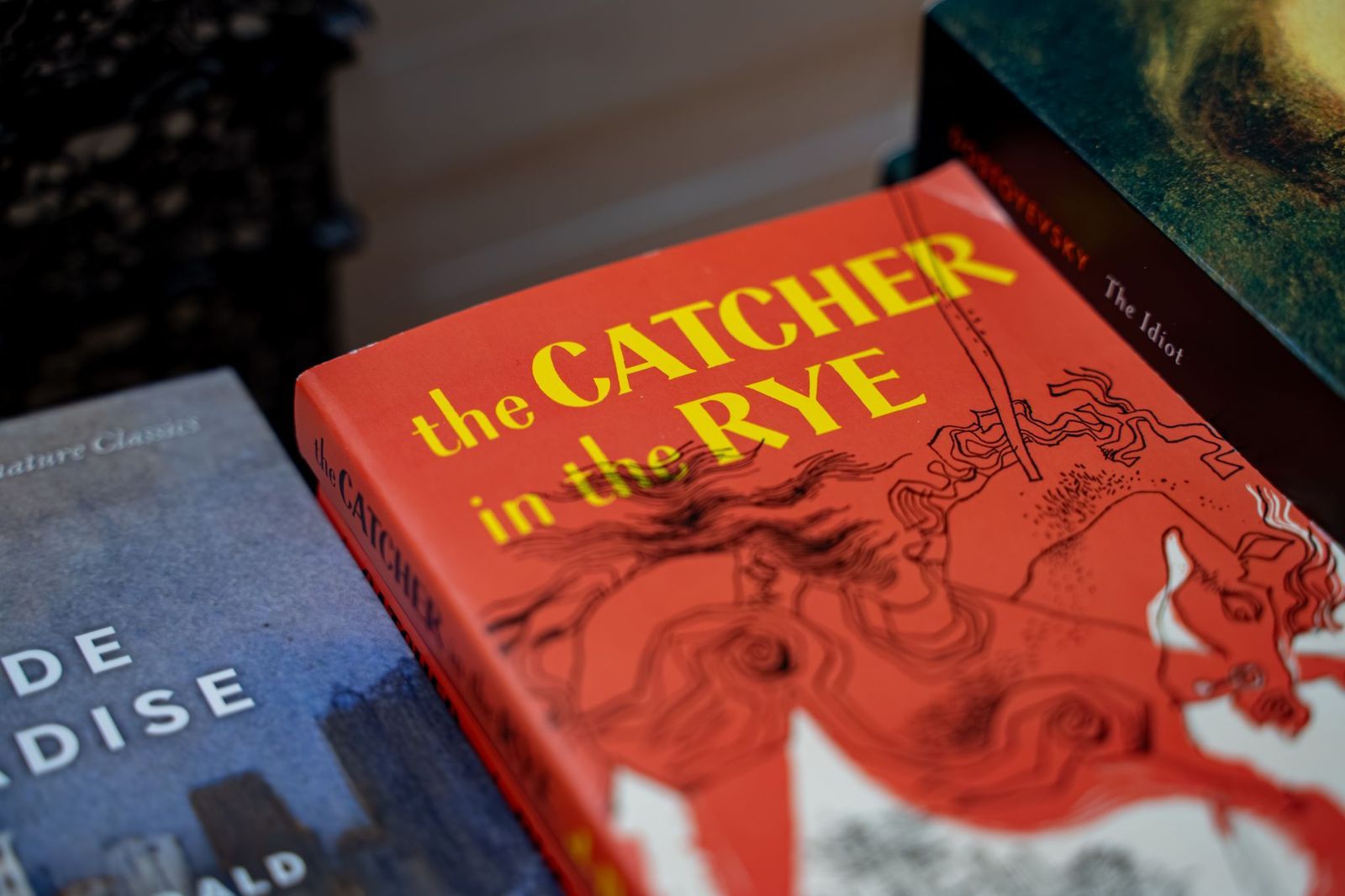
Image: Erman Gunes

"The Catcher in the Rye" is a 1951 novel by American writer J.D. Salinger. It follows Holden Caulfield, a troubled 16-year-old who is expelled from boarding school just before the Christmas holidays. During this time, he wanders the streets of New York alone, searching for a real connection as he deals with growing up.

The core message centers on how teenagers really think, through everyday slang, while reflecting on the adult world, which Holden considers full of "phonies" who fake it to fit in. The angst of feeling lonely and like an outsider is central. Holden also wants to protect the innocence of children and imagines being the "catcher in the rye" who saves children from falling off a cliff while they play in a rye field.

3

"The Outsiders" and belonging & identity

Image: BERMIX STUDIO

"The Outsiders" is a 1967 novel by American author S.E. Hinton that defined the young adult (YA) literary genre. It is a story about a group of teens divided by class. It follows two different groups: the "Greasers" (poor kids) and the "Socs" (rich kids) living in Tulsa, Oklahoma, during the 1960s.

The plot centers around Ponyboy Curtis, who is 14 years old and discovers that people are much more than their social labels. The story is an iconic representation of the raw emotional challenges, social divides, and search for identity that occurs during adolescence.

4

"1984" and the fear of control

Image: Jeff Whyte

"1984" is a 1949 dystopian novel by English writer George Orwell. It is set in a totalitarian regime where the Party is led by the omnipresent figure known as Big Brother, who exercises extreme control over everyday life, including "thoughtcrime" (questioning those in power is already a crime) and "newspeak" (the destruction of old words so rebellious ideas are impossible).

It remains one of the most important novels of human history. It is a horrifying warning about what happens when a government has too much power, including control of truth, language, and even privacy. Its message is considered by many a crucial reminder to stay vigilant and protect our personal freedoms.

5

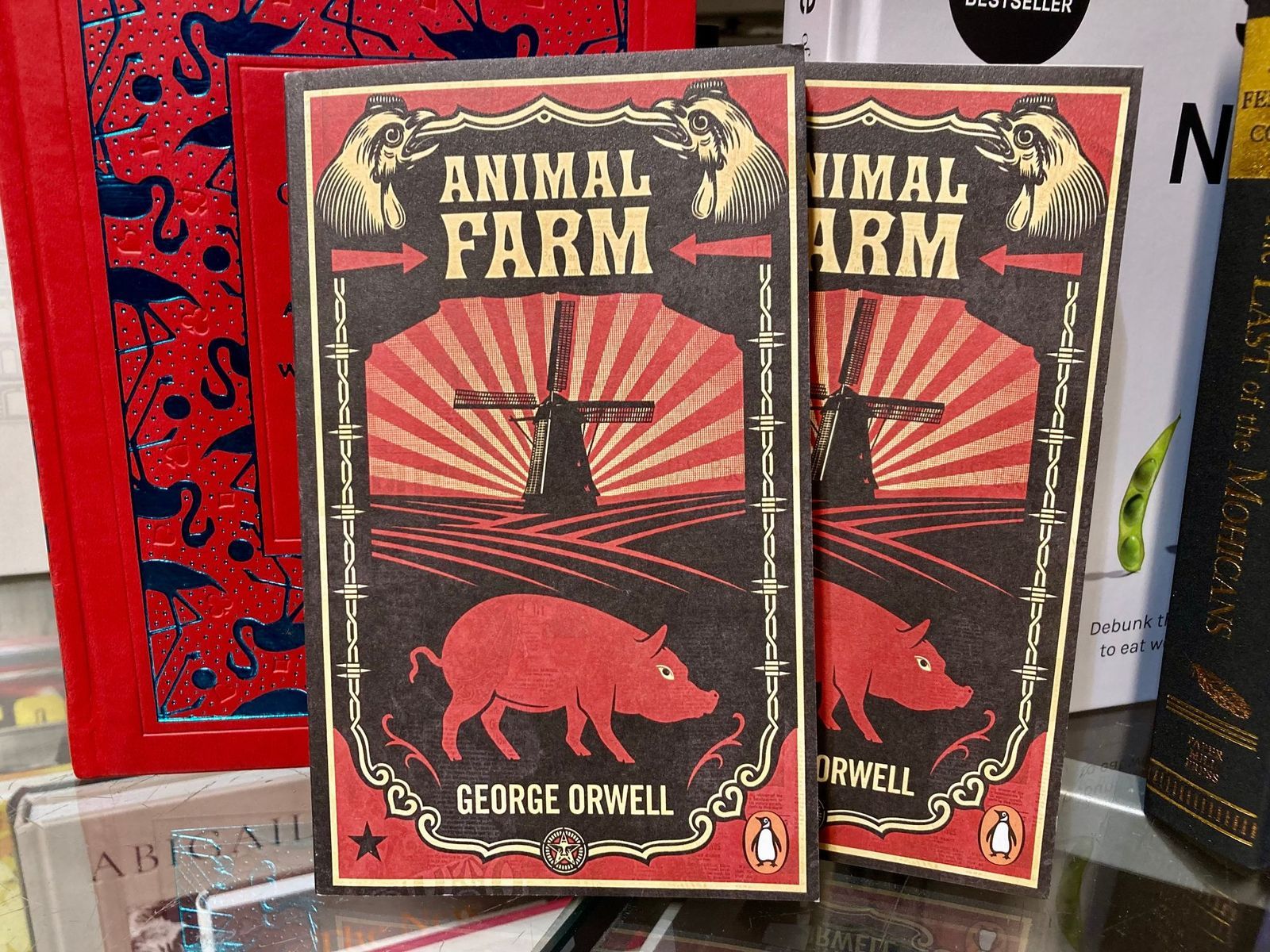
"Animal Farm" and political allegory

Image: Steve Travelguide

"Animal Farm" is another novel written by British author George Orwell in 1945. It is an allegorical novella that puts farm animals center stage, as they seek to overthrow their tyrannical human farmer. The aim was to create an equal society, but the revolution ended up being betrayed by the pigs that led a dictatorship as ruthless as the humans'.

It is a satire of the 1917 Russian Revolution, alongside the rise of Stalinism in the Soviet Union. Each animal represents different leaders and groups, such as the Pigs who signify Stalin and Trotsky, the loyal, hard-working Horse who symbolizes the working class, and Mr. Jones, who represents the dethroned monarch, Tsar Nicholas Romanov II.

6

"The Great Gatsby" and the American Dream

Image: hamdi bendali

"The Great Gatsby" is a 1925 novel by American author F. Scott Fitzgerald. It is set in the 1920s in New York, and it's told by Nick Carraway, who moves next door to an intriguing, newly rich man named Jay Gatsby. Gatsby is completely obsessed with reclaiming his long-lost love, Daisy Buchanan, who is trapped in a marriage to Tom, by throwing lavish parties to win her back; this pursuit ends in betrayal and death.

Throughout the story, themes such as love and greed are explored, exposing the dark side of the Roaring Twenties and the pursuit of wealth. To this day, it remains a warning that the limitless desire for money can corrupt even our deepest dreams.

7

"Pride and Prejudice" and wit in relationships
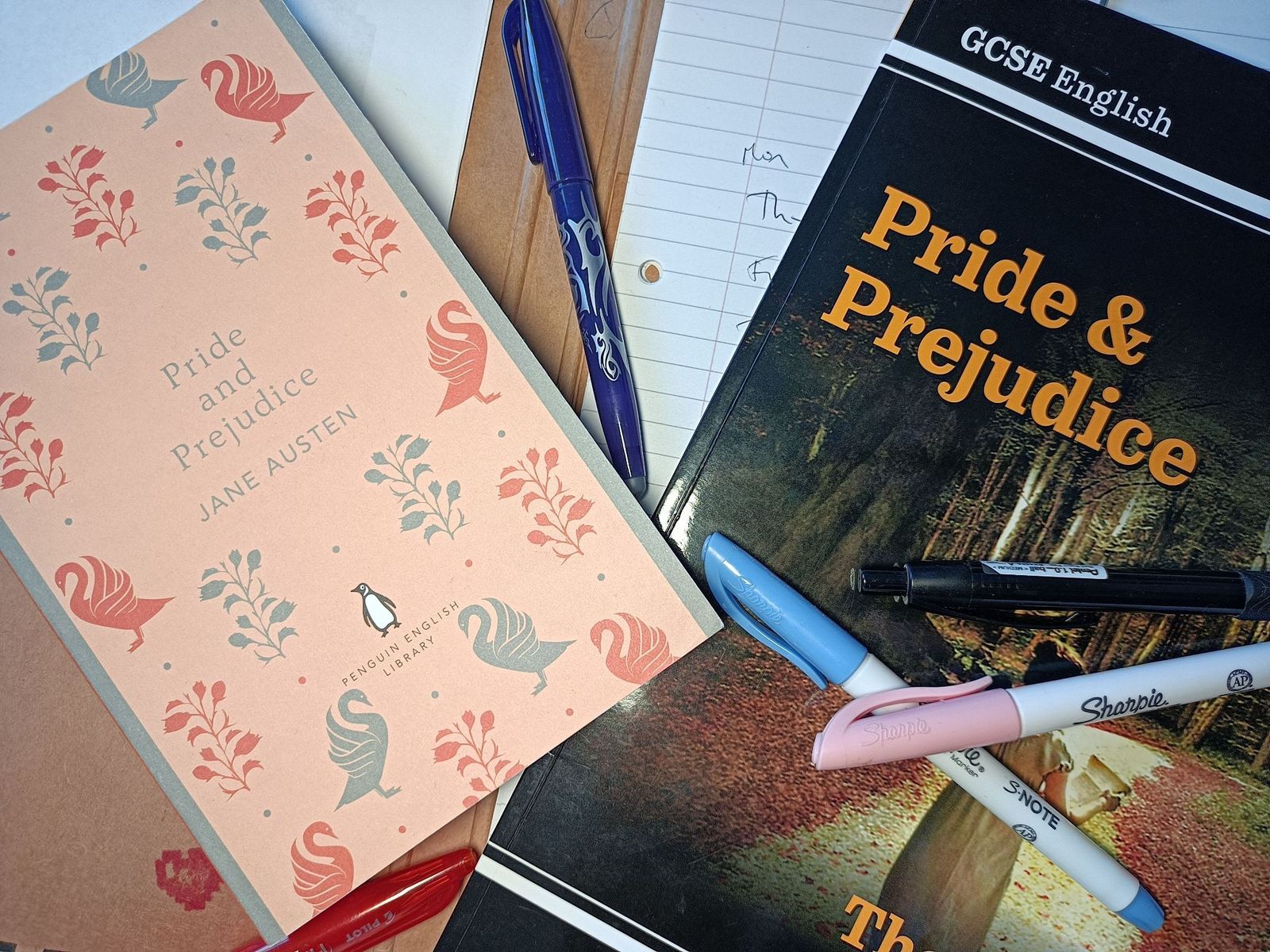
Image: Wirestock Creators

"Pride and Prejudice" is a novel first published in 1813 by British author Jane Austen. This romantic story follows sharp Elizabeth Bennet and wealthy, quiet Mr. Darcy. Each of them must overcome their personal flaws of pride and prejudice to stand a chance at falling in love and getting married.

It has become a cultural touchstone by showcasing something that affects us all: how people misjudge others based on first impressions, wealth, and social status. As each character faces family drama, social rules, and personal mistakes, they learn to look past their flaws to find true love.

8

"Little Women" and timeless family values

Image: hamdi bendali

"Little Women" is a novel by American writer Louisa May Alcott, originally published in two volumes in 1868 and 1869. Set in the 1860s in Massachusetts during the Civil War, it follows the lives of four sisters: Meg, Jo, Beth, and Amy March, as they learn about love, loss, poverty, and the importance of family.

It’s considered a timeless coming-of-age classic because, for many readers, it is a realistic portrayal of what growing up is about. The March sisters are far from perfect, and each one makes mistakes that they then learn from. It is also a foundational text on female ambition, giving a voice to young women and showing that their daily lives, feelings, and dreams matter too.

9

"Jane Eyre" and inner strength & independence

Image: marhus

"Jane Eyre" is a classic 1847 novel by British author Charlotte Brontë, written under the pen name Currer Bell. This story centers on an orphan named Jane and her experiences. The school she goes to is harsh, and she faces a cruel childhood. Later on, she begins to work as a governess (teacher) at a mysterious estate known as "Thornfield Hall", where she falls in love with her moody boss, Mr. Rochester.

This story revolutionized literature as it is the first novel to focus on the moral and spiritual growth of a young woman who wasn’t rich, passive, or traditionally beautiful. The main character, Jane, finds purpose in becoming a governess after all the hardships she endured and fights for her dignity and independence, refusing to settle for anyone who doesn’t see her as an equal, prioritizing herself over love.

10

"Charlotte’s Web" and emotional storytelling

Image: Ben Molyneux

"Charlotte’s Web" is a 1952 children’s novel by American author E.B. White, illustrated by Garth Williams. It tells the story of a sweet pig named Wilbur who is saved from slaughter and befriends clever Charlotte, a spider who writes words in her web to save his life. In doing so, this book explores universal themes such as friendship, loyalty, and the inevitable cycle of life.

It is a timeless masterpiece that stands out for its simple prose, offering deep lessons about life and loss, including how simple acts can save the world, and Charlotte's words show how the way we speak about others matters. Wilbur once asked Charlotte why she did all of this for him, and she replied: "By helping you, perhaps I was trying to lift up my life a trifle. Heaven knows anyone’s life can stand a bit of that."



The 12 longest-living animals on Earth (and how they cheat time)


Published on July 16, 2026


Image: David Clode

Nature doesn’t just create beauty, it crafts survival miracles. While most animals have short lives, a rare few have mastered the art of staying alive for centuries, even millennia. These aren’t just long-lived creatures; they’re nature’s ultimate time travelers. From the frozen depths of the oceans to the darkest corners underground, they’ve developed bizarre, brilliant strategies to cheat death. Get ready to meet 12 animals whose lifespans will absolutely blow your mind.

1

Antarctic Sponge (Anoxycalyx joubini)

Image: NOAA

Record age: up to 15,000 years

This unassuming sea sponge thrives in the freezing waters of Antarctica, where temperatures hover around 28.6 °F—so cold that biological processes hit the brakes. In such icy conditions, metabolism slows to a crawl, allowing these sponges to live for thousands of years.

Some have reached impressive sizes of over 3 feet tall and have been around since mammoths were still thundering across the tundra. They don’t move, they don’t stress, and they barely change, just quietly existing while centuries pass them by. Their secret to extreme longevity? Glacial patience, deep-sea stillness, and a lifestyle that redefines "low-maintenance".

2

Immortal Jellyfish (Turritopsis dohrnii)

Image: Dr. Karen J. Osborn, CC0, via Wikimedia Commons

Age: technically… infinite

This tiny jellyfish, no bigger than a fingernail—less than 0.2 inches—is like the ocean’s very own Benjamin Button. What makes it truly extraordinary is its ability to rewind its life story, flipping back to a youthful, juvenile stage whenever it wants. While it’s not completely invincible (predators and other threats are still very real), if left undisturbed, it can keep hitting the reset button on aging indefinitely, making it one of the most fascinating "time-benders" in nature.

3

Ocean Quahog Clam (Arctica islandica)

Image: Norbert Braun

Record age: 507 years

In 2006, a special clam was discovered buried deep in the seabeds of the North Atlantic. Scientists were able to determine that it had been there since at least 1499—that’s centuries before the United States was even a thought! This ancient marvel, nicknamed "Ming", was able to perfect a slow-and-steady approach to life. Growing at a snail’s pace and barely budging, Ming’s sedentary lifestyle turned out to be a brilliant strategy for beating the clock. Who knew doing almost nothing could be the ultimate secret to longevity?

4

Greenland Shark (Somniosus microcephalus)

Image: https://upload.wikimedia.org/wikipedia/commons/3/39/Greenland_shark_profile.jpg

Record age: estimated 392 years

These sharks aren’t your average ocean cruisers—they can stretch over 20 feet long and weigh up to 2,200 pounds. But what’s really mindblowing is how slowly they move, like they’re in a permanent state of deep relaxation. Living in the icy Arctic waters, these giants don’t hit adulthood until they’re about 150 years old, and some can glide through the depths for nearly 400 years. Imagine that! These ancient swimmers were already around before America declared independence... and they are still out there, silently roaming the seas!

5

Bowhead Whale (Balaena mysticetus)

Image: Vicki Beaver, Alaska Fisheries Science Center, NOAA FIsheries, Marine Mammal Permit#14245, Public domain, via Wikimedia Commons

Record age: over 211 years

This whale is a true ocean giant, stretching up to 60 feet long and weighing a staggering 200,000 pounds. But what makes it stand out isn’t just its size but its age. Some of these majestic creatures carry harpoons from the 1800s still lodged in their skin, like walking history books. Just picture living so long that you’re literally carrying outdated technology embedded in your body—talk about being a time traveler of the seas!

6

Red Sea Urchin (Mesocentrotus franciscanus)

Image: National Marine Sanctuaries, Public domain, via Wikimedia Commons

Record age: 200 years

Spanning the chilly Pacific coastline from California all the way up to Alaska, this spiky little ball—about 7 inches across—is full of surprises. It munches on algae and calls the deep, dark ocean its home, thriving at depths of up to 300 feet. Don’t let its size fool you: this prickly creature is a true elder of the cold seas, quietly outliving many ocean neighbors while keeping a low profile. A tough, slow-living veteran wrapped in spikes!

7

Koi Carp (Cyprinus rubrofuscus)

Image: Daniel Dan

Record age: 226 years

Meet Hanako, a legendary Japanese koi who swam through life for an astonishing 226 years. Scientists discovered how old she was by studying the rings on her scales, much like counting the growth rings of a tree. These colorful, ornamental fish aren’t just symbols of good fortune; they’re also secret long-lifers with the potential to celebrate over two centuries of birthdays, as long as they get the right care and a peaceful pond to call home.

8

Seychelles Giant Tortoise (Aldabrachelys gigantea)

Image: Ryan Grewell

Record age: 190 years

Jonathan is a male tortoise living on the remote island of Saint Helena in the South Atlantic Ocean. He was born back in 1832, and he’s still happily chomping lettuce and soaking up the sun today. Weighing in at more than 400 pounds and measuring around 3 feet long, Jonathan holds the title of the oldest known living land animal on the planet. If he could share tales, they’d span nearly two centuries of history. Imagine that!

9

Lake Sturgeon (Acipenser fulvescens)

Image: See page for author, Public domain, via Wikimedia Commons

Record age: 152 years

This ancient-looking fish, with its whisker-like barbels, looking like a tiny underwater submarine, prowls the lakes of North America. It can reach an impressive length of up to 7 feet and weigh around 200 pounds. These slow-living creatures don’t rush into adulthood—they start breeding only around age 20—and then take their time cruising through life at a leisurely pace. Believe it or not, one legendary catch in Wisconsin was estimated to be over 150 years old!

10

Kakapo Parrot (Strigops habroptilus)

Image: Andreas Sjövall

Record age: over 90 years

This chunky, night-loving parrot from New Zealand is a true oddball—it can’t fly, snores like a grumpy grandpa, and smells like fresh flowers. Despite its quirks, this bird boasts an impressively long lifespan. Sadly, it teeters on the edge of extinction. The oldest known kakapo, affectionately named Richard Henry, lived 90 years, earning him the title of the charmingly eccentric elder statesman of the avian world.

11

Naked Mole Rat (Heterocephalus glaber)

Image: Daderot, CC0, via Wikimedia Commons

Record age: 37 years

This tiny, kooky rodent—barely 3 inches long and just over an ounce in weight—could’ve been cast straight from a sci-fi apocalypse flick. Dwelling in vast underground colonies across Africa, it’s practically invincible to cancer, pain, and the usual effects of aging. Scientists are fascinated by this little marvel, even if it’s not winning beauty contests anytime soon. Its superpowers make it a star in longevity research!

12

American Lobster (Homarus americanus)

Image: OAR/National Undersea Research Program (NURP)., Public domain, via Wikimedia Commons

Record age: estimated 100+ years

Lobsters have a totally different rulebook than us when it comes to aging. They don’t really grow old; they just keep getting bigger and bigger. Some giant lobsters weigh over 40 pounds and stretch beyond 3 feet long. Their biggest threats? Not old age, but predators or the risky process of shedding their shells. In theory, they could live forever if left alone—but let’s be honest, not many get to enjoy a peaceful, lobster-sized retirement!

Looking for an extra scoop of literary fun?

Learn more with our Word of the day

allure

/əˈlʊr/