Brands and inventions

When brands become words: 10 U.S. classics


Published on May 7, 2026


Image: Kvalifik

Some 20th-century inventions solved real problems of everyday life, and their stories are just as surprising: like Band-Aid helping soldiers during World War II, or the Jacuzzi being created to relieve arthritis pain. Over time, many of these products became so popular that their brand names turned into everyday words. Here are 10 brand names that became everyday words.

1

Band-Aid

Image: Possessed Photography

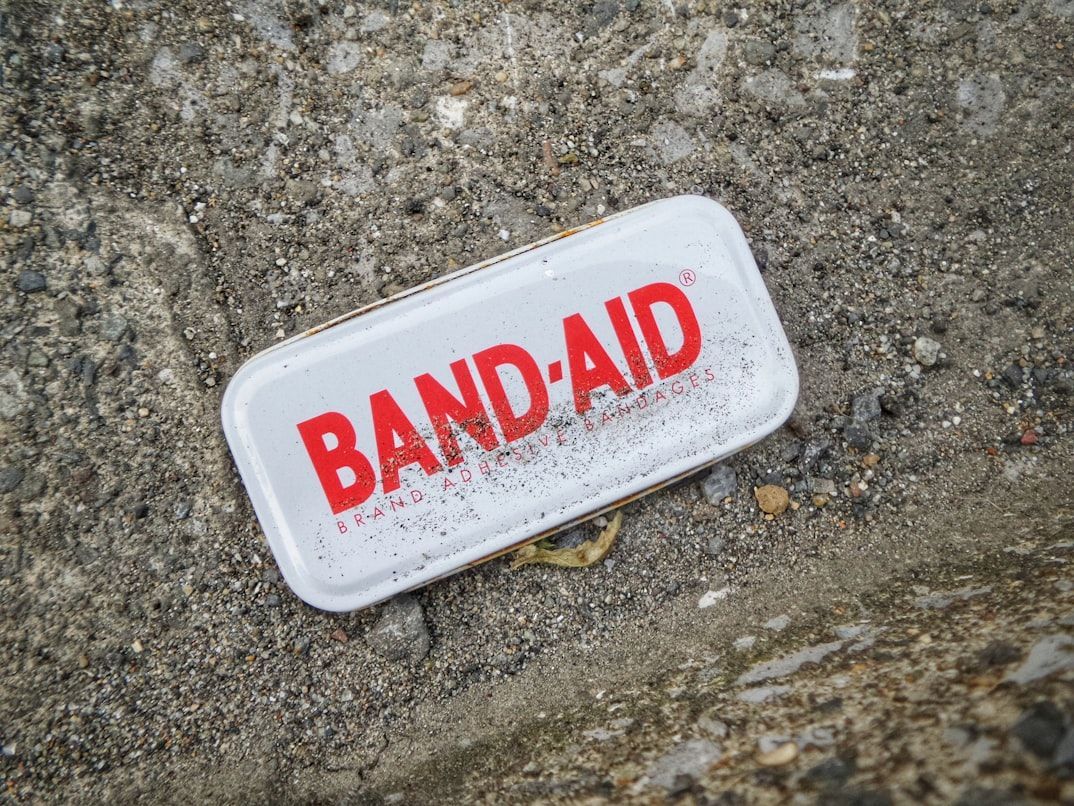
Every small cut brings it to mind, but did you know that Band-Aid was created in 1920 by Earle Dickson, a Johnson & Johnson employee, for his wife? Josephine Dickson often got cut and burned while cooking, so Earle combined two products: adhesive tape and gauze, and the Band-Aid Brand adhesive bandage was created. One year later, 1921, they were already in stores, and in 1942, Band-Aid was the product in every soldier's kit on the front lines of World War II. One century later, in 2021, Band-Aid introduced "OURTONE" bandages, designed to better blend with brown skin tones. Today, it remains the top-selling bandage brand.

2

Jacuzzi

Image: Dimitris Kiriakakis

Although today they’re linked to relaxation and luxury, the Jacuzzi wasn’t originally designed for that. The story begins with seven Italian brothers who moved to California in the early 1900s. Known as the Jacuzzi Brothers Inc., they worked as inventors, developing water pumps for agriculture and engineering solutions for aviation.

Their most important invention came from a personal need. After one of the brothers’ sons, Kenneth, was diagnosed with juvenile arthritis, Candido Jacuzzi created a portable hydrotherapy pump to help ease his pain. Introduced in 1956, the device turned a regular bathtub into a therapeutic spa. In 1968, Roy Jacuzzi took the idea further and launched the first fully integrated whirlpool bath. Today, the company holds more than 250 patents, and "Jacuzzi" has become almost synonymous with whirlpool baths.

3

Post-It Note

Image: Paolo Chiabrando

Another man who made a discovery that stood the test of time. In 1968, Spencer Silver was trying to create a super-strong adhesive at 3M (Minnesota Mining and Manufacturing Company), but instead came up with a weak, reusable one. It could stick to surfaces without leaving marks, but at first, no one knew what to use it for.

A few years later, in 1974, Art Fry needed a bookmark that would stay in place without damaging pages. He realized Silver’s adhesive was perfect for that idea, and it quickly evolved into small and removable notes. In 1977, they were called "Press n’ Peel," but the product didn’t gain much attention until 1980, when they were relaunched as Post-it Notes and became part of everyday life.

4

Frisbee

Image: channnngma

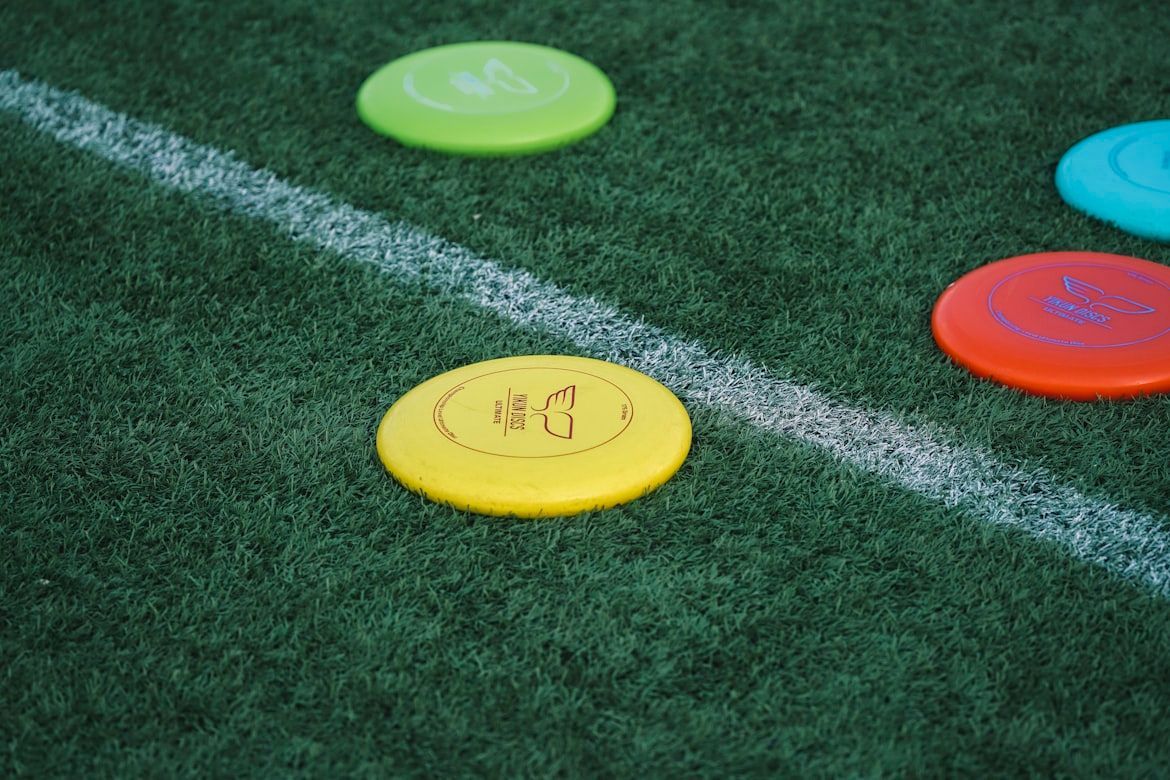
Believe it or not, it all started with pie. The Frisbie Pie Company of Connecticut was one of the most successful bakeries on the East Coast by the mid-1900s. College students began tossing empty pie tins, shouting "Frisbie!" to warn each other, and the name stuck as the game spread across campuses.

On the other side of the country, Walter Frederick Morrison was experimenting with flying discs. Inspired by the growing fascination with UFO sightings, he designed a plastic version called the "Pluto Platter," which he was selling in Los Angeles by 1951. In 1955, Wham-O, a renowned toy brand, spotted him and brought him on board. After hearing the word "Frisbee" used by college students, the company officially adopted the name in 1957. Today, flying disc sports are played around the globe by millions of people.

5

Kleenex

Image: Kelly Sikkema

During World War I, Kimberly-Clark developed crepe paper for gas mask filters. After the war, with less demand for military supplies, the company needed new uses for the material. In the 1920s, it was adapted into Kotex, offering a more hygienic option for women. It was later marketed as a "marvelous new way to remove cold cream," but, in 1927, the company suggested another use: disposable "absorbent handkerchiefs." By 1930, it was promoted as "the handkerchief you can throw away," reflecting a growing focus on hygiene and convenience. Today, it’s hard to think of tissues without calling them Kleenex.

6

Q-Tips

Image: Etactics Inc

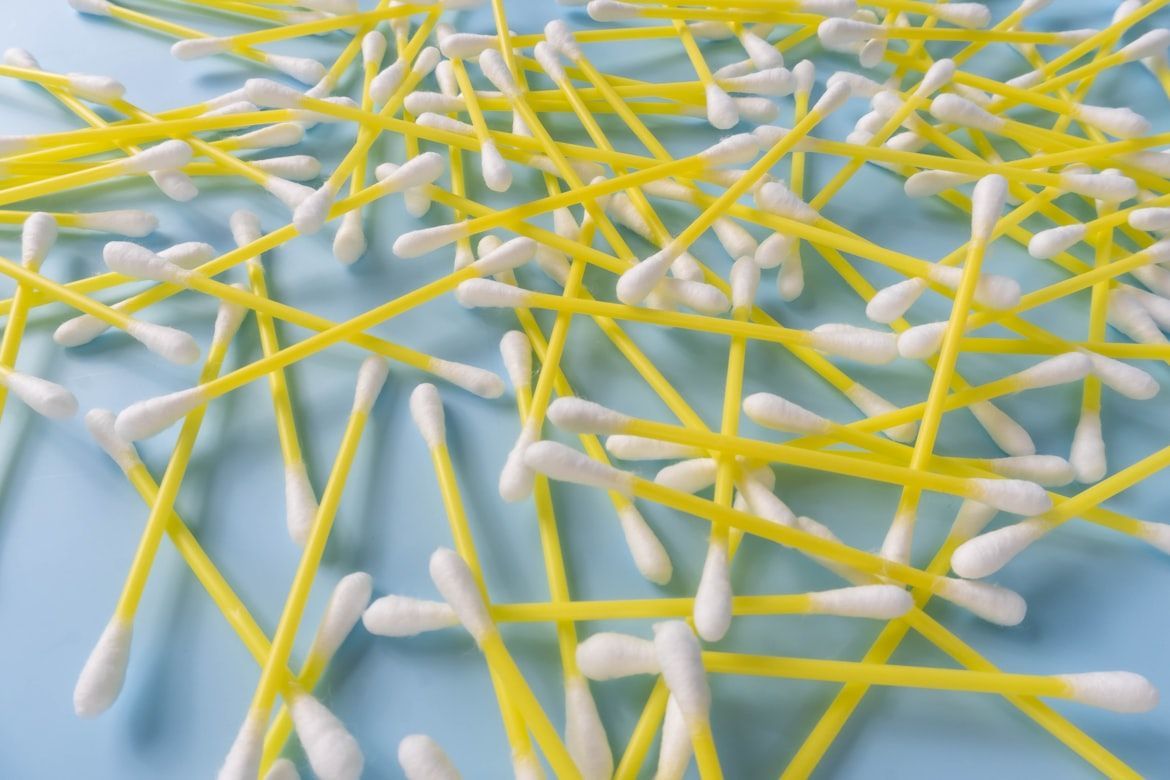
In 1923, after seeing his wife wrap small pieces of cotton around toothpicks, Leo Gerstenzang founded the Leo Gerstenzang Infant Novelty Co. and began producing a ready-to-use cotton swab.

The product was first called "Baby Gays," then renamed "Q-Tips Baby Gays" in 1926, before being shortened to simply Q-tips. The "Q" stands for quality. It became widely popular in the 1920s–30s as a baby care product, and in 1987 was acquired by Unilever, helping expand it worldwide. Over time, the name "Q-tips" became so common that many people use it to refer to any cotton swab, not just the brand.

7

Scotch Tape

Image: Alan Aprilio

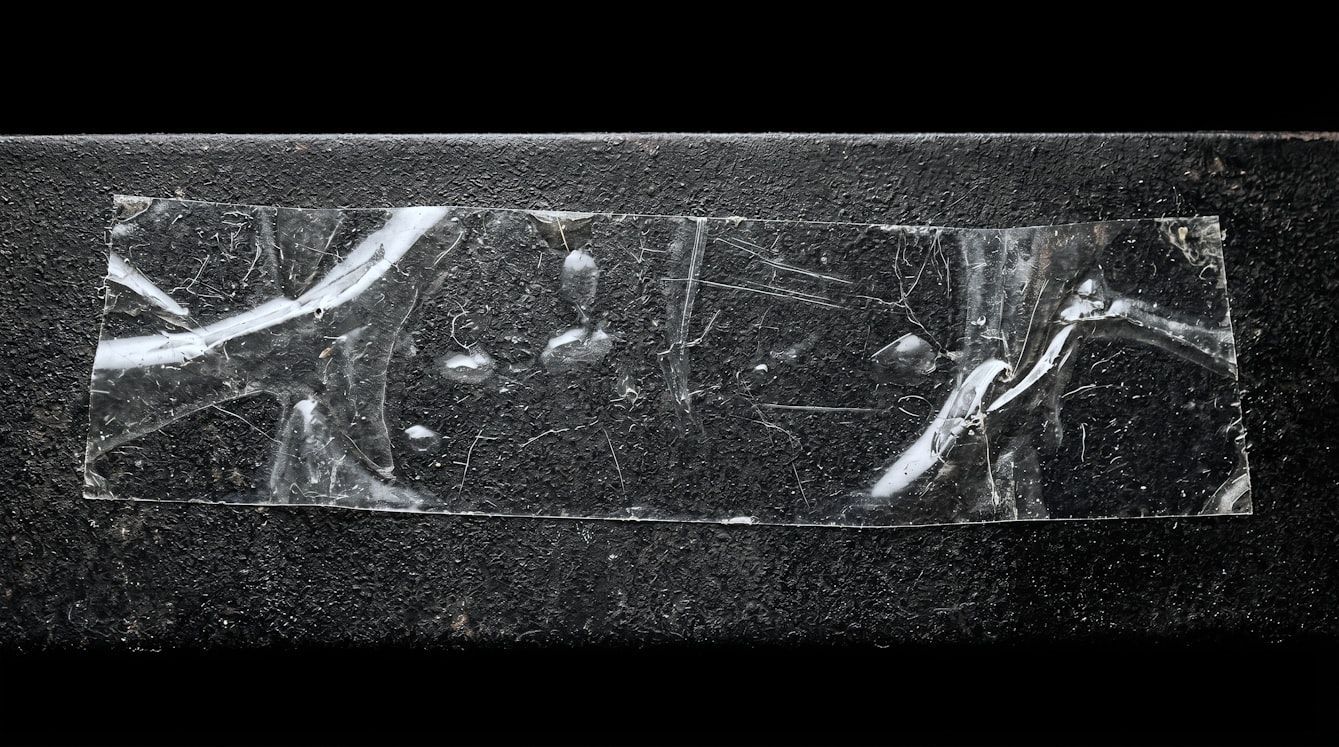
How did a young banjo player in Minnesota end up creating Scotch Tape? Richard Drew, who practiced the banjo in his free time, joined 3M Company (Minnesota Mining and Manufacturing Company) in 1923 and began working with materials in auto body shops. There, he noticed painters struggled to get clean lines because existing tape damaged fresh paint. He solved this by inventing masking tape in 1925. An early version didn’t have enough adhesive, and painters joked the company was being "scotch," or cheap; a nickname that stuck.

In 1930, Drew adapted the idea to cellophane, creating the first transparent Scotch Tape for sealing and everyday use. The product became especially popular during the Great Depression, when people used it to fix and reuse items instead of replacing them because they were rather expensive or scarce in markets.

8

Jell-O

Image: Girl with red hat

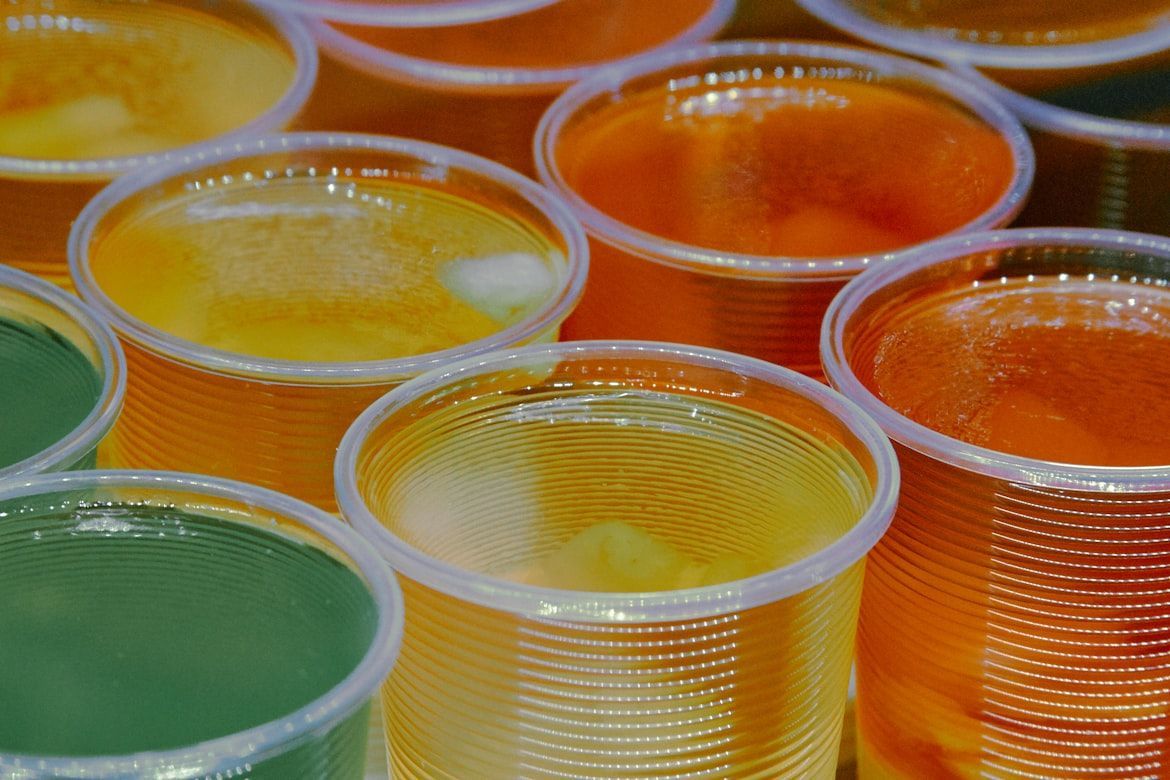
In 1845, Peter Cooper created a powdered gelatin, but it wasn’t yet a ready-to-use dessert. Decades later, in 1897, Pearle Bixby Wait and his wife, May, added sugar and fruit flavor, turning it into what would become Jell-O. In 1899, the couple sold their flavored gelatin product and business to their neighbor, Orator Francis Woodward, for $450 because it wasn't growing.

Until Woodward then built a strong marketing campaign, using free recipe booklets and traveling salesmen to show how easy it was to make, helping Jell-O grow in popularity. By the early 1900s, it was already a household name, and today, it’s known as one of America’s most famous desserts.

9

ChapStick

Image: OhTilly

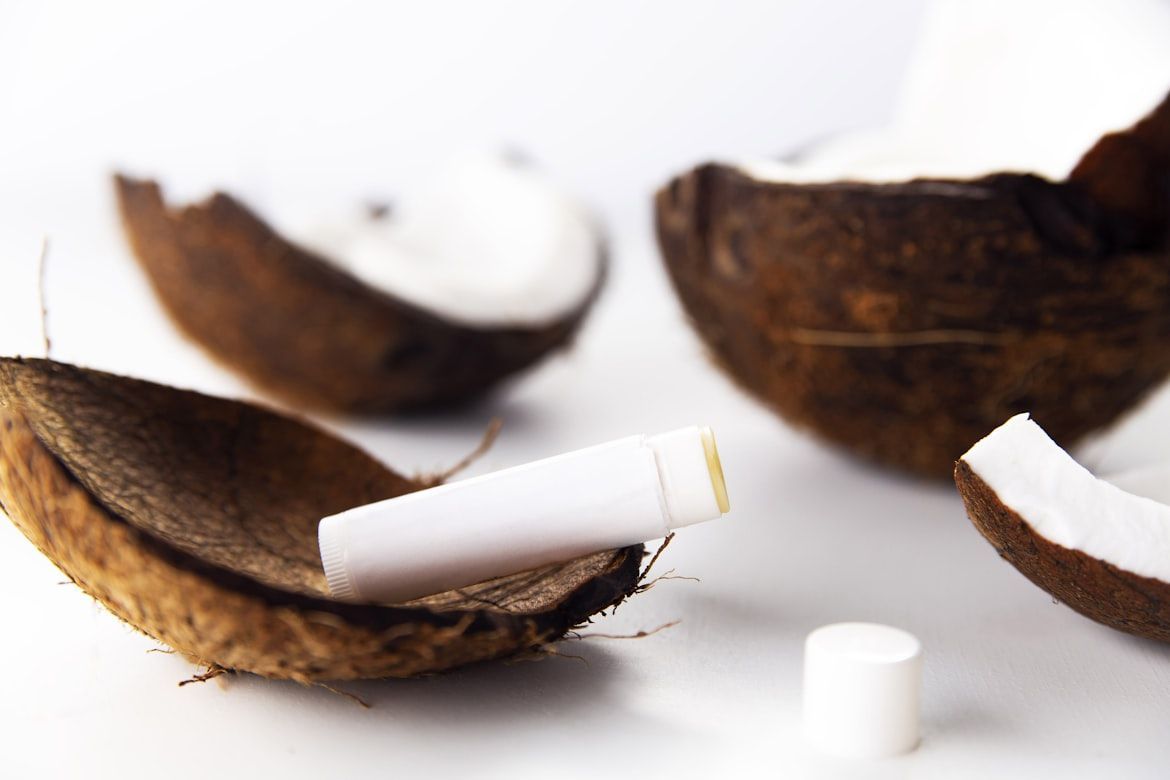
Dr. Feet was a pharmacist in Lynchburg, Virginia, who opened his family-run pharmacy in 1869. He was known for creating remedies and experimenting with ingredients to help customers.

In the 1890s, he developed an early version of ChapStick. However, it wasn’t until his friends, Mr. and Mrs. Morton, who had already bought the product, refined the idea that the product took shape. Mrs. Morton melted the mixture and poured it into brass tubes to form sticks, making it easier to use and ready for wider distribution, turning the product into America’s easy-to-carry favorite for lip care to this day.

10

Xerox

Image: engin akyurt

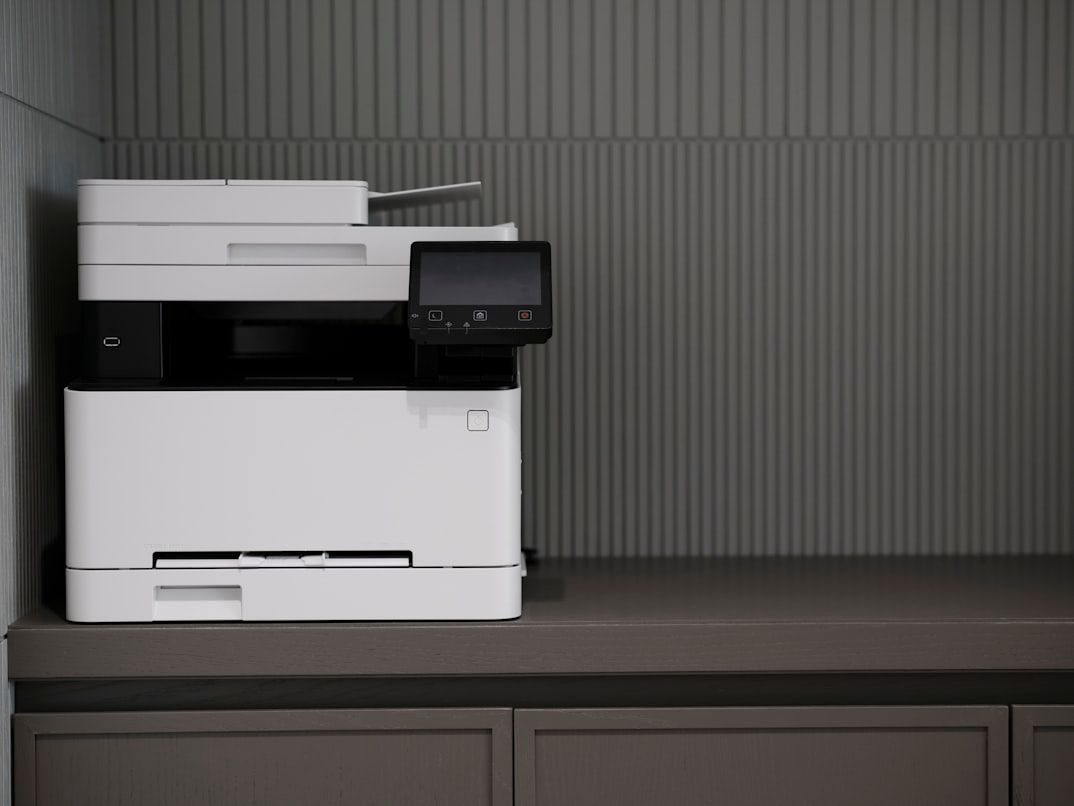
In 1959, the Xerox 914 copier was introduced, allowing people to make plain-paper copies quickly, changing office work for good. How did it all start? Patent attorney Chester Carlson created the first xerographic image in 1938. He needed a simpler way to copy documents after studying imaging processes at the public library. At first, he called his method "electrophotography," because it used light and static electricity. After being rejected by more than twenty companies, his idea was finally picked up by the Haloid Company, when a consultant suggested the name "xerography," meaning "dry writing," to replace the original term.

After the success of the Xerox 914, Haloid Company renamed itself Xerox in 1961, turning the invention into a global business. The copier quickly became essential in offices, making document duplication faster and more accessible than ever before. As the technology spread, the brand name became so widely used that "to xerox" started to mean "to photocopy," until these days.



The 12 longest-living animals on Earth (and how they cheat time)


Published on May 7, 2026


Image: David Clode

Nature doesn’t just create beauty, it crafts survival miracles. While most animals have short lives, a rare few have mastered the art of staying alive for centuries, even millennia. These aren’t just long-lived creatures; they’re nature’s ultimate time travelers. From the frozen depths of the oceans to the darkest corners underground, they’ve developed bizarre, brilliant strategies to cheat death. Get ready to meet 12 animals whose lifespans will absolutely blow your mind.

1

Antarctic Sponge (Anoxycalyx joubini)

Image: NOAA

Record age: up to 15,000 years

This unassuming sea sponge thrives in the freezing waters of Antarctica, where temperatures hover around 28.6 °F—so cold that biological processes hit the brakes. In such icy conditions, metabolism slows to a crawl, allowing these sponges to live for thousands of years.

Some have reached impressive sizes of over 3 feet tall and have been around since mammoths were still thundering across the tundra. They don’t move, they don’t stress, and they barely change, just quietly existing while centuries pass them by. Their secret to extreme longevity? Glacial patience, deep-sea stillness, and a lifestyle that redefines "low-maintenance".

2

Immortal Jellyfish (Turritopsis dohrnii)

Image: Dr. Karen J. Osborn, CC0, via Wikimedia Commons

Age: technically… infinite

This tiny jellyfish, no bigger than a fingernail—less than 0.2 inches—is like the ocean’s very own Benjamin Button. What makes it truly extraordinary is its ability to rewind its life story, flipping back to a youthful, juvenile stage whenever it wants. While it’s not completely invincible (predators and other threats are still very real), if left undisturbed, it can keep hitting the reset button on aging indefinitely, making it one of the most fascinating "time-benders" in nature.

3

Ocean Quahog Clam (Arctica islandica)

Image: Norbert Braun

Record age: 507 years

In 2006, a special clam was discovered buried deep in the seabeds of the North Atlantic. Scientists were able to determine that it had been there since at least 1499—that’s centuries before the United States was even a thought! This ancient marvel, nicknamed "Ming", was able to perfect a slow-and-steady approach to life. Growing at a snail’s pace and barely budging, Ming’s sedentary lifestyle turned out to be a brilliant strategy for beating the clock. Who knew doing almost nothing could be the ultimate secret to longevity?

4

Greenland Shark (Somniosus microcephalus)

Image: https://upload.wikimedia.org/wikipedia/commons/3/39/Greenland_shark_profile.jpg

Record age: estimated 392 years

These sharks aren’t your average ocean cruisers—they can stretch over 20 feet long and weigh up to 2,200 pounds. But what’s really mindblowing is how slowly they move, like they’re in a permanent state of deep relaxation. Living in the icy Arctic waters, these giants don’t hit adulthood until they’re about 150 years old, and some can glide through the depths for nearly 400 years. Imagine that! These ancient swimmers were already around before America declared independence... and they are still out there, silently roaming the seas!

5

Bowhead Whale (Balaena mysticetus)

Image: Vicki Beaver, Alaska Fisheries Science Center, NOAA FIsheries, Marine Mammal Permit#14245, Public domain, via Wikimedia Commons

Record age: over 211 years

This whale is a true ocean giant, stretching up to 60 feet long and weighing a staggering 200,000 pounds. But what makes it stand out isn’t just its size but its age. Some of these majestic creatures carry harpoons from the 1800s still lodged in their skin, like walking history books. Just picture living so long that you’re literally carrying outdated technology embedded in your body—talk about being a time traveler of the seas!

6

Red Sea Urchin (Mesocentrotus franciscanus)

Image: National Marine Sanctuaries, Public domain, via Wikimedia Commons

Record age: 200 years

Spanning the chilly Pacific coastline from California all the way up to Alaska, this spiky little ball—about 7 inches across—is full of surprises. It munches on algae and calls the deep, dark ocean its home, thriving at depths of up to 300 feet. Don’t let its size fool you: this prickly creature is a true elder of the cold seas, quietly outliving many ocean neighbors while keeping a low profile. A tough, slow-living veteran wrapped in spikes!

7

Koi Carp (Cyprinus rubrofuscus)

Image: Daniel Dan

Record age: 226 years

Meet Hanako, a legendary Japanese koi who swam through life for an astonishing 226 years. Scientists discovered how old she was by studying the rings on her scales, much like counting the growth rings of a tree. These colorful, ornamental fish aren’t just symbols of good fortune; they’re also secret long-lifers with the potential to celebrate over two centuries of birthdays, as long as they get the right care and a peaceful pond to call home.

8

Seychelles Giant Tortoise (Aldabrachelys gigantea)

Image: Ryan Grewell

Record age: 190 years

Jonathan is a male tortoise living on the remote island of Saint Helena in the South Atlantic Ocean. He was born back in 1832, and he’s still happily chomping lettuce and soaking up the sun today. Weighing in at more than 400 pounds and measuring around 3 feet long, Jonathan holds the title of the oldest known living land animal on the planet. If he could share tales, they’d span nearly two centuries of history. Imagine that!

9

Lake Sturgeon (Acipenser fulvescens)

Image: See page for author, Public domain, via Wikimedia Commons

Record age: 152 years

This ancient-looking fish, with its whisker-like barbels, looking like a tiny underwater submarine, prowls the lakes of North America. It can reach an impressive length of up to 7 feet and weigh around 200 pounds. These slow-living creatures don’t rush into adulthood—they start breeding only around age 20—and then take their time cruising through life at a leisurely pace. Believe it or not, one legendary catch in Wisconsin was estimated to be over 150 years old!

10

Kakapo Parrot (Strigops habroptilus)

Image: Andreas Sjövall

Record age: over 90 years

This chunky, night-loving parrot from New Zealand is a true oddball—it can’t fly, snores like a grumpy grandpa, and smells like fresh flowers. Despite its quirks, this bird boasts an impressively long lifespan. Sadly, it teeters on the edge of extinction. The oldest known kakapo, affectionately named Richard Henry, lived 90 years, earning him the title of the charmingly eccentric elder statesman of the avian world.

11

Naked Mole Rat (Heterocephalus glaber)

Image: Daderot, CC0, via Wikimedia Commons

Record age: 37 years

This tiny, kooky rodent—barely 3 inches long and just over an ounce in weight—could’ve been cast straight from a sci-fi apocalypse flick. Dwelling in vast underground colonies across Africa, it’s practically invincible to cancer, pain, and the usual effects of aging. Scientists are fascinated by this little marvel, even if it’s not winning beauty contests anytime soon. Its superpowers make it a star in longevity research!

12

American Lobster (Homarus americanus)

Image: OAR/National Undersea Research Program (NURP)., Public domain, via Wikimedia Commons

Record age: estimated 100+ years

Lobsters have a totally different rulebook than us when it comes to aging. They don’t really grow old; they just keep getting bigger and bigger. Some giant lobsters weigh over 40 pounds and stretch beyond 3 feet long. Their biggest threats? Not old age, but predators or the risky process of shedding their shells. In theory, they could live forever if left alone—but let’s be honest, not many get to enjoy a peaceful, lobster-sized retirement!

Looking for an extra scoop of literary fun?

Learn more with our Word of the day

hypocrite

/ˈhɪpəˌkrɪt/