Hidden stories
10 clichés you've used for years—and the surprising stories behind them
Published on June 13, 2026

You’ve probably said or heard things like "the early bird gets the worm," or "close but no cigar," maybe without even thinking twice. They’re the kind of phrases you heard from your parents or picked up at school, and at some point, they just stuck. But here’s the thing: most people have no idea where they actually came from. English is full of these well-known sayings; clichés we repeat so often they’ve lost their punch. But the stories behind them are anything but boring. Here are 10 familiar clichés and their surprising origins.
Saved by the bell
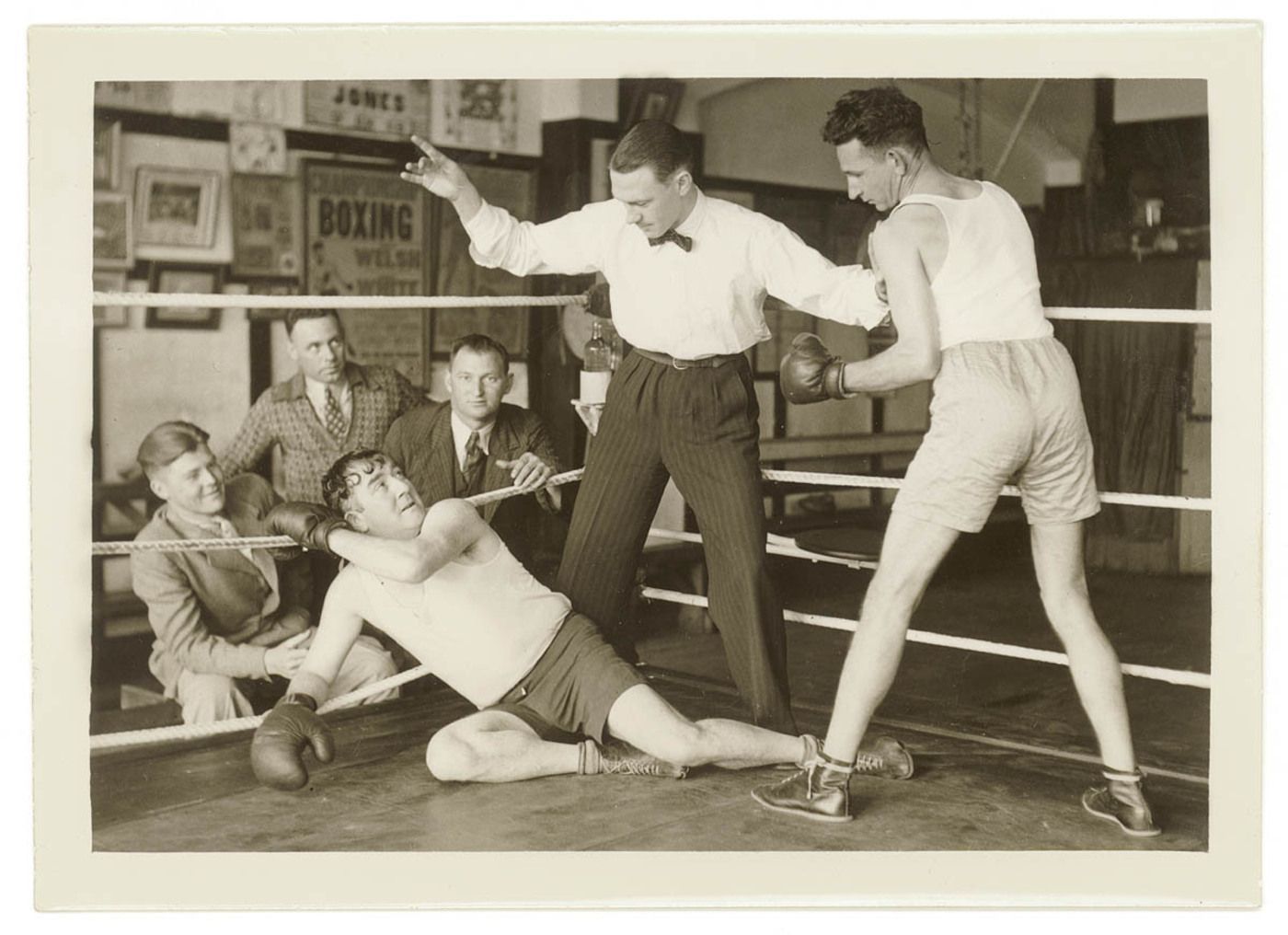
If you’ve ever grabbed the last piece of cake, only to have the phone ring just as someone else walks toward the fridge, you’ve been "saved by the bell". But the origins of this cliché are much more dramatic.
There are two possible explanations for its history. One theory comes from the late 18th and early 19th centuries, when there was a widespread fear of being buried alive. According to the story, some coffins were allegedly fitted with bells so a person could signal if they woke up underground, though there’s little evidence this was actually common. The more widely accepted origin comes from 19th-century boxing, where a fighter in trouble could be "saved" by the bell that ended the round just in time. Over time, that idea of a last-second escape became the meaning we use today.
Close but no cigar
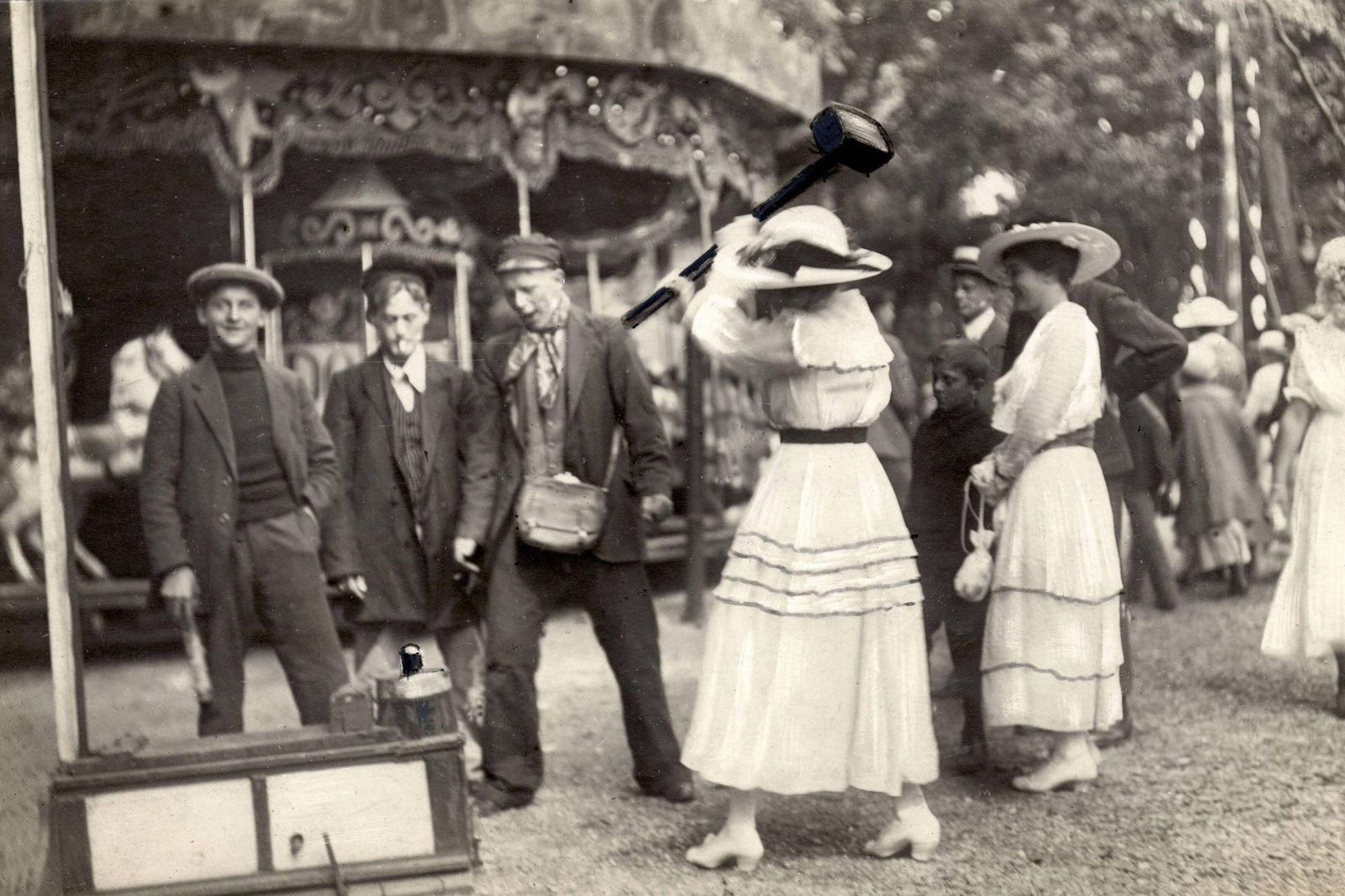
You had a flight, but you overslept. You rush to the airport, but the boarding gate has just closed: you didn’t make it. That’s a perfect "close, but no cigar" moment.
This phrase, used today whenever someone nearly succeeds but falls just short, had its origins in early 20th-century American carnivals and fairs. Back then, many skill games, like shooting galleries, ring tosses, or strength tests, didn't just offer stuffed animals or candy as prizes; they gave cigars to winners. If someone came close but didn’t win, the phrase was "close, but no cigar." Some customs may have changed, but the expression stuck, and its meaning is still quite the same today.
The early bird gets the worm

These days, many people believe that acting early and with diligence has its advantages, or, as the saying goes, "the early bird catches the worm." But have you ever wondered where that idiom comes from?
In 17th-century Europe, most people worked in farming or trade, and getting an early start, arriving first at the market or beginning work at dawn, often meant a real advantage. In that context, it’s easy to see how the saying was established. "The early bird gets the worm" was first recorded in John Ray’s A Collection of English Proverbs (1670–1678), though even earlier variations appeared in William Camden’s Remains Concerning Britain (1605/1636).
The Rule of Thumb

Perhaps your grandmother once told you a few kitchen "rules of thumb," like using 1 gallon of water per pound of pasta or 2 parts water to 1 part rice. Simple guidelines that usually work, even if they’re not exact. But did you know the term "rules of thumb" was already used four centuries ago?
In 17th-century England, people didn’t just use feet for measuring; thumbs were also used as a quick, rough tool in everyday trades like brewing and textiles, where a thumb’s width meant roughly an inch. The expression appeared in writing in the 1600s, notably in a sermon by Scottish minister James Durham, and by the end of that century, it was already being used much like we use it today.
Don’t count your chickens before they hatch
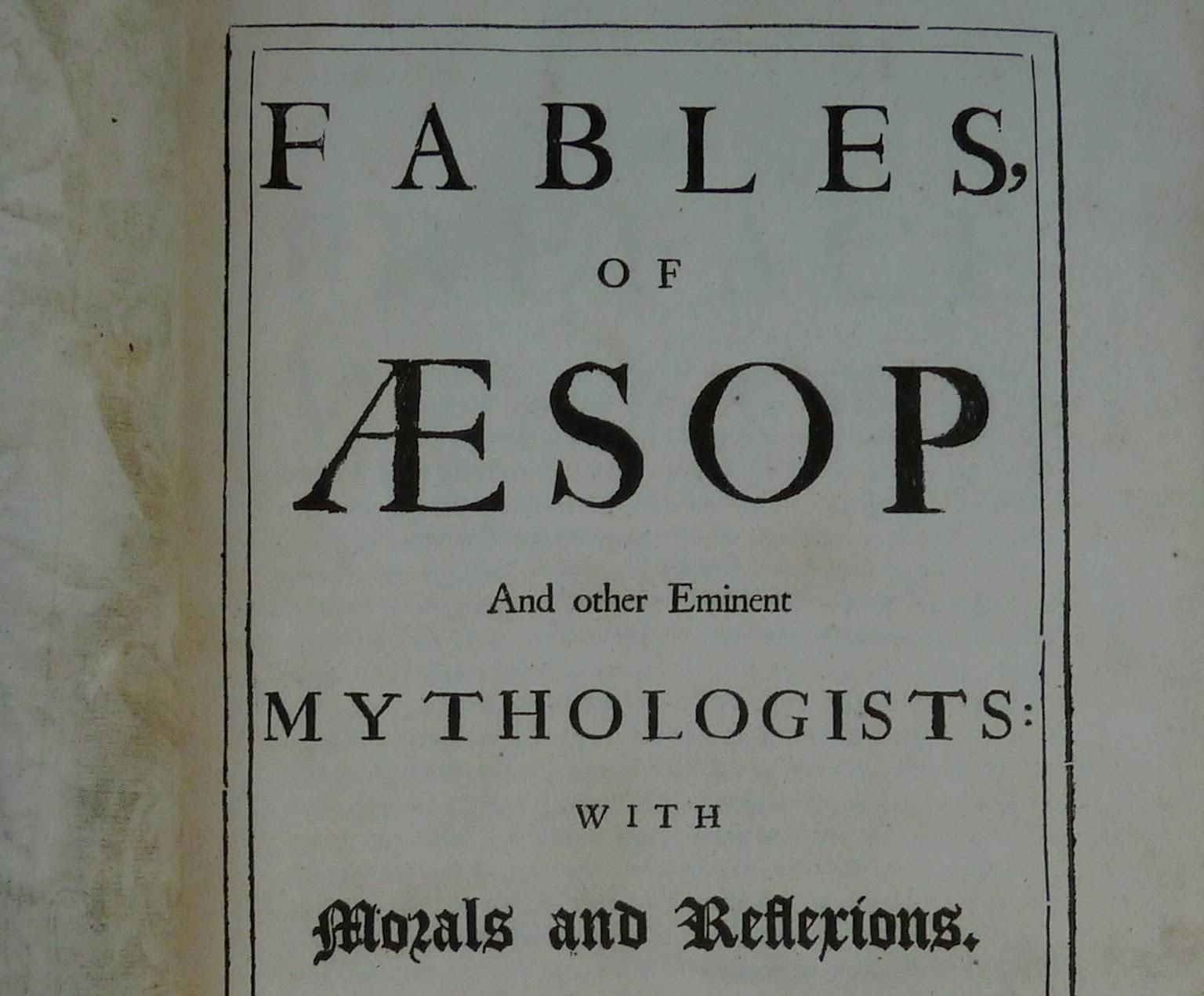
Experienced people often warn against celebrating a raise or promotion before it’s actually official; you know, "don’t count your chickens before they hatch." Can you believe this idiom dates back to the 6th century BCE?
It comes from Aesop's Fables, especially the story often known as "The Milkmaid and Her Pail." In it, a young girl daydreams about the fortune she’ll make from selling milk, eggs, and future profits, so much so that she accidentally spills the milk and loses everything. The fable warns against planning for success until it’s actually happened, just like the saying today.
Read between the lines

If a friend isn’t returning your calls and says he’s "just been really busy lately," you might need to "read between the lines" to realize something else is going on. Today, the phrase simply means picking up on the hidden or unspoken meaning behind someone’s words or behavior. But its origins are more literal than you might think.
In 19th-century cryptography, "reading between the lines" meant to uncover secret messages hidden in invisible ink between lines of visible text. One common method involved applying heat, which would reveal the secret writing. By 1850, the phrase had moved beyond codes into everyday language and was used to describe noticing subtle hints or implied meanings, just as we use it today.
Don't judge a book by its cover

If you’re visiting a new city and a local recommends a restaurant with an uninviting exterior, but inside, the food is a 10 out of 10, that’s when you’re reminded: "Don’t judge a book by its cover." Today, the saying means you shouldn’t judge something or someone by appearances alone, and it comes from 19th-century literature.
An early version appears in George Eliot’s The Mill on the Floss (1860), where a character speaking about books says, "…they’ve all got the same covers… But it seems one mustn’t judge by th’ outside." The wording later gained popularity in the 1946 murder mystery Murder in the Glass Room, by Lester Fuller and Edwin Rolfe, where it appears more directly as "You can never tell a book by its cover."
Better late than never

You’ve probably said "better late than never" when you showed up late to work or finally remembered to wish a friend a happy birthday, just a day or two too late. While we often say it today almost as a joke, its roots are much older and more serious.
The idea dates back to ancient Rome and was reflected in Titus Livy’s Ab Urbe Condita (History of Rome), written between 27 BCE and 9 BCE. The proverb appears as "potius sero quam nunquam", expressing the idea that it is better to act late than not at all, especially when it comes to defending Rome and its traditions. Centuries later, Geoffrey Chaucer brought the idea into Middle English in The Canterbury Tales (1386) as For bet than never is late.
Better safe than sorry

If you’re the cautious type who prefers to avoid trouble before making a decision, you’ve probably said "better safe than sorry" more times than you can count. But have you ever wondered where it actually comes from?
Unlike the previous proverb, this one doesn’t go back to ancient Rome, but it’s generally traced to 19th-century Irish literature. Even though the idea already existed in oral form, the phrase is credited to Irish novelist Samuel Lover, who, in his 1837 novel Rory O’More, writes it as "It is better to be sure than sorry," using it to highlight his character’s practical common sense.
Time heals all wounds

Anyone who has experienced grief or loss can relate to the comforting saying, "Time heals all wounds." Today, we often share it in deep conversations with family or friends, but its roots go back much further than most people think.
It is believed to have originated with the Greek poet and playwright Menander around 300 BCE, who wrote Pantōn iatros tōn anagkaiōn kakōn chronos estin ("Time is the healer of all necessary evils"), suggesting that the passage of time can soften emotional pain. Later, Geoffrey Chaucer brought a similar idea into Middle English in Troilus and Criseyde (1380s), where it appears as As tyme hem hurt, a tyme doth hem cure ("As time hurt them, time cures them").