One fragment at a time

These 10 beloved novels were published one chapter at a time


Published on August 20, 2026
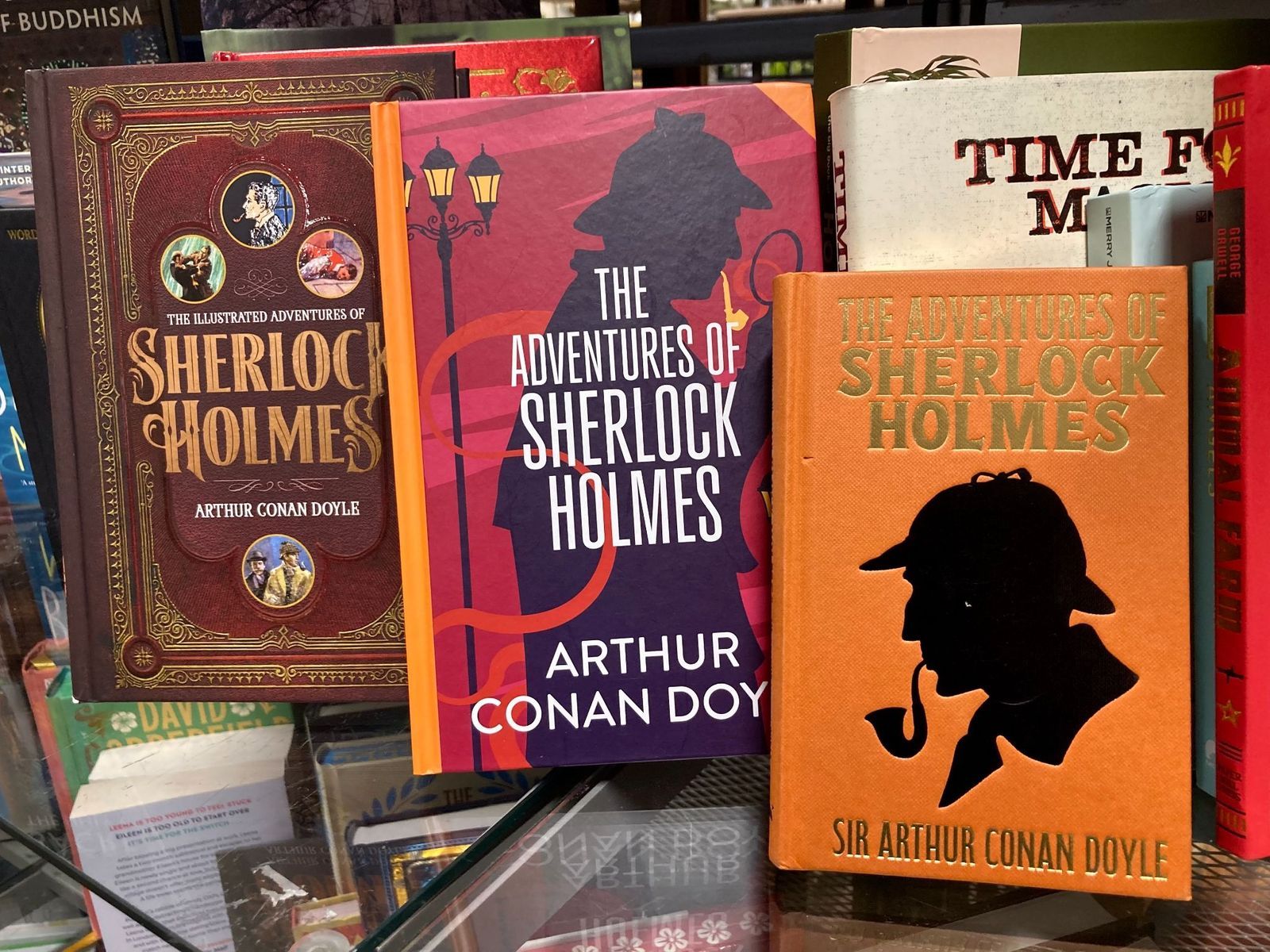

Image: Steve Travelguide

Back in the day, fiction wasn’t pre-ordered online and launched in bookstores with shiny, colorful covers. Instead, many of the titles we call literature classics were first printed in cheap paper magazines that flocks of readers returned weekly or monthly to: That was the only way to know how Sherlock Holmes solved complicated mysteries, or whether Jim Hawkins survived the pirates in Treasure Island. Here are 10 stories behind novels that made audiences fall in love, one chapter at a time.

1

Treasure Island, by Robert Louis Stevenson
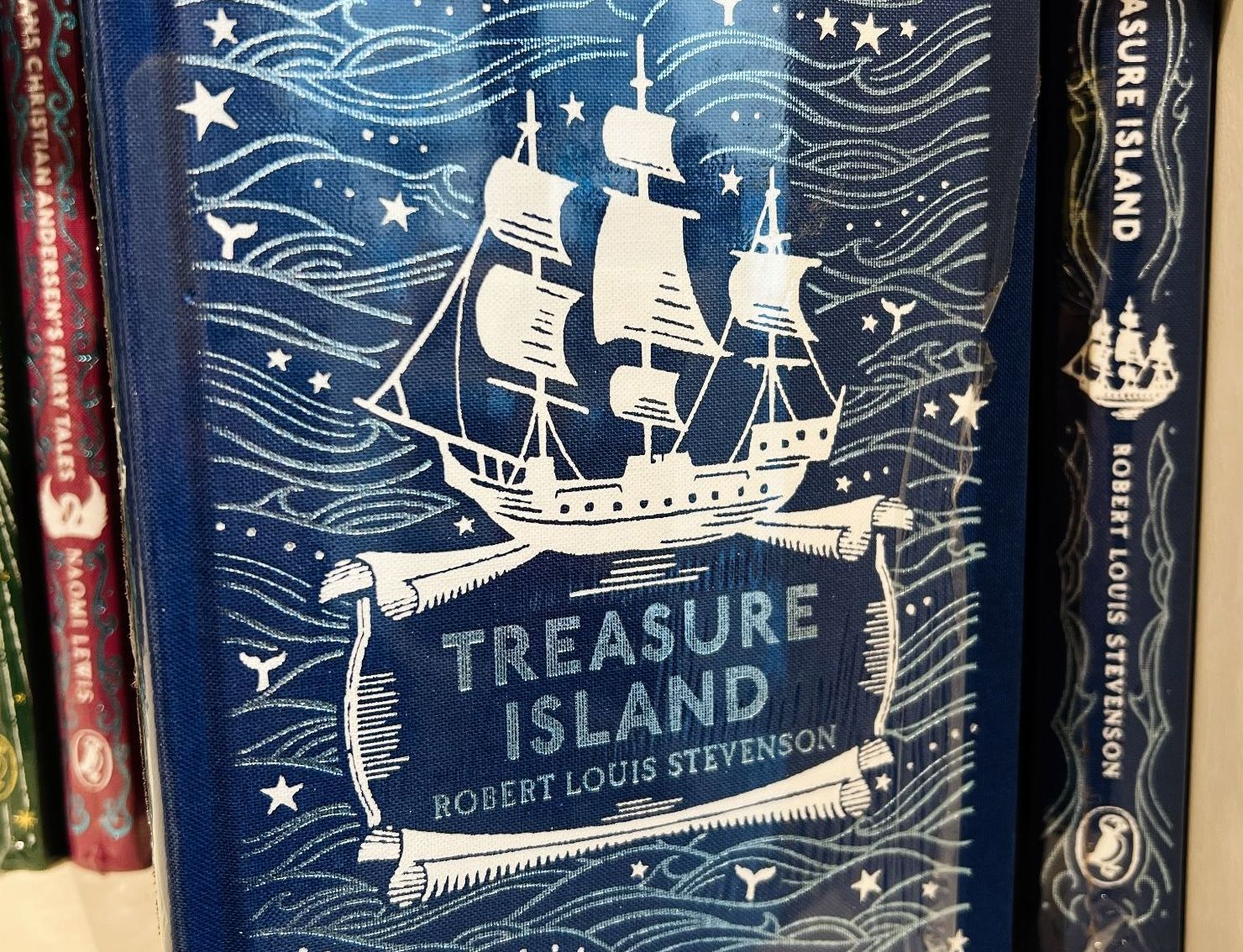
Image: AS project

The book that hooked young readers with the pirates’ genre flopped initially. When Robert Louis Stevenson's tale of seafarers and buried gold began running in the children's weekly Young Folks in 1881, it didn’t garner many fans. The story was printed under the pseudonym "Captain George North," and went out in seventeen installments spread across four months.

Even Stevenson's own wife, Fanny, disliked it enough that she argued against its ever becoming a book. But Stevenson pressed on and wrote a famous introduction charmingly defending the genre. The book was published by Cassell & Co. two years later, this time under his real name. The response was immediate: a bestseller, plus the template for how the world would picture pirates ever after.

2

The Adventures of Sherlock Holmes, by Arthur Conan Doyle
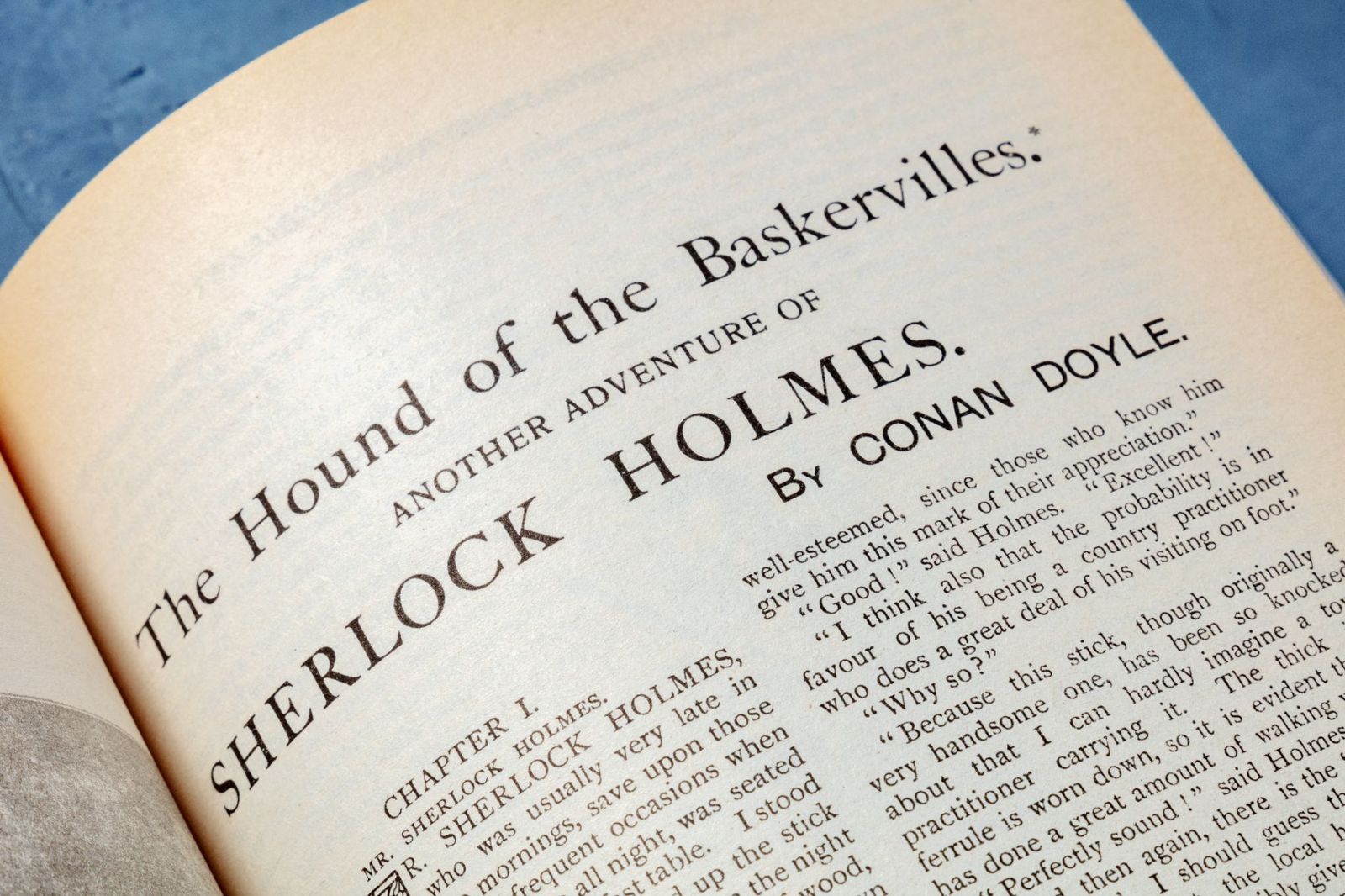
Image: Plateresca

Sherlock Holmes never wore a deerstalker cap in Arthur Conan Doyle's original text. That image came from illustrator Sidney Paget, hired to accompany the twelve stories that ran monthly in The Strand Magazine from July 1891 to June 1892.

The format itself was the real innovation: rather than one long serialized novel, readers got a complete, satisfying mystery every month, always featuring the same detective and his loyal Dr. Watson.

It worked very well. Subscriptions to The Strand climbed so sharply that Doyle was able to demand a raise before writing his next batch of cases. When George Newnes published the stories together as a book later that year, Holmes was already a household name.

3

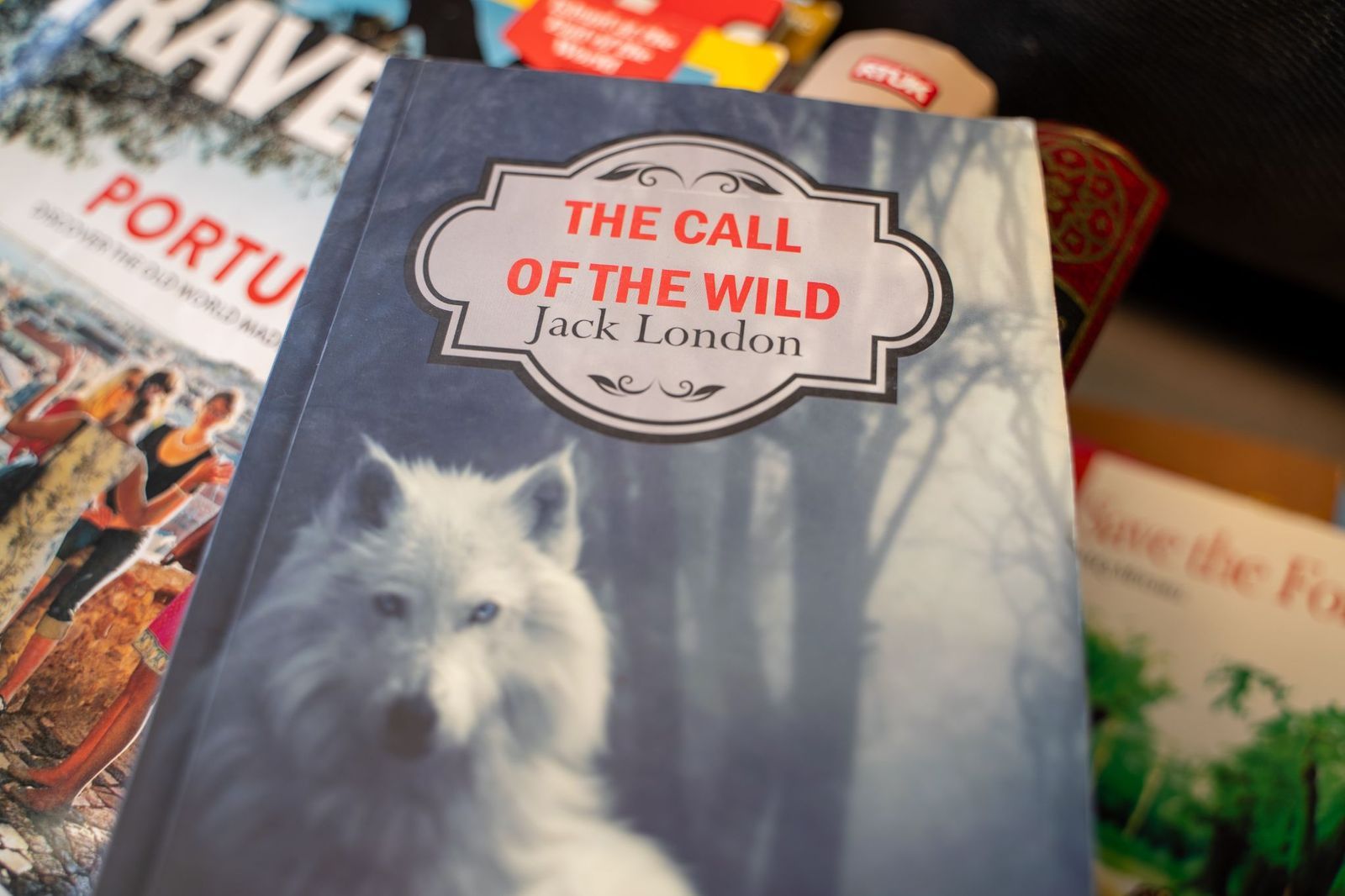
The Call of the Wild, by Jack London

Image: Erman Gunes

Writer Jack London needed money fast, so in January 1903 he mailed off a manuscript about a dog named Buck to The Saturday Evening Post. The idea had come from the year he had spent in the Yukon. The editor liked it, but asked London to trim five thousand words.

He agreed, priced his labor at three cents a word, and cashed a check for $750 (roughly $28,000 today). The story ran over a summer across several issues of the Post, a magazine better known for genteel fiction than tales of sled dogs clawing their way back to savagery in the Klondike. Just twenty-two days after that first payment, the Macmillan publishing house bought the book rights for $2,000 (roughly $76,000 today). When the novel appeared that August, its first printing of 10,000 copies sold out immediately.

4

Tarzan of the Apes, by Edgar Rice Burroughs
Image: Erman Gunes

Tarzan's debut wasn't serialized the way most magazine fiction of 1912 was. Editor Thomas Metcalf ran the entire novel, uncut, in one issue of the pulp All-Story that October, an almost unheard-of gamble.

Edgar Rice Burroughs, a failed soldier and failed businessman turned struggling writer, received $700 (roughly $24,000 today) for it, enough to convince him he could write for a living. But when he brought Metcalf a sequel the following year, Metcalf turned it down, twice.

Burroughs took The Return of Tarzan to a rival pulp instead, which ran it as a conventional seven-part serial and paid him even more money than before: $1,000. Every Tarzan novel that followed stuck to that same magazine-first formula. The books didn’t arrive until 1914.

5

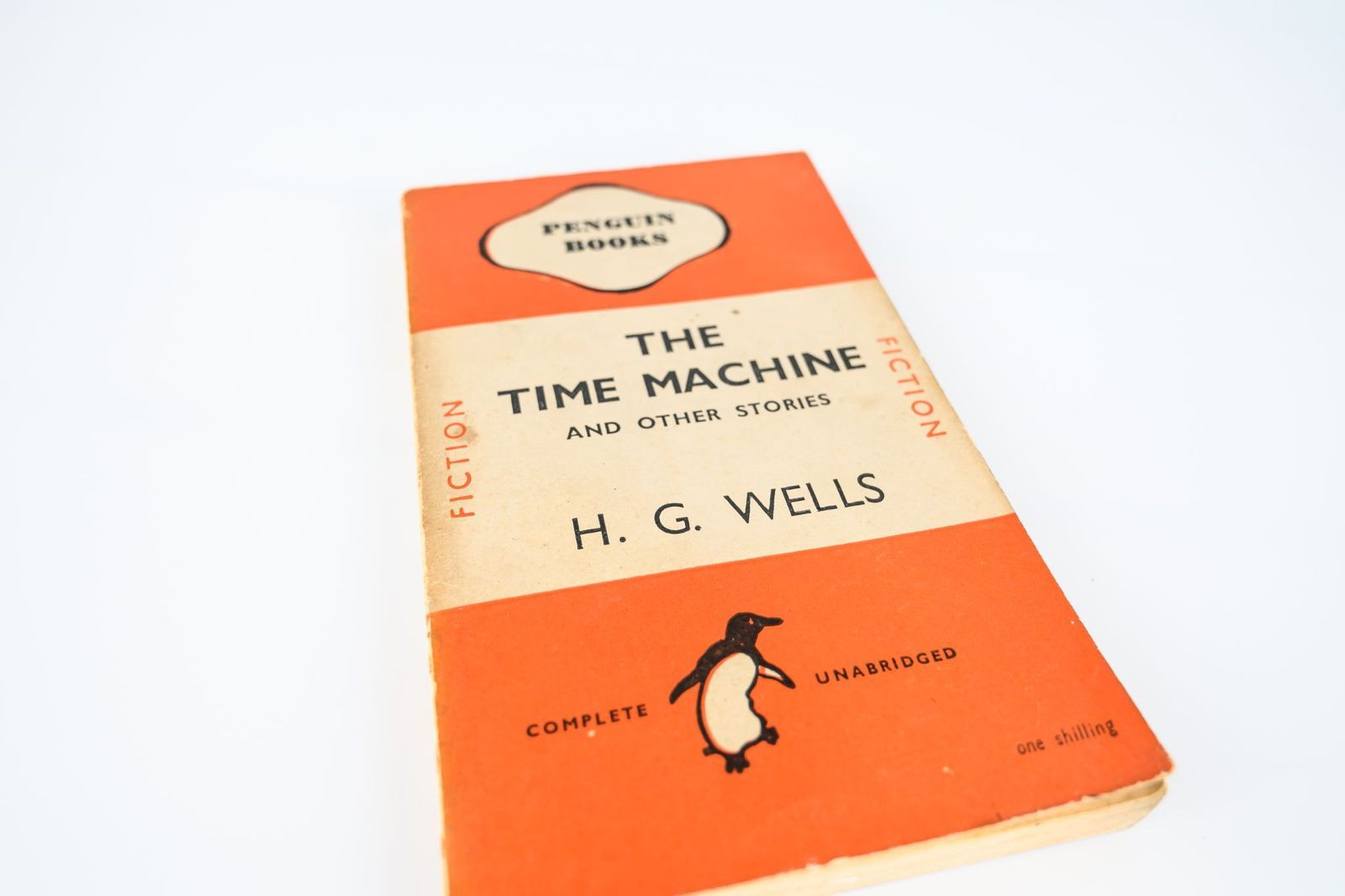
The Time Machine, by H. G. Wells

Image: SJBright

H. G. Wells spent seven years failing to get this story right. It began as a college magazine serial in 1888, and resurfaced incomplete in a newspaper called the National Observer in 1894. But it didn't find its final shape until editor William Henley asked Wells to expand it into a five-part serial. Wells agreed, was paid £100 (around $23,000 today), and watched the story run over 5 months in 1895. Readers liked it.

When book publications soon followed on both sides of the Atlantic, the American edition misprinted the author's name as "H. S. Wells," an error they had time to correct, since it has never been out of print.

6

The War of the Worlds, by H. G. Wells

Image: hamdi bendali

The idea of a Martian invasion was handed to H. G. Wells by his brother Frank. During a walk through the English countryside, Frank idly wondered aloud what would happen if beings from another planet suddenly dropped out of the sky. Wells took it upon himself to imagine the answer and wrote it down.

For the story, the British magazine Pearson's paid him the current equivalent of $45,200, though the editor insisted on knowing how it ended before agreeing to run it. It simultaneously ran in Cosmopolitan in America, from April to December 1897.

It proved so popular that unauthorized versions soon popped up in American newspapers, including one from William Randolph Hearst. The authorized book followed in 1898.

7

Uncle Tom's Cabin, by Harriet Beecher Stowe
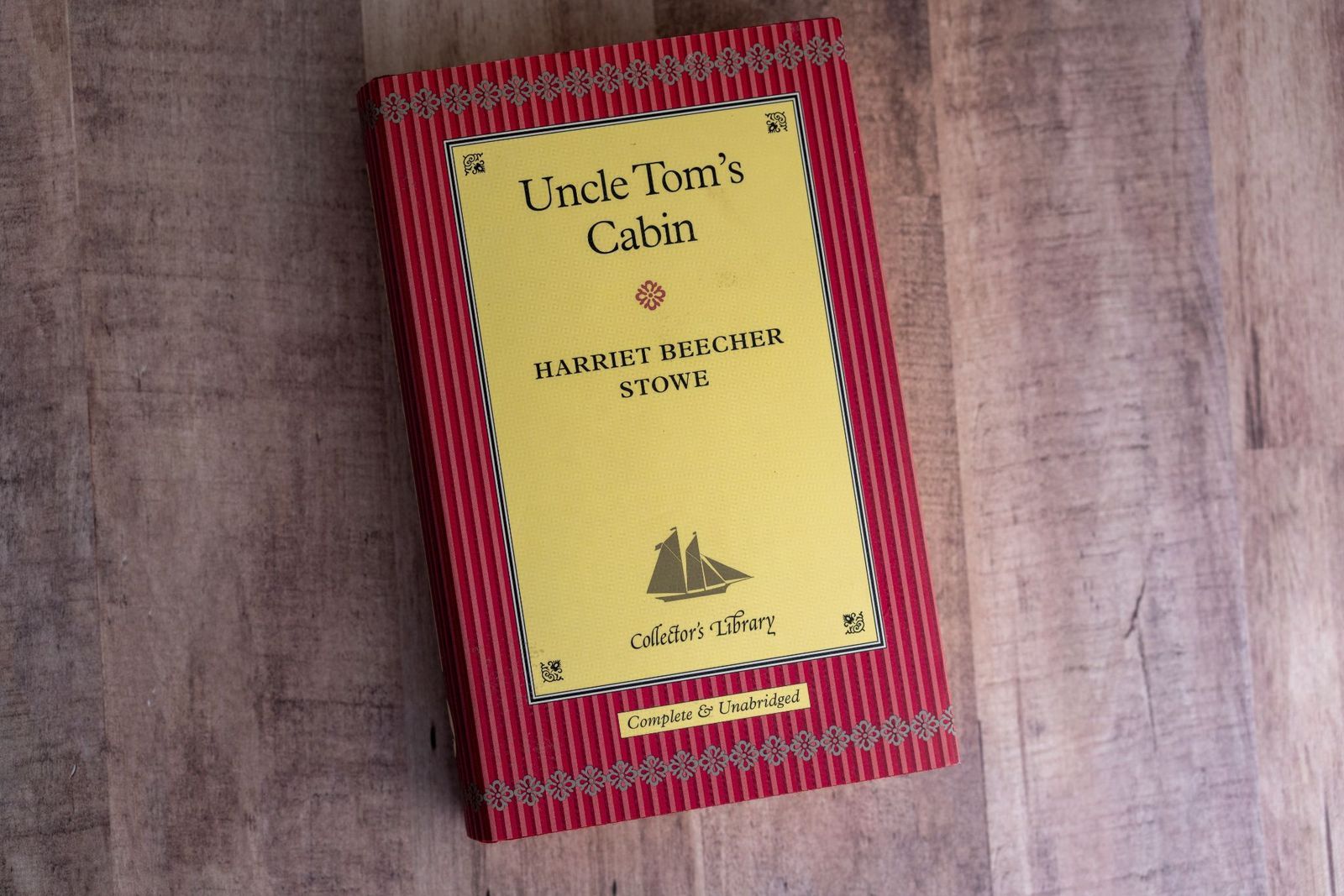
Image: MKPhoto12

In 1851, the abolitionist newspaper The National Era paid Harriet Beecher Stowe, a 40-year-old mother of six, the equivalent of $13,000 today) for a short antislavery narrative in three parts.

She kept writing and writing. It stretched into forty weekly installments over ten months, with readers so invested that they wrote in to protest whenever she missed a week. By the time the serial ended in 1852, publisher John P. Jewett had already arranged to release it as a book.

It sold 10,000 copies in its first week alone, 300,000 within the year in the U.S., and 1.5 million more across England.

8

The Martian Chronicles, by Ray Bradbury
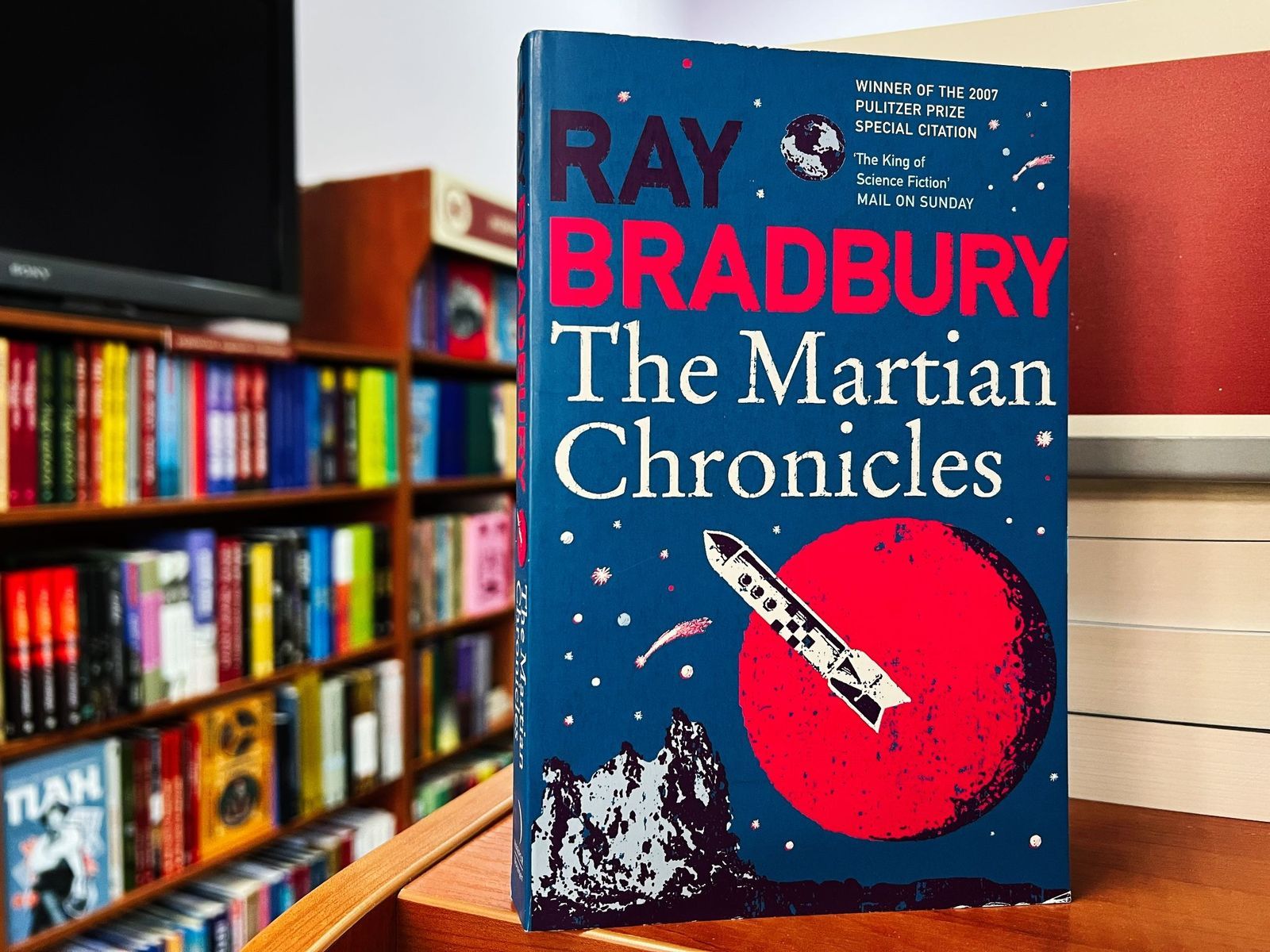
Image: AS photo family

Ray Bradbury didn't set out to write The Martian Chronicles. He'd simply been publishing Mars stories in pulp magazines throughout the 1940s, one after another, with no grand plan connecting them.

Then, on his last night in New York in 1949, a Doubleday editor coincidentally named Walter Bradbury asked what he intended to do with all those Martian tales. Could they be stitched into something resembling a novel? They reached an agreement, and Walter offered Ray $750 for the Mars book (roughly $10,500 today) as part of a two-book, $1,500 deal. Bradbury went home to Los Angeles, revised his old stories, and wrote new bridging chapters inspired by Steinbeck.

9

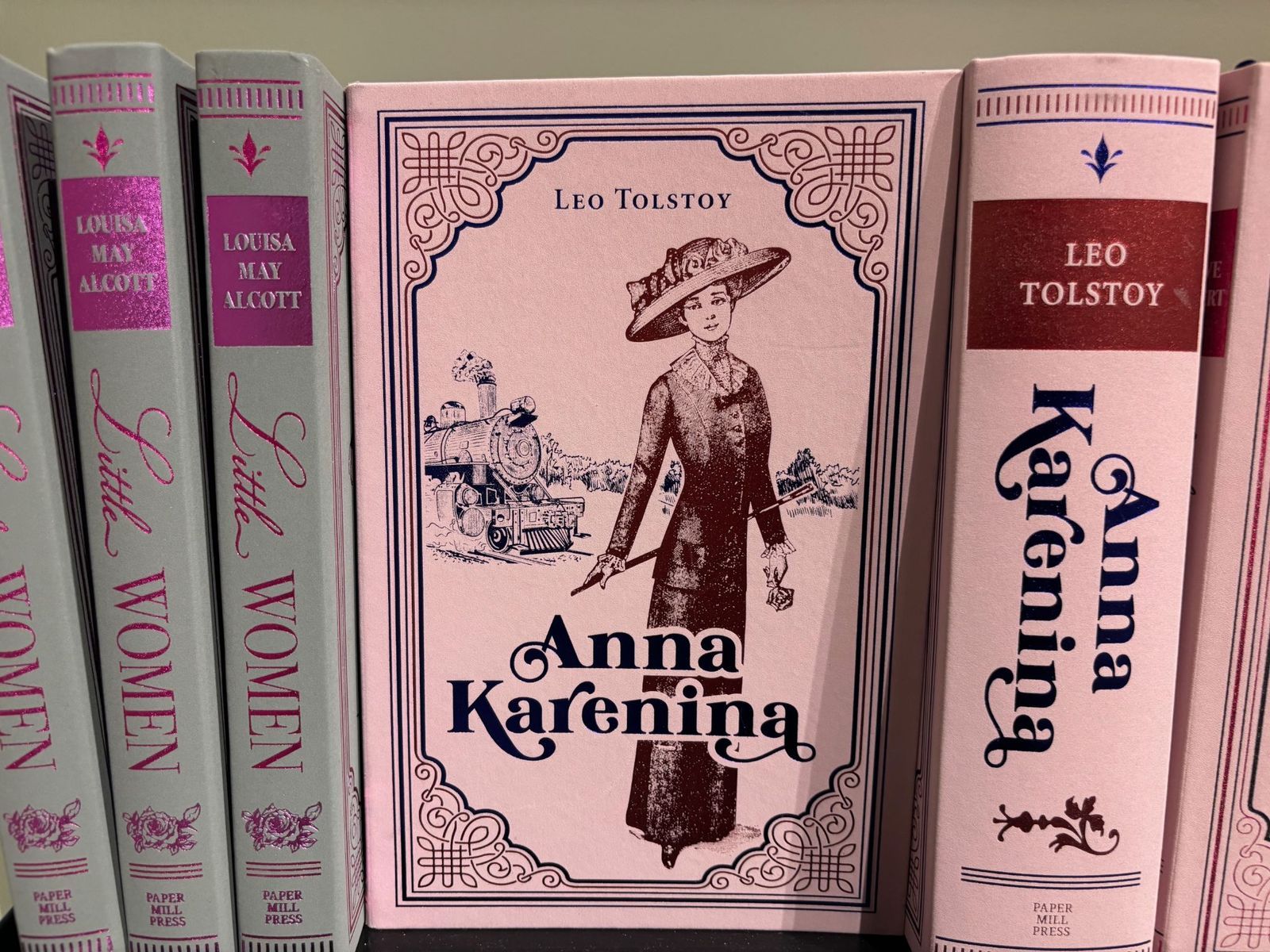
Anna Karenina, by Leo Tolstoy

Image: bella1105

Leo Tolstoy never got to finish telling his own story, at least not in the pages where readers had been following it. Serialized in The Russian Messenger from 1875 to 1877, Anna Karenina earned Tolstoy an extraordinary sum of more than $300,000 today. That was more per printed page than rivals like Turgenev or Dostoevsky.

Then, just as the story was reaching its final chapters, editor Mikhail Katkov refused to print the eighth and last part. Tolstoy had written unflattering things about Russian volunteers rushing off to fight in the Balkans, and Katkov wanted no part of it. Tolstoy published the ending separately, as its own pamphlet, before the complete novel finally appeared as a book in 1878.

10

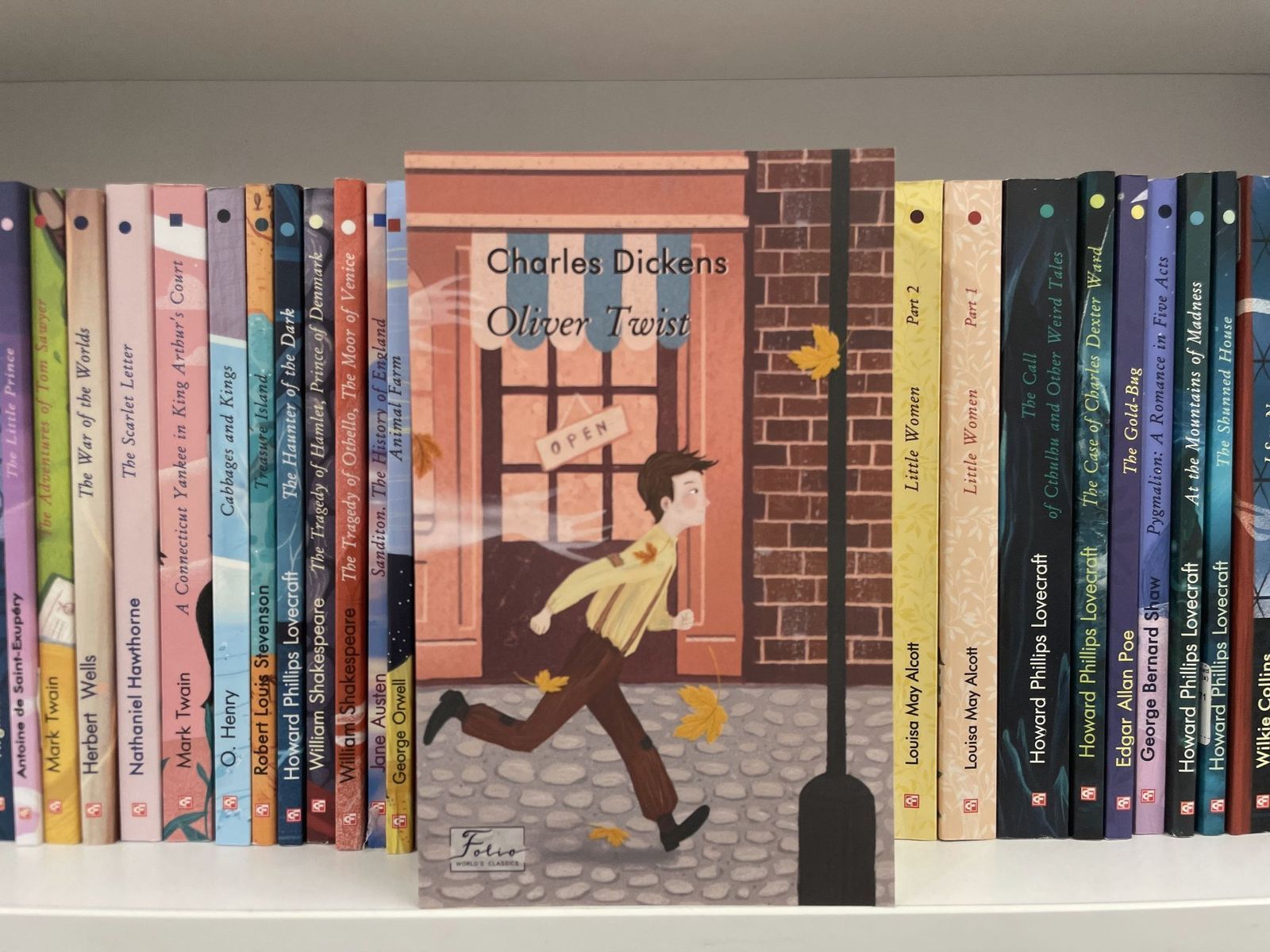
Oliver Twist, by Charles Dickens

Image: marhus

Virtually every major and minor novel by Charles Dickens was originally published in serialized form. While he was still serializing The Pickwick Papers, the book that made him famous, he was already contracted to deliver another novel entirely. Publisher Richard Bentley paid him £500 (roughly $97,400 today) for the rights to Oliver Twist, plus a monthly salary to edit Bentley's own new magazine, where the novel would run.

Between 1837 and 1839, readers got two or three chapters of Oliver's grim childhood each month, even as Dickens juggled a second serialized story on the side. Bentley published the complete novel in three volumes months before the magazine version had even finished.


Some names stick around

From Table Tap Joe to Ziggy Stardust: Who are the best song characters?


Published on August 20, 2026


Image: Christina Radevich

Sometimes, a character is the perfect alter-ego to write a song about oneself without self-referencing so much. Other times, a character is just a character. Over the years, musicians have come up with lonely dreamers, fearless heroes, mysterious strangers, and even supernatural villains who have become just as famous as the songs themselves. Some were inspired by real people, others sprang entirely from imagination, but all of them left a lasting mark on music history. Which of these 12 do you remember?

1

Table Top Joe — Tom Waits — "Table Top Joe"

Image: lev radin

Tom Waits has always had a soft spot for society's oddballs, and few are even stranger than Table Top Joe. Introduced on the 2002 album Alice, Joe is born with only a head and hands, yet grows into a brilliant piano player whose extraordinary talent earns him fame despite the odds stacked against him.

The song unfolds like a forgotten American folk tale, complete with references to Coney Island's legendary Dreamland amusement park and composer Igor Stravinsky. Although many listeners assume the story is based on an old carnival legend, Table Top Joe is entirely Tom Waits' own creation.

2

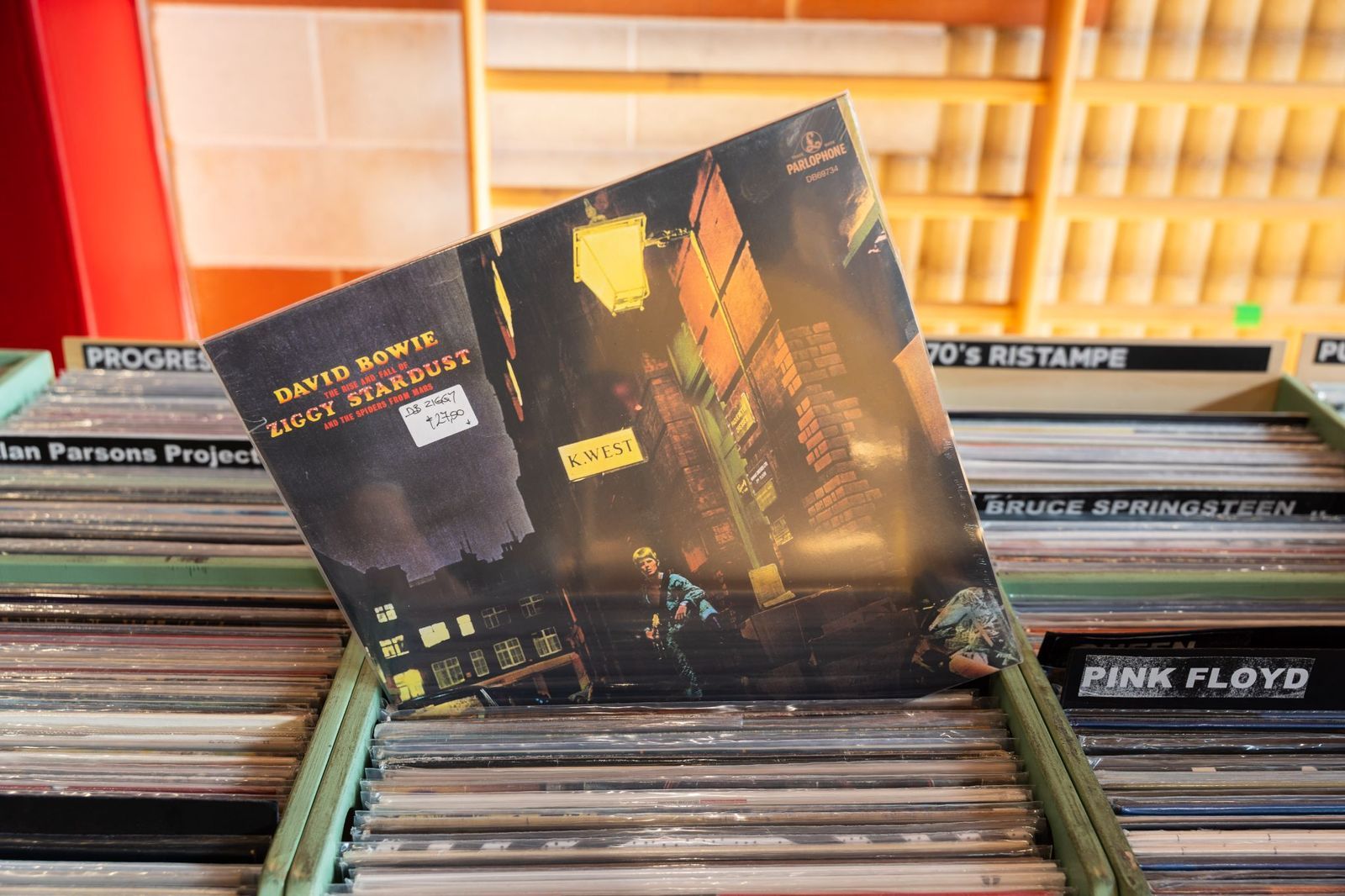
Ziggy Stardust — David Bowie — "Ziggy Stardust"

Image: PHLD Luca

Few fictional musicians have ever become as famous as Ziggy Stardust. Introduced in 1972, Ziggy is an alien rock star sent to Earth shortly before humanity's end, only to be consumed by the very fame that makes him a savior to millions.

David Bowie blurred the line between fiction and reality by performing as Ziggy onstage for more than a year. When he unexpectedly announced Ziggy's retirement during a concert at London's Hammersmith Odeon in 1973, many fans believed the character, and perhaps Bowie himself, had truly reached the end of the story.

3

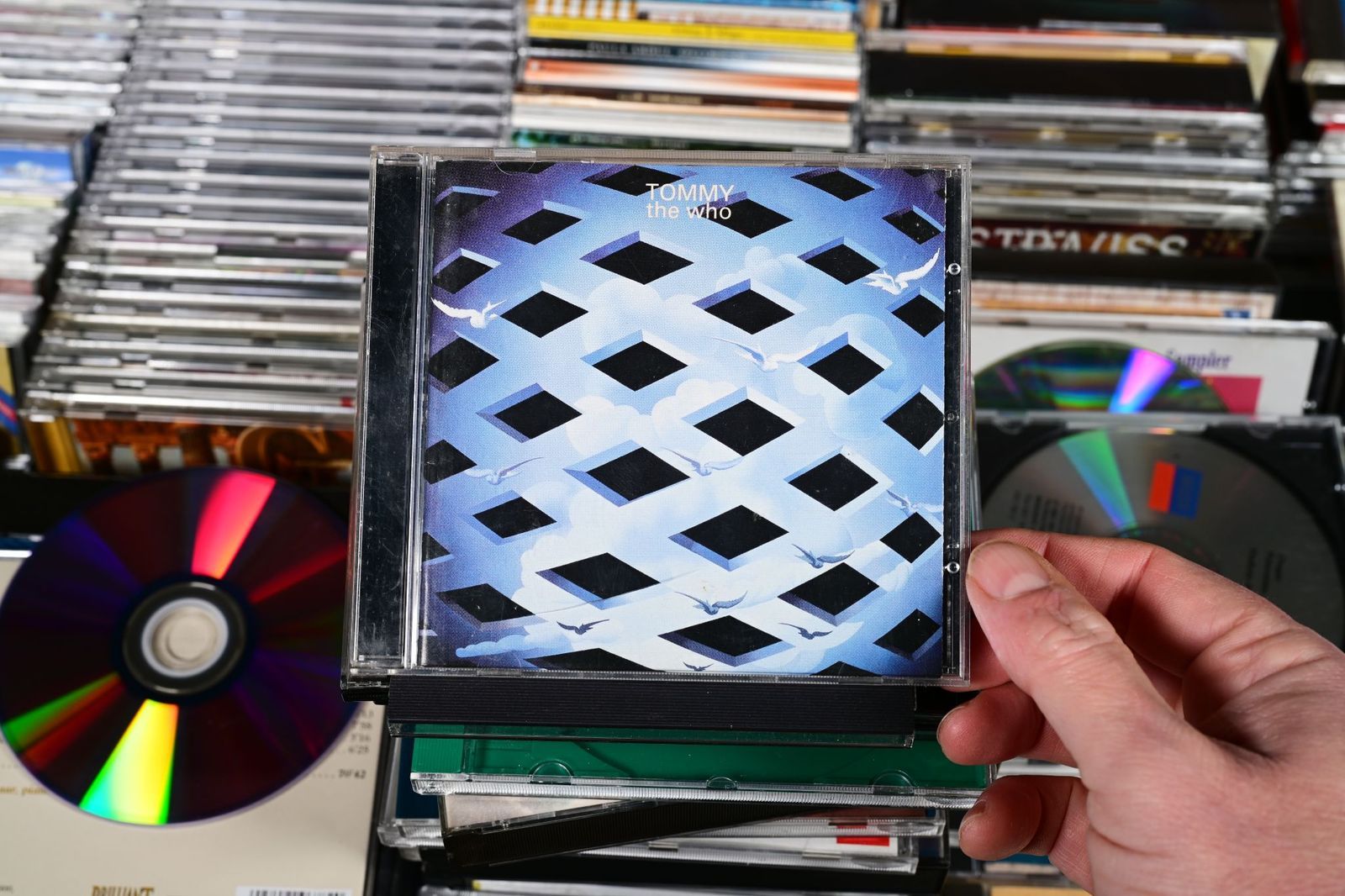
Tommy — The Who — "Tommy"

Image: defotoberg

Tommy Walker isn't just the hero of a song, he's the central figure of one of rock music's first great operas. After witnessing a traumatic event as a child, Tommy becomes deaf, mute, and blind, yet somehow develops astonishing pinball skills that transform him into an unlikely celebrity.

Pete Townshend built an entire musical world around Tommy, exploring themes of trauma, faith, and redemption. First released in 1969, Tommy later became a hit film, a Broadway production, and one of the most influential concept albums ever recorded.

4

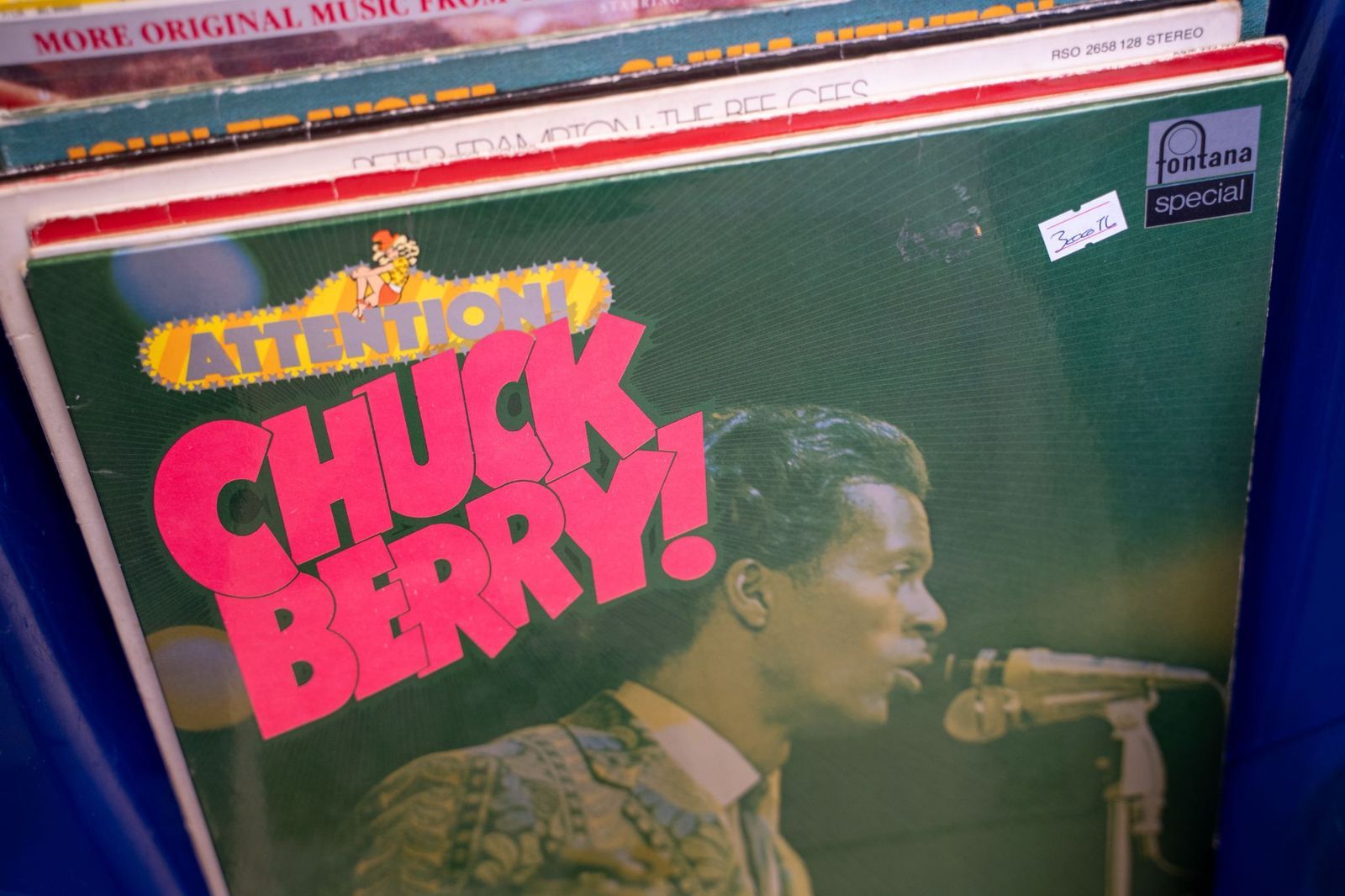
Johnny B. Goode — Chuck Berry — "Johnny B. Goode"

Image: Erman Gunes

Johnny B. Goode is every aspiring musician's dream. Growing up in rural Louisiana with little more than a guitar and natural talent, he plays so brilliantly that listeners predict "his name will be in lights."

Chuck Berry based the character partly on himself and partly on pianist Johnnie Johnson. Originally described as a "colored boy," Johnny became a "country boy" in the final lyrics, making the song more likely to receive airplay during the segregation era. Nearly two decades later, Johnny's anthem would even travel into space aboard NASA's Voyager Golden Record.

5

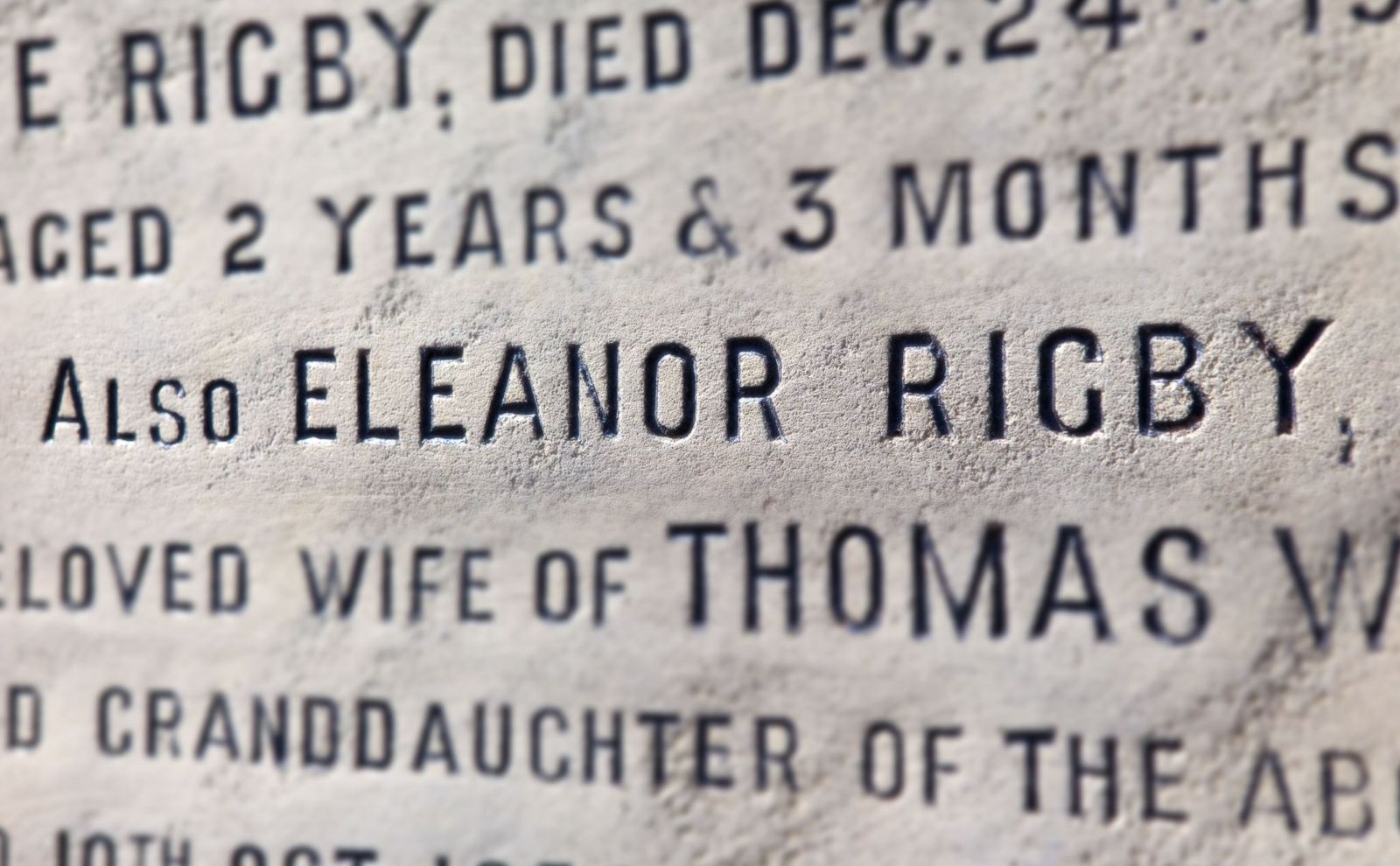
Eleanor Rigby — The Beatles — "Eleanor Rigby"

Image: chrisdorney

Few fictional characters have captured loneliness as powerfully as Eleanor Rigby. She quietly moves through life unnoticed, while Father McKenzie delivers sermons that no one hears, creating one of popular music's saddest portraits of isolation.

Paul McCartney later explained that Eleanor's name came from actress Eleanor Bron and the Liverpool shop Rigby & Evens. The discovery of an actual Eleanor Rigby gravestone in Liverpool only deepened the song's mystique, though McCartney maintained the coincidence was unintentional.

6

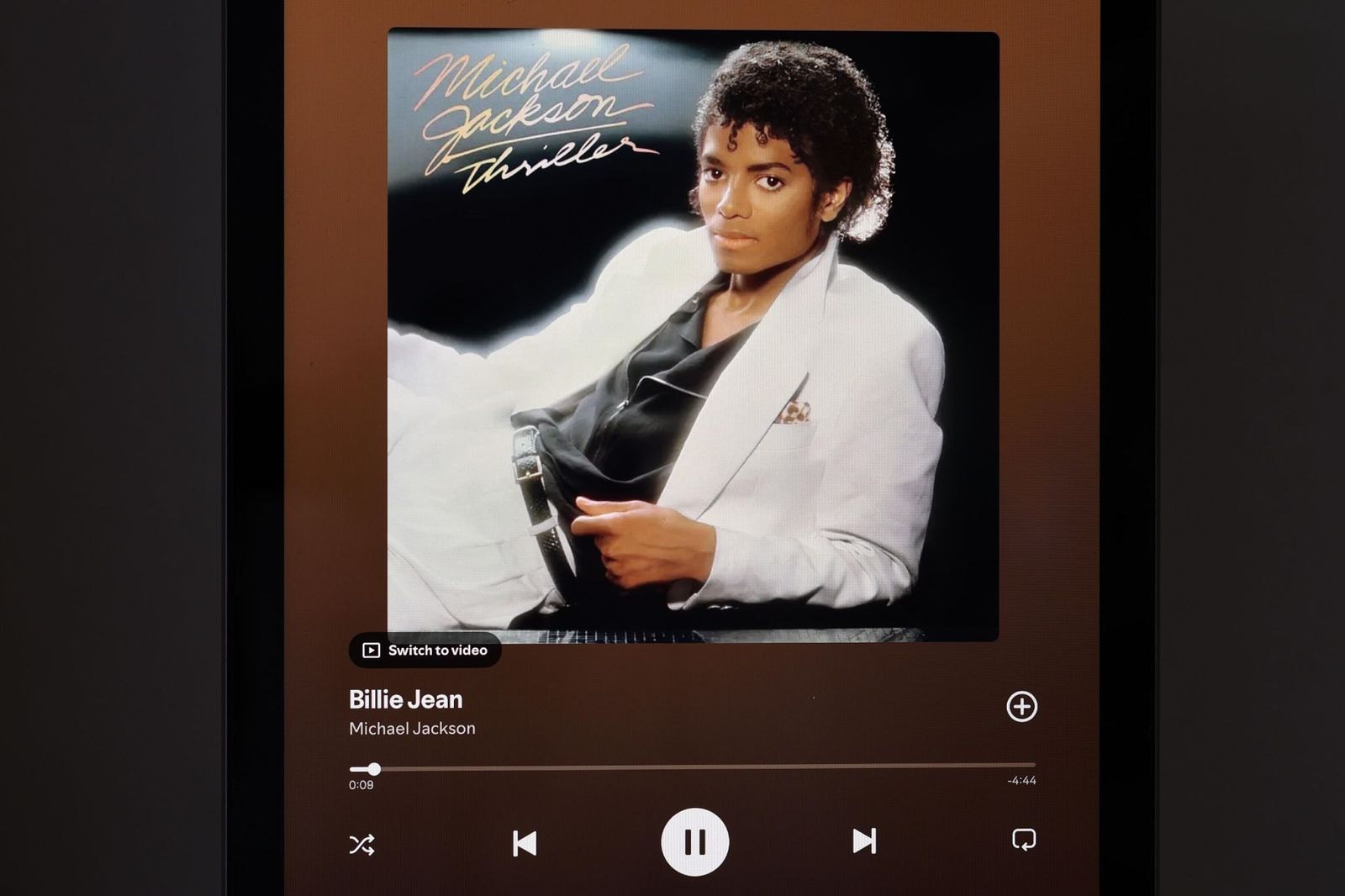
Billie Jean — Michael Jackson — "Billie Jean"

Image: McSleepy

Billie Jean may be one of pop music's most famous women, yet Michael Jackson insisted she wasn't a real person. Instead, she represented several women who falsely claimed that he had fathered their children during the height of the Jackson 5's fame.

Released in 1983 as part of Thriller, the song became a global phenomenon. It also provided the stage for Jackson's legendary moonwalk during Motown 25.

7

Stagger Lee — Lloyd Price — "Stagger Lee"

Image: L Paul Mann

Unlike many legendary song characters, Stagger Lee actually existed. His real name was Lee Shelton, a St. Louis criminal who murdered Billy Lyons during an argument over a hat on Christmas Eve in 1895.

The shocking crime quickly entered American folklore through countless folk songs before Lloyd Price transformed it into a chart-topping hit in 1958. More than a century later, Stagger Lee remains one of the most enduring antiheroes in American music.

8

Tom Dooley — The Kingston Trio — "Tom Dooley"

Image: BOOCYS

Tom Dooley was inspired by Thomas Dula, a Confederate veteran executed in North Carolina in 1868 after being convicted of murdering Laura Foster. His surname was locally pronounced "Dooley," giving the ballad its familiar title.

The Kingston Trio revived the old Appalachian folk song in 1958, turning it into an international hit and helping launch America's folk music revival.

9

Lola — The Kinks — "Lola"

Image: McSleepy

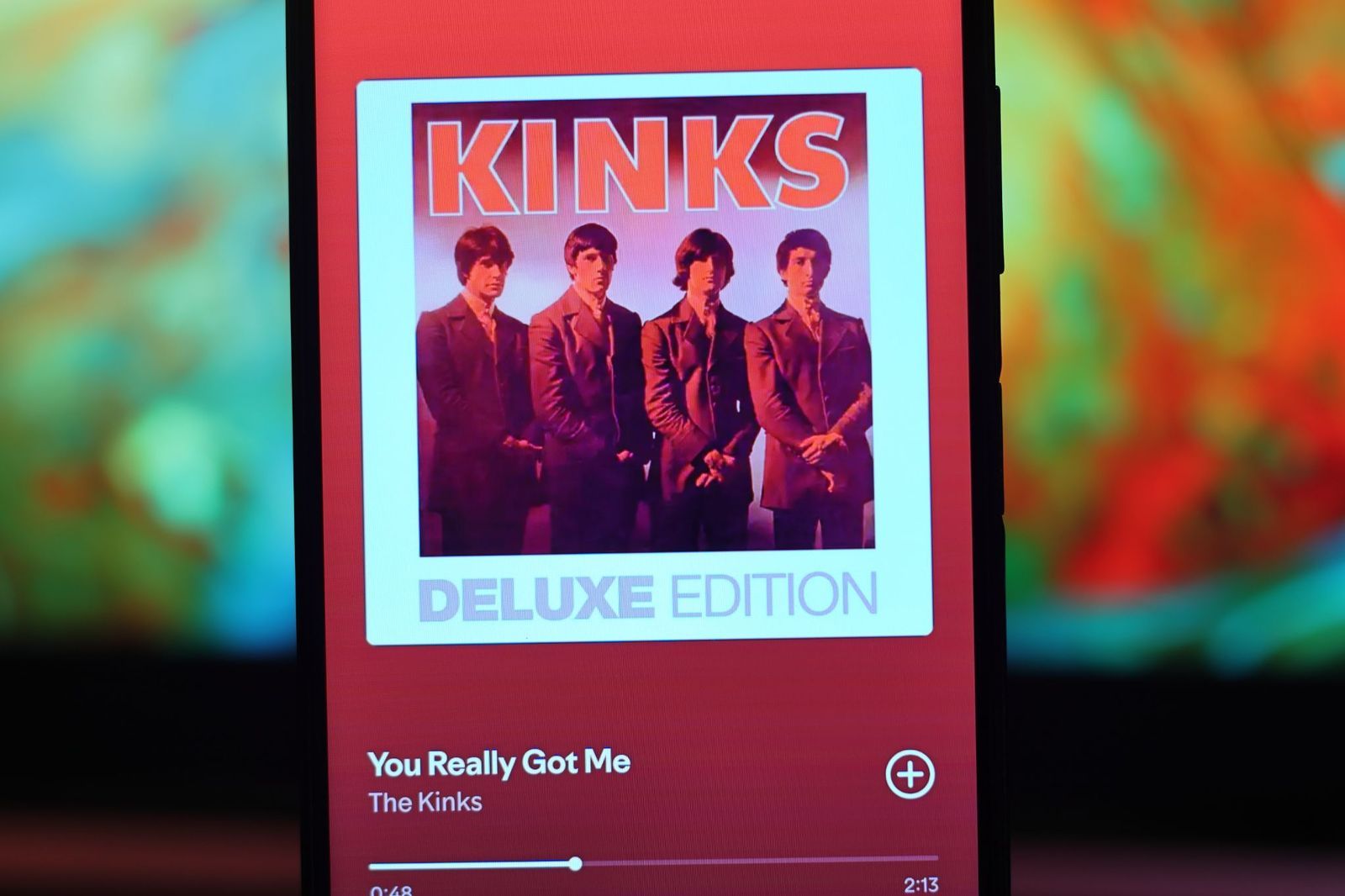
When the narrator of "Lola" meets an intriguing stranger in a Soho nightclub, expectations quickly give way to surprise. Ray Davies crafted one of rock's earliest mainstream stories exploring gender ambiguity, decades before the topic entered popular conversation.

The recording rarely reached British radio. Because BBC rules prohibited commercial product names, Davies had to interrupt a U.S. tour and fly back to London simply to replace the lyric "Coca-Cola" with the now-famous "cherry cola."

10

Piano Man — Billy Joel — "Piano Man"

Image: Debby Wong

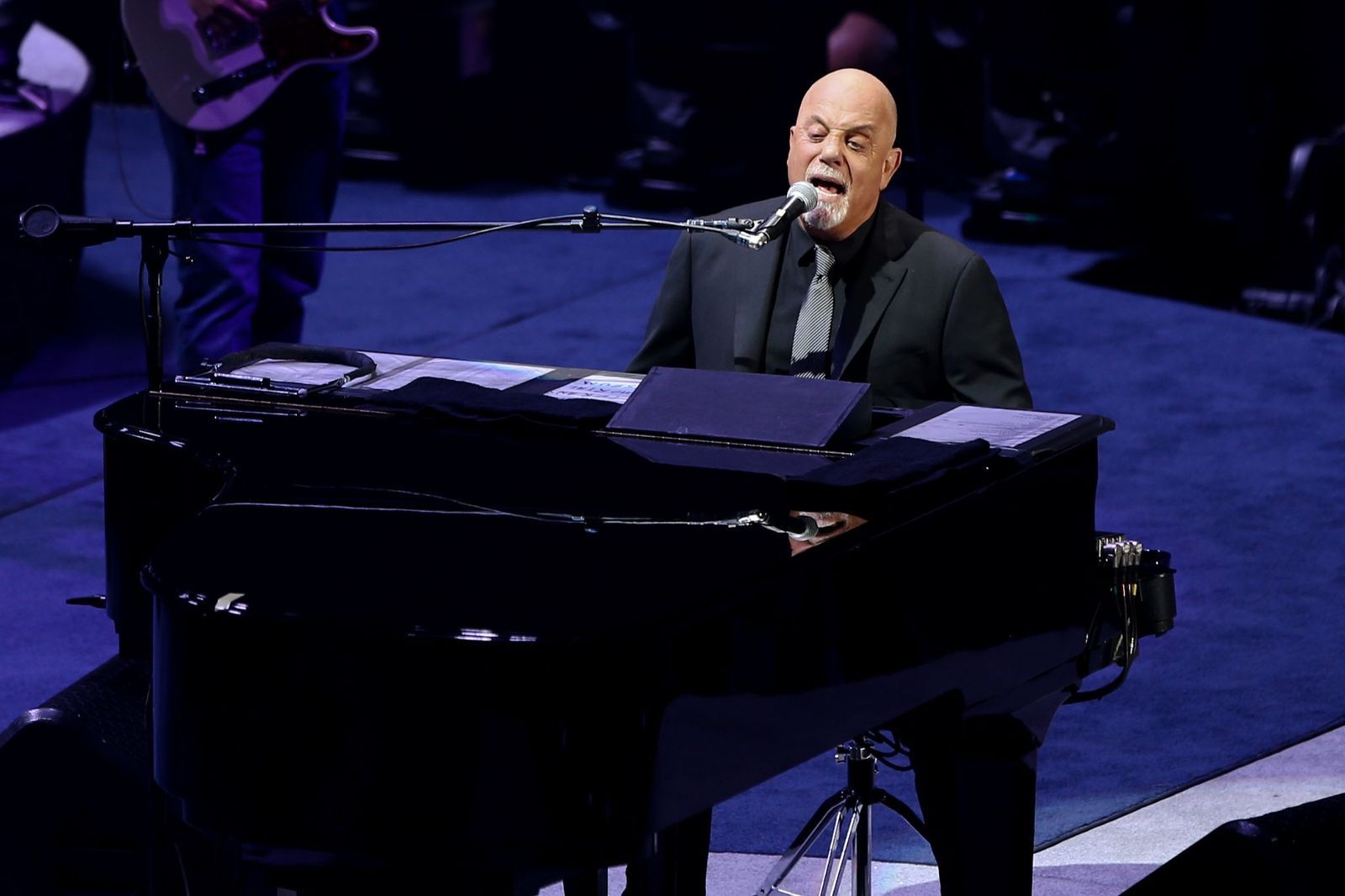
Unlike most famous song characters, the Piano Man is really Billy Joel himself. Before becoming a superstar, Joel spent six months in 1972 and 1973 performing under the pseudonym Bill Martin at the Executive Room, a piano bar in Los Angeles, after becoming trapped in a bad recording contract. The song transforms those experiences into a bittersweet portrait of ordinary people searching for escape at the end of another week.

Joel has said that virtually every character in the song was based on a real person, from bartender John to "Paul, the real estate novelist" and Davy, who really was in the Navy. Yet the Piano Man himself became the story's most enduring character: a quiet observer who offers music as a brief refuge for dreamers, lonely souls, and regulars alike. More than fifty years after its 1973 release, "Piano Man" remains Billy Joel's signature song, and its title has effectively become his lifelong nickname.

11

Amos Moses — Jerry Reed — "Amos Moses"

Image: AS project

Standing nearly seven feet tall and missing an arm, Amos Moses roams the Louisiana swamps hunting alligators. Jerry Reed filled the song with colorful Southern expressions and exaggerated storytelling that make Amos feel like an authentic folk legend.

Although fictional, Amos embodies the larger-than-life heroes found throughout American tall tales. His adventures turned the song into one of Reed's biggest crossover hits and secured Amos a permanent place among country music's greatest characters.

12

Big Bad John — Jimmy Dean — "Big Bad John"

Image: mirigifford

Big Bad John hardly says a word, but he doesn't have to. The towering coal miner earns everyone's respect through quiet strength before sacrificing his own life to save fellow workers when a mine collapses.

Jimmy Dean's 1961 ballad became a smash hit, winning a Grammy and inspiring several sequel songs. More than sixty years later, Big Bad John still stands as one of country music's defining working-class heroes.

Looking for an extra scoop of literary fun?

Learn more with our Word of the day

avidity

/əˈvɪdədi/