Words filled with meaning

Why you should never say "ATM machine"


Published on August 23, 2026

Image: Jason Leung

Compared to other languages, English employs a relatively high number of acronyms and initialisms. According to linguists, this happens because English words tend to be short, and the word order is quite strict. While initialisms are easy to distinguish because they are not pronounced as a word, we don’t always recognize acronyms, especially when they refer to everyday things. Here are 11 popular acronyms and initialisms and their meaning.

1

SCUBA

Image: Jesse van Vliet

When the scuba was invented in 1952 by Christian J. Lambertsen, it had a different name that, coincidentally, was also an acronym. Lambertsen had named his invention LARU, or ‘Lambertsen Amphibious Respiratory Unit’, but he changed it when it was time to apply for a patent. The name in the patent application was SCUBA, after ‘Self-Contained Underwater Breathing Apparatus’. Nowadays, scuba is a word of its own and has developed into words like scuba-diving.

2

LASER

Image: Artem Bryzgalov

In 1955, scientists who had developed a microwave radiation technology patented it as MASER or ‘Microwave Amplification by Stimulated Emission of Radiation’. A few years later, American physicist Gordon Gould developed a similar technology, this time using light instead of microwaves. Following the pattern of MASER, he registered it as LASER or ‘Light Amplification by Stimulated Emission of Radiation’. While the scientific community initially referred to this technology as the "optical maser", Gould’s acronym quickly became the preferred term.

3

ATM

Image: Ali Mkumbwa

If you’ve ever used the phrase "ATM machine", you need to know that you’re saying ‘machine’ twice. But don’t worry, this is a common error stemming from the fact that many people don’t know that ATM stands for ‘Automated Teller Machine’, a name that creates a parallelism between ATMs and bank tellers. Although the ATM was installed in 1967 in a London bank, no one really knows who was the first to call it ‘ATM’ instead of ‘cash-dispensing machine’.

4

RADAR

Image: Stephan Widua

The use of radio waves as a detection mechanism dates back to the late 19th century, but it was not properly developed until the 1920s, when the U.S. Navy started creating the first modern radars. By the Second World War, most military powers were using radio wave detection, but the technology did not have a name. In 1940, Lieutenant-Commanders Samuel M. Tucker and F. R. Furth of the U.S. Navy decided to come up with a code name and, after trying several phrases, landed on ‘Radio Detection And Ranging’, or RADAR.

5

CAPTCHA

Image: shofiphoto

If you are not familiar with the term CAPTCHA, you might recognize it as the test used by websites to make sure that you are human and not a robot. While clicking a box or selecting a picture is simple for a human, it’s extremely hard for a machine. What does the term CAPTCHA stand for? ‘Completely Automated Public Turing test to tell Computers and Humans Apart’. The name contains a reference to the Turing test —a method used to check if machines can behave like humans— and the acronym also functions as a portmanteau of ‘capture’ and ‘gotcha’.

6

NATO

Image: Alexandros Michailidis

If you follow international politics, you might have heard about NATO, a military alliance between several countries, the U.S. included. But have you ever wondered what NATO stands for? This alliance was established with the signing of the 1949 North Atlantic Treaty by several European and North American nations, and its name stands for ‘North Atlantic Treaty Organization’.

7

GIF

Image: monticello

The discussions around GIF tend to focus on whether it’s pronounced "gif" or "jif", and one would think that the meaning of the acronym would shed some light on the matter, but it doesn’t. GIF stands for ‘Graphics Interchange Format’, a reference to its development to transfer compressed images across computers. While the ‘g’ in ‘graphic’ would suggest that the correct pronunciation is "gif", creator Steve Wilhite has stated that the acronym was modelled after the peanut butter brand Jif, and should be pronounced in the same way.

8

BBC

Image: K. Mitch Hodge

The BBC is one of the most famous broadcasters in the world, and its name is so iconic that it has evolved from an initialism to the official name for the company. Established in 1923 as the British Broadcasting Company, initialized as BBC, it became officially known as the BBC when the company transitioned from private to public. The BBC has become so connected with standard British culture that "BBC English" has been historically promoted as the standard speech for newscasters and network announcers.

9

CEO

Image: Hunters Race

Nowadays, we use the term CEO in corporate settings, but did you know that its origins are military and political? The first records of CEO as ‘Chief Executive Officer’ date back to legal and government texts from the 1780s, and the term is used in reference to leaders and state governors. However, the term would not become popular until the 1970s, when it was adopted by the corporate world for the highest-ranking person in a company.

10

TASER

Image: Maximumm

When acronyms for an invention include a name, it’s often the name of its inventor. But sometimes, as it happened with the TASER, they include a name that has nothing to do with the person behind the invention. The TASER was developed by Jack Cover, but its acronym stands for ‘Tom A. Swift's Electric Rifle’. Who is Tom Swift? The protagonist of the 1911 science fiction novel_._ Cover added the ‘A’ initial to the name to make the acronym easier to pronounce.

11

ZIP

Image: Karolis Kavolelis

When the U.S. Postal Service created its postal code system, also known as a ZIP code, they used an acronym for the name, but the meaning of the acronym was not really important. ZIP stands for ‘Zone Improvement Plan’, but this phrase doesn’t make complete sense. This is because the USPS was more interested in using the name ZIP to convey the idea that using postal codes would make deliveries faster and more efficient than what these letters stood for.
Translation and interpretation

Was the forbidden fruit really an apple? 10 Bible surprises


Published on August 23, 2026


Image: Mariordo, CC BY-SA 4.0, via Wikimedia Commons

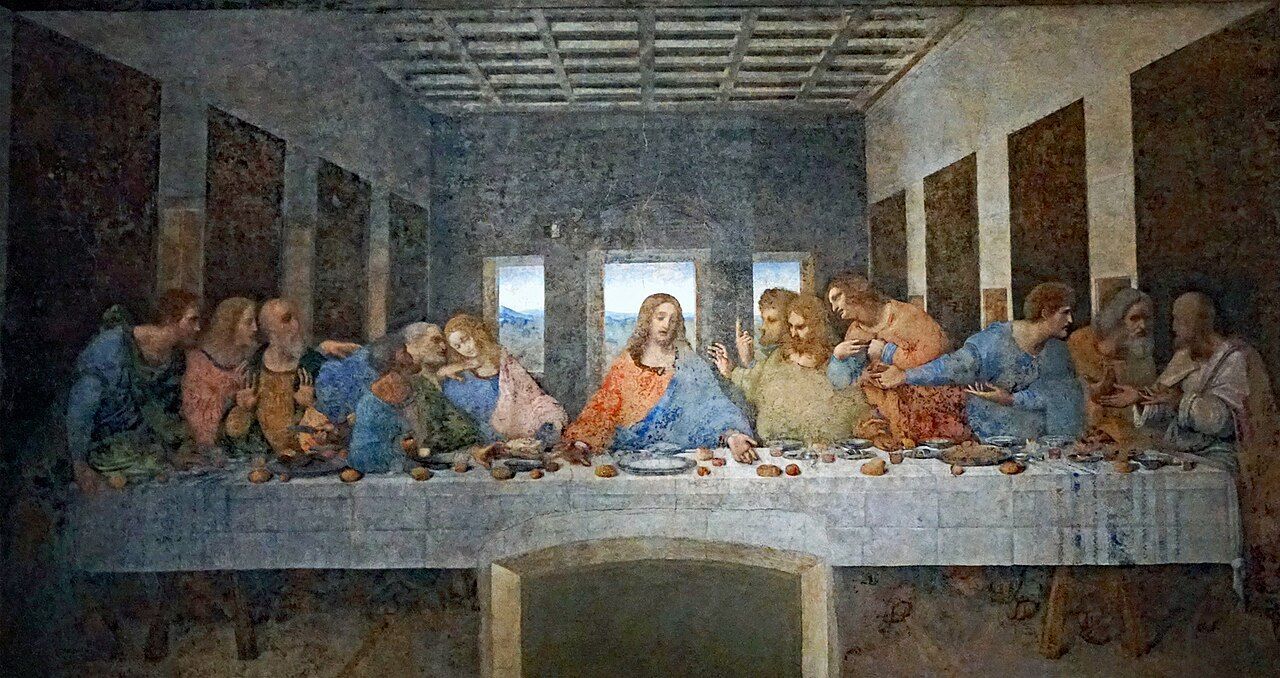
What if some of the Bible stories you grew up with aren't exactly what the Bible says? Was the forbidden fruit really an apple? Were there actually three Wise Men? Did "God helps those who help themselves" really come from the Bible? Over centuries, translations, traditions, and famous works of art have added details that became so familiar, we stopped questioning them. But go back to the texts, and some of these stories look surprisingly different. From Eve's "apple" to the date of Jesus' birth, here are 10 familiar parts of the Bible that may not be quite what we remember.

1

The forbidden fruit was an apple

Image: Albrecht Dürer, Public domain, via Wikimedia Commons

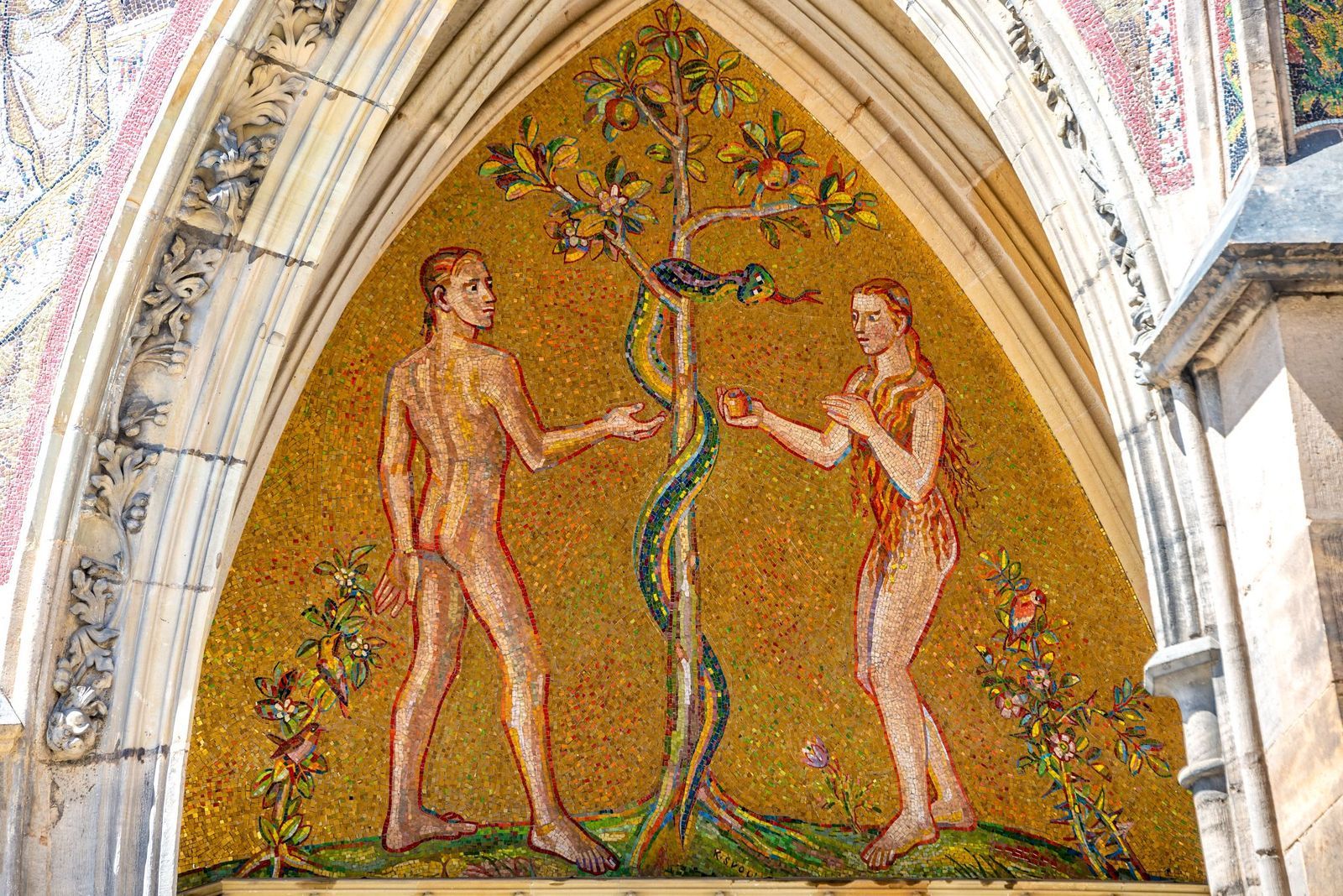
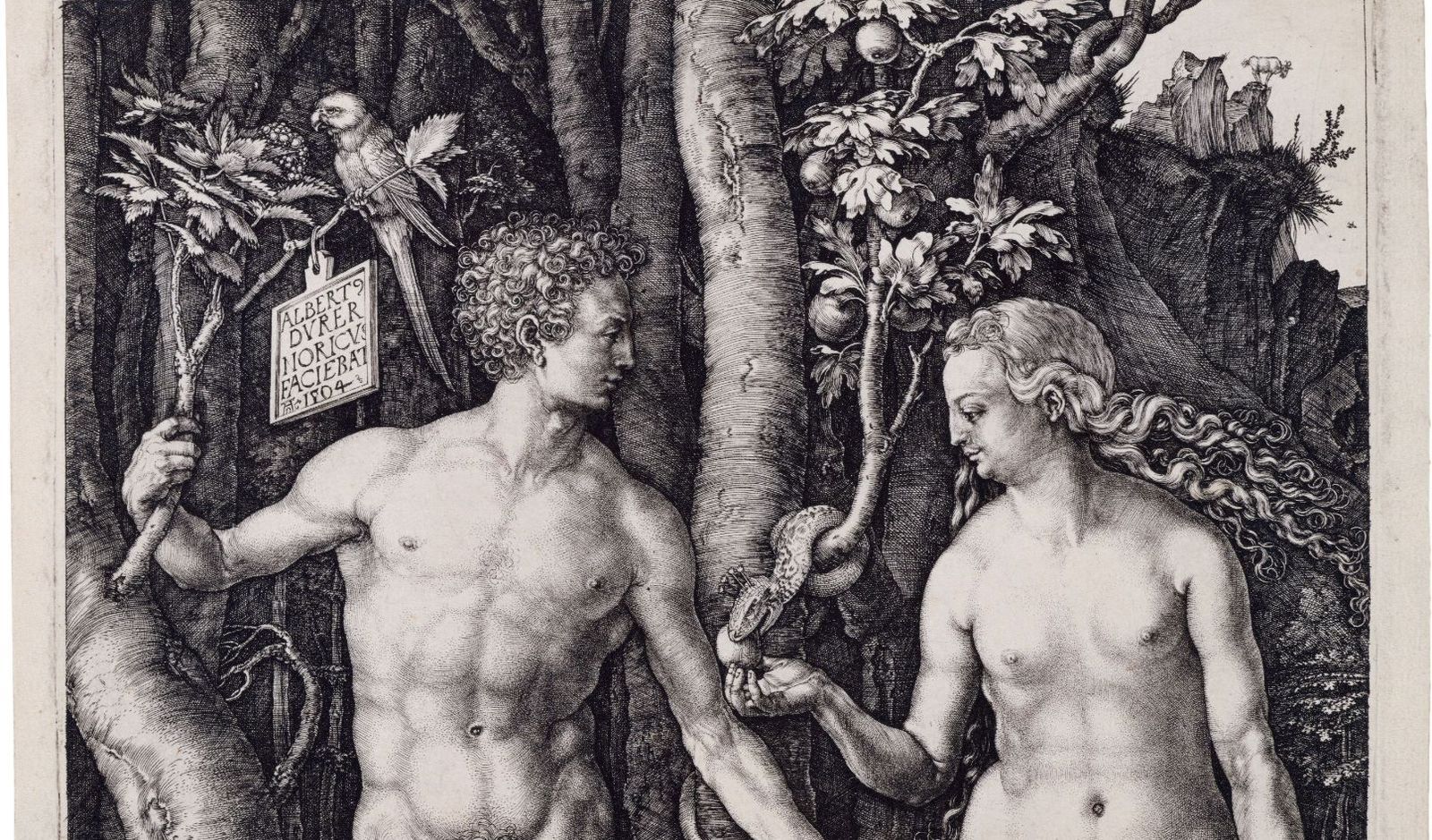
When you picture the Garden of Eden, what fruit comes to mind? Most people imagine an apple, but there's just one problem: the Bible never says it was an apple.

In the Book of Genesis, the fruit is simply called "the fruit of the tree of the knowledge of good and evil." The original Hebrew text uses the word peri, which simply means "fruit." The apple connection came centuries later, largely through the Latin translation. The Latin word malum can mean both "apple" and "evil," making it an especially fitting symbol for the story. Over time, that association spread through Christian art and literature. Famous works such as Albrecht Dürer’s 1504 engraving Adam and Eve (also known as The Fall of Man) helped cement the image of Eve holding an apple. Today, it's one of the most famous scenes in history, even though the original biblical text doesn’t identify the fruit as an apple at all.

2

There were three wise men/kings

Image: Rawpixel.com

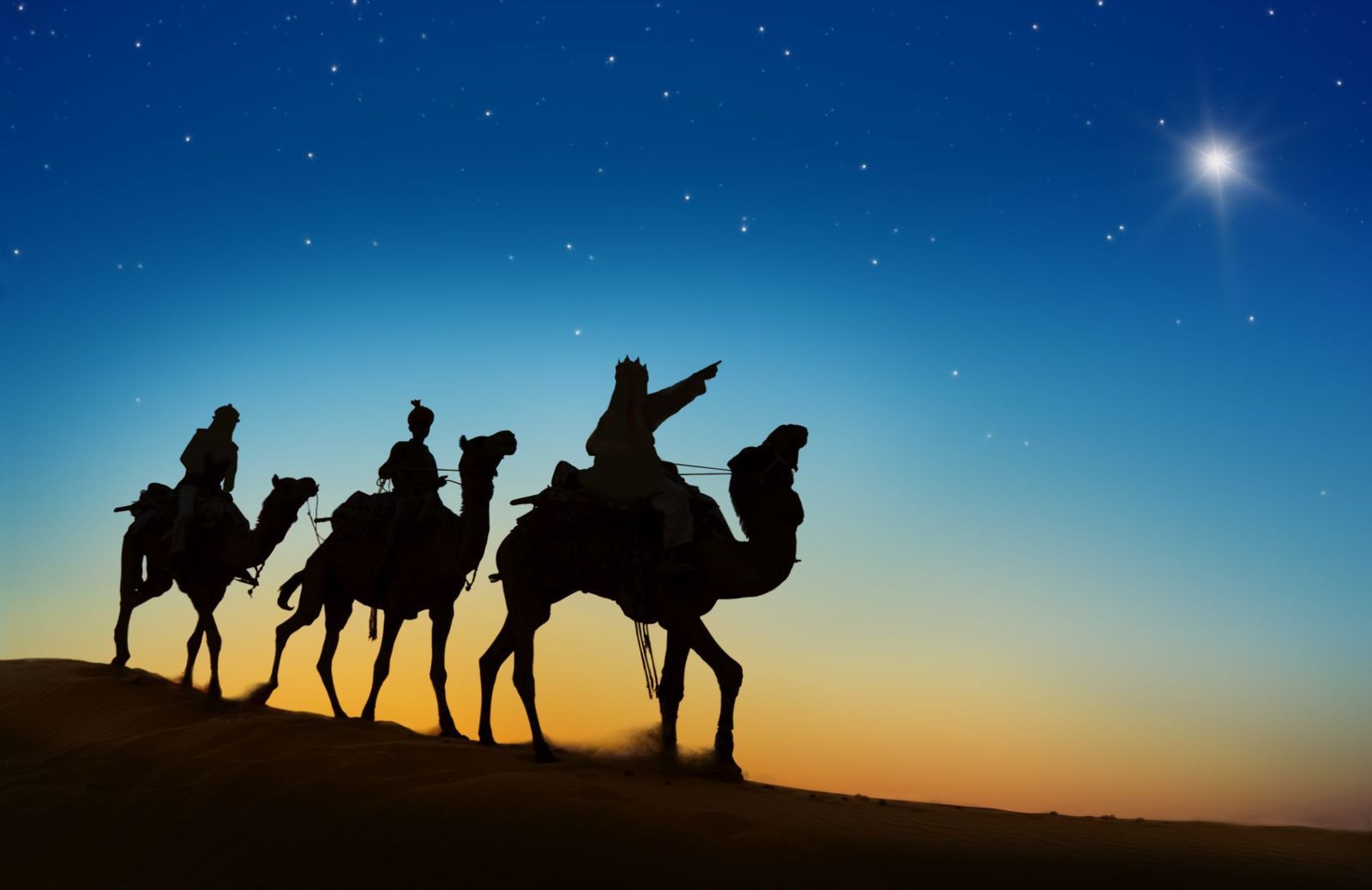
The story of Jesus' birth is so famous that most of us picture the Three Wise Men, sometimes called the Three Kings, standing beside the manger. But the thing is, over the centuries, the story picked up a few details that aren't actually in the Bible.

In the Gospel of Matthew, the only Gospel that mentions these visitors, they are described simply as Magi from the East. The original Greek word, magoi, referred to learned scholars, astrologers, or priests from Persia or Babylon, not kings. But where did the number three come from? Matthew lists three gifts: gold, frankincense, and myrrh, but never says how many visitors brought them. Over the centuries, people naturally assumed there must have been three Magi, one for each gift. Even their familiar names, Melchior, Caspar, and Balthasar, were added later by Christian tradition. So, neither the number of visitors nor their names appears anywhere in the biblical text.

3

"God helps those who help themselves"

Image: Adam Nir

Whether it's used to motivate a friend, encourage a family member, or push yourself to finally make a difficult decision, "God helps those who help themselves" is one of the most familiar religious sayings in America. But here's the surprise: those words never appear in the Bible.

The idea can be traced to ancient Greek sources, including Aesop’s Fables, where the saying appears in an earlier form: "The gods help them that help themselves." The exact modern wording was written by English politician Algernon Sidney in 1698, but it was Benjamin Franklin who helped make it part of American culture when he included it in his 1736 edition of Poor Richard’s Almanack.

4

"Cleanliness is next to godliness"

Image: John Jackson, CC BY 4.0, via Wikimedia Commons

Many teenagers have heard "Cleanliness is next to godliness" when it was time to clean their rooms. But despite sounding like a Bible verse, the phrase never appears in Scripture.

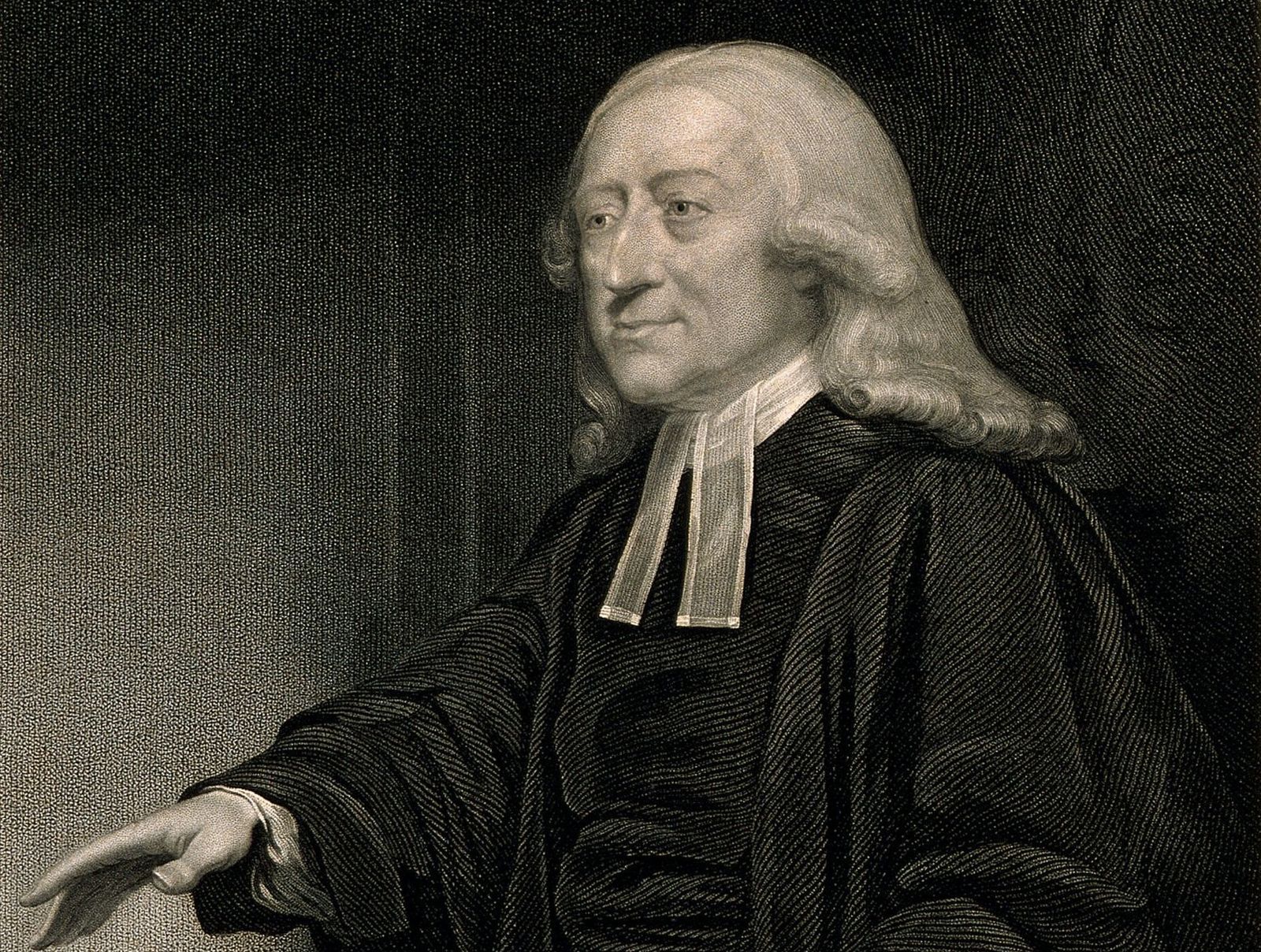
The Bible, particularly Leviticus, does contain extensive laws requiring people to wash their bodies and clothes in certain circumstances, especially before religious rituals. But the famous saying itself came much later. In 1605, Francis Bacon wrote in The Advancement of Learning that "cleanness of body" was connected to reverence for God. Then, in 1786, it was Methodist leader John Wesley who used the wording we recognize today in a sermon: "Cleanliness is indeed next to Godliness." Over time, the phrase became a familiar saying that many people simply assumed came from the Bible.

5

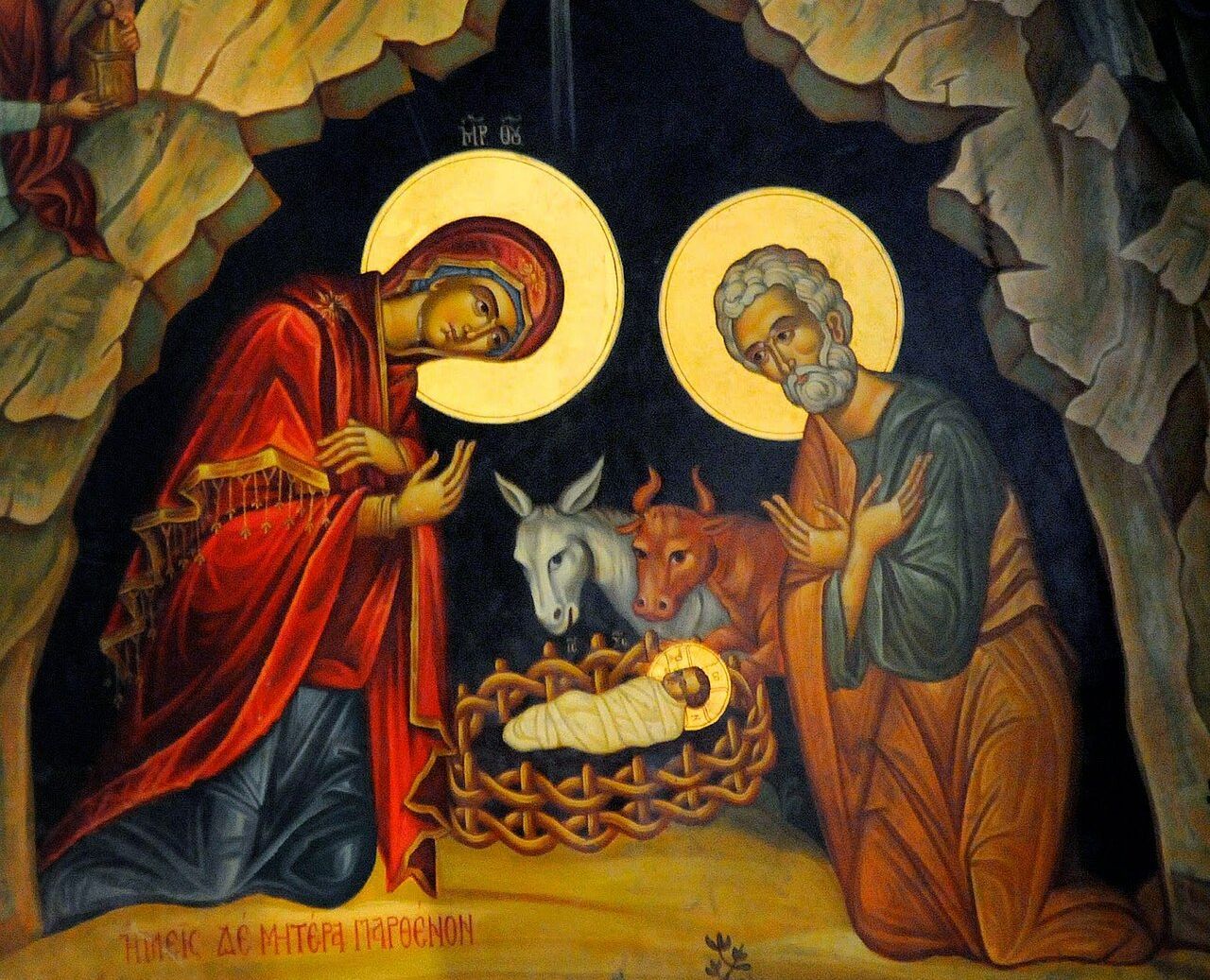
The date of Jesus' birth

Image: http://www.parrocchiasantagata.org, CC0, via Wikimedia Commons

When it comes to famous dates, December 25 may be the most recognizable of all, universally associated with Christmas. But here's the surprising part: the Bible never gives any specific date for Jesus' birth.

The Gospels of Matthew and Luke describe the Nativity but never provide a calendar date, so how did December 25 become Christmas? There are two leading theories. The first is that the Roman Church was celebrating Christmas on December 25 by 336 AD, during Constantine's reign, possibly choosing the date to coincide with existing Roman winter festivals and make it easier to convert the empire to Christianity. The second points to an early Christian tradition that calculated Jesus' birth date from the supposed date of his crucifixion, eventually arriving at December 25.

6

Jonah and the Whale

Image: Pieter Lastman, Public domain, via Wikimedia Commons

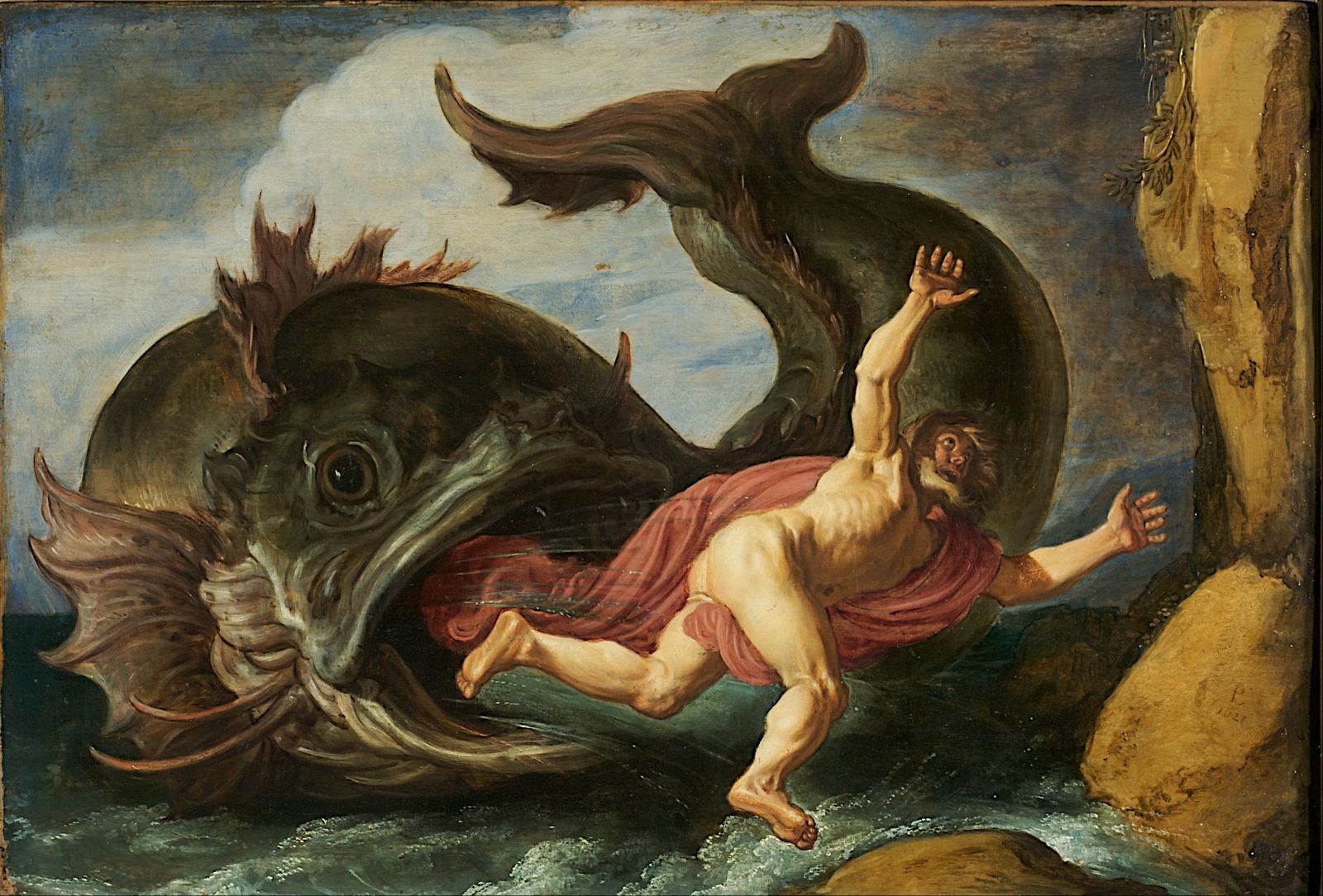
The story of Jonah and the Whale is so famous that it has appeared literally or symbolically in innumerable works of art and literature, from Michelangelo's Sistine Chapel ceiling (1508-1512) to Herman Melville's 1851 novel Moby-Dick. But there's a small problem with the title we've given it: the Bible doesn’t actually say it was a whale.

In the Old Testament, the original Hebrew text of Jonah 1:17 uses the words dag gadol, meaning "great fish" or "large fish"; it doesn't identify the creature as a whale, or even specify what kind of fish it was. Most modern English translations therefore stick with "great fish," but the familiar "whale" interpretation developed through older translations and later European tradition, eventually becoming so widespread that "Jonah and the Whale" became the name almost everyone recognizes.

7

The serpent in Eden was Satan

Image: neurobit

Just as we've always pictured the forbidden fruit as an apple, many of us also assume the serpent in the Garden of Eden is the devil himself. But the original story is a little more complicated.

A plain reading of Genesis depicts the creature simply as a serpent or snake, using the Hebrew word nachash. It describes the serpent as clever and crafty, but it never calls it Satan or explicitly identifies it as the devil. So where did the connection come from? The answer comes from later parts of the Bible, particularly the New Testament. In Revelation 12:9 and 20:2, Satan is called "the ancient serpent" (ho ophis ho archaios in Greek), connecting him to the snake of Eden. Over time, Christian tradition applied that later connection back to Genesis, leading to the familiar belief that the serpent was Satan himself.

8

Delilah Cut Samson’s Hair

Image: Georg Pencz, CC0, via Wikimedia Commons

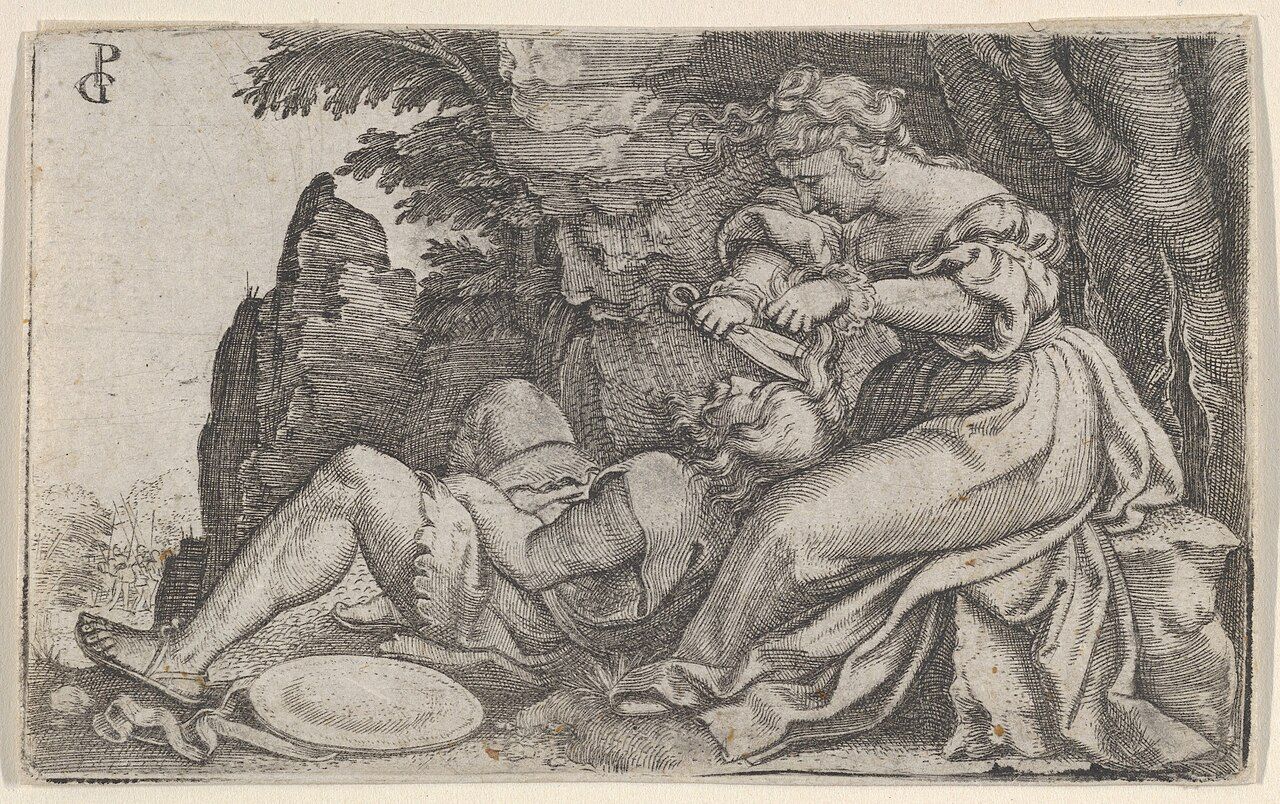
Many of us remember Samson for his legendary strength and the long hair that was said to be the source of his power. His story with Delilah is one of the Bible's most famous tales of betrayal, but there's one detail some people may have gotten wrong: Delilah didn't actually cut his long hair.

In Judges 16:19, Delilah has Samson's hair shaved while he sleeps on her lap. The text says she called for a man to do the shaving; it never says she did it herself. Yet paintings, films, and other retellings have often shown Delilah wielding the scissors herself, cementing that image in popular culture. It can be considered a small detail, but it’s a great example of how easily familiar Bible stories can pick up elements that aren't actually in the original text.

9

The Bible is a single-voice book

Image: Pixel-Shot

Many of us think of the Bible as a single book, written at one particular time by one author, or perhaps a handful of them. After all, that's how it looks when you pick one up in a hotel room, but its history is far more complicated.

The Bible is actually a collection of books written by over 40 authors over roughly 1,500 years, from about 1400 BC to AD 100. The exact number of books varies by religious tradition: Protestant Bibles contain 66 books, while Catholic and Orthodox traditions include additional books. Across these different traditions, the writings were produced by kings, prophets, fishermen, and scholars in Hebrew, Aramaic, and Greek. They also span a tremendous range of literary styles, including history, poetry, songs, laws, letters, and prophecy. So while we hold it as one book today, the Bible is actually a collection of many different writings produced across centuries.

10

Original manuscripts still exist

Image: https://www.themorgan.org/manuscript/350198, Public domain, via Wikimedia Commons

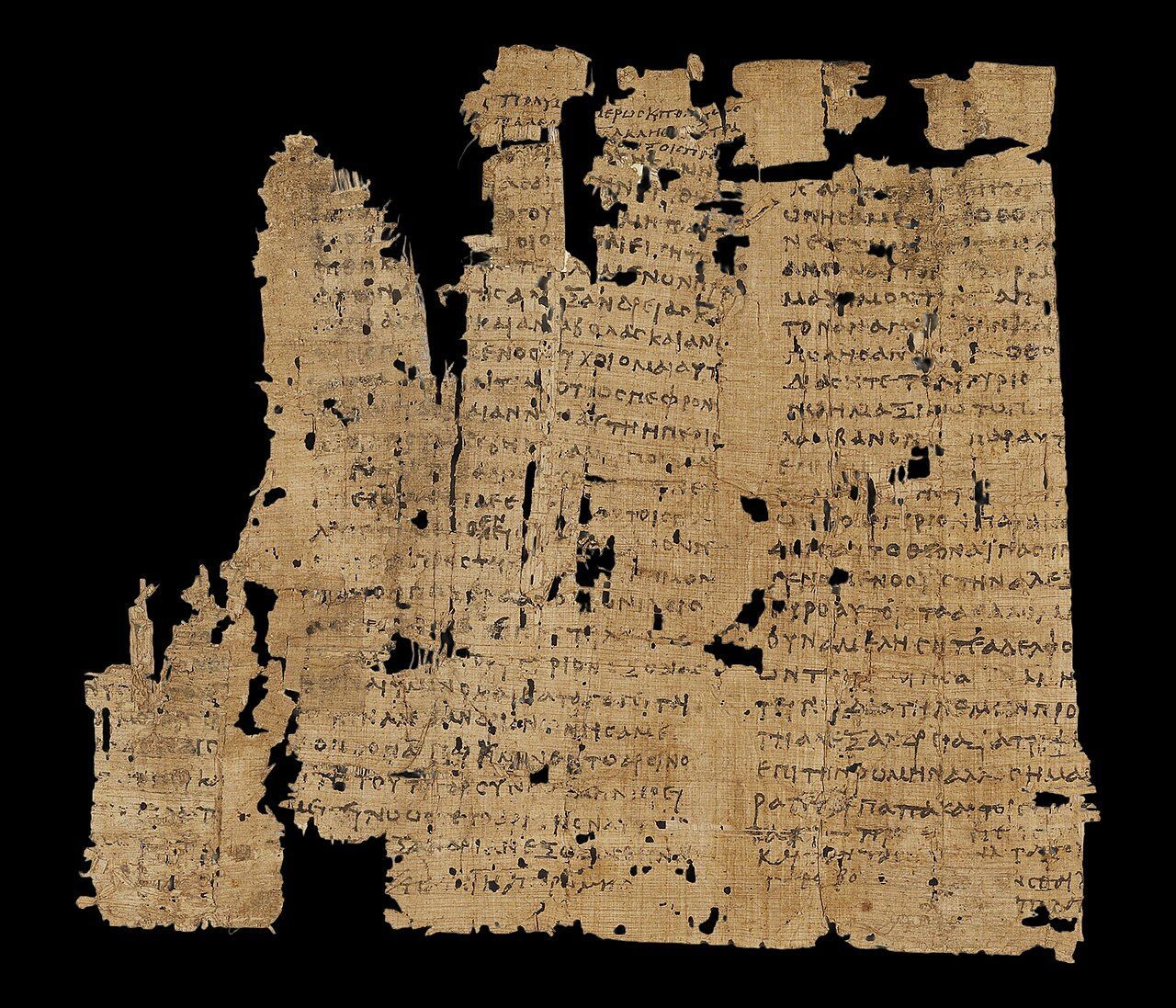
Many people assume that at least a few original fragments of the Bible must still exist somewhere. It would be incredible if they did, but none of the original manuscripts, known as autographs, have survived.

The earliest biblical texts were written on fragile materials such as papyrus and animal skins, which could deteriorate through humidity, heat, handling, and simple age. Wars, fires, and other destruction also contributed to their disappearance. So how do we know what the originals said? Through a technique called textual criticism: expert scholars compare thousands of handwritten copies, ancient translations, and quotations from early Christian writers. When they find passages that match across different sources, or differences that reveal how a text changed over time, they can work backward to determine what the original most likely said, even though the original manuscripts themselves are gone.

Looking for an extra scoop of literary fun?

Learn more with our Word of the day

kinship

/ˈkɪnˌʃɪp/