Sneaky words

How we’ve lied to ourselves: 10 euphemisms through time


Published on January 14, 2026

Image: Jametlene Reskp

Euphemisms—those gentler, sometimes sneaky ways of saying uncomfortable truths—have existed for centuries. From avoiding taboos to sidestepping authority, these linguistic workarounds reveal just as much about human history as they do about language. Here are 10 curious euphemisms people have used through time to soften the blow.

1

"Pre-owned"

Image: Parker Gibbs

Car dealerships began using "pre-owned" in the 1980s to make used cars sound more appealing.

It’s a marketing euphemism that implies care and quality rather than wear and tear. The term now appears in many industries beyond cars, like fashion and tech.

2

"Let go"

Image: Nick Fewings

Instead of saying someone was fired, companies began saying employees were "let go" by the mid-1900s.

The term gained popularity with the rise of HR departments, which adopted softer, more legally neutral language. It's now common in business communication to avoid confrontation.

3

"Senior citizen"

Image: Huy Phan

"Senior citizen" first appeared in U.S. government documents in the 1930s and caught on with the creation of Social Security.

It added respectability to aging, shifting the public perception from decline to entitlement. Marketers also began using the term to appeal to older consumers without causing offense.

4

"Passed gas"

Image: Marra

This phrase came into use in the early 20th century, especially in households and media where bodily functions were taboo.

It's rooted in the Victorian habit of avoiding any mention of digestion or excretion. Even children's books adopted it to teach manners.

5

"Friendly fire"

Image: Daniel

There is nothing "friendly" about friendly fire. Used in military reports as early as World War II, "friendly fire" described tragic errors in combat.

The euphemism helps frame such incidents as blameless or unfortunate rather than negligent. It remains a standard term in NATO and Pentagon communications.

6

"Economical with the truth"

Image: Brian Wertheim

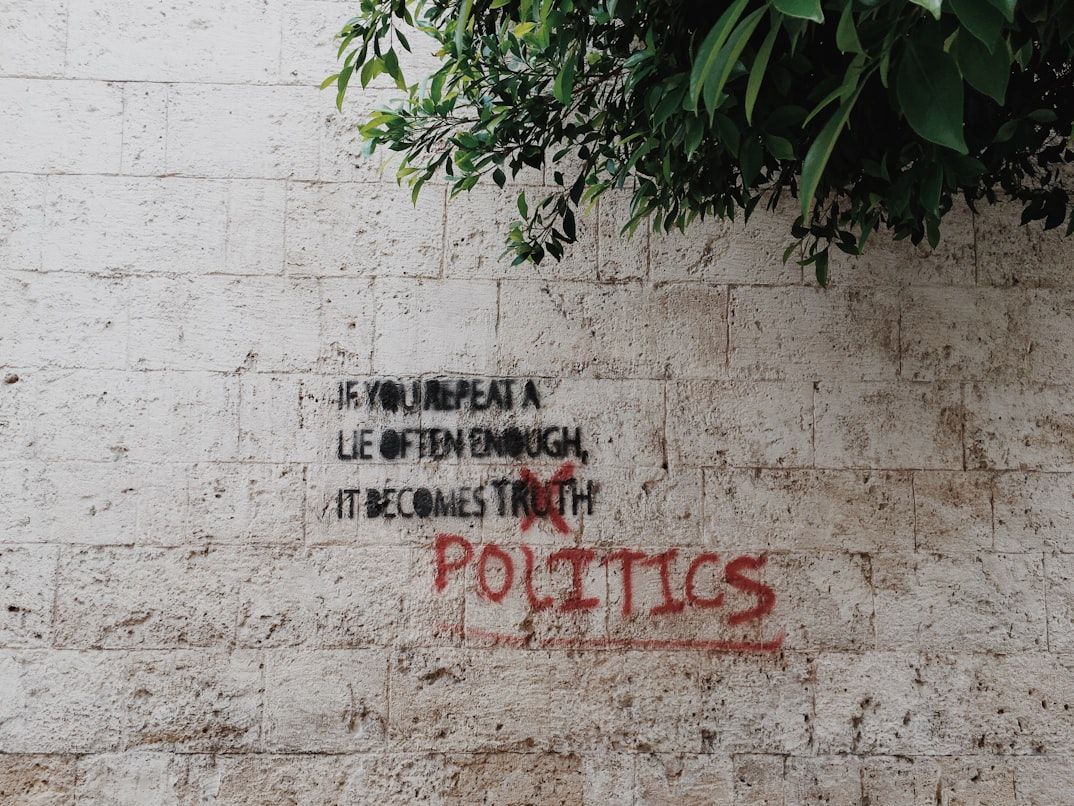
In a very British manner, the phrase was popularized by a government lawyer during the 1986 Spycatcher trial. It implies a partial or misleading truth—that is to say, a lie.

It has since become a political catchphrase in the English-speaking world. It softens accusations while still signaling dishonesty.

7

"Neutralize the target"

Image: Simeon Jacobson

Used by the military and intelligence agencies, especially during the Cold War, to obscure lethal actions.

The word likely became popular because it provided operational vagueness without the emotional weight of the actual deed. The phrase remains common in drone and covert operation briefings.

8

"Expecting"

Image: freestocks

The term "expecting" goes back to the 18th century and offered a modest way to mention pregnancy without referencing any bodily function.

It became standard among the middle and upper classes during times when discussing pregnancy openly was frowned upon.

9

"Passed away"

Image: Eli Solitas

The phrase "passed away" emerged in the 15th century as a softer alternative to "died," linked to Christian ideas of entering the afterlife. A similar shift occurred with "departed," which has religious and poetic roots, implying a journey rather than an end.

10

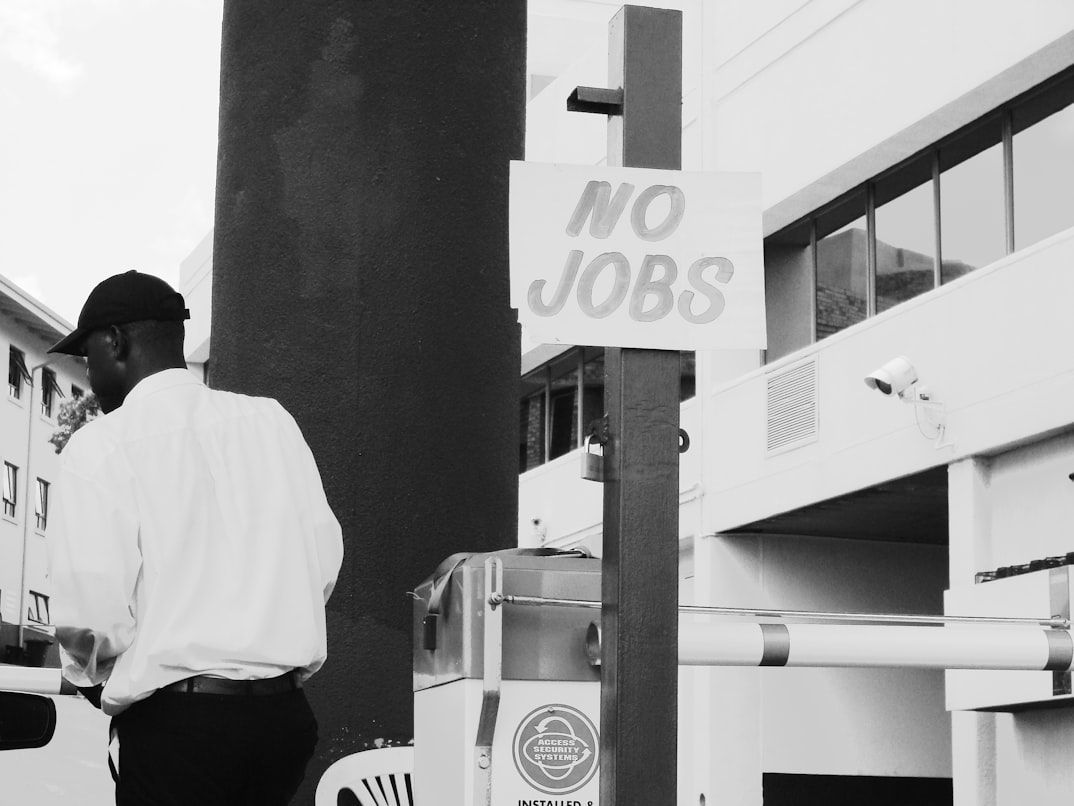
"Between jobs"

Image: Hennie Stander

This phrase gained traction during economic downturns in the 1970s and ’80s, especially among white-collar workers.

It helped individuals maintain dignity and optimism during job searches. The euphemism is still widely used in professional networking.


NAME ANCESTRY

14 Surprising Origin Stories Behind State Names In The USA


Published on January 14, 2026


Image: Pin Adventure Map

Ever wondered where most US states’ names come from? From Native American roots to foreign or made-up words, the stories behind many of them are riddled with surprising historical references. Although the origin of some US states’ names is fairly obvious, many derive from unexpected people or places. The origin of names like Colorado, Montana, or Nevada are easy to infer —especially if you know a bit of Spanish— but many others have Native American origins with intriguing meanings. Some are even derived from fiction. If you ever wanted to know where names like Oregon, Connecticut, or Wisconsin come from, you are in the right place. Enjoy the surprising etymologies behind some of the names that make our country.

1

Alabama

Image: Joshua Woroniecki

Interestingly, for a state whose main economic activity is agriculture, the word Alabama comes from the Choctaw language and can be translated as "plant-cutters" or "vegetation pickers", recalling the farming practices of the Native Americans that lived in this area.

2

Alaska

Image: olio creative

Alaska is a corruption of an Aleut word that means "mainland", but can be translated literally as "the object towards which the action of the sea is directed". This is one of those names that manage to bring poetry into a word as simple and down-to-earth as land.

3

California

Image: Vital Sinkevich

This one comes from… a Spanish adventure novel! Bet you didn’t expect that. In Las Sergas de Esplandin by Garcia Ordez de Montalvo, a book from the 1500s, there is a fictional place called the "Island of California". Even when the modern state of California is clearly not an island, some die-hard fanatic of the novel decided to bring the name to life here in the U.S.

4

Connecticut

Image: Juliette Dickens

Derived from the Algonquian word quinnehtukqut, which can be translated as "besides the long tidal river", in reference to the river Connecticut. If you are wondering what the "tidal" part means exactly, this is because the Connecticut River's flow and level are effectively influenced by tides along much of its course. Certainly some amazing insight into the rigorous knowledge of local hydrology that Native Americans managed to accrue over the centuries.

5

Hawaii

Image: Luke McKeown

Although the origin of this name is disputed, there are two main theories. One suggests that the islands may have been named after Hawaii Loa, their traditional discoverer. However, others have speculated that it is actually derived from the ancient Polynesian word hawaiki, meaning "place of the gods".

6

Idaho

Image: NEOM

Another crazy one. Although the name was first claimed to be derived from a Shoshone word that meant "Gem of the Mountains", it is highly likely that the word was fabricated by George M. Willing, and meant as a practical joke.

7

Indiana

Image: Stéfano Girardelli

Quite literally, "land of Indians", using a Latin suffix. The word Indians originally referred to the ancient dwellers of the shores of the Indus River, in South and Central Asia.

8

Kansas

Image: NOAA

"Toto, I've a feeling we're not in Kansas anymore!" said Dorothy, from The Wizard of Oz, right after a rampant tornado literally lifted her house in the air and took it to God knows where. Well, this US state’s fame for violent winds predates even the first settlers, since Kansas is a Native American word used by the Dakota, strongly related to the idea of "wind".

9

Kentucky

Image: Drew Beamer

This state owes its name to an Iroquoian word that means "land of tomorrow". Quite a blockbuster-worthy movie title, if you ask me.

10

Maine

Image: Mercedes Mehling

The origin story behind the name of "The Pine Tree State" is still disputed. However, there are some interesting theories. One states that it derives from "mainland", as a form of distinction from the many coastal islands in the vicinity. Other theories propose that it was named in honor of Henrietta Maria, queen of England, or after the province of Mayne in France.

11

Missouri

Image: Anthony Cantin

To the Native Americans that lived in this region, Missouri meant "town of the large canoes", as the Missouri tribes were renowned for their skill in making dugout canoes.

12

Oregon

Image: Ashley Levinson

A largely disputed one. Many suggest that the name has Spanish origins, being similar to other words like orejón (meaning "big ear") or orégano, in reference to a type of plant (similar to the Mediterranean oregano) that grows in the southern part of the state.

13

Pennsylvania

Image: Donnie Rosie

This is the only state that has a part of its founder’s name in it. It is widely believed that Pennsylvania means "Penn’s Woodland", and was named as such in honor of Sir William Penn, father of its founder William Penn.

14

Wisconsin

Image: Brydon McCluskey

This is probably a French corruption of a native Miami word that meant "it lies red" or "river running through a red place", in reference to the bed of the river Wisconsin.

If our quick dive into the peculiar world of US state names wasn’t enough to quench your curiosity, stay around! We will keep uploading more content related to language and the weird stories and etymologies behind many English and foreign words.

Looking for an extra scoop of literary fun?

Learn more with our Word of the day

foul

/faʊl/