Which one stole your heart?

What does Dachshund mean in German? Spoiler: It's not "wiener dog"!


Published on September 11, 2025
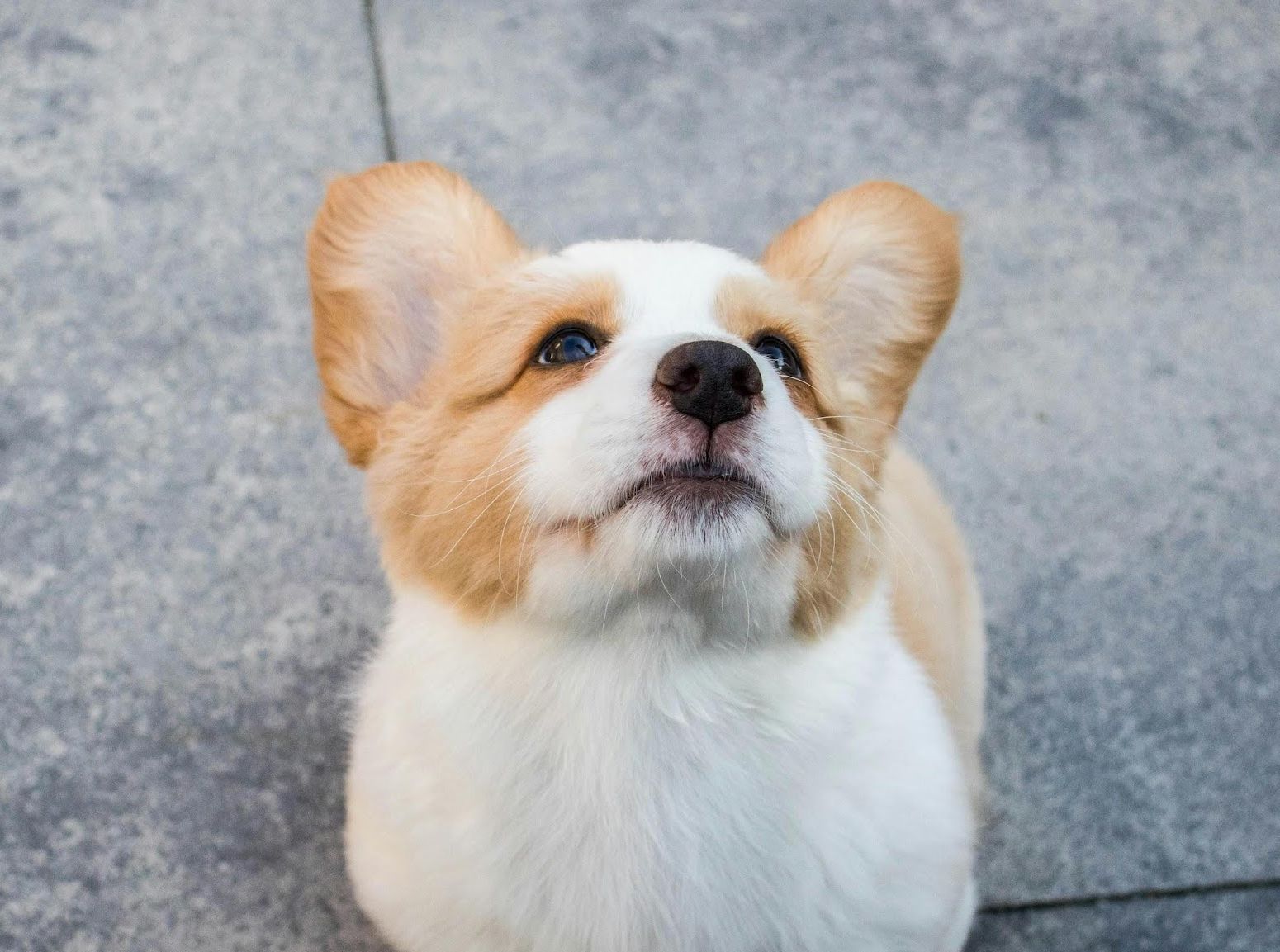

Image: Glenn

Do you love dogs? From royal companions to fearless hunters and from German badger dogs to barkless African hounds, the names of our favorite breeds often hold surprising stories. Whether you’re a fan of the stoic Mastiff, the sassy Poodle, or the majestic Husky, there’s a tale behind each name that might surprise you. Let’s dig in!

1

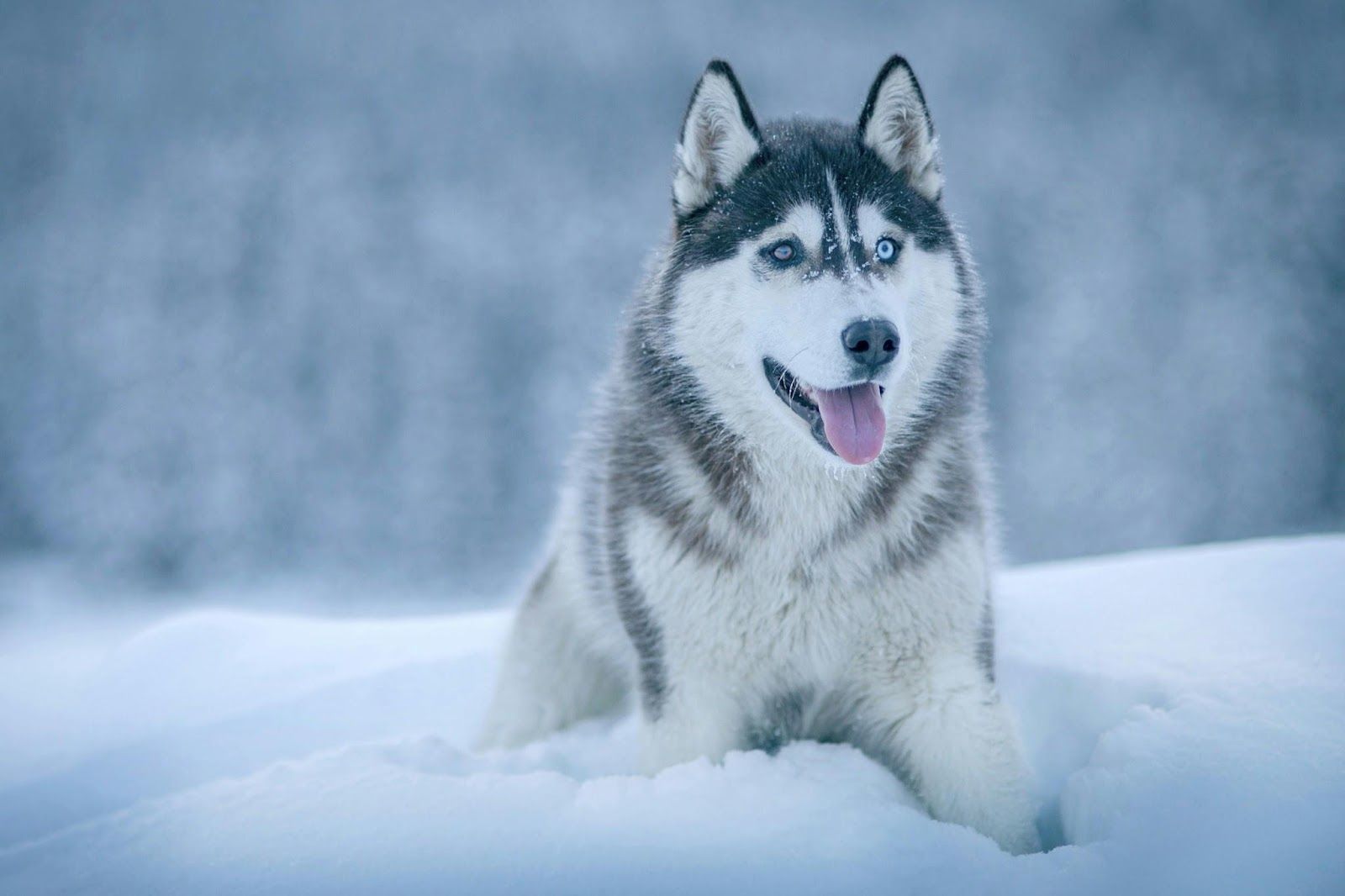
Husky

Image: photo nic

The beautiful, blue-eyed Husky is inseparable from dog-sledding lore. The breed’s name evolved from the word "Eskimo."

English sailors once slurred "Eskimo" into "Uskee" or "Huskemaw," which eventually transformed into "Husky."

2

Dachshund

Image: Alondra Pavón

What’s not to love about wiener dogs? Their original name, however, refers not to their iconic sausage shape but to the purpose for which the breed was developed.

Dachshunds were bred to hunt badgers and other burrowing animals, with their long bodies and short legs making them ideal for digging into tunnels. The name is a German compound of Dachs (badger) and Hund (dog), meaning "badger dog."

3

Schnauzer

Image: Irene

There are three beloved varieties of Schnauzer—miniature, standard, and giant—and each has had its moment in pop culture.

The breed takes its name from its distinctive "mustache" or schnauze (snout) in German, literally meaning "snouter" or "muzzle." Originally, Schnauzers were used as rat-catchers and guard dogs in Germany.

4

Doberman

Image: Anna Kozakova

Often portrayed as guard dogs or police K-9s in film, Dobermans were named after Karl Friedrich Louis Dobermann, a 19th-century German tax collector who developed the breed as a loyal and protective companion for his dangerous rounds.

5

Corgi

Image: Alvan Nee

Queen Elizabeth II’s beloved Welsh Corgis made the breed internationally famous. In Welsh, cor means "dwarf" and gi (a soft mutation of ci) means "dog," so Corgi translates to "dwarf dog." Indeed, the breed originated in Wales, where it was used for herding cattle by nipping at their heels. Over time, Corgis also became a cultural symbol of British royalty.

6

Basenji

Image: TomasHa

Known as the "barkless dog" of Central Africa—because of its unique larynx structure, which produces a yodel-like sound (baroo) instead of a bark—the name "Basenji" comes from a Bantu language and roughly translates to "village dog" or "bush thing." The breed is ancient and was used for hunting in the Congo.

7

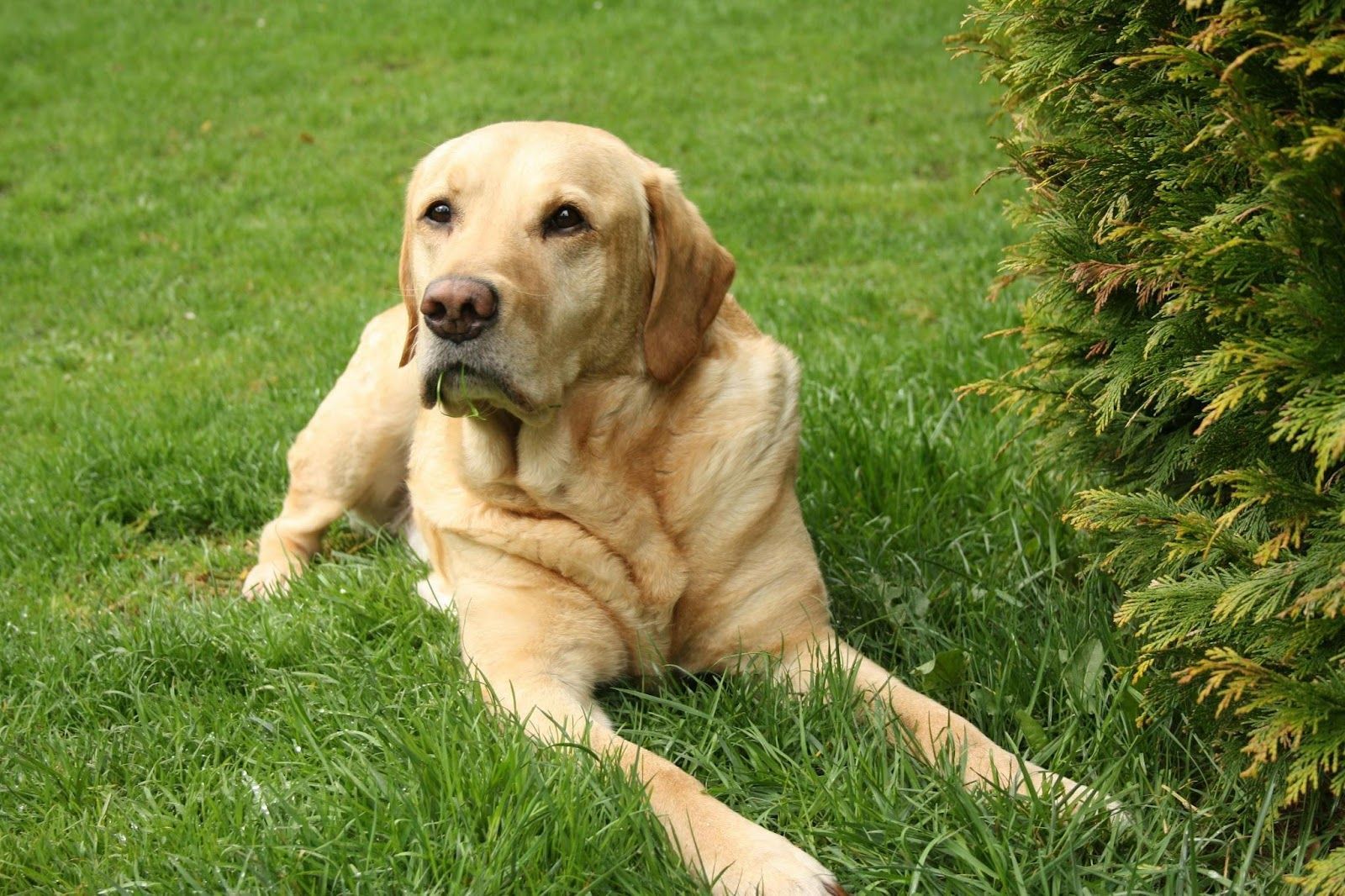
Labrador Retriever

Image: Joshua Köller

Did you know the Labrador Retriever has been America’s most popular dog breed for decades? Despite its name, the breed did not originate in Labrador but in Newfoundland.

It was called "Labrador" because British breeders associated the dogs with the Labrador Sea and the nearby region, while "Retriever" refers to the breed’s role in hunting.

8

Golden Retriever

Image: Justin Aikin

So, did Golden Retrievers retrieve gold? Short answer: no. Like Labradors, they were bred to retrieve game for hunters, but the "golden" part of their name refers to their beautiful coat.

The breed was developed in Scotland in the 19th century by crossing several breeds to create an obedient, water-loving gun dog.

9

Beagle

Image: Rahul danga

Snoopy is perhaps the most famous Beagle out there, even though we only saw him in black and white.

The origin of this beloved breed’s name is debated. It may derive from the Old French begueule, meaning "open throat," a nod to their baying howls. Others trace it to Celtic or Old English words meaning "small."

10

Poodle

Image: Tra Tran

Always pampered and impeccably groomed! If the term "Poodle" has always reminded you of "puddles," you are not far off. The name comes from the German Pudel or Pudelin, meaning "to splash in water." Poodles were originally bred as water retrievers, so their name reflects this aquatic work.

11

Pug

Image: Bruce Galpin

Pugs’ features and expressive faces have made them a source of comic relief in pop culture. There is no consensus about the origin of their name, however.

Some say that it derives from the Latin pugnus, meaning "fist," perhaps referencing their squished, fist-like face. Others say that in 18th-century England, "pug" was also a term of endearment for something small and compact-looking.

12

Boxer

Image: Jackson Jorvan

Athletic, energetic, and full of protective instincts, Boxers are true family guardians. But why the name?

It is thought to come from the breed’s tendency to use its front paws in play, like a boxer in the ring. Another theory links the name to the German word Boxl, a nickname for the breed in Bavaria.

13

Mastiff

Image: Sophie Hollies 🇨🇭🇫🇷 🇬🇧

As calm and noble as they are huge, Mastiffs were named after the Old French mastin or the Latin mansuetus, meaning "tame" or "domesticated." Despite their imposing size, Mastiffs were bred to guard homes and estates while remaining loyal and gentle with their owners.

The truth about your brain

You won’t believe what happens in your brain while you sleep


Published on September 11, 2025


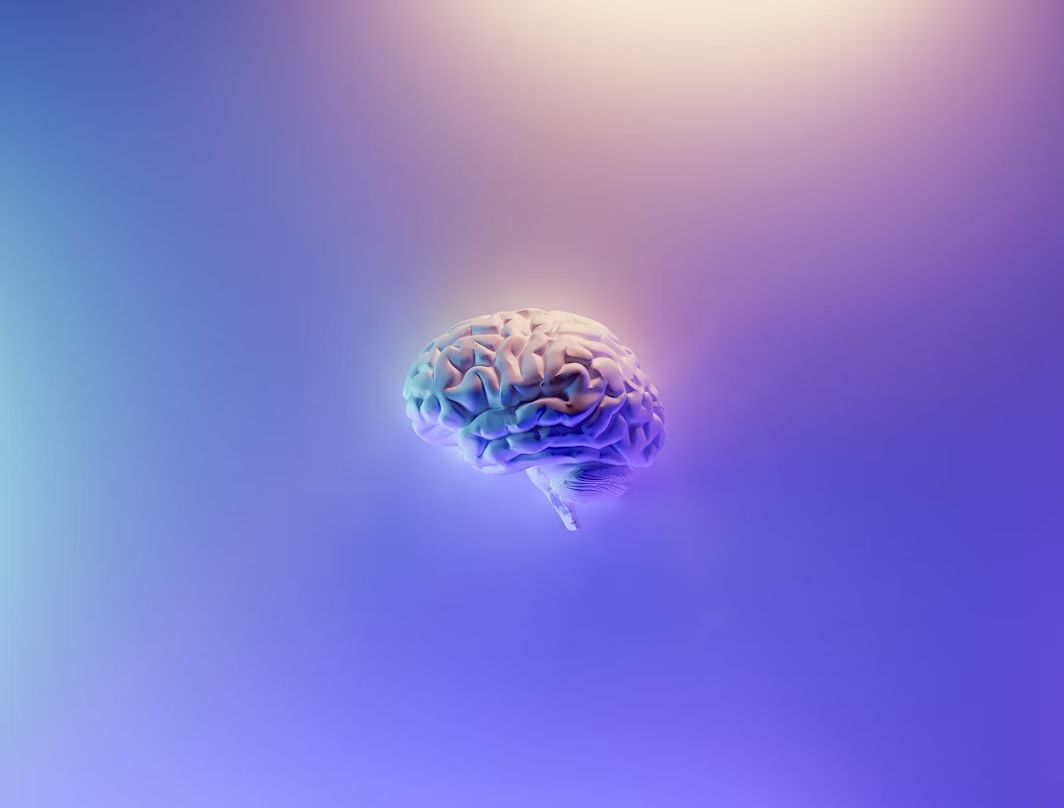
Image: Milad Fakurian

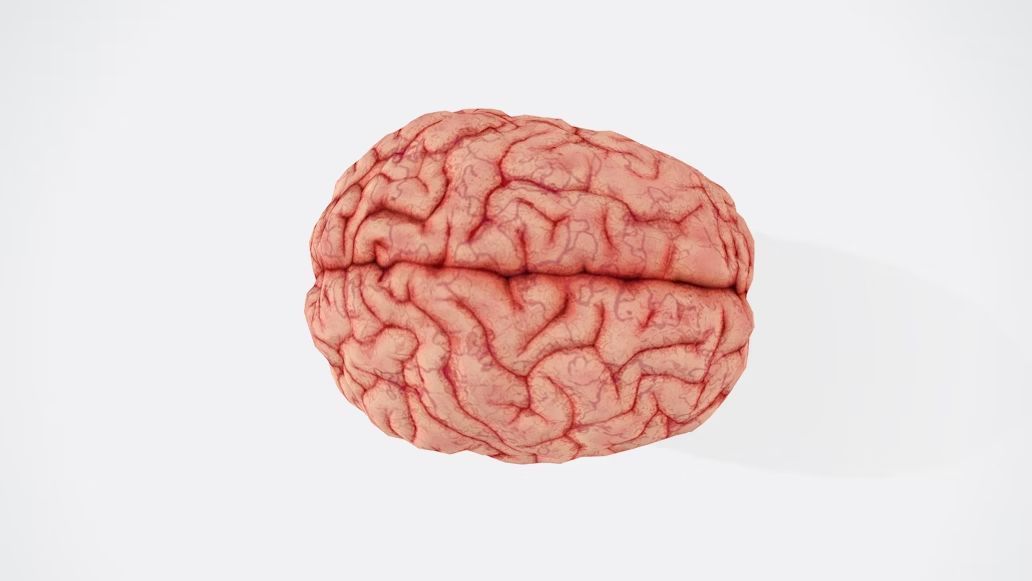
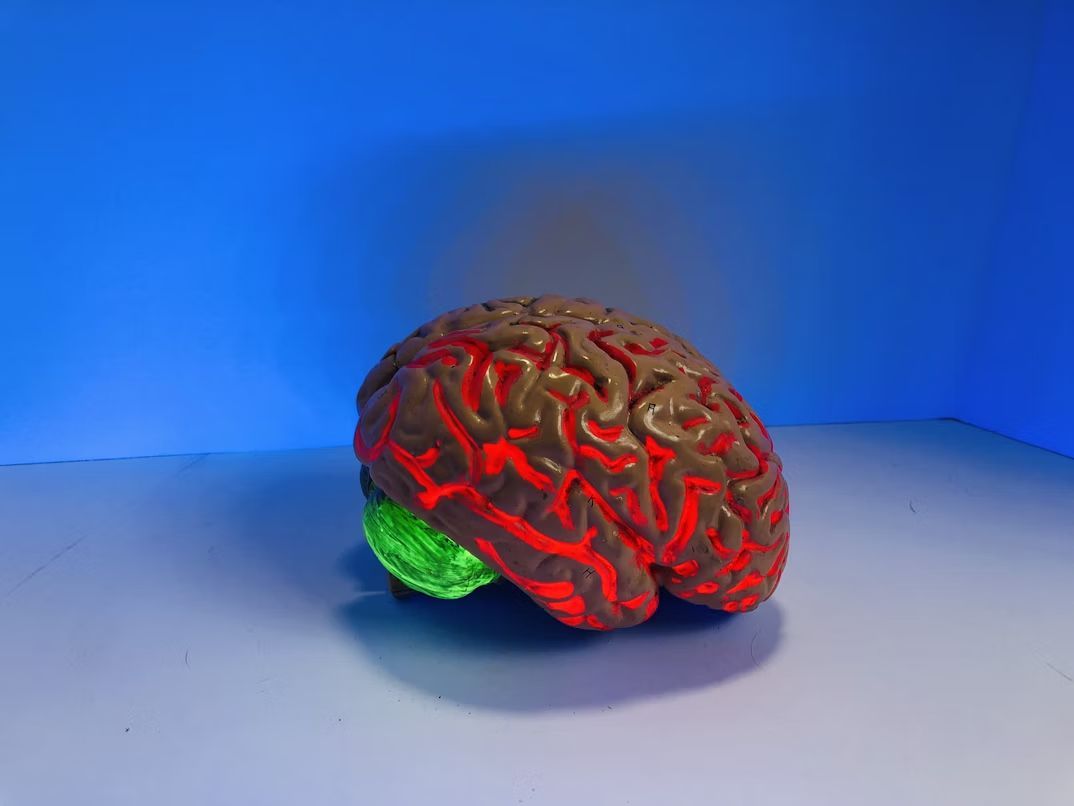
Your brain is one of the most powerful and mysterious organs in your body. It controls everything from your thoughts to your emotions and even processes information at lightning speed. But how much do you really know about it? Some long-believed myths about the brain have been debunked, while other surprising facts reveal just how incredible this organ truly is. Get ready to be amazed by these fascinating brain facts!

1

Myth: We only use 10% of our brain

Image: Natasha Connell

You’ve probably heard this one before, but it’s completely false! While it’s true that not all parts of the brain fire at the same time, imaging studies show that most regions are active throughout the day, even when we sleep.

Your brain is constantly working, controlling bodily functions and emotions, and processing information. So next time someone says you’re only using 10% of your brain, you can confidently tell them that’s just a myth!

2

The brain itself can’t feel pain

Image: Aarón Blanco Tejedor

Here’s a weird fact: While your brain processes pain signals from the rest of your body, it has no pain receptors of its own. This is why surgeons can perform brain surgery on conscious patients without causing them pain.

However, the membranes and tissues surrounding the brain do have pain receptors, which is why headaches and brain injuries can be so excruciating.

3

Headaches are actually chemical reactions

Image: Usman Yousaf

How come we have headaches if the brain has no pain receptors? Well, that’s because headaches are triggered by chemical activity in the brain, changes in nerves and blood vessels, and even fluctuating serotonin levels.

In some cases, hormones like estrogen can also play a role, which explains why migraines are more common in women.

4

Dreams: Your brain’s midnight movie theater

Image: Go to Johannes Plenio's profile Johannes Plenio

Dreams are proof that your brain never rests! (Warning: this fact can make you feel exhausted.) While you sleep, your limbic system, that is, the part of the brain that deals with emotions, becomes especially active, which is why dreams often feel so intense.

On average, humans experience four to seven dreams per night, even if we don’t always remember them. And what about that scary nightmare about falling? Well, you can thank your amygdala, the brain’s fear center, for that one.

5

Your short-term memory lasts less than 30 seconds

Image: Brett Jordan

Have you ever walked into a room and instantly forgotten what you were after? That’s because short-term memory only lasts about 20-30 seconds! That’s not enough!

Your brain holds a limited amount of information in its active state before deciding whether to store it or discard it. Ironically, we can’t really choose what makes the cut, but we do hope these facts stay with you!

6

Brain freeze is your body’s warning signal

Image: BUDDHI Kumar SHRESTHA

That sharp, icy pain when you eat something too cold? It’s your brain’s way of telling you to slow down! Officially called sphenopalatine ganglioneuralgia, a brain freeze happens when cold food or drinks rapidly chill the blood vessels in your throat, causing them to constrict and then rapidly expand. This sends pain signals to your brain, warning you of the sudden temperature shift. It’s annoying, but it’s actually your body trying to protect itself!

7

Your brain thinks a lot!

Image: Josh Riemer

You didn’t need us to tell you, but let’s look at the details: The average person has between 12,000 and 60,000 thoughts per day. What’s even more interesting? 95% of those thoughts are the same ones you had yesterday. Is that not surprising enough? Hear this out: 80% of them tend to be negative. That’s because our brains are wired for survival, constantly analyzing risks and potential dangers.

8

Your brain uses 20% of your body’s oxygen and blood

Image: Terry Vlisidis

Even though it only makes up about 2% of your body weight, your brain employs a major quantity of energy! It consumes 20% of your oxygen and blood supply, making it one of the most demanding organs in your body.

If your brain goes without oxygen for just five minutes, brain cells start dying, leading to irreversible damage. This is why deep breathing and cardiovascular exercise are great for brain health!

9

Seeing stars? That’s your brain processing vision!

Image: Alexander Andrews

Do you know that feeling when you hit the back of your head and see stars? That’s because your occipital lobe, which controls vision, is located at the back of your brain. If you get hit there, your brain momentarily misfires, causing flashes of light.

Interestingly, your brain processes vision on the opposite side; while your right brain controls your left eye, your left brain controls your right eye. It’s one of the many ways the brain operates in a complex way.

10

Your brain can power a light bulb!

Image: Rodion Kutsaiev

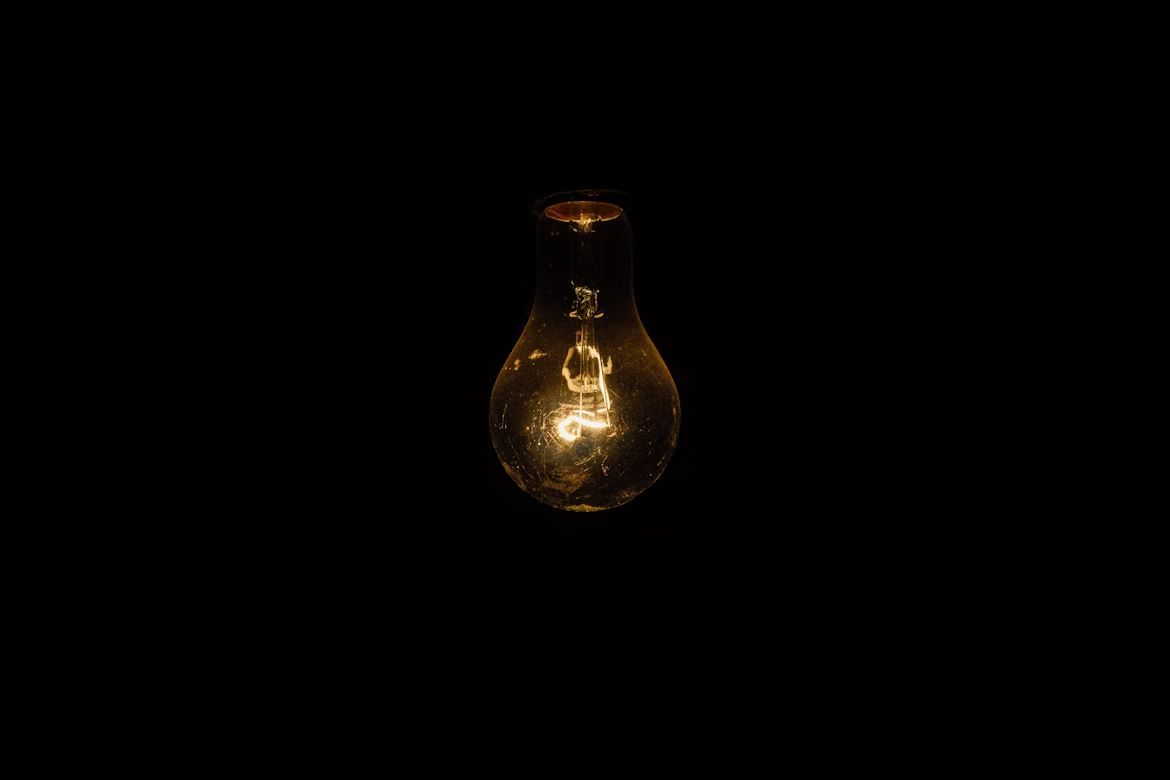
Believe it or not, your brain generates between 12 and 25 watts of electricity when you’re awake. If you can’t really grasp how powerful that is, check this out: It’s enough to power a small light bulb! Your brain’s electrical activity is what allows neurons to send signals at speeds of up to 260 miles per hour.

11

Your brain is mostly fat

Image: Robina Weermeijer

Your brain may be the fattiest organ in your body, consisting of at least 60% fat! This is why consuming healthy fats, like omega-3s and omega-6s present in fish, for example, is essential for brain health.

Healthy fats stabilize brain cell walls, reduce inflammation, and support cognitive function. So go ahead and enjoy that avocado toast, it’s food for your brain!

12

Your brain shrinks as you age

Image: Robina Weermeijer

It’s not just your memory that fades over time; the brain itself physically shrinks as one gets older. It continues developing until your late 40s, but after that, it slowly decreases in size.

Now, size doesn’t equal intelligence, so a smaller brain doesn’t necessarily mean a less capable one. Staying mentally active, exercising, and eating brain-boosting foods can help keep it in top shape!

13

Cholesterol plays a big role in memory

Image: Lisa Yount

We often think of cholesterol as bad, but your brain actually depends on it! In fact, 25% of your body’s cholesterol is stored in your brain, where it helps with learning and memory. However, unlike other organs, the brain can’t absorb cholesterol from the blood, it has to produce its own. So, while too much cholesterol in the body can be harmful, the right amount is vital for brain function. At least you can use that as an excuse to get that burger!

Looking for an extra scoop of literary fun?

Learn more with our Word of the day

appraisal

/əˈpreɪz(ə)l/