Tongue slips

What did you just say?! VIP people also have a record of malapropisms!


Published on April 4, 2026

Image: Santa Barbara

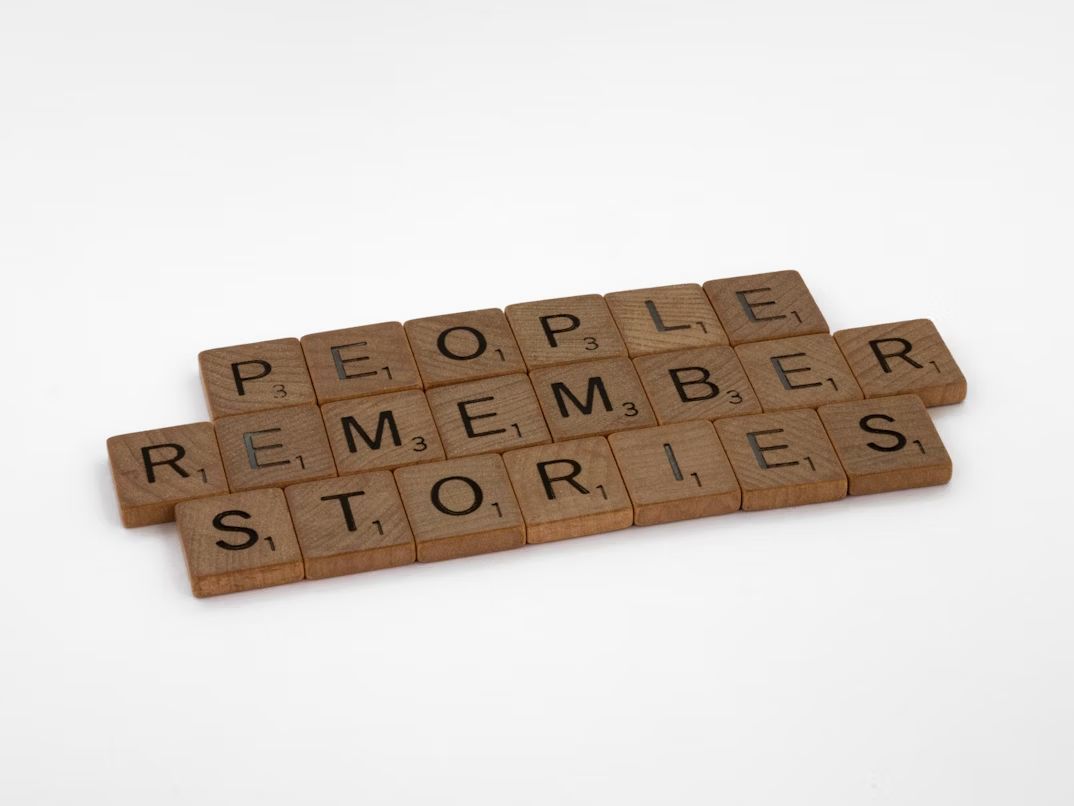
We’ve all experienced a moment when a word comes out of a word mouth sounding confident, polished… And completely wrong! Maybe no one noticed, maybe everyone did. Whatever the case, that’s called a malapropism, and they happen when a word sounds close enough to the right one. The result can go from charming to catastrophic, especially if it happens in public. Here are some real-life examples of those verbal stumbles.

1

Electrical votes in Texas

Image: appshunter.io

During a conversation about elections, the then Vice President George Bush was chatting with baseball great Yogi Berra. Berra reportedly mentioned that Texas had plenty of "electrical votes." Can you guess what he meant? The correct words would’ve been "electroral," but the slip was classic Yogi.

2

Fading into Bolivian

Image: Kenny Eliason

After a tough boxing match in 2002, Mike Tyson was asked what came next for him. His answer? He might just "fade into Bolivian." The word he wanted was oblivion, but his version stole the spotlight. Who can blame him? Any of us who make a mistake after receiving a punch or two!

3

The Sixteenth Chapel

Image: Lorenzo Turroni

David Letterman once teased Justin Bieber by saying that too many tattoos could make him look like the Sistine Chapel. Bieber shot back that he wasn’t aiming for the "Sixteenth Chapel" look. The reply came fast and confident, which made it even funnier. Although Michelangelo, among others, would not agree, right?

4

The master of malaprop

Image: Ben White

Comedian Norm Crosby leaned into malapropisms so hard that it became his signature. He was known as The Master of Malaprop for a reason. One of his lines famously urged listeners to enjoy the "blabbing brook" instead of the babbling one. But in his hands, the wrong word was never an accident: It was the whole joke.

5

Dogberry’s verbal adventures

Image: Taha

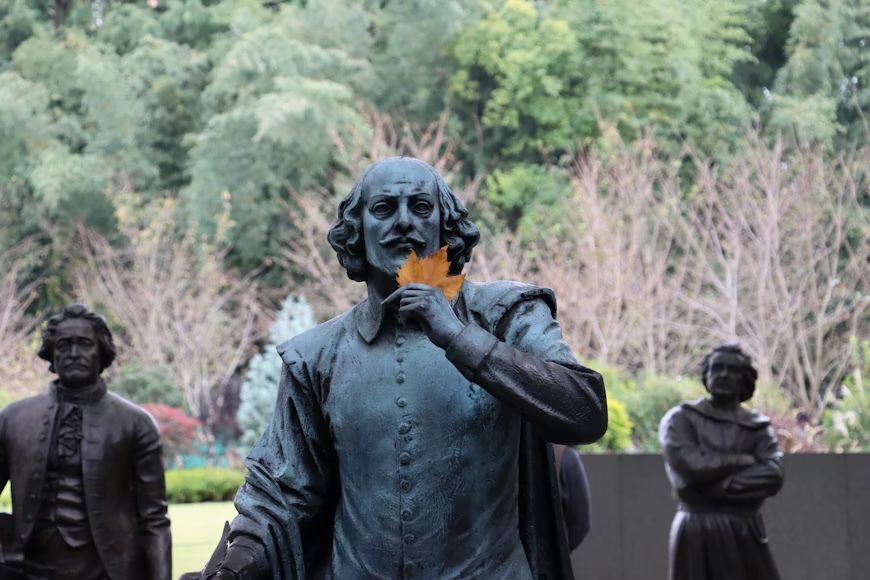
Shakespeare gave us a lot of new words, and some malapropisms too. For example, in Much Ado About Nothing, his character Constable Dogberry was famous for confidently saying the wrong thing. When Dogberry reports that two men were "comprehended" instead of "apprehended," and calls them "auspicious" instead of "suspicious," the comedy writes itself!

6

A coat with installation

Image: Nikolas Noonan

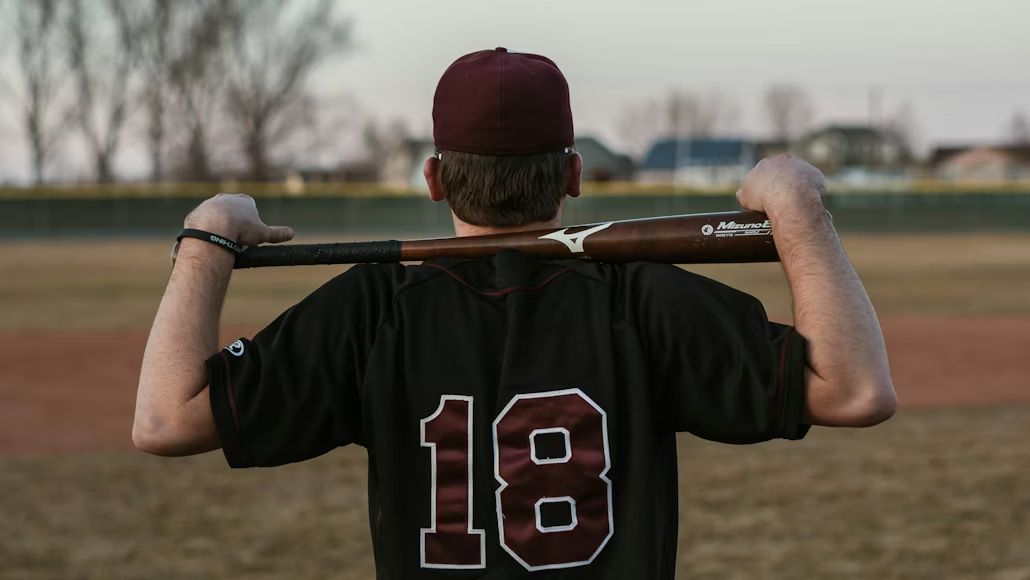
What kind of installation? These malapropism belongs to baseball player Mike Smith, who once praised a new coat by saying it had lots of "installation." He probably just meant "insulation," referring to how warm it was! He meant it as a compliment, besides, he’s a baseball player, what does he know about fashion features!

7

Chicago’s crosswords of the nation

Image: Max Bender

Former Chicago mayor Richard J. Daley had his share of word tangles. He reportedly referred to tandem bicycles as "tantrum" bicycles and called the O’Hare Airport the "crosswords of the nation." The intent was clear, even if the delivery wandered.

8

An unparalyzed moment

Image: Fine Photographics

Gib Lewis, who served as Texas Speaker of the House, once described something as "unparalyzed in the state’s history." The word he wanted was unparalleled, as you can imagine. Still, the statement landed with confidence, which is often half the battle. Moreover, it’s a good thing that whatever he was talking about wasn’t paralyzed, right?

9

Putrified with astonishment

Image: Preston A Larimer

Literature is full of malapropisms, and Mark Twain hasn’t got his record completely clean. In The Adventures of Huckleberry Finn, he gave Aunt Sally a memorable twist. She says she was "putrified with astonishment," and even if we know he meant "petrified," the picture it paints is clear and brilliant. Twain was fully conscious that these humorous words only contributed to the character’s development.

10

Archie Bunker’s verbal gymnastics

Image: Ming De Dong Huang

Archie Bunker from All in the Family was a gold mine for malapropisms. He once asked if he looked like an "inferior decorator" and wrapped things up by saying "Molotov" instead of Mazel tov. His mangled phrases were part of what made the character feel real, stubborn, and unintentionally funny. Did you like him?

The truth about your brain

You won’t believe what happens in your brain while you sleep


Published on April 4, 2026


Image: Milad Fakurian

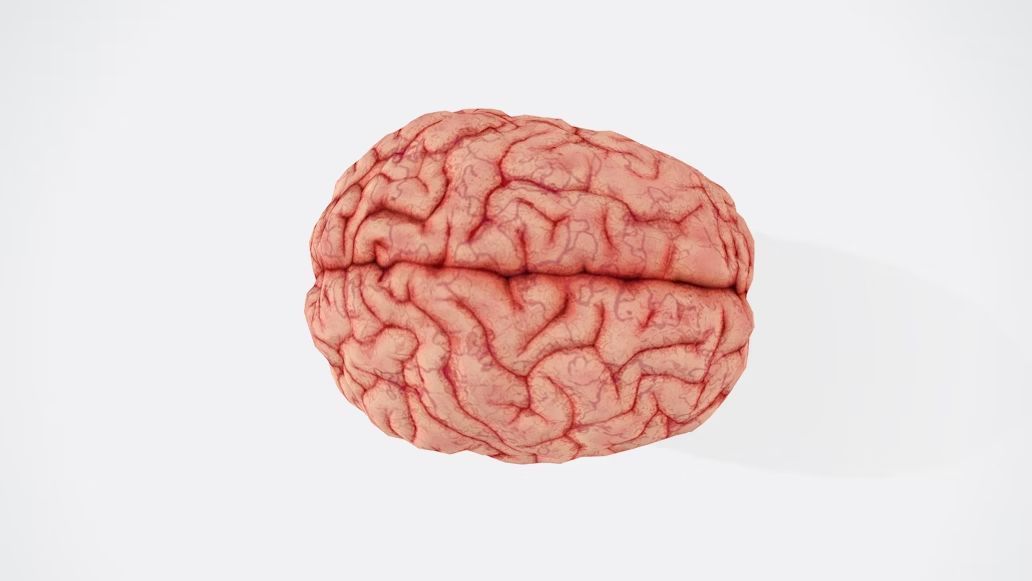
Your brain is one of the most powerful and mysterious organs in your body. It controls everything from your thoughts to your emotions and even processes information at lightning speed. But how much do you really know about it? Some long-believed myths about the brain have been debunked, while other surprising facts reveal just how incredible this organ truly is. Get ready to be amazed by these fascinating brain facts!

1

Myth: We only use 10% of our brain

Image: Natasha Connell

You’ve probably heard this one before, but it’s completely false! While it’s true that not all parts of the brain fire at the same time, imaging studies show that most regions are active throughout the day, even when we sleep.

Your brain is constantly working, controlling bodily functions and emotions, and processing information. So next time someone says you’re only using 10% of your brain, you can confidently tell them that’s just a myth!

2

The brain itself can’t feel pain

Image: Aarón Blanco Tejedor

Here’s a weird fact: While your brain processes pain signals from the rest of your body, it has no pain receptors of its own. This is why surgeons can perform brain surgery on conscious patients without causing them pain.

However, the membranes and tissues surrounding the brain do have pain receptors, which is why headaches and brain injuries can be so excruciating.

3

Headaches are actually chemical reactions

Image: Usman Yousaf

How come we have headaches if the brain has no pain receptors? Well, that’s because headaches are triggered by chemical activity in the brain, changes in nerves and blood vessels, and even fluctuating serotonin levels.

In some cases, hormones like estrogen can also play a role, which explains why migraines are more common in women.

4

Dreams: Your brain’s midnight movie theater

Image: Go to Johannes Plenio's profile Johannes Plenio

Dreams are proof that your brain never rests! (Warning: this fact can make you feel exhausted.) While you sleep, your limbic system, that is, the part of the brain that deals with emotions, becomes especially active, which is why dreams often feel so intense.

On average, humans experience four to seven dreams per night, even if we don’t always remember them. And what about that scary nightmare about falling? Well, you can thank your amygdala, the brain’s fear center, for that one.

5

Your short-term memory lasts less than 30 seconds

Image: Brett Jordan

Have you ever walked into a room and instantly forgotten what you were after? That’s because short-term memory only lasts about 20-30 seconds! That’s not enough!

Your brain holds a limited amount of information in its active state before deciding whether to store it or discard it. Ironically, we can’t really choose what makes the cut, but we do hope these facts stay with you!

6

Brain freeze is your body’s warning signal

Image: BUDDHI Kumar SHRESTHA

That sharp, icy pain when you eat something too cold? It’s your brain’s way of telling you to slow down! Officially called sphenopalatine ganglioneuralgia, a brain freeze happens when cold food or drinks rapidly chill the blood vessels in your throat, causing them to constrict and then rapidly expand. This sends pain signals to your brain, warning you of the sudden temperature shift. It’s annoying, but it’s actually your body trying to protect itself!

7

Your brain thinks a lot!

Image: Josh Riemer

You didn’t need us to tell you, but let’s look at the details: The average person has between 12,000 and 60,000 thoughts per day. What’s even more interesting? 95% of those thoughts are the same ones you had yesterday. Is that not surprising enough? Hear this out: 80% of them tend to be negative. That’s because our brains are wired for survival, constantly analyzing risks and potential dangers.

8

Your brain uses 20% of your body’s oxygen and blood

Image: Terry Vlisidis

Even though it only makes up about 2% of your body weight, your brain employs a major quantity of energy! It consumes 20% of your oxygen and blood supply, making it one of the most demanding organs in your body.

If your brain goes without oxygen for just five minutes, brain cells start dying, leading to irreversible damage. This is why deep breathing and cardiovascular exercise are great for brain health!

9

Seeing stars? That’s your brain processing vision!

Image: Alexander Andrews

Do you know that feeling when you hit the back of your head and see stars? That’s because your occipital lobe, which controls vision, is located at the back of your brain. If you get hit there, your brain momentarily misfires, causing flashes of light.

Interestingly, your brain processes vision on the opposite side; while your right brain controls your left eye, your left brain controls your right eye. It’s one of the many ways the brain operates in a complex way.

10

Your brain can power a light bulb!

Image: Rodion Kutsaiev

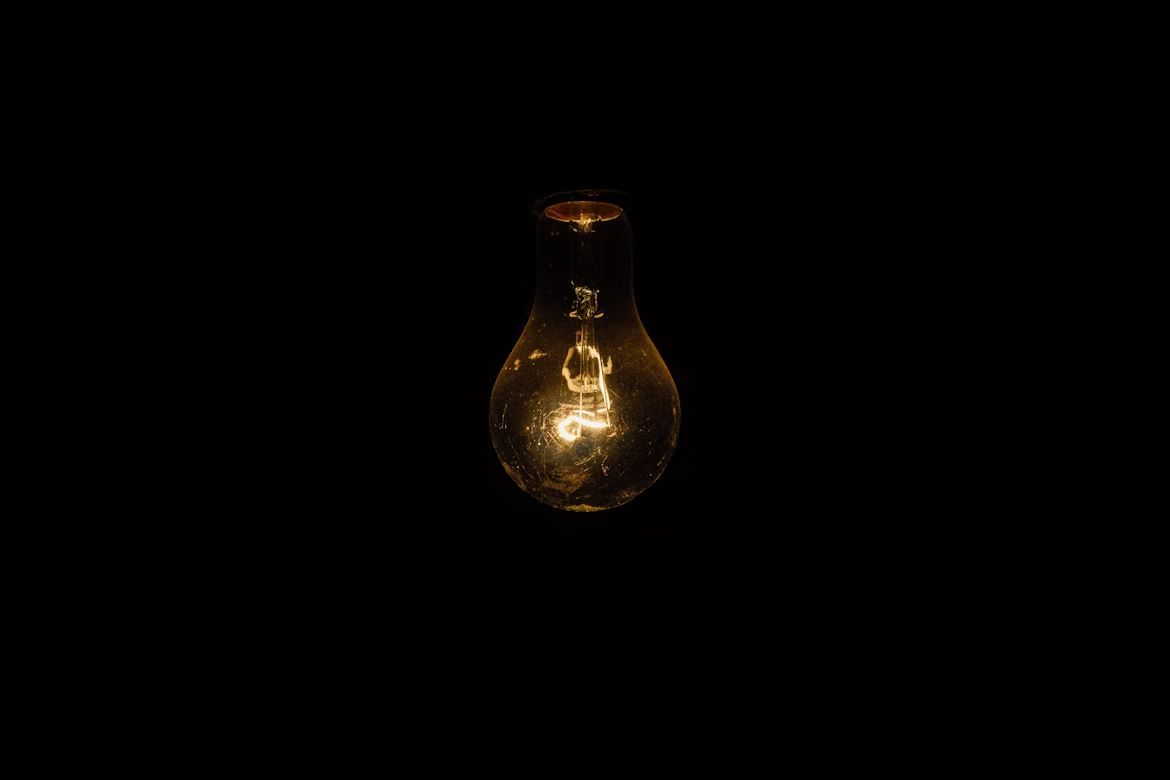
Believe it or not, your brain generates between 12 and 25 watts of electricity when you’re awake. If you can’t really grasp how powerful that is, check this out: It’s enough to power a small light bulb! Your brain’s electrical activity is what allows neurons to send signals at speeds of up to 260 miles per hour.

11

Your brain is mostly fat

Image: Robina Weermeijer

Your brain may be the fattiest organ in your body, consisting of at least 60% fat! This is why consuming healthy fats, like omega-3s and omega-6s present in fish, for example, is essential for brain health.

Healthy fats stabilize brain cell walls, reduce inflammation, and support cognitive function. So go ahead and enjoy that avocado toast, it’s food for your brain!

12

Your brain shrinks as you age

Image: Robina Weermeijer

It’s not just your memory that fades over time; the brain itself physically shrinks as one gets older. It continues developing until your late 40s, but after that, it slowly decreases in size.

Now, size doesn’t equal intelligence, so a smaller brain doesn’t necessarily mean a less capable one. Staying mentally active, exercising, and eating brain-boosting foods can help keep it in top shape!

13

Cholesterol plays a big role in memory

Image: Lisa Yount

We often think of cholesterol as bad, but your brain actually depends on it! In fact, 25% of your body’s cholesterol is stored in your brain, where it helps with learning and memory. However, unlike other organs, the brain can’t absorb cholesterol from the blood, it has to produce its own. So, while too much cholesterol in the body can be harmful, the right amount is vital for brain function. At least you can use that as an excuse to get that burger!

Looking for an extra scoop of literary fun?

Learn more with our Word of the day

calamitous

/kəˈlæmədəs/