It doesn’t mean that

Most people use these 10 words incorrectly


Published on September 3, 2026


Image: Daniela Holzer

What is the correct word to describe experiencing nausea? What about saying that you have several choices to pick from? If your first choice was to say "nauseous" or "alternative", you are mistaken. Vocabulary is, in great part, learned through copying and imitating others, but this can also lead to incorrect uses of a word becoming widespread. Let us explore some words that you might be using incorrectly!

1

Nauseous

Image: Kyle Glenn

Many people use "nauseous" to describe feeling sick or experiencing nausea, but this is incorrect. Nauseous primarily means something that causes sickness or nausea, such as spoiled food or foul smells.

The correct term for feeling sick is "nauseated", although some people consider that "feeling nauseous" has become so common that it is acceptable in informal speech.

2

Enormity

Image: Tasos Mansour

This word definitely has something to do with size, but not in the way that many would think. Nowadays, we hear "enormity" used to describe huge things, but the better word for that would be "enormousness".

The correct use of "enormity" is related to bad things, wickedness, and evil, such as the "enormity of a crime" or "the enormity of a tragedy".

3

Refute

Image: Vitaly Gariev

If you use the word "refute" to mean "opposing an argument", you are not wrong, but you are not necessarily right either. If you are simply opposing or presenting a counter-argument, "deny" or "rebut" would be more appropriate.

To properly refute something, saying it’s incorrect is not enough. You have to prove that the argument or claim is false with logic and supporting evidence.

4

Fortuitous

Image: Edge2Edge Media

Have you ever described an encounter or event as "fortuitous"? Maybe a stranger helped you at the right moment, or you found a $100 bill in your pocket. These are indeed fortuitous events, but not because they are beneficial to you.

The word "fortuitous" means that something happens by pure chance or accident, but does not necessarily involve luck or good fortune.

5

Disinterested

Image: Tingey Injury Law Firm

One would think that by adding the prefix dis- (meaning "opposite" or "apart") to the word "interested", the resulting meaning would be "not interested" or "bored". However, the correct term for not being interested is "uninterested".

What does disinterested mean, then? It does convey a lack of interest, in the sense that one does not have any personal gain in the situation and is able to be fair, neutral, and unbiased.

6

Skeptic

Image: Vitaly Gariev

Many people define themselves as a skeptic about certain topics or beliefs, but are they really skeptics or are they mere deniers? The term "denier" carries a negative connotation, so it’s easy to see why someone wouldn’t use it to define themselves, but "skeptic" has a different meaning.

Skeptics question a statement or claim, but they do it based on evidence. They assess the facts and are open to changing their mind if the evidence proves them wrong. On the other hand, deniers flat-out reject the claim or belief, and close themselves to any fact or evidence.

7

Nonplussed

Image: Michelle Tresemer

It is common to hear "nonplussed" to describe someone being calm or unfazed by things, but did you know that its proper meaning is the opposite? It actually means that you are so surprised or confused that you don’t know what to say or do.

The word comes from the Latin non plus, meaning "no more" or "no further", and it was initially used for a standstill situation where nothing else could be said or done. Eventually, it shifted to describe being in that standstill state, with no idea what to do.

8

Alternative

Image: Sophia Kunkel

Is "alternative" synonymous with "choice"? Yes, but only sometimes. Although it is common to hear about having "multiple alternatives", by definition an alternative is a choice between two things.

The word comes from the Latin alter, "the other", traditionally used for choices with two different options. If the choices are multiple, they are simply choices.

9

Dilemma

Image: Tim Gouw

It is common to hear problems described as dilemmas, but while all dilemmas are a problem, not all problems are a dilemma. A problem is a difficult situation that needs to be solved. There might be more than one solution, and some problems might be easier than others.

A dilemma, however, is never easy or clear, because it presents two choices, none of them attractive. No matter the choice, the outcome will be negative.

10

Inflammable

Image: Cullan Smith

In many words, the prefix in- means "not", which might make one think that words like "inflammable" mean "not flammable". However, many words use the prefix in- to mean "into" or "to cause to be", and inflammable is one of them.

The English vocabulary adopted the term "flammable", meaning something that easily catches fire, from Latin. But Latin also had the term inflammare, meaning "to set on fire", from which we got inflammable, which means that "flammable" and "inflammable" are synonyms, and their opposite is "non-flammable".


Tango, Bravo

Codewords decoded: How many did you know?


Published on September 3, 2026


Image: orso bianco

In situations where clear communication is paramount, especially when lives are at stake, professionals often rely on standardized codewords and phonetic alphabets designed to prevent confusion. Either from movies or from personal experience, it's probable that you've heard at least some of these before, and many have found their way into everyday conversation. Let's find out how many of these code expressions you can recognize.

1

Mayday

Image: Zhuravlev Andrey

Mayday is the international distress call used when the sender is in immediate, life-threatening danger. Pilots and mariners use it to signal that they require urgent assistance due to situations such as engine failure, fire, flooding, or medical emergencies.

The word was introduced in 1923 by British radio officer Frederick Stanley Mockford, who based it on the French phrase m'aider, meaning "help me," in an attempt to make it internationally recognizable. Hearing this transmission immediately alerts emergency responders that every second counts.

2

Pan-Pan

Image: DenisProduction.com

Not every emergency is severe enough to warrant a mayday call. When a crew faces a problem that is urgent but not immediately life-threatening, the appropriate codeword is Pan-Pan.

Like mayday, it comes from French: it derives from panne, meaning a breakdown or mechanical failure. A Pan-Pan call might be used if an aircraft loses an engine but can still fly safely, or if a ship experiences equipment problems while remaining under control. It tells responders that assistance is needed, but that the situation has not yet become critical.

3

SOS

Image: Grisha Bruev

Few emergency signals are as universally recognizable as SOS. Contrary to popular belief, the letters do not officially stand for "Save Our Ship" or "Save Our Souls." It was adopted in 1906 because SOS is an extremely simple, easy-to-transmit, and unmistakable pattern in Morse code.

SOS remains one of the world's most enduring distress signals, and it's still recognized by rescue organizations all around the globe.

4

NATO Alphabet

Image: Alexandros Michailidis

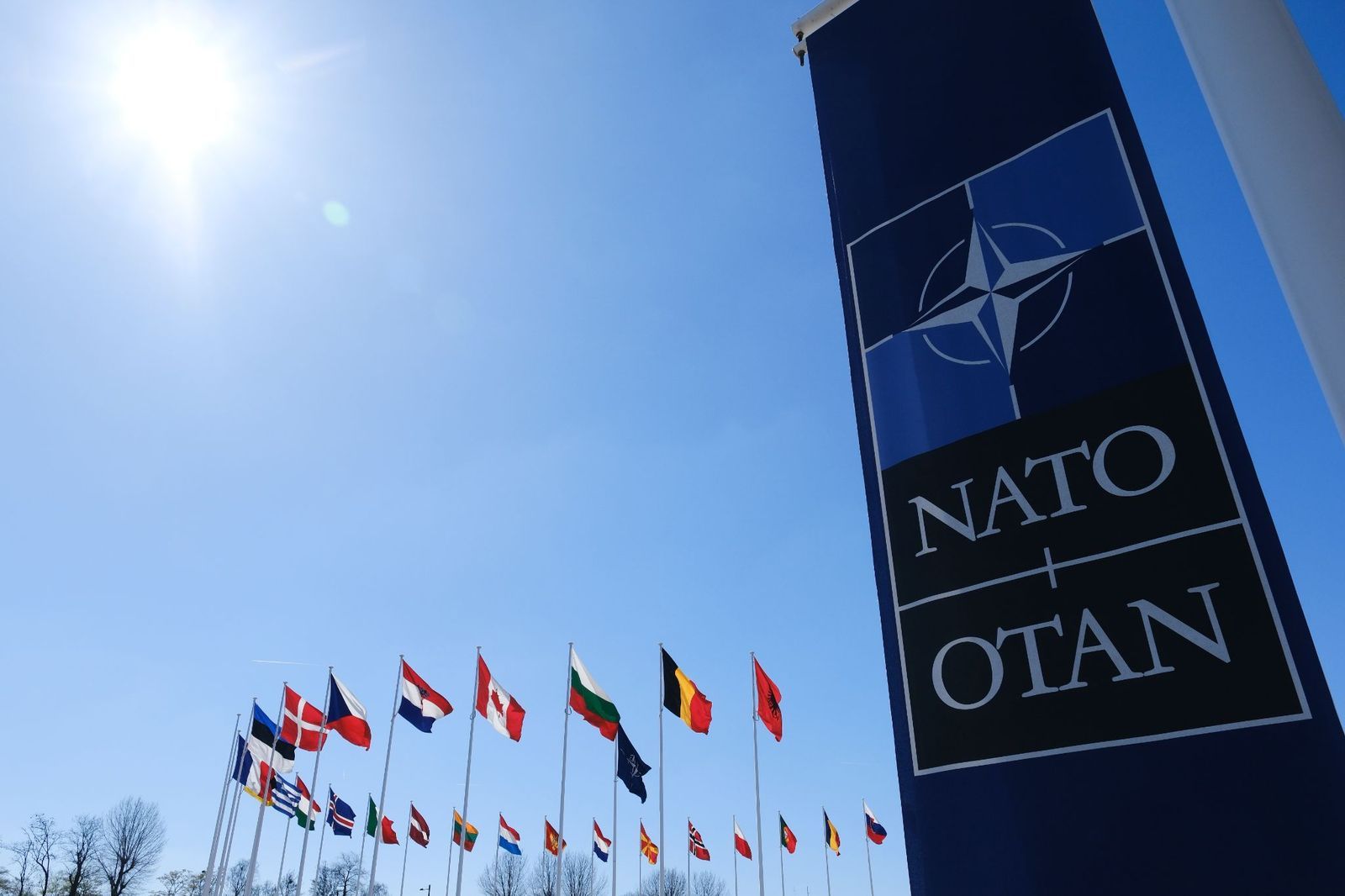
In the NATO phonetic alphabet, each letter is assigned a unique word to eliminate confusion when radio transmissions are distorted by noise or poor reception. If you've ever heard someone spell a name as "Mike Alpha Romeo Yankee," you've encountered the NATO phonetic alphabet.

The system was officially adopted by NATO in the 1950s and is now widely used by militaries, airlines, emergency responders, and many police departments worldwide. Using it greatly reduces the chance of misunderstanding important information over radio.

5

Roger

Image: nelikdulatov

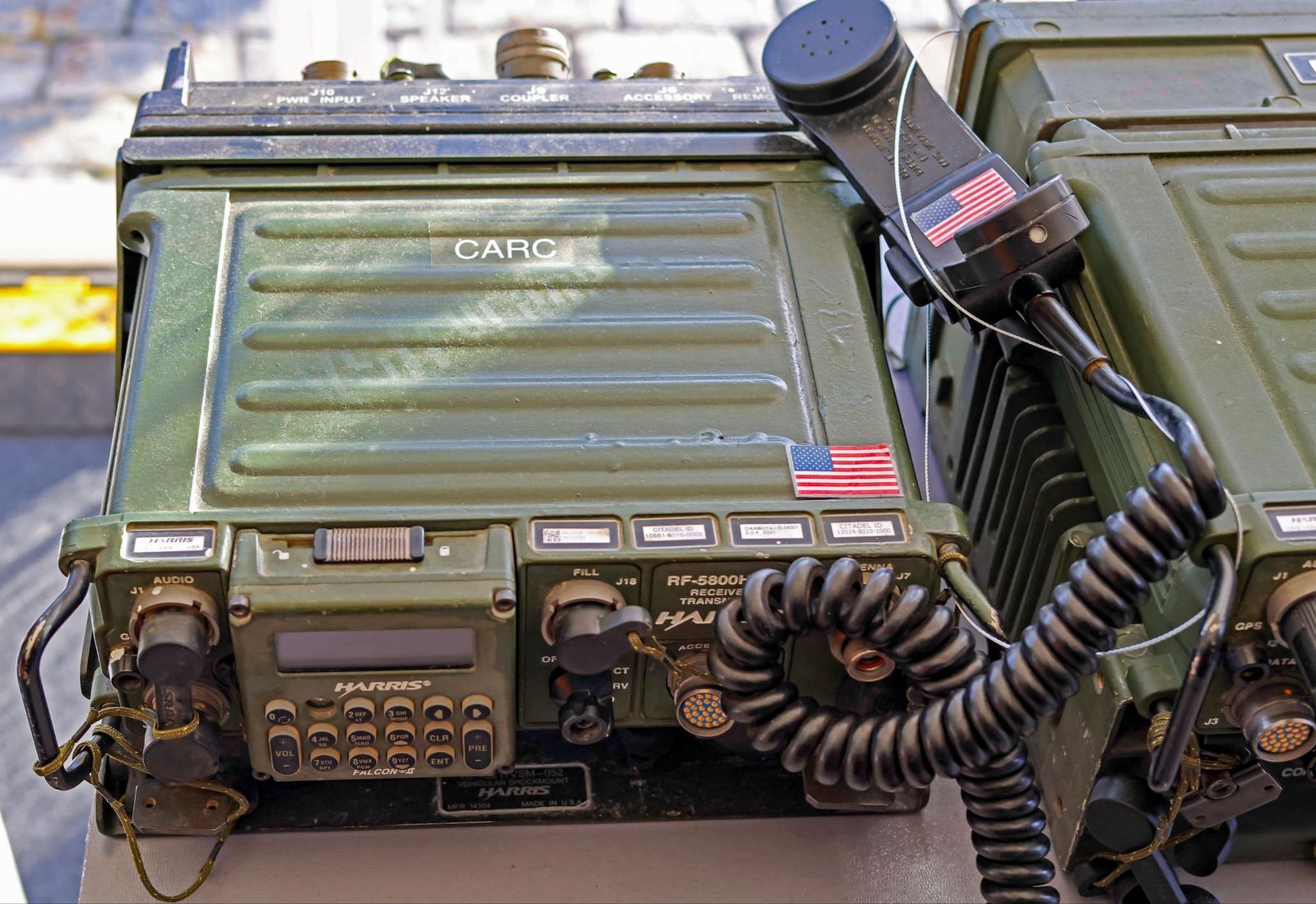
Roger dates back to the early days of radio communication, when the letter R stood for "received." Before the adoption of the NATO alphabet, the US military used Roger instead of Romeo to represent that letter_._

Although modern communications systems have changed and the US military has fully embraced the use of the NATO alphabet, Roger remains standard aviation terminology, and it's one of the best-known radio acknowledgments in the world. It conveys a very simple but important meaning: "I have received and understood your message."

6

Wilco

Image: alleks19760526

Although many people assume Roger and Wilco mean the same thing, they actually convey different messages. Wilco is short for "will comply." In other words, it tells the sender not only that the message was received and understood, but that the instruction will be carried out.

Saying both Roger and Wilco is technically redundant in proper radio communication, since complying necessarily implies understanding, but the combination is often heard in movies and television.

7

Tango

Image: Quality Stock Arts

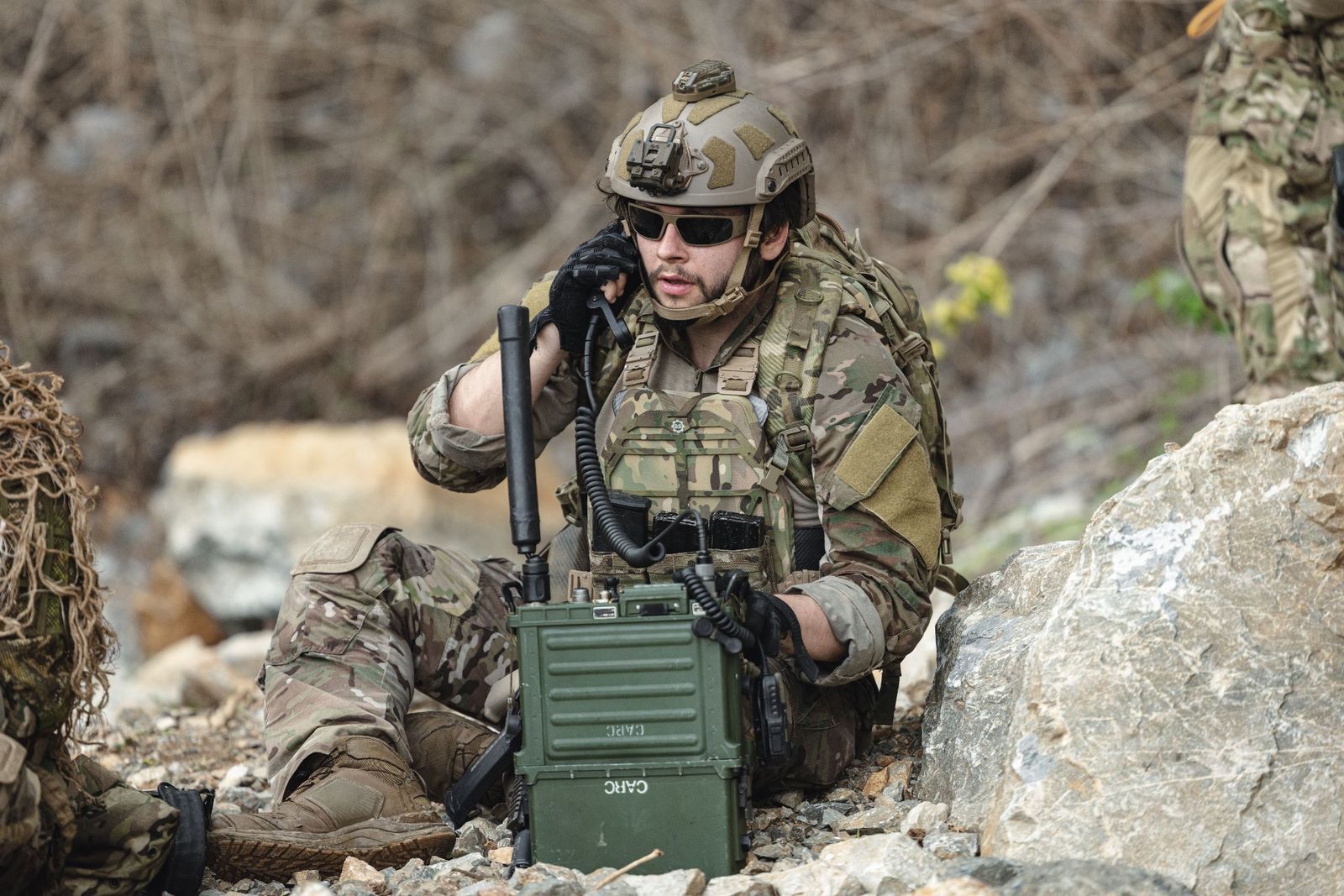
In the NATO phonetic alphabet, Tango simply represents the letter T. However, US military personnel have also adopted it as a shorthand when referring to a target or a hostile.

This secondary meaning became widely known through military operations in the twentieth century and has since appeared in countless books, films, and video games in phrases like "We've got one Tango moving north."

8

Oscar Mike

Image: Dragos Asaftei

Oscar Mike, NATO for the letters O and M, is military shorthand for "On the Move." It's a quick way of reporting that a unit has begun moving toward its objective.

The expression is especially common in the US military and has become more familiar to the general public through documentaries, memoirs, and films. It's finding its way into civilian life, meaning simply "I'm heading out."

9

10-4

Image: Elliott Cowand Jr

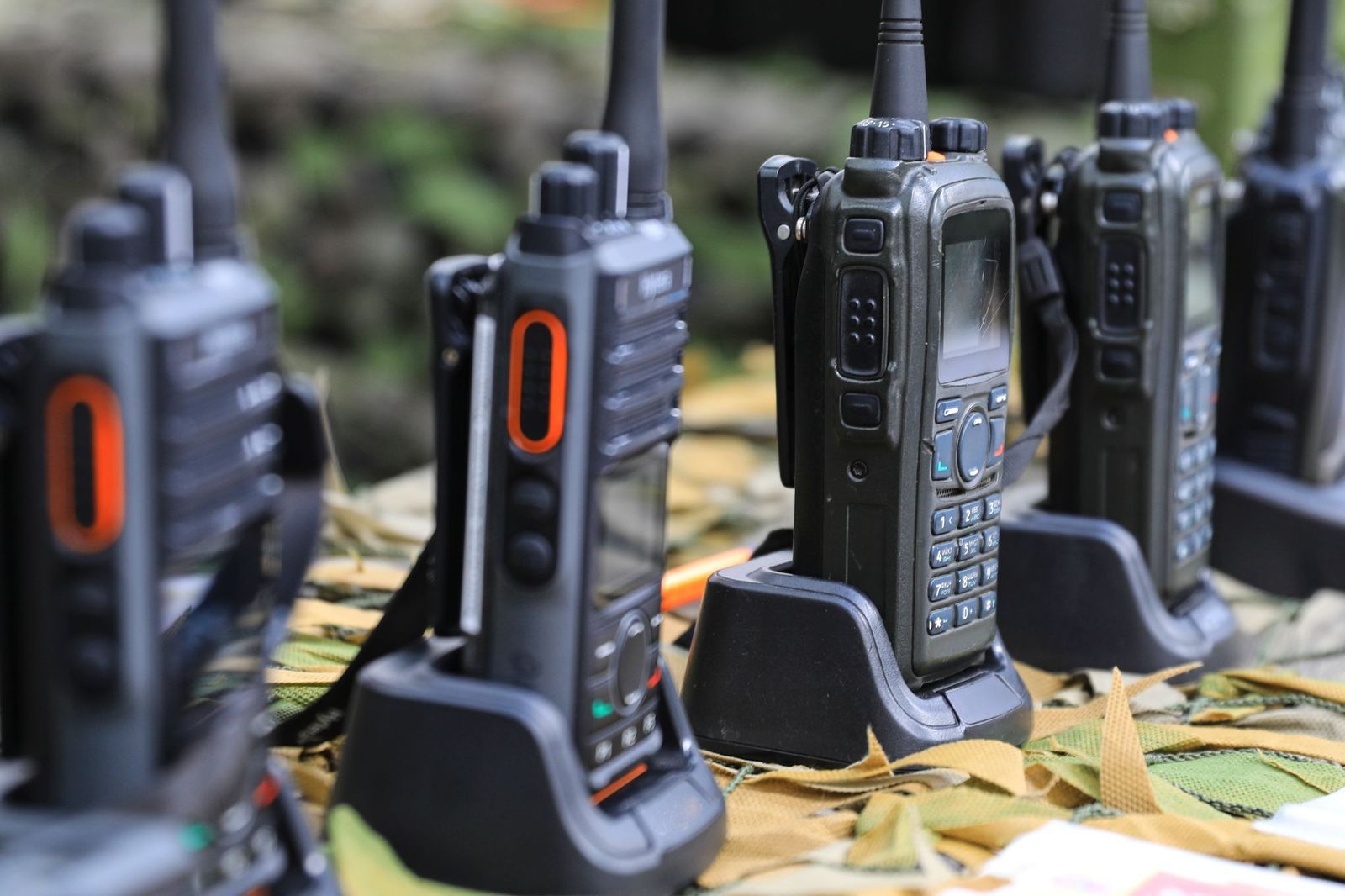
Ten-codes were developed during the 1930s to allow for brevity and standardization of message traffic in radio communications. They were widely adopted by US public safety departments and by radio enthusiasts.

While the system is being slowly phased out in favor of plain language communications, many local police, fire, and sheriff departments keep using it, and it is still strongly associated with radio culture by the general public. One of the most famous ten-codes is 10-4, meaning "received and understood."

10

Code Blue

Image: PeopleImages

Hospitals around the world use color-coded announcements to communicate emergencies without causing unnecessary panic among patients and visitors. Perhaps the best known is Code Blue, indicating that a patient is experiencing cardiac or respiratory arrest and requires immediate medical assistance.

While some hospitals use their own custom color codes, Code Blue has become so widely recognized that it now appears frequently in television dramas and everyday conversation whenever someone refers to a life-threatening medical emergency.

Looking for an extra scoop of literary fun?

Learn more with our Word of the day

crucial

/ˈkruʃ(ə)l/