What is your Ikigai? 10 foreign words that celebrate life's pleasures


Published on August 4, 2026


Image: 9dream studio

In English, we often rely on the single, broad term "happiness" to describe everything from winning the lottery to eating a piece of pie. Yet, around the world, different cultures have come up with precise words to capture the different flavors of joy. From the quiet peace of dawn in Scandinavia to the musical ecstasy of the Middle East, here are 10 foreign words that describe unique types of happiness.

1

Hygge (Danish)

Image: Olena Rudo

Pronounced hoo-ga, this Danish word has captured global attention over the past decade. Hygge is a psychological state of warm, cozy contentment.

It’s the feeling of sitting around a wooden dining table illuminated by soft candlelight, sharing a cup of coffee with close friends. Hygge encourages us to forget about life’s superficial distractions and savor the present moment with warmth, safety, and human connection.

2

Ikigai (Japanese)

Image: marekuliasz

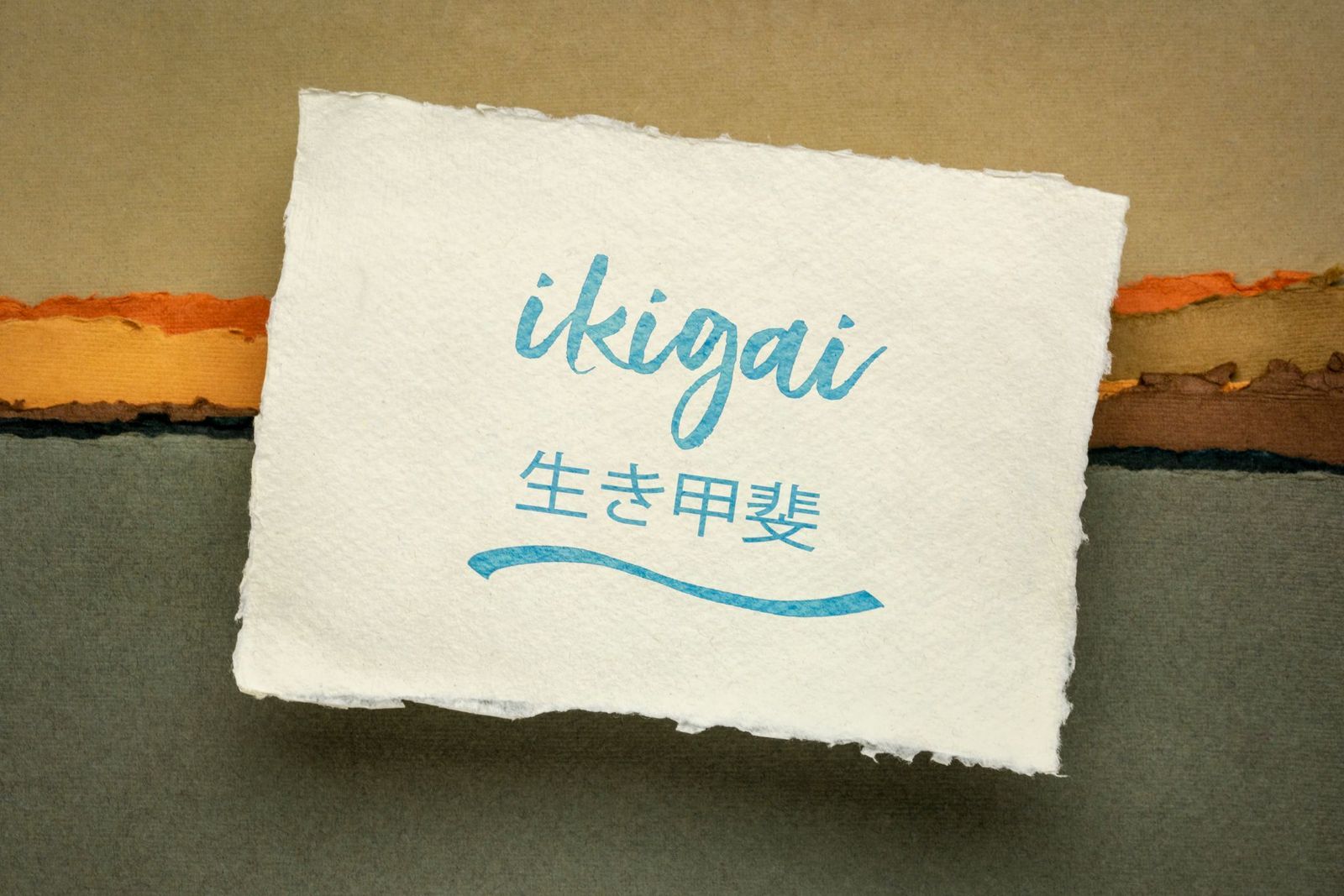
Originating from Okinawa, an island known for its high concentration of centenarians, ikigai (pronounced ee-kee-guy) translates to "a reason for being". It represents the sweet spot where your passions, talents, values, and practical skills overlap.

Unlike grand notions of success, ikigai is often quiet and deeply personal. It’s the joy that motivates you to get up in the morning, whether that reason is tending to your garden, perfecting a craft, or caring for your family. It’s happiness not as a distant goal, but as a daily practice.

3

Gökotta (Swedish)

Image: javi_indy

It’s no surprise that the Scandinavian culture has a specific word for outdoor bliss. Gökotta (pronounced yoh-koh-tah) literally translates to "cuckoo-dawn". It describes the deliberate act of waking up early in the morning, often at the break of dawn in spring, specifically to go outside into nature.

Gökotta reminds us that peace and renewal are often waiting for us in the quietest hours of the morning, as long as we are willing to wake up early enough to catch them.

4

Schadenfreude (German)

Image: Gorgev

Who said happiness can’t be a little mischievous? Schadenfreude (pronounced shah-den-froy-duh) combines the German words for "damage" (Schaden) and "joy" (Freude). It describes the secret, malicious pleasure a person feels when watching someone else suffer a minor, non-tragic mishap.

Whether it’s smirking when a politician stumbles on stage or watching an arrogant rival lose a game, schadenfreude captures a raw side of human psychology that almost everyone has experienced but rarely admits to.

5

Firgun (Hebrew)

Image: PeopleImages

On the opposite side of schadenfreude is the Hebrew concept of firgun (pronounced feer-goon). This informal term, which entered modern Hebrew in the mid-20th century, describes genuine, unselfish joy felt for another person’s accomplishments or good fortune.

To practice firgun means celebrating someone else’s promotion, engagement, or success without envy or resentment. It’s an empathetic form of happiness that strengthens community ties.

6

Arbejdsglæde (Danish)

Image: voronaman

While many societies view labor as a tedious chore, the Nordic countries have a different view. The Danish word arbejdsglæde (pronounced ah-beyds-gleh-theh) combines arbejde (work) and glæde (joy).

This term describes the satisfaction derived from a job well done. It stems from the feeling of enjoying your colleagues and having a healthy work-life balance. Also, knowing that your daily efforts contribute meaning to the world.

7

Tarab (Arabic)

Image: MAYA LAB

In Arab musical tradition, tarab (pronounced tah-rab) refers to a transcendent state of emotional ecstasy induced by listening to moving music.

It describes the moment when a performer’s vocals or instrumental mastery captivates the audience, filling the room with an overwhelming wave of emotion. In other words, tarab highlights music as a vehicle for profound joy.

8

Ayodele (Yoruba)

Image: Anatoliy Cherkas

In the Yoruba language of West Africa, Ayodele (pronounced ah-yoh-deh-leh) is both a traditional given name and a statement meaning "joy has come home".

The term conveys the happiness felt when a baby is born. This new child is more than an addition to the family; it’s an entity that carries warmth, light, and a renewed purpose.

9

Waldeinsamkeit (German)

Image: DimaBerlin

Rooted in German Romanticism, Waldeinsamkeit (pronounced valt-ayn-zahm-kayt) joins Wald (forest) and Einsamkeit (solitude). It describes the feeling of bliss experienced when wandering alone through the woods.

It’s all about a restorative connection with the natural world. Stepping away from the buzz of city life to walk beneath a canopy of green leaves allows the mind to slow down, reset, and experience a quiet, elemental happiness.

10

Joie de vivre (French)

Image: frantic00

Perhaps this is the most famous expression of happiness. The French phrase joie de vivre (pronounced zhwah duh veev-ruh) translates literally to "the joy of living".

It represents an infectious love for existence itself. Someone who has joie de vivre finds delight in a fresh baguette, a good conversation, or a casual afternoon walk. It’s a philosophy that treats living as an art form worthy of celebration.


Tango, Bravo

Codewords decoded: How many did you know?


Published on August 4, 2026


Image: orso bianco

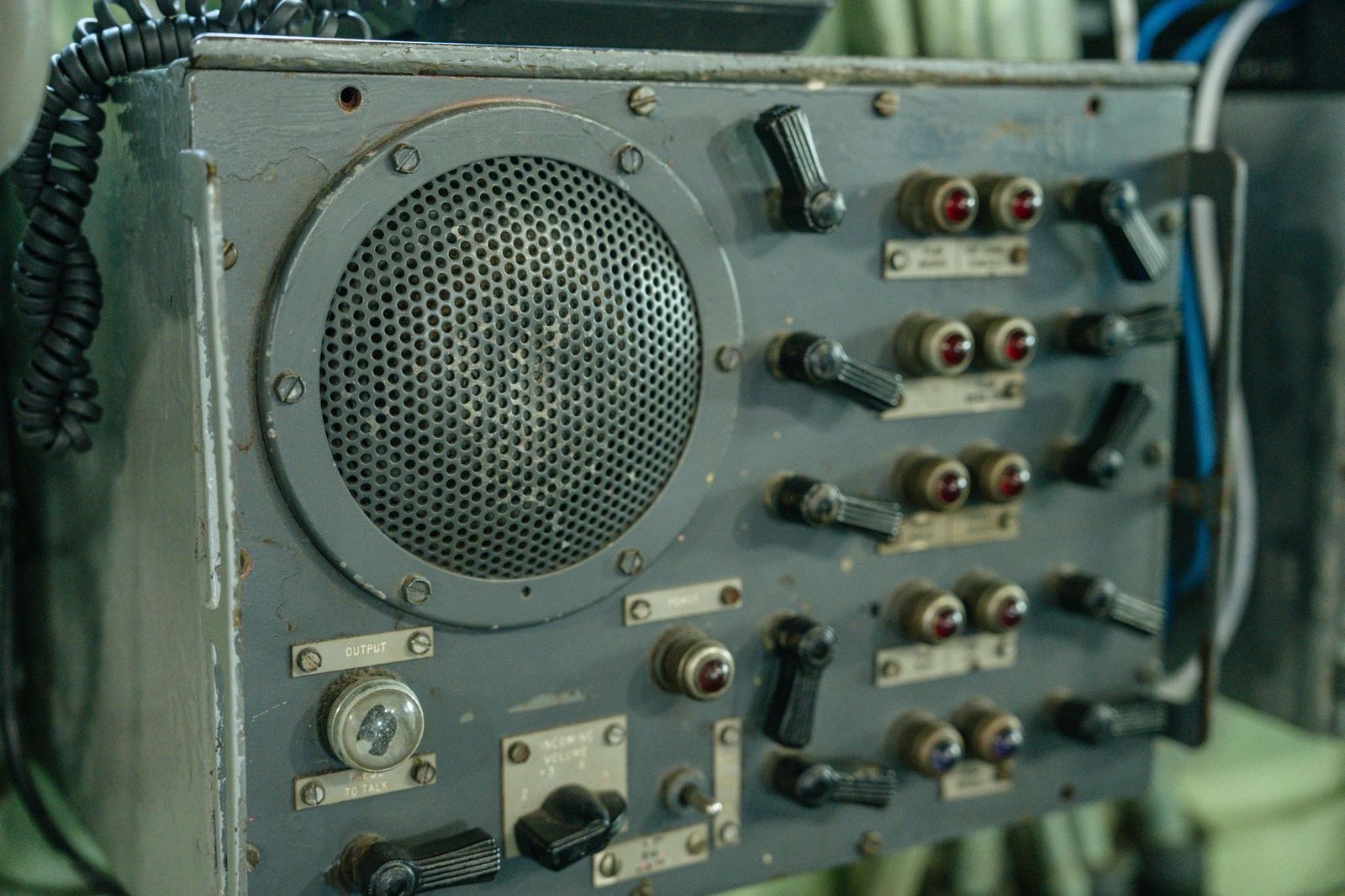
In situations where clear communication is paramount, especially when lives are at stake, professionals often rely on standardized codewords and phonetic alphabets designed to prevent confusion. Either from movies or from personal experience, it's probable that you've heard at least some of these before, and many have found their way into everyday conversation. Let's find out how many of these code expressions you can recognize.

1

Mayday

Image: Zhuravlev Andrey

Mayday is the international distress call used when the sender is in immediate, life-threatening danger. Pilots and mariners use it to signal that they require urgent assistance due to situations such as engine failure, fire, flooding, or medical emergencies.

The word was introduced in 1923 by British radio officer Frederick Stanley Mockford, who based it on the French phrase m'aider, meaning "help me," in an attempt to make it internationally recognizable. Hearing this transmission immediately alerts emergency responders that every second counts.

2

Pan-Pan

Image: DenisProduction.com

Not every emergency is severe enough to warrant a mayday call. When a crew faces a problem that is urgent but not immediately life-threatening, the appropriate codeword is Pan-Pan.

Like mayday, it comes from French: it derives from panne, meaning a breakdown or mechanical failure. A Pan-Pan call might be used if an aircraft loses an engine but can still fly safely, or if a ship experiences equipment problems while remaining under control. It tells responders that assistance is needed, but that the situation has not yet become critical.

3

SOS

Image: Grisha Bruev

Few emergency signals are as universally recognizable as SOS. Contrary to popular belief, the letters do not officially stand for "Save Our Ship" or "Save Our Souls." It was adopted in 1906 because SOS is an extremely simple, easy-to-transmit, and unmistakable pattern in Morse code.

SOS remains one of the world's most enduring distress signals, and it's still recognized by rescue organizations all around the globe.

4

NATO Alphabet

Image: Alexandros Michailidis

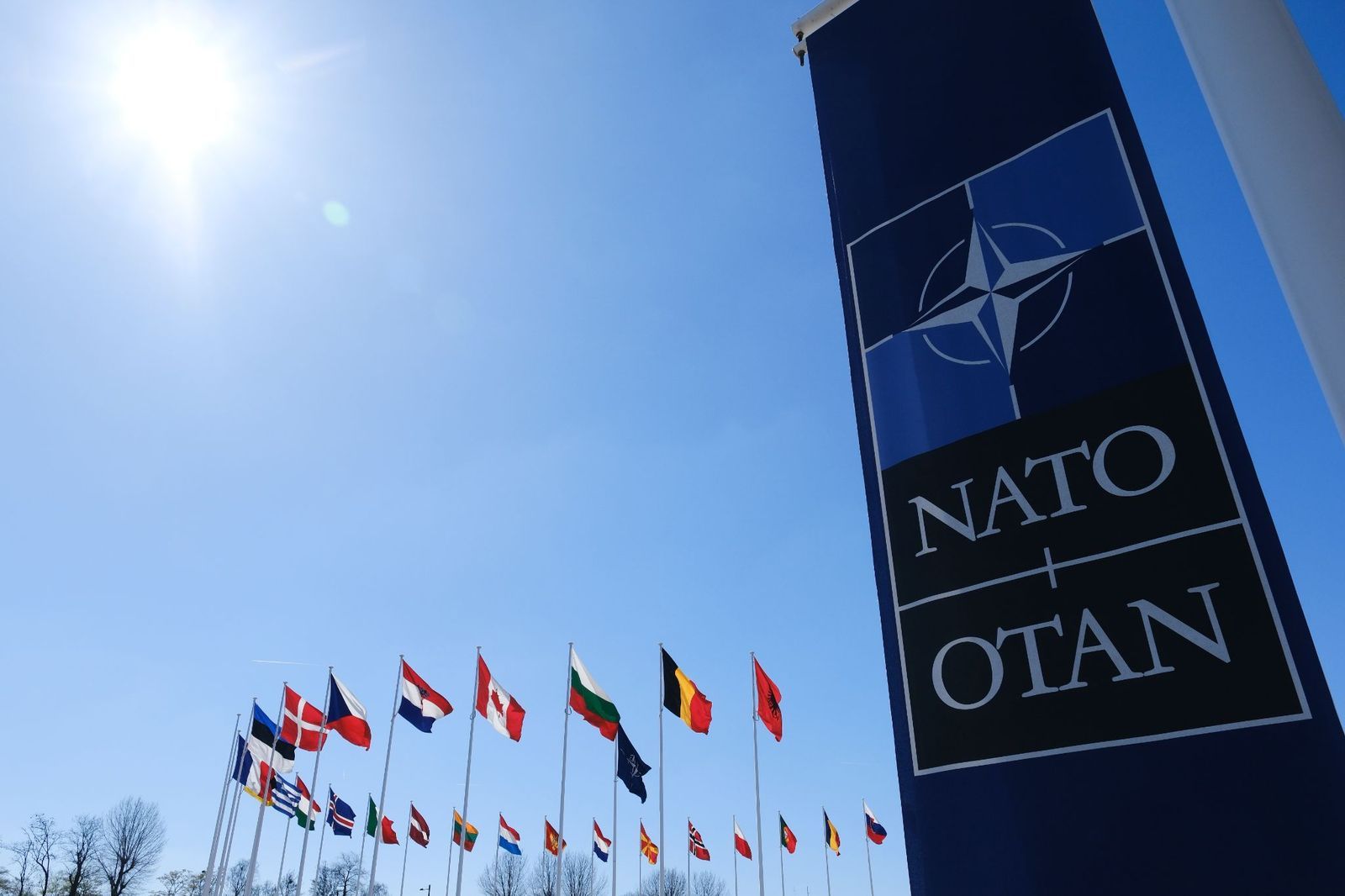
In the NATO phonetic alphabet, each letter is assigned a unique word to eliminate confusion when radio transmissions are distorted by noise or poor reception. If you've ever heard someone spell a name as "Mike Alpha Romeo Yankee," you've encountered the NATO phonetic alphabet.

The system was officially adopted by NATO in the 1950s and is now widely used by militaries, airlines, emergency responders, and many police departments worldwide. Using it greatly reduces the chance of misunderstanding important information over radio.

5

Roger

Image: nelikdulatov

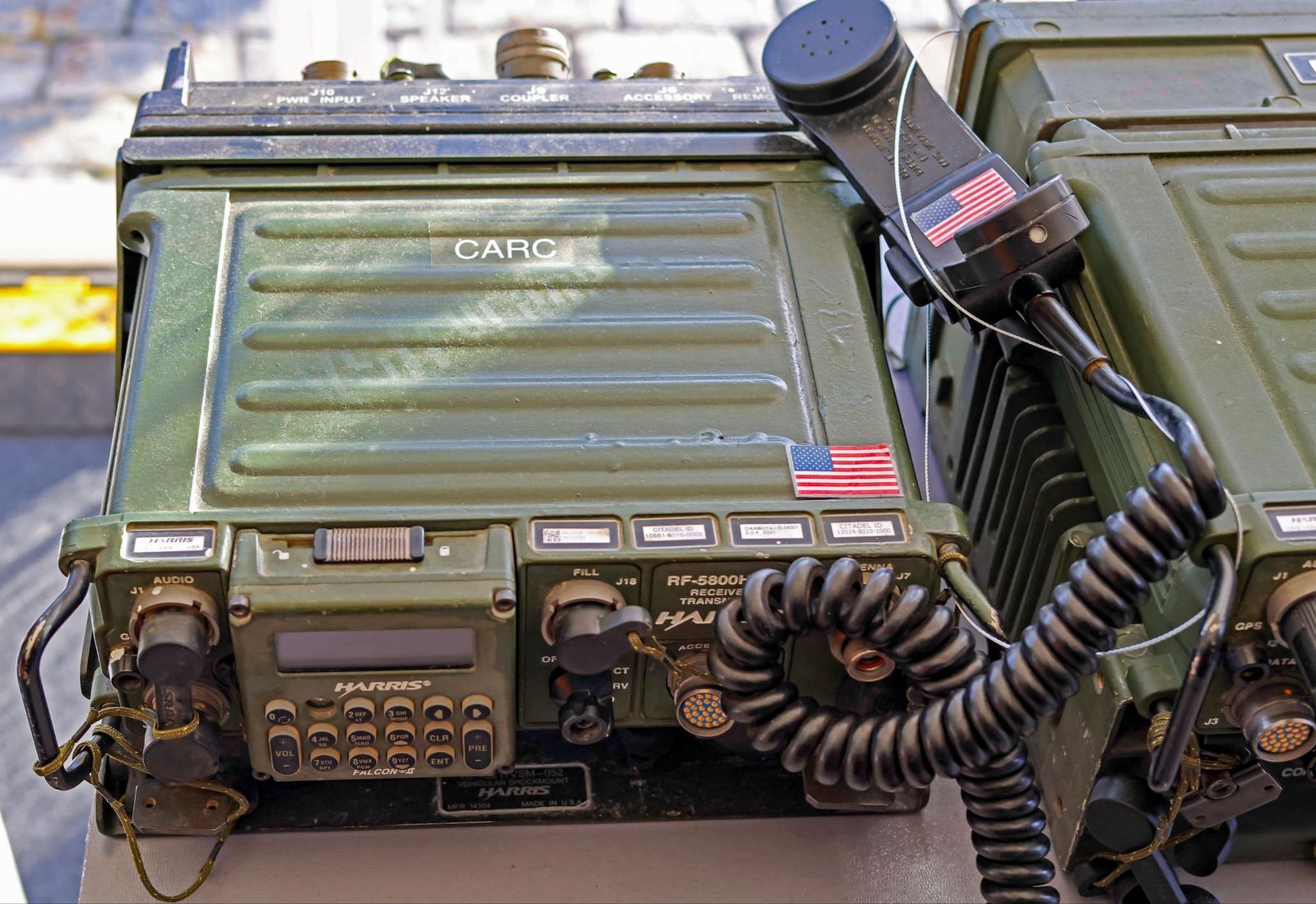
Roger dates back to the early days of radio communication, when the letter R stood for "received." Before the adoption of the NATO alphabet, the US military used Roger instead of Romeo to represent that letter_._

Although modern communications systems have changed and the US military has fully embraced the use of the NATO alphabet, Roger remains standard aviation terminology, and it's one of the best-known radio acknowledgments in the world. It conveys a very simple but important meaning: "I have received and understood your message."

6

Wilco

Image: alleks19760526

Although many people assume Roger and Wilco mean the same thing, they actually convey different messages. Wilco is short for "will comply." In other words, it tells the sender not only that the message was received and understood, but that the instruction will be carried out.

Saying both Roger and Wilco is technically redundant in proper radio communication, since complying necessarily implies understanding, but the combination is often heard in movies and television.

7

Tango

Image: Quality Stock Arts

In the NATO phonetic alphabet, Tango simply represents the letter T. However, US military personnel have also adopted it as a shorthand when referring to a target or a hostile.

This secondary meaning became widely known through military operations in the twentieth century and has since appeared in countless books, films, and video games in phrases like "We've got one Tango moving north."

8

Oscar Mike

Image: Dragos Asaftei

Oscar Mike, NATO for the letters O and M, is military shorthand for "On the Move." It's a quick way of reporting that a unit has begun moving toward its objective.

The expression is especially common in the US military and has become more familiar to the general public through documentaries, memoirs, and films. It's finding its way into civilian life, meaning simply "I'm heading out."

9

10-4

Image: Elliott Cowand Jr

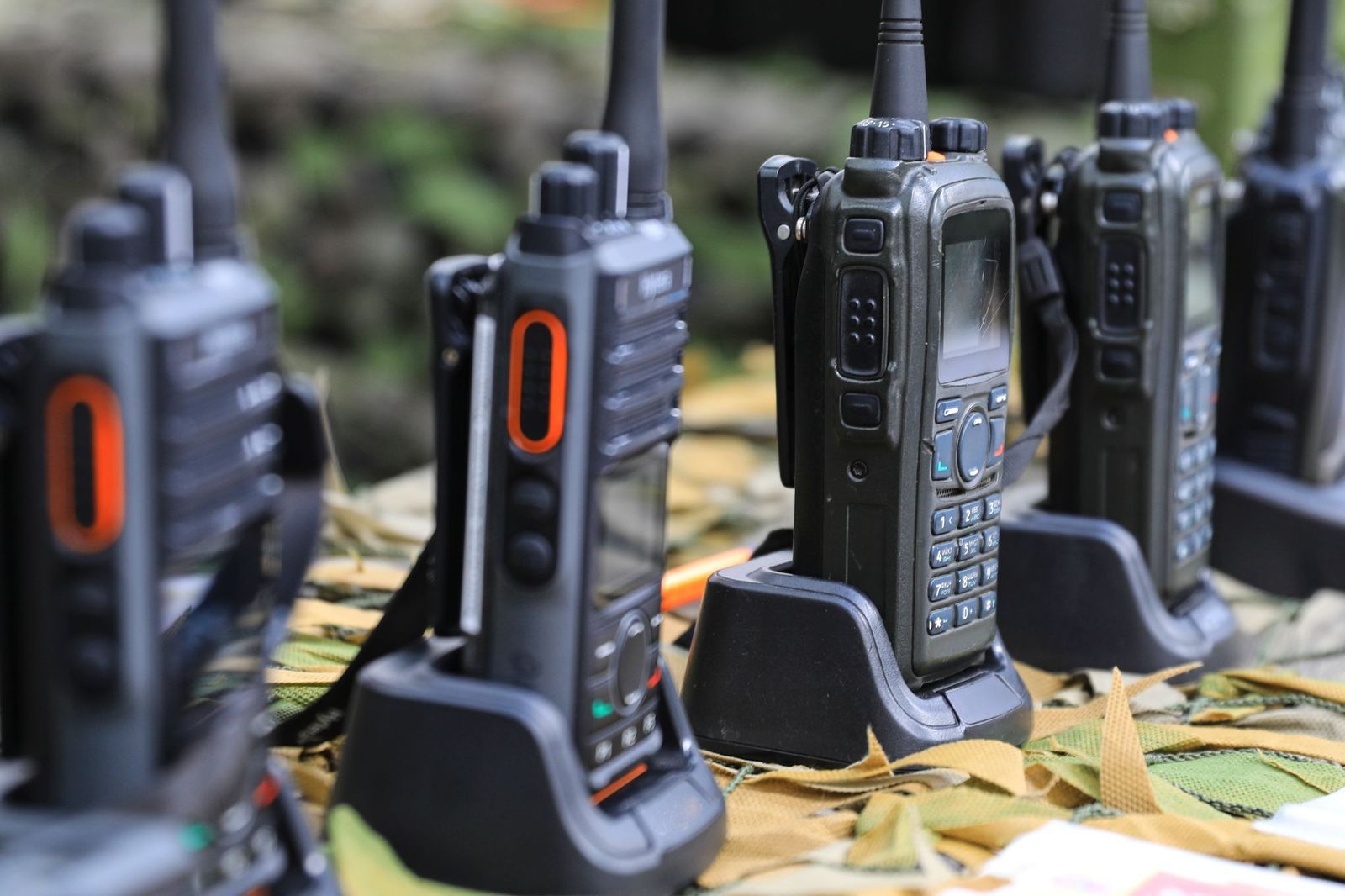
Ten-codes were developed during the 1930s to allow for brevity and standardization of message traffic in radio communications. They were widely adopted by US public safety departments and by radio enthusiasts.

While the system is being slowly phased out in favor of plain language communications, many local police, fire, and sheriff departments keep using it, and it is still strongly associated with radio culture by the general public. One of the most famous ten-codes is 10-4, meaning "received and understood."

10

Code Blue

Image: PeopleImages

Hospitals around the world use color-coded announcements to communicate emergencies without causing unnecessary panic among patients and visitors. Perhaps the best known is Code Blue, indicating that a patient is experiencing cardiac or respiratory arrest and requires immediate medical assistance.

While some hospitals use their own custom color codes, Code Blue has become so widely recognized that it now appears frequently in television dramas and everyday conversation whenever someone refers to a life-threatening medical emergency.

Looking for an extra scoop of literary fun?

Learn more with our Word of the day

malleable

/ˈmæl(j)əbəl/